Hi!

Phone: +1 5512262129
Email: vivekananda.kondapalli@gmail.com

I have designed experiences for both enterprise and consumer applications for 14 years. With strong knowledge in industry leading design systems, I rely on design thinking to envision the future of digital products and integrate the entire process from strategy to final execution. Currently redesigning the legacy systems of New York State agencies as part of their technology modernization efforts. Learning, empathizing, ideating, and teambuilding are my all-time favorite keywords.

  • Vivekananda Kondapalli

  • Resume
  • Passion Filmography
  • +1 5512262129
  • vivekananda.kondapalli@gmail.com

Experience

GCOM Software

  • Senior UX Consultant
  • Aug 2018 – Present

Underwriters Laboratories

  • Senior UX Consultant
  • Jan 2017 – Jul 2018

NYS DoH

  • Design Strategist
  • May 2016 - Dec 2016

The Children’s Place

  • UX Consultant
  • Sep 2014 till May 2016

Hexagon PPM

  • Information Designer
  • Feb 2012 till Jan 2014

Snapfish (formerly an HP Service)

  • Senior Business Analyst
  • Jan 2011 till Jan 2012

Progressive Media Group

  • Business Analyst/Content Design
  • Oct 2008 till Dec 2010
  • Show All
  • Mobile
  • Video

Skills

  • Figma (advanced)
    %
  • Accessibility
    %
  • Jira/Confluence
    %
  • Storybook (Collab)
    %
  • Miro & Lucidchart
    %
  • AI - LLM
    %
  • Photoshop
    %
  • AfterEffects
    %
  • Illustrator
    %
  • JAWS
    %
  • NVDA
    %
  • ZoomText
    %
  • Dragon Speech Recognition
    %

NYC Department of Transportation

PDF
PDF
PDF
PDF
PDF
PDF
PDF
PDF
PDF
PDF
PDF
PDF
PDF
  • Created by: Vivekananda Kondapalli
  • Skills: Adobe XD, Accessibility Testing

Project Brief

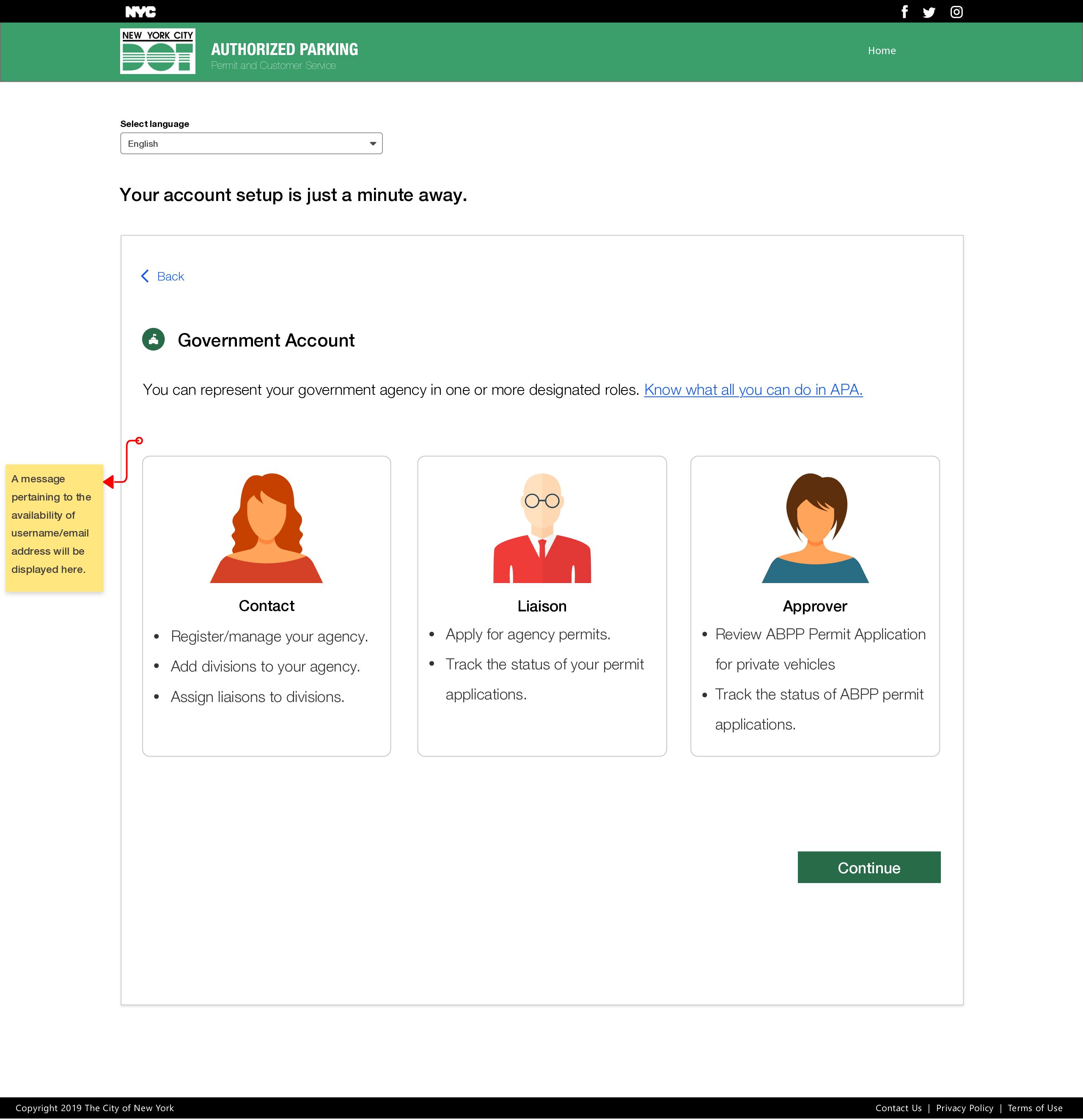
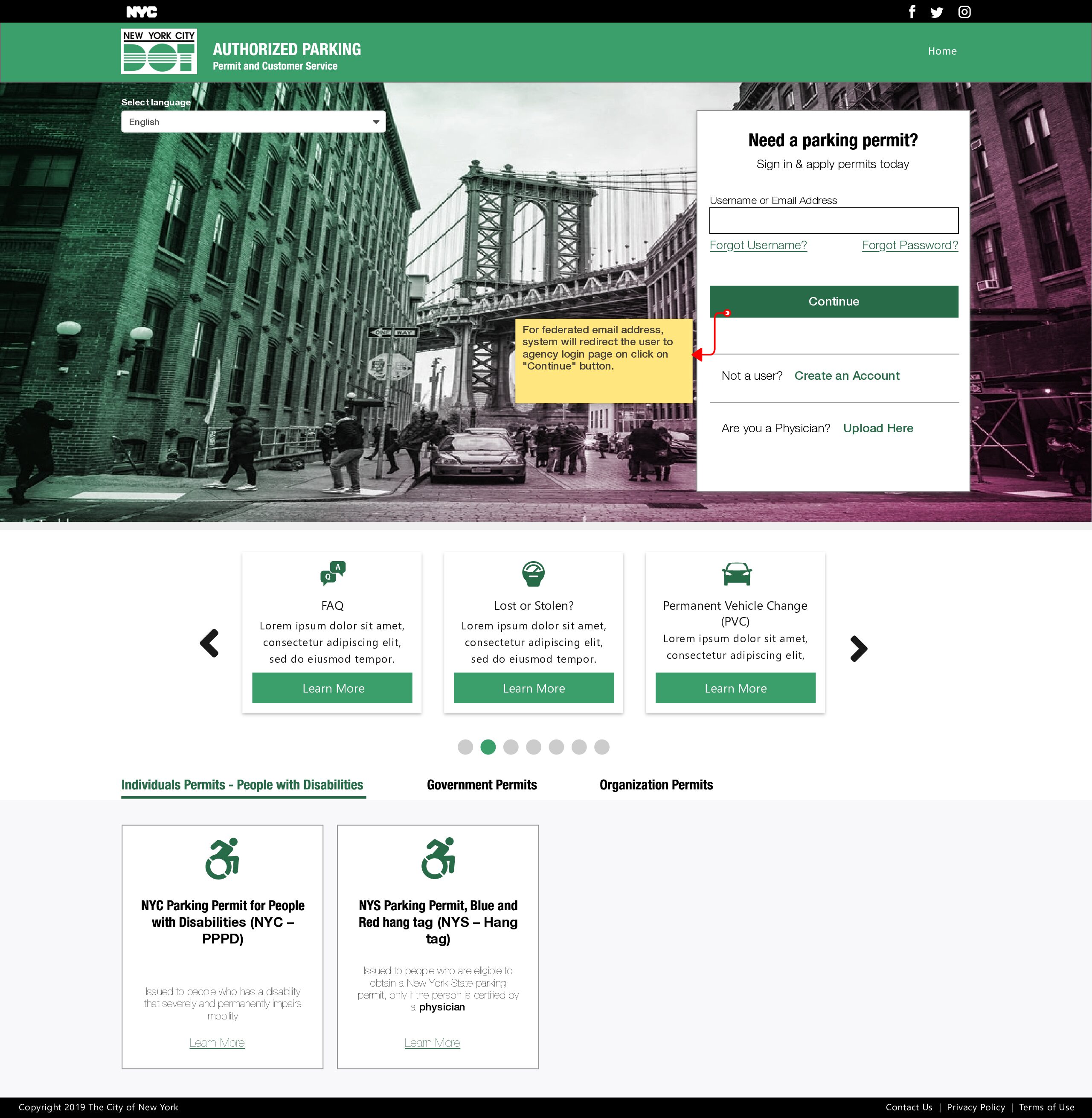
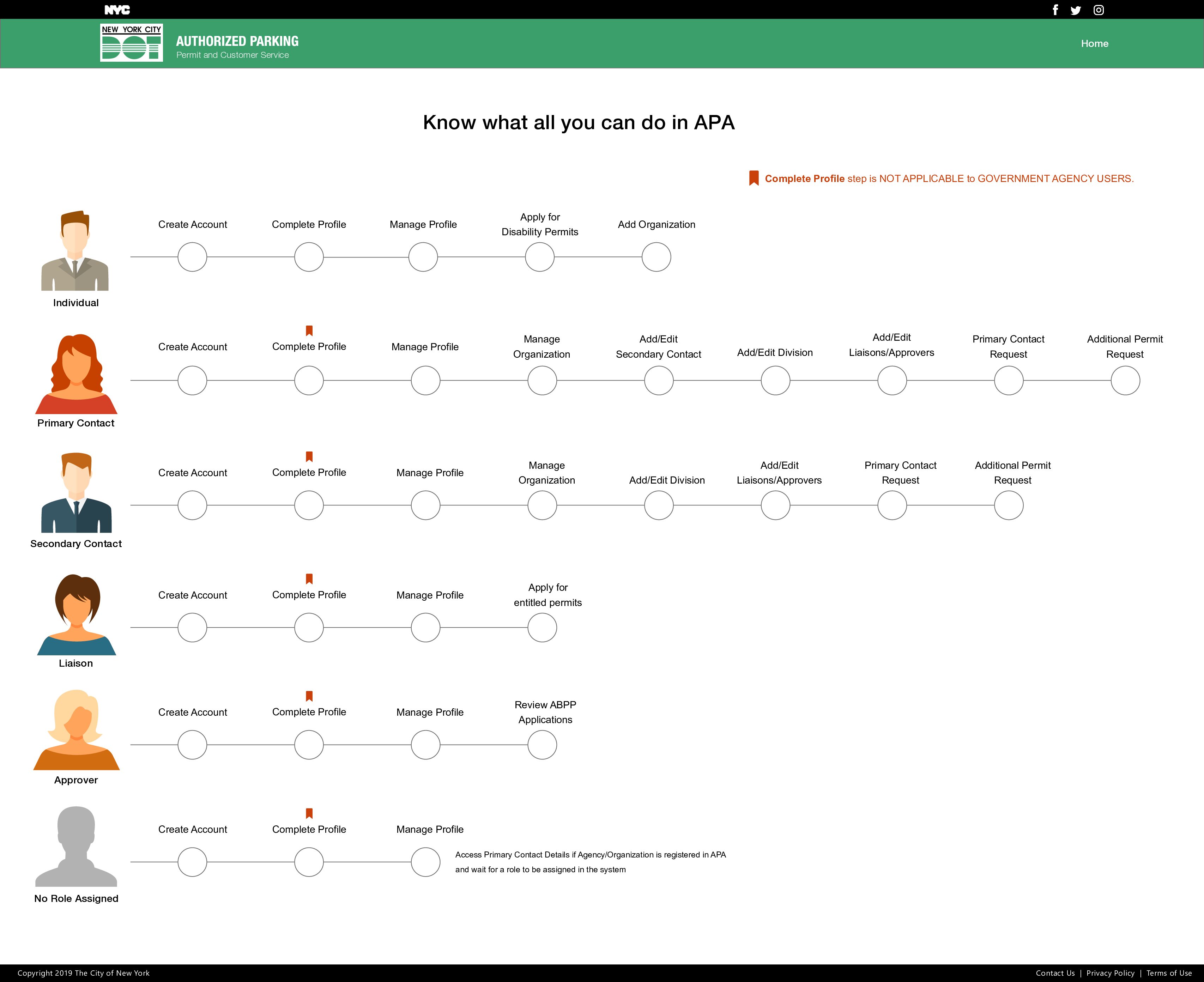
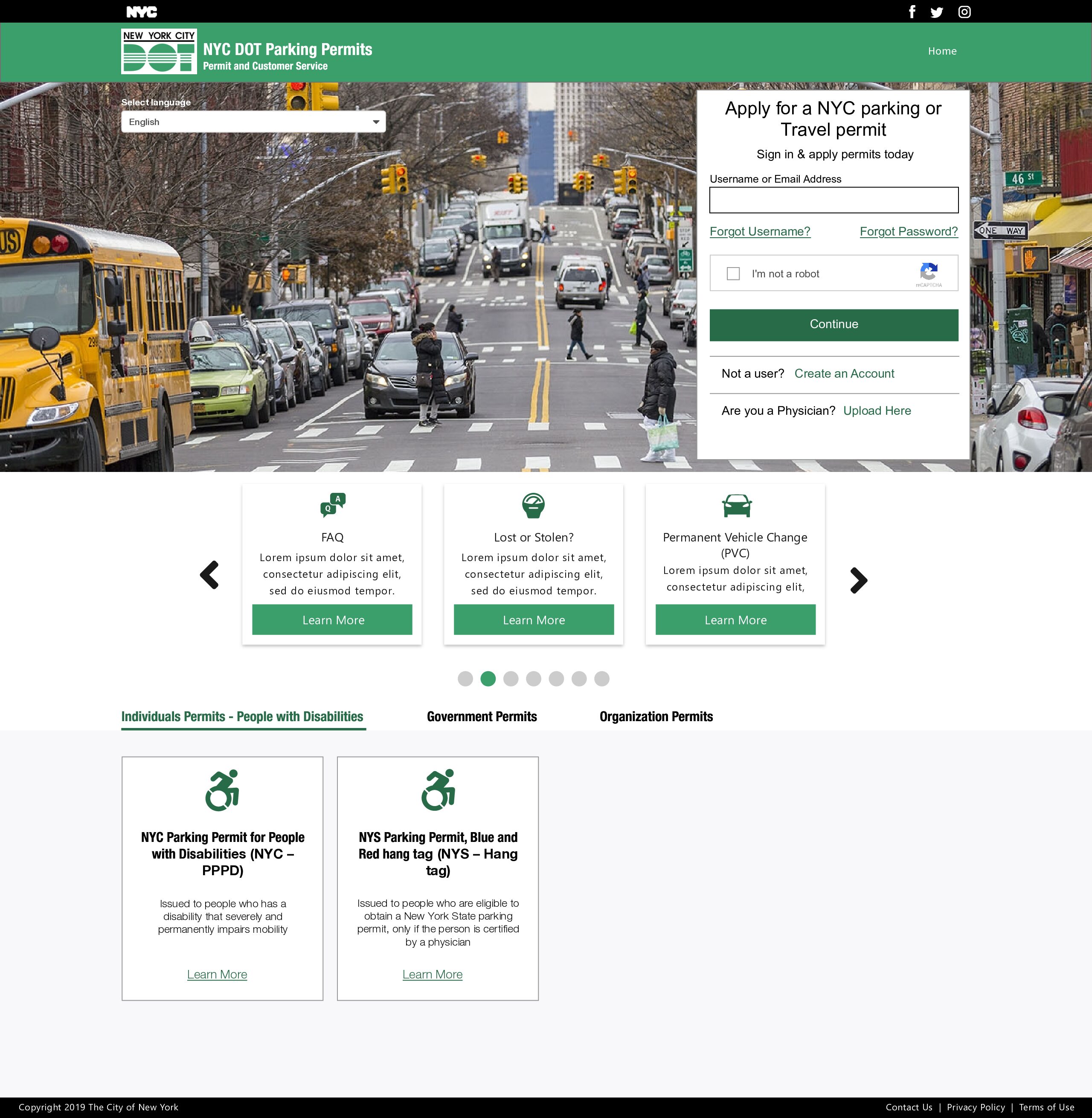
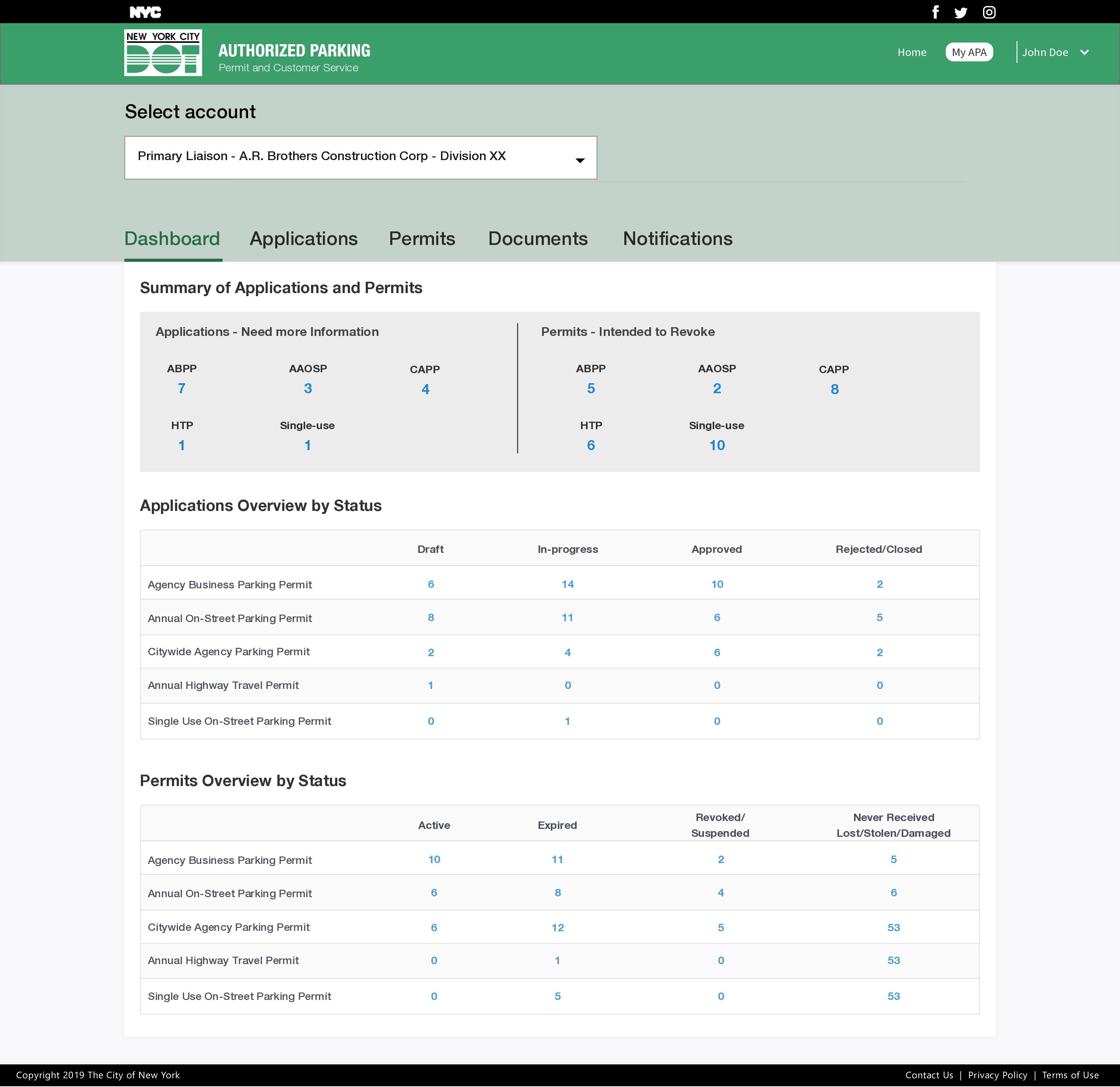
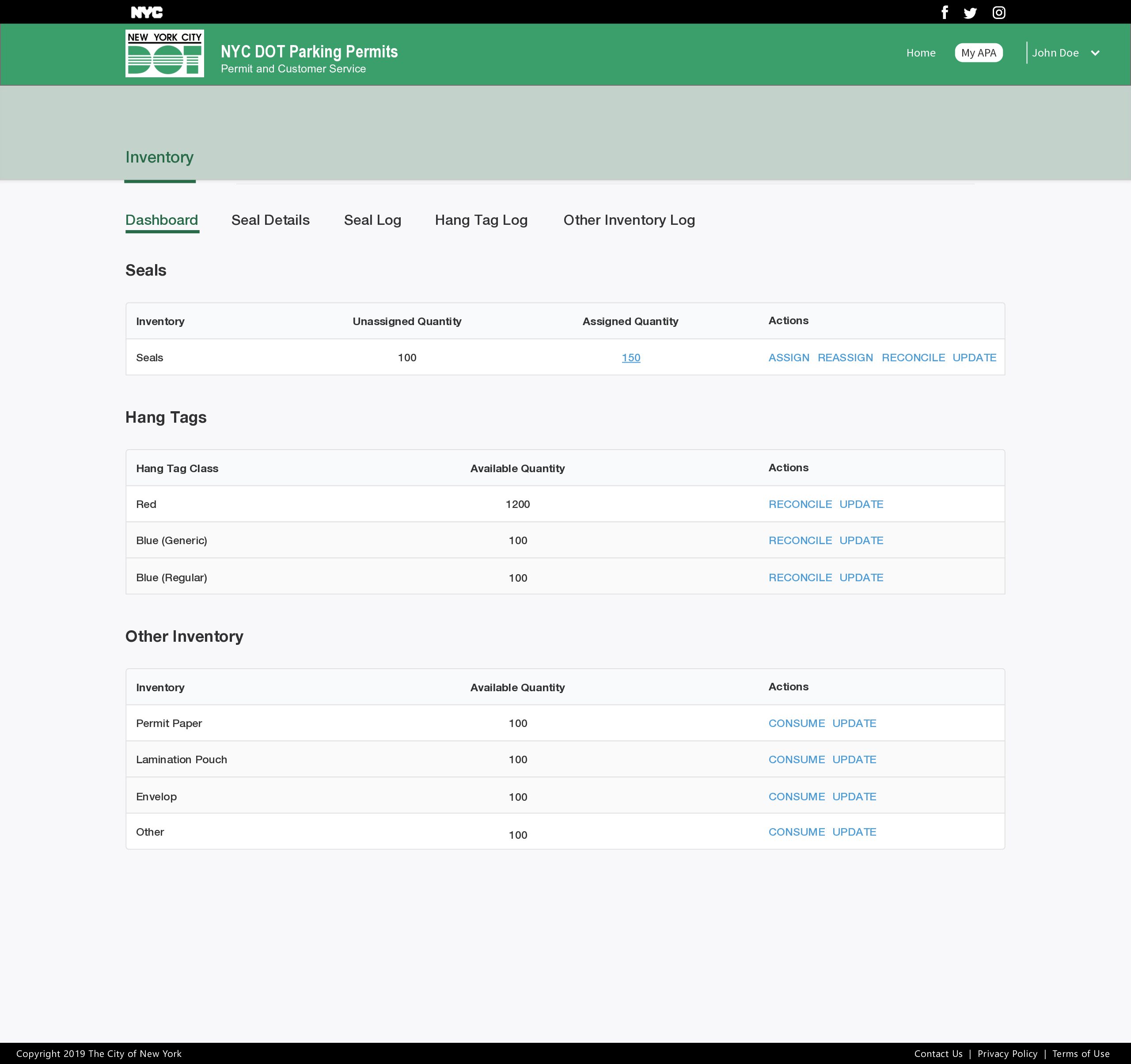
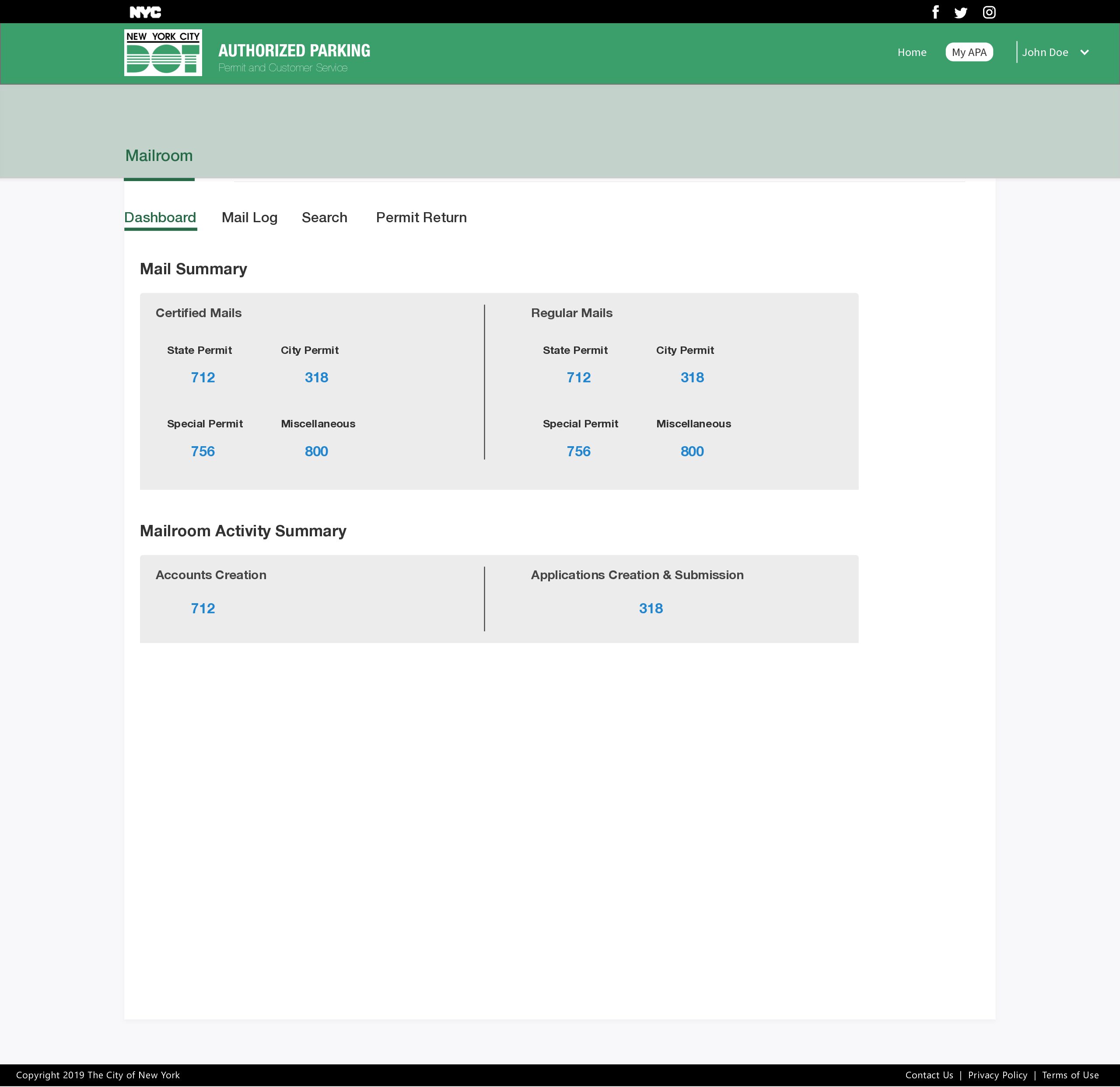
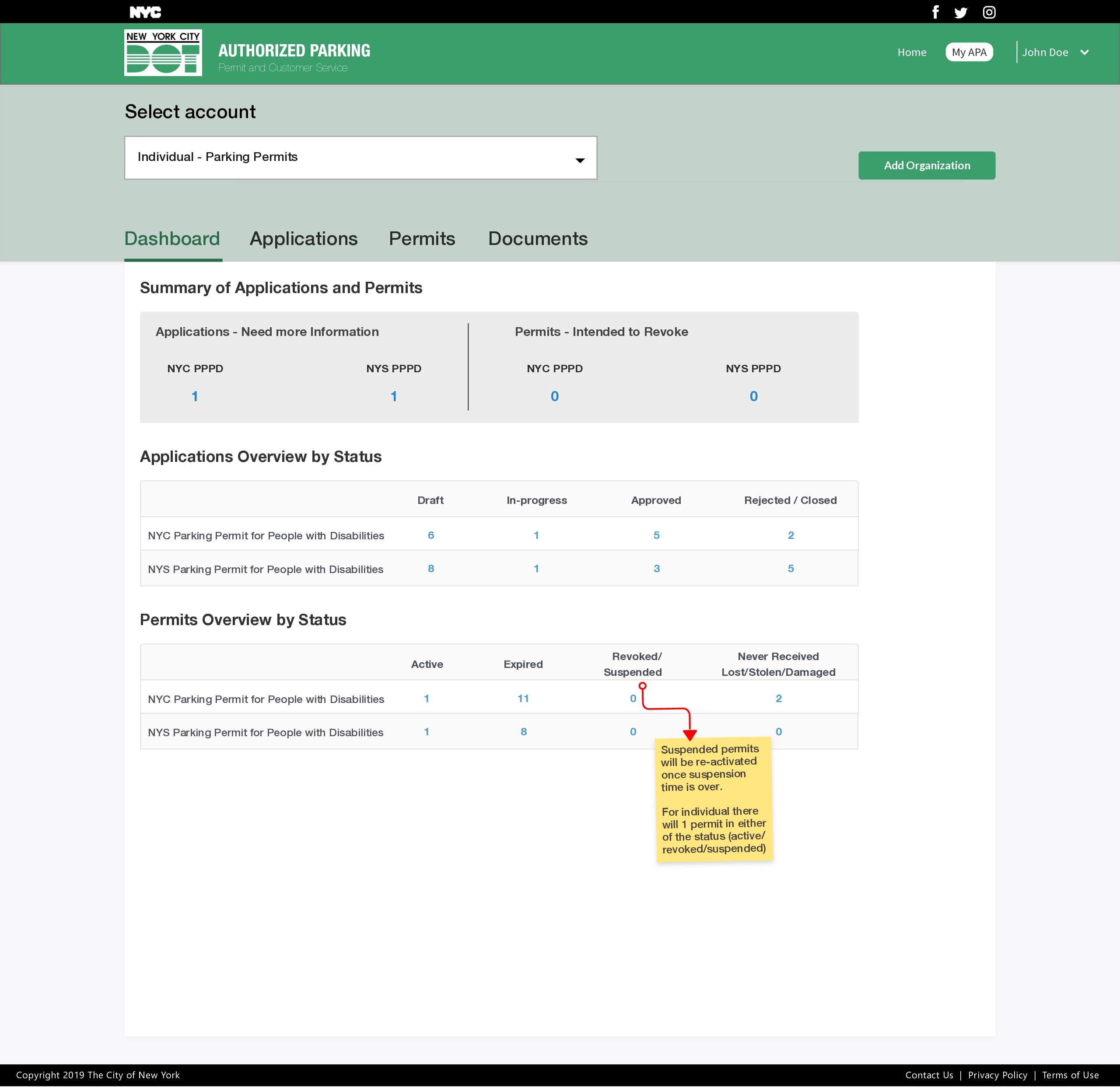
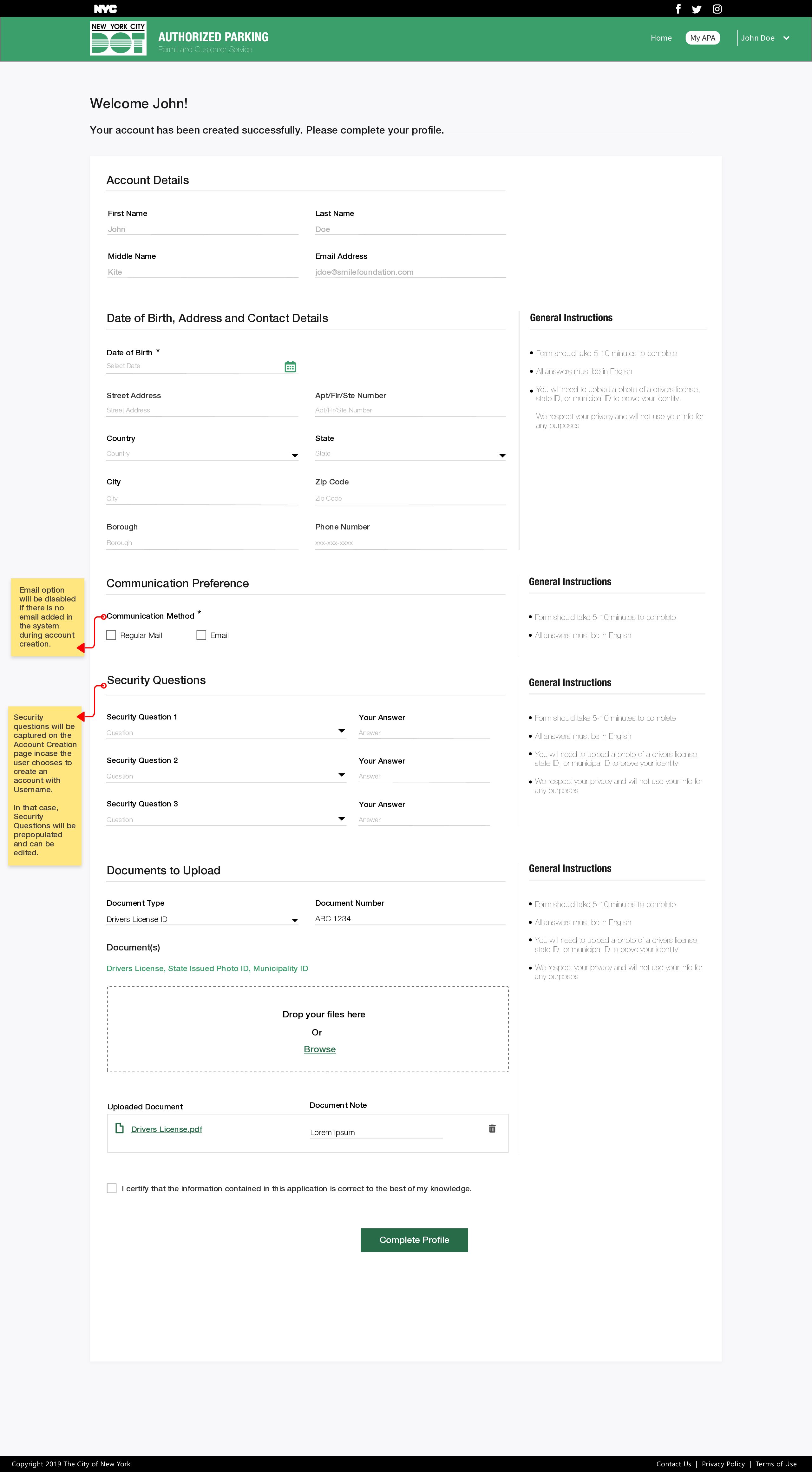
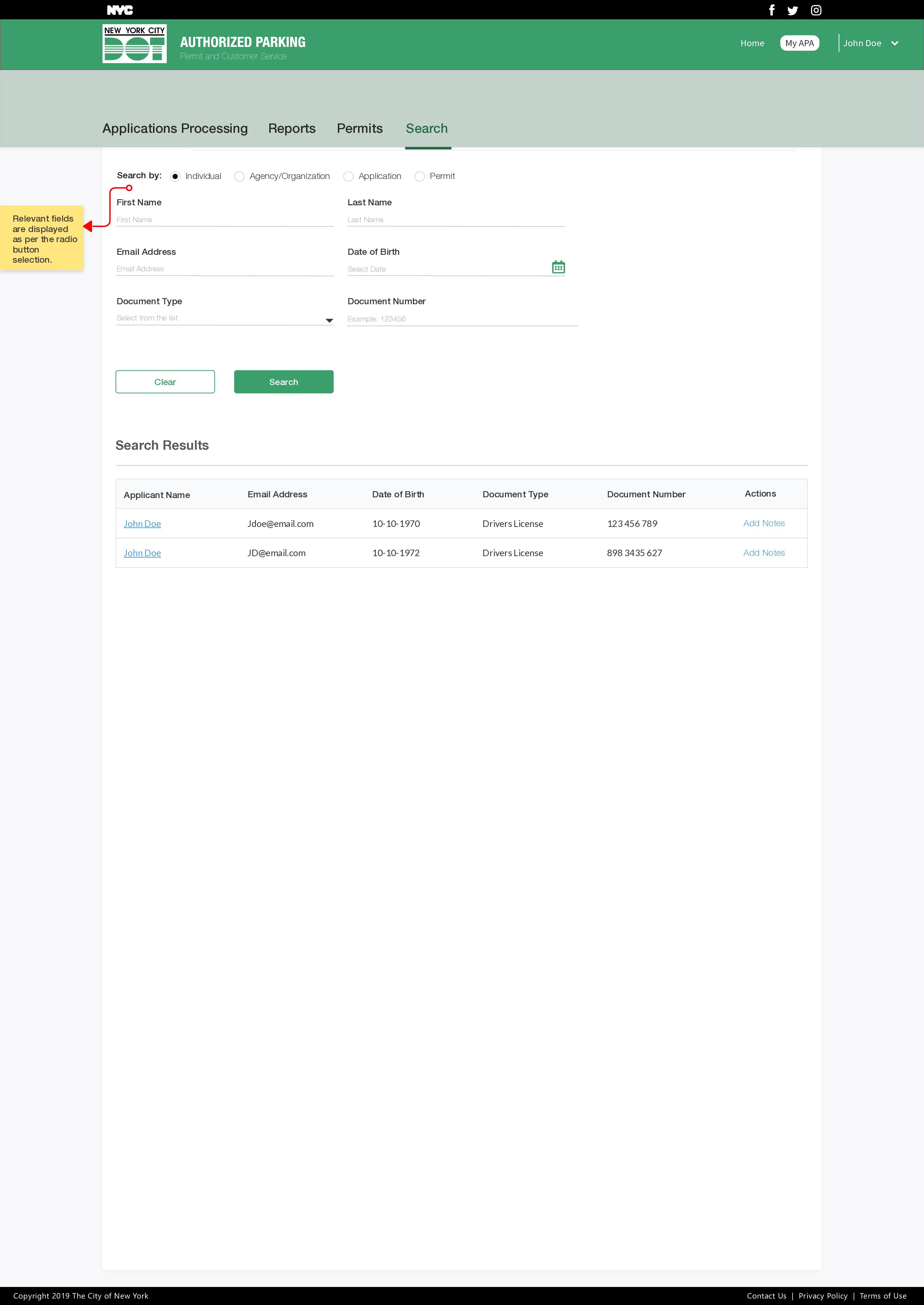
A responsive, multilingual web application designed to support the processing, maintenance and delivery of special permits, disability parking permits for NYC and NYS residents, government agencies and external organizations.

​The parking permit application undergoes multiple levels of processing depending on the type of permit.

Users Groups:
  • NYS & NYC residents
  • Federal, State, and City Government Agencies
  • NYC DOT Permit Processing Team
  • External Organizations
  • Engineers (Truck, Bridge, and State)
  • Mailroom
  • Inventory
  • Customer Care
  • Print Shop

NYC DOHMH involves in the processing and approvals of NYC Parking Permits for People with Disabilities.

UX Activities:

Requirements Study, Scenario Development, Design Collaborations with Product Owner and Business Analysis Team, Low Fidelity- sketches, High Fidelity Interactive Designs, and ADA Compliance Testing.
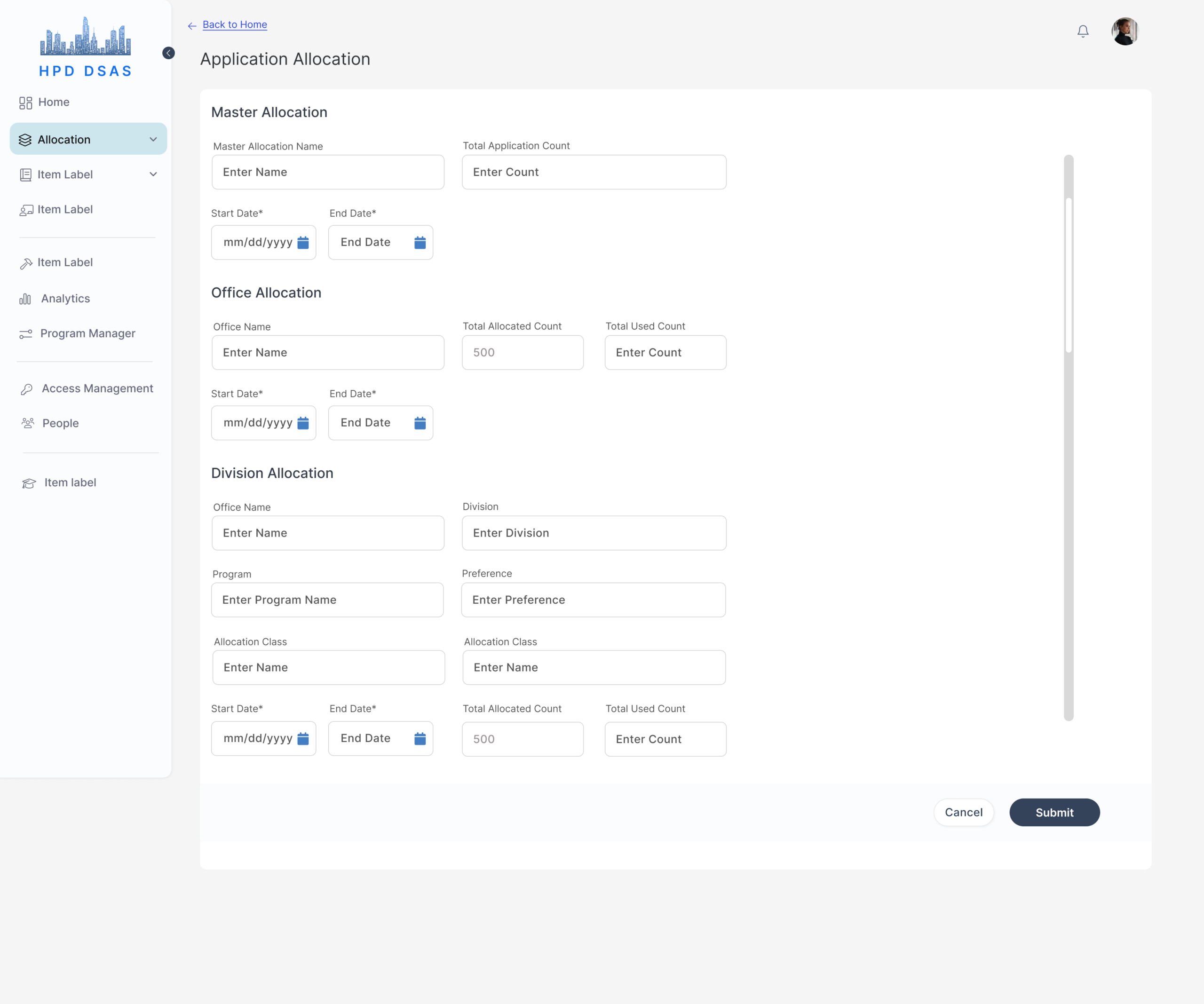
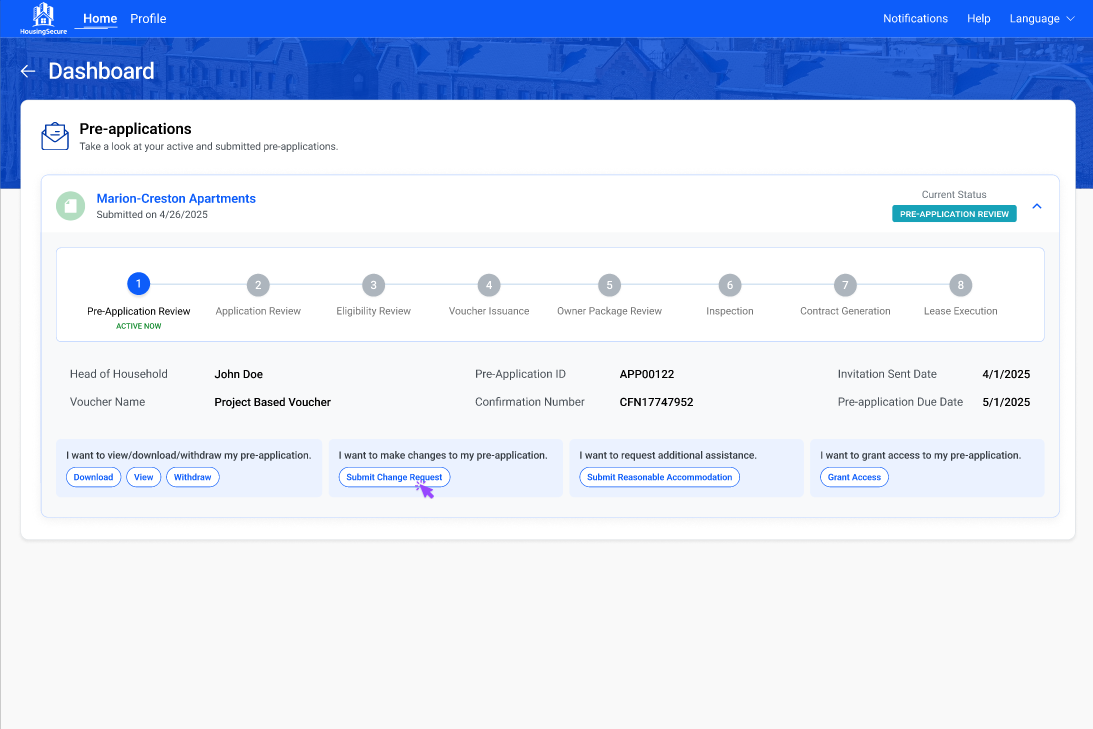
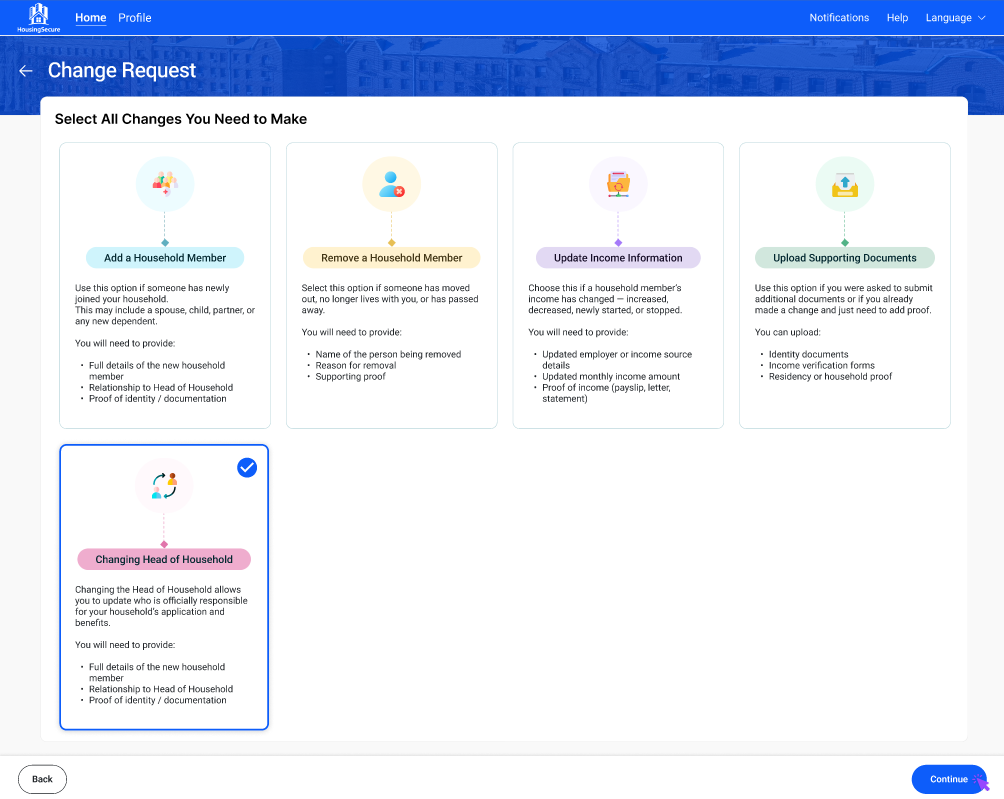
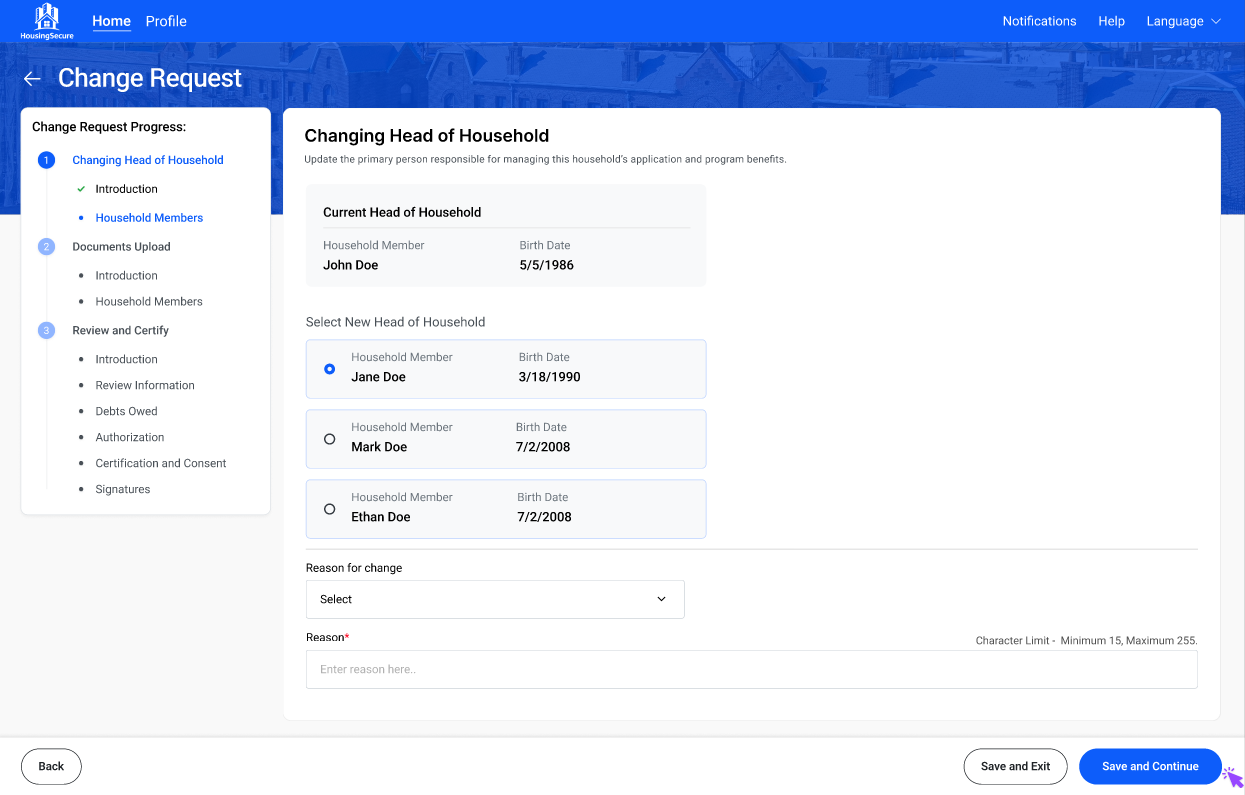
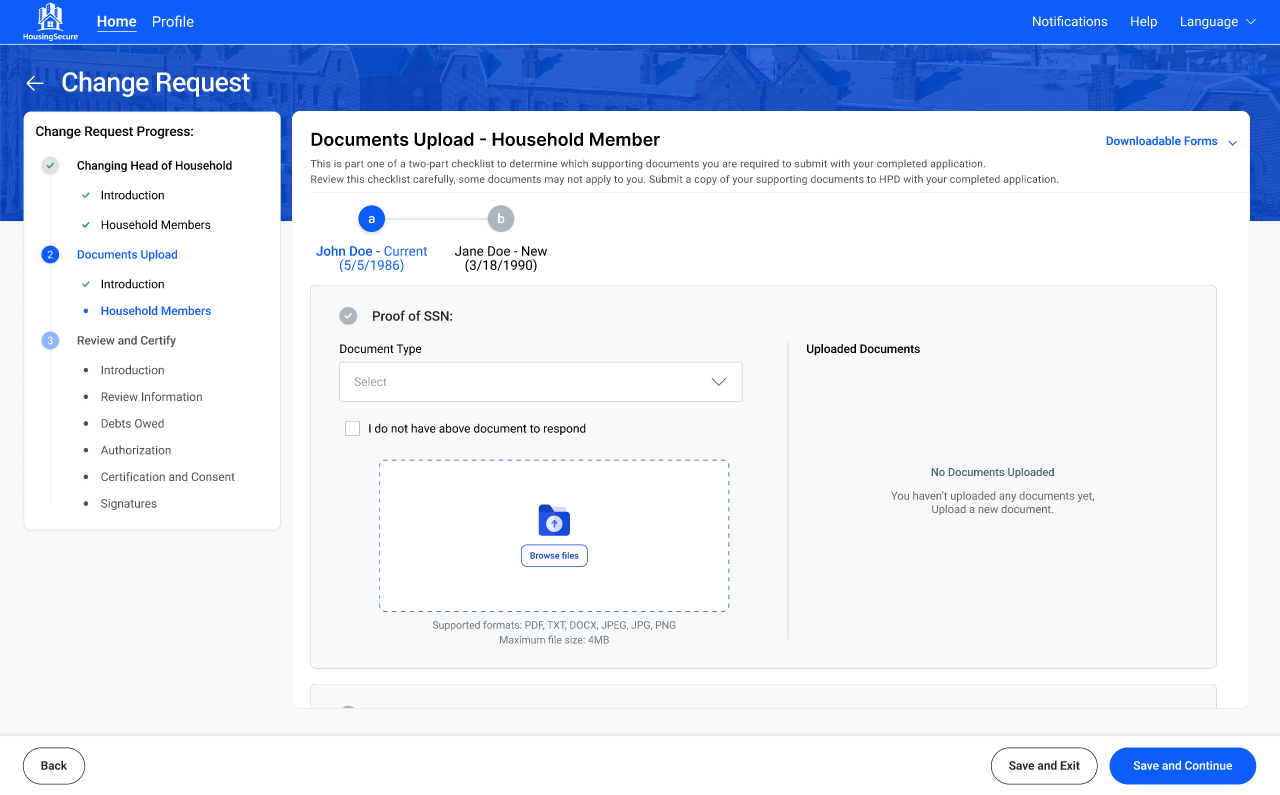
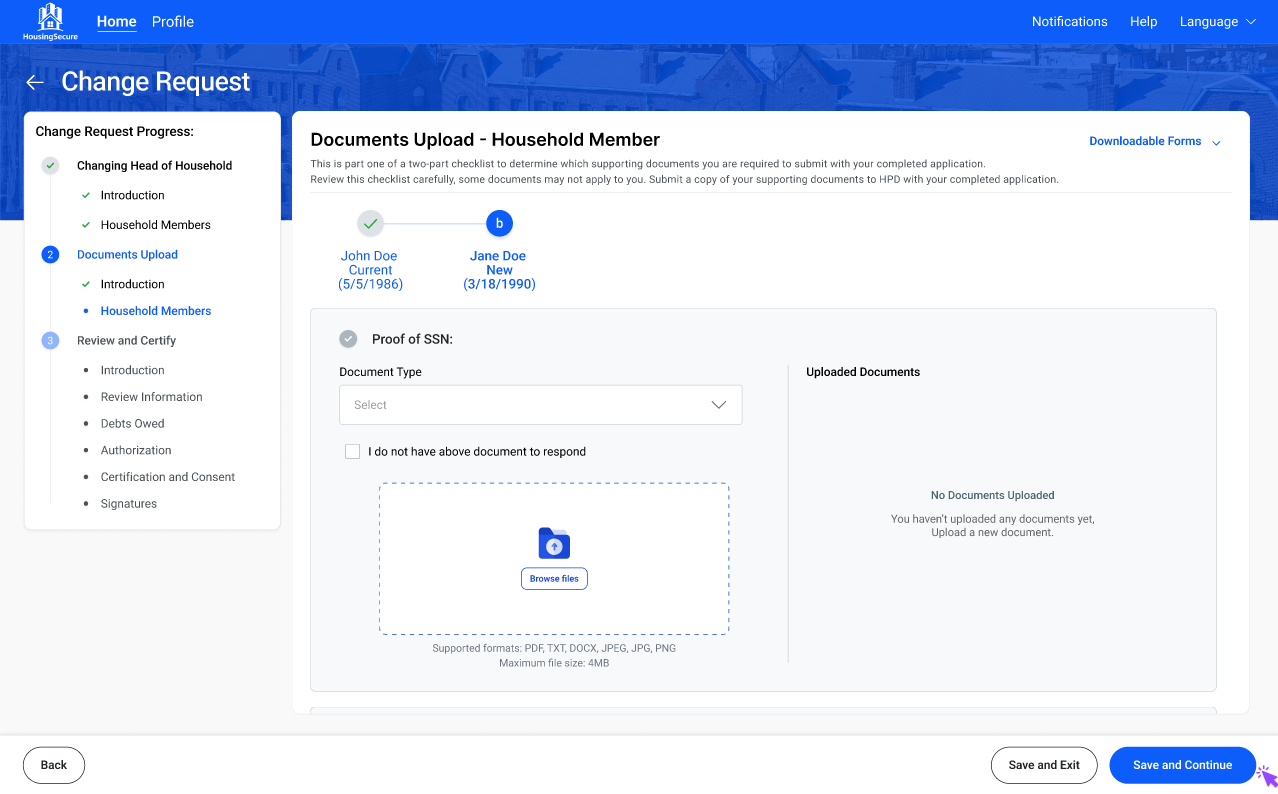
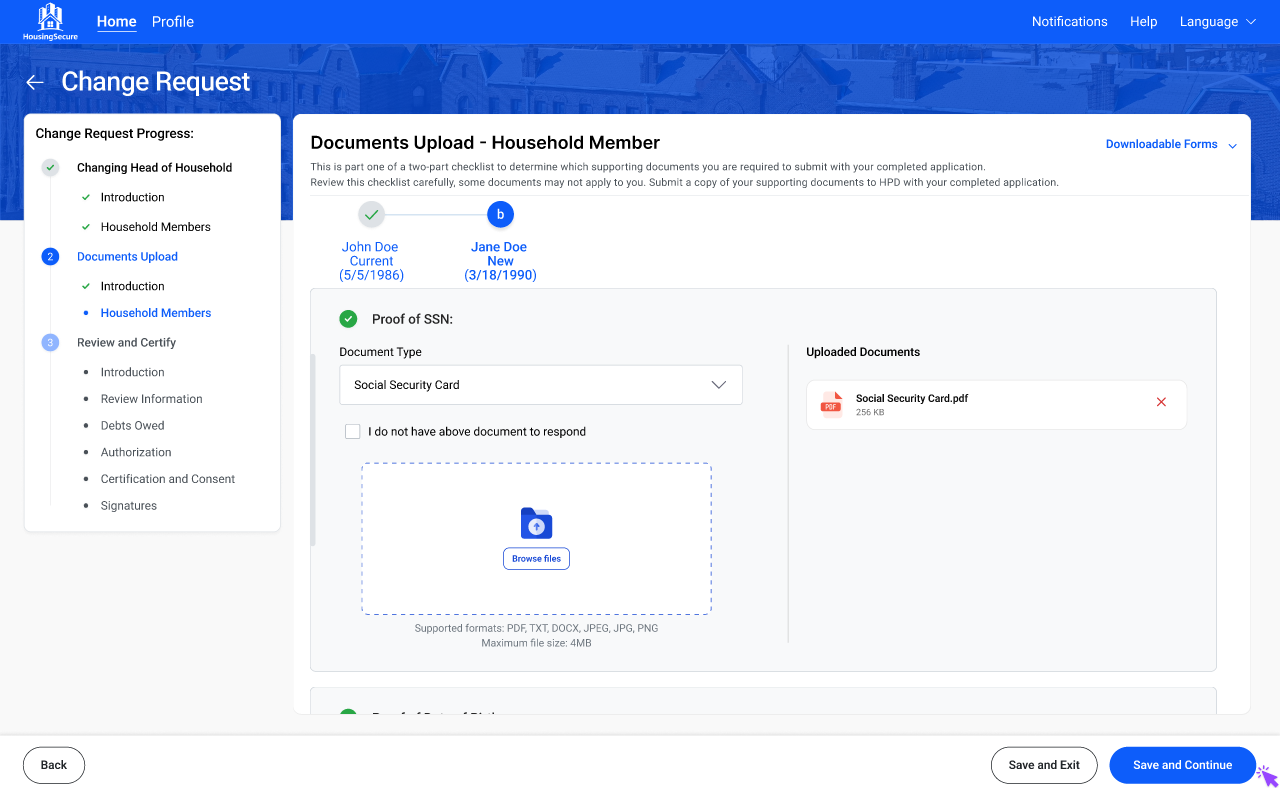
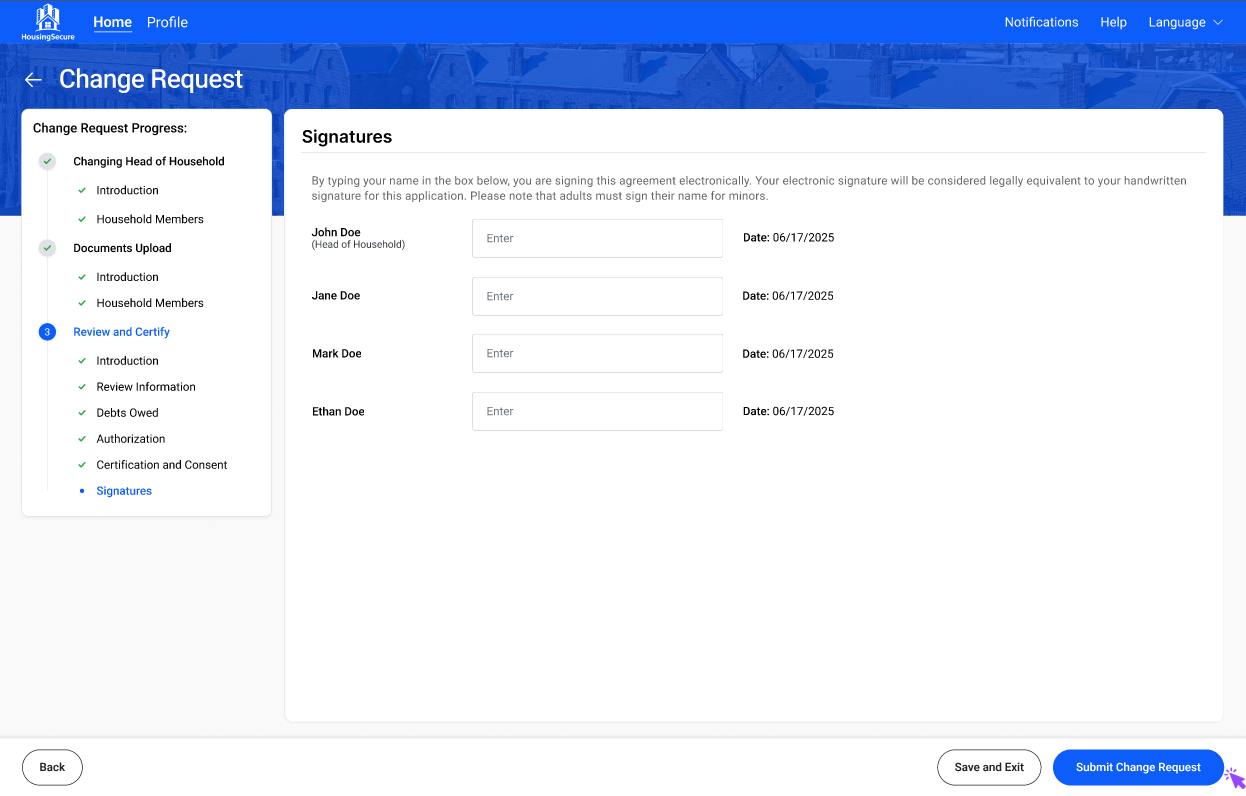
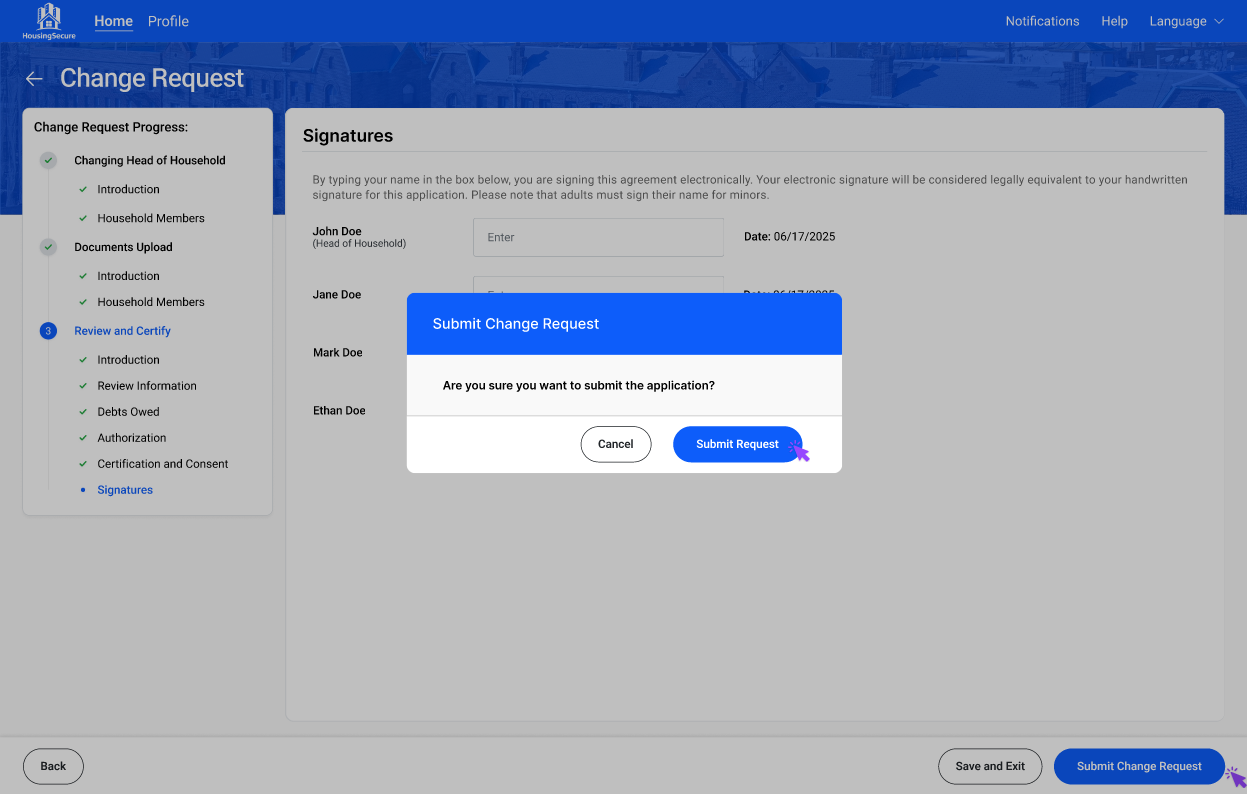
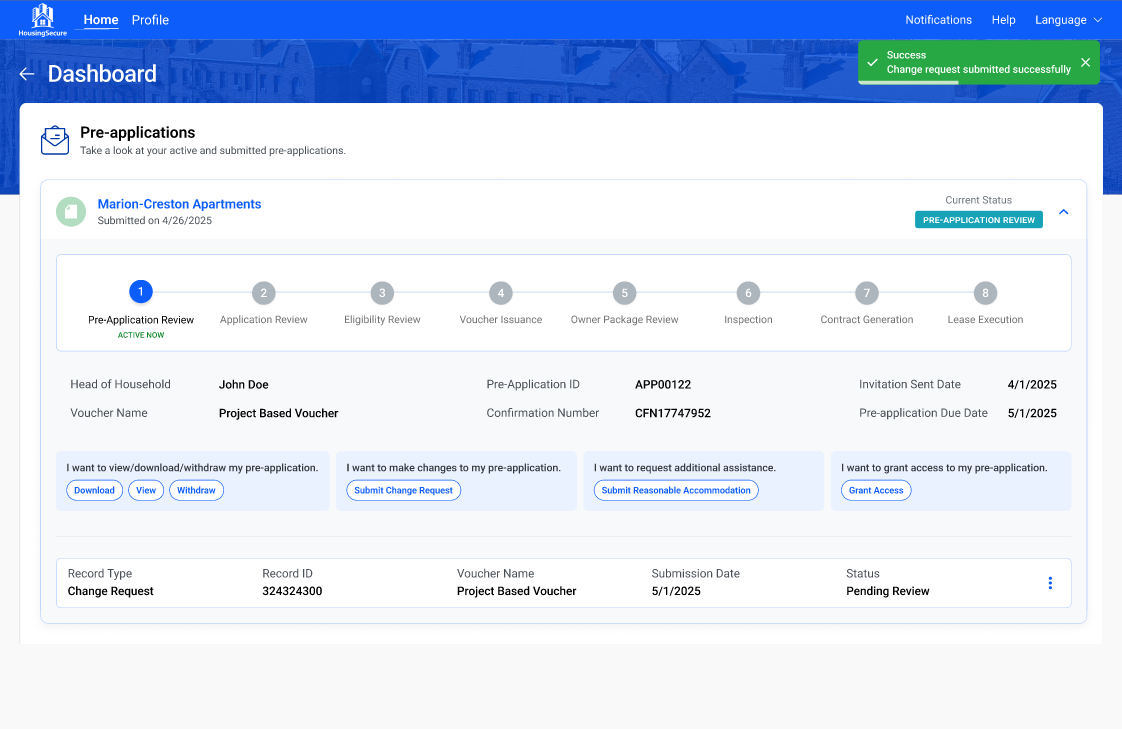
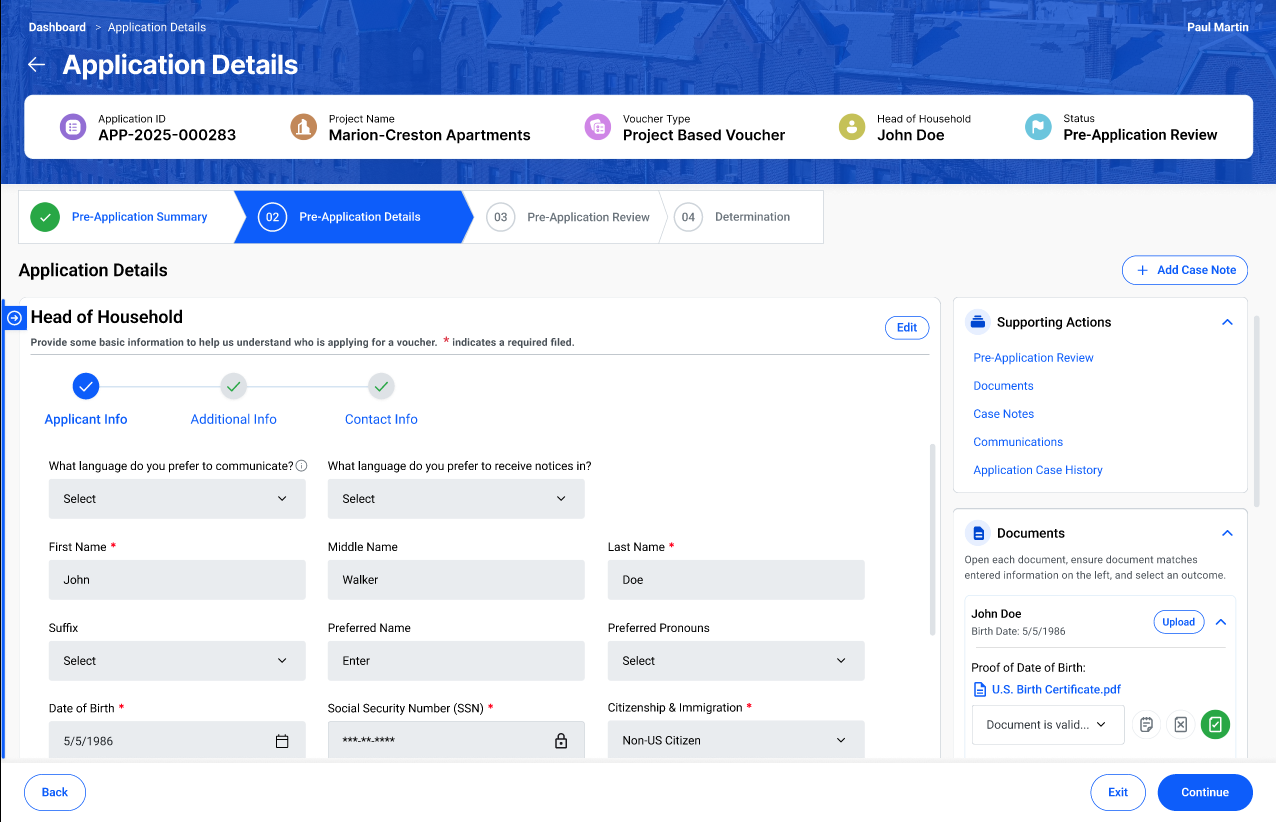
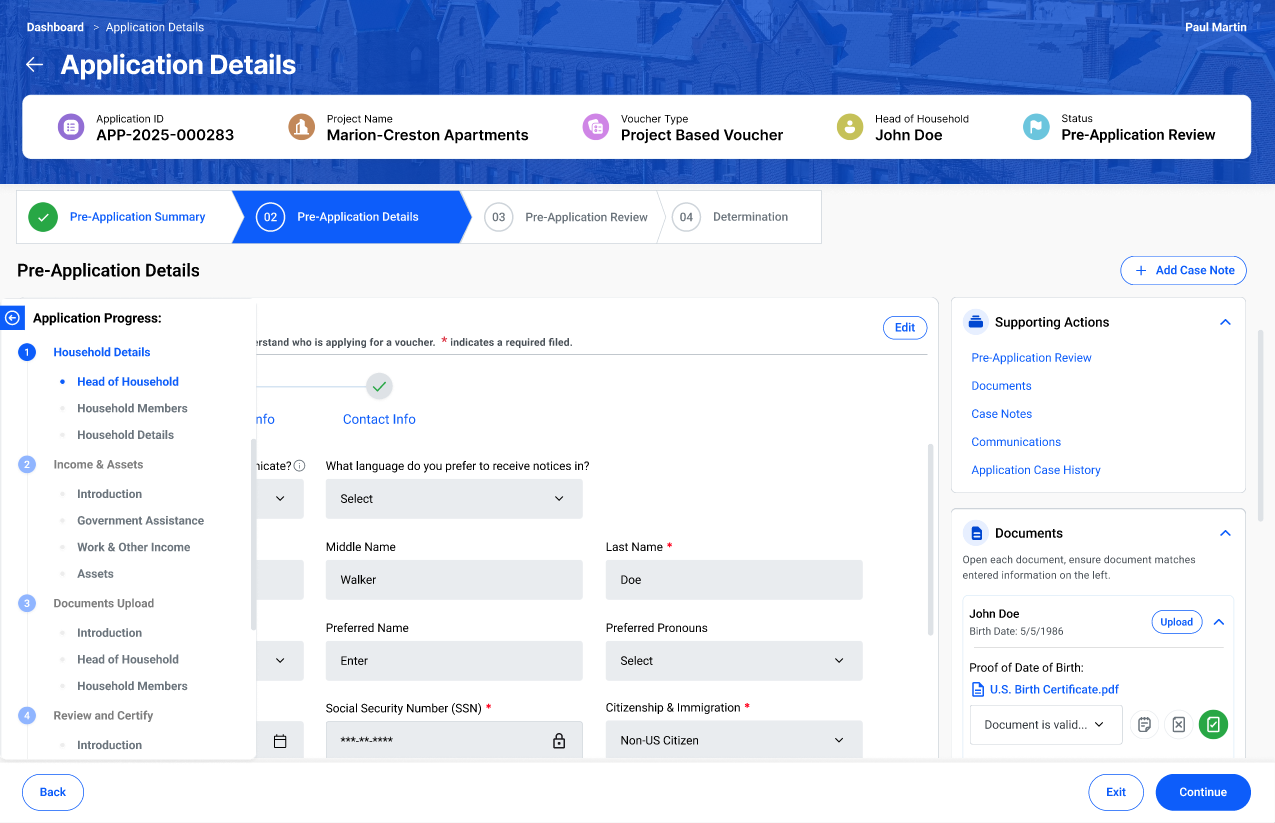
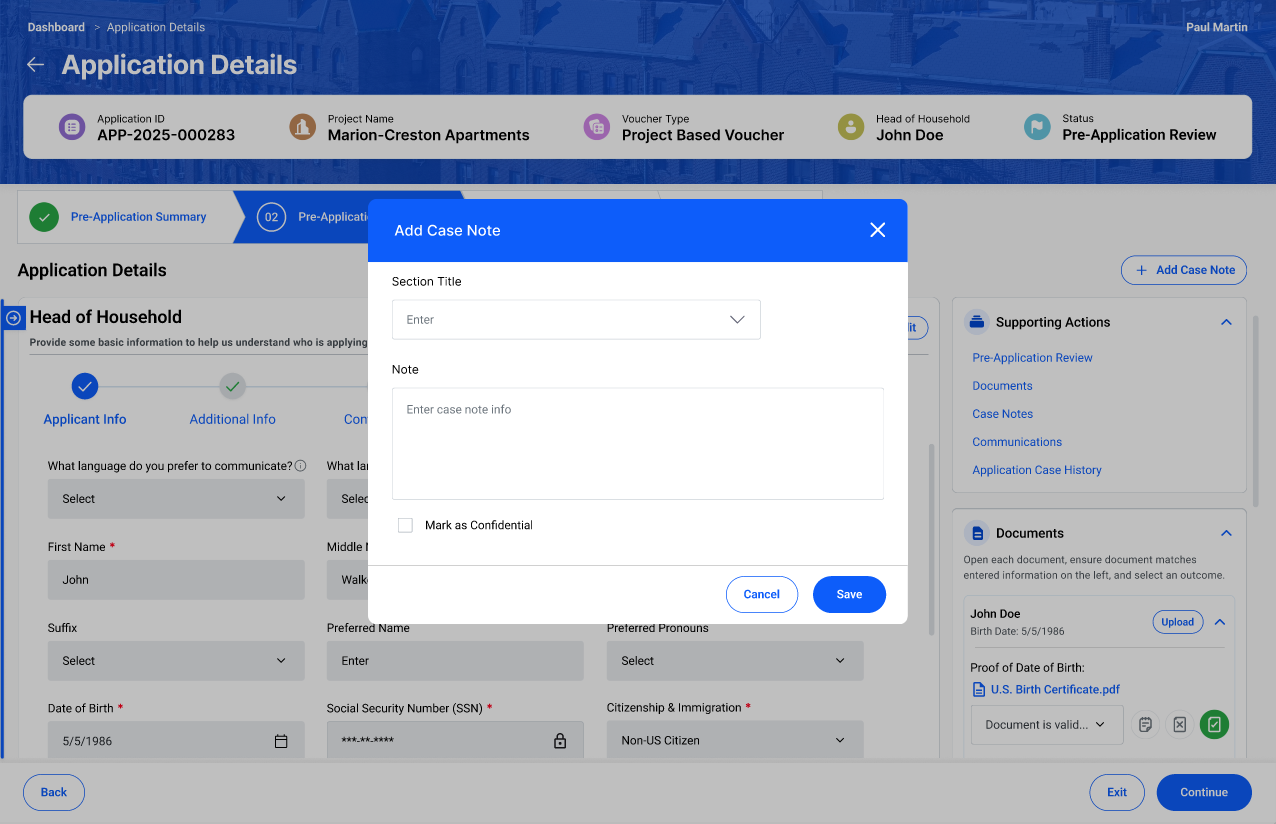
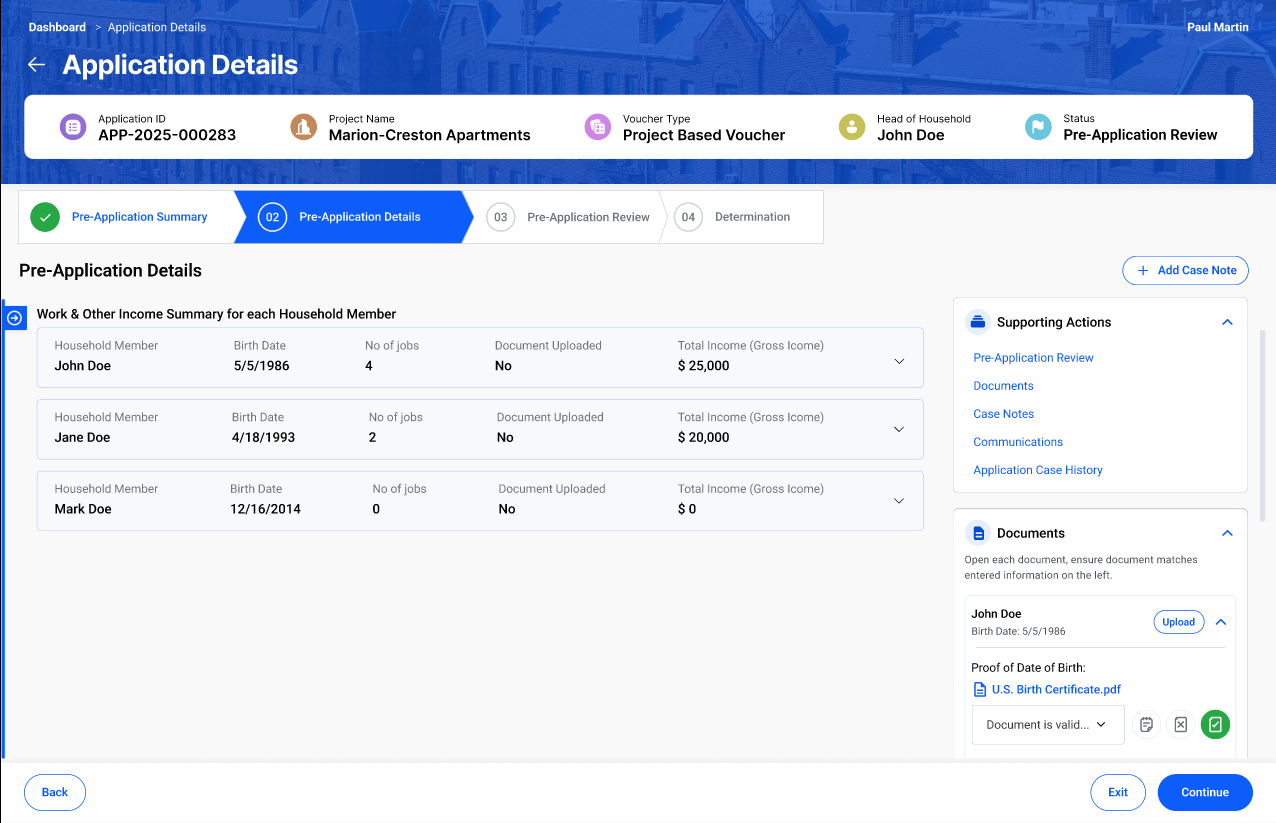
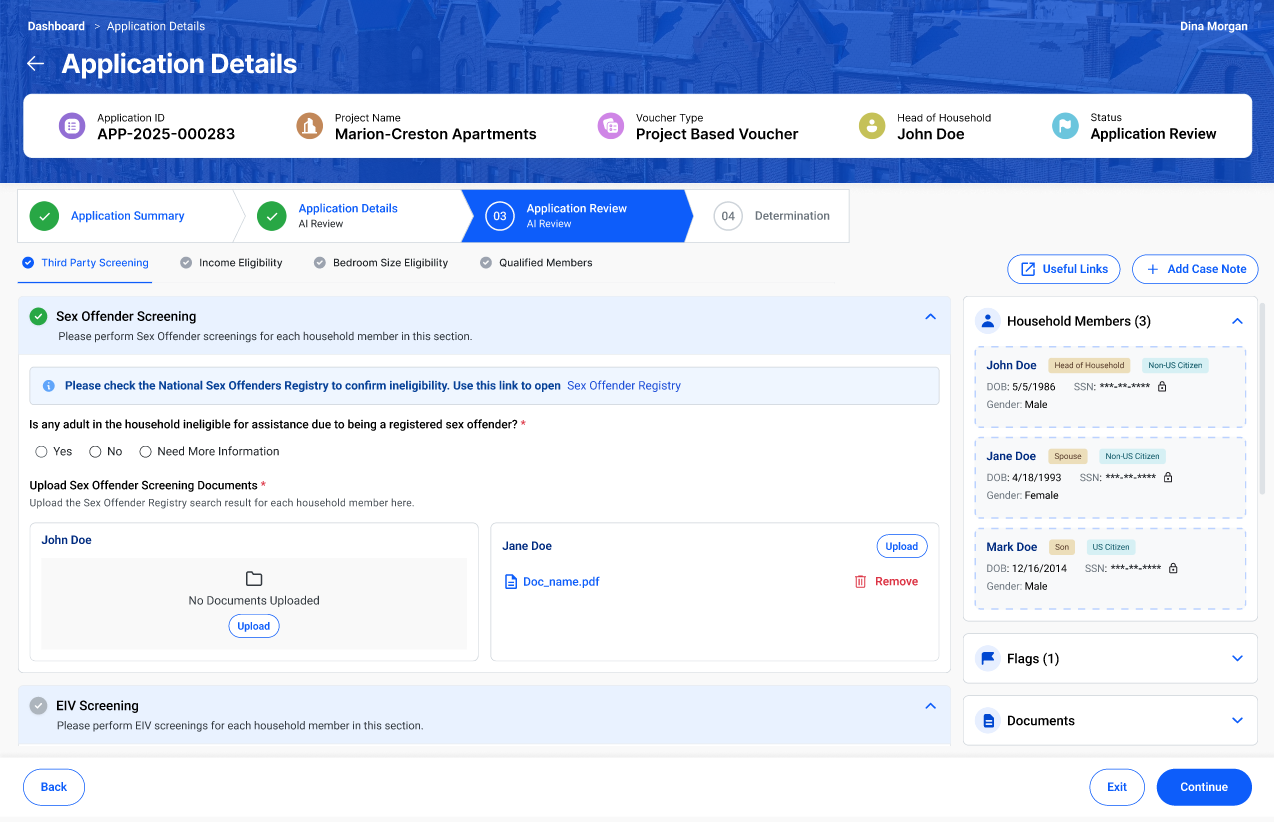
Housing Secure

  • Created by: Vivekananda Kondapalli
  • Skills: Figma, Accessibility Testing

Project Brief

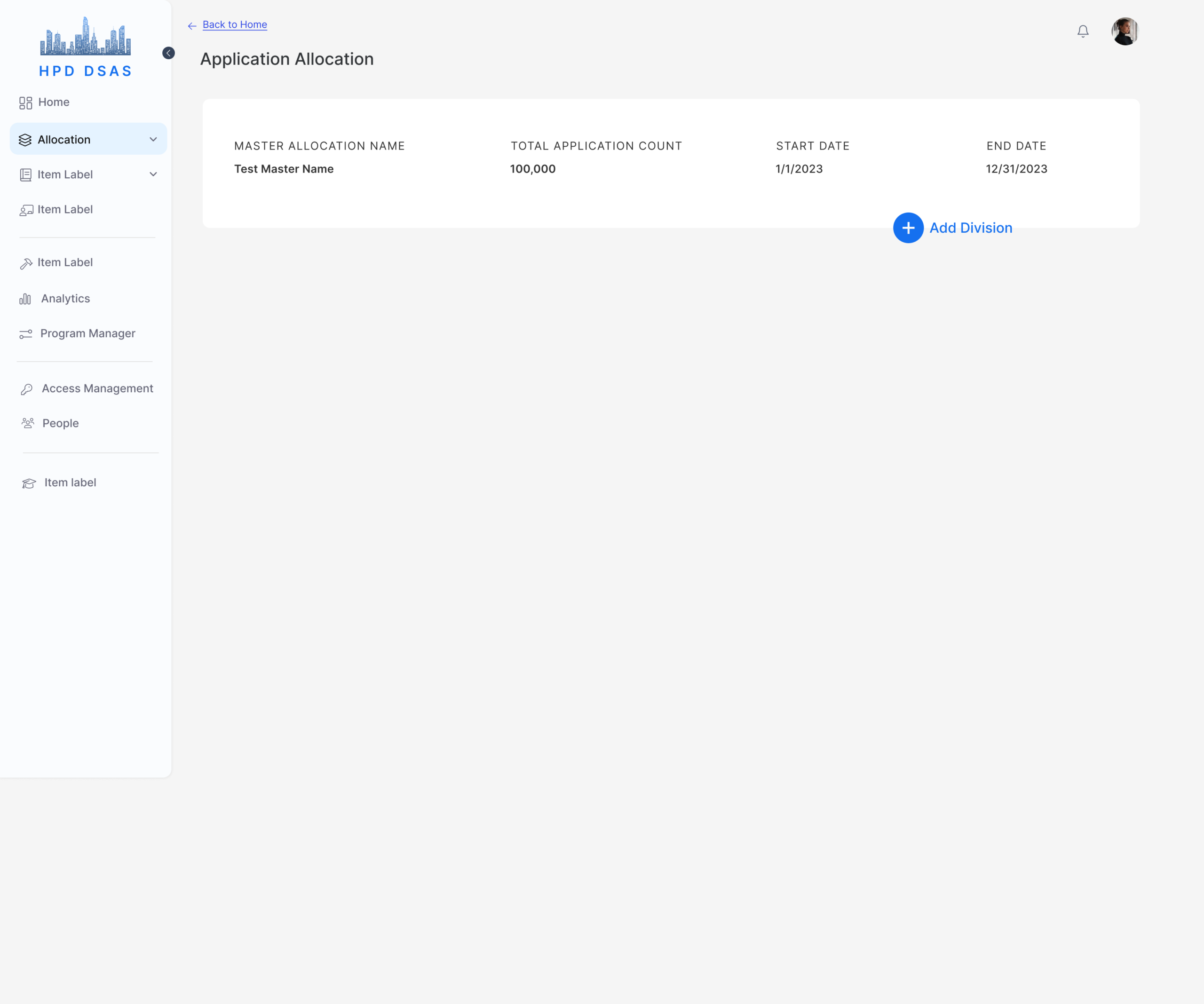
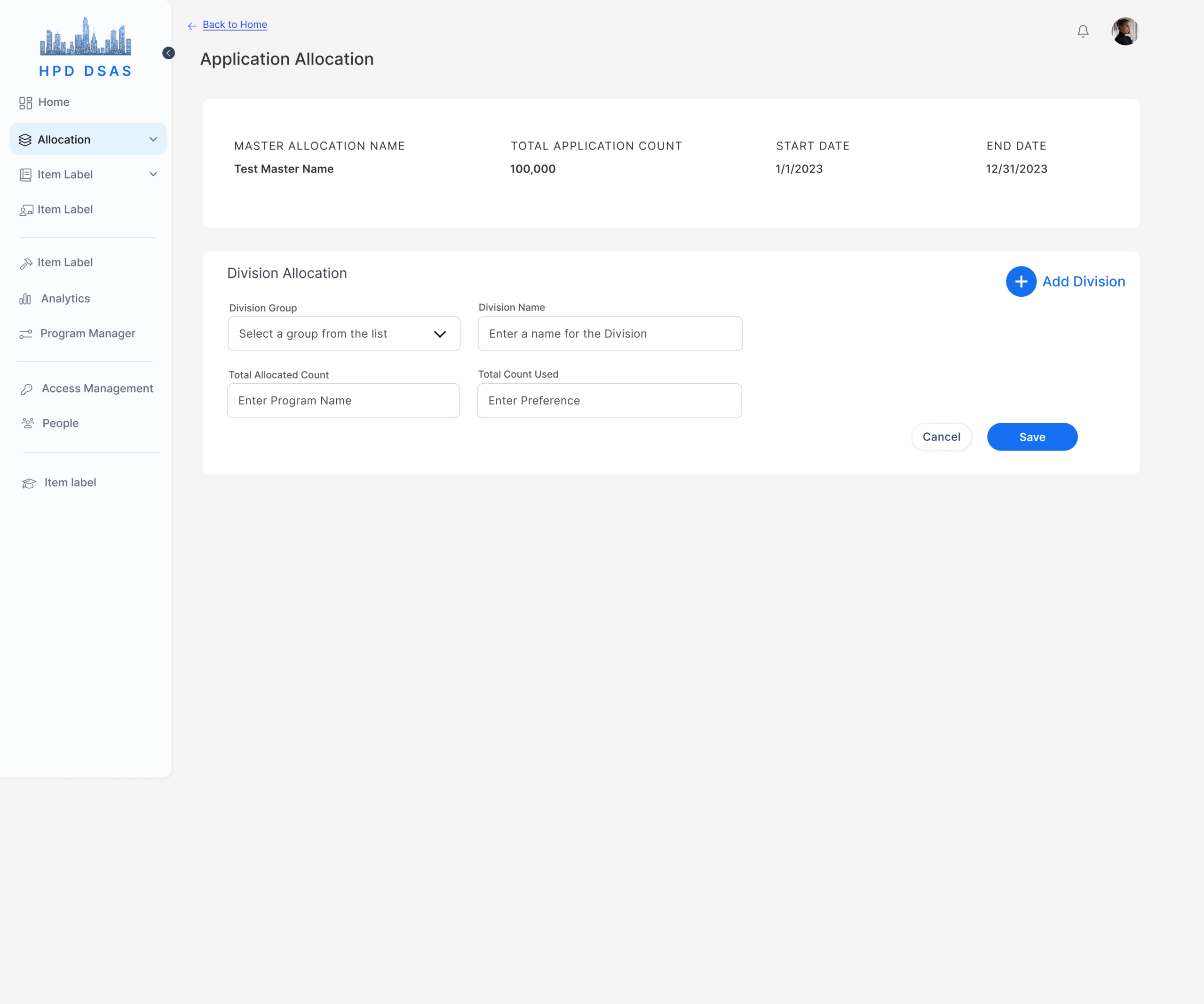
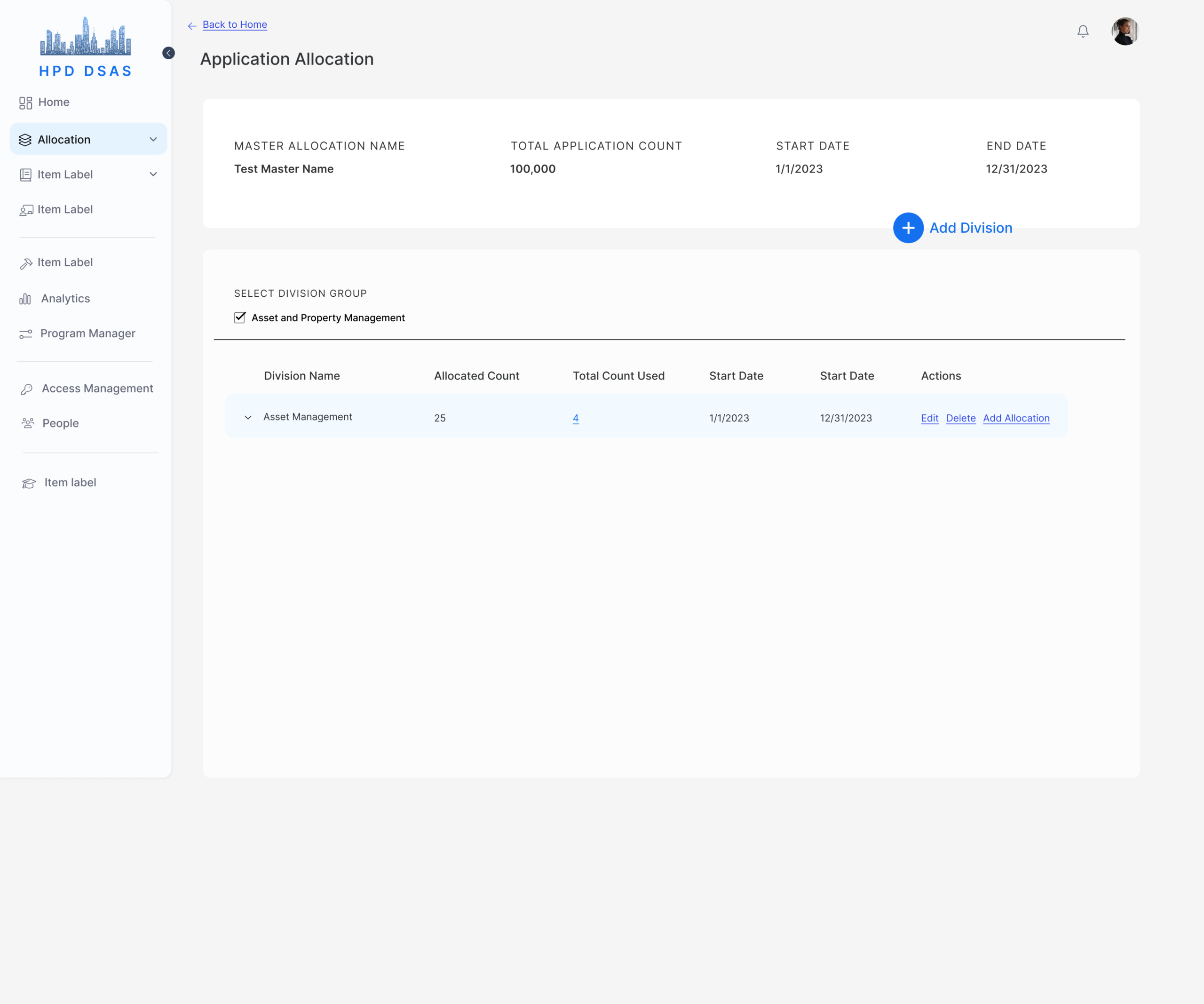
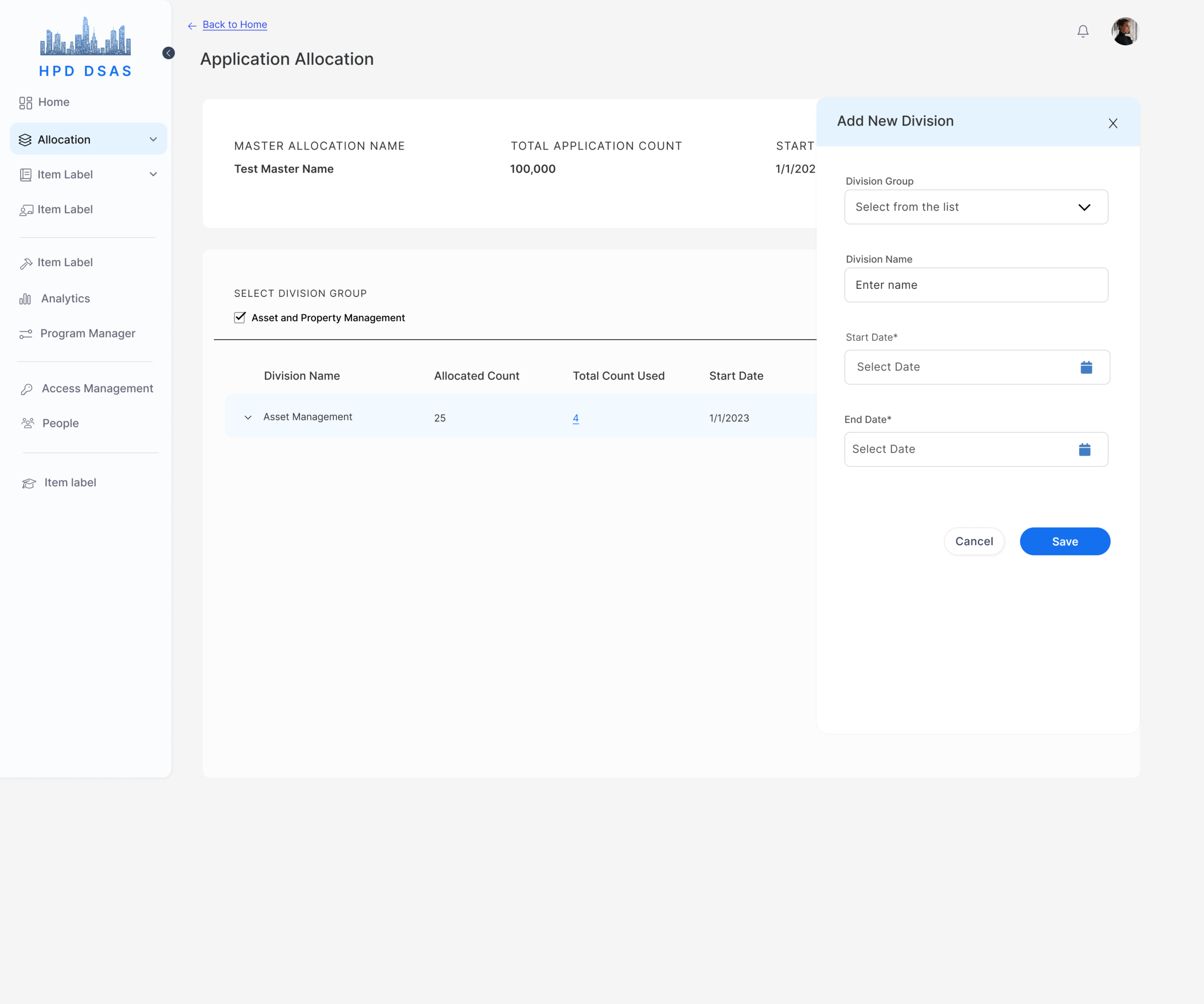
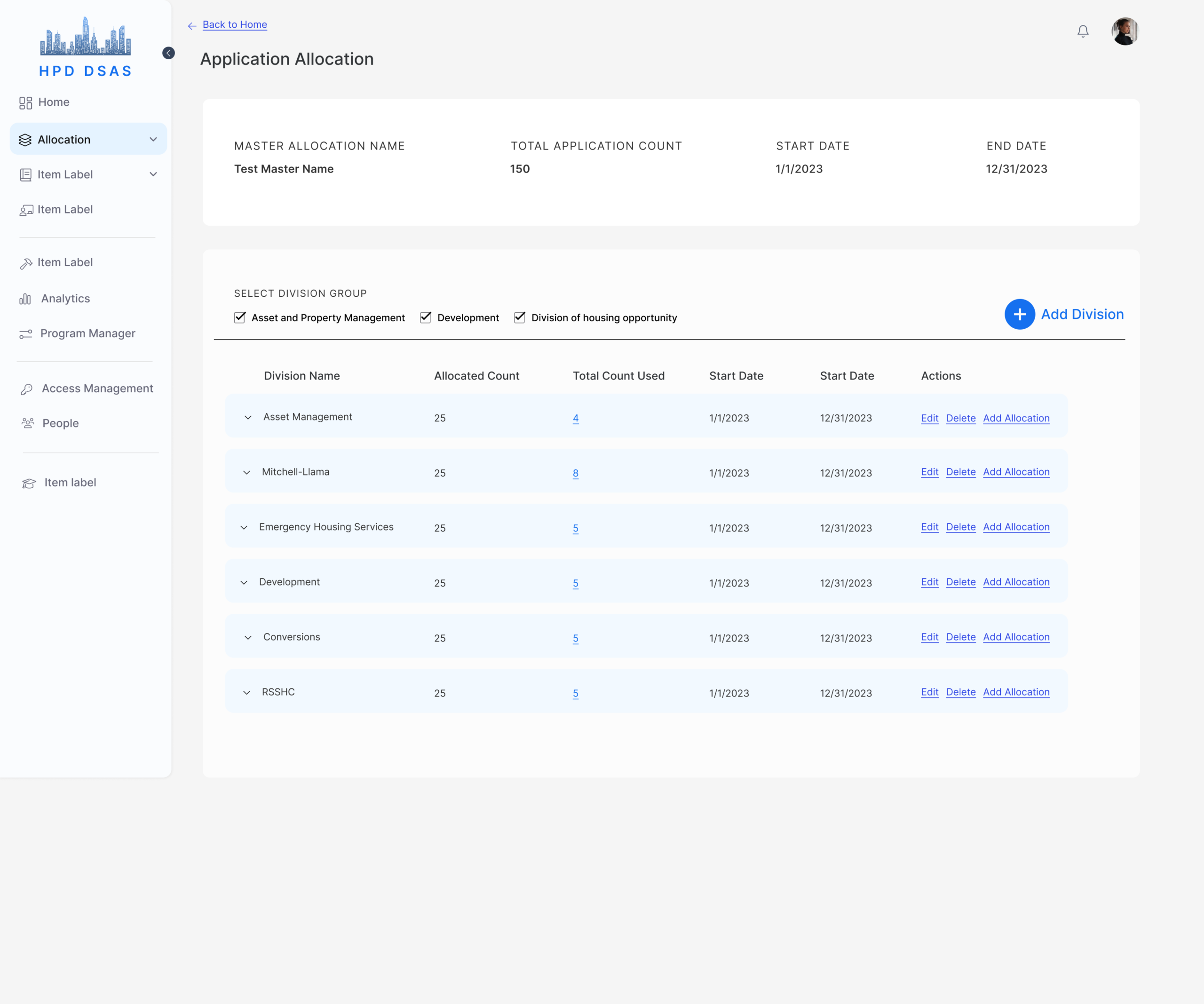
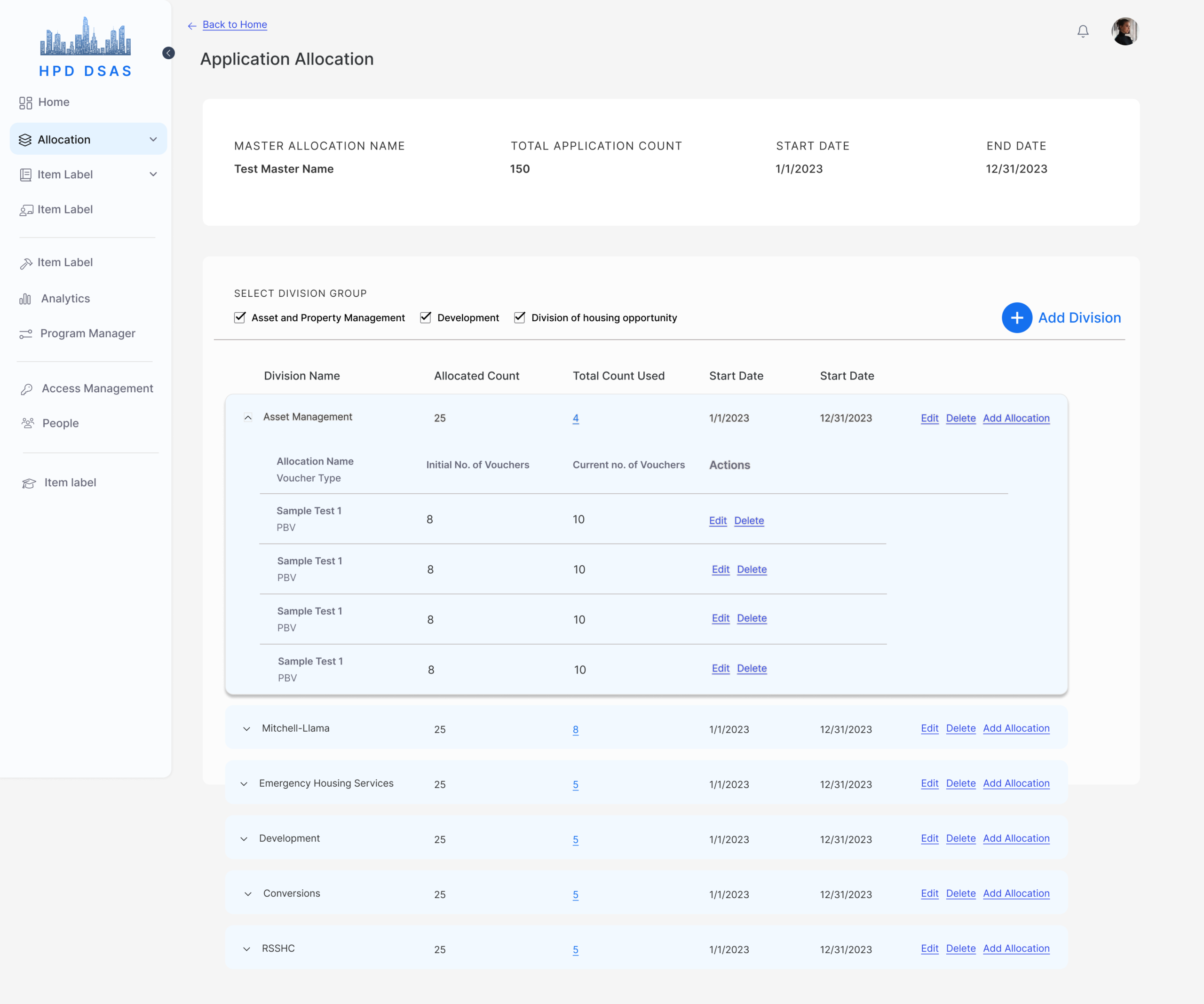
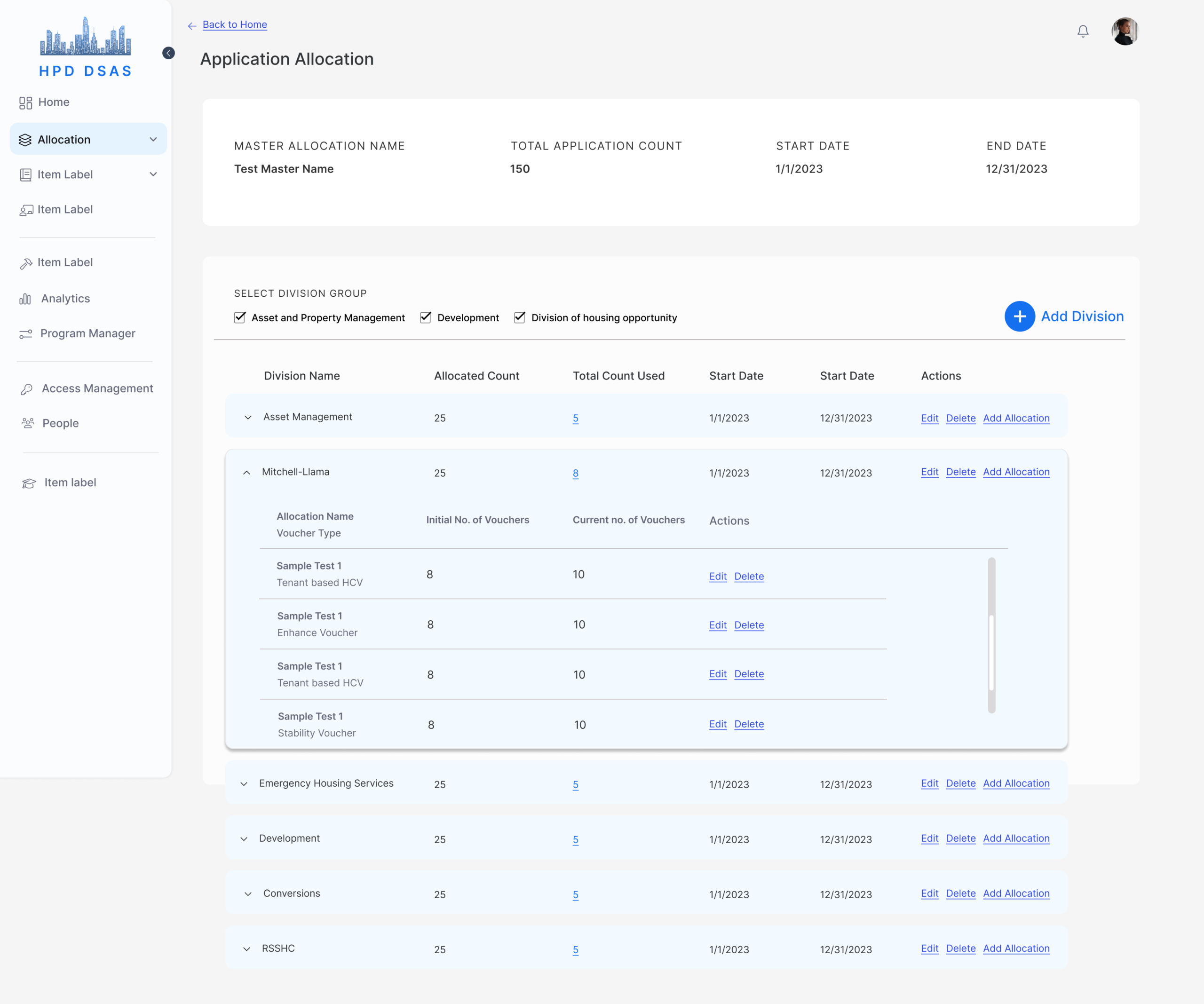
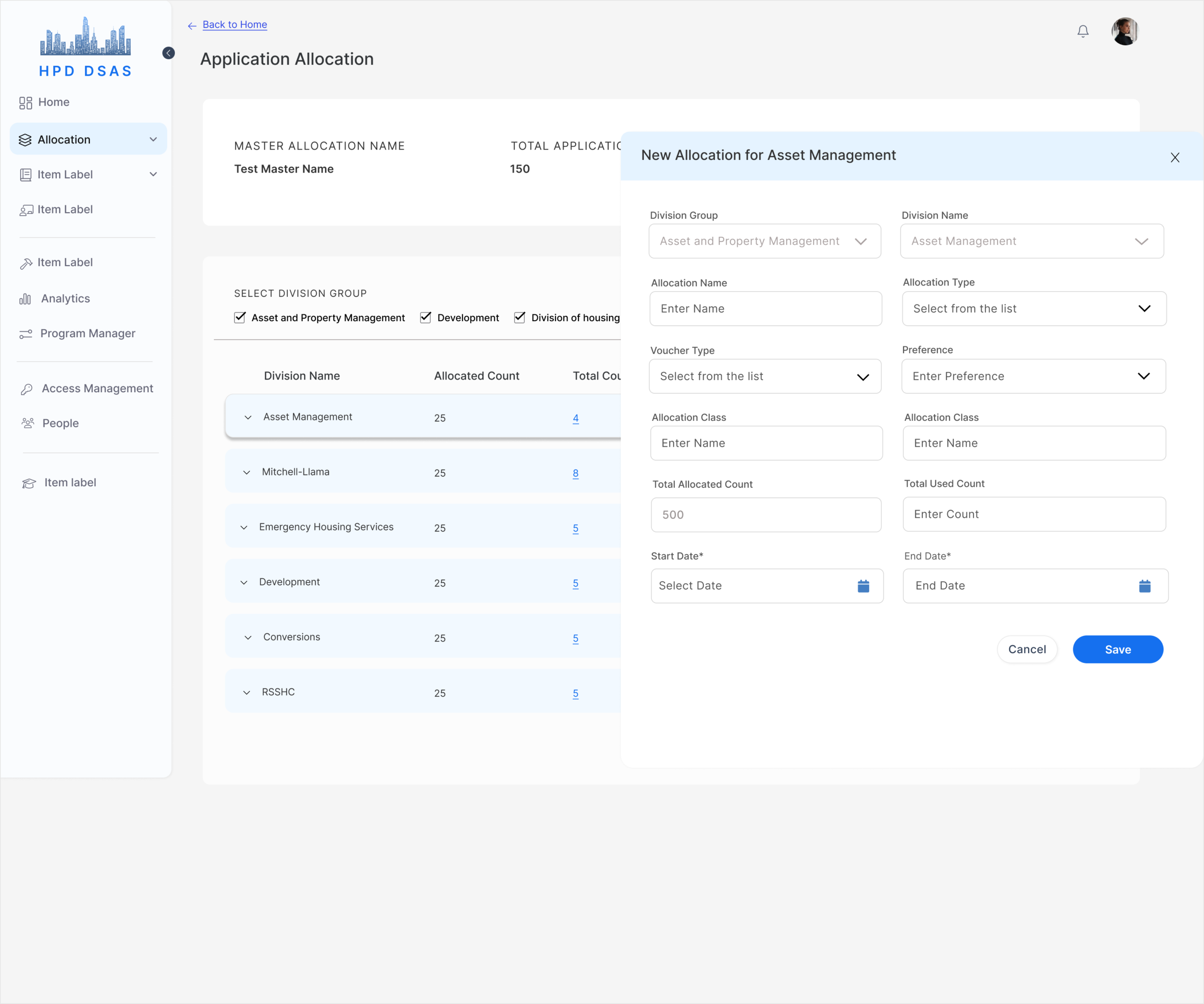
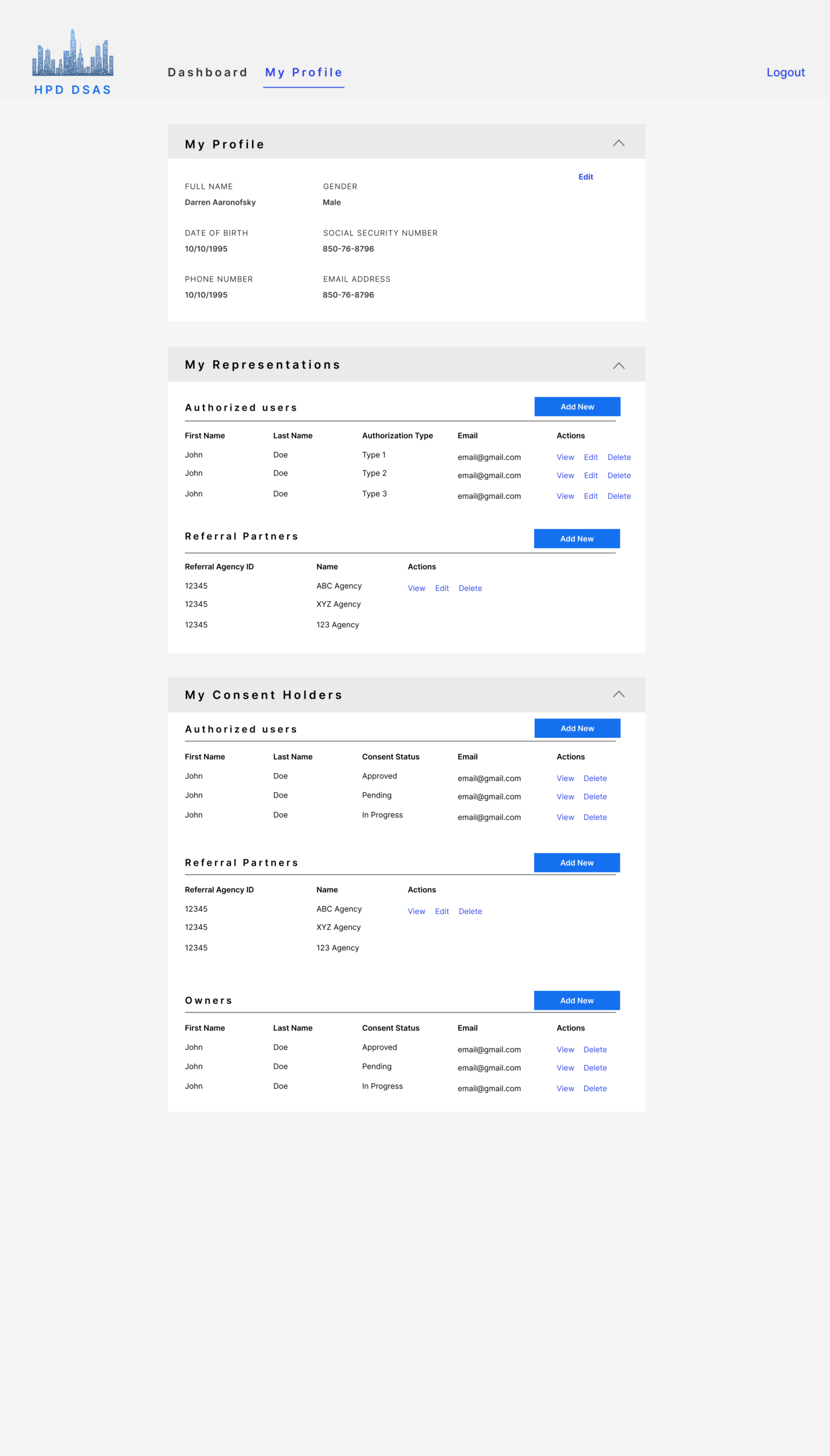
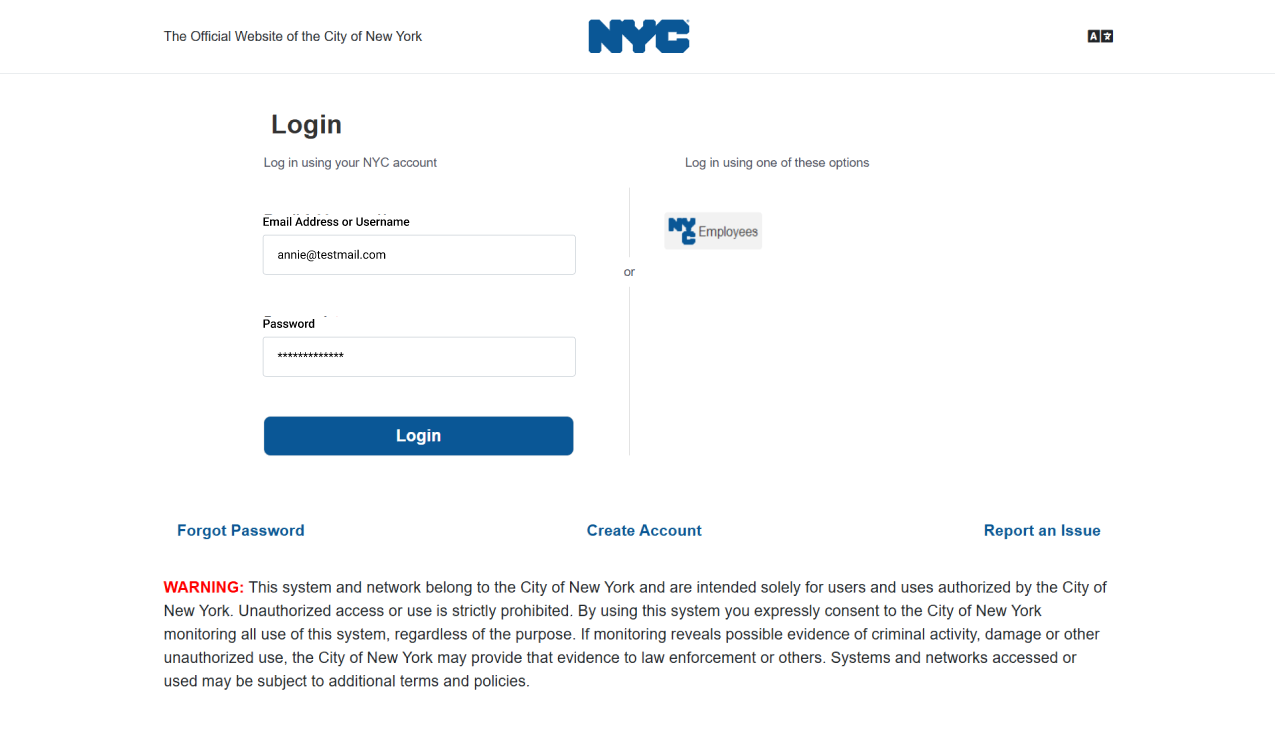
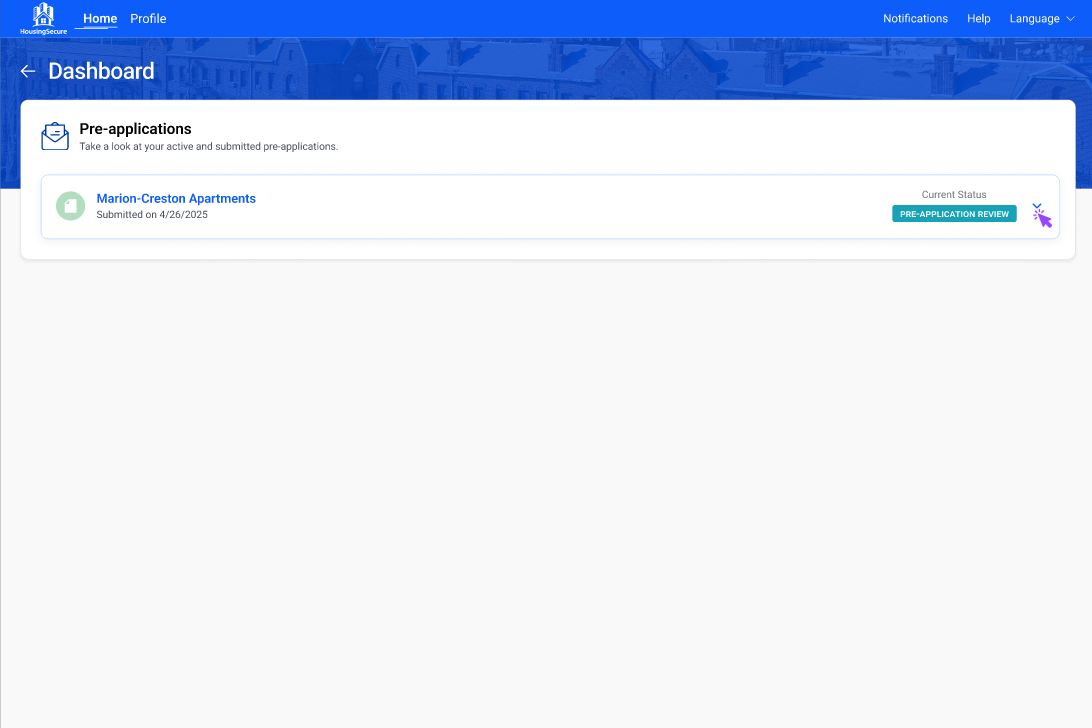
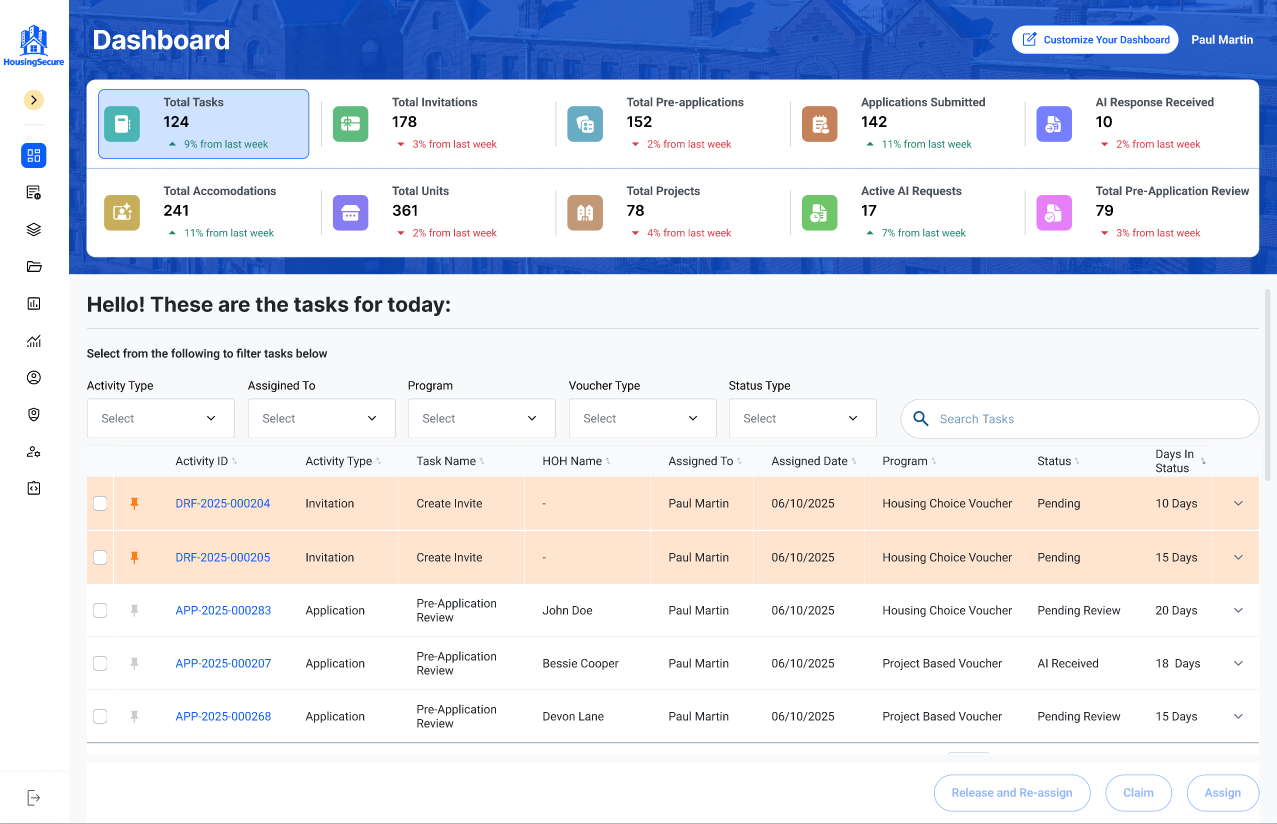
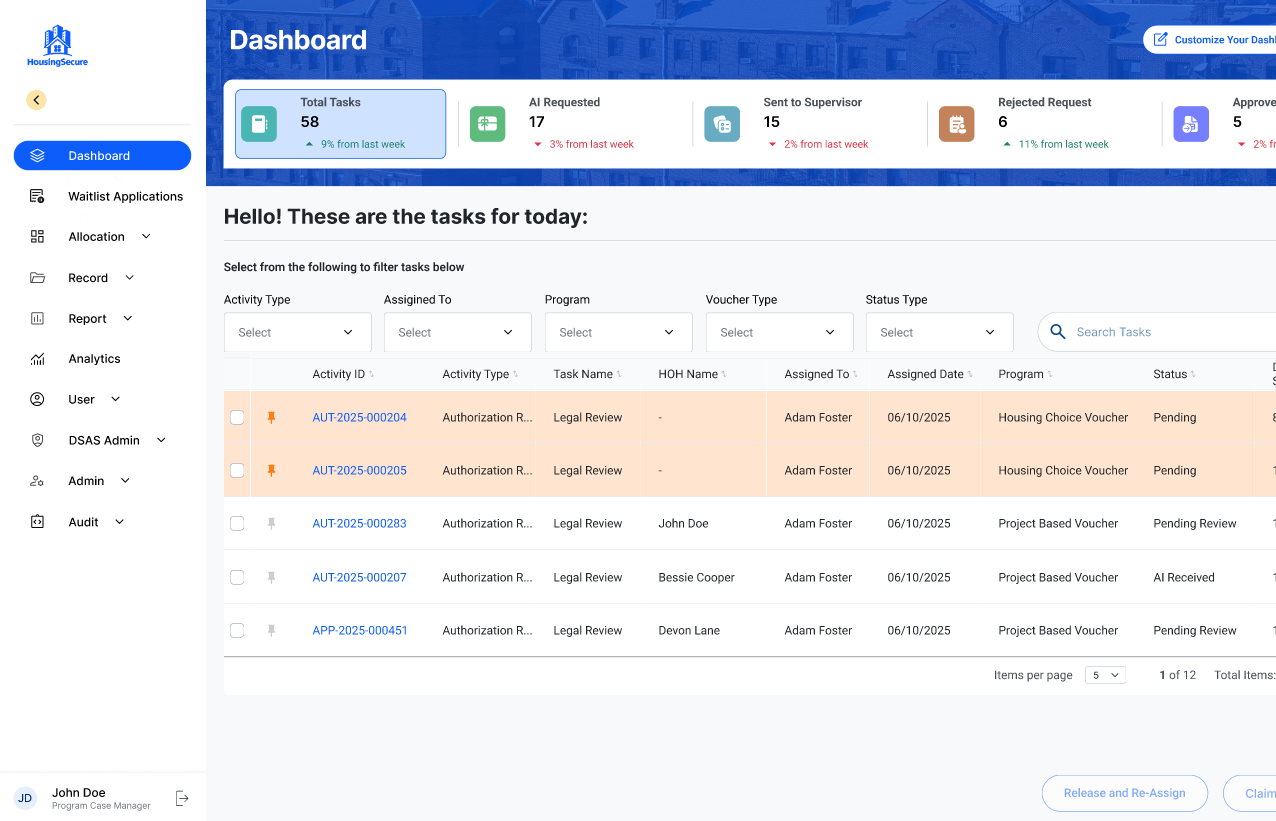
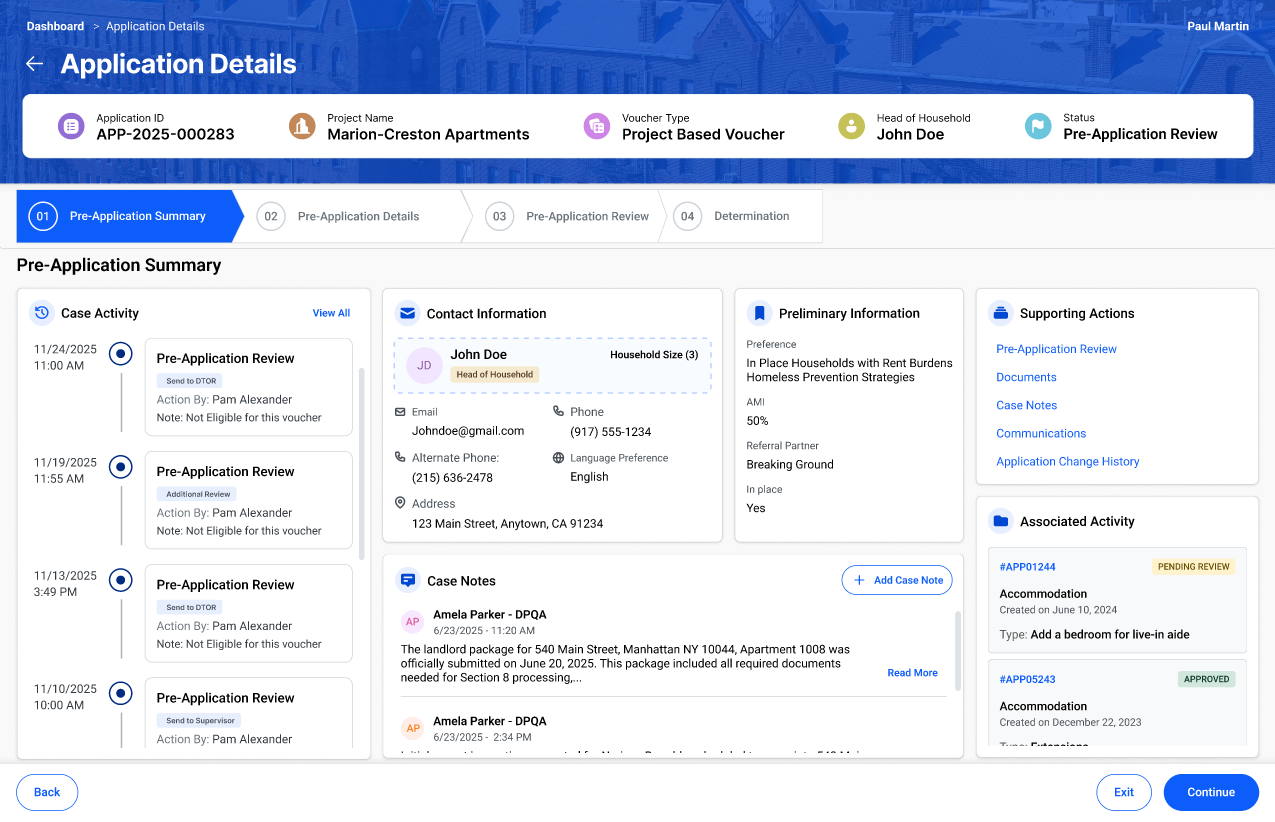
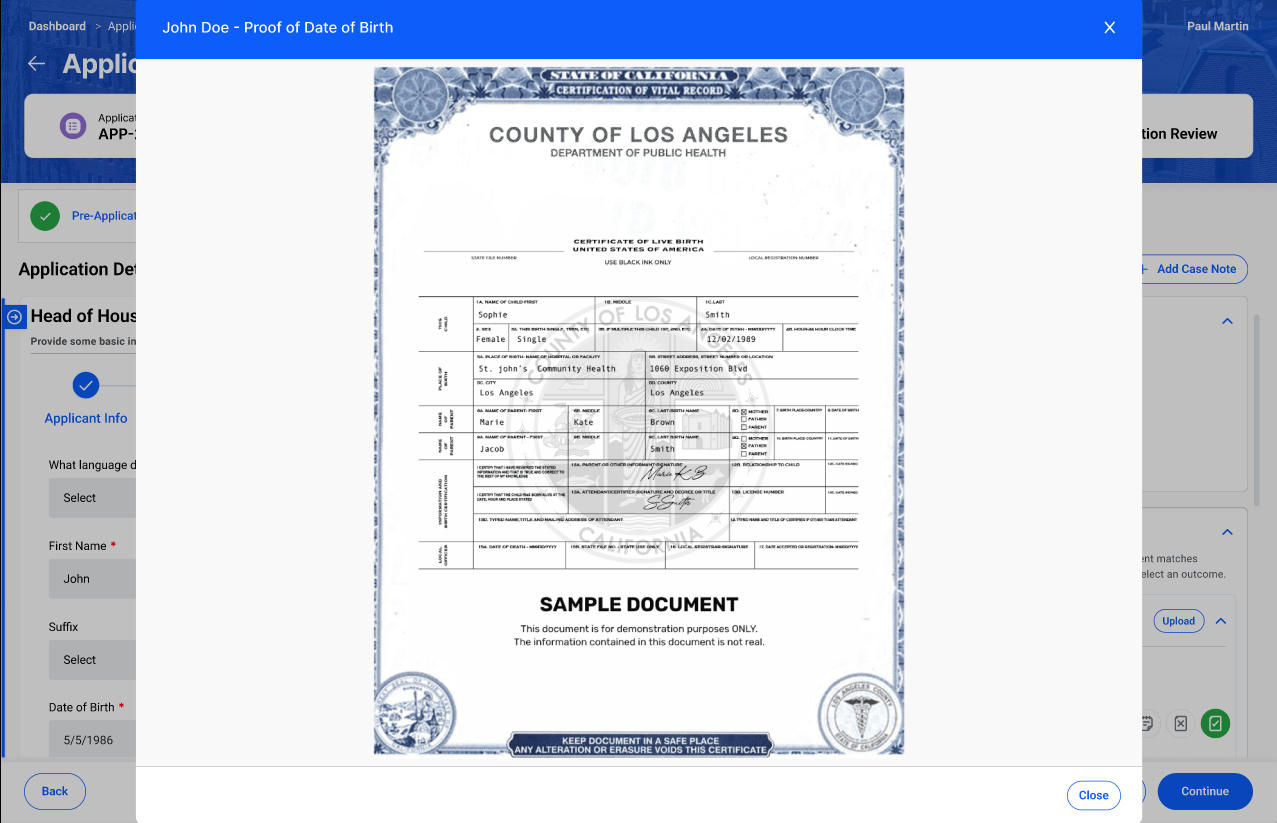
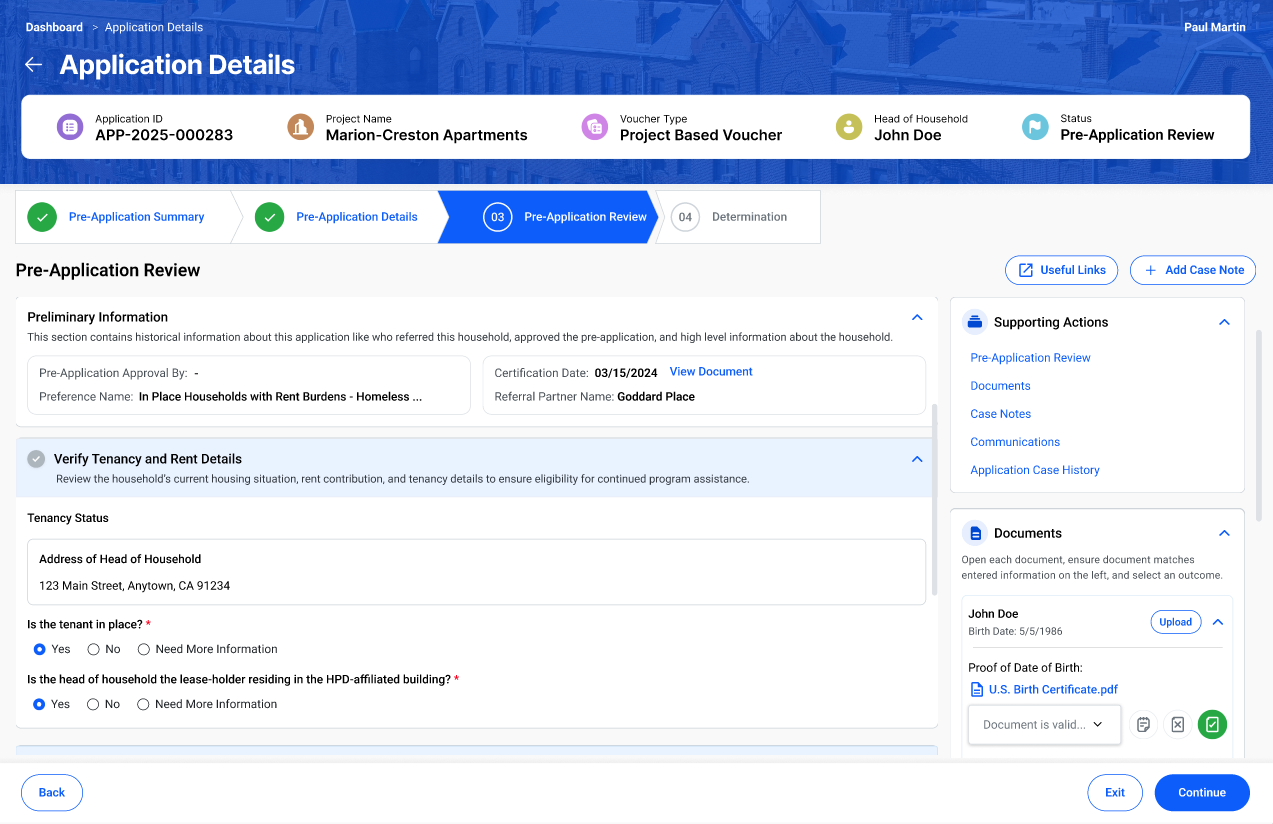
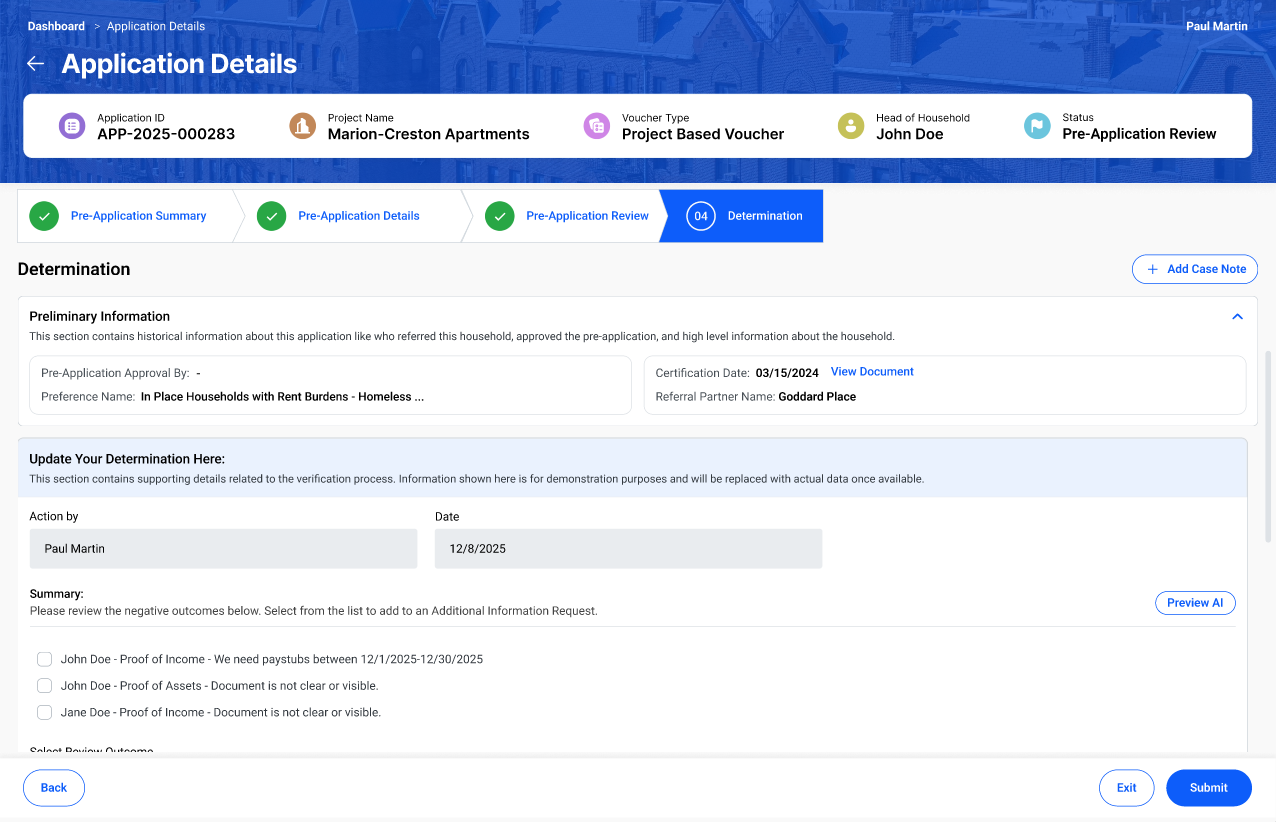
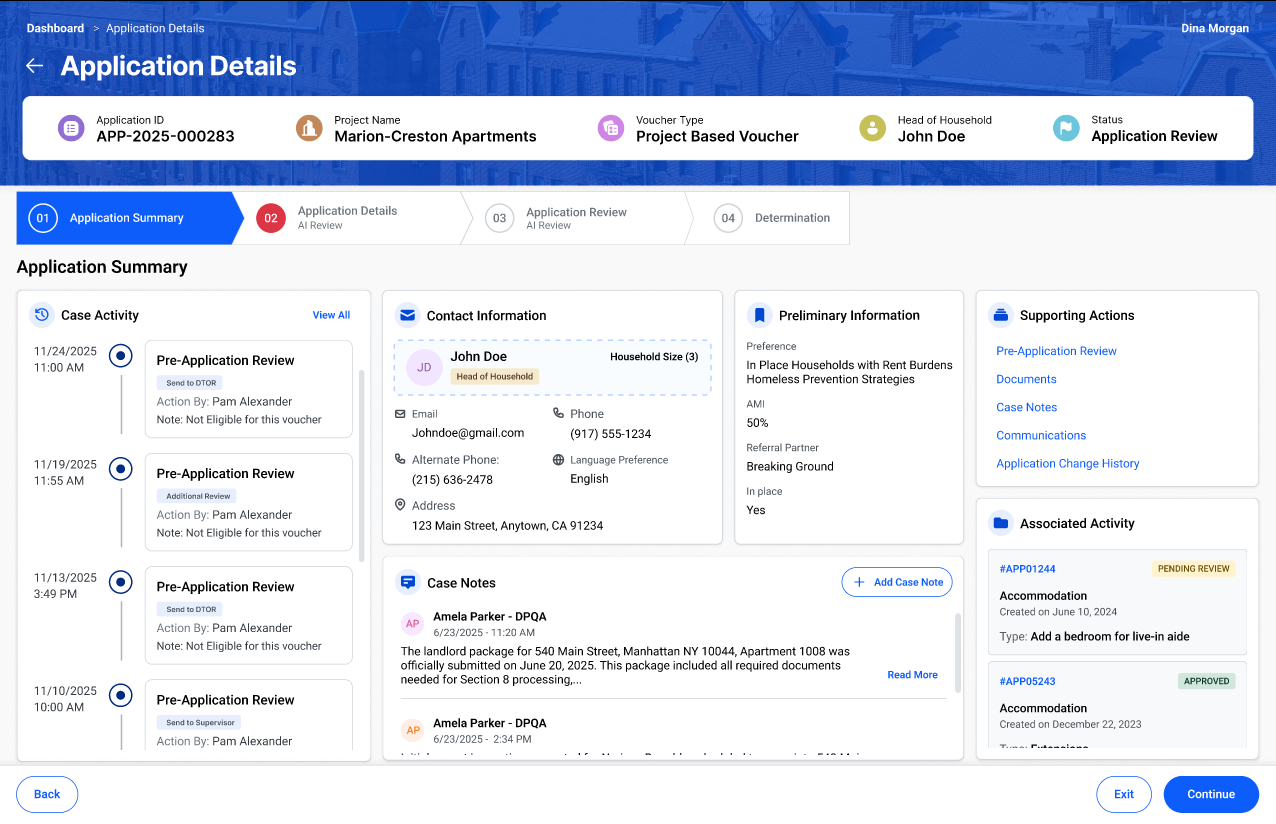
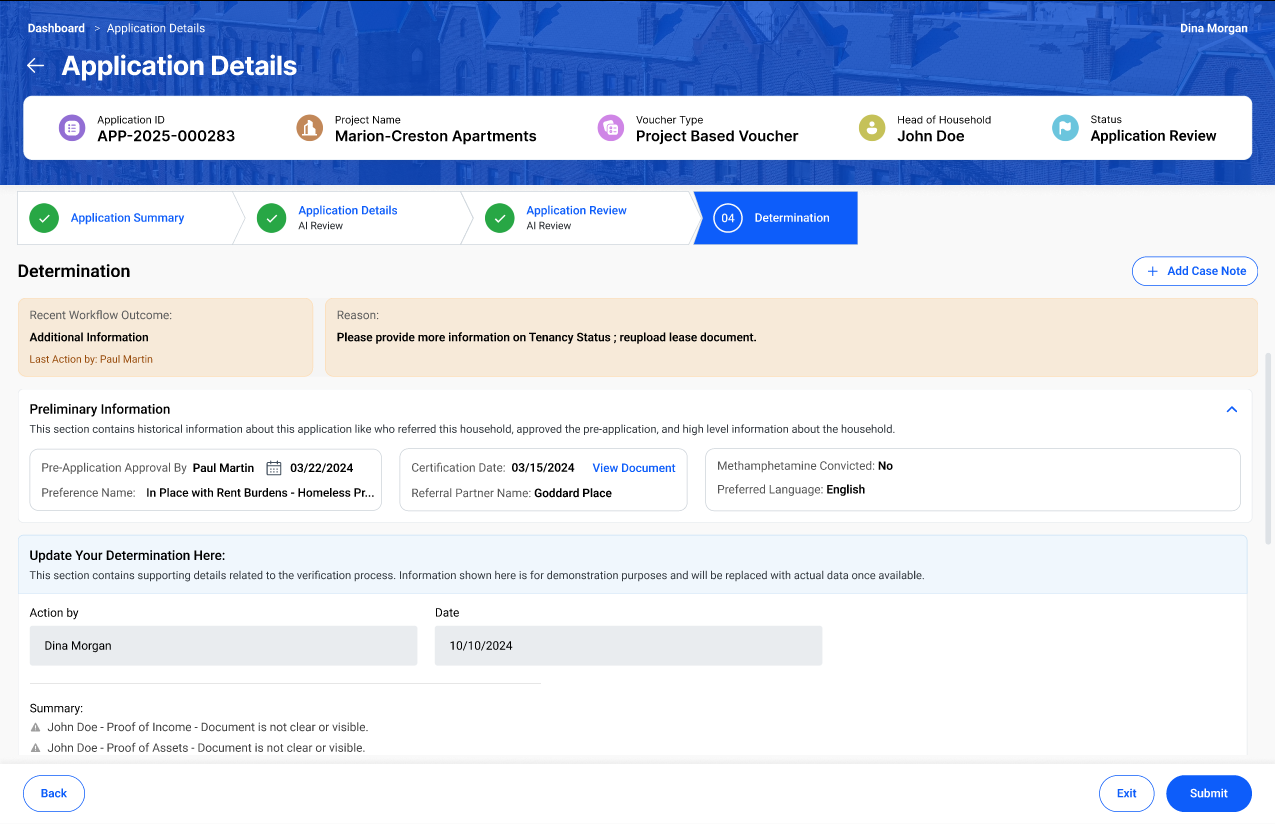
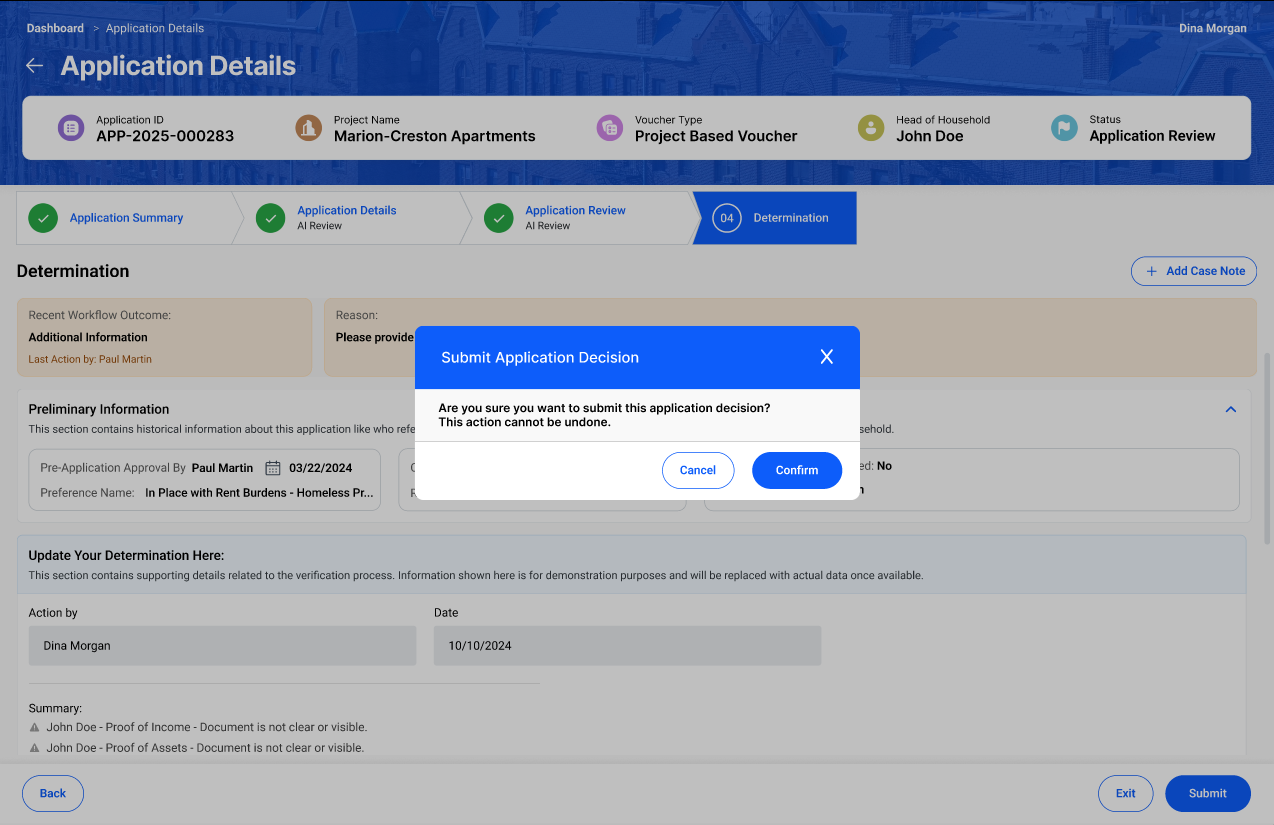
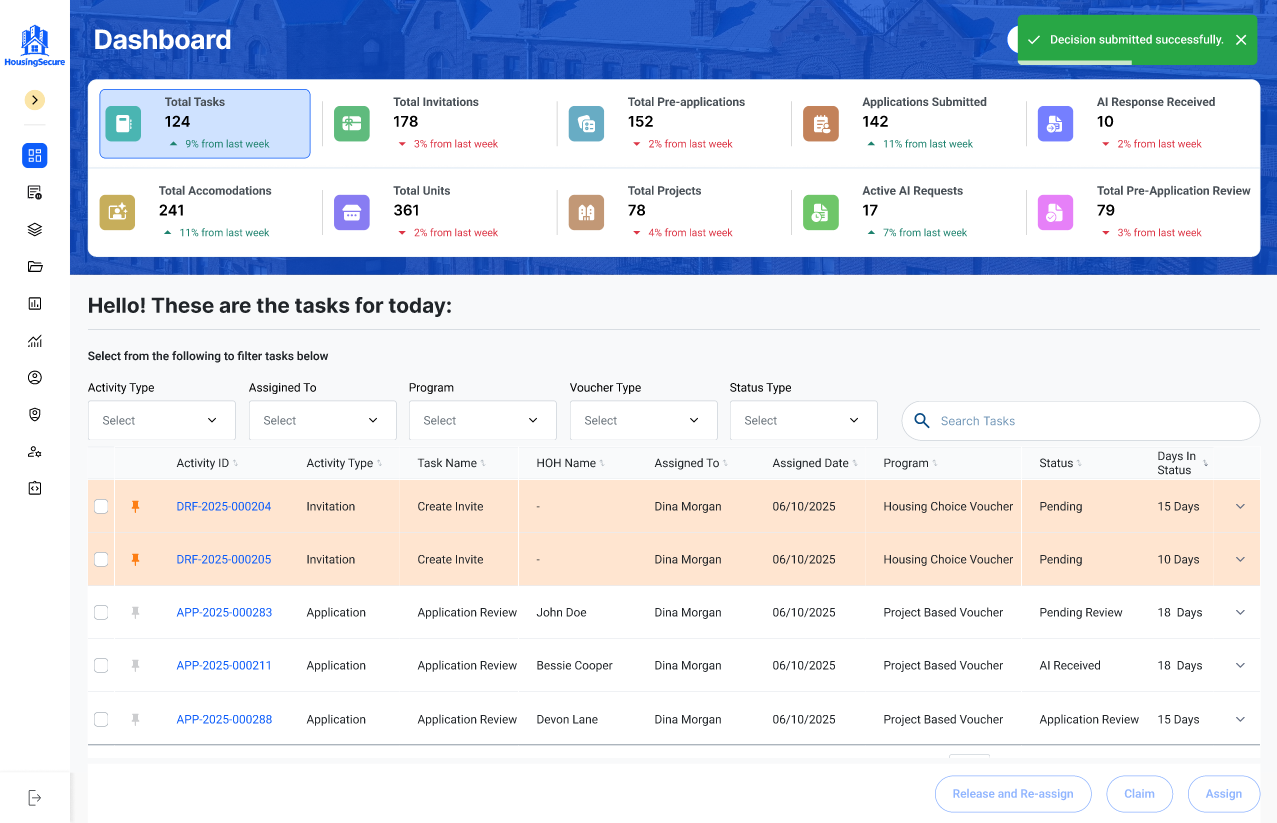
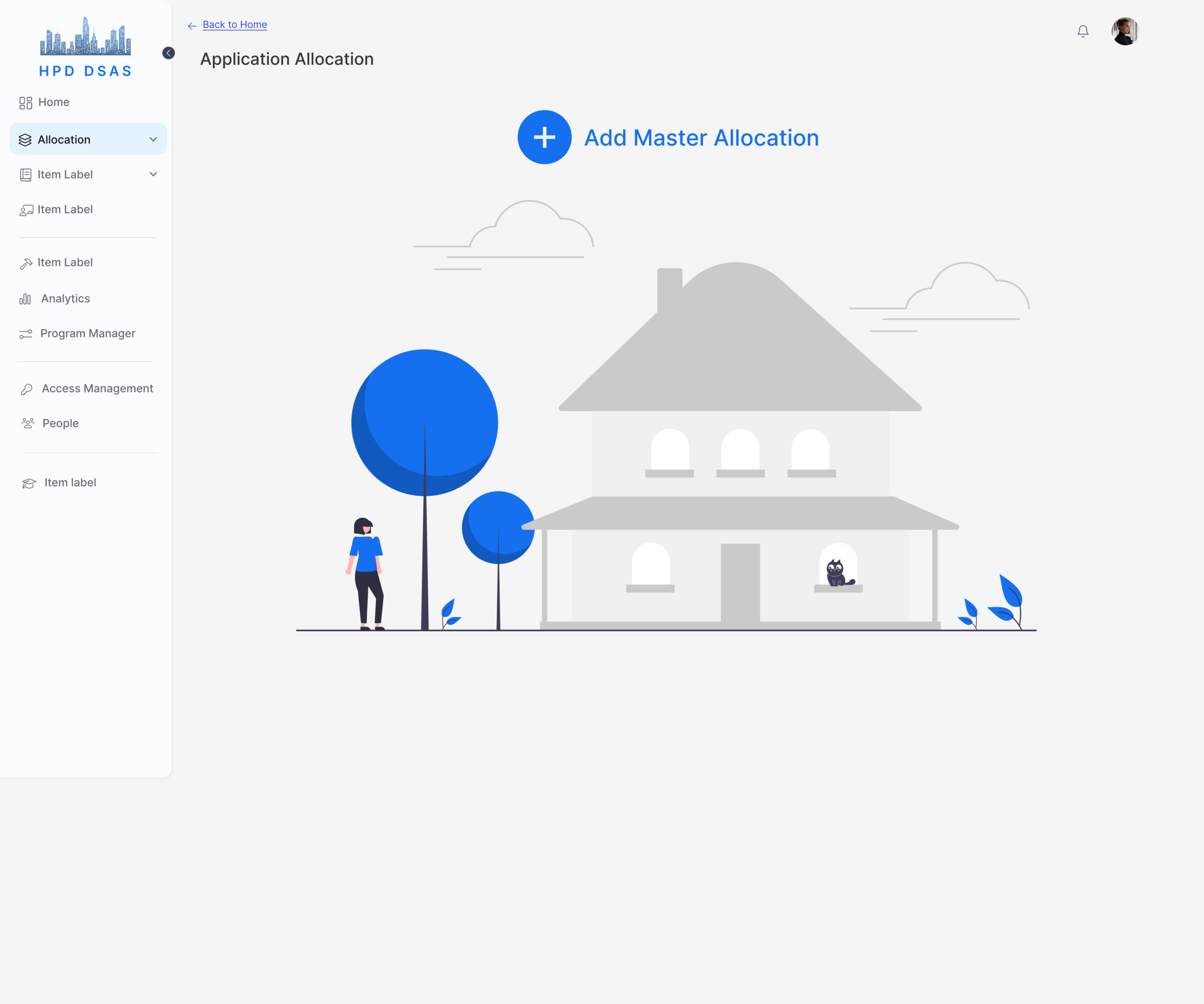
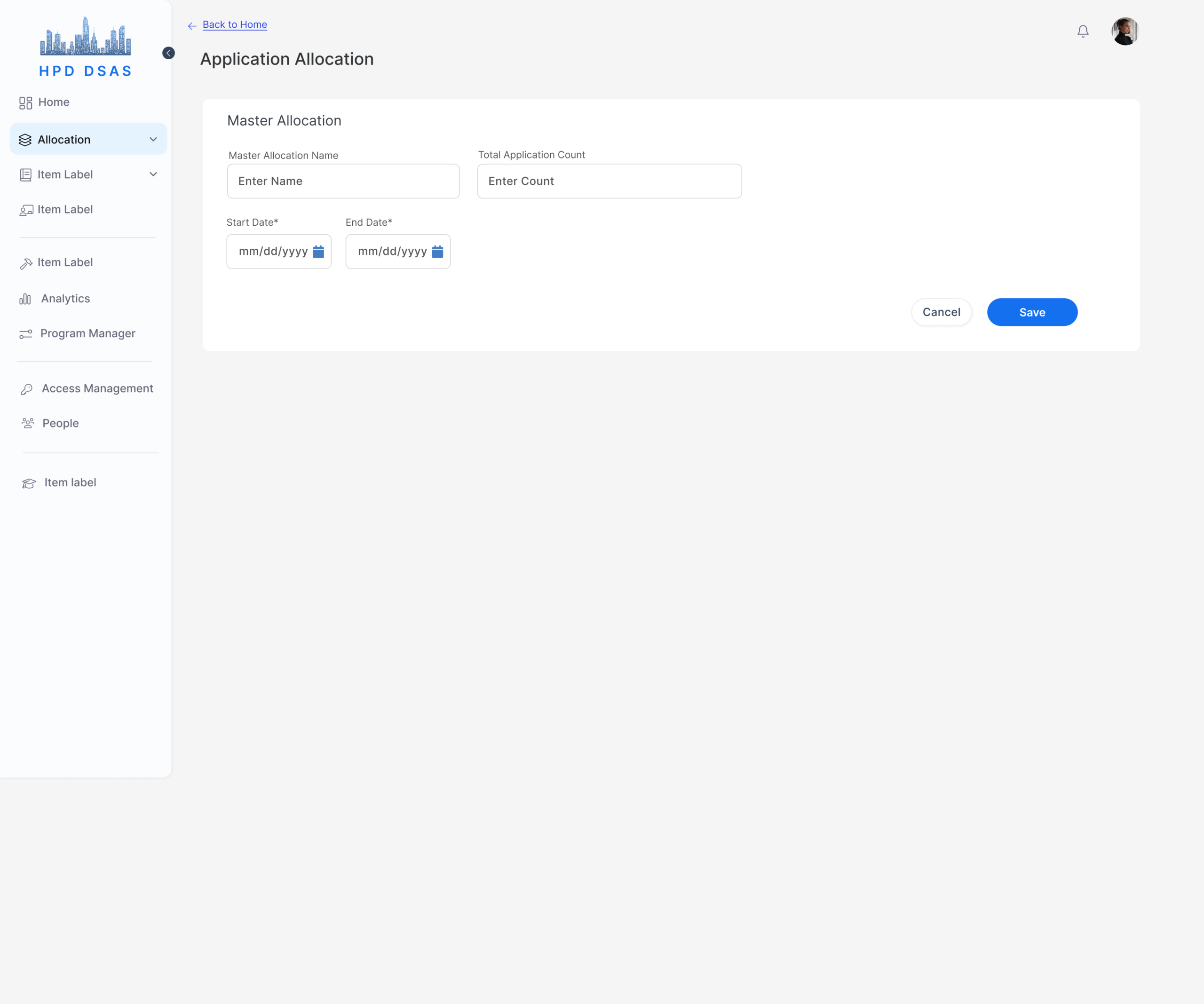
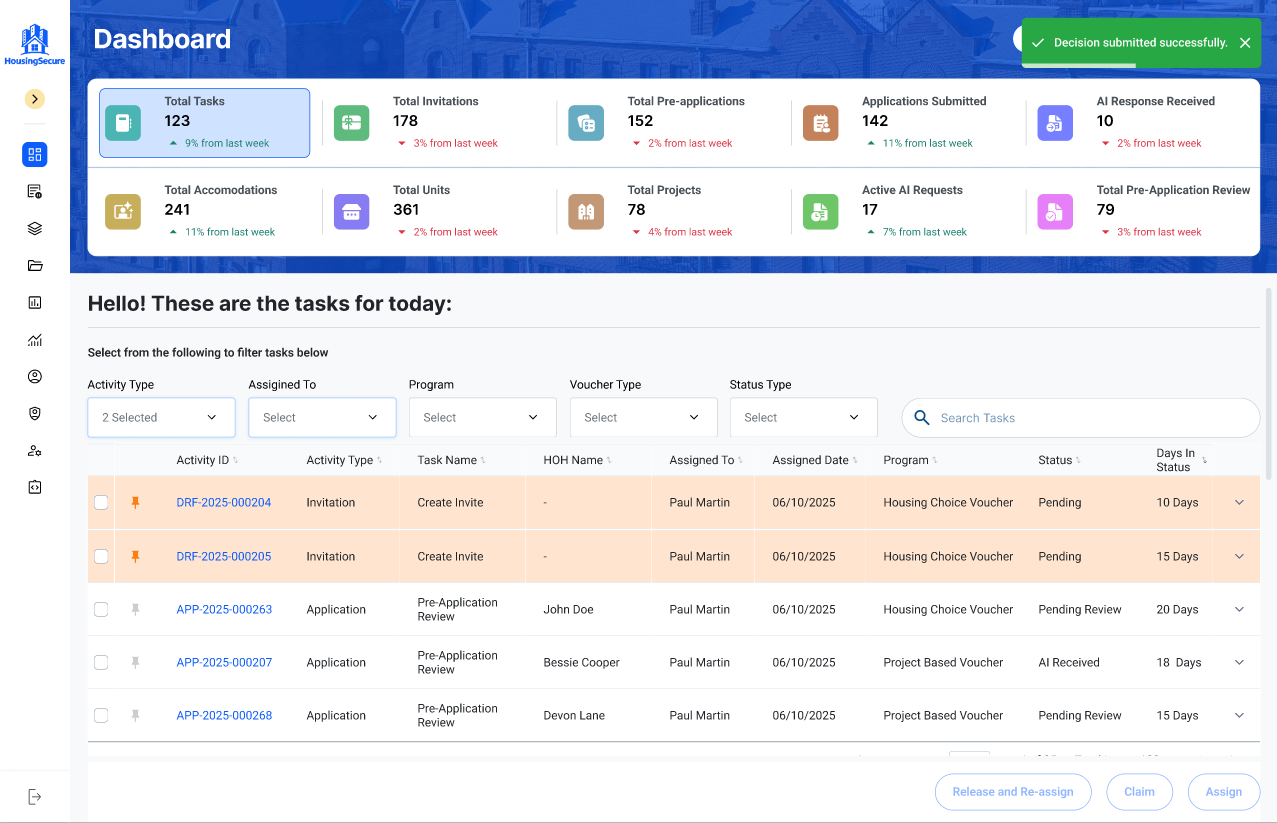
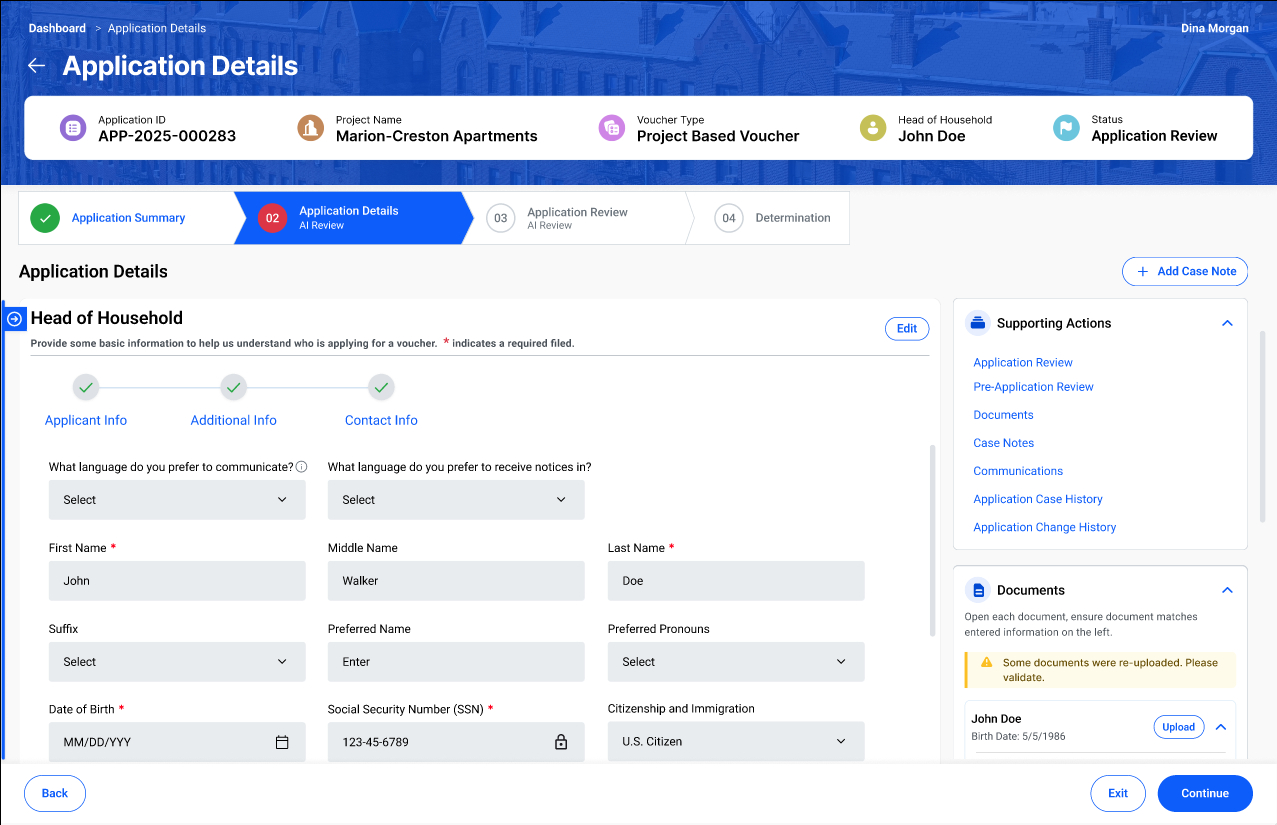
Housing Secure is a large-scale technology modernization initiative for the Division of Tenant Resources (DTR) within NYC Housing Preservation and Development (HPD). The project focuses on modernizing the DTR Subsidy Automation System (DSAS), a legacy platform responsible for administering multiple rental subsidy programs that help eligible low-income New Yorkers access safe, decent, and affordable housing.
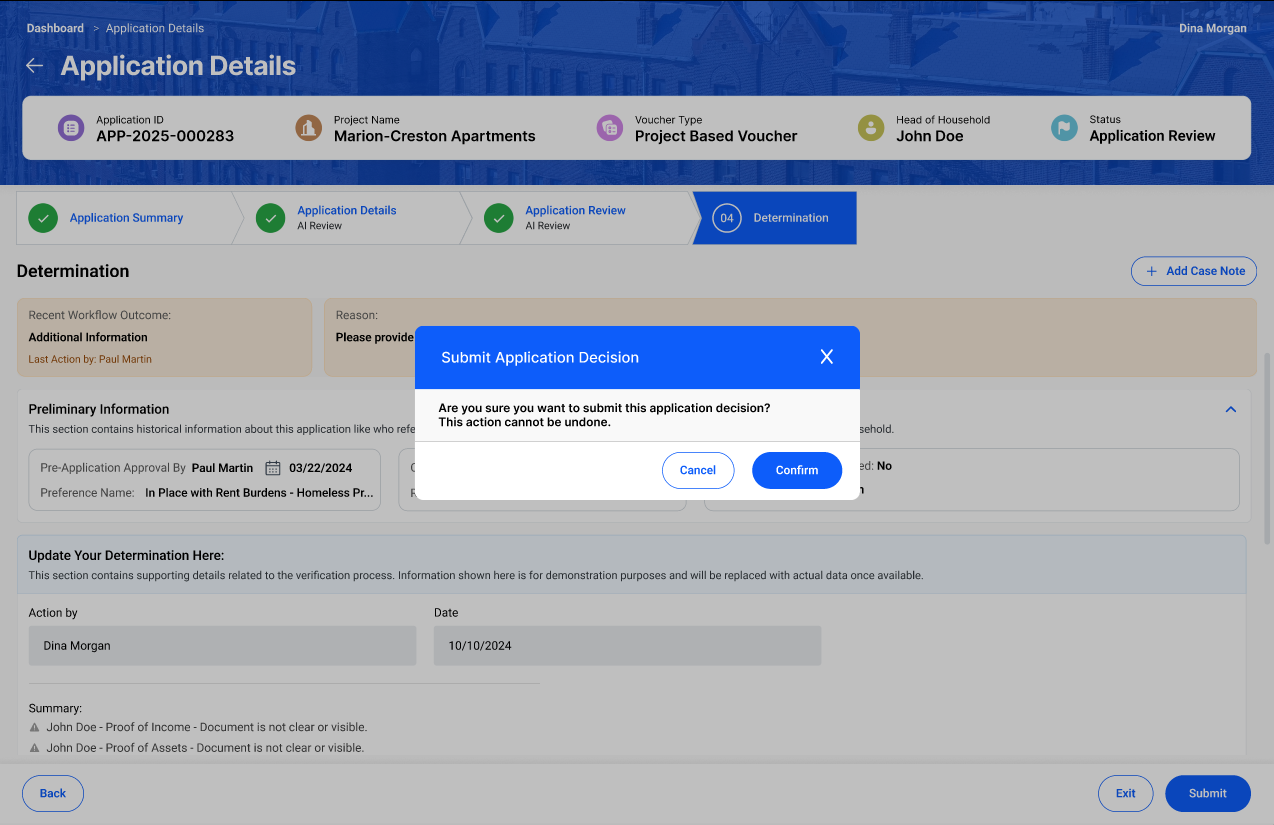
The modernized system will support over 9,000 landlords and 39,000 households across all five boroughs of New York City, replacing outdated, paper-heavy workflows with a secure, scalable, and user-centered digital platform.

User Groups:

Tenants / Applicants: Apply for subsidies, submit documentation, track case status, and communicate digitally.

Owners / Landlords : Manage subsidy portfolios, submit compliance documents, and track payments.

HPD / DTR Staff: Intake and manage cases, enforce compliance, administer subsidies, and generate reports.

Community-Based Organizations: Assist tenants with applications and case management.

DoITT / Technology Stakeholders: Support system integration, infrastructure, security, and scalability.

UX Activities

User Research, Map complex workflows and service journeys wireframes, interaction models, and high-fidelity designs.

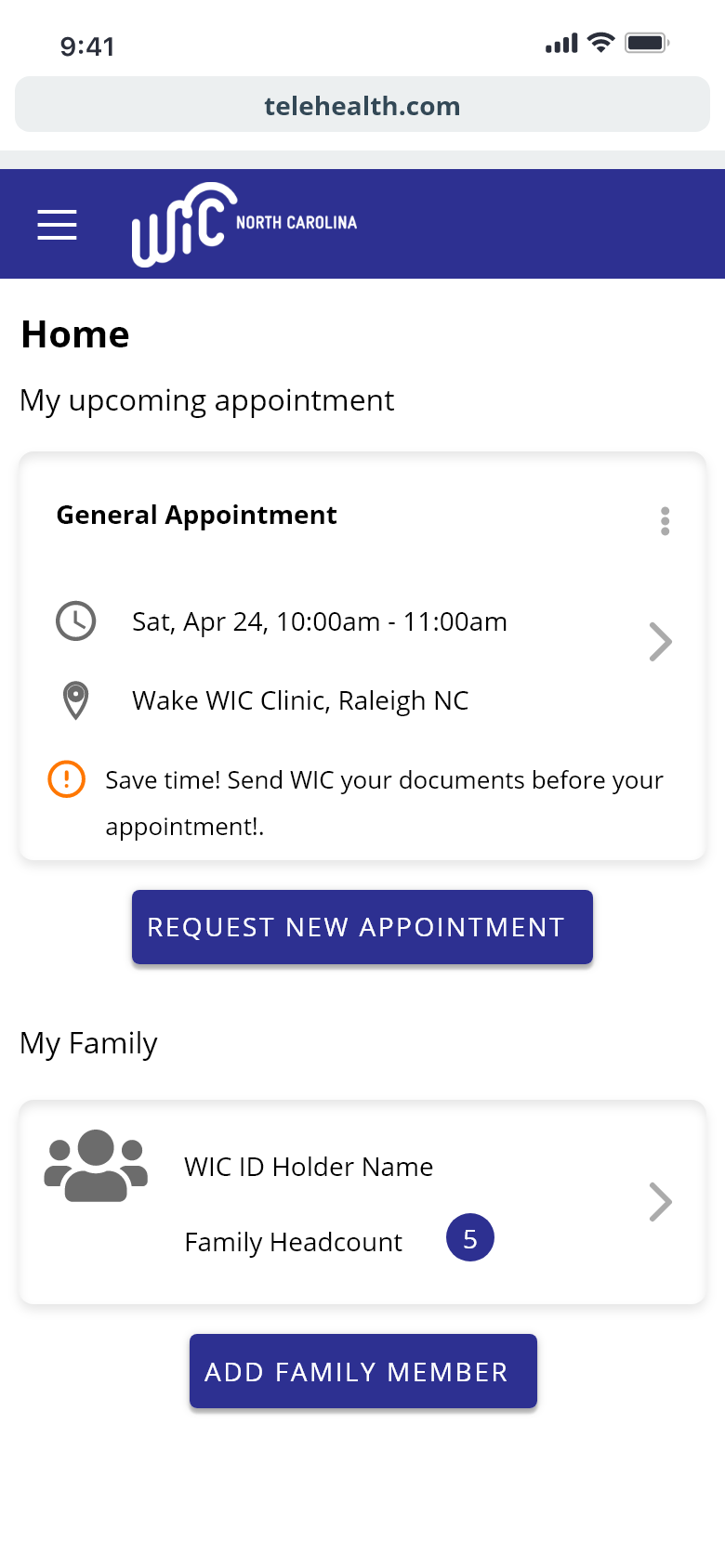
WIC Telehealth

PDF
  • Created by: Vivekananda Kondapalli
  • Skills: Figma, Accessibility Testing

Project Brief

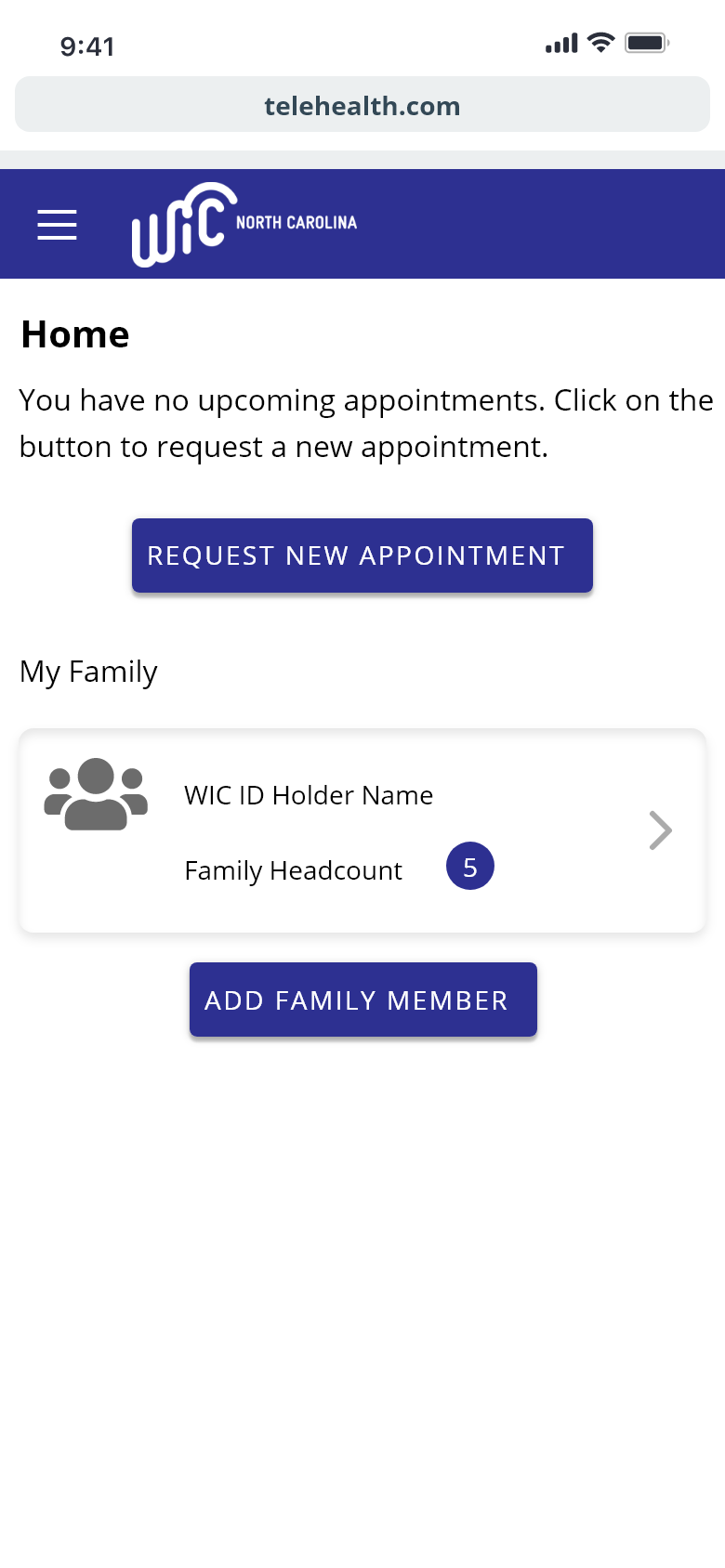
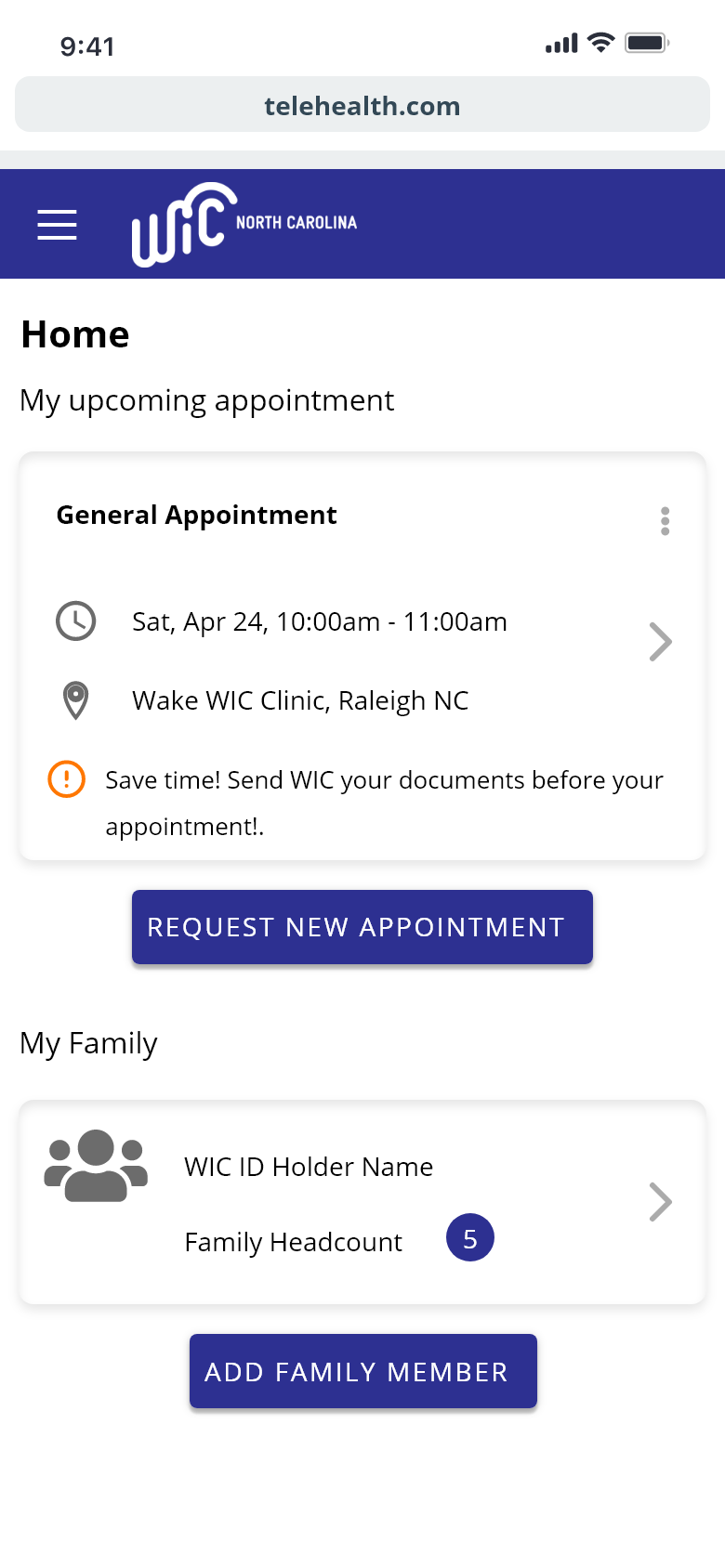
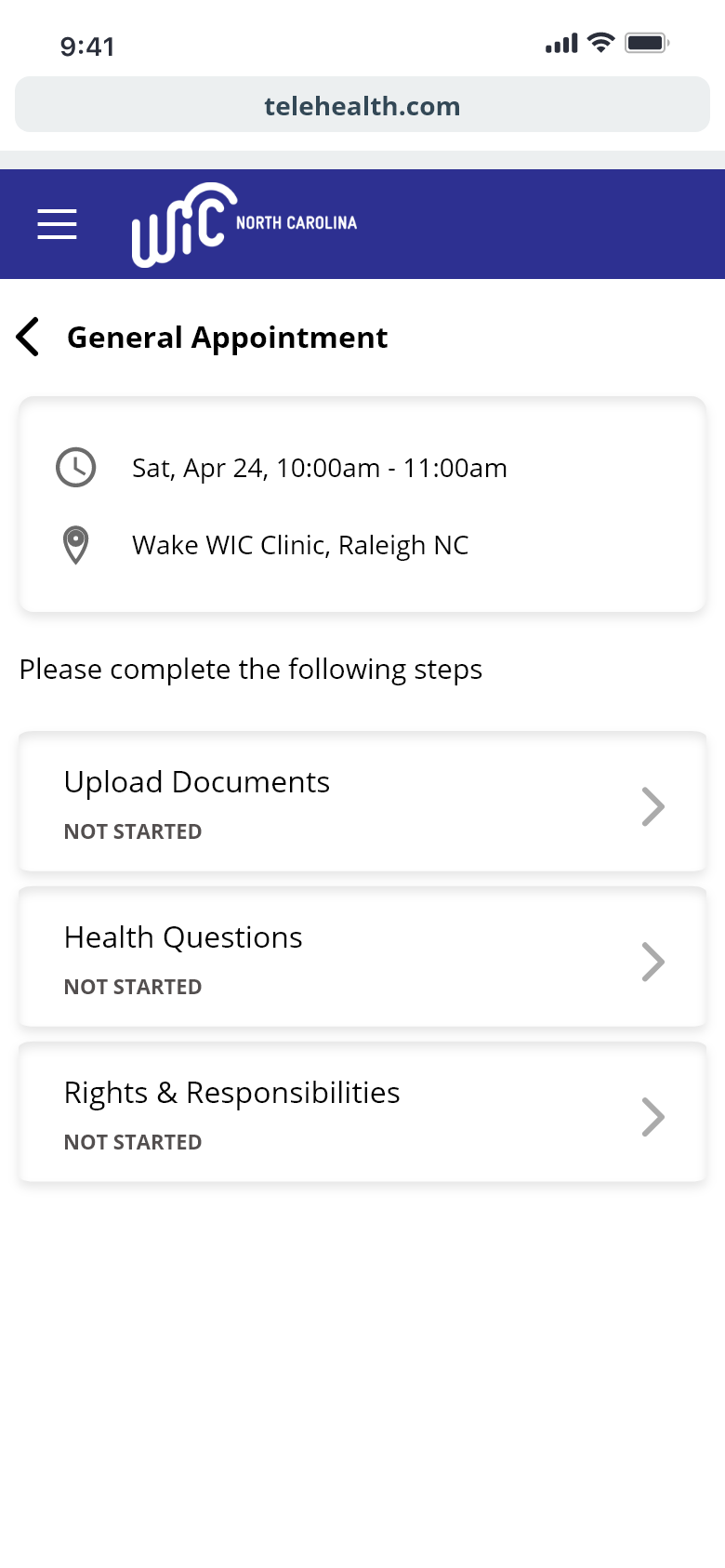
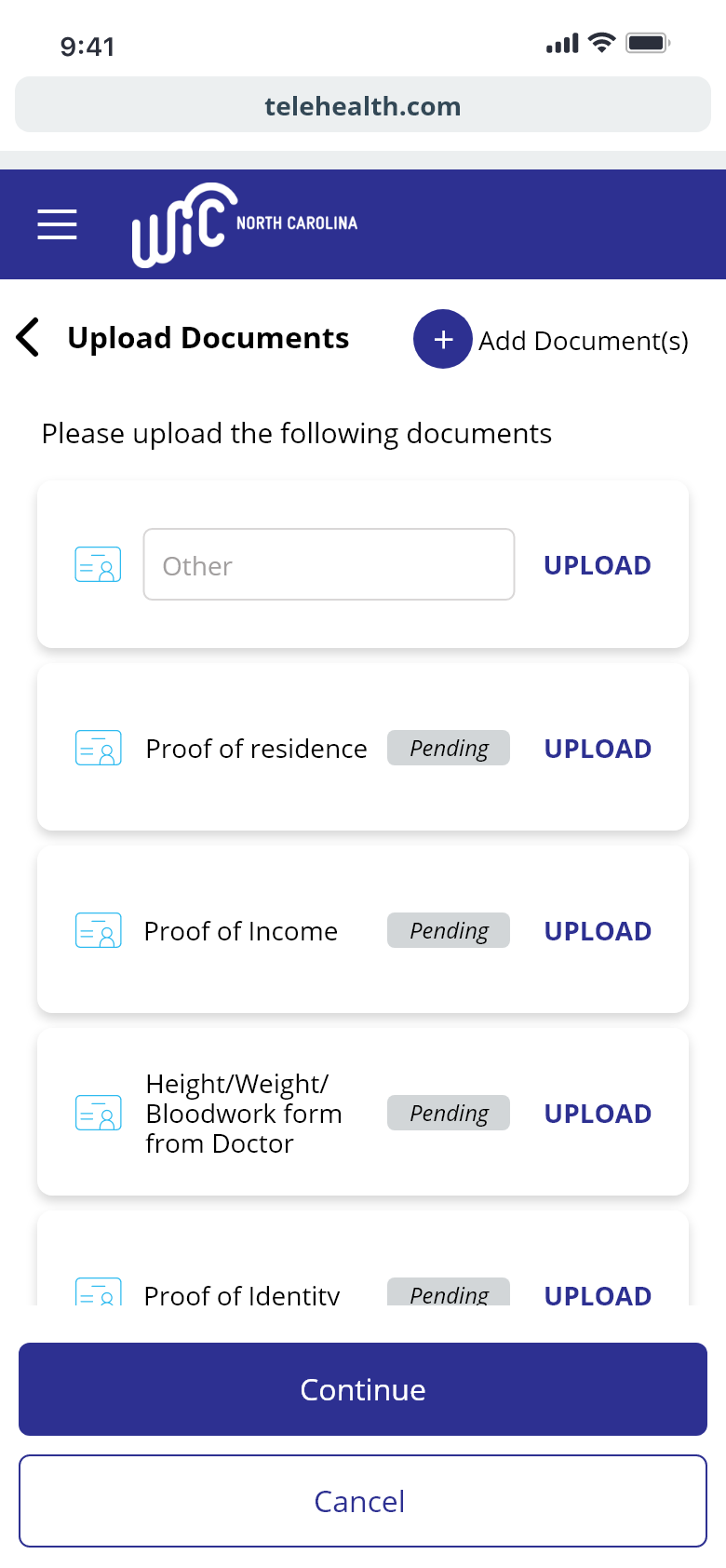
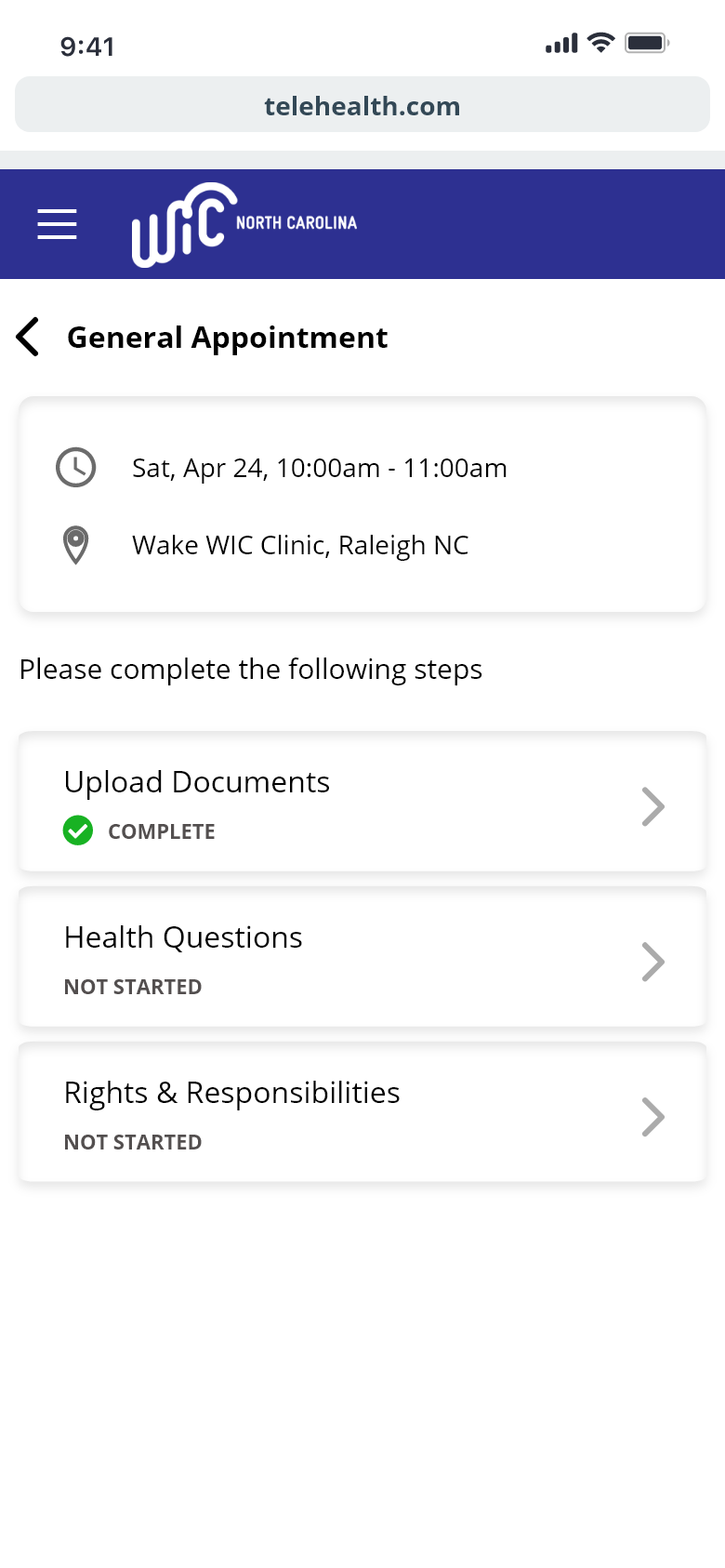
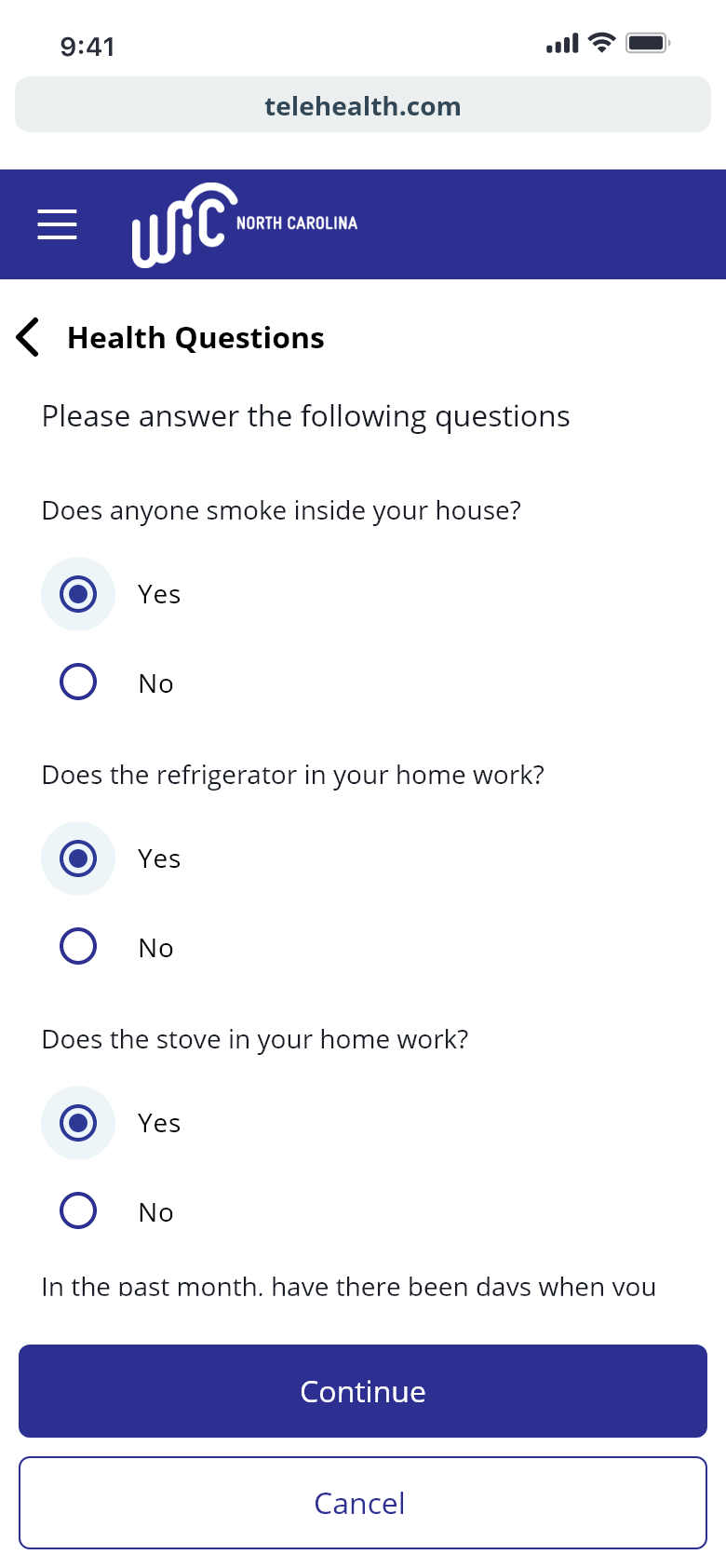
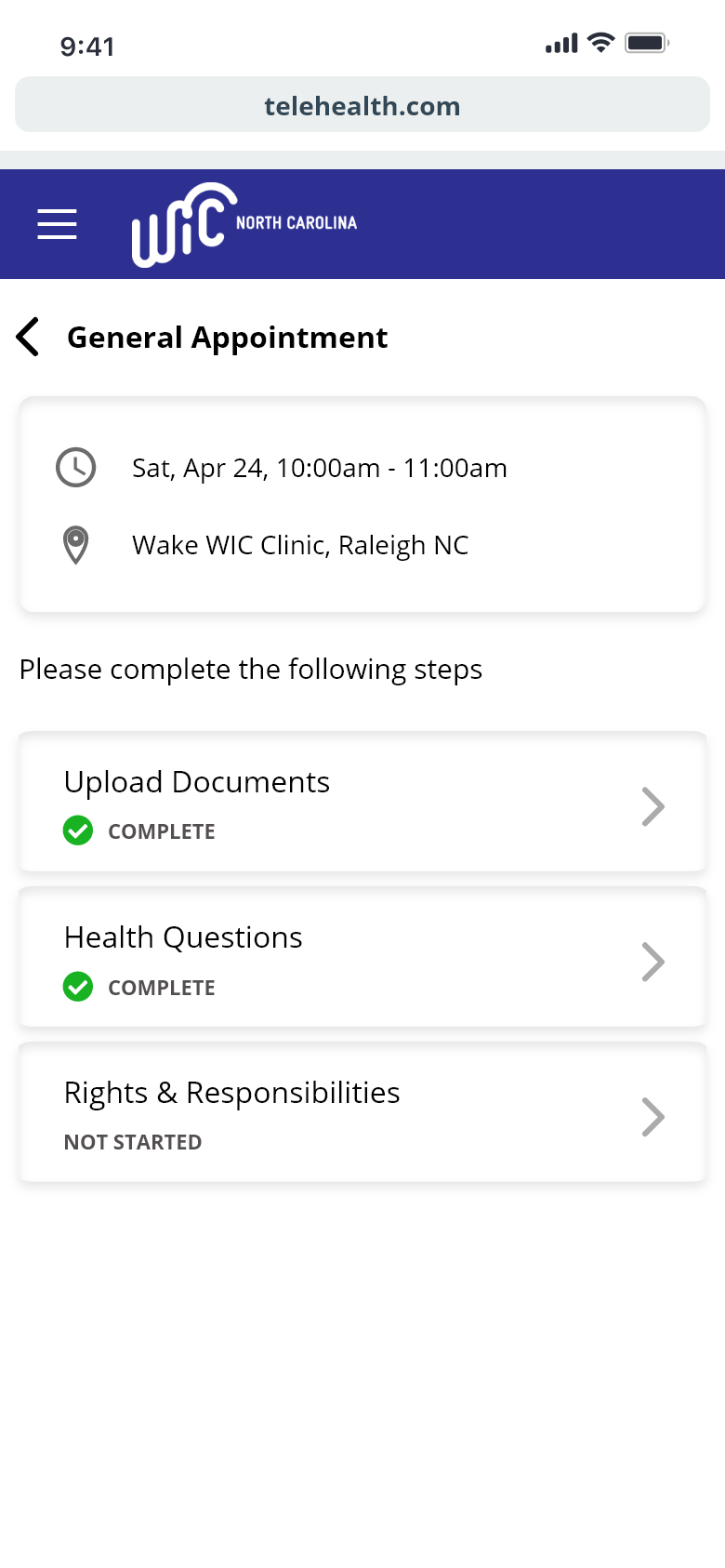
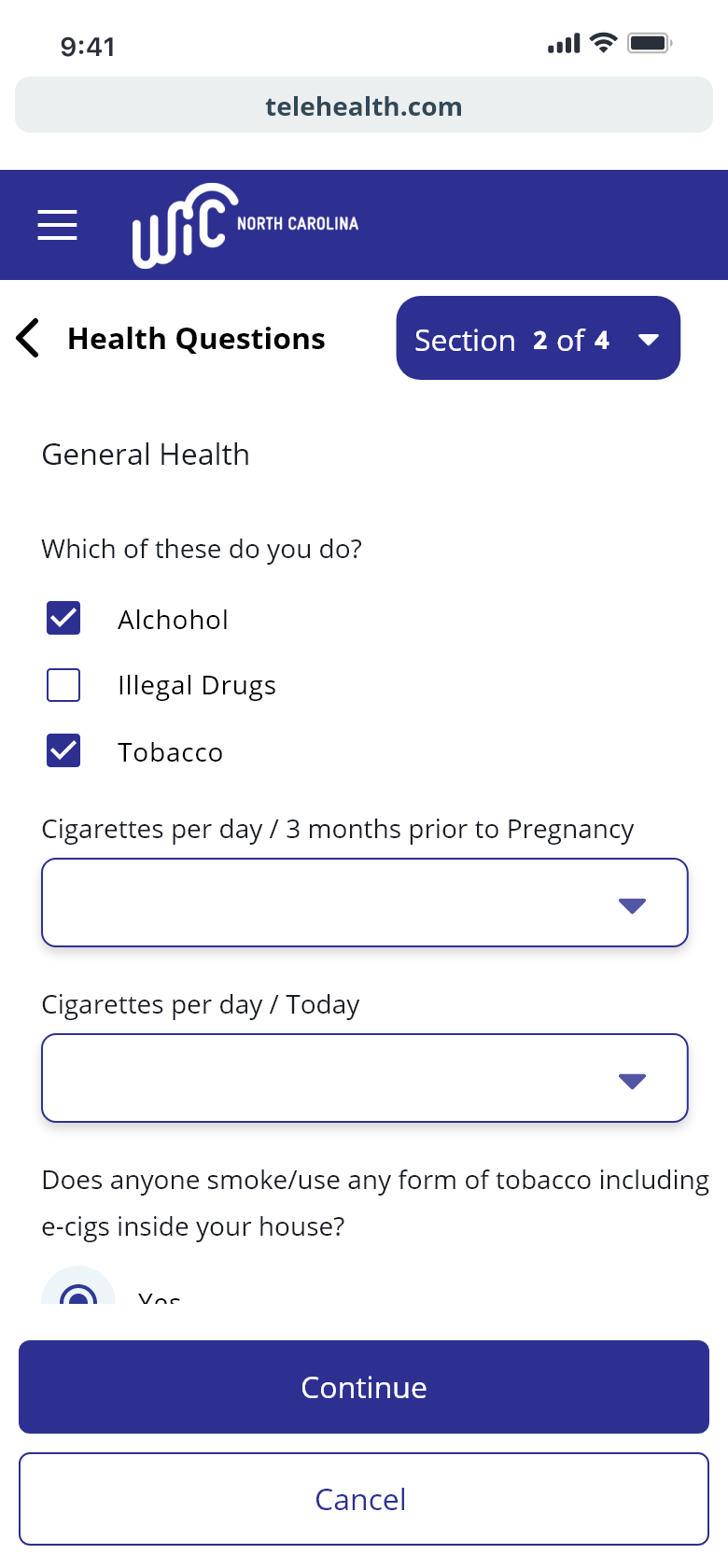
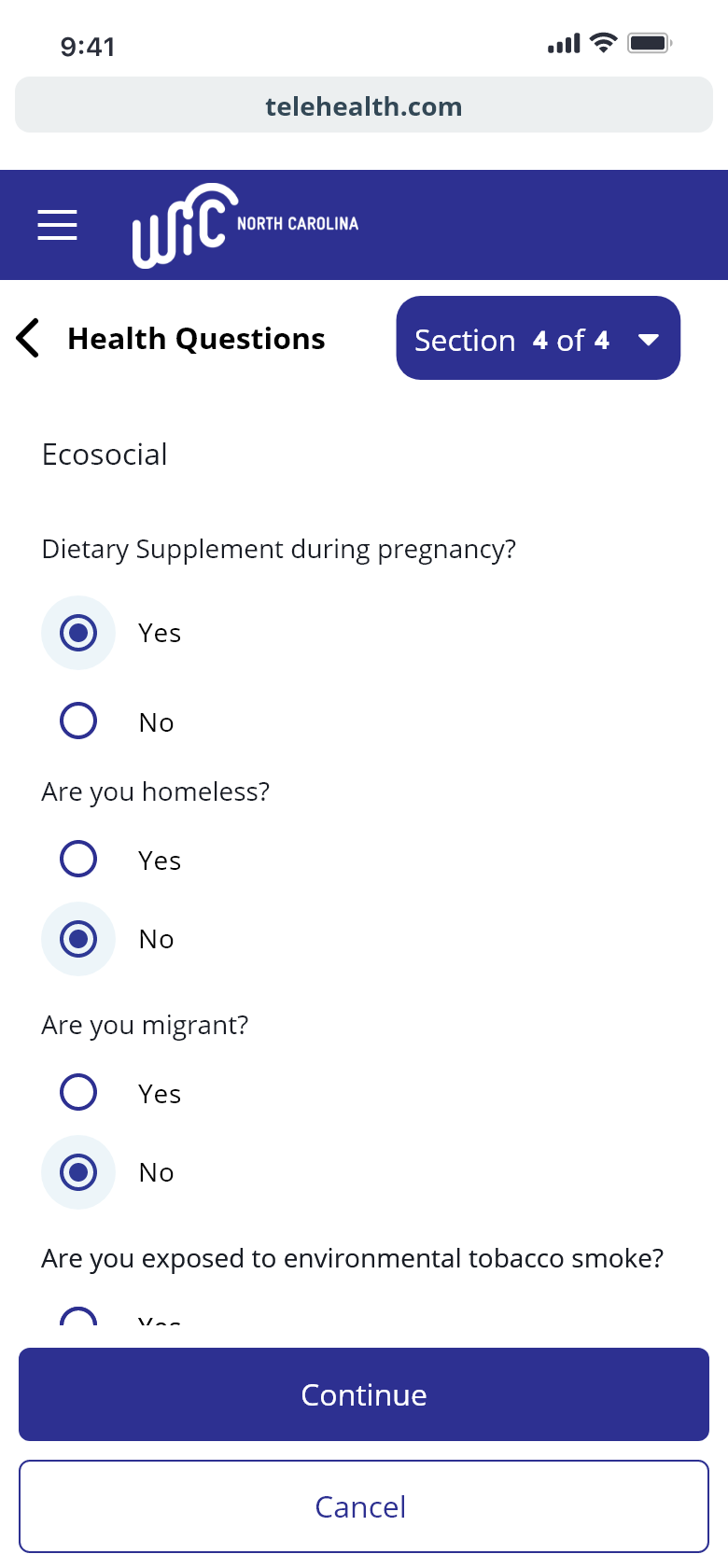
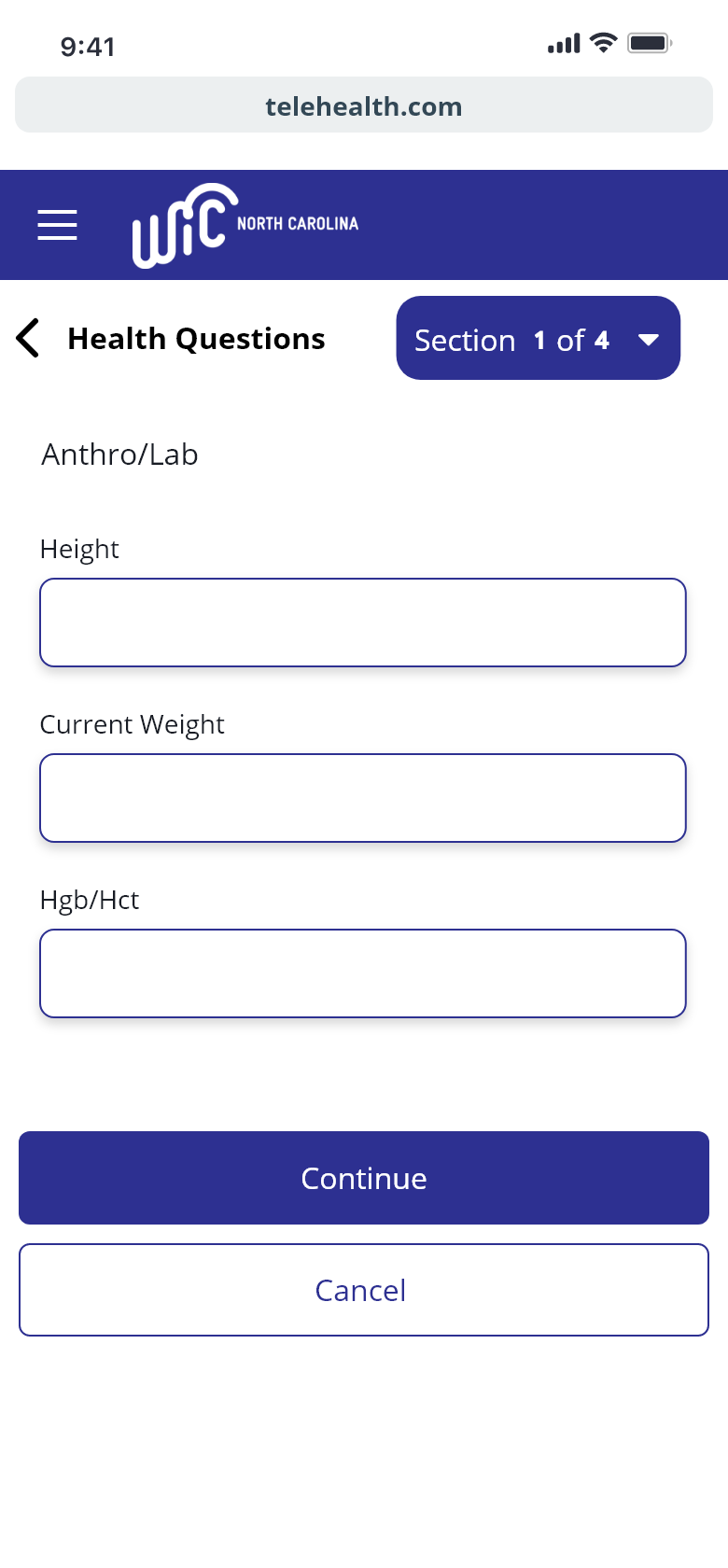
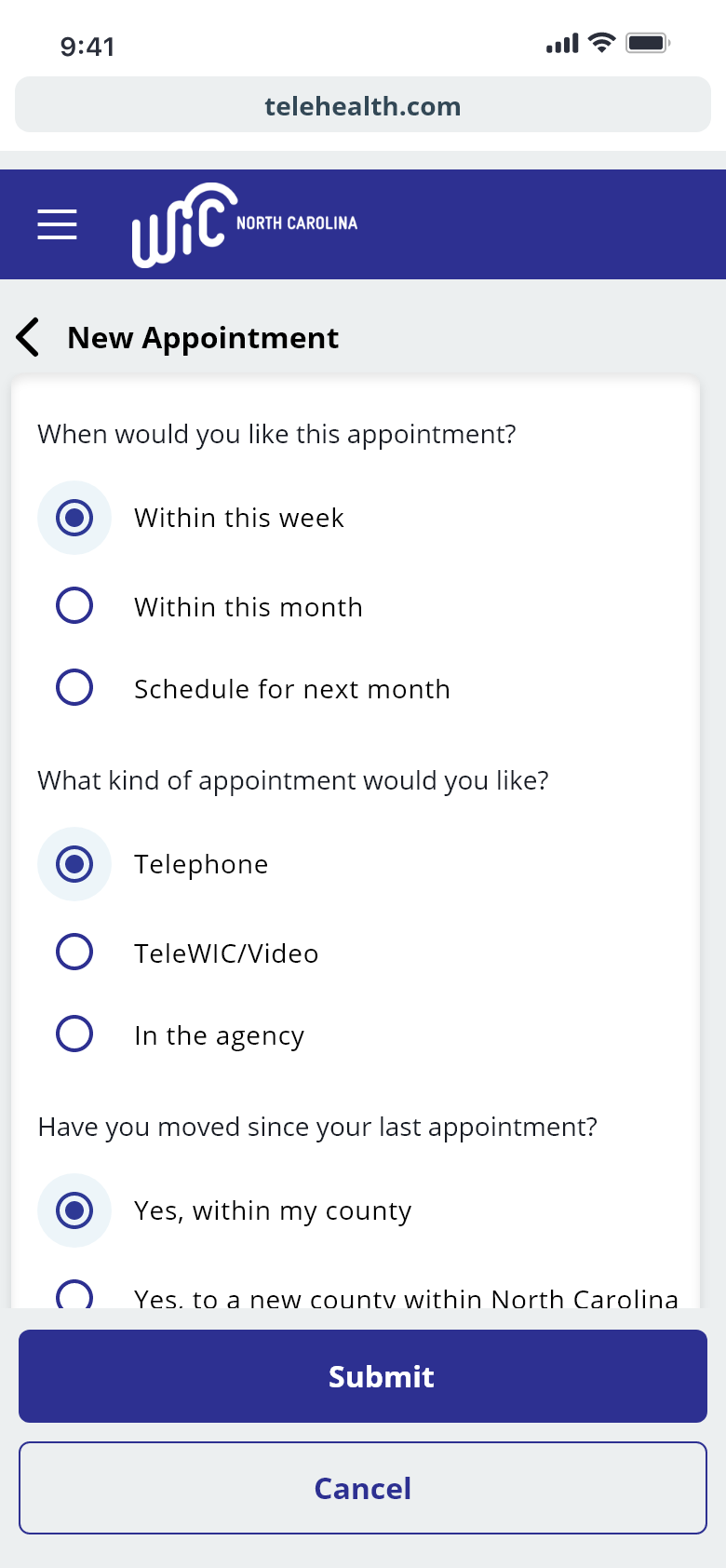
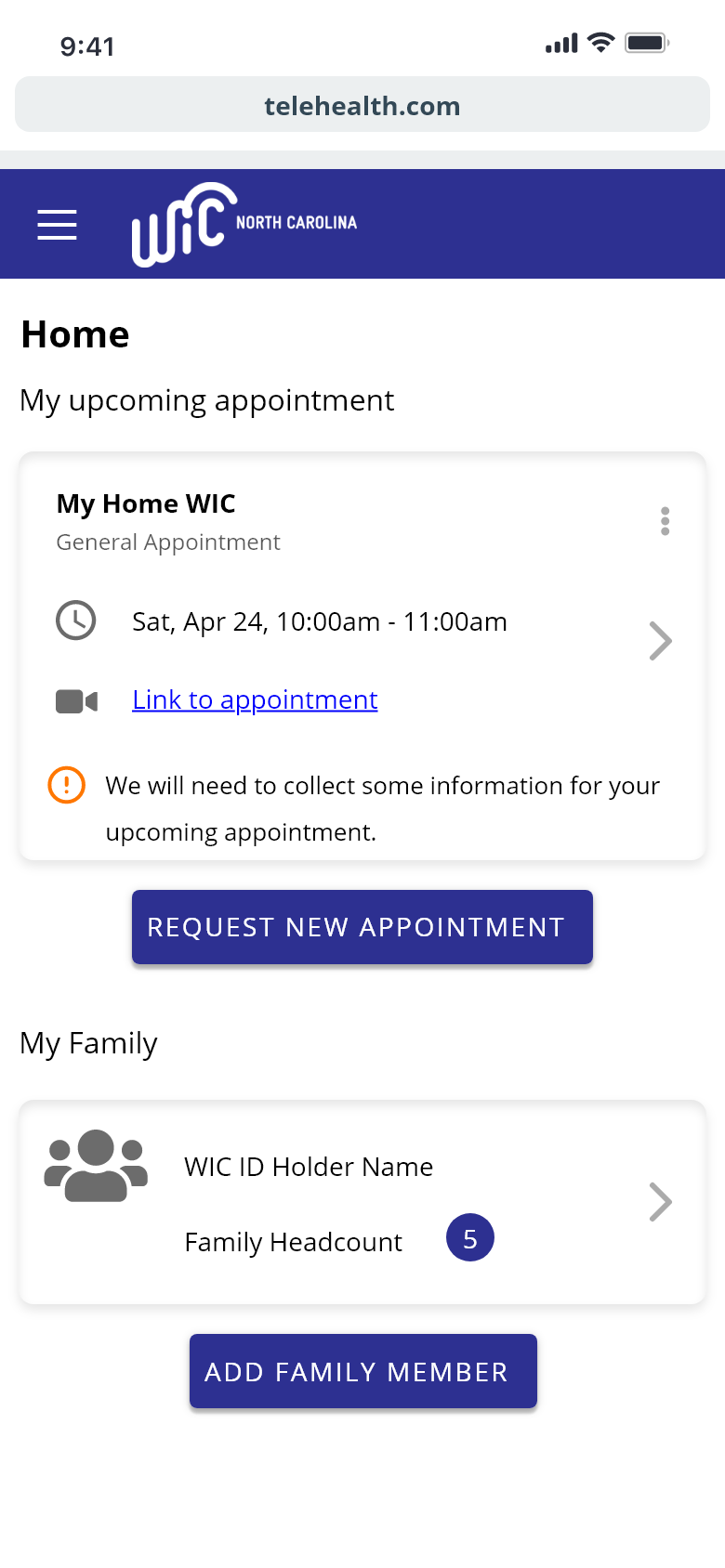
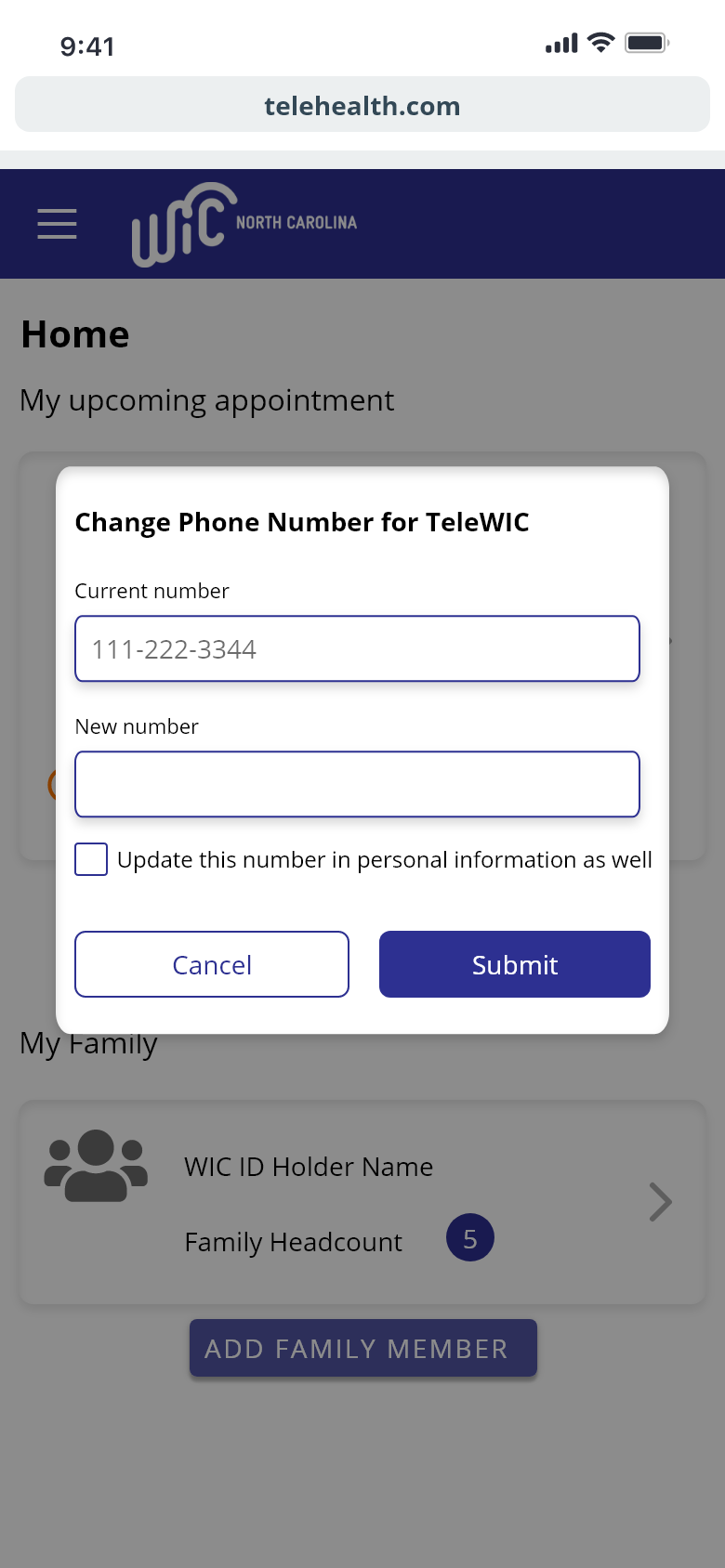
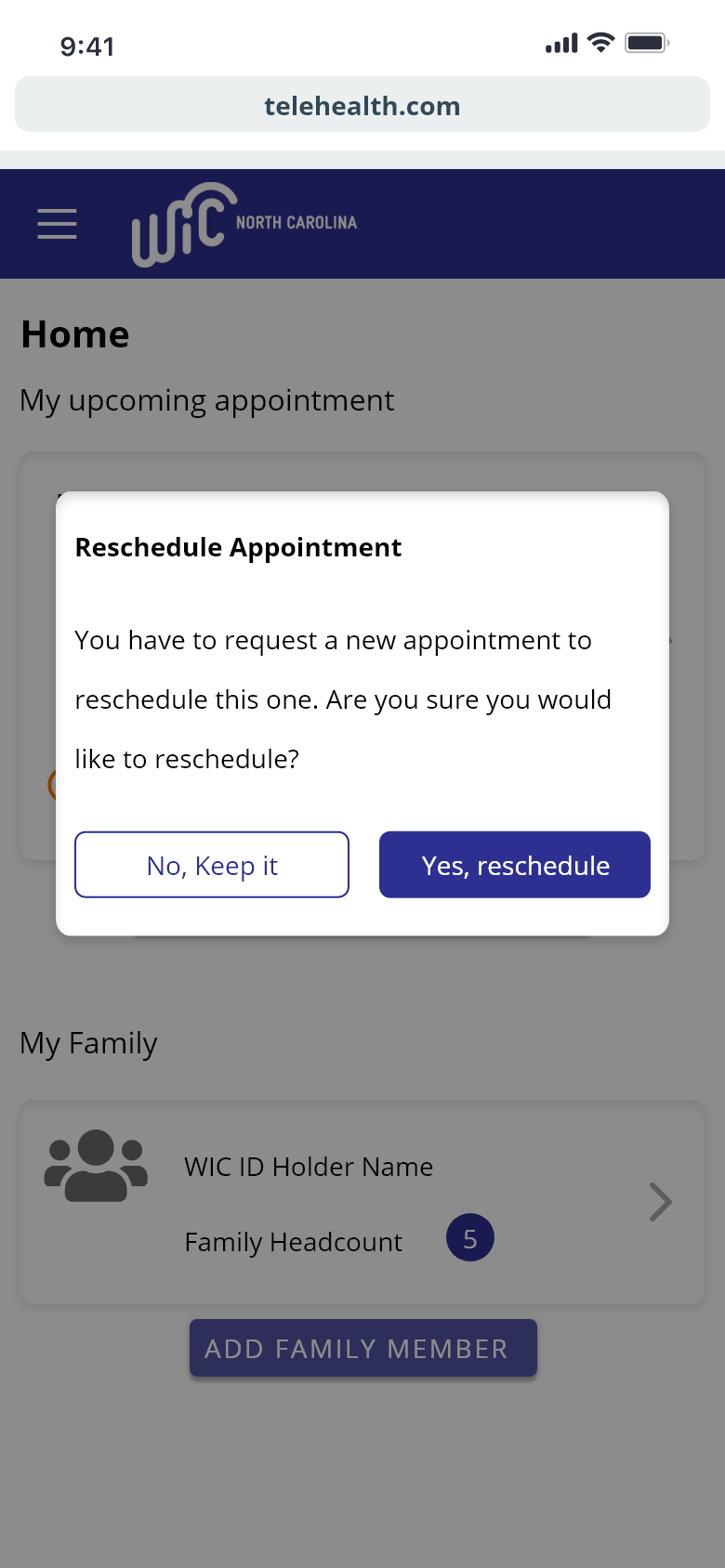
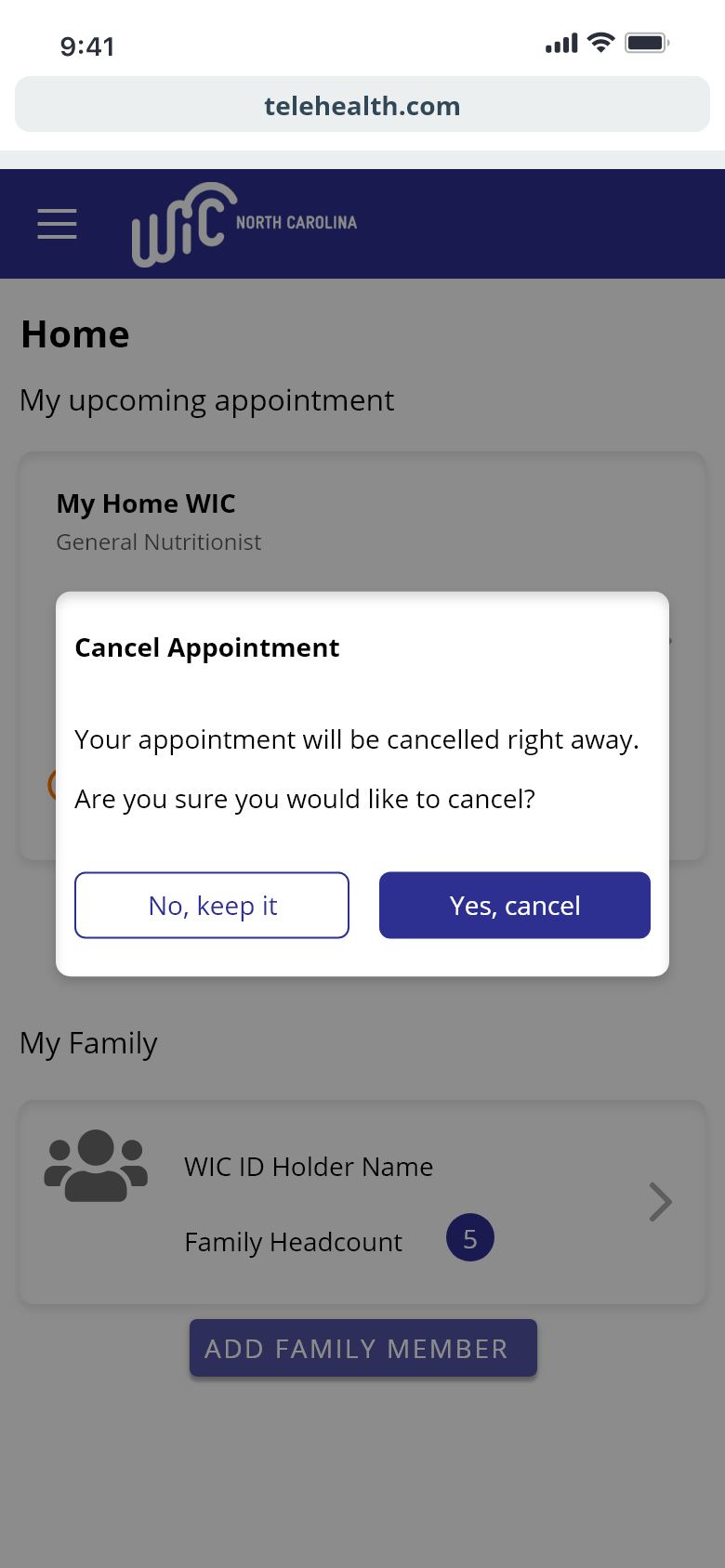
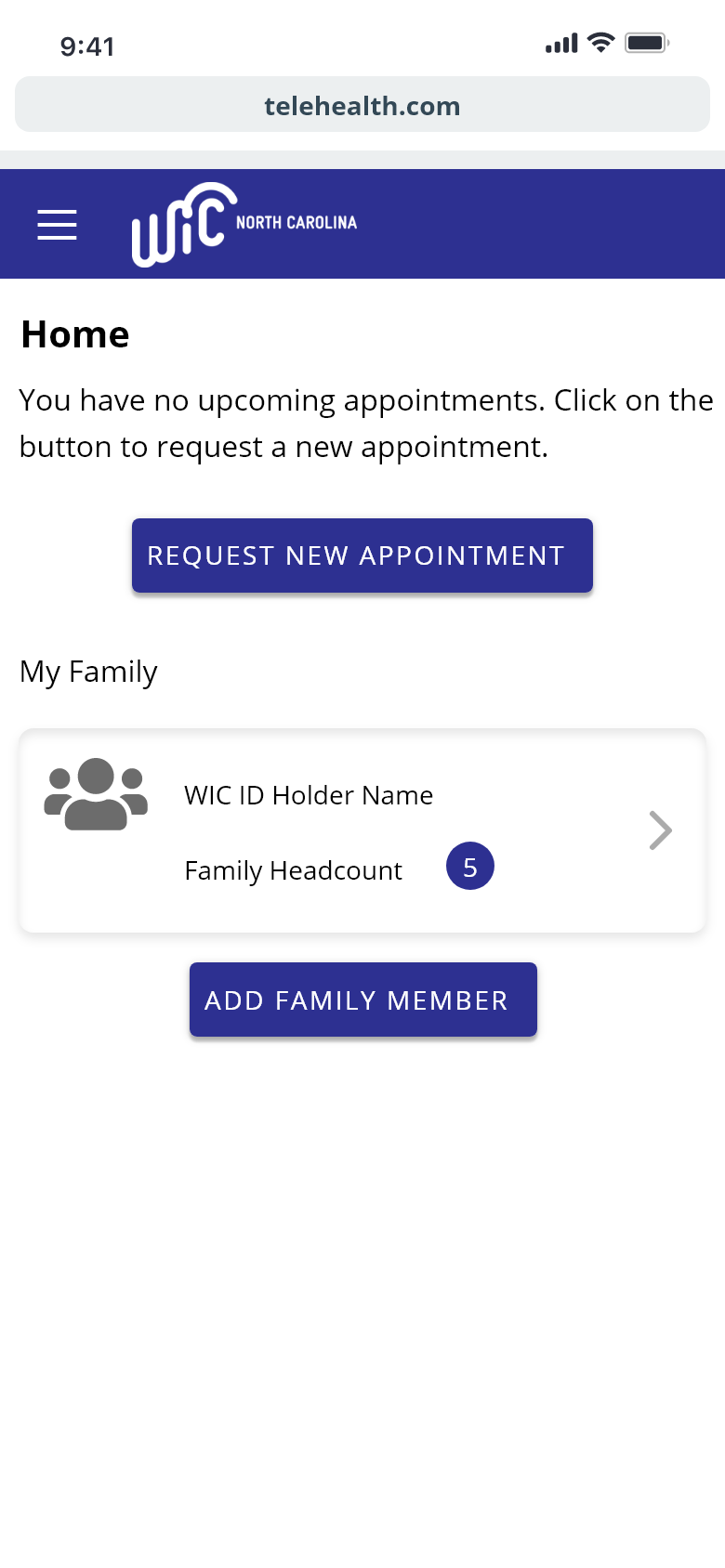
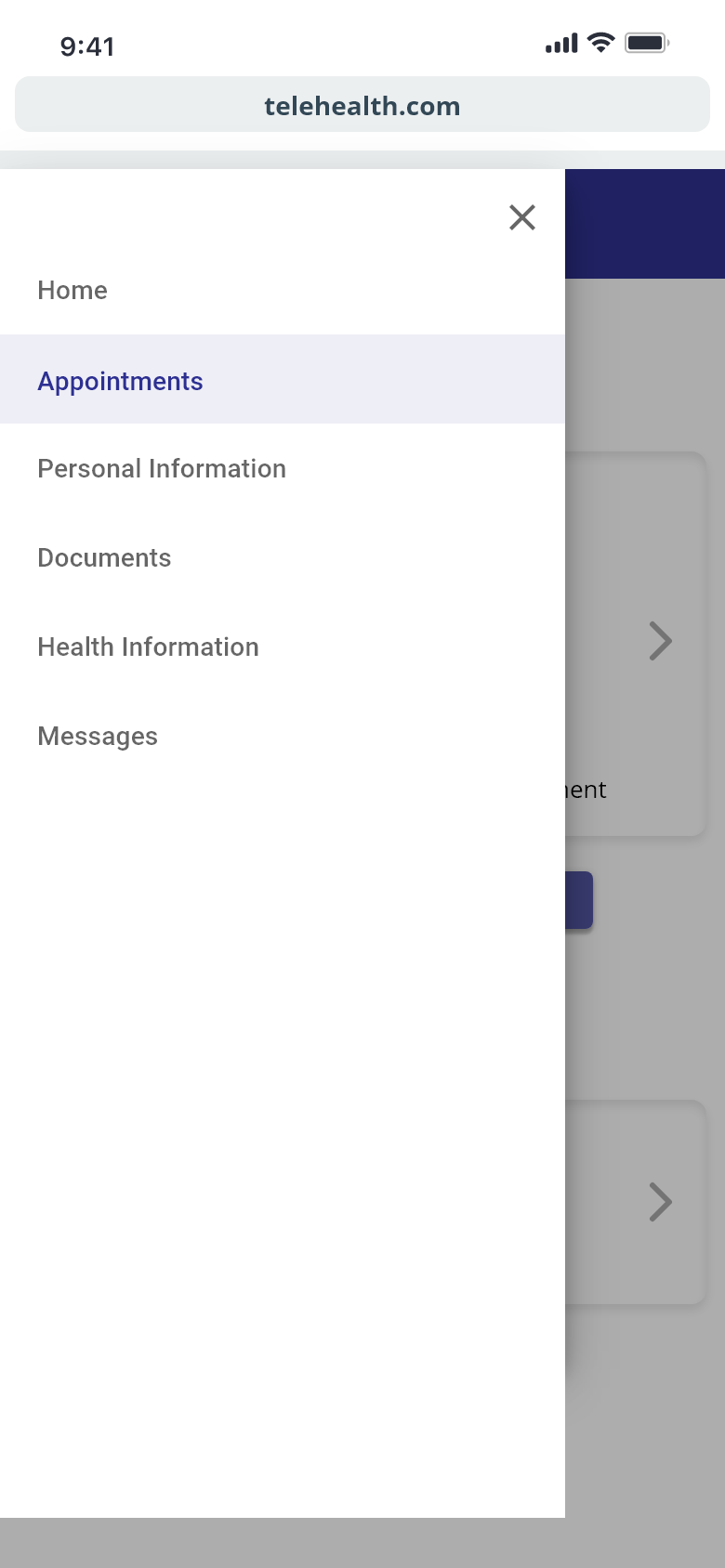
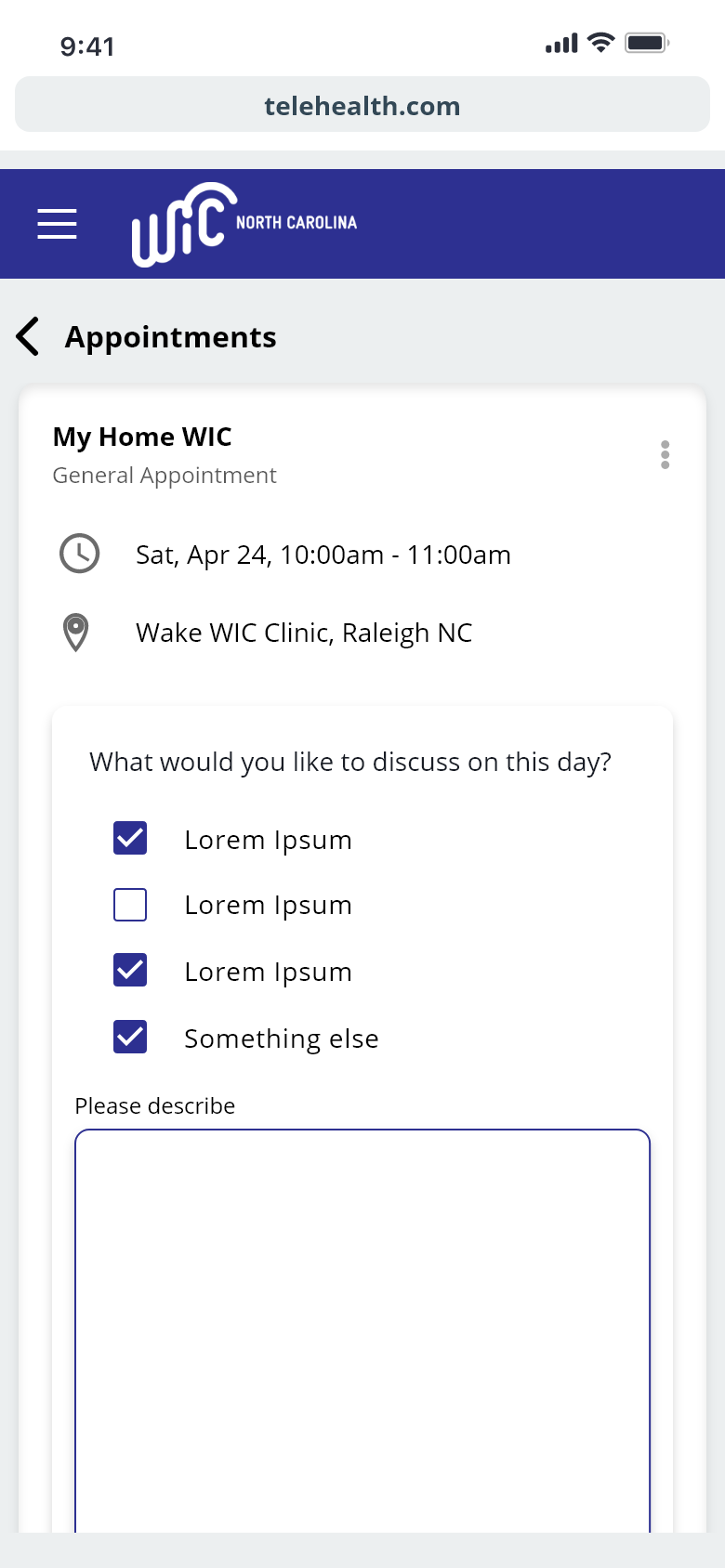
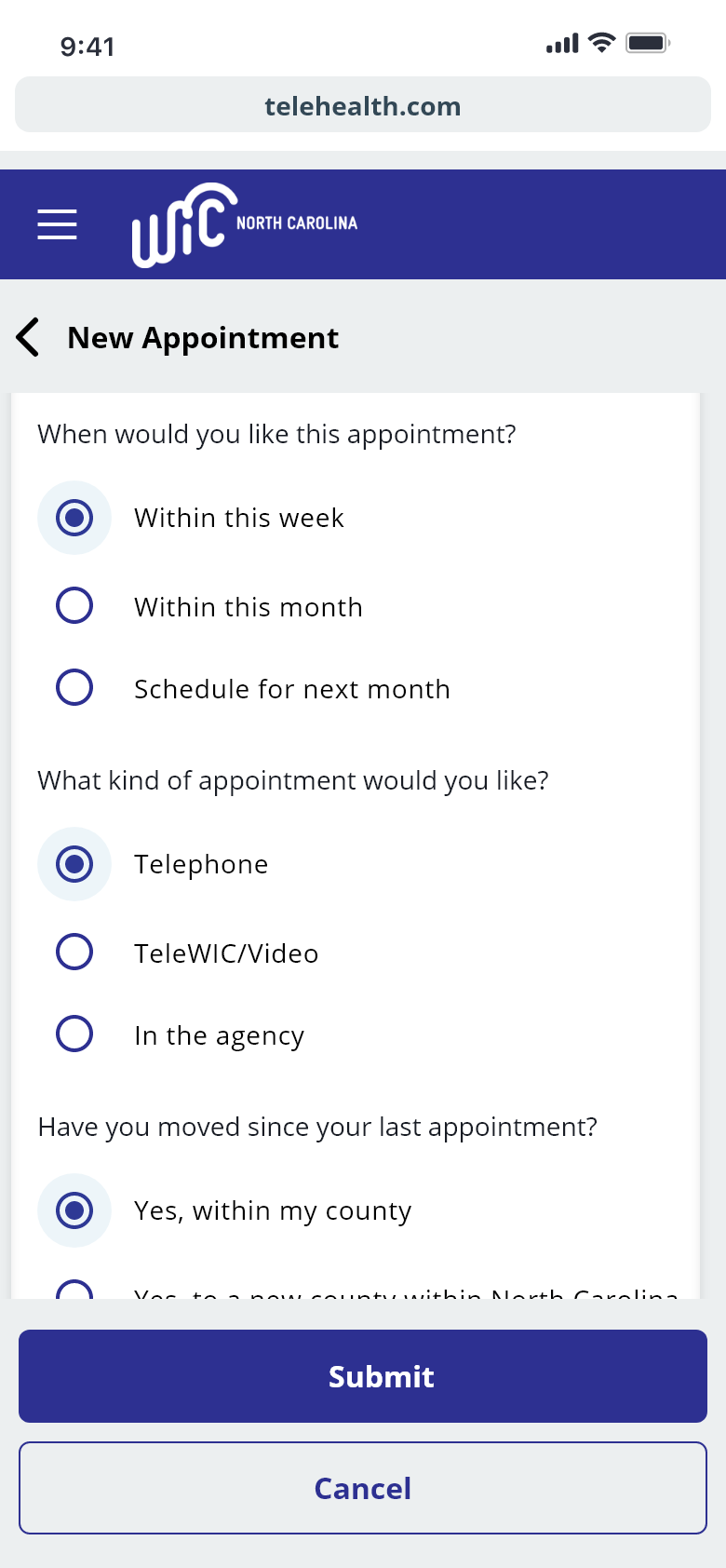
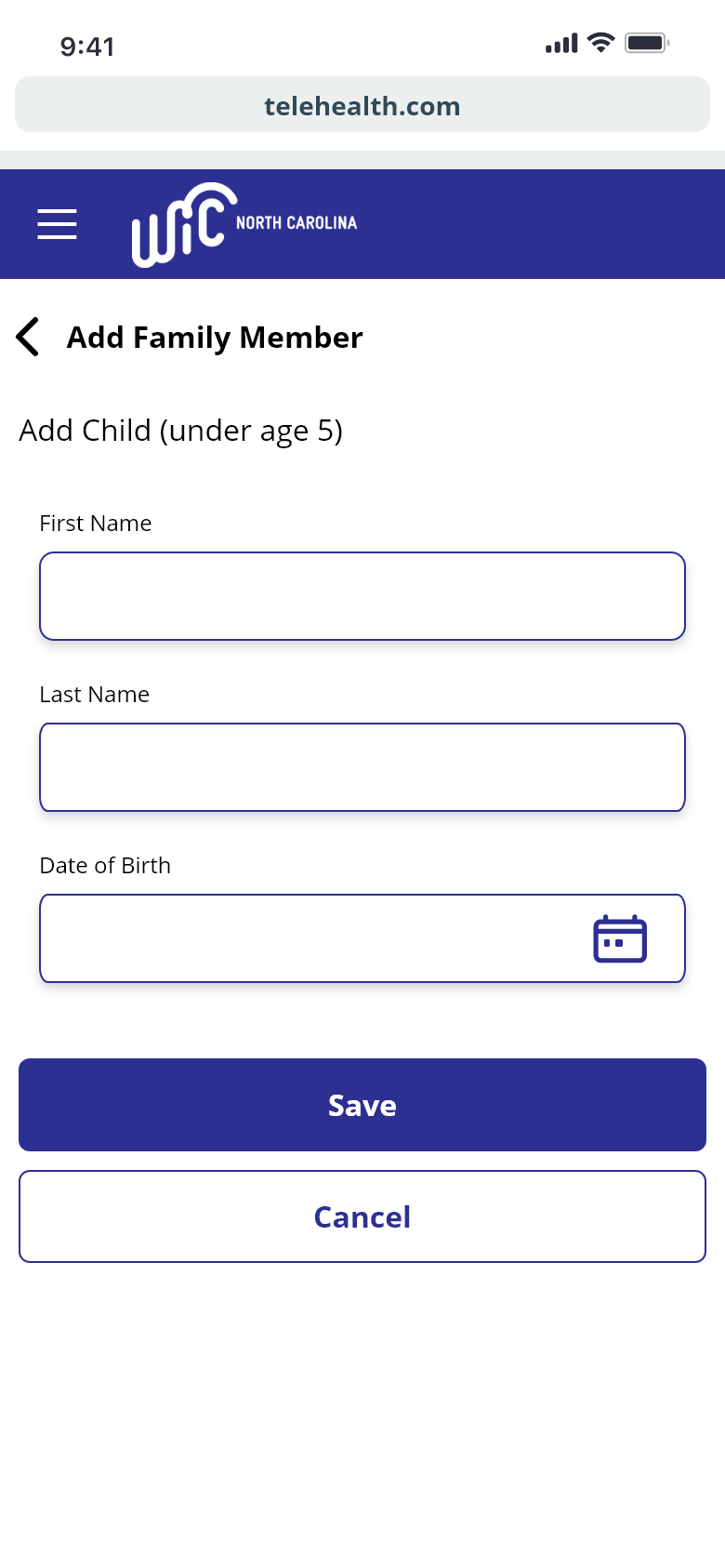
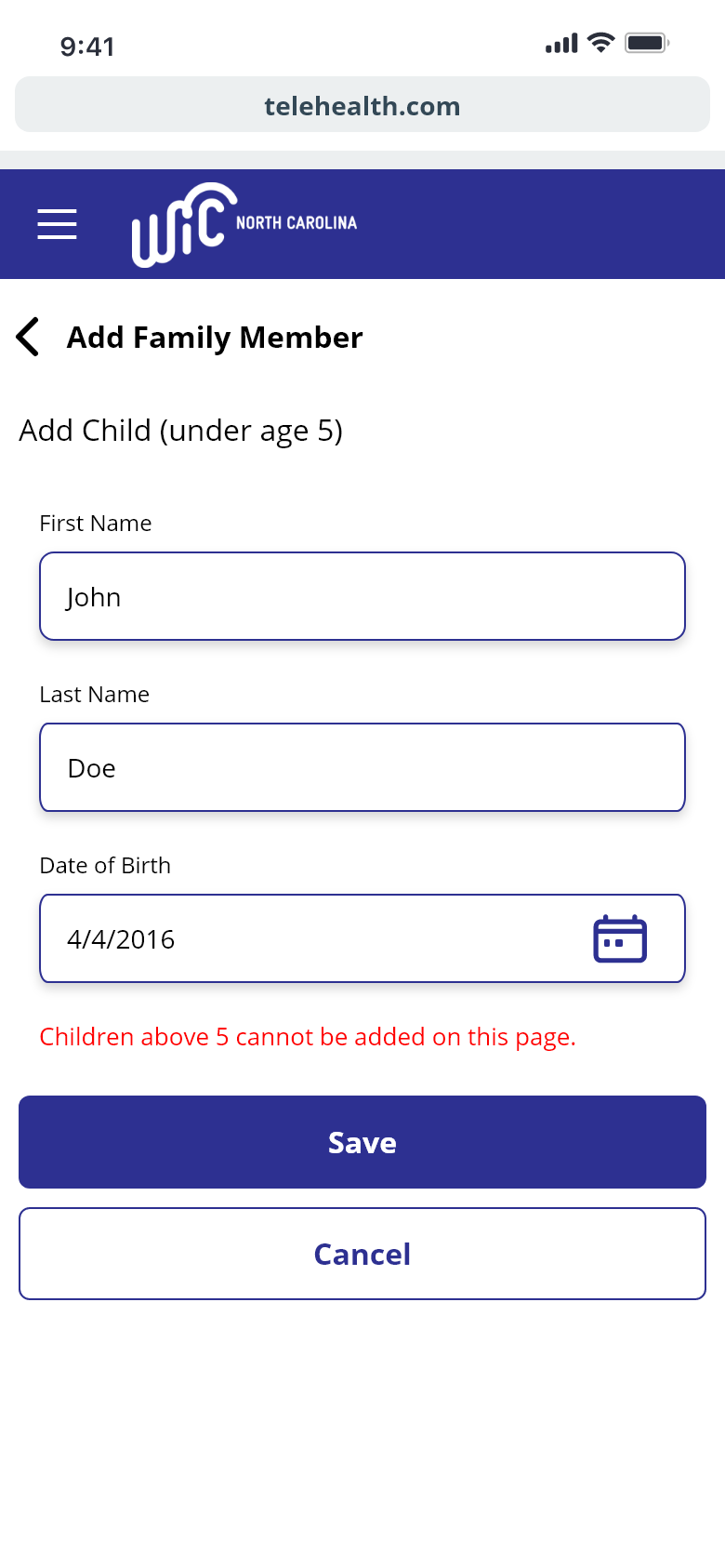
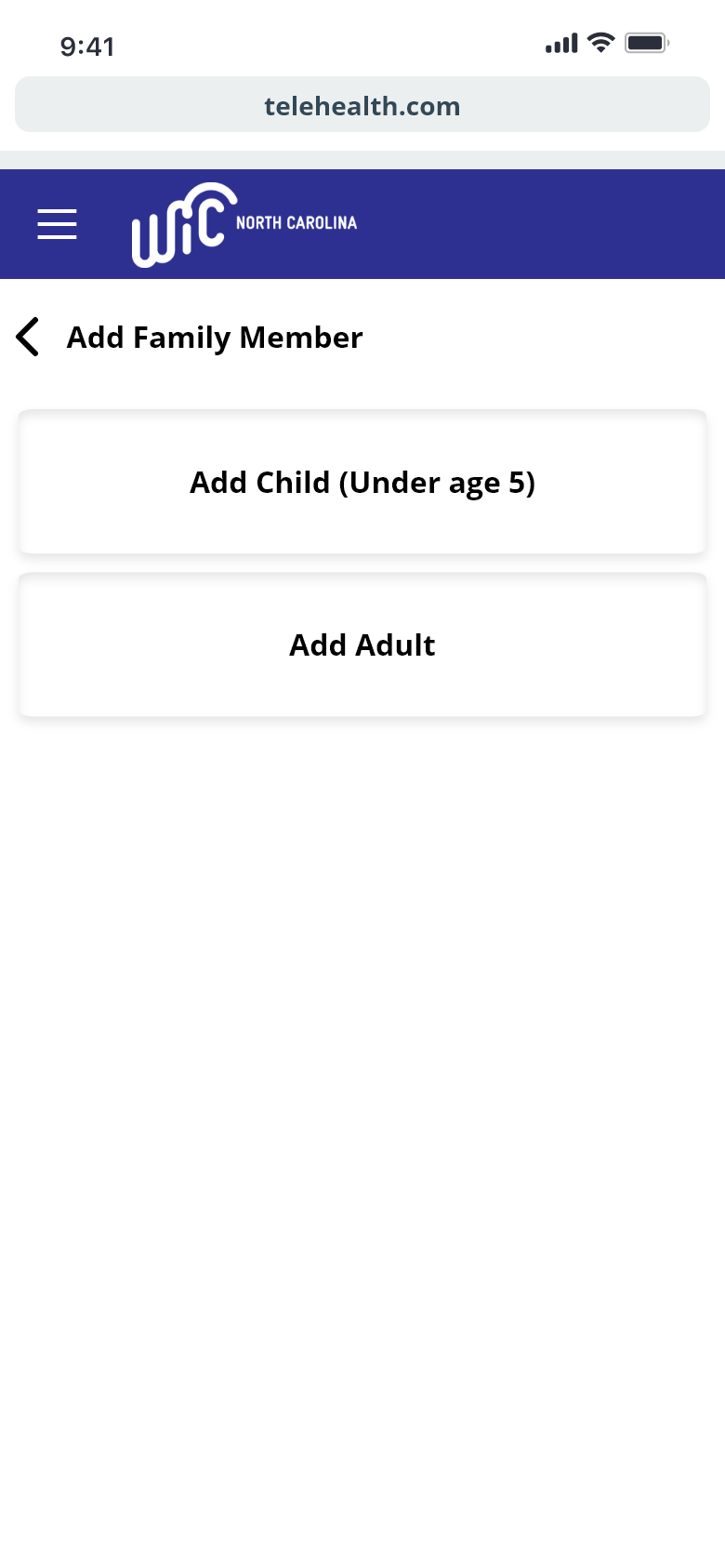
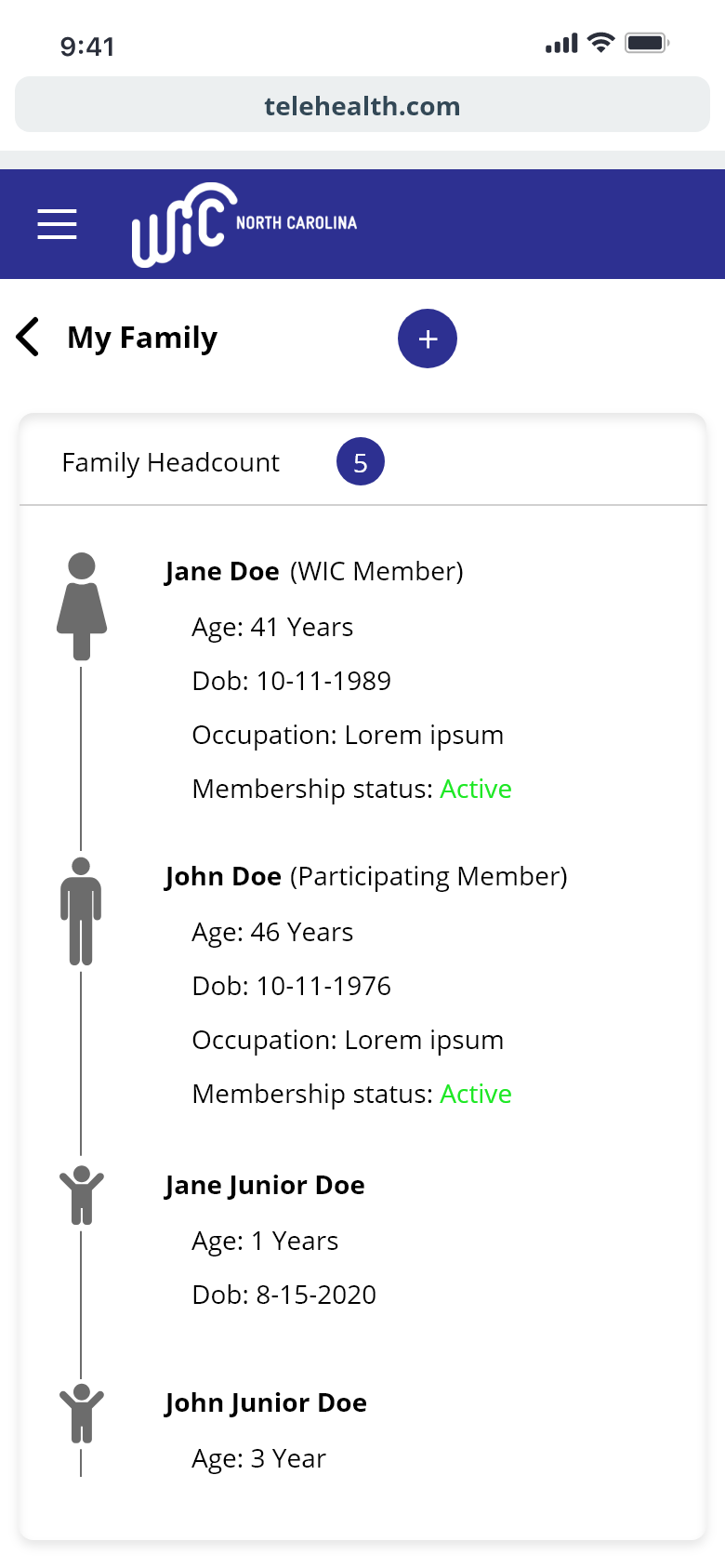
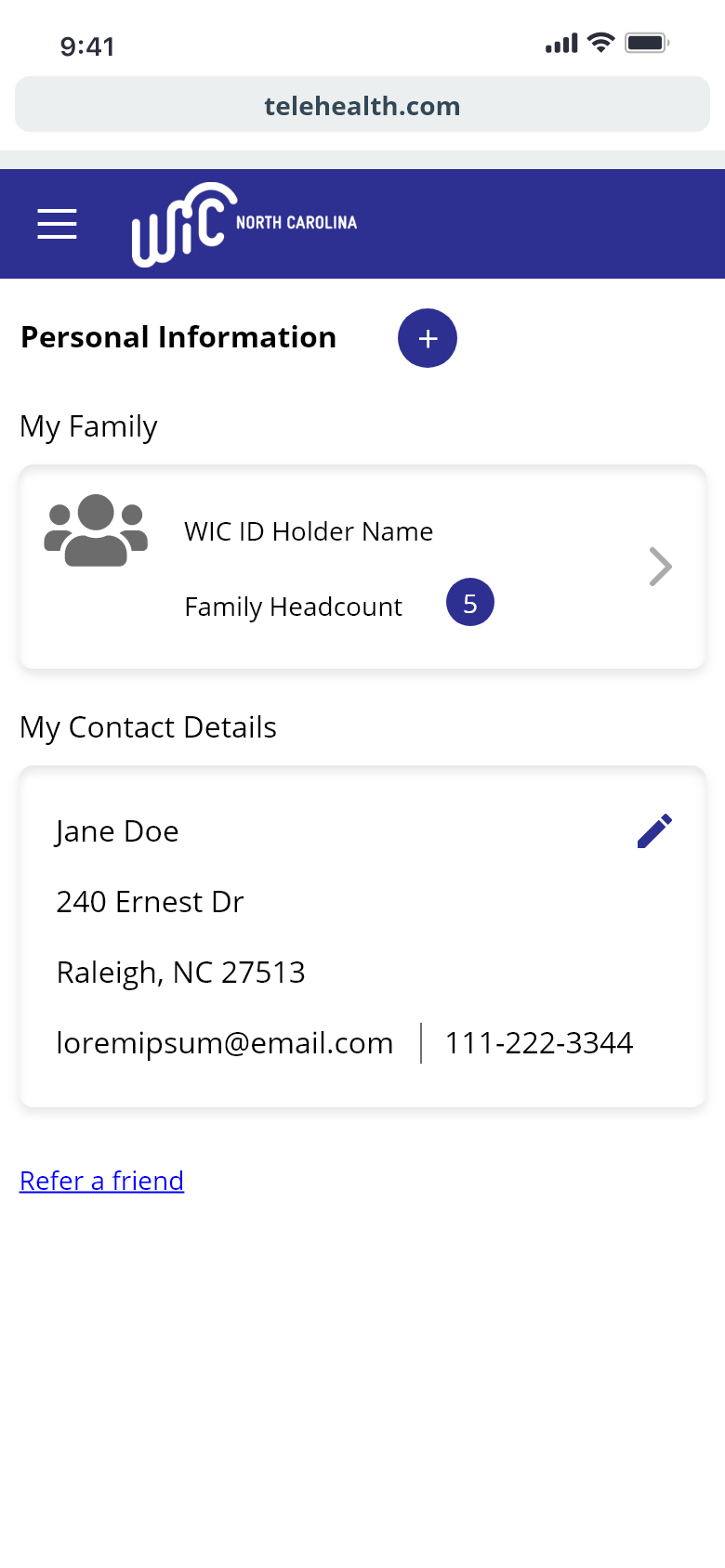
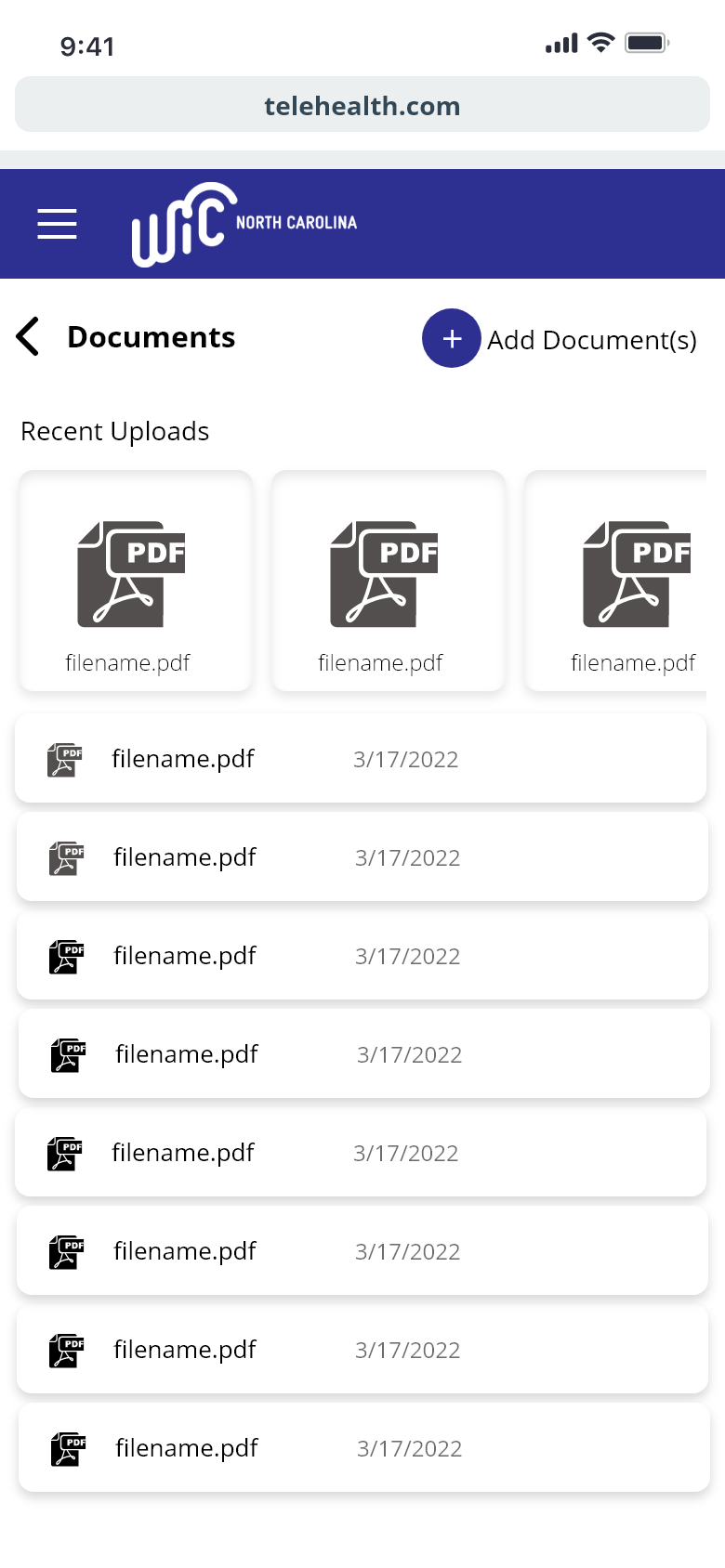
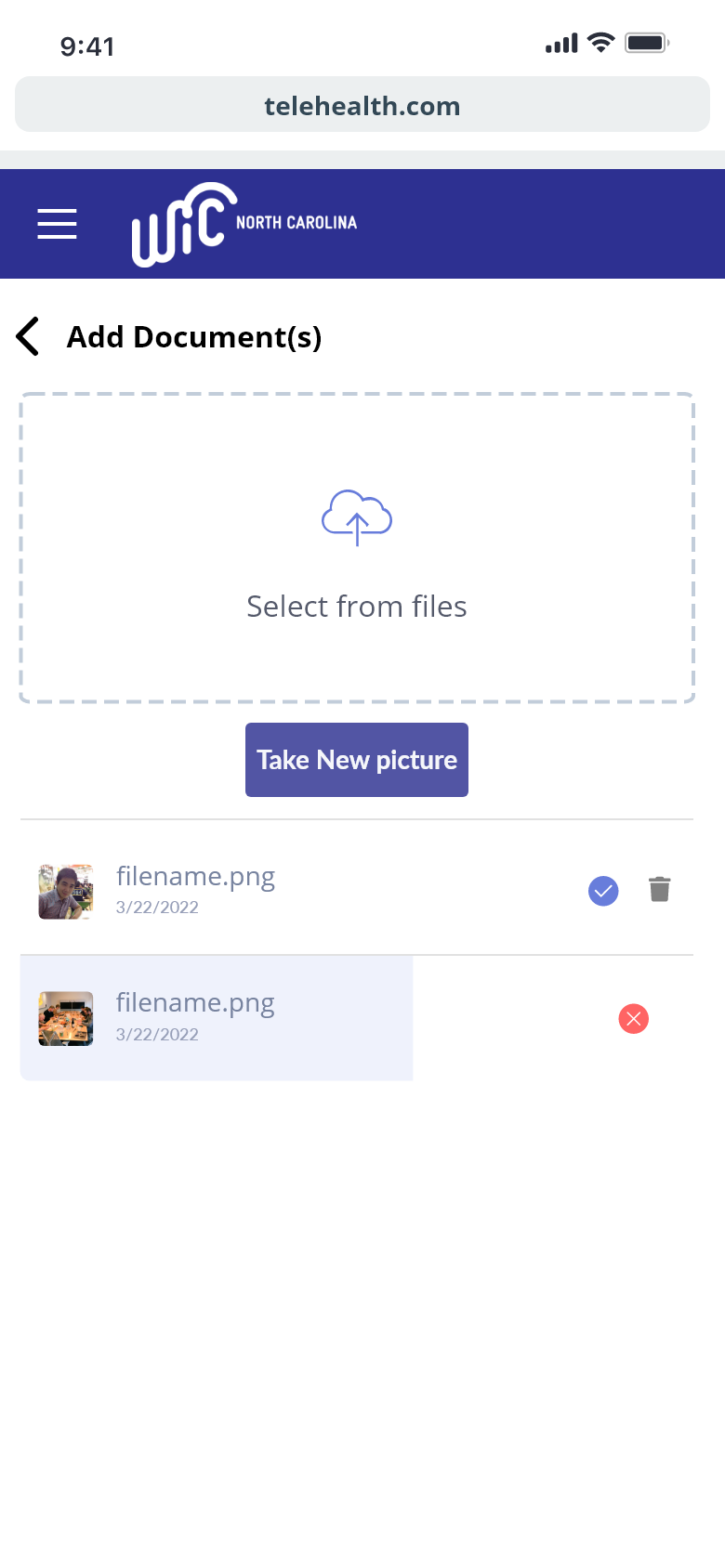
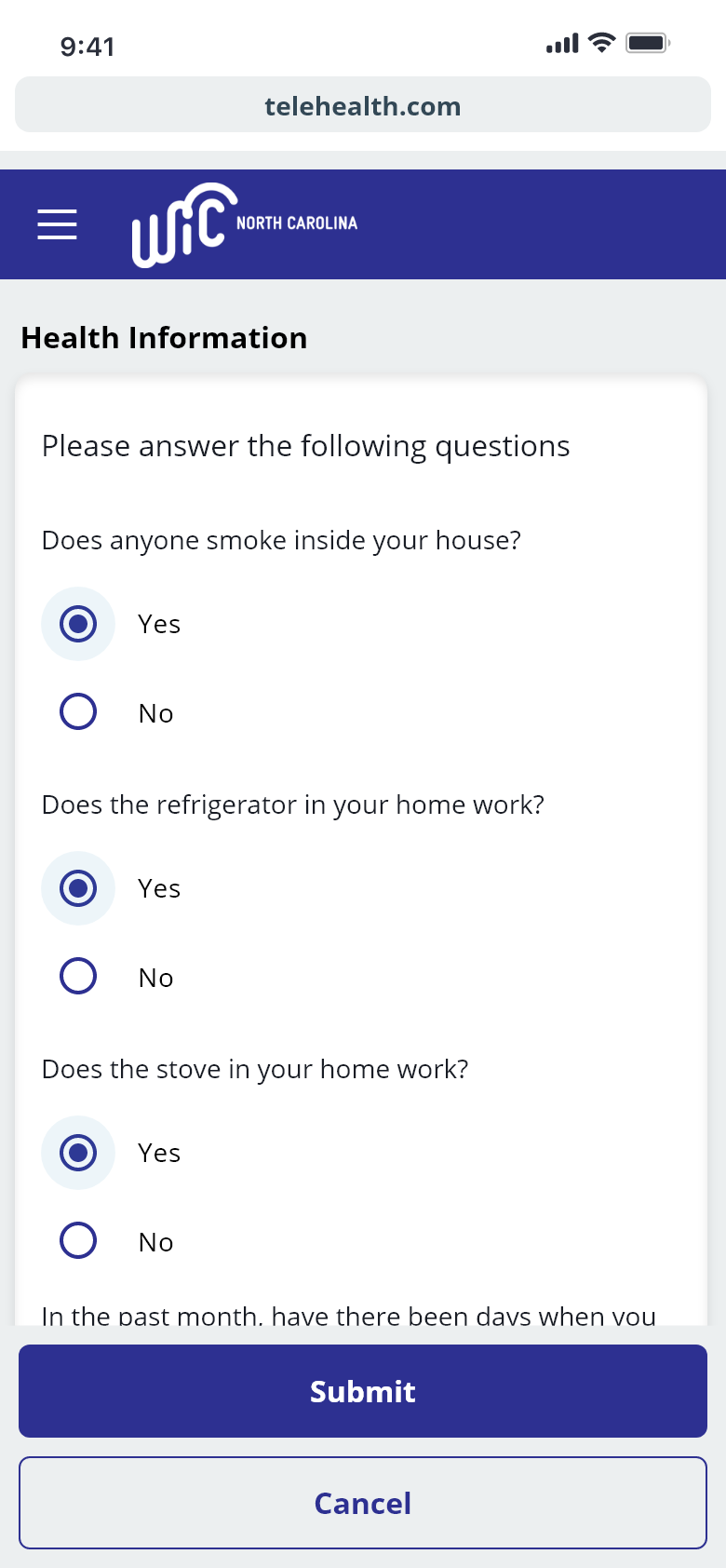
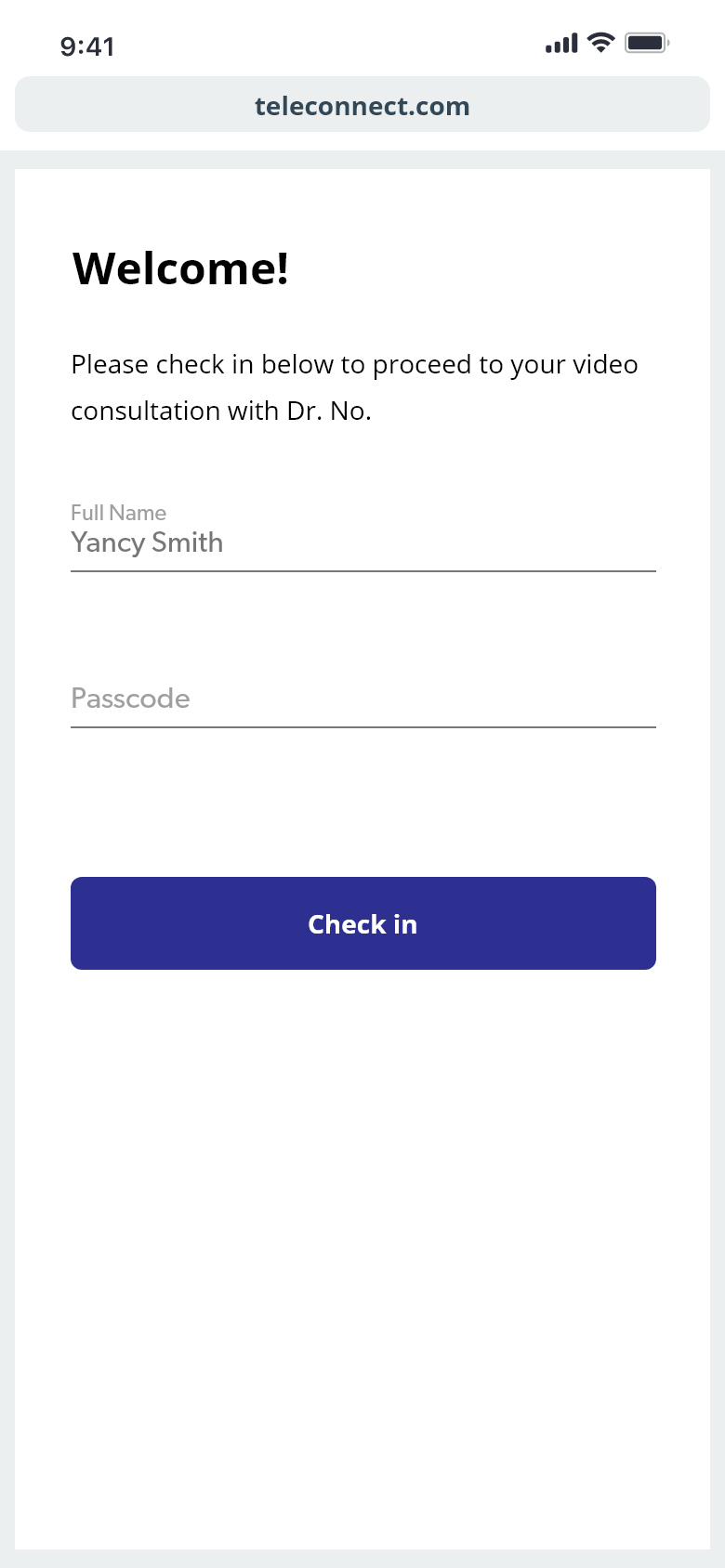
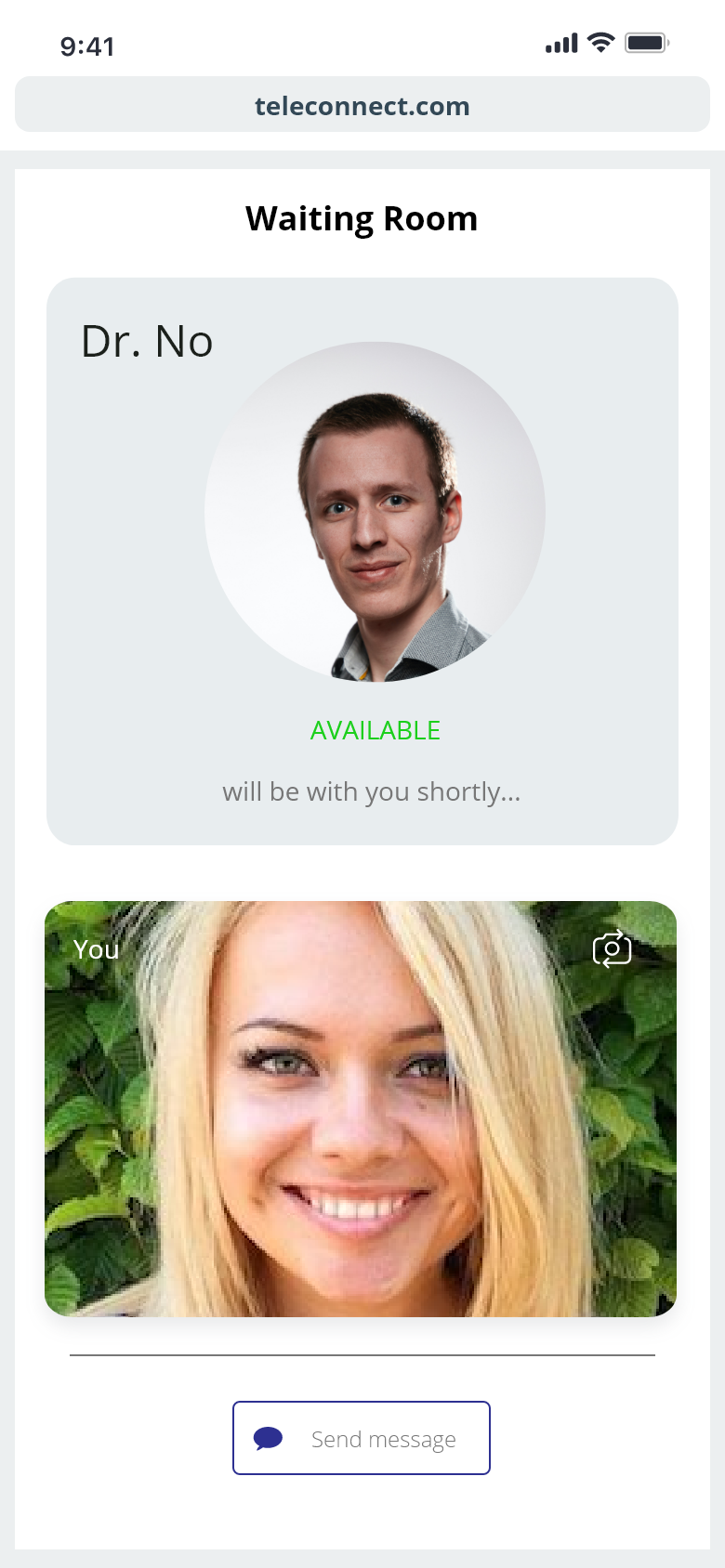
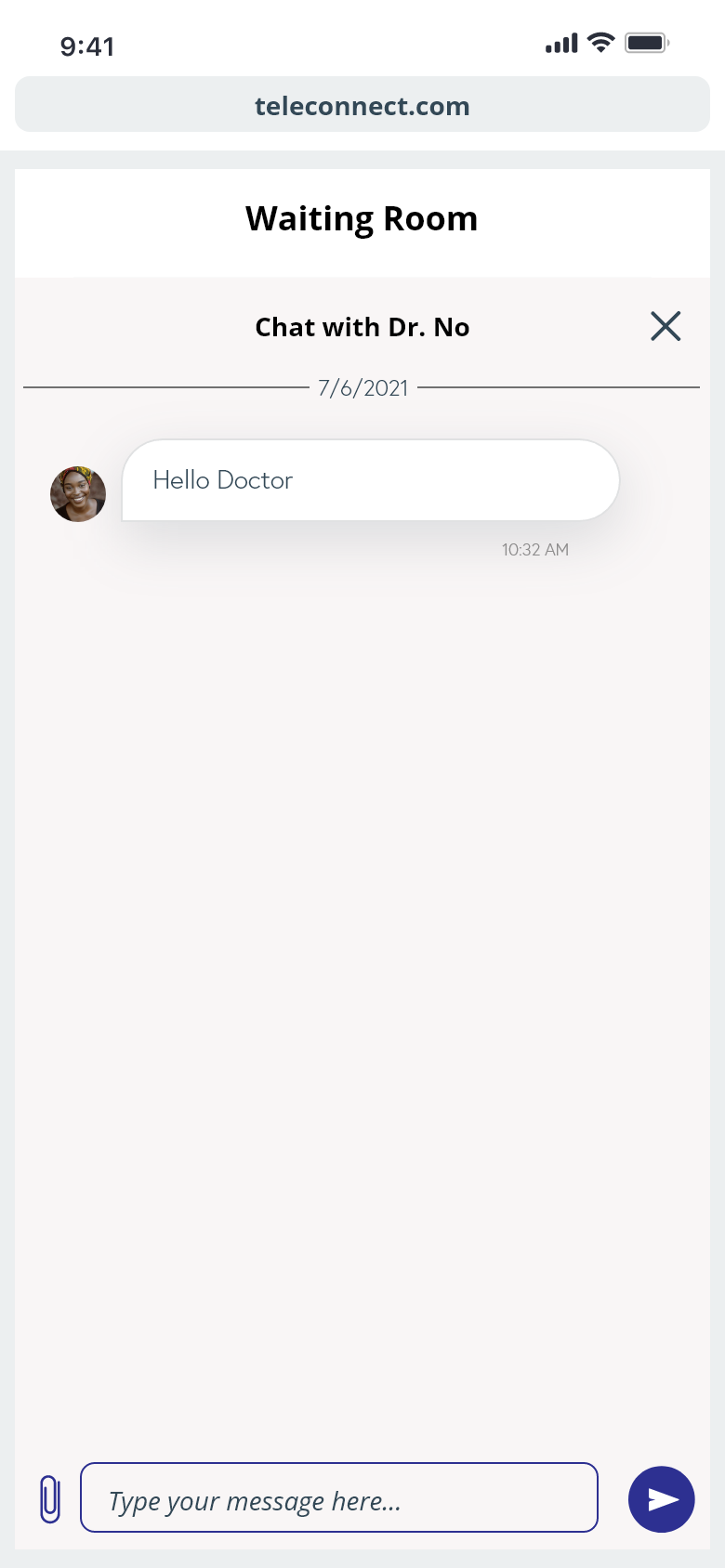
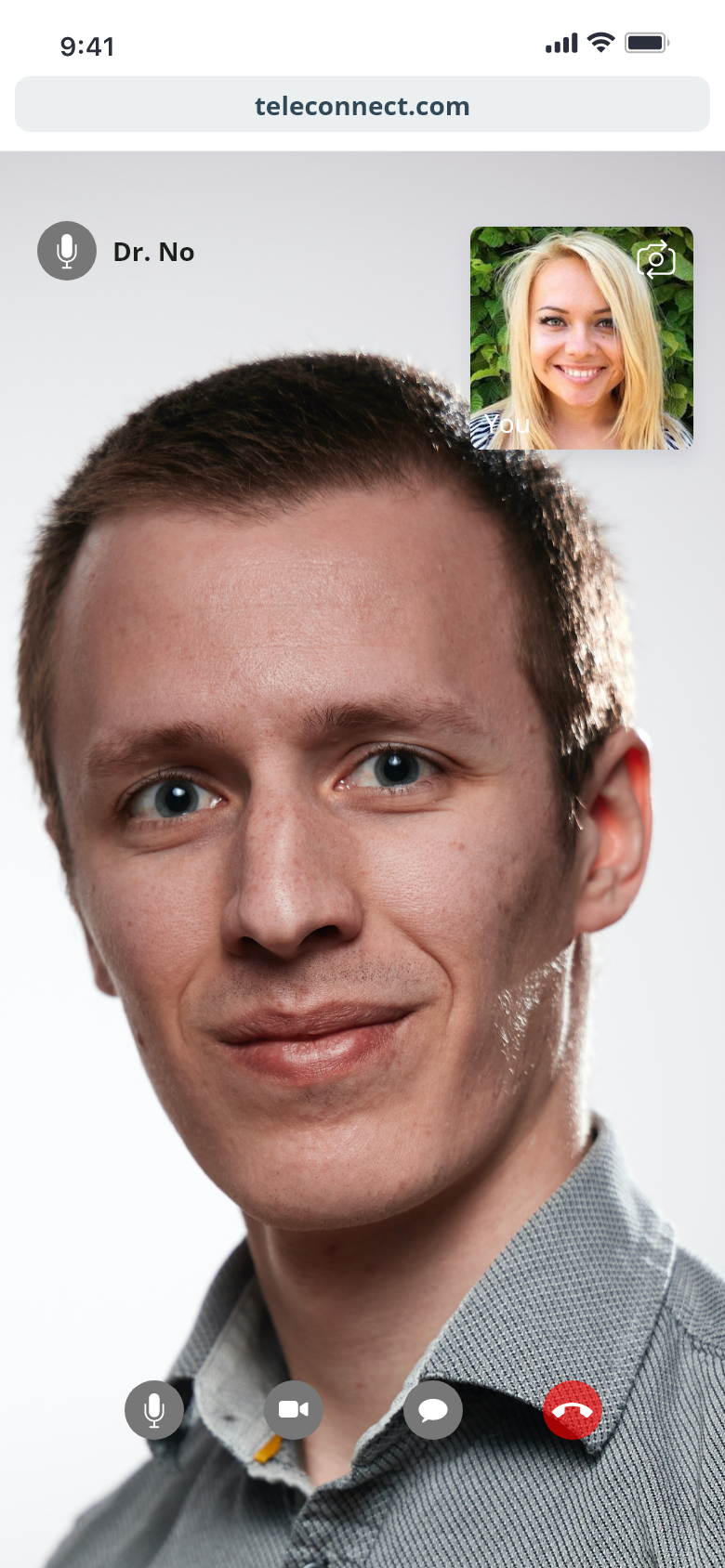
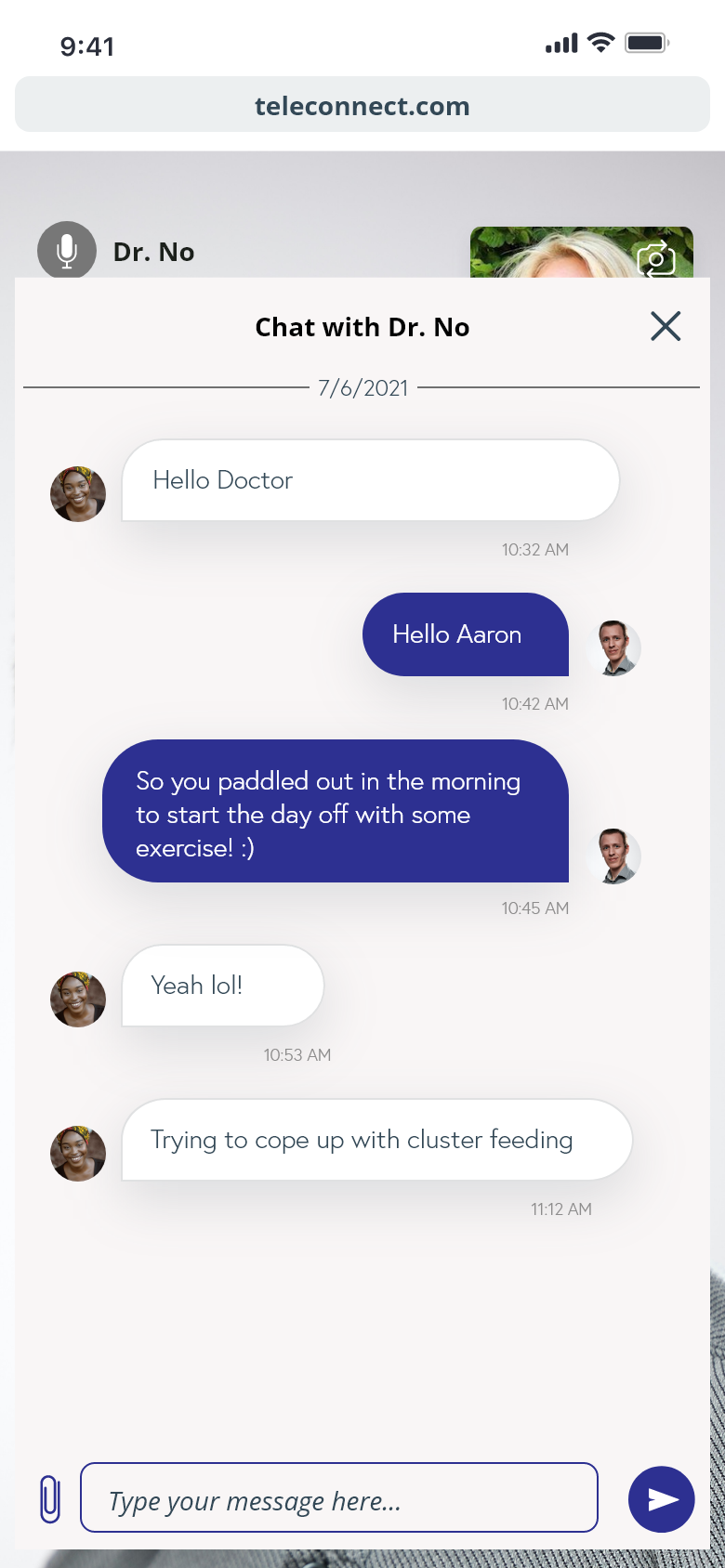
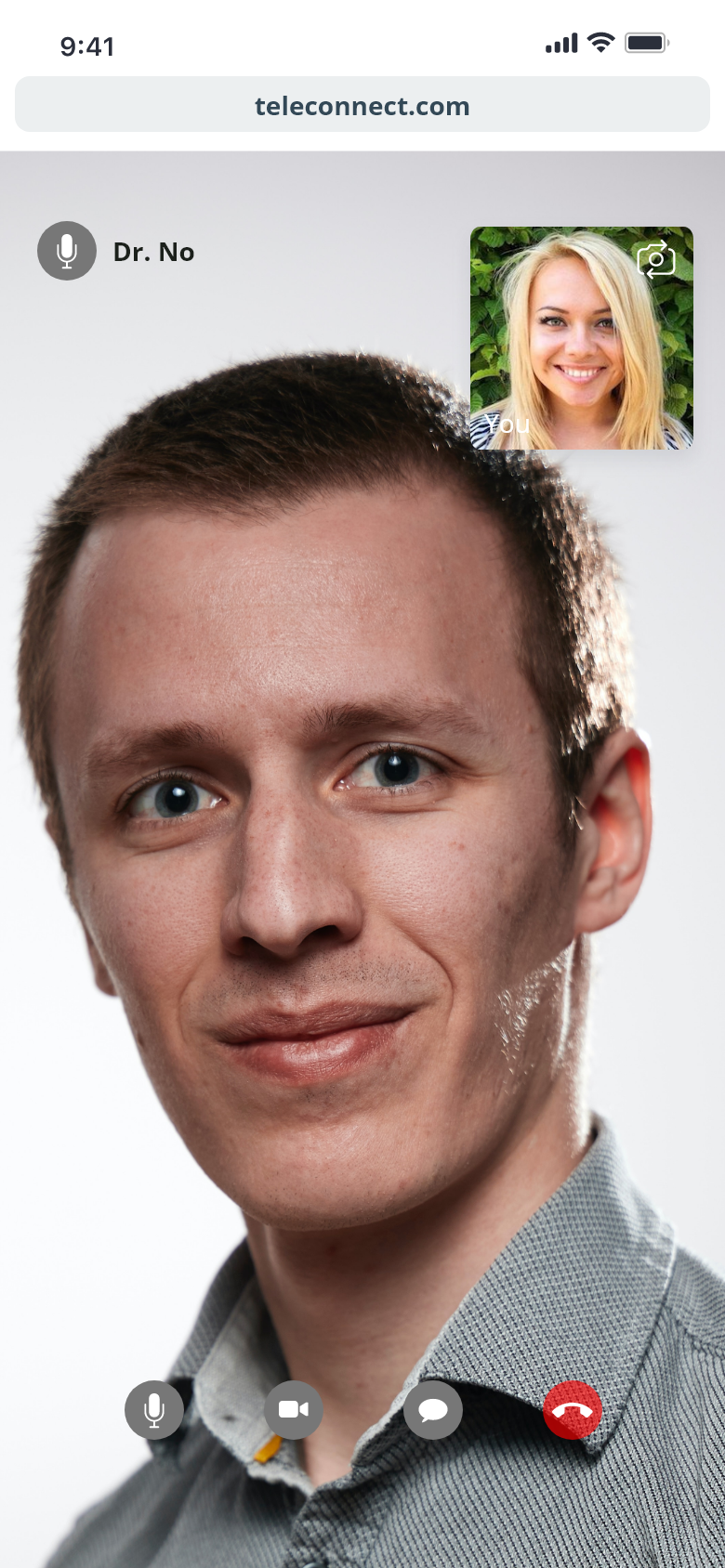
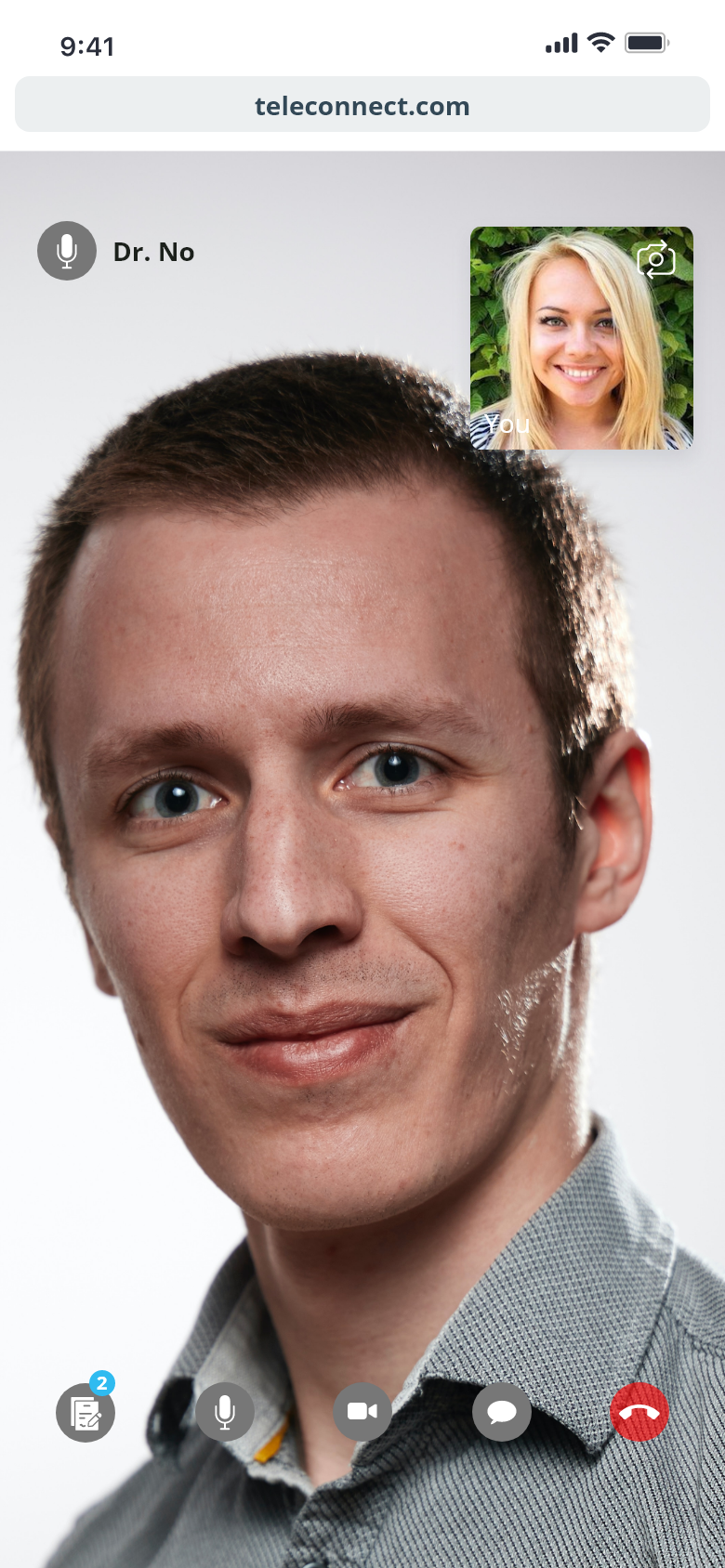
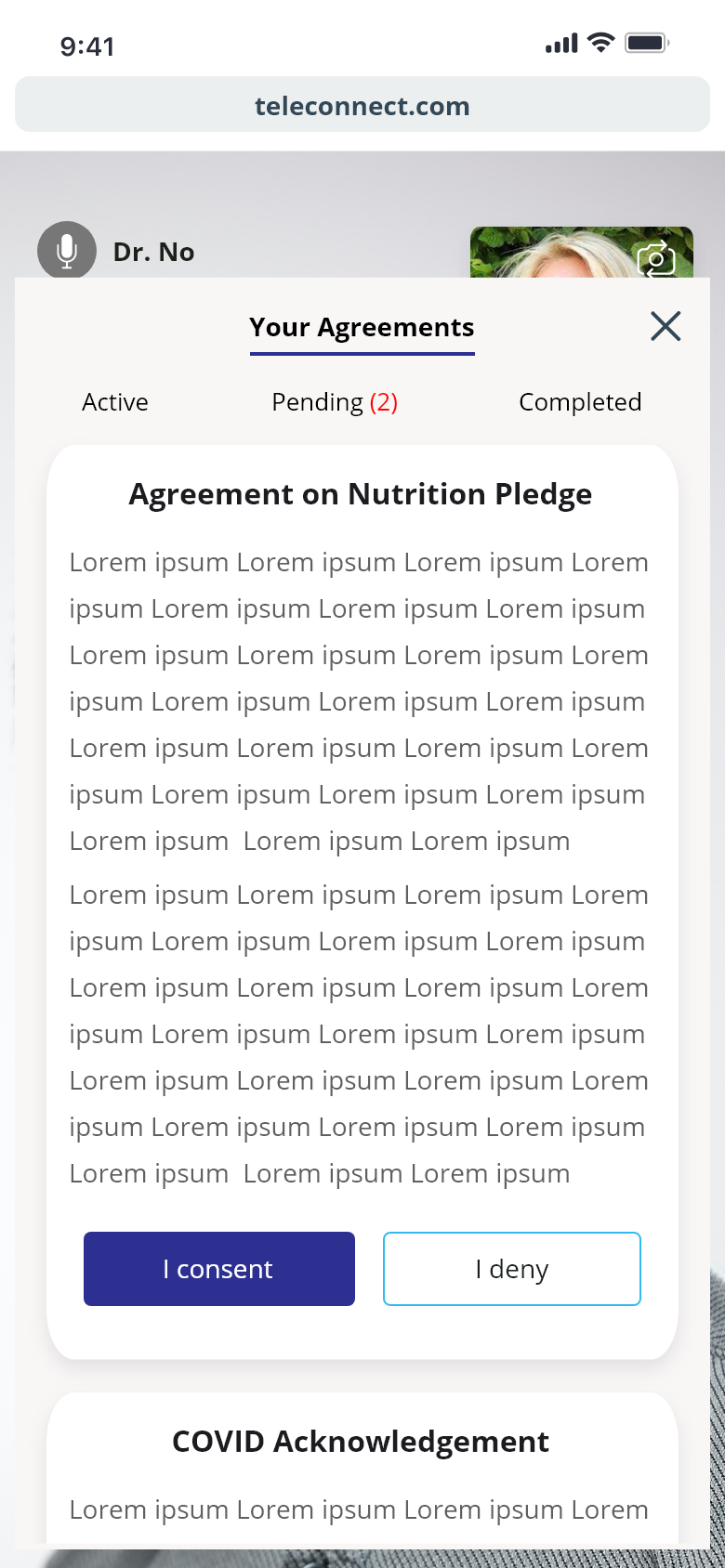
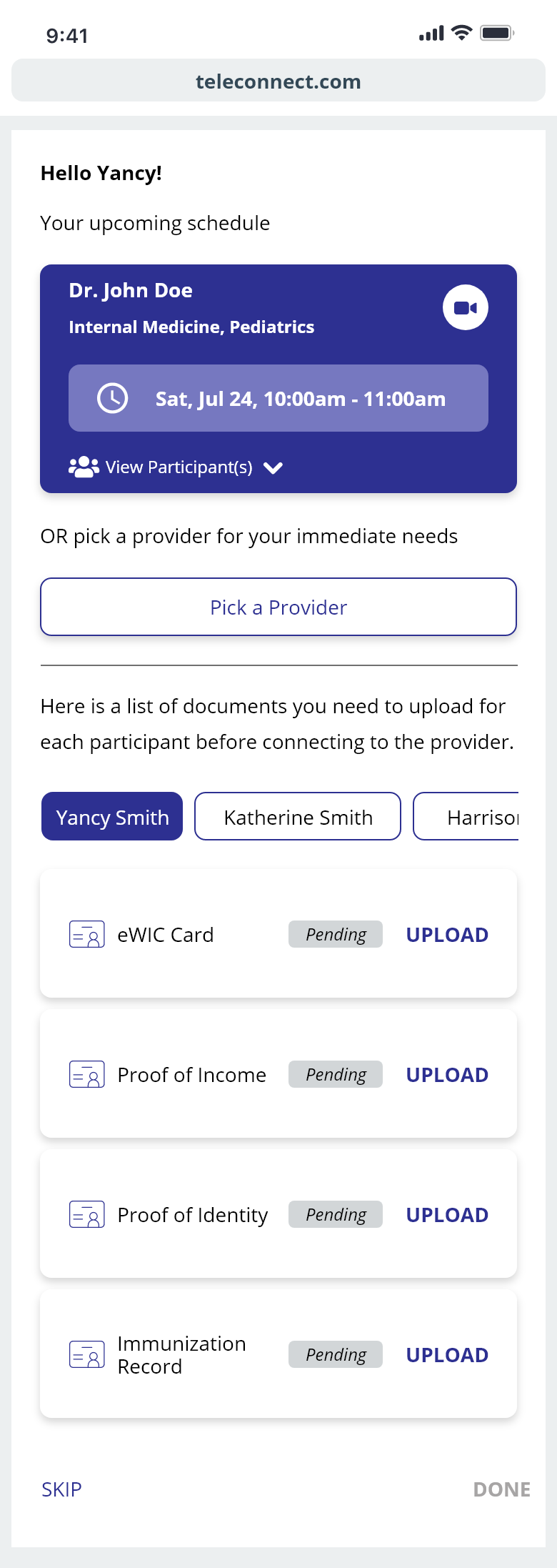
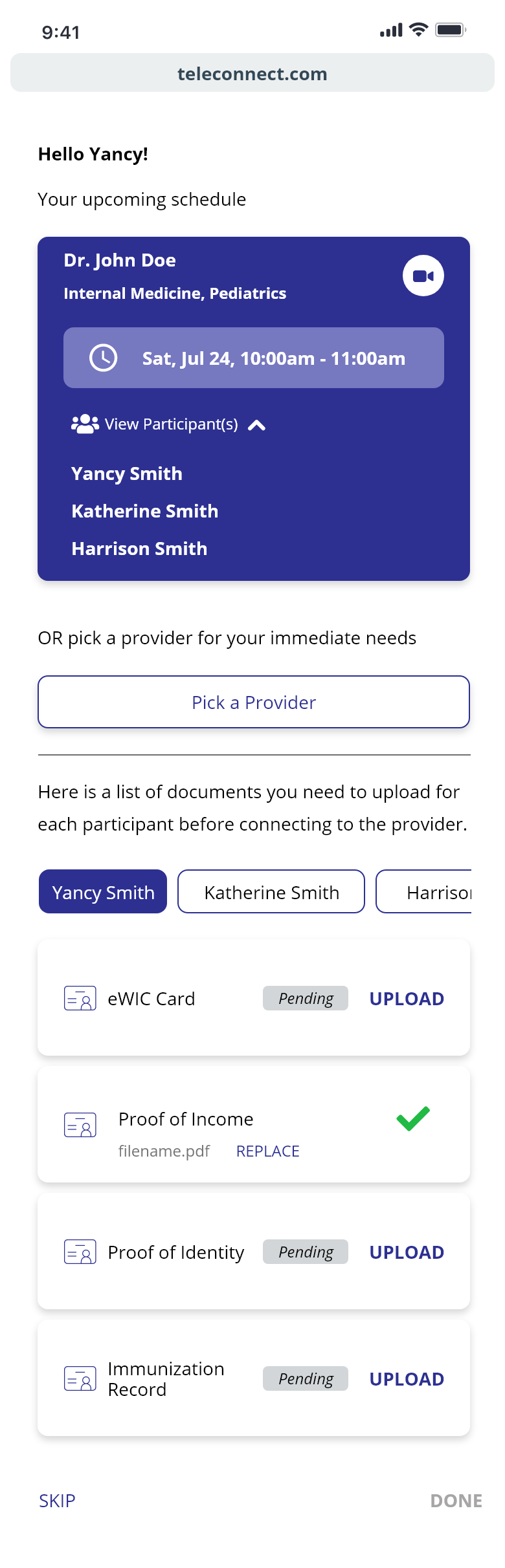
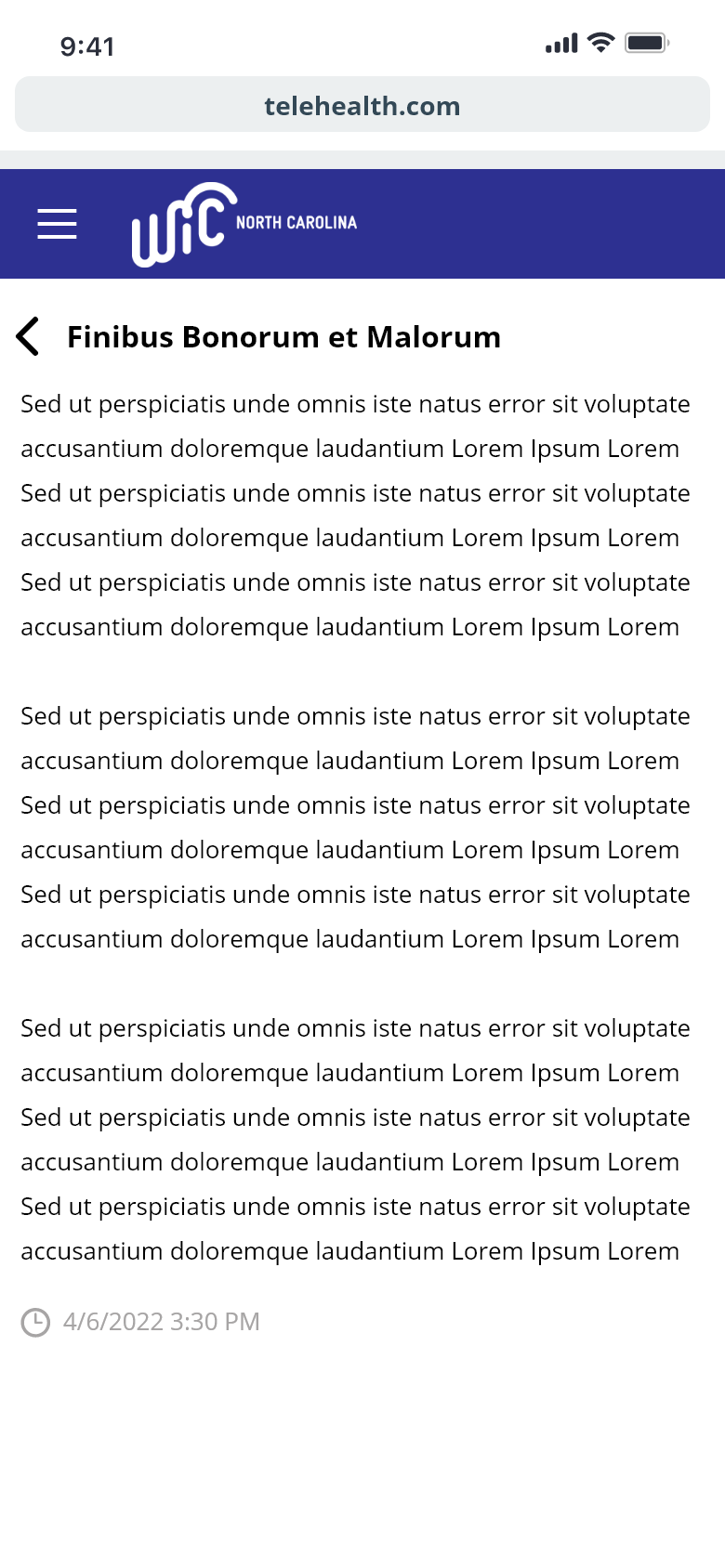
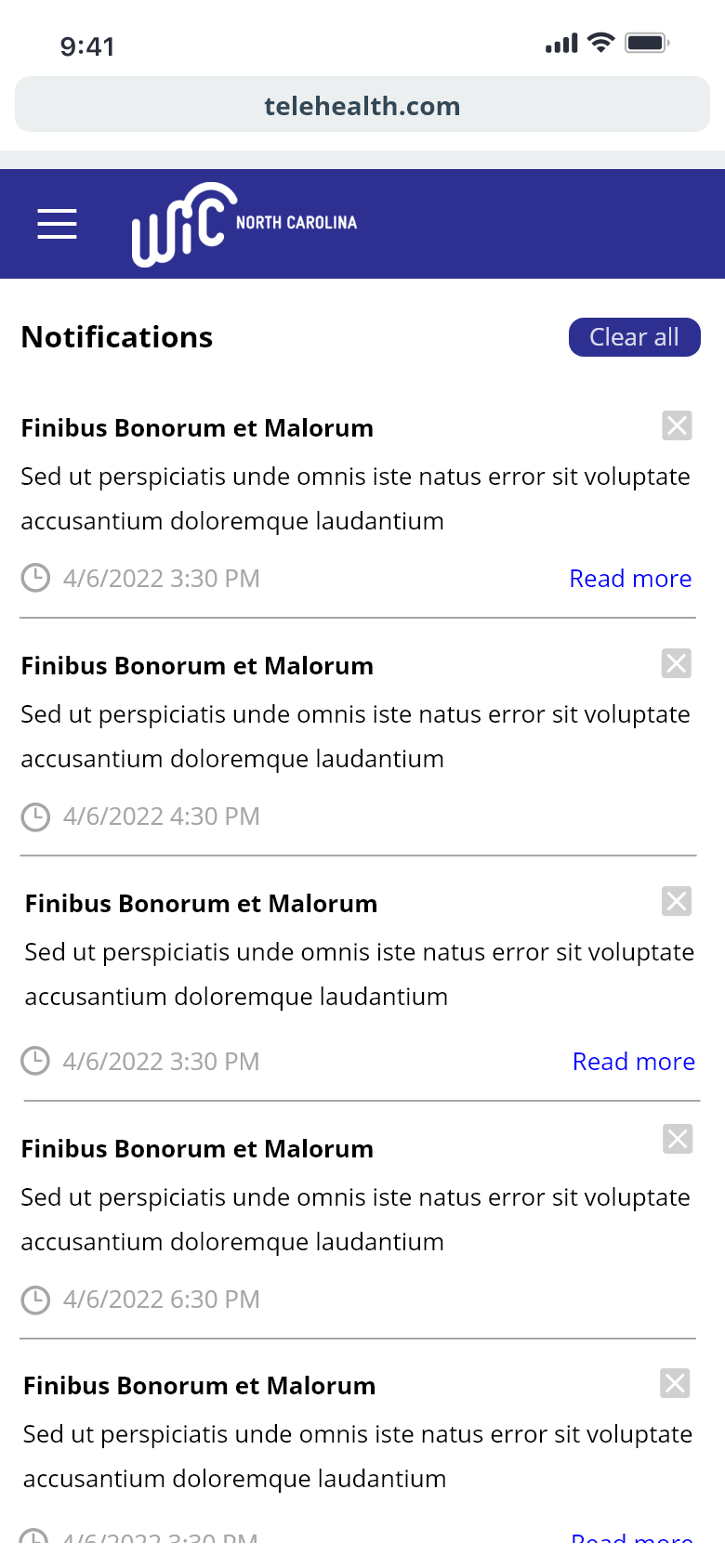
A Mobile Accessible Web Application owned by the North Carolina Department of Health and Human Services to assist WIC staff in providing nutritional or breastfeeding support and address barriers of participant access to WIC services.

​The Special Supplemental Nutrition Program for Women, Infants, and Children (WIC) is a federal assistance program operating through 89 WIC state agencies, which include 50 state health departments 33 Indian Tribal Organizations, the District of Columbia, and five territories (Northern Mariana, American Samoa, Guam, Puerto Rico and the Virgin Islands).

​Problem Statement

WIC Staff have to support participants with family certifications, mid-certification assessments, nutrition education, and food issuance through appointments in a virtual clinic setup.

UX Activities:

Stakeholder Interviews, Scenario Development, Design Collaborations, Salesforce Lightning Design System in Figma, Low Fidelity- sketches, High Fidelity Interactive Designs.

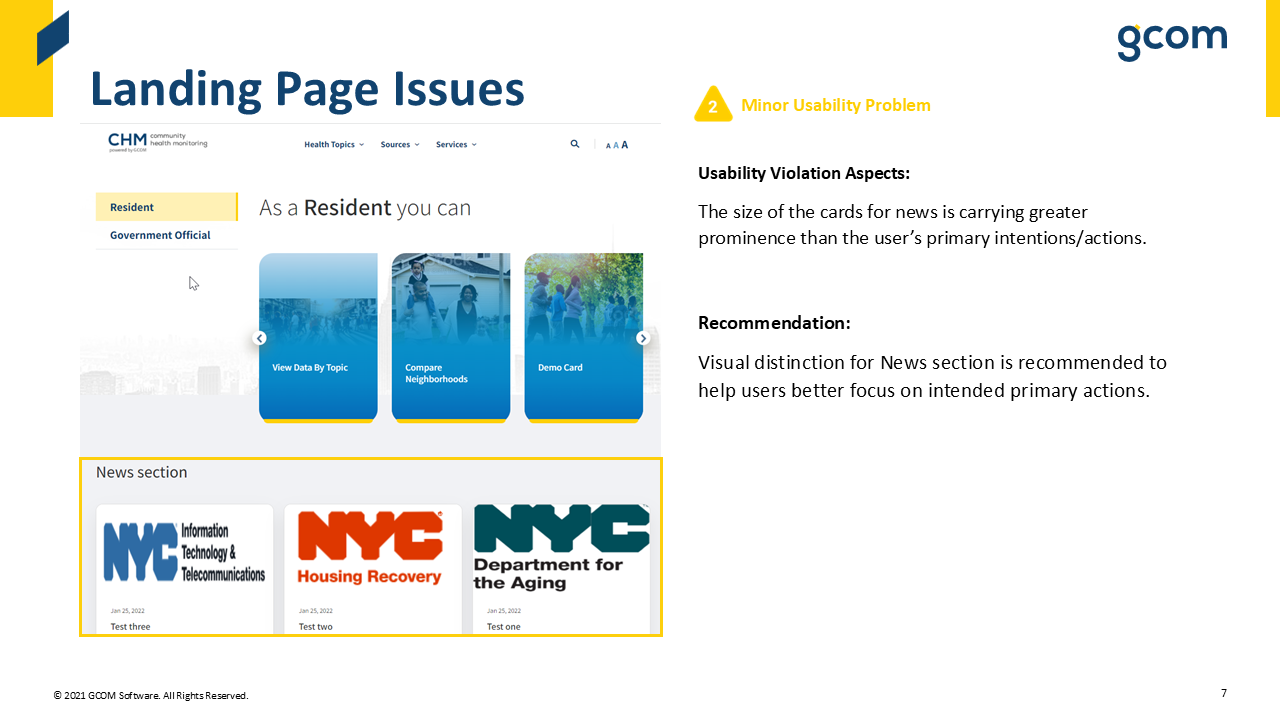
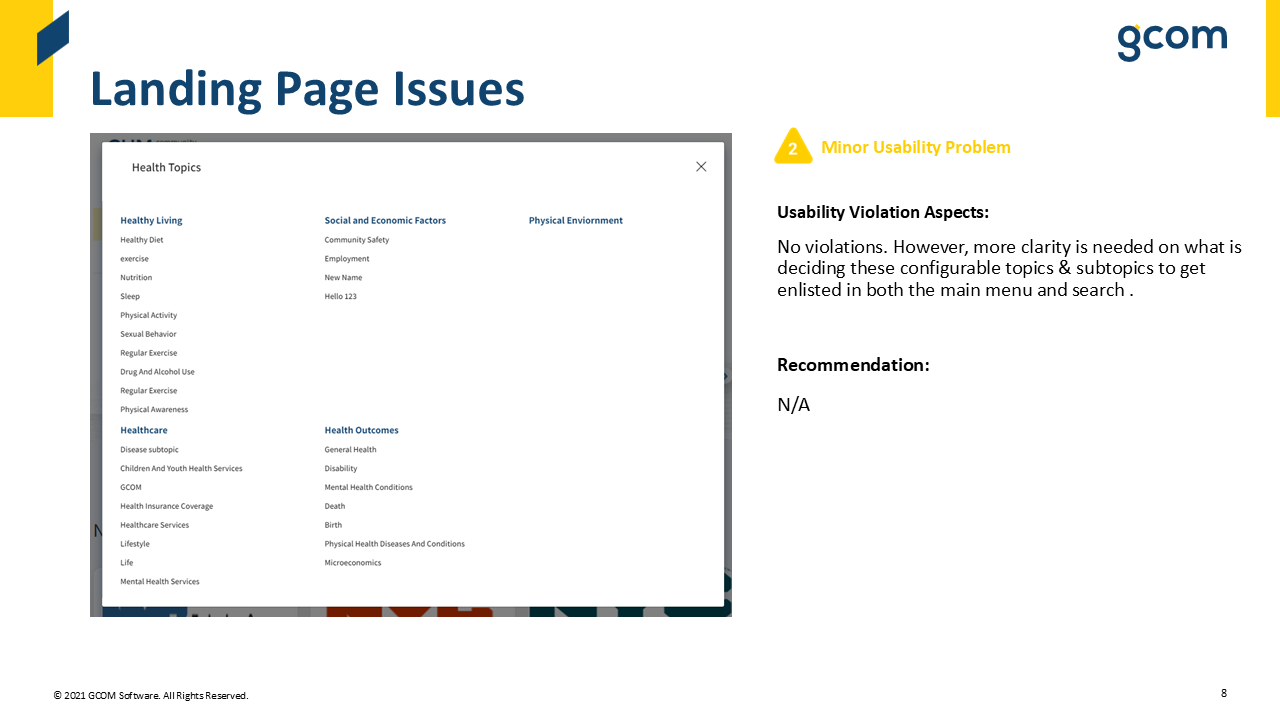
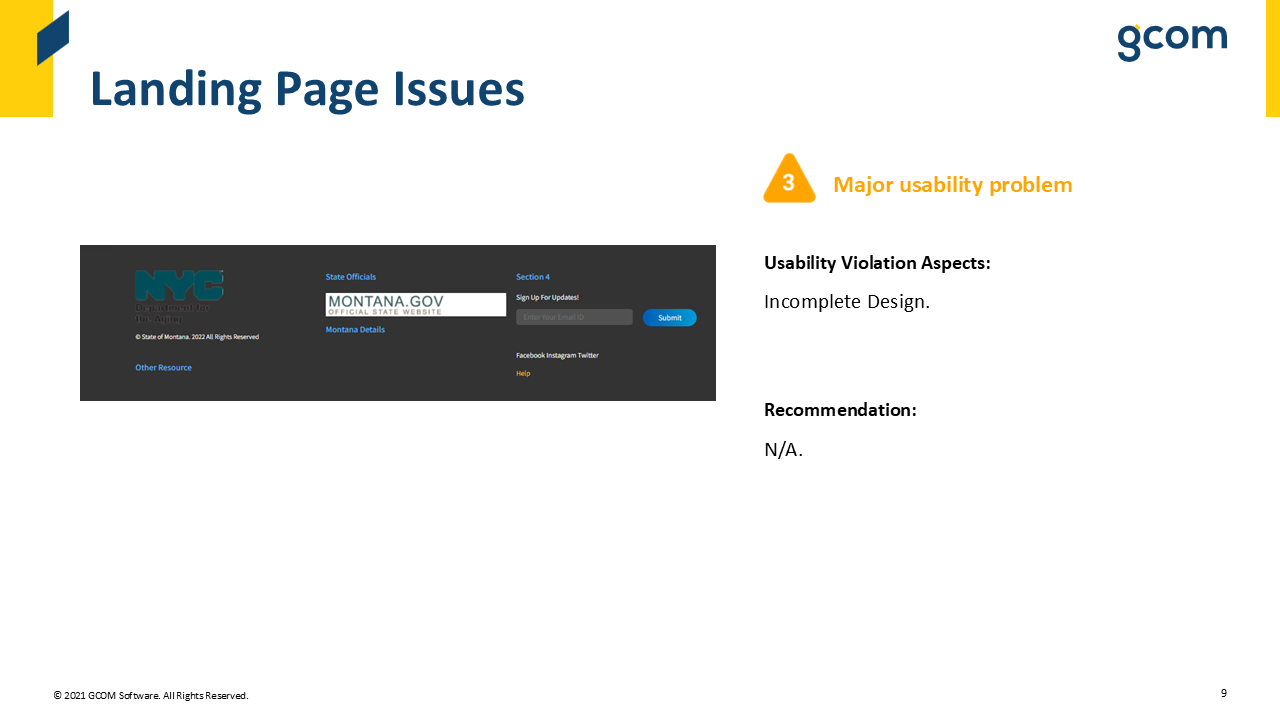
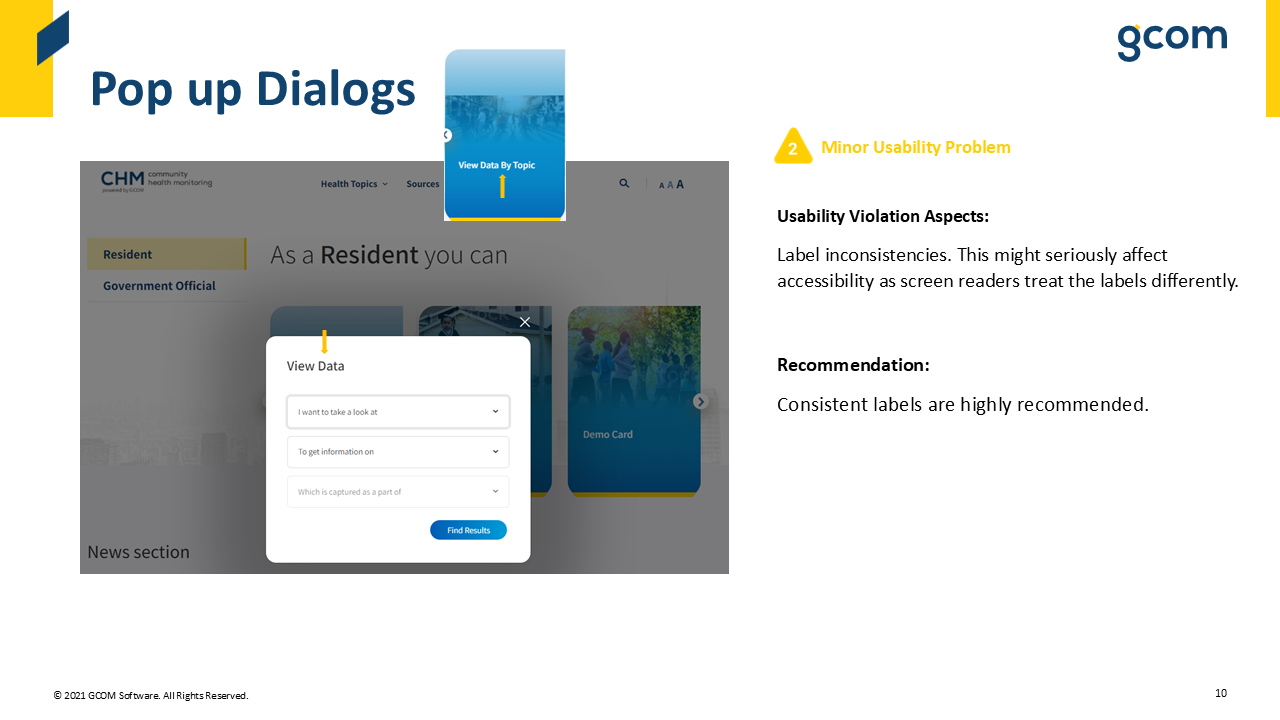
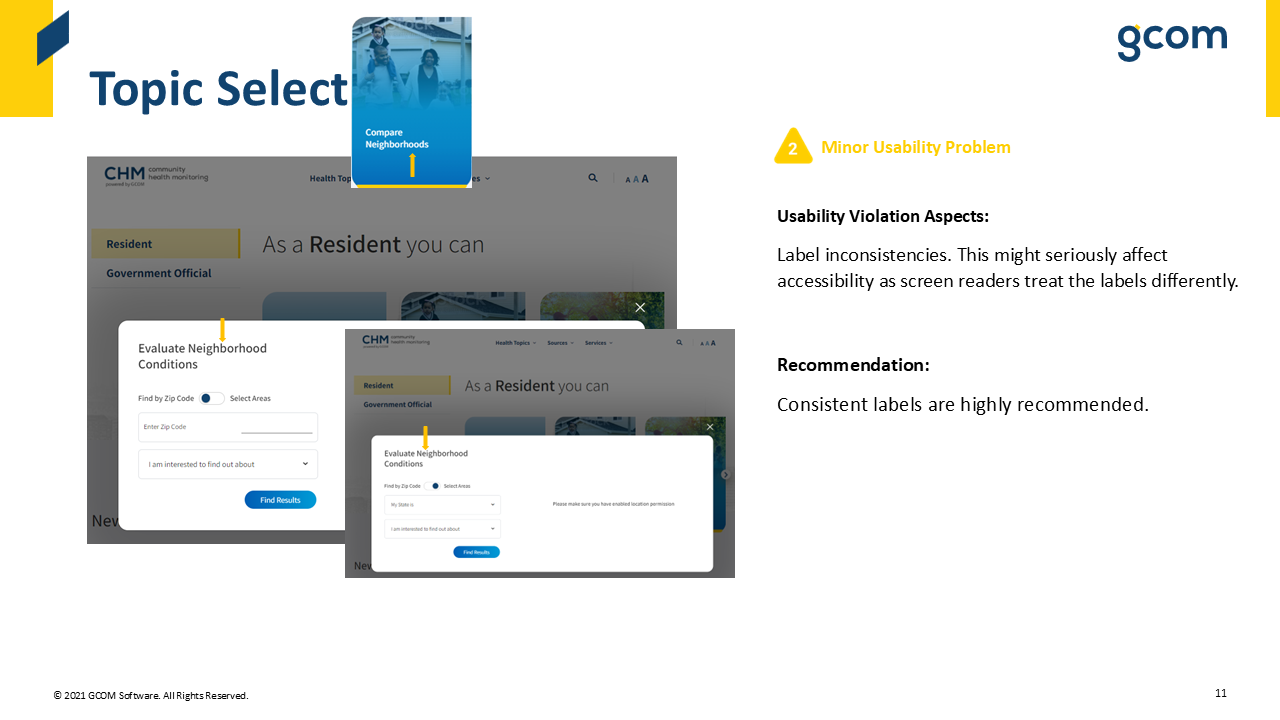
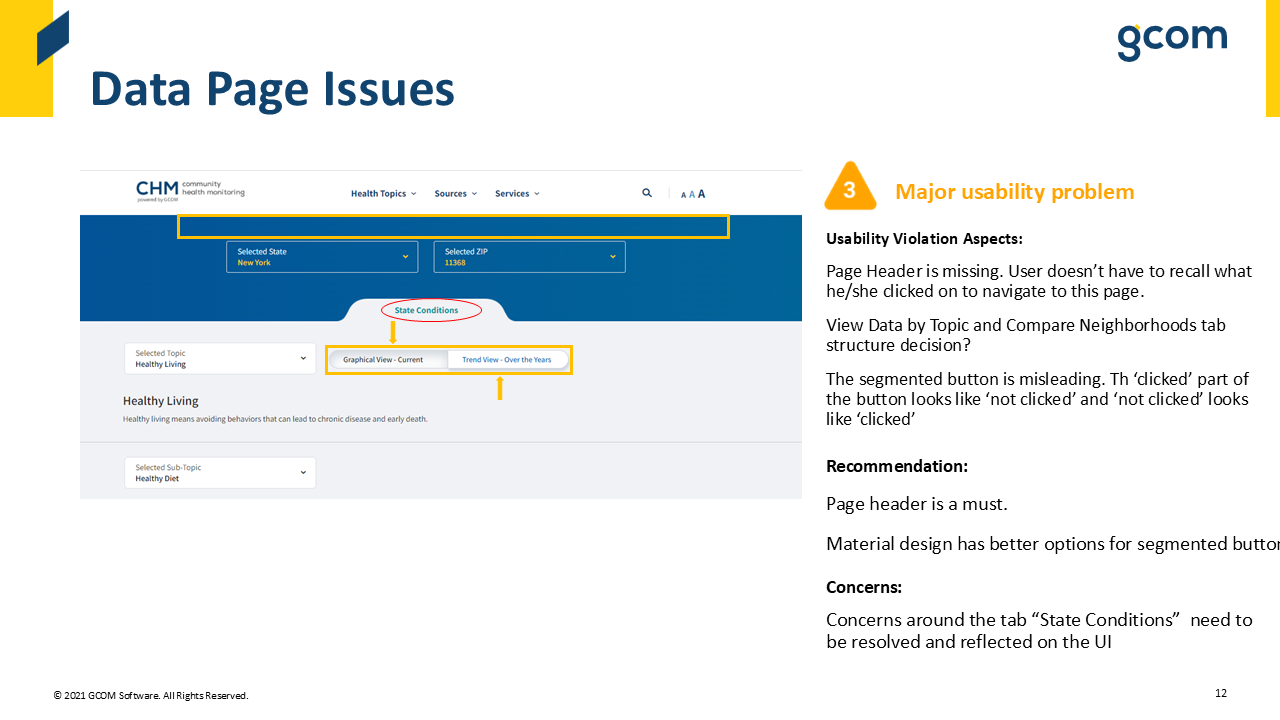
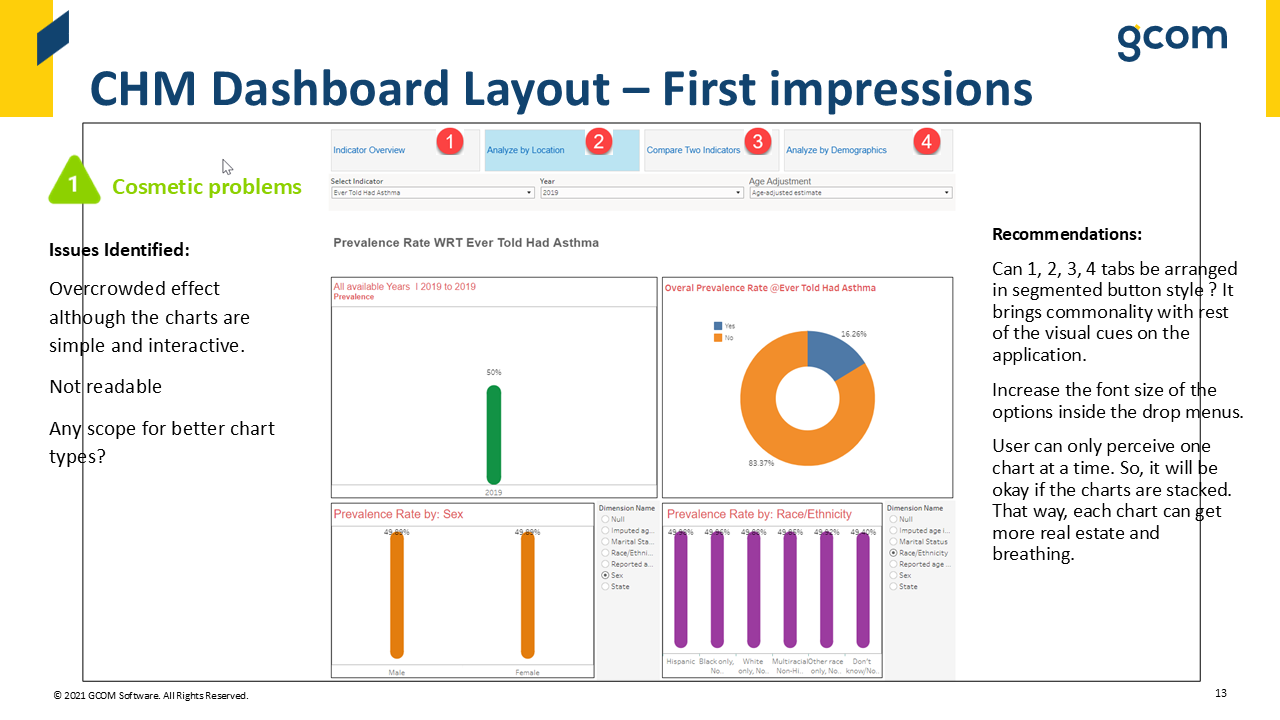
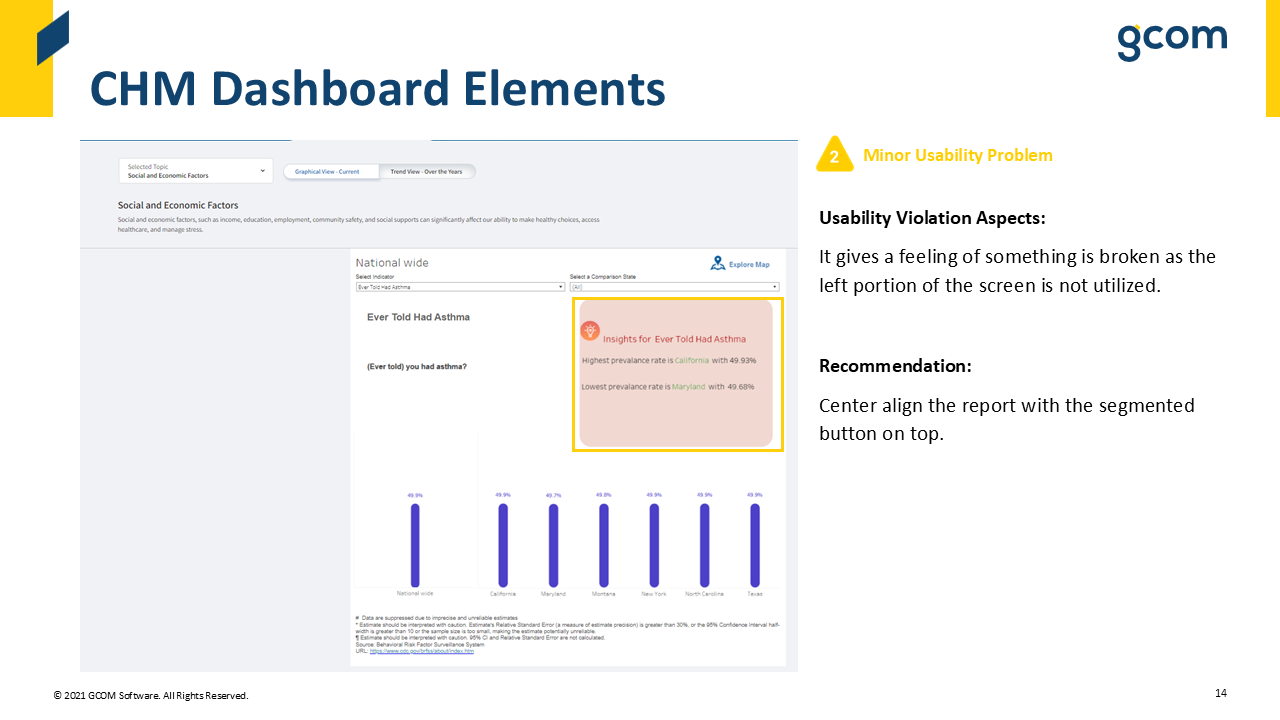
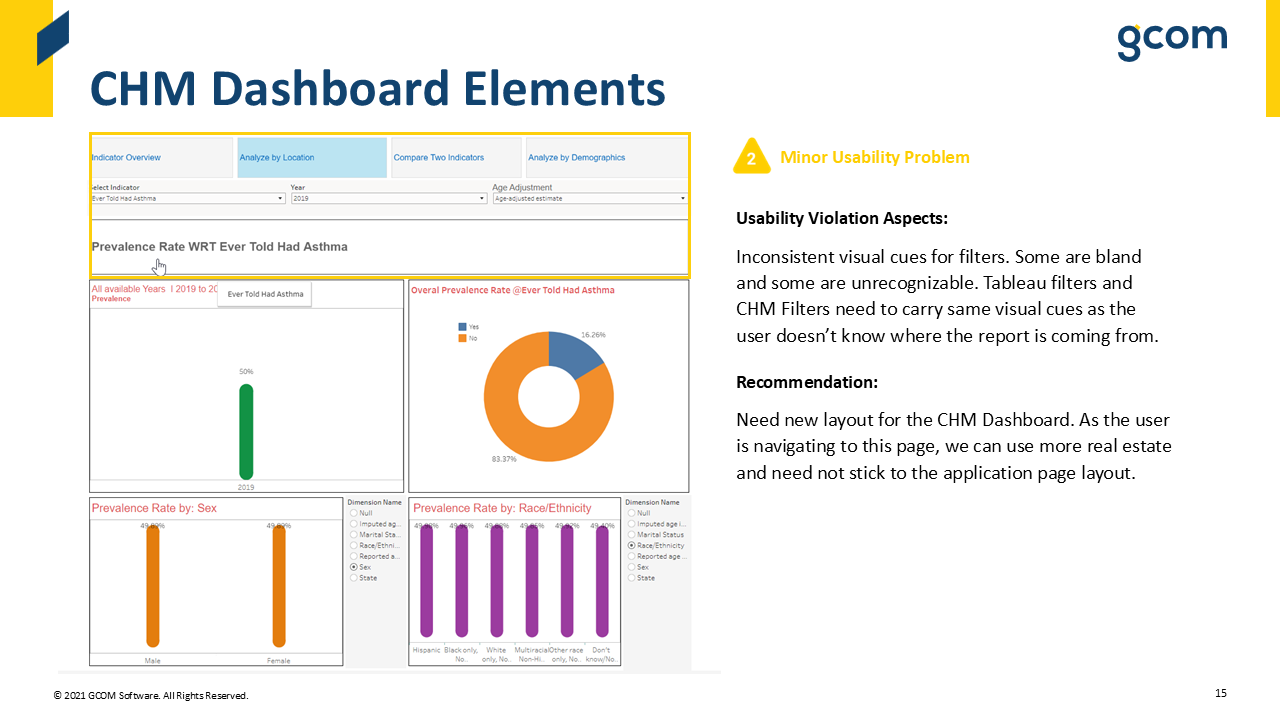
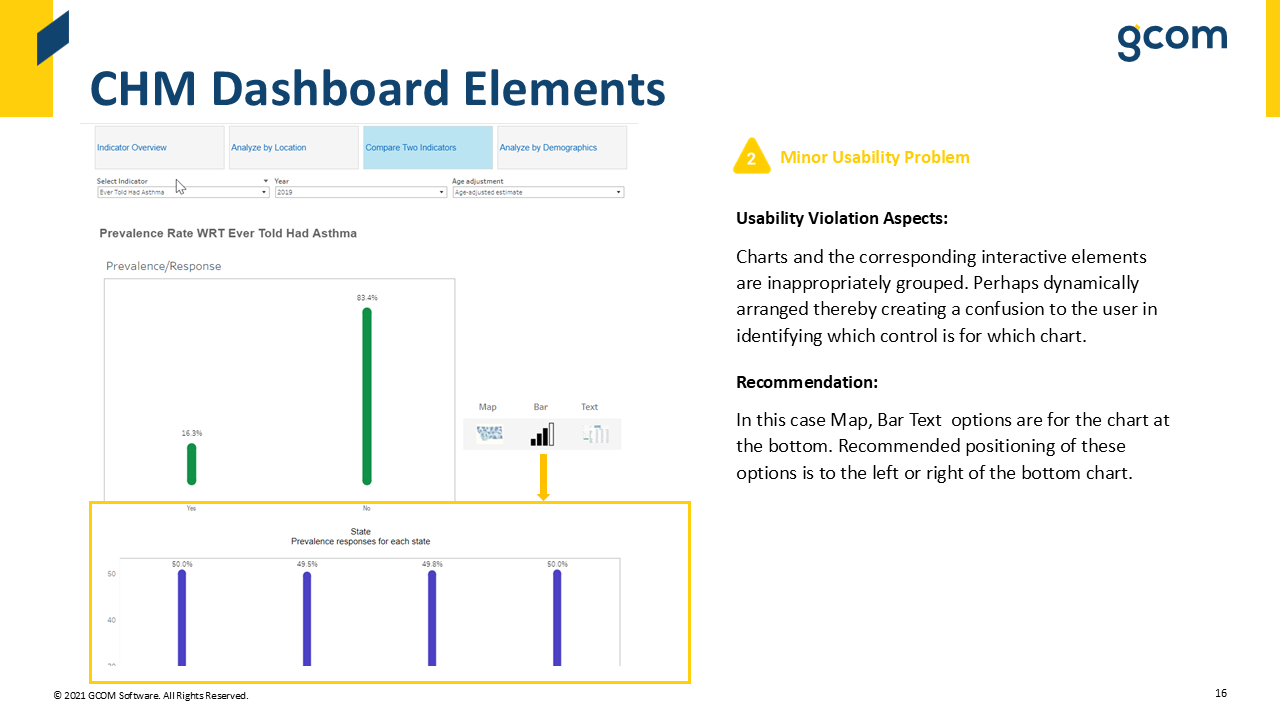
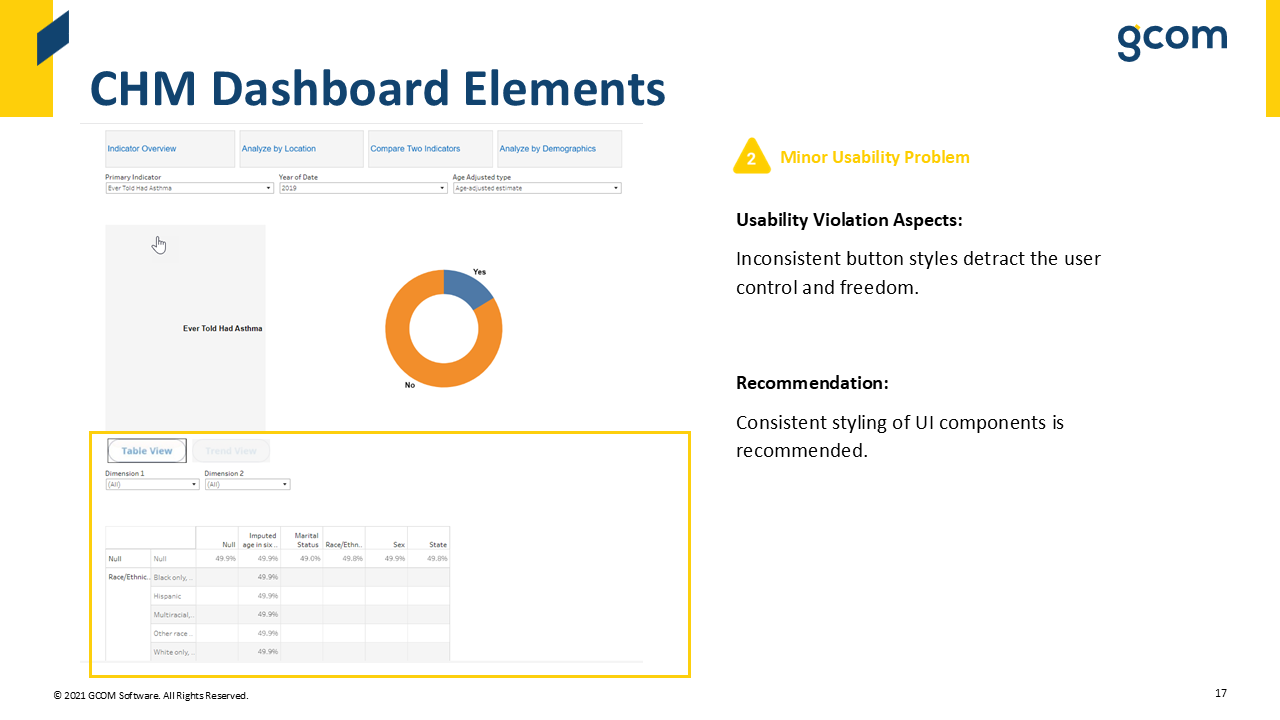
Community Health Monitoring

  • Created by: Vivekananda Kondapalli
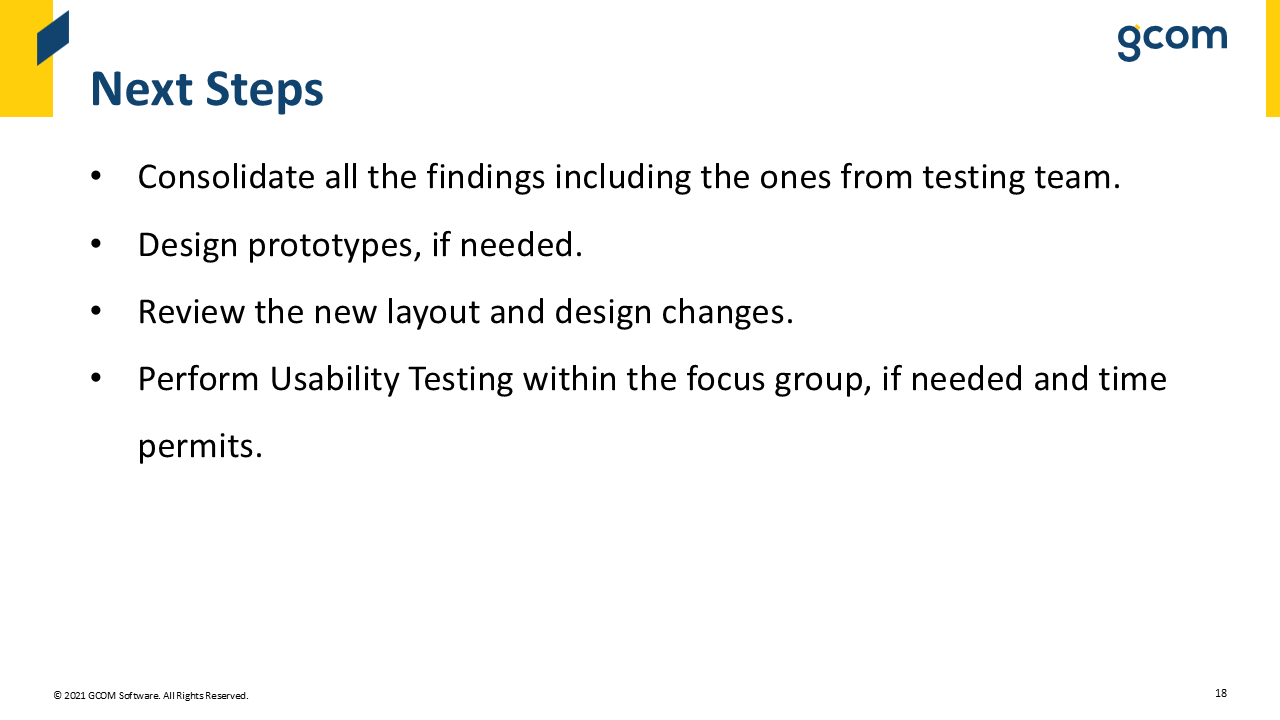
  • Skills: Figma, Accessibility Testing, Usability Testing

Project Brief

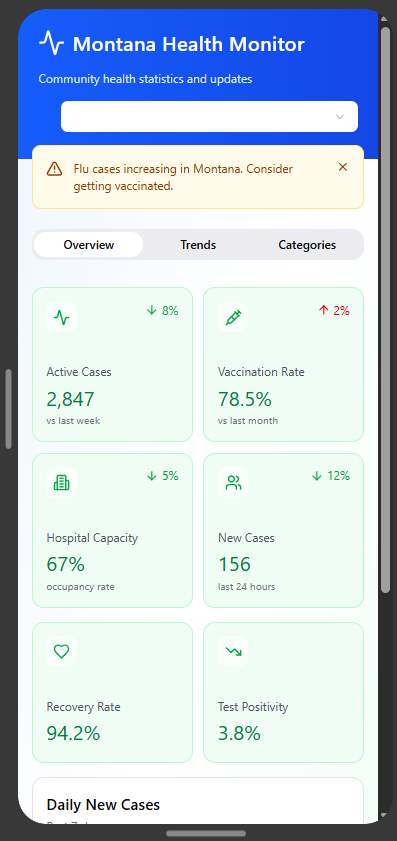
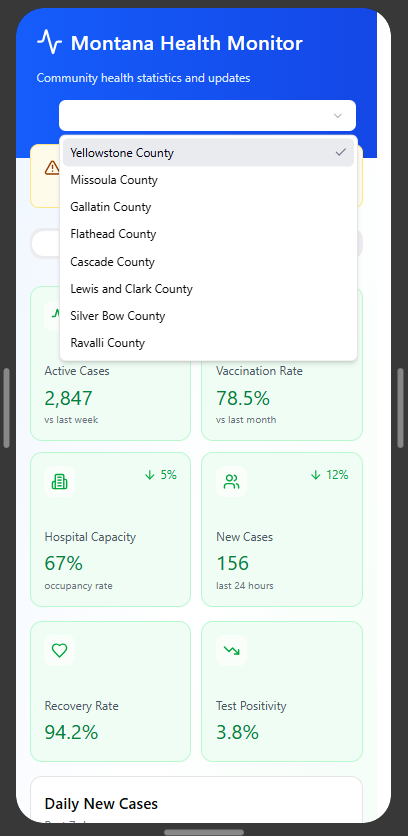
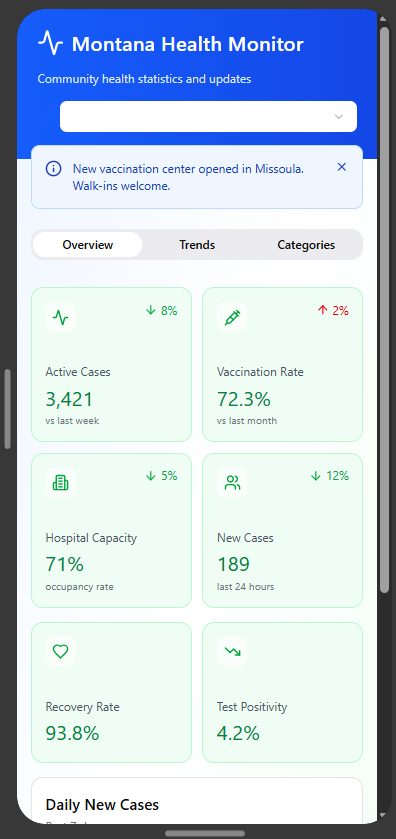
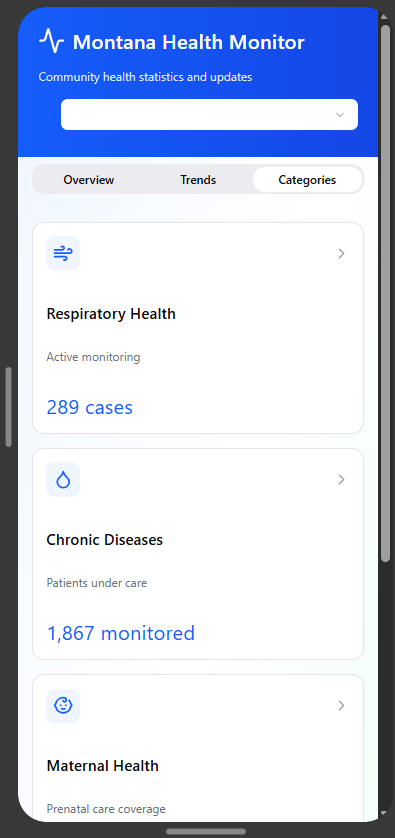
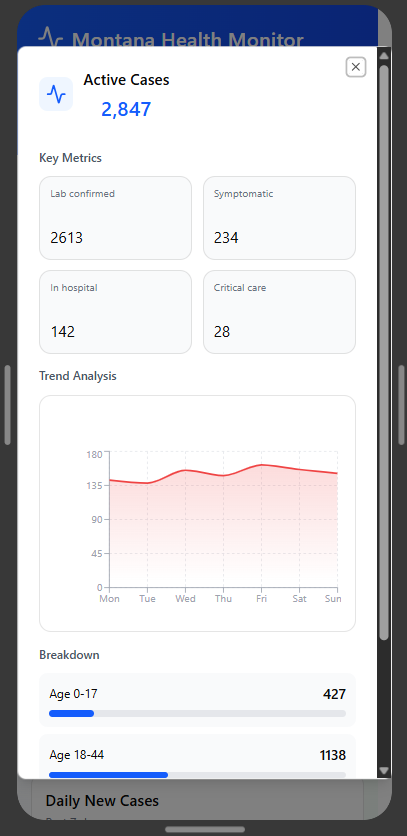
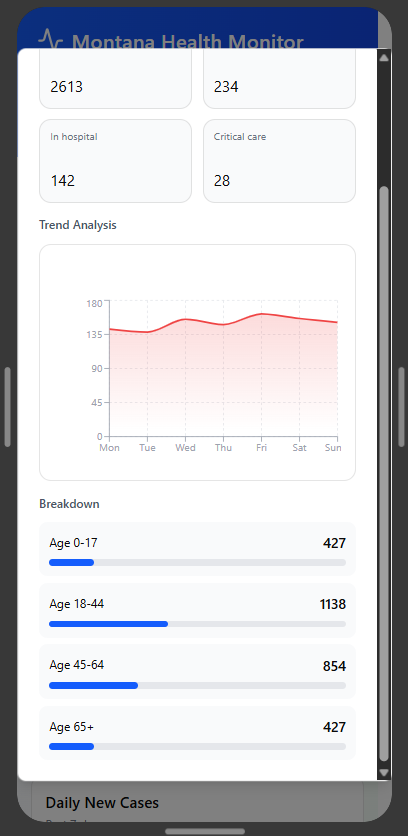
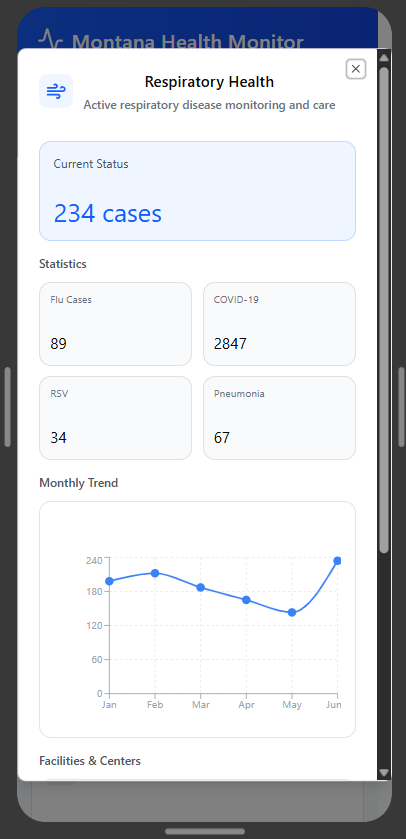
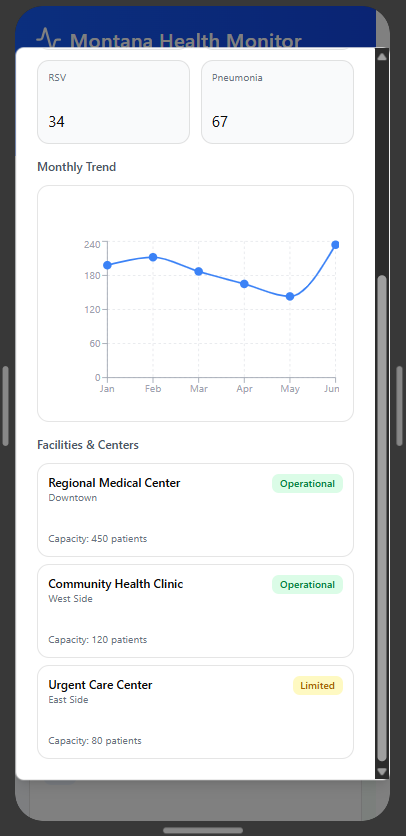
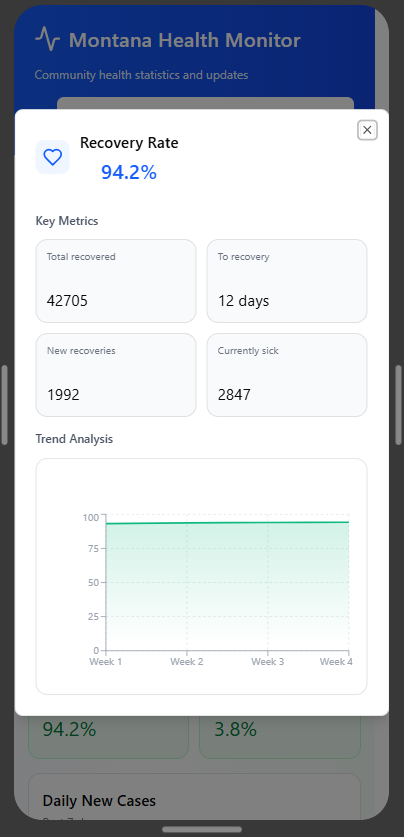
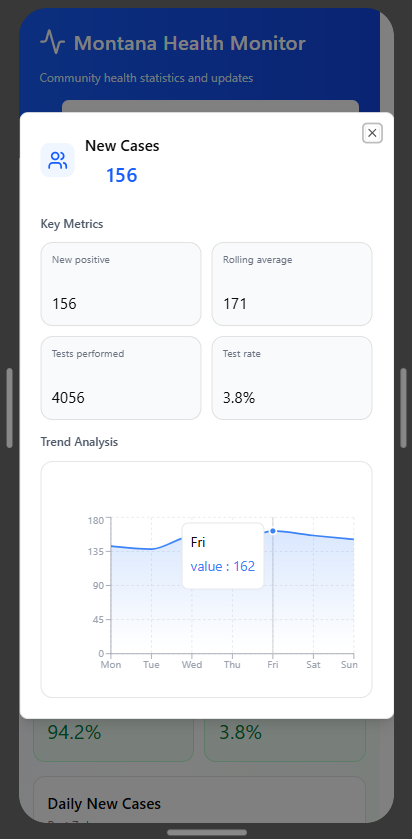
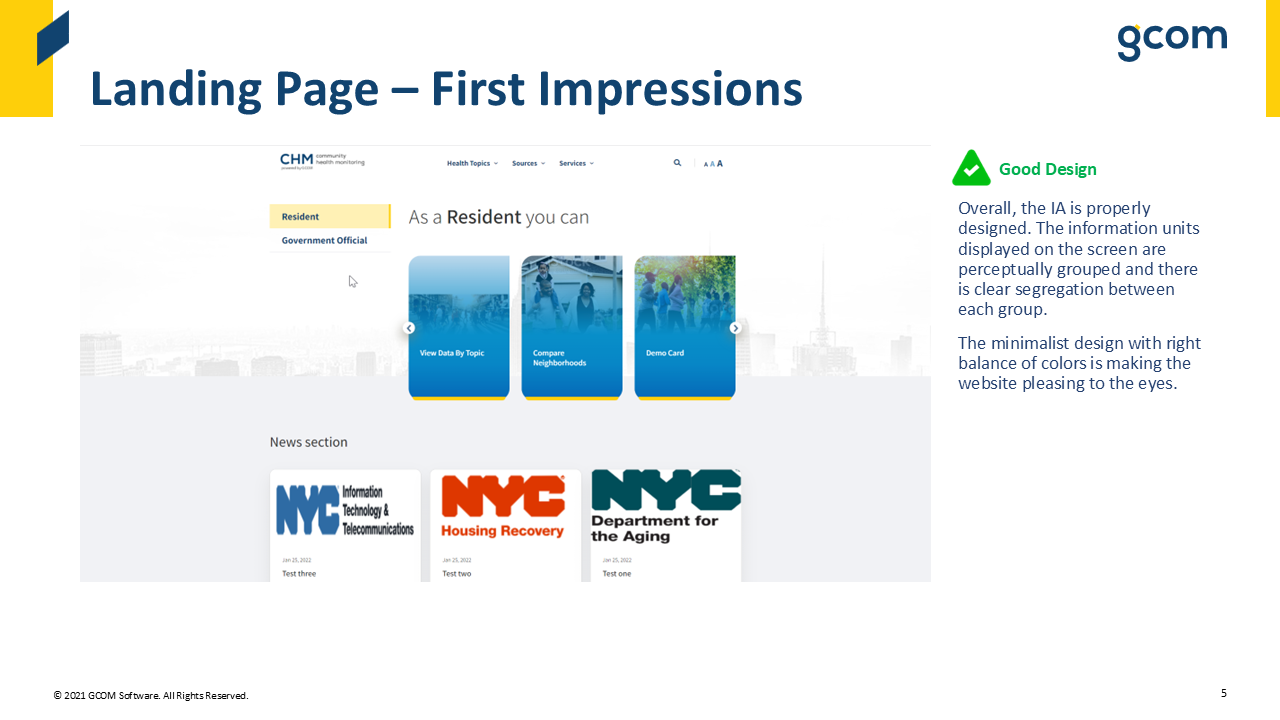
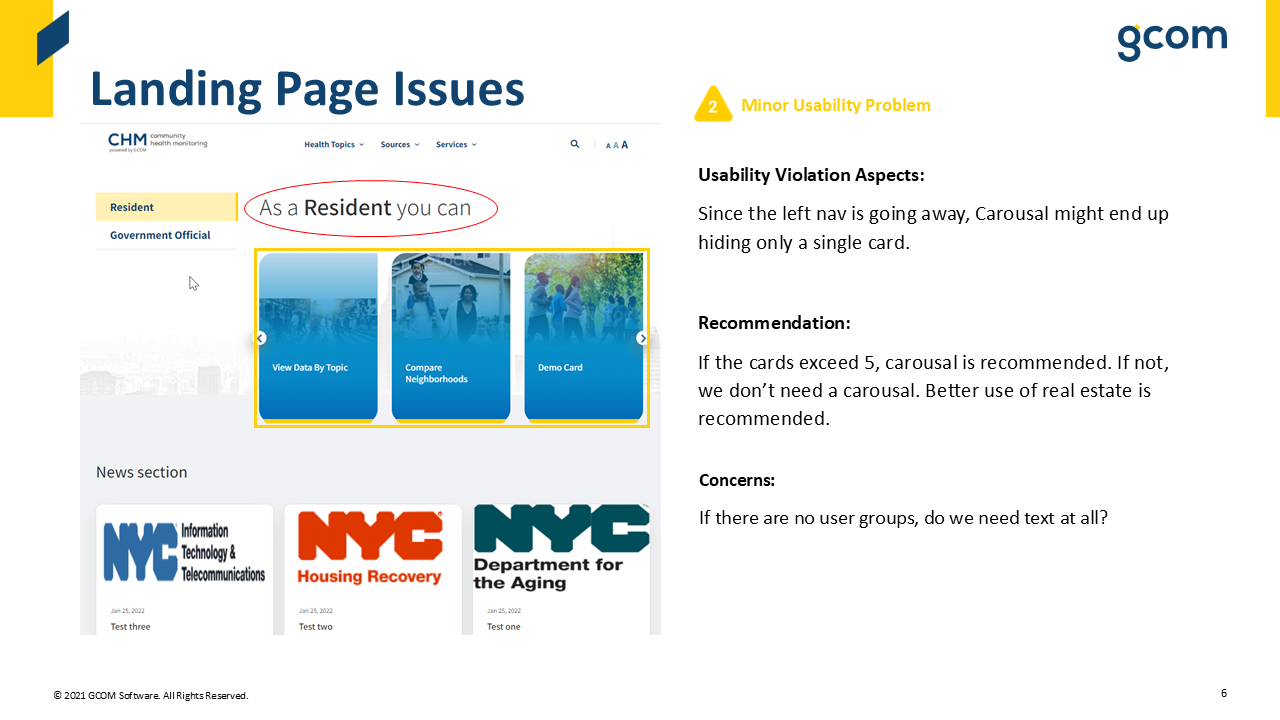
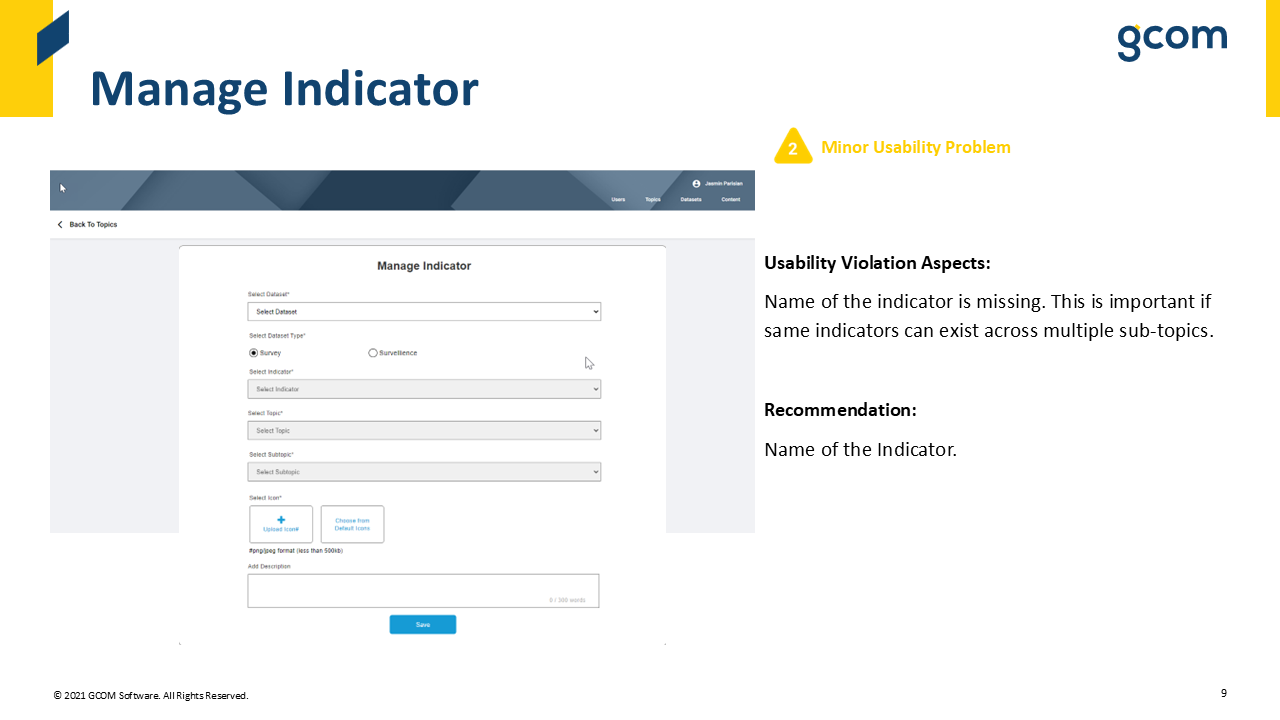
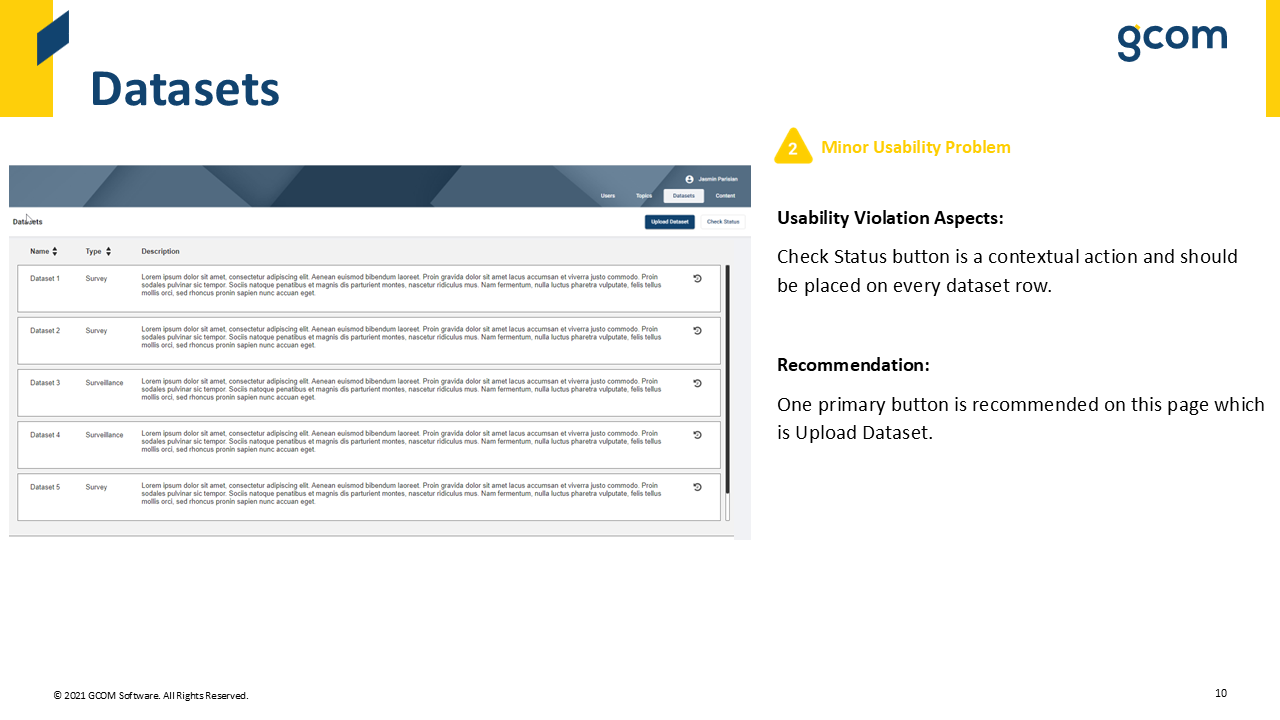
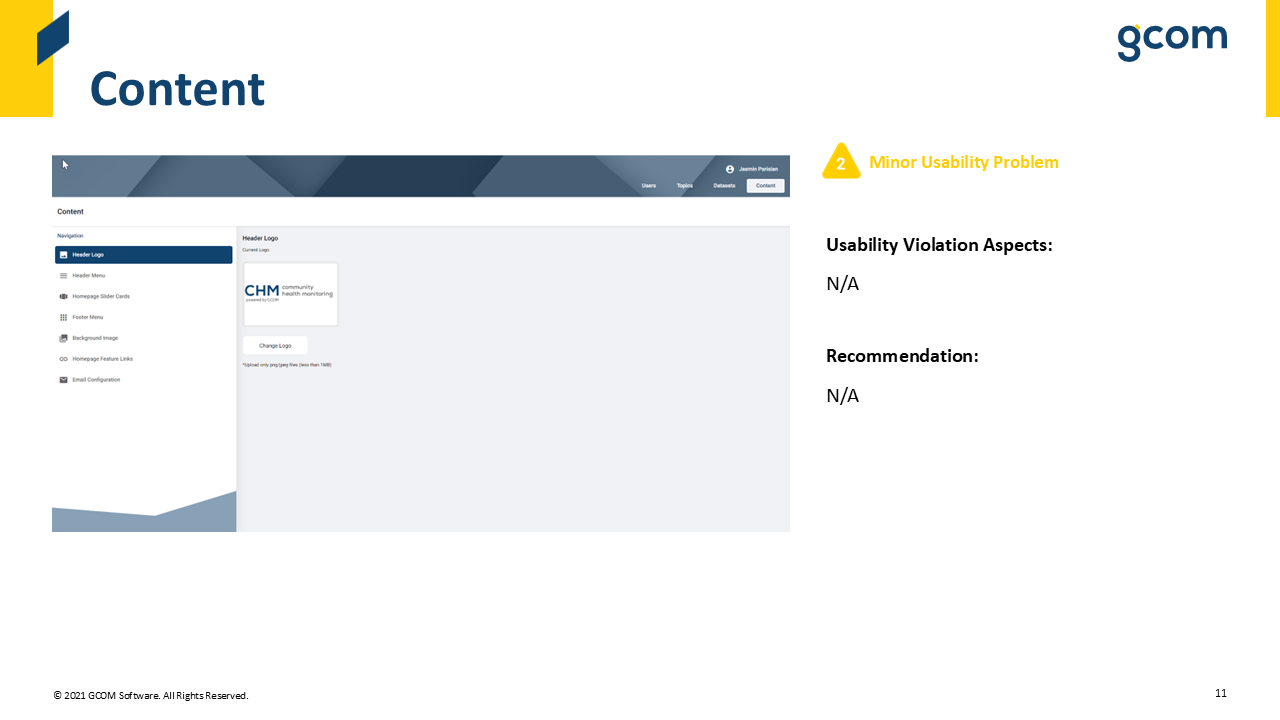
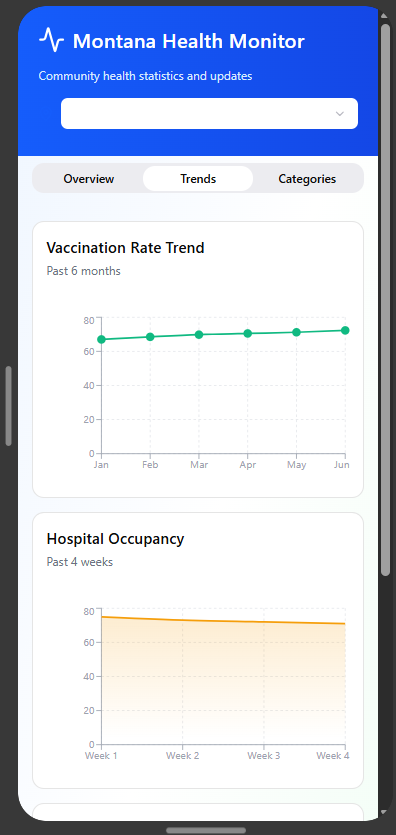
Designed and built for the State of Montana, Community Health Monitoring (CHM) is a statewide community health platform that brings together health, socio-economic, environmental, behavioral, and healthcare service data into a single, unified experience. By integrating data from multiple agencies and departments, CHM enables stakeholders to understand population-level health trends and make informed decisions across all counties in Montana.

User Groups:

State Public Health Officials: Use CHM to monitor population health trends, identify disparities, and support statewide policy and funding decisions.

County & Local Health Departments: Analyze county-level and regional data to plan programs, allocate resources, and track community health outcomes.

Healthcare Service Providers & Networks: Reference aggregated data to understand service utilization, care gaps, and regional health needs.

Cross-Agency Partners (State & Federal): Agencies contributing or consuming data (e.g., environmental, social services, education) to coordinate cross-sector initiatives.

Data Administrators & System Administrators: Manage data integrations, user access, system configuration, and data governance.

Community Organizations & Nonprofits: Use insights to design targeted interventions and support community health initiatives.

General Public (Limited Access): View high-level, non-sensitive public health indicators or reports when enabled.

UX Activities

Optimal Workshop for IA, Adobe XD for Clickable Prototypes, Google Analytics to record/report web traffic, with Project Management on Azure DevOps.

Vital Records Management System

  • Created by: Vivekananda Kondapalli
  • Skills: Figma, Accessibility Testing

Project Brief

Pennsylvania DoH

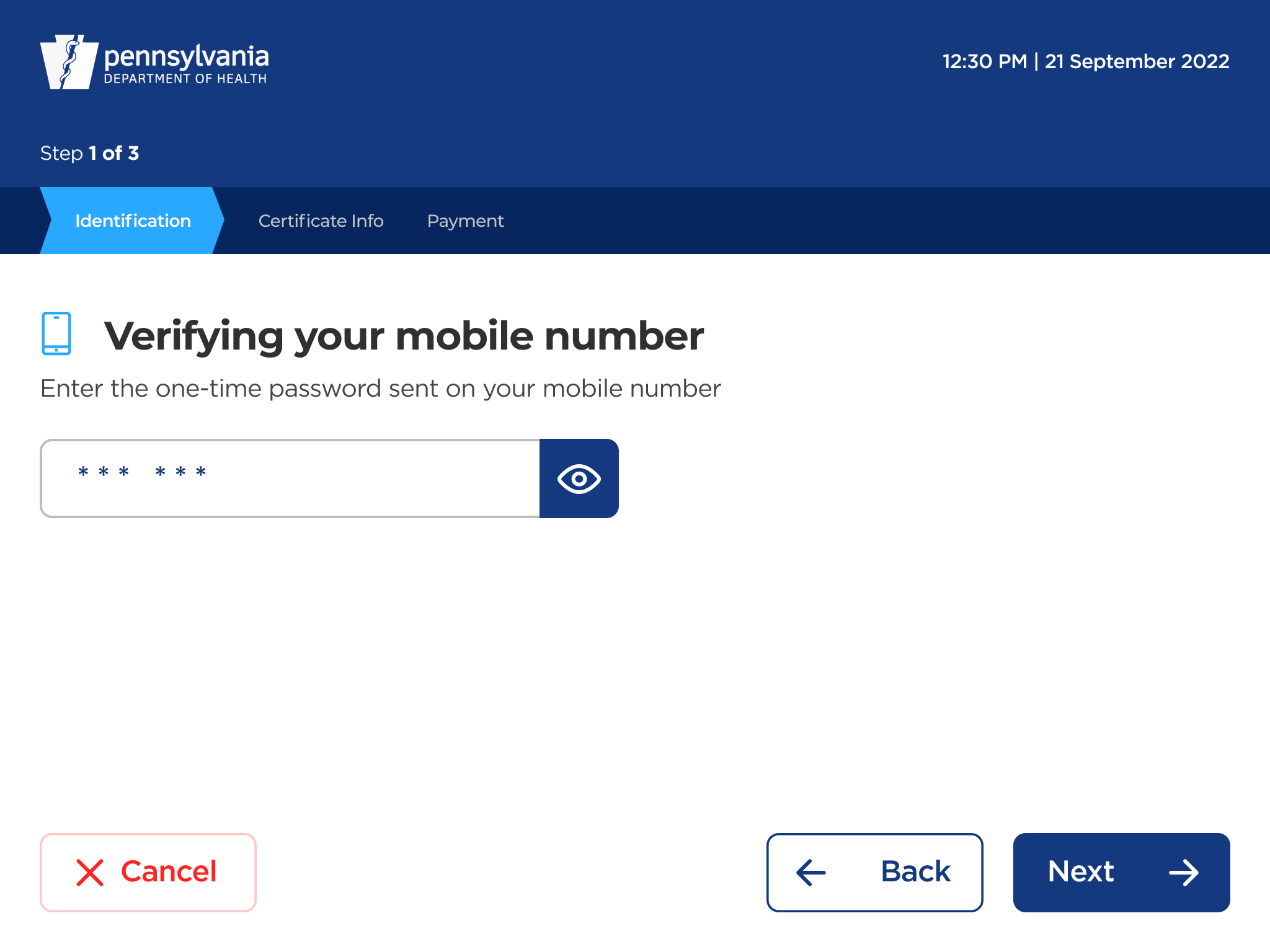
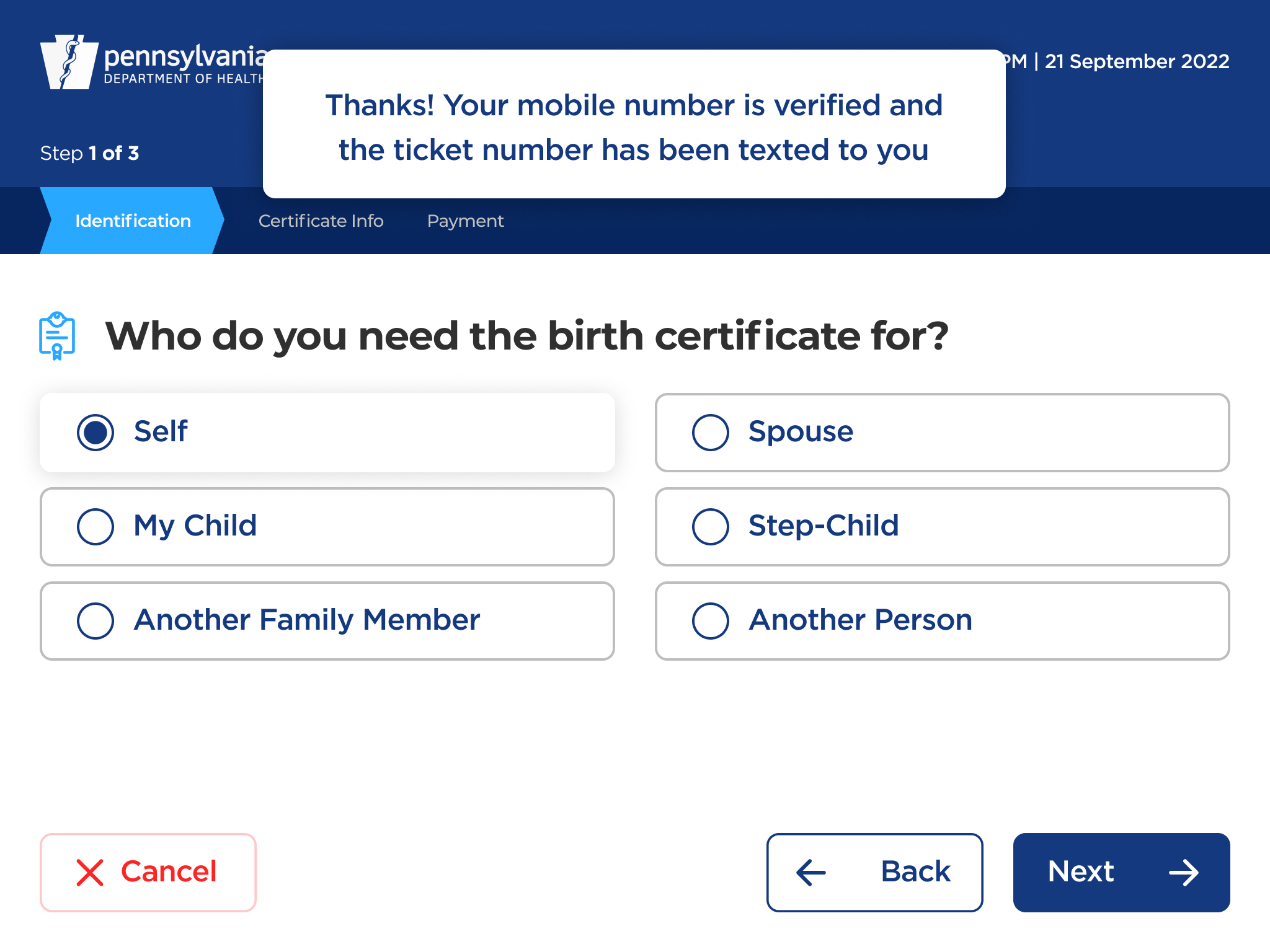
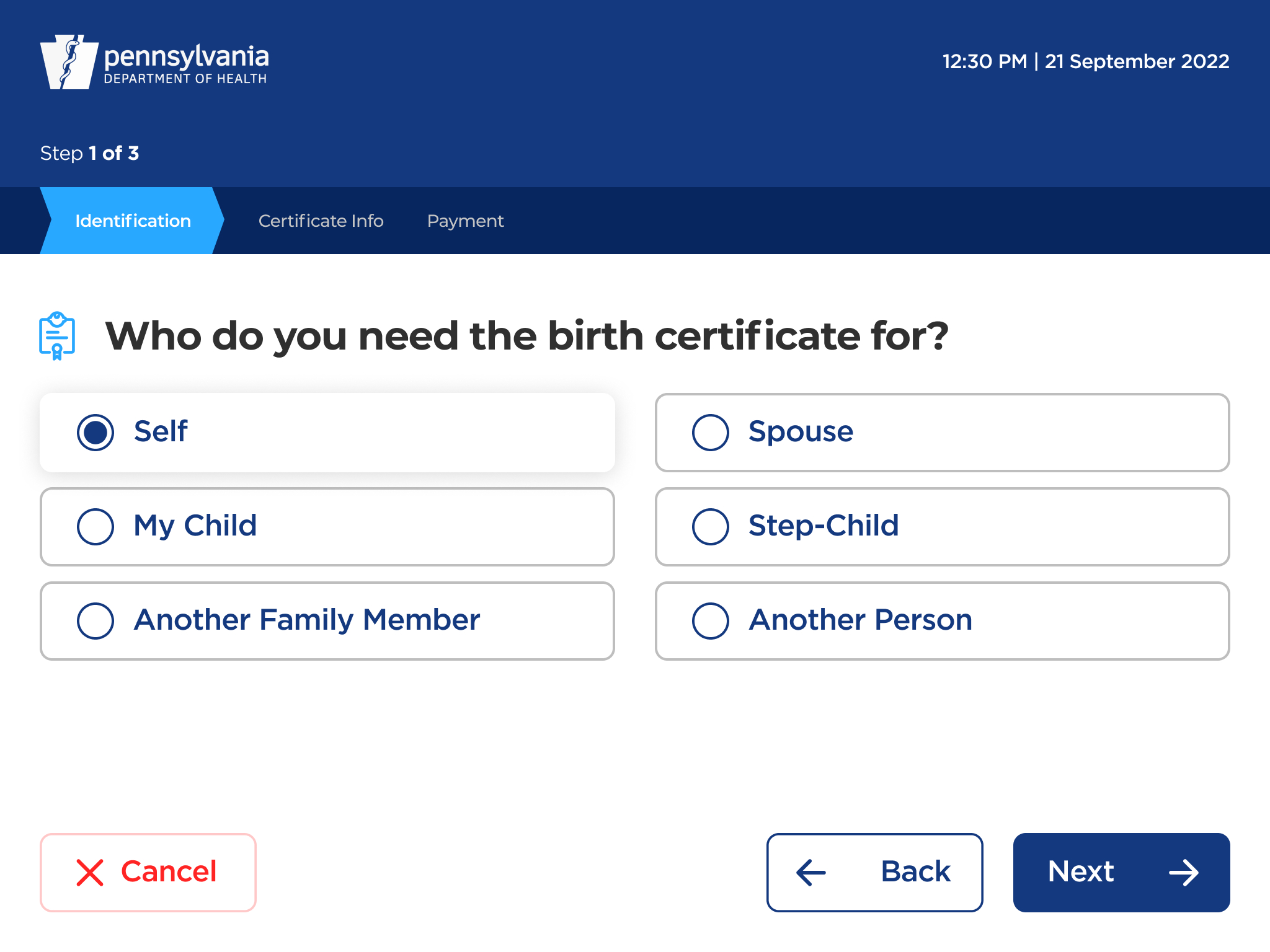
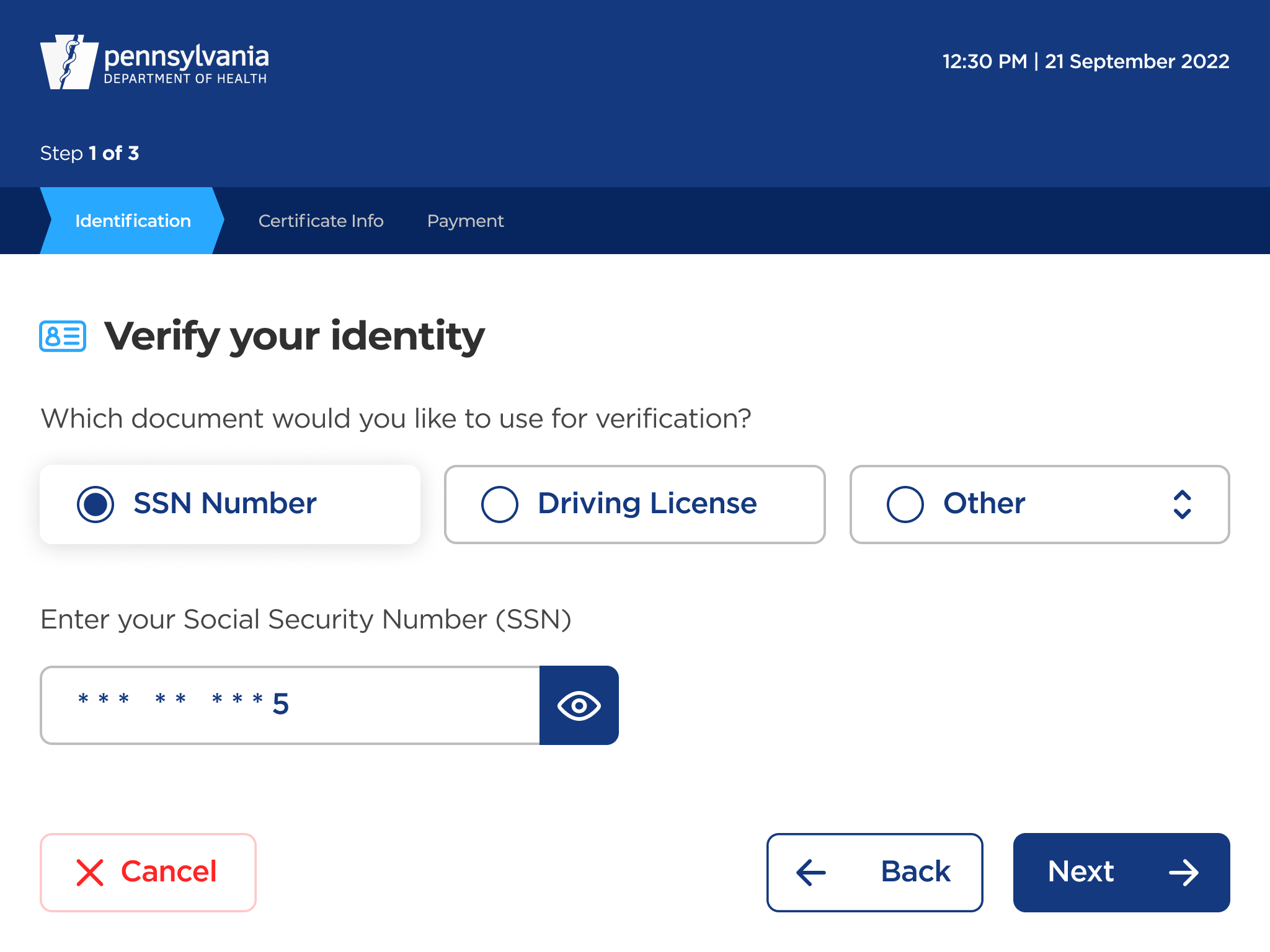
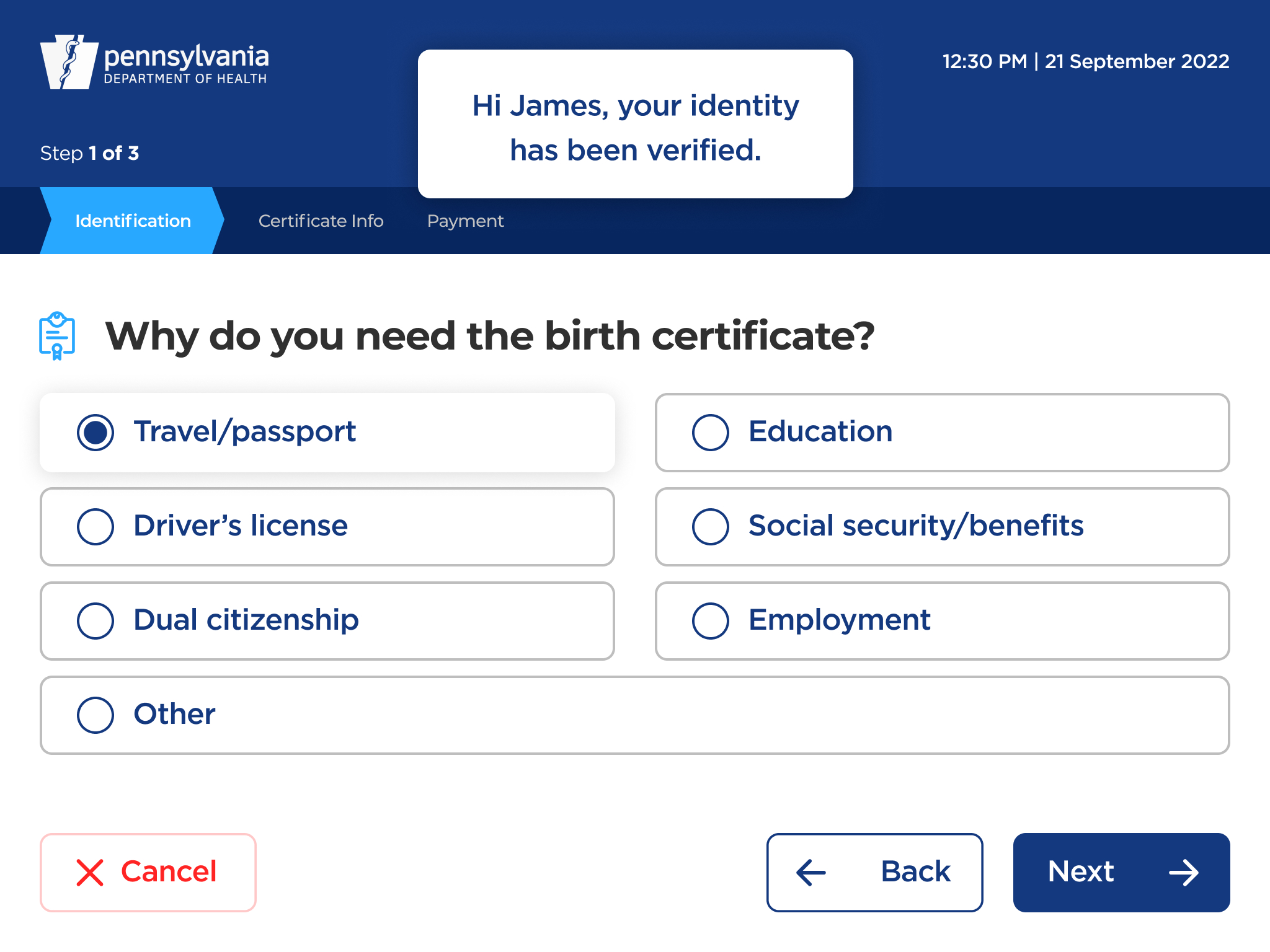
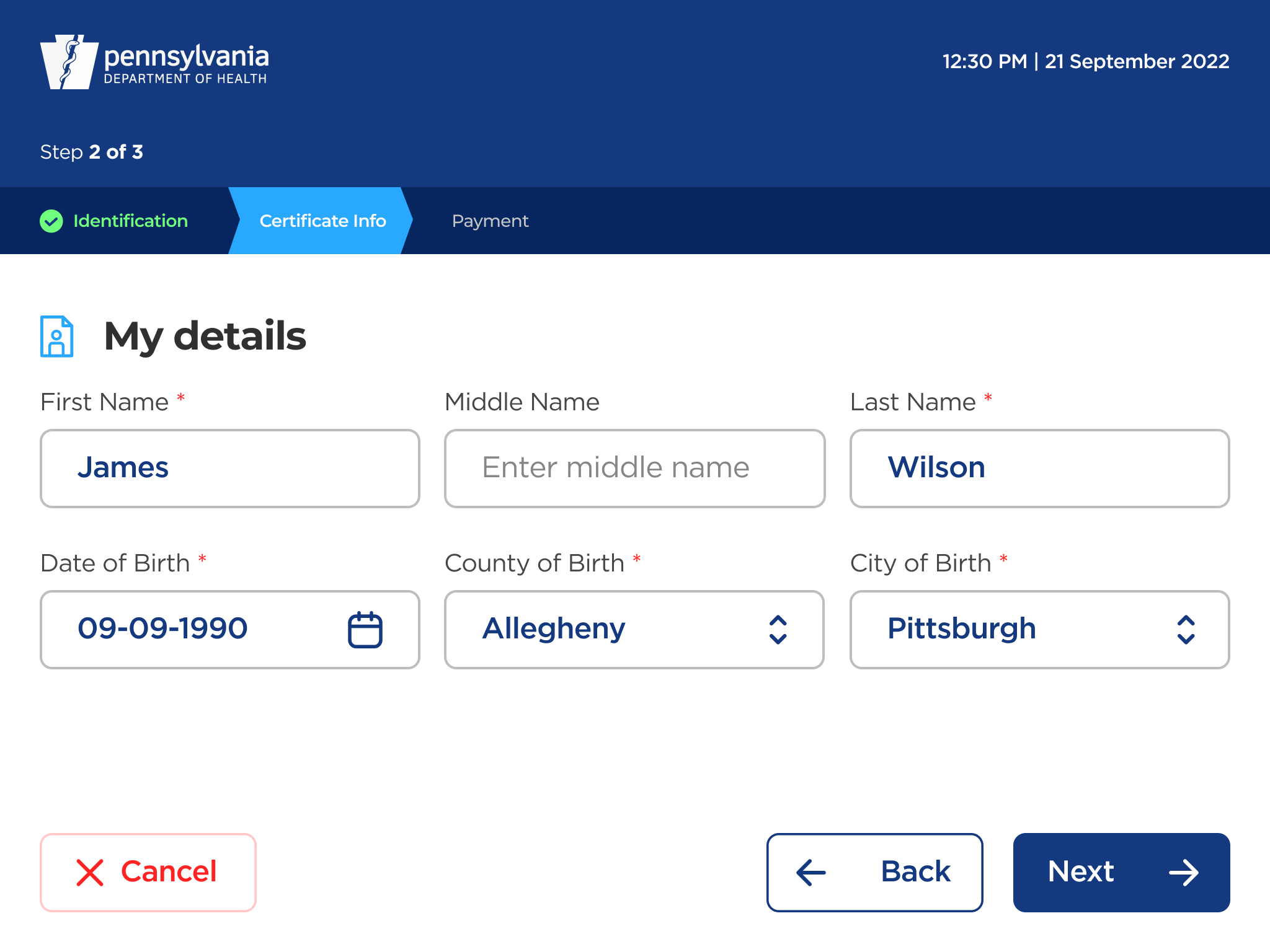
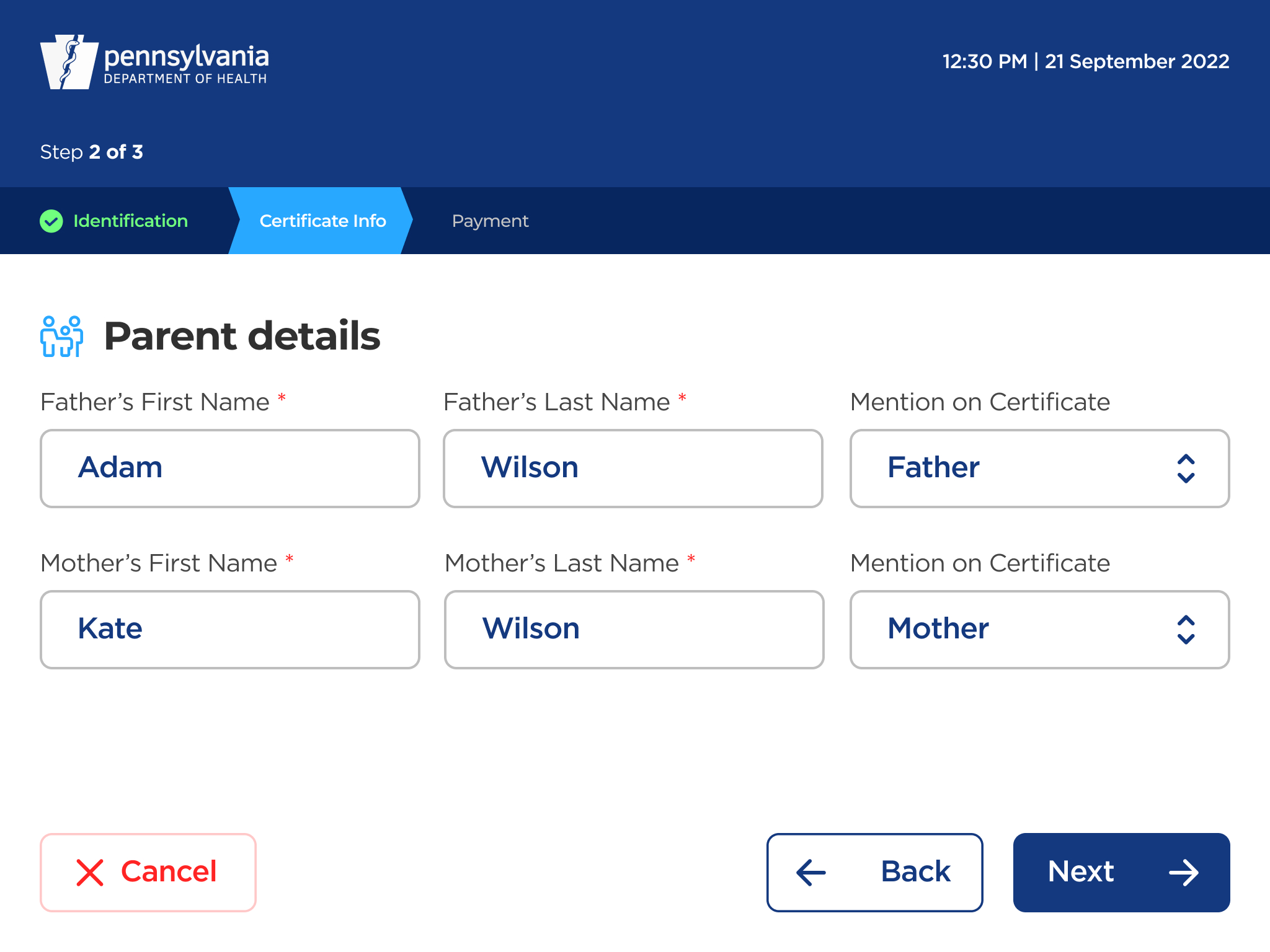
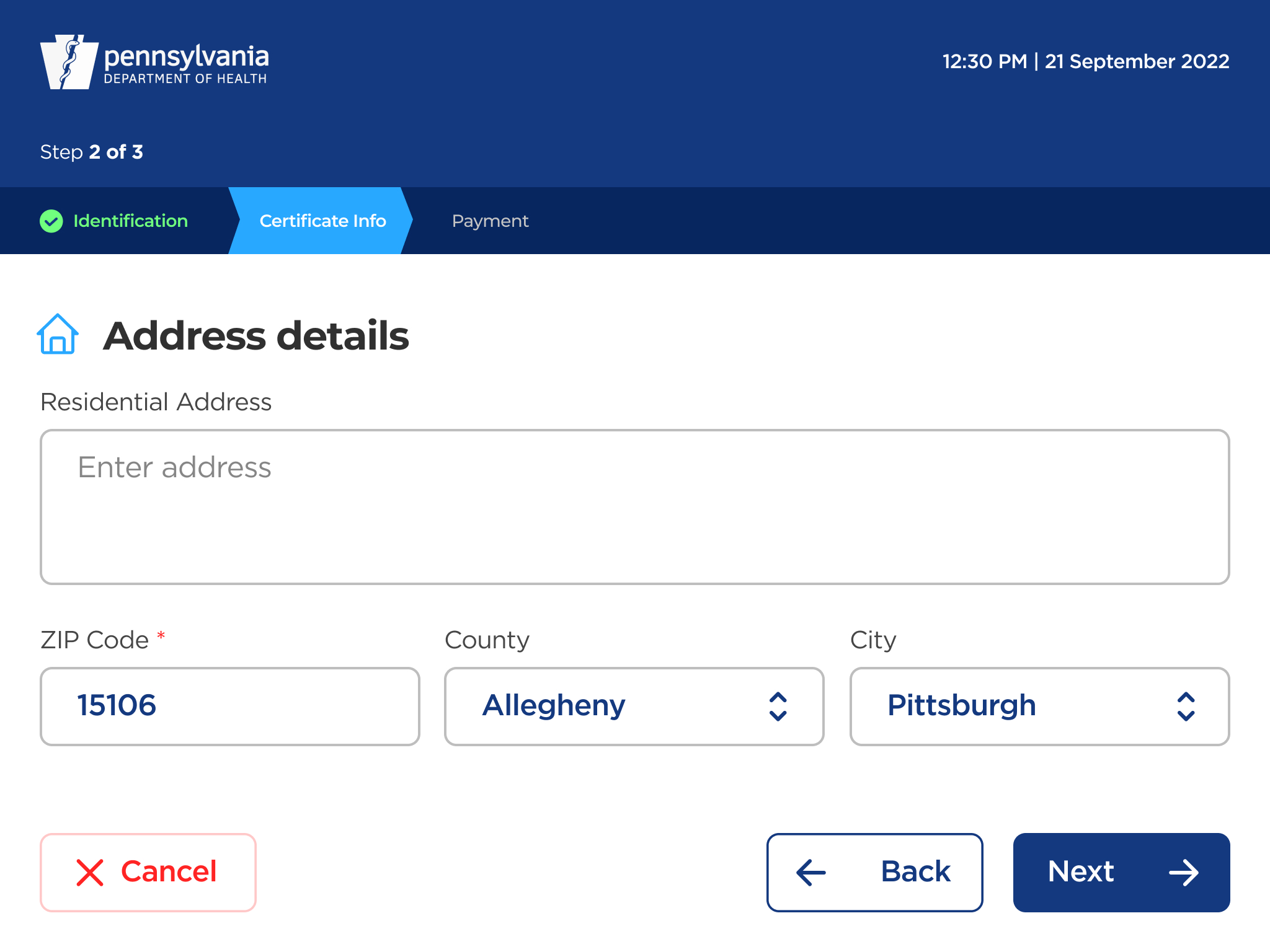
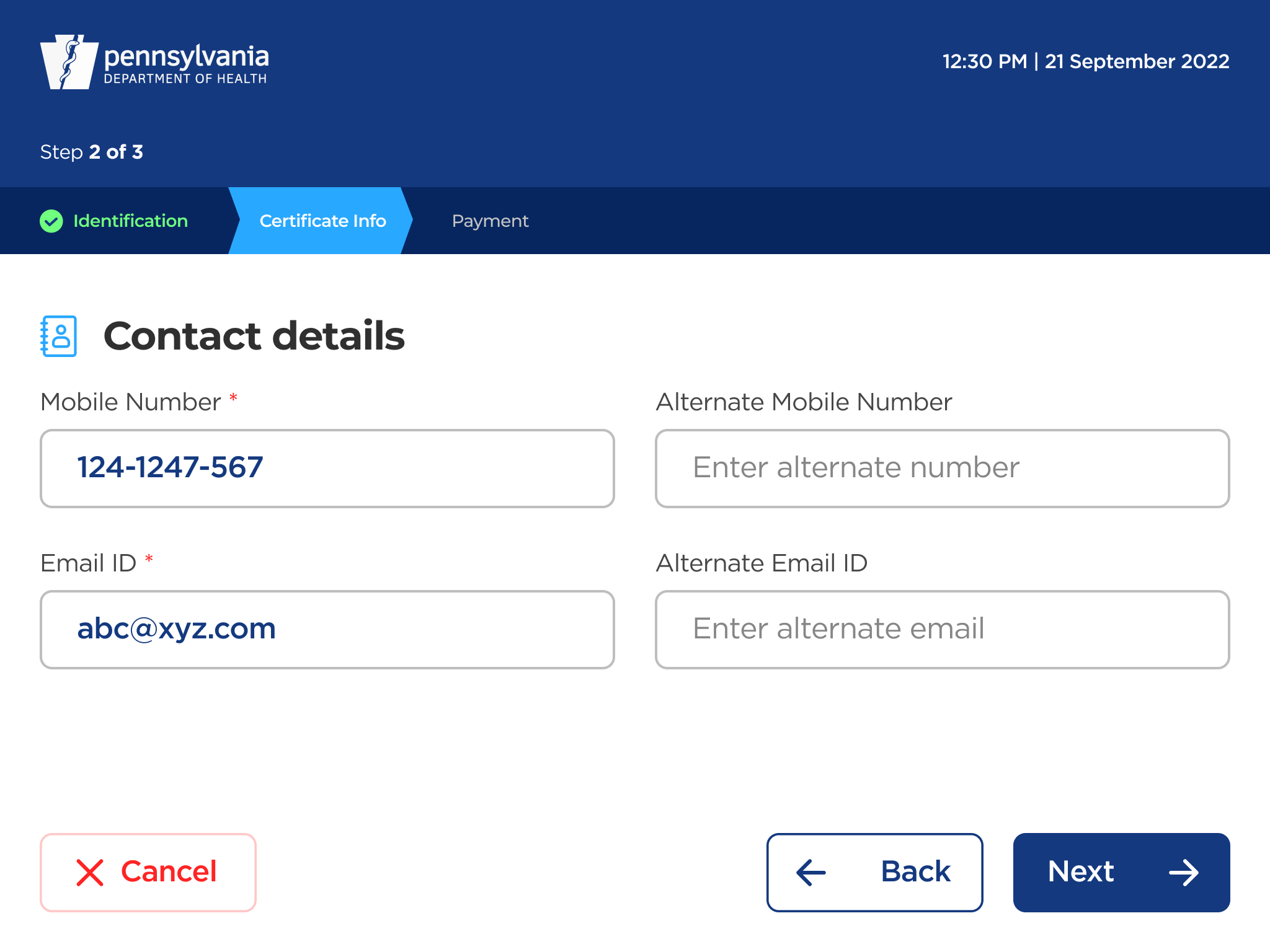
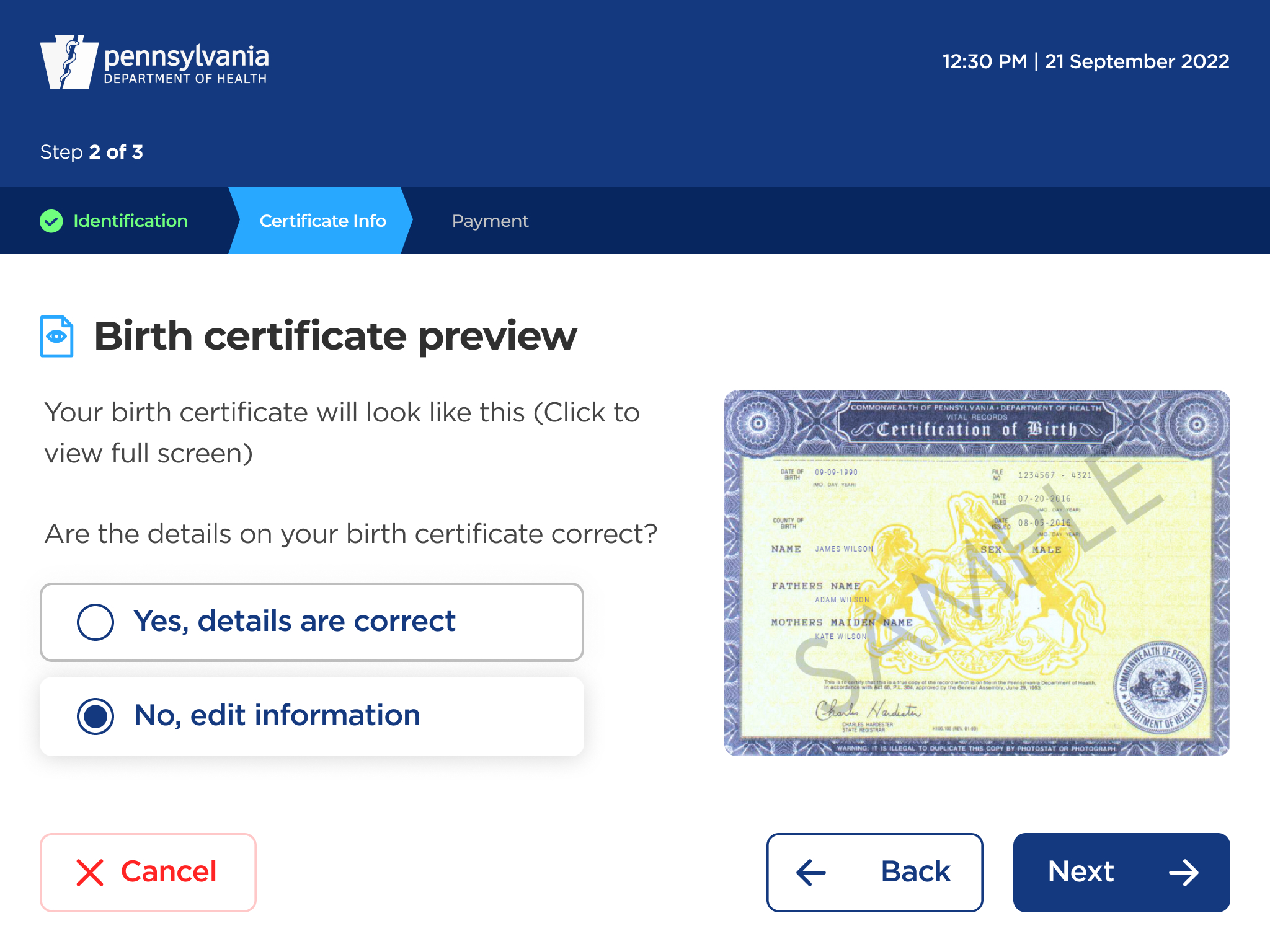
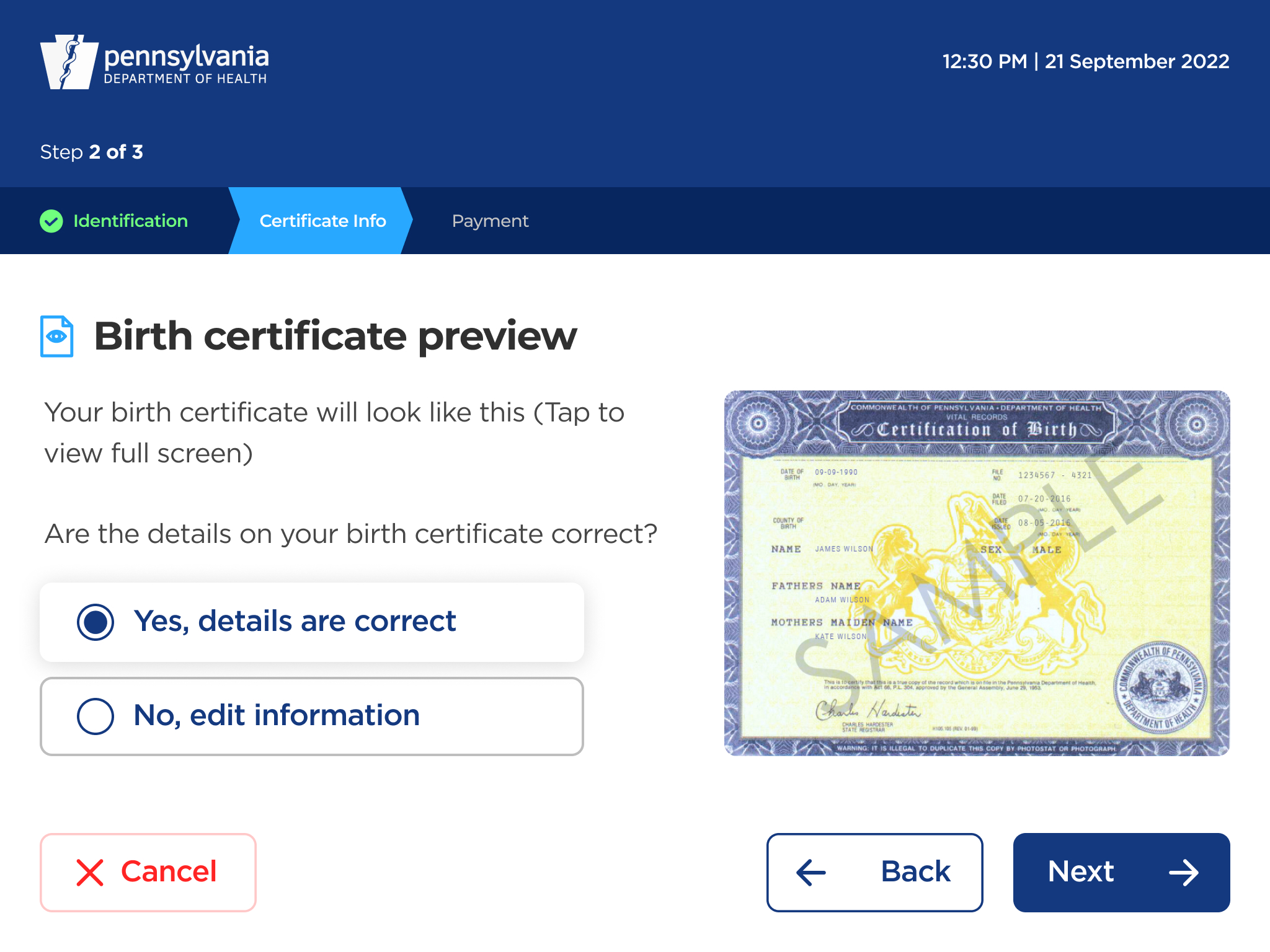
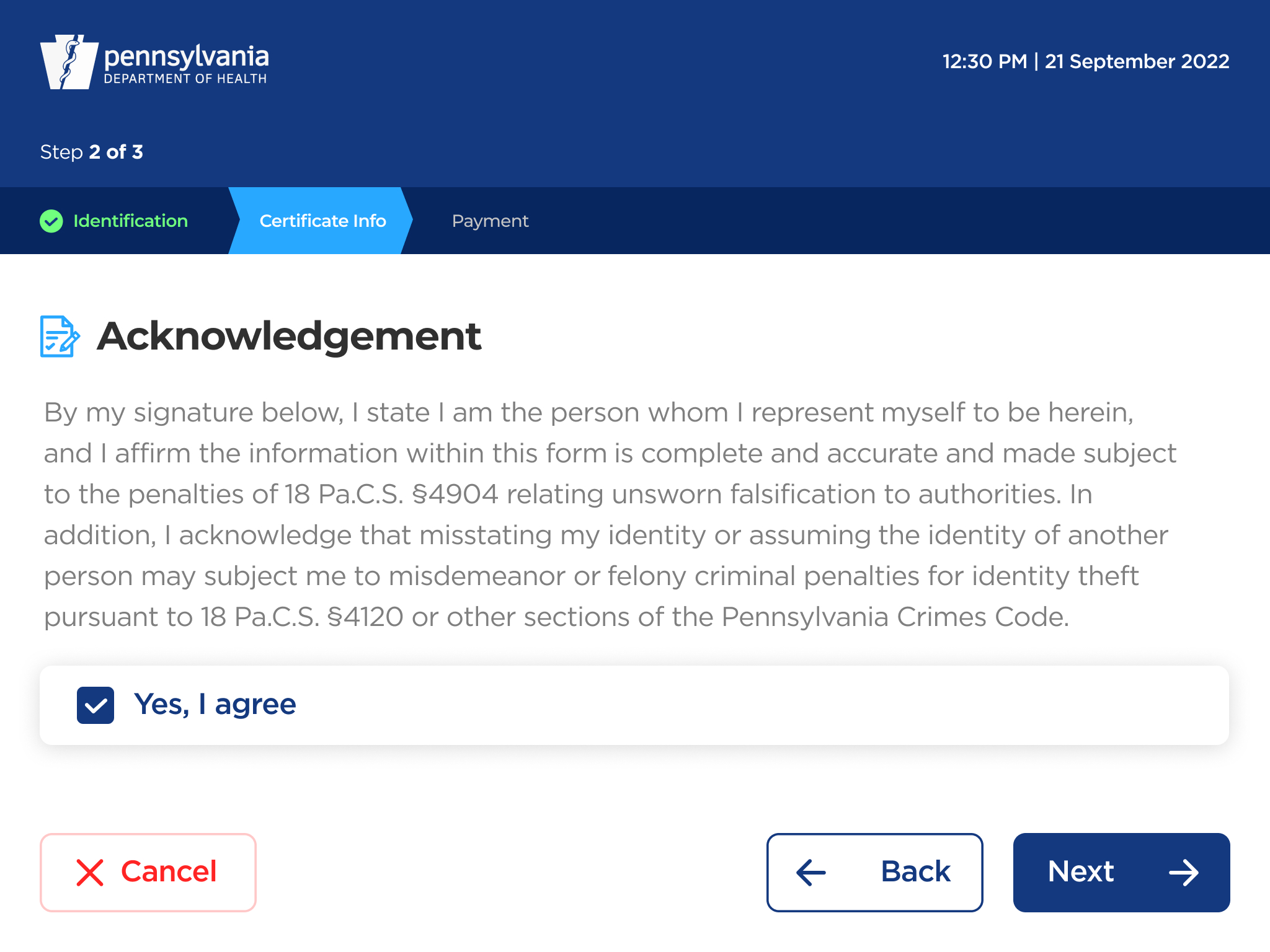
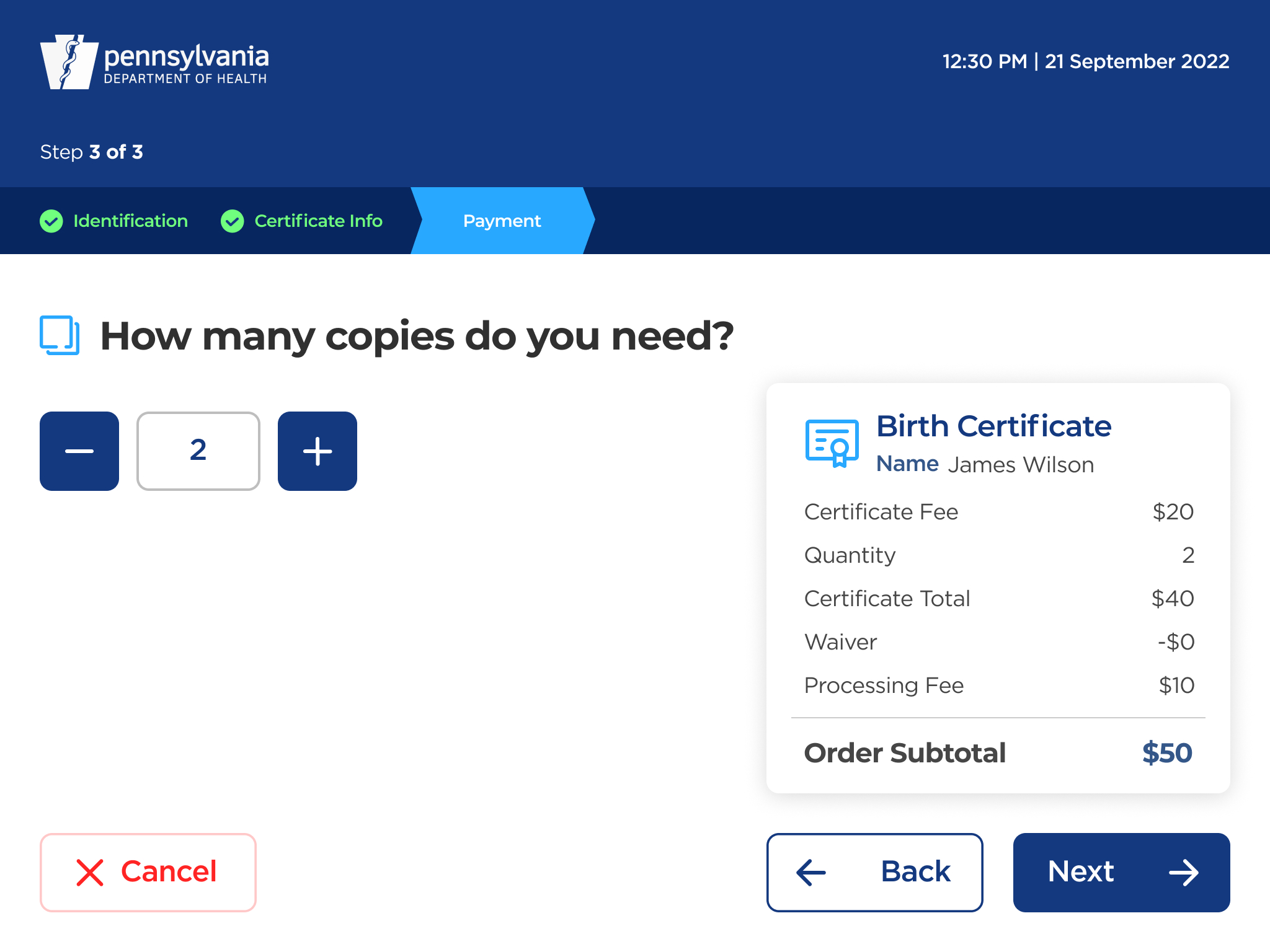
​The goal of the Department of Health (DOH) in Pennsylvania was to build a modern and user-friendly Vital Records Management System (VRMS). The system will handle various vital records like birth, death, and fetal death. The VRMS should be secure, allowing electronic origination, registration, amendment, and storage of records.

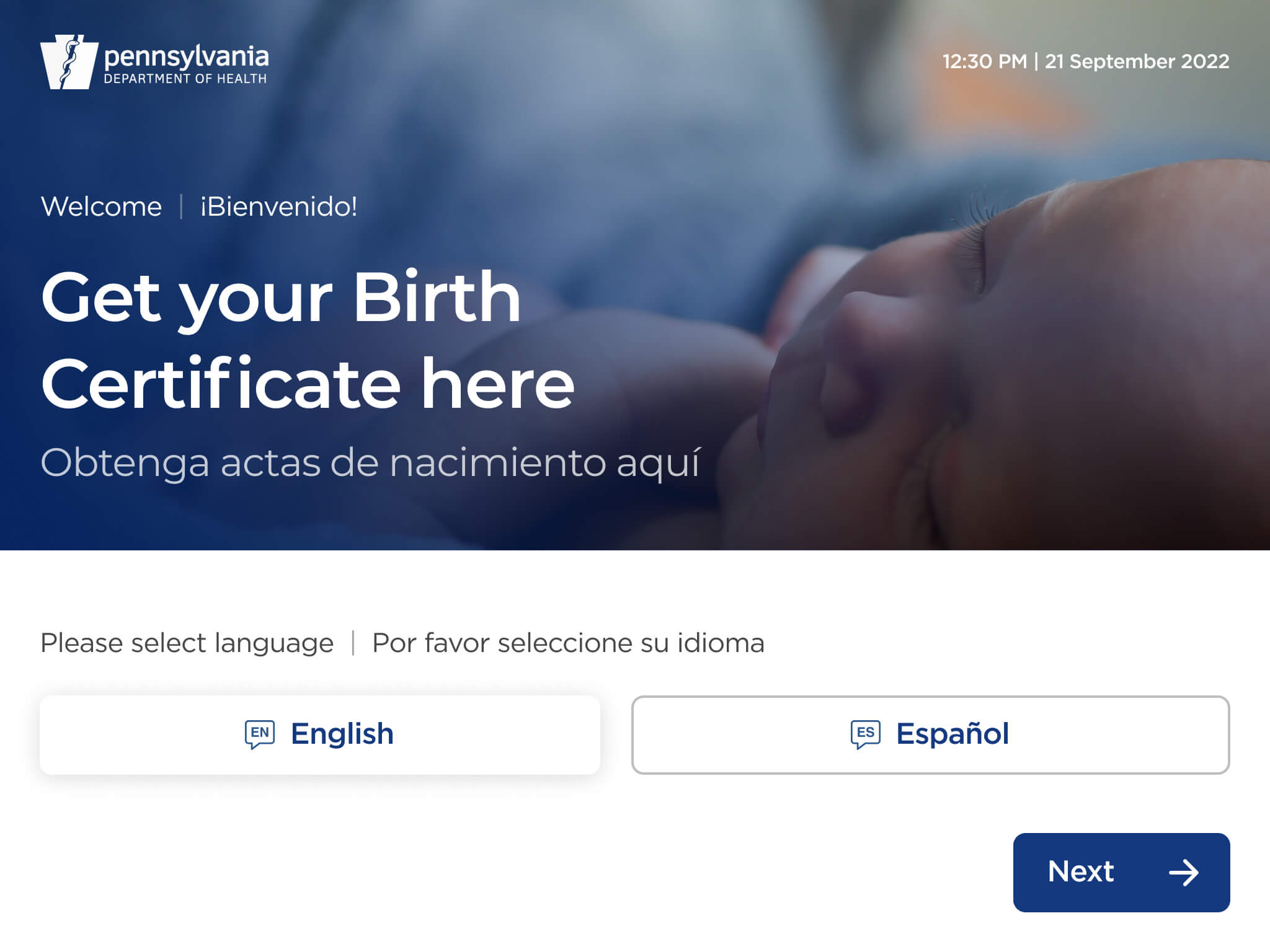
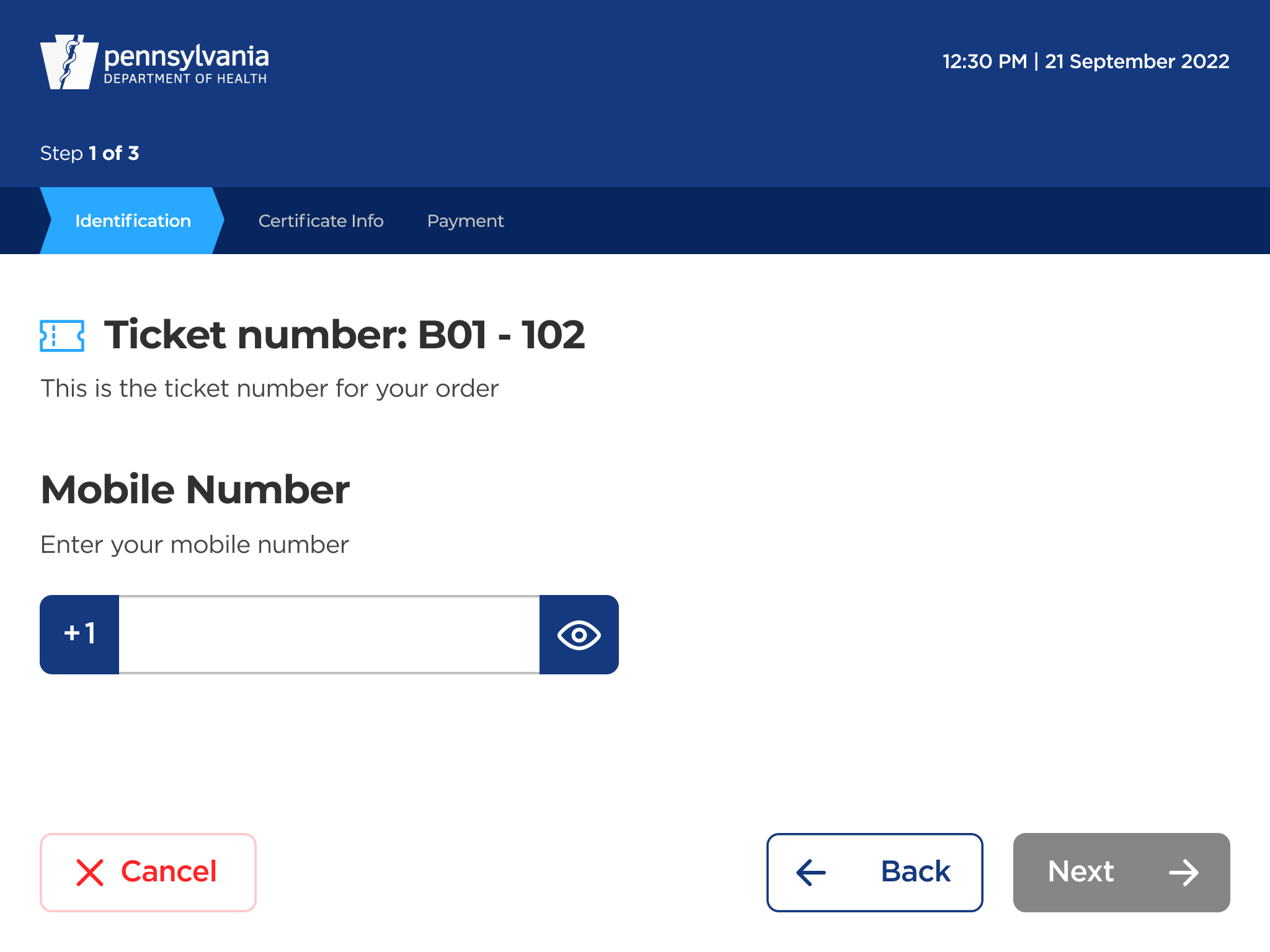
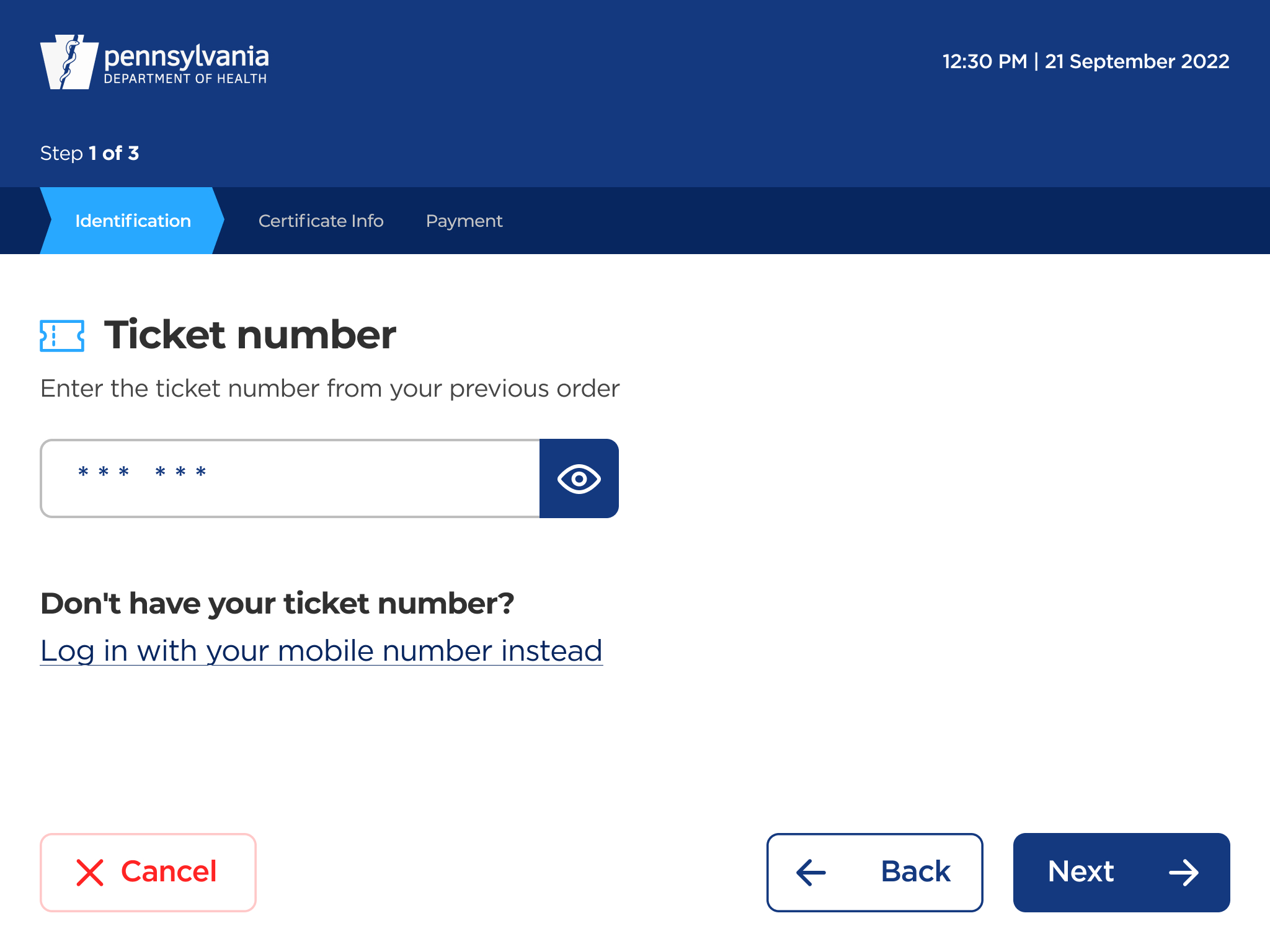
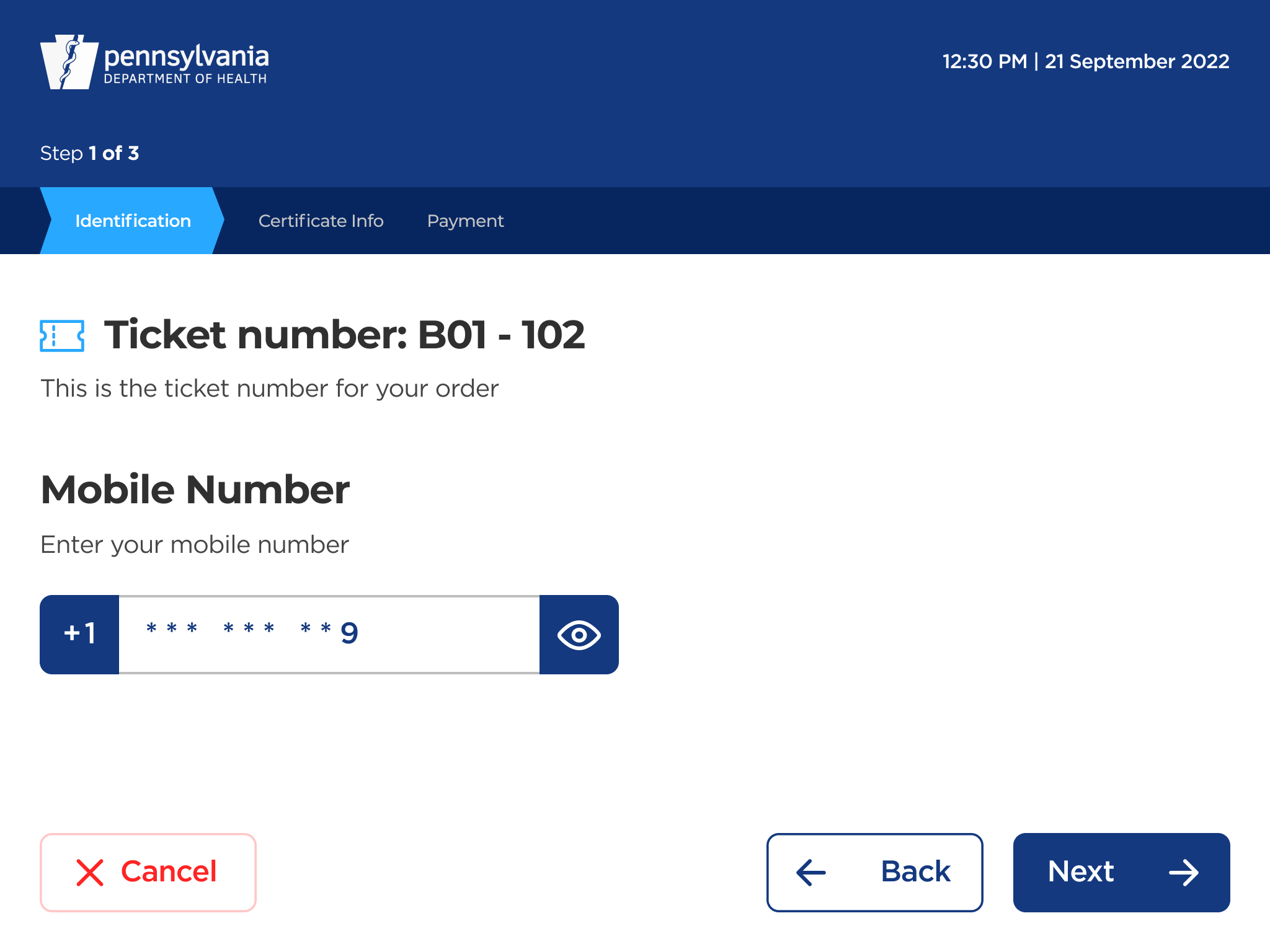
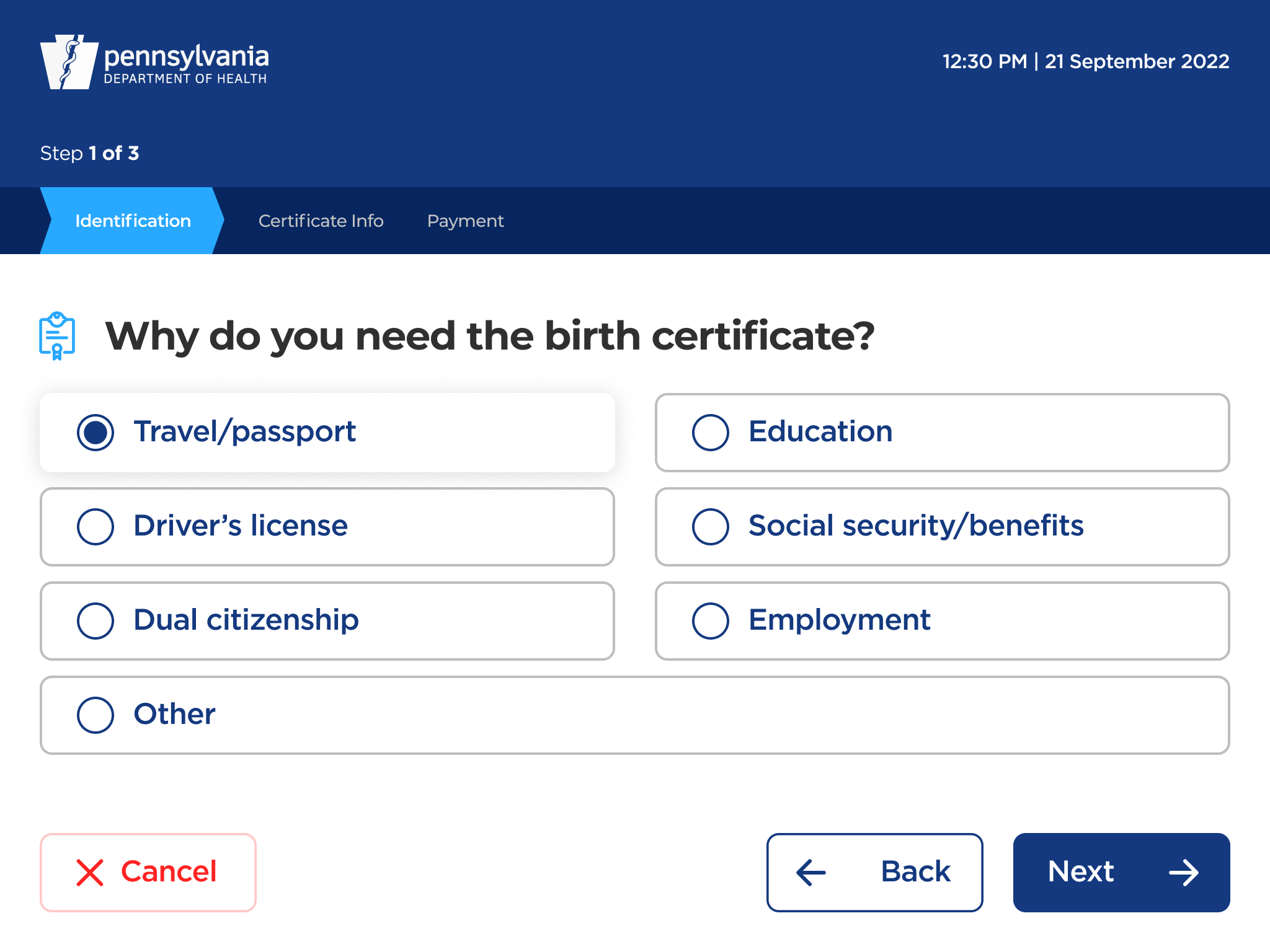
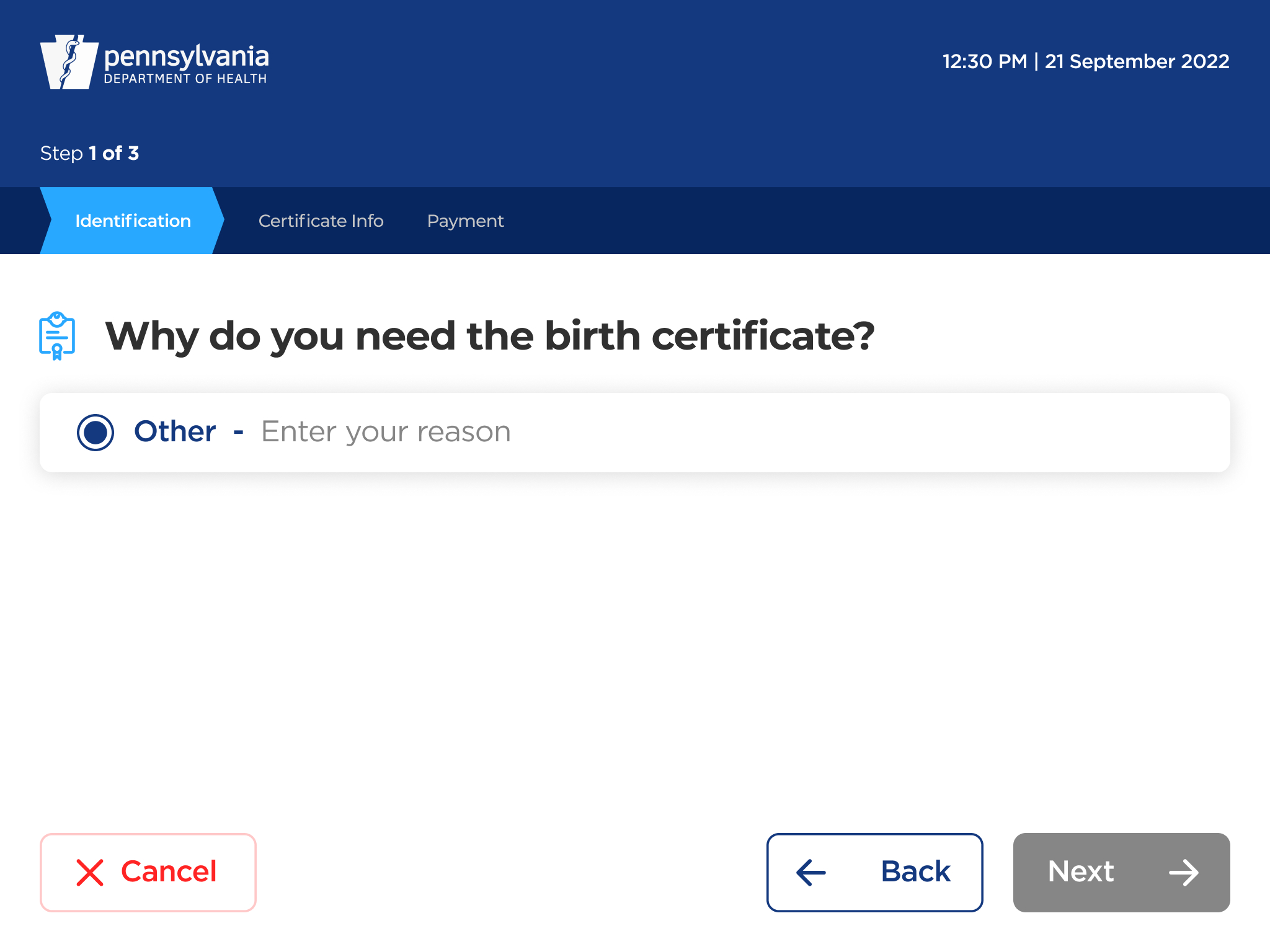
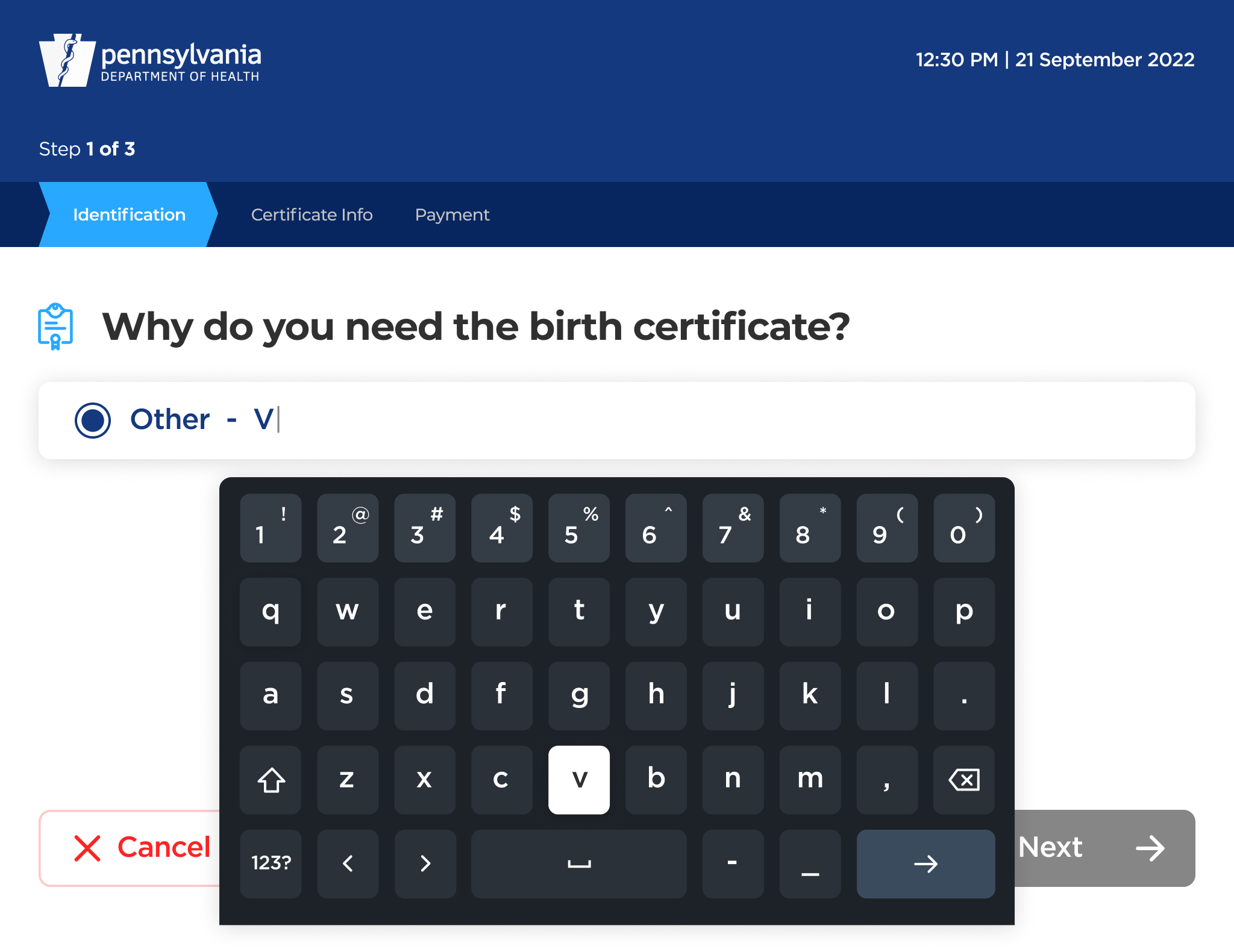
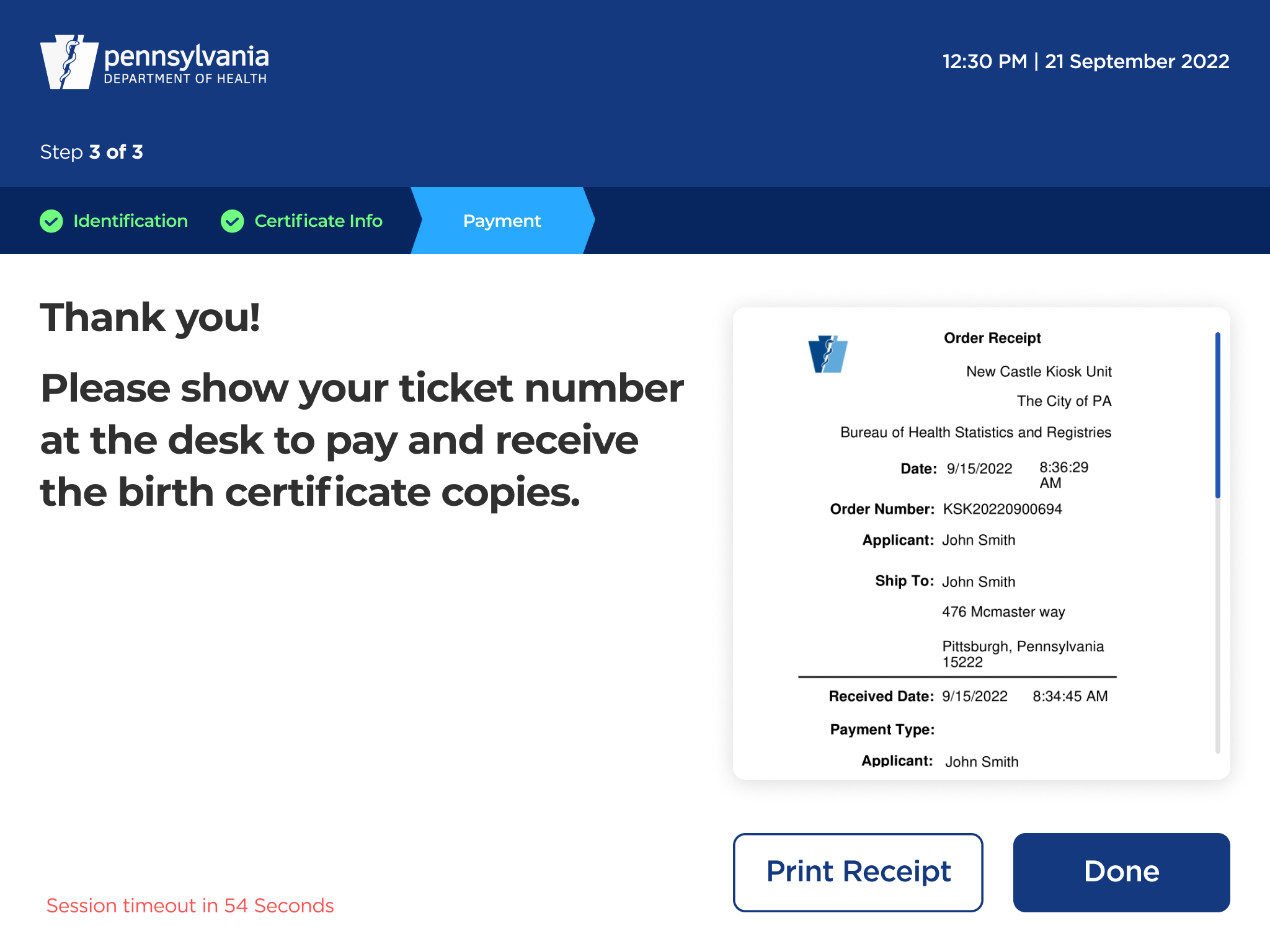
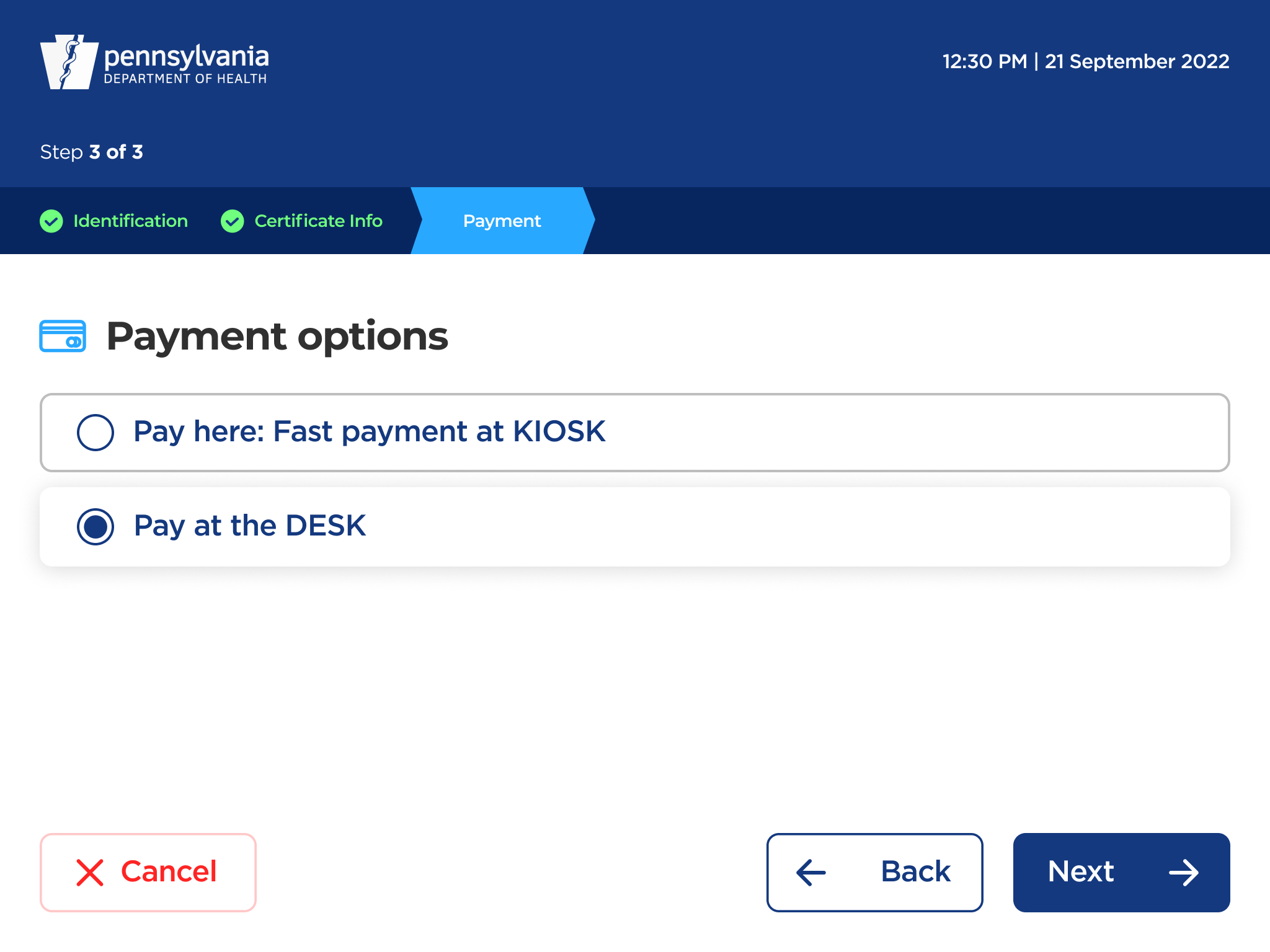
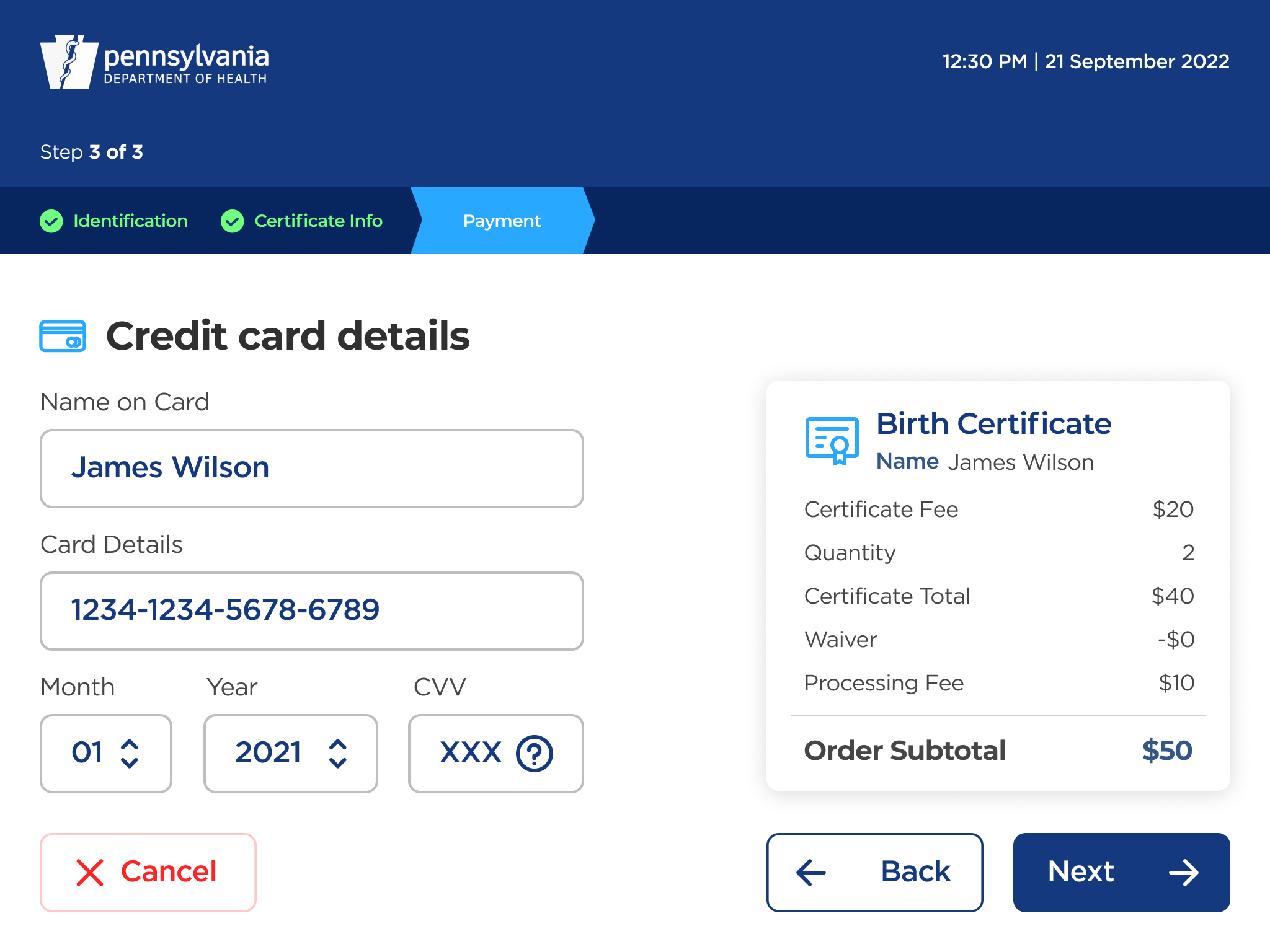
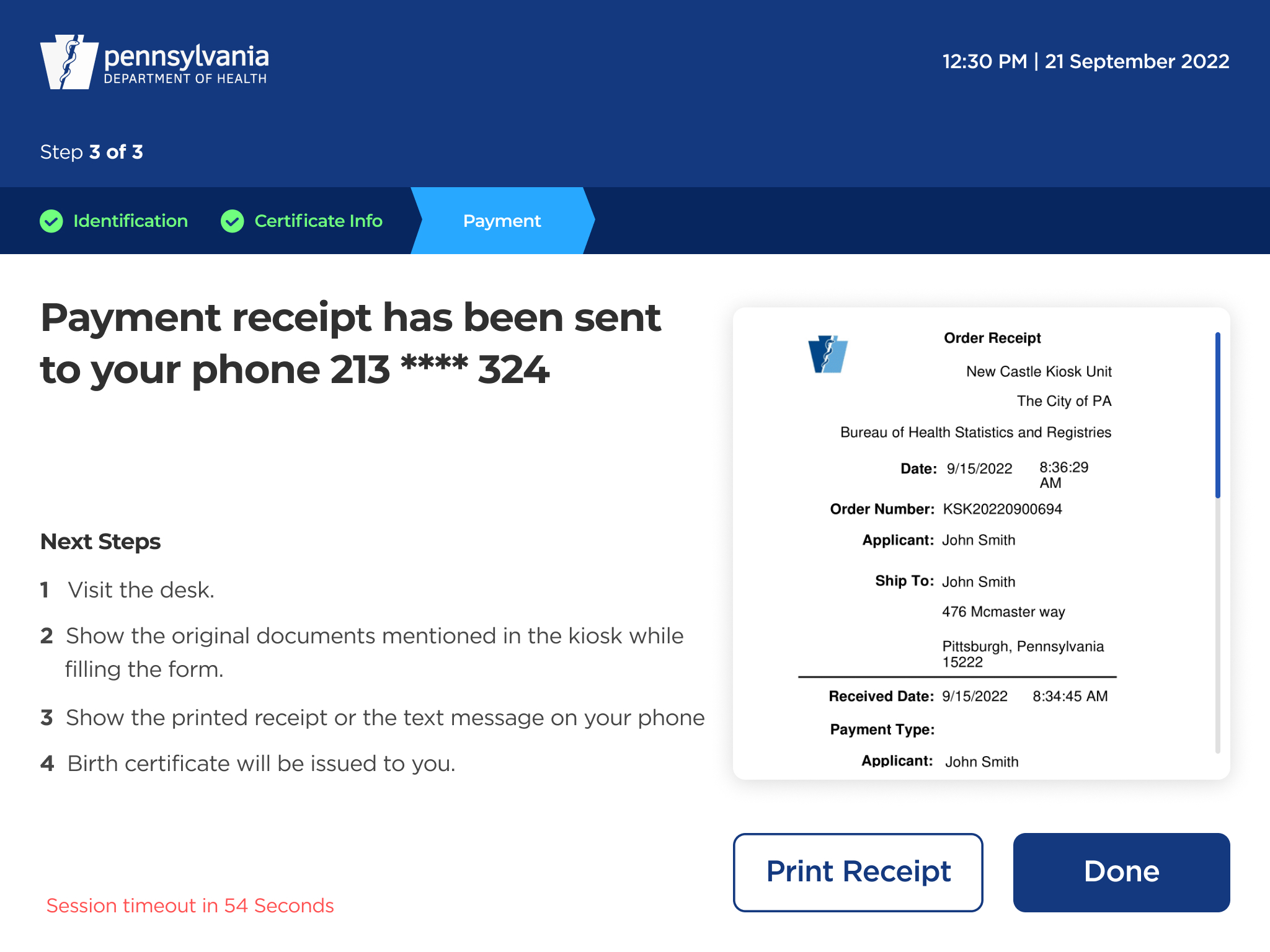
​As part of the project, I designed the experience on Kiosk for users seeking self-service options for ordering vital records like Birth and Death Certificates through necessary eligibility checks, identity verification, and secure payment processing.
User Research

I have conducted user research for the proposed VRMS system to gather insights from various stakeholders and end-users who will interact with the system. Here’s a summary of the user research process and key findings:
  • ​Identified the primary user groups who will interact with the VRMS. This includes DOH staff, other CWOPA department personnel, trusted third parties (e.g., hospitals, funeral homes), and the general public (for birth and death certificate requests).
  • Conducted in-depth interviews with representatives from each user group to understand their specific needs, pain points, and preferences when dealing with vital records management.
  • Explored Self-Service Channels for ordering birth and death certificates. Gather insights on their preferences for eligibility verification, payment processing, and order fulfillment.

IOWA Health Information Exchange

  • Created by: Vivekananda Kondapalli
  • Skills: Figma

Project Brief

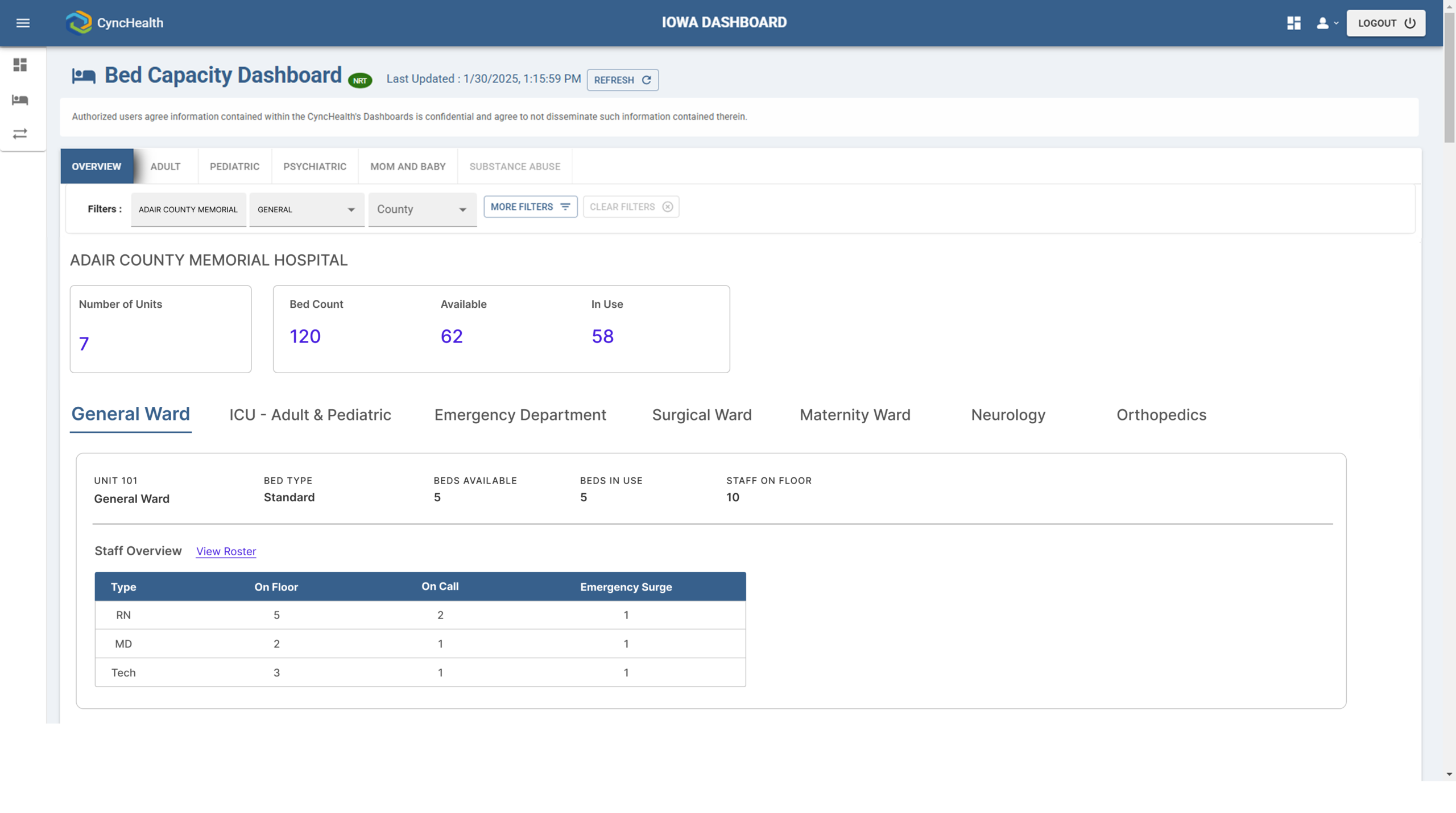
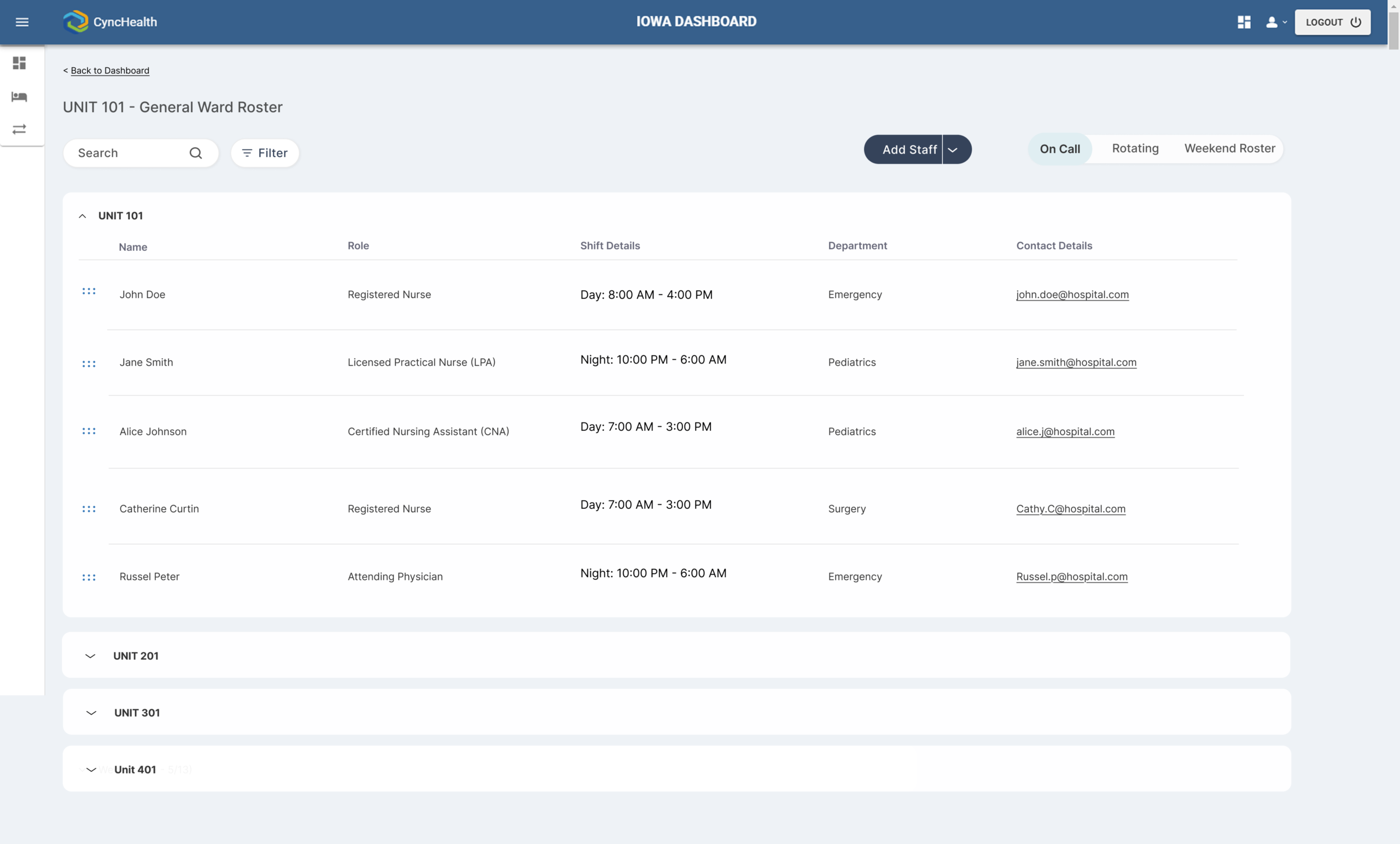
The Bed Dashboard Staffed Capacity project for Iowa Health Information Exchange (CyncHealth Iowa) focused on redesigning a statewide hospital capacity dashboard to accurately reflect real-time staffed capacity across healthcare facilities. The existing solution inferred capacity by correlating beds to staff assignments, an approach that did not align with real hospital operations. In reality, staffing levels, patient acuity, unit assignments, and bed utilization fluctuate continuously due to admissions, discharges, patient transfers, illness, and staff float scenarios—making the reported capacity unreliable, particularly during public health emergencies.

The objective of this initiative was to provide hospital administrators and public health officials with an operationally valid, real-time view of capacity by unit, incorporating staffed beds, on-call staff, and surge-ready personnel. The redesigned approach recalculated capacity based on units, beds per unit, and staff availability, while integrating with existing EHR systems such as Epic to reduce manual data entry, improve accuracy, and support timely decision-making during emergency response situations.

User Groups:

  • Hospital Administrators: Monitor staffed capacity, report readiness metrics, and make operational and surge-planning decisions.
  • Unit Managers / Charge Nurses: Manage unit-level staffing, bed utilization, patient movement, and acuity-driven staffing adjustments.
  • Public Health & Emergency Management Officials: Assess statewide hospital readiness and coordinate patient routing and emergency response.
  • IT & Health Data Integration Teams: Manage EHR integrations, data feeds, refresh cadence, and platform reliability.

UX Activities

Conducted stakeholder interviews, Mapped complex workflows and service journeys reflecting real-time patient movement, and Designed wireframes and high-fidelity dashboard interfaces. 

State Aid Management System

  • Created by: Vivekananda Kondapalli
  • Skills: UX PIN, Accessibility Testing

Project Brief

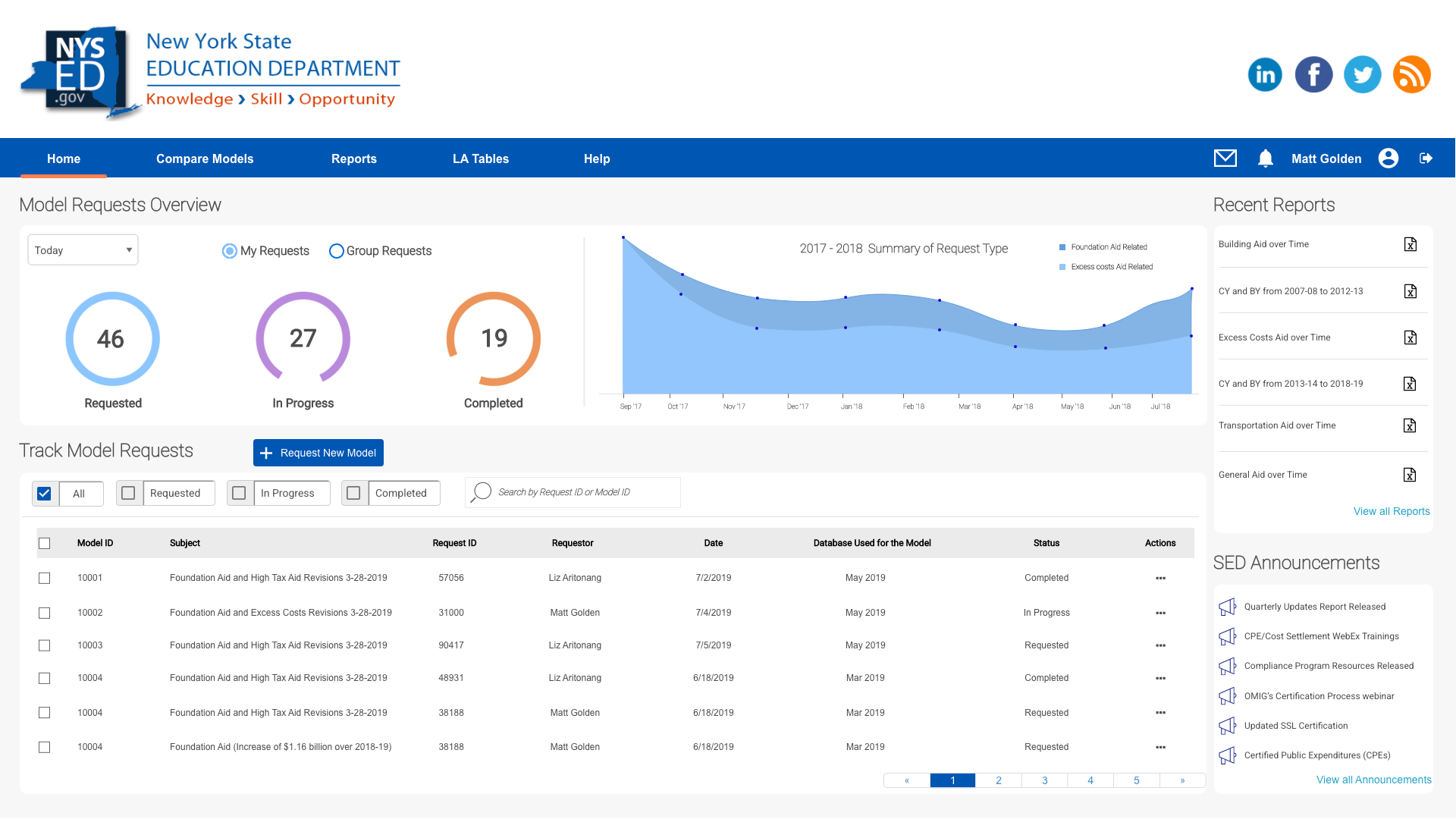
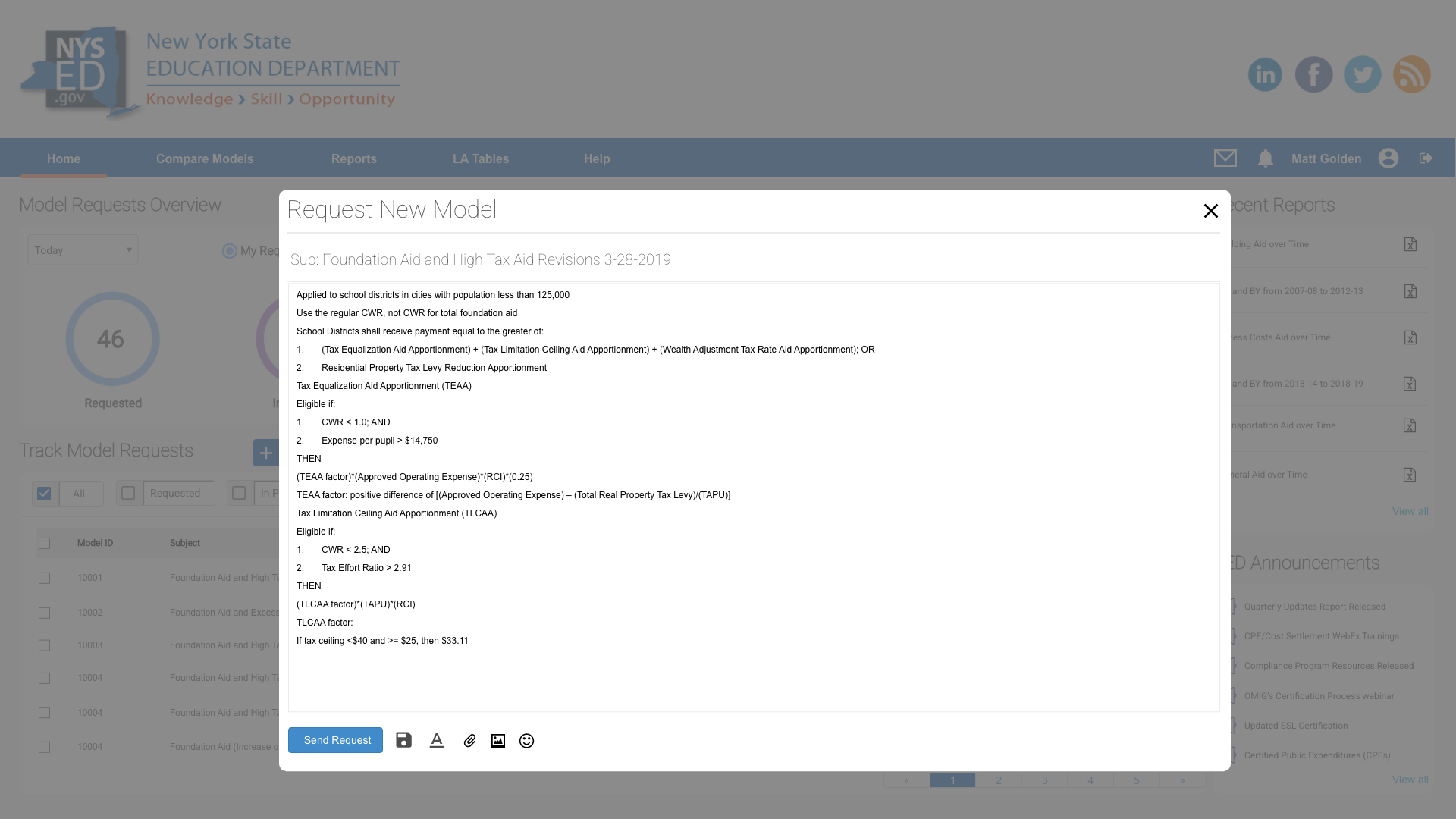
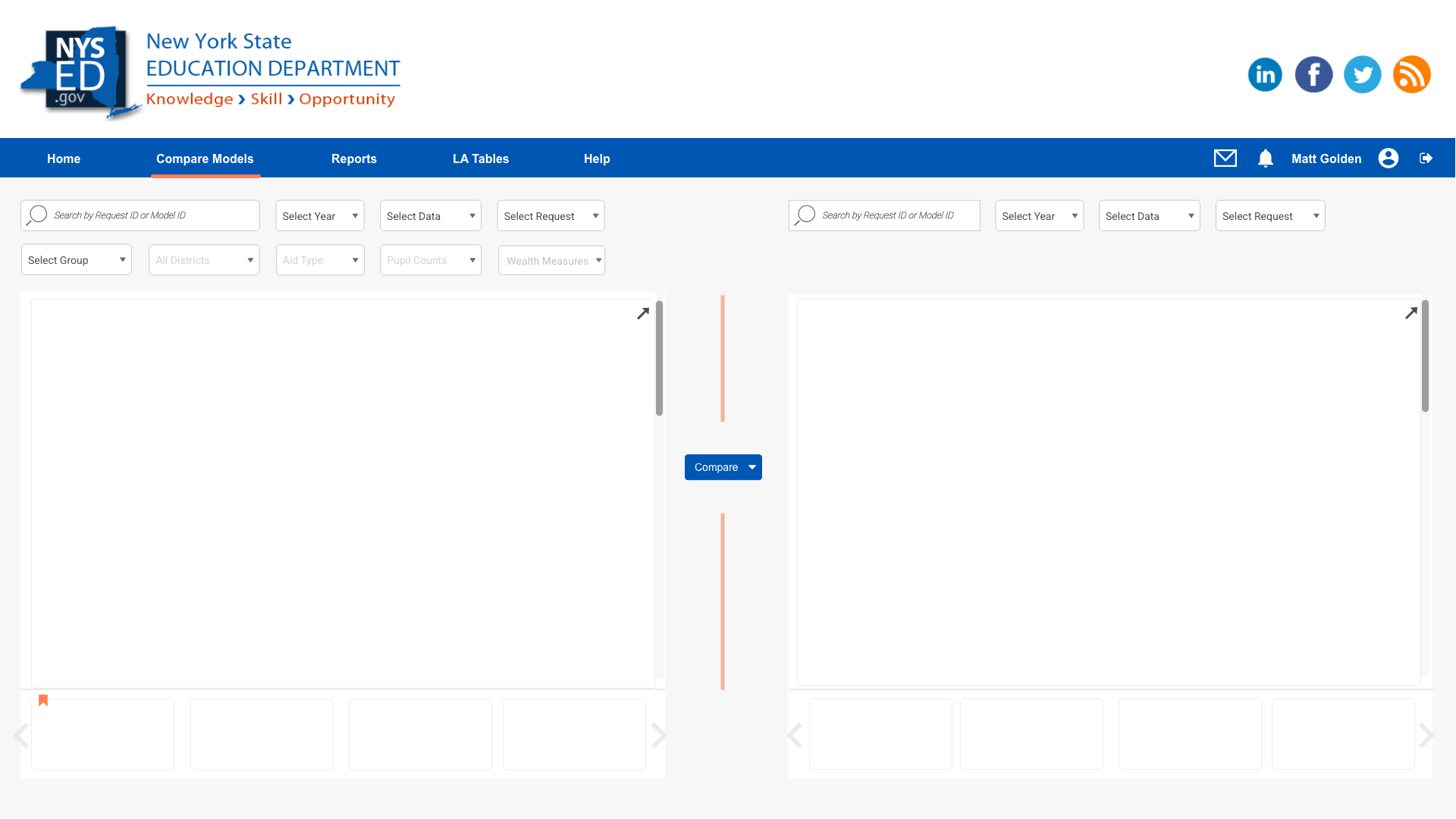
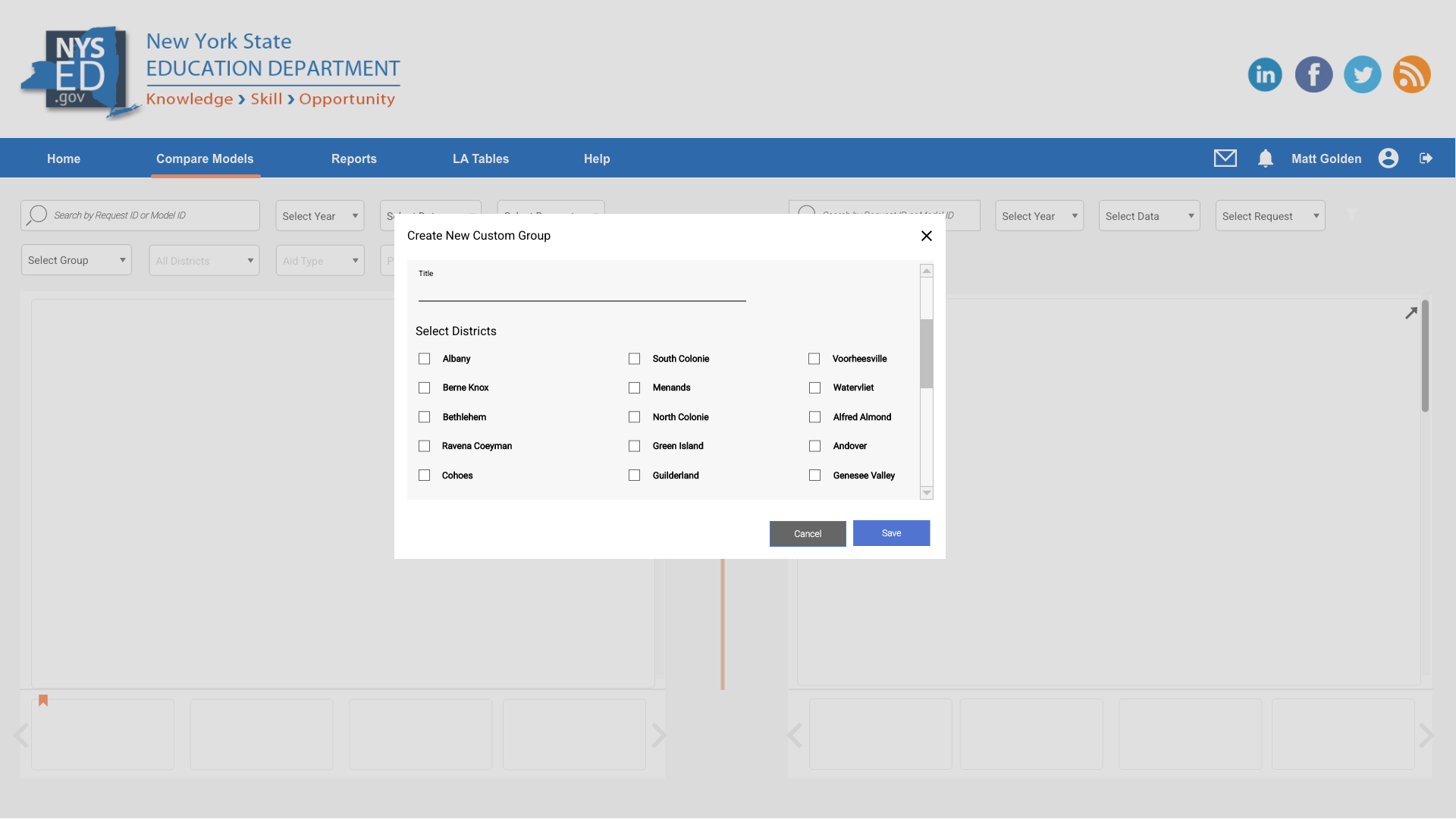
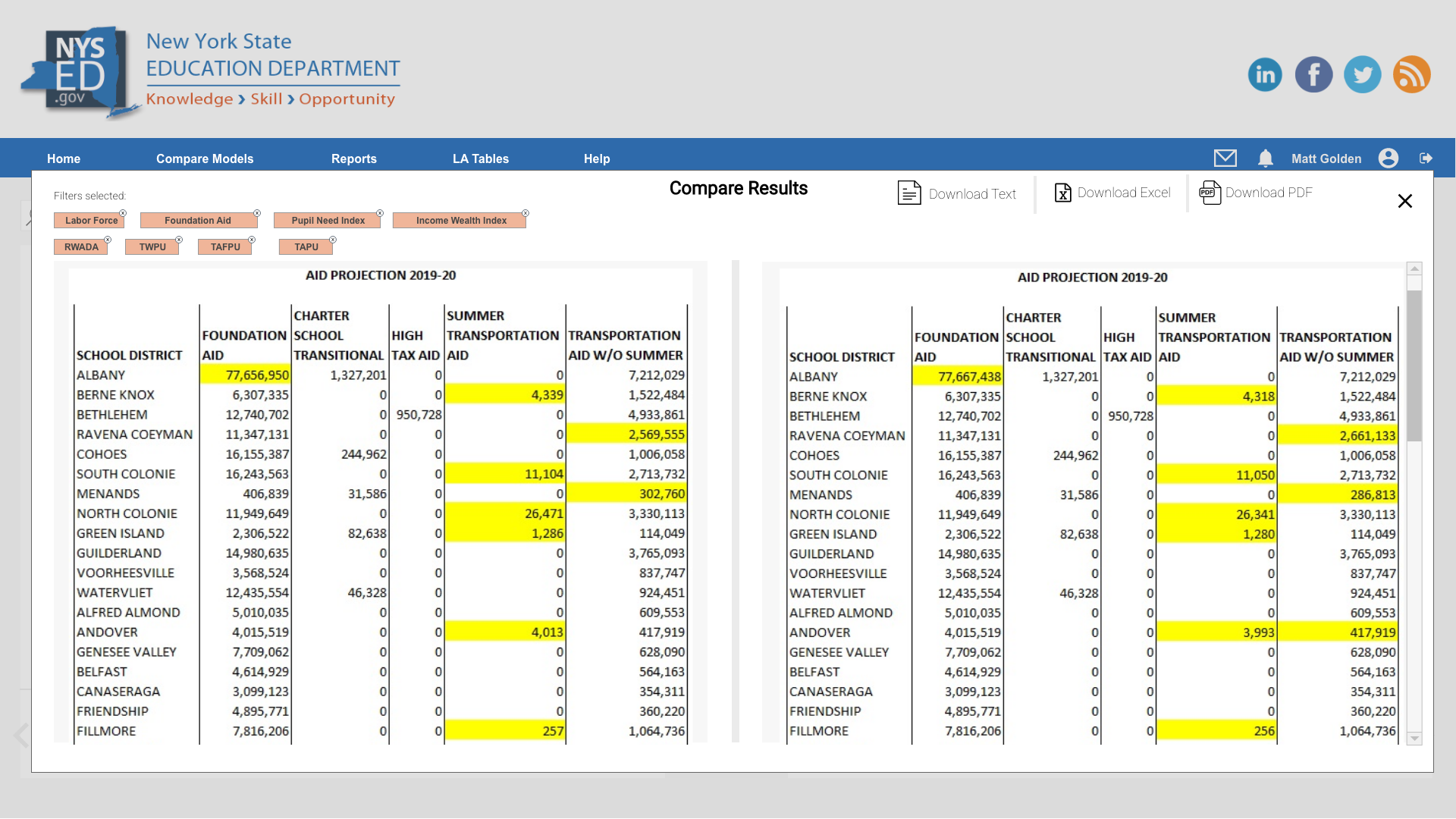
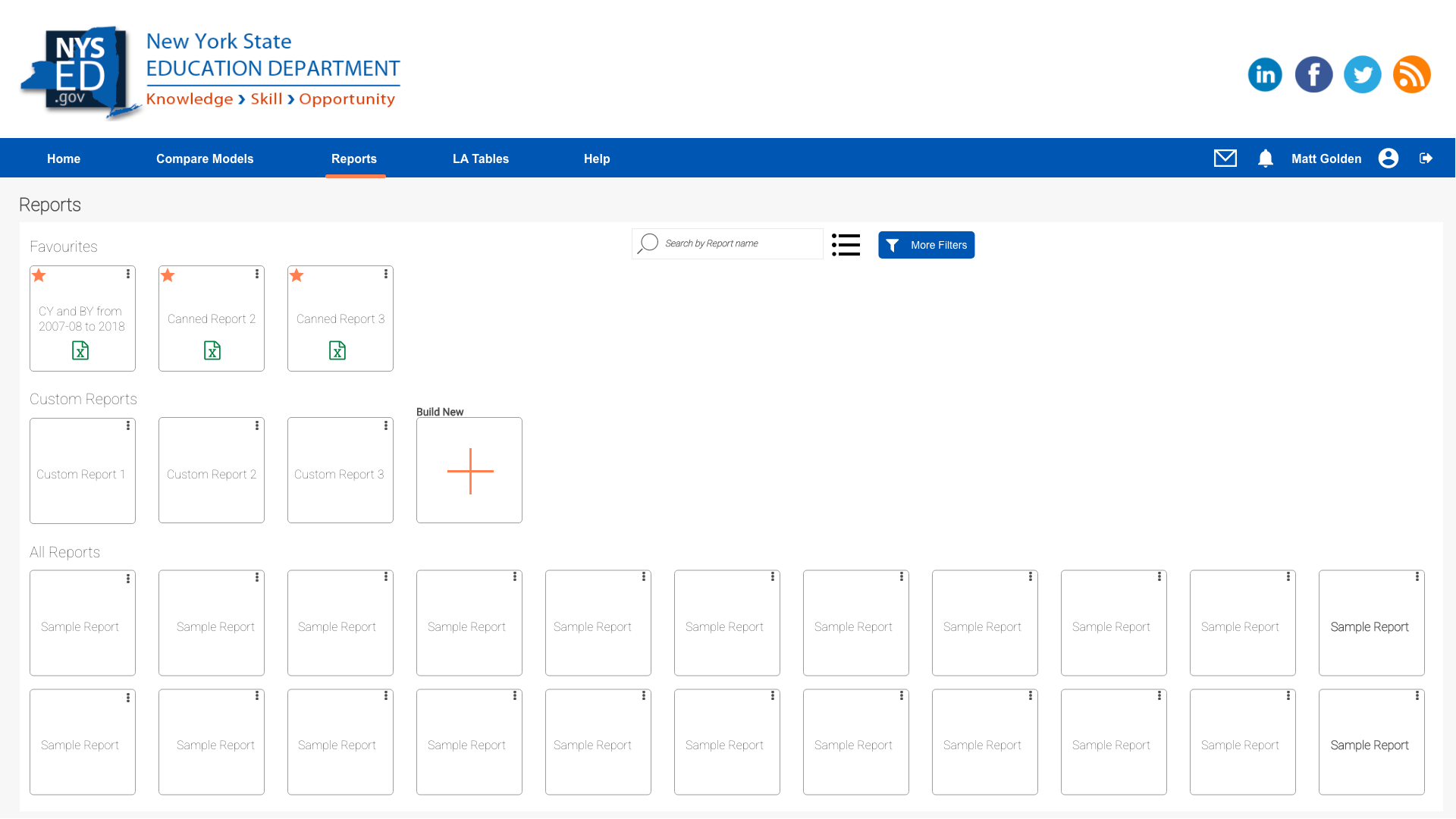
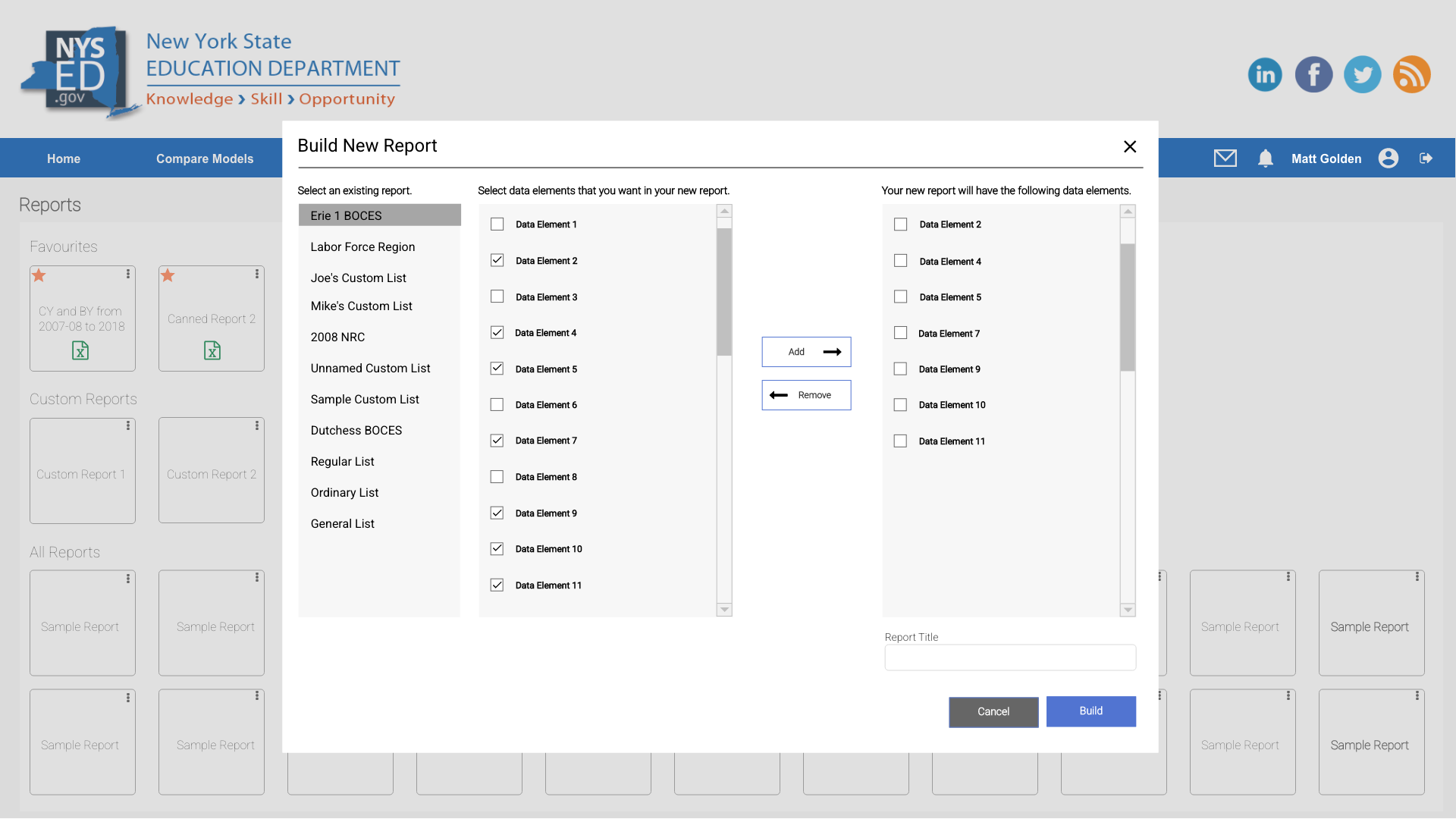
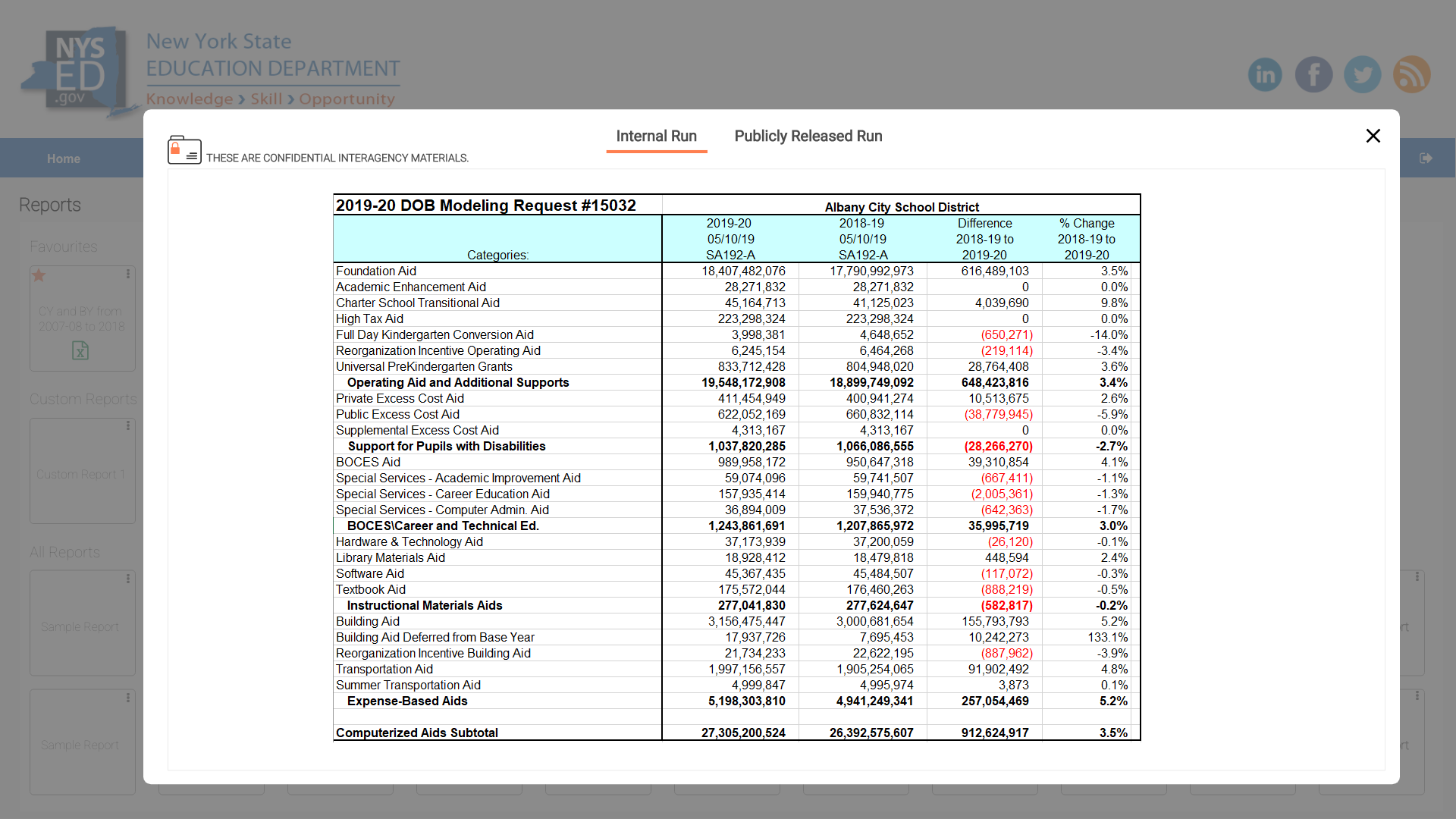
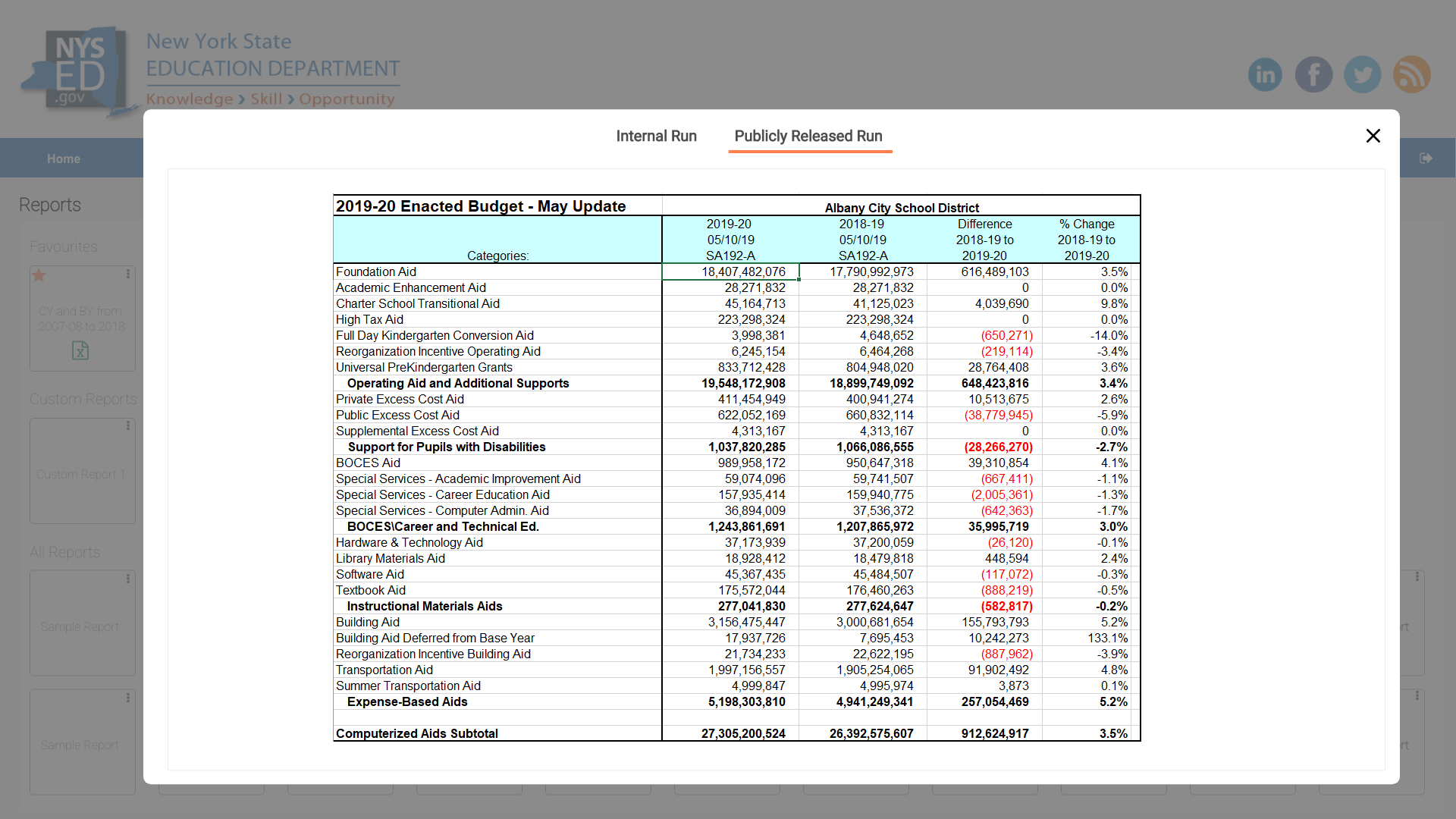
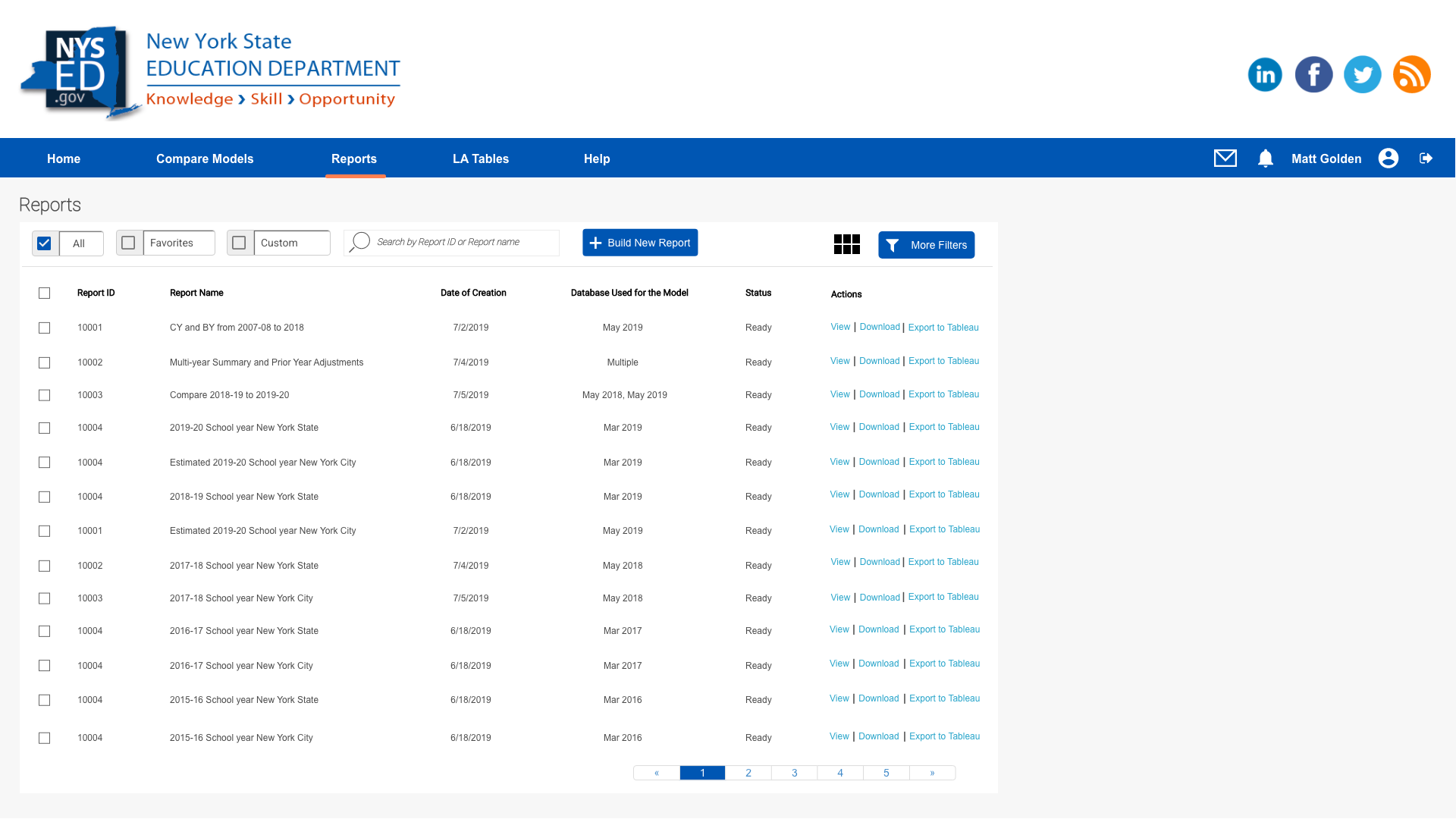
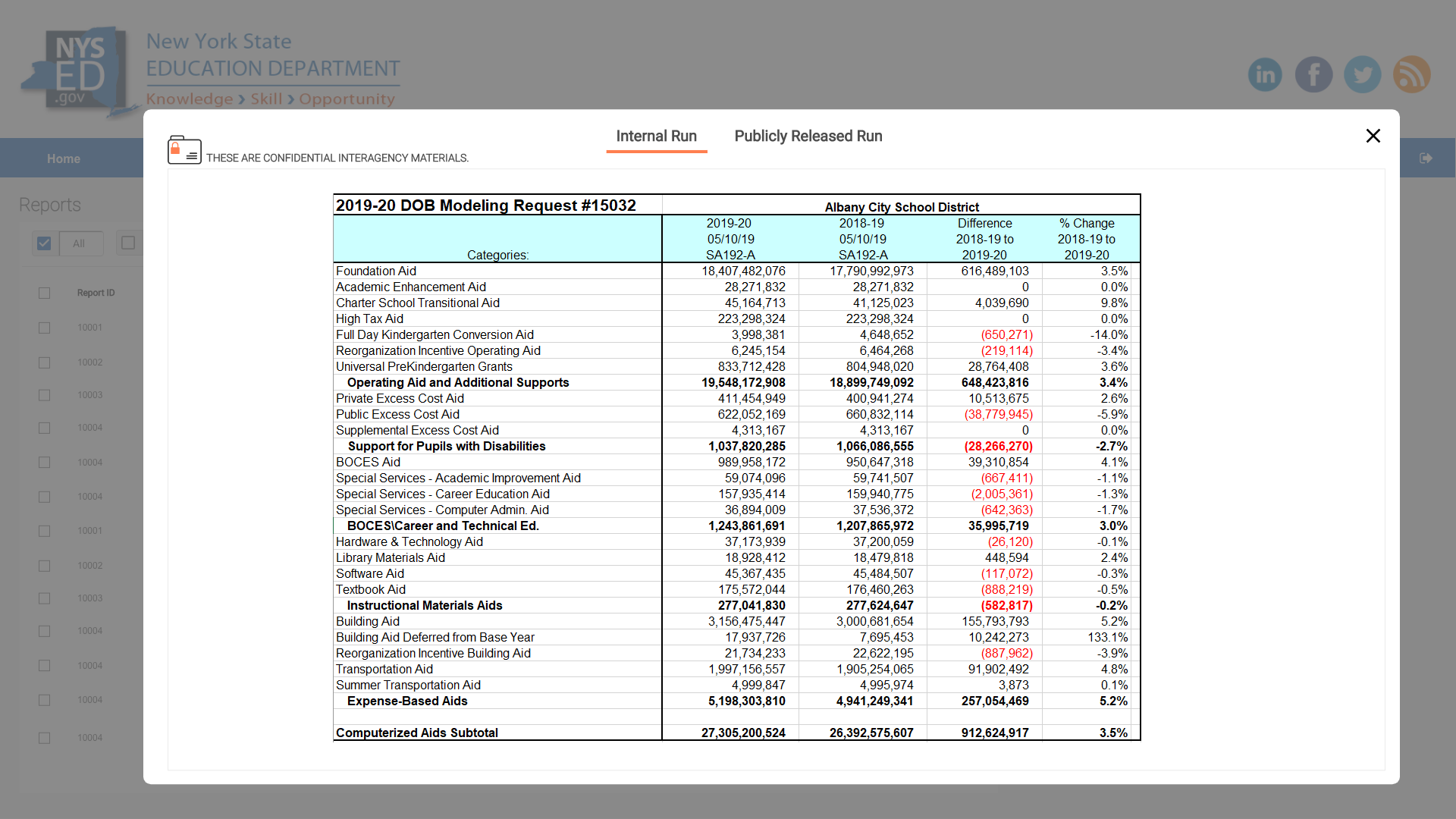
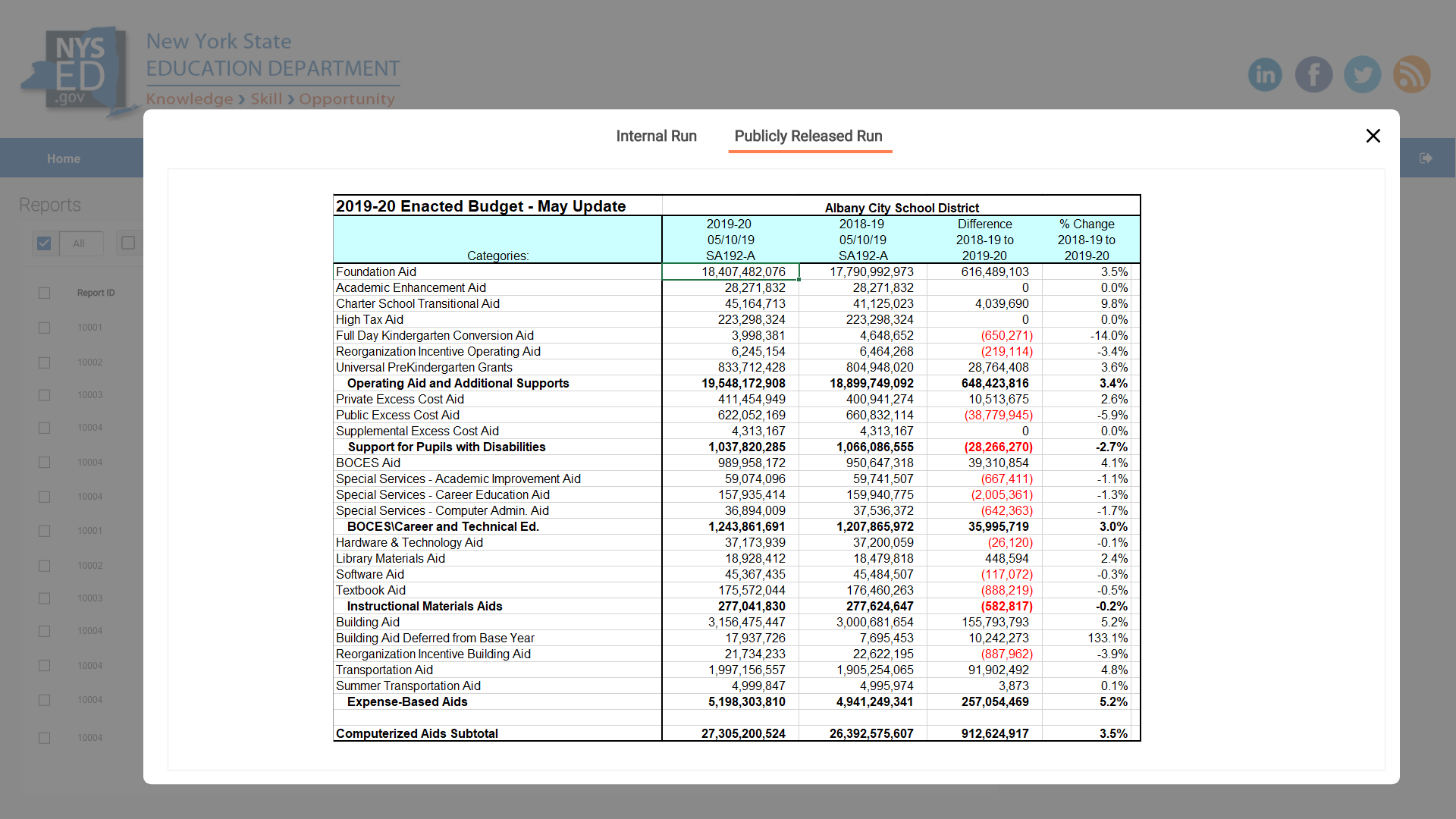
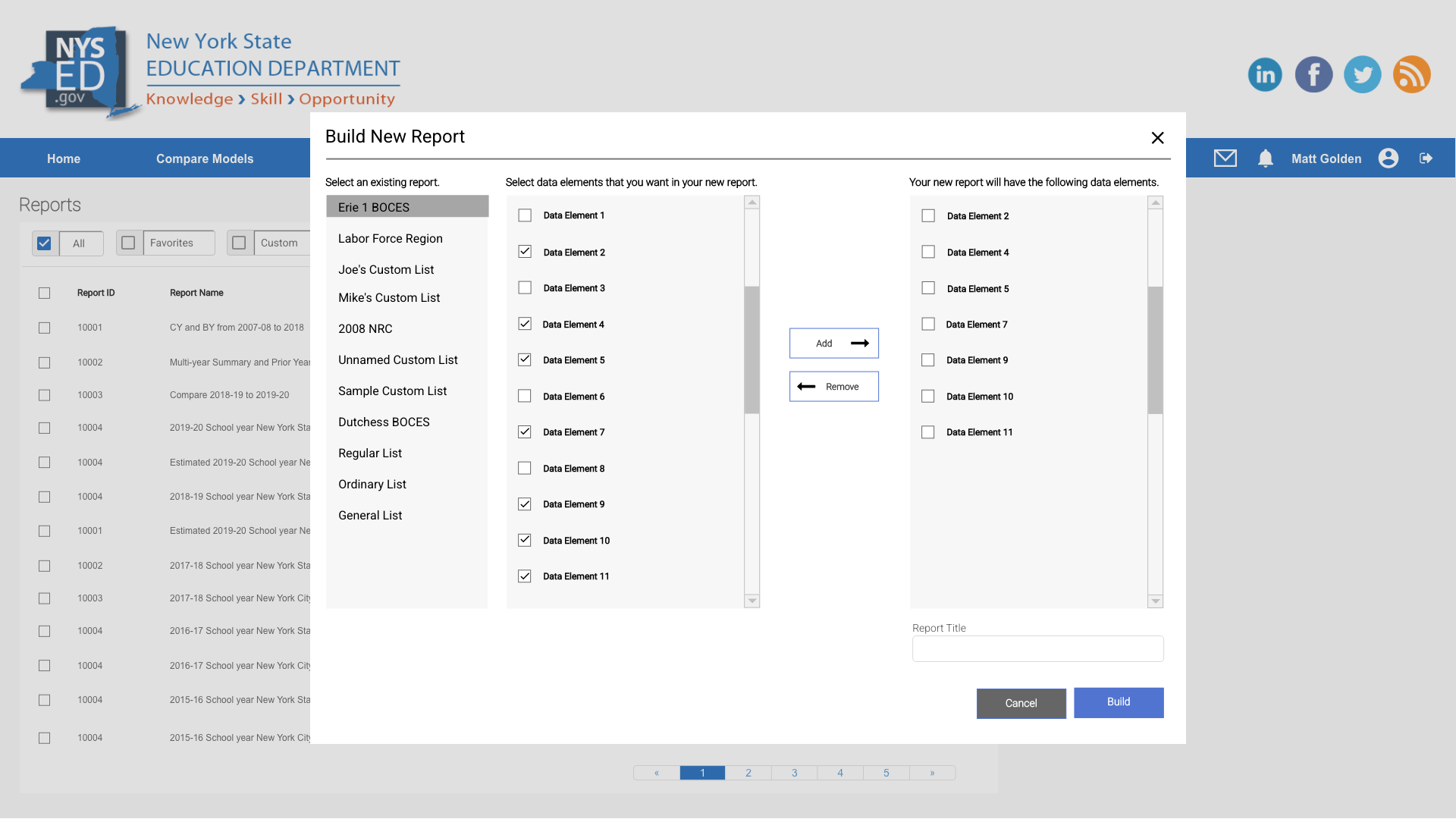
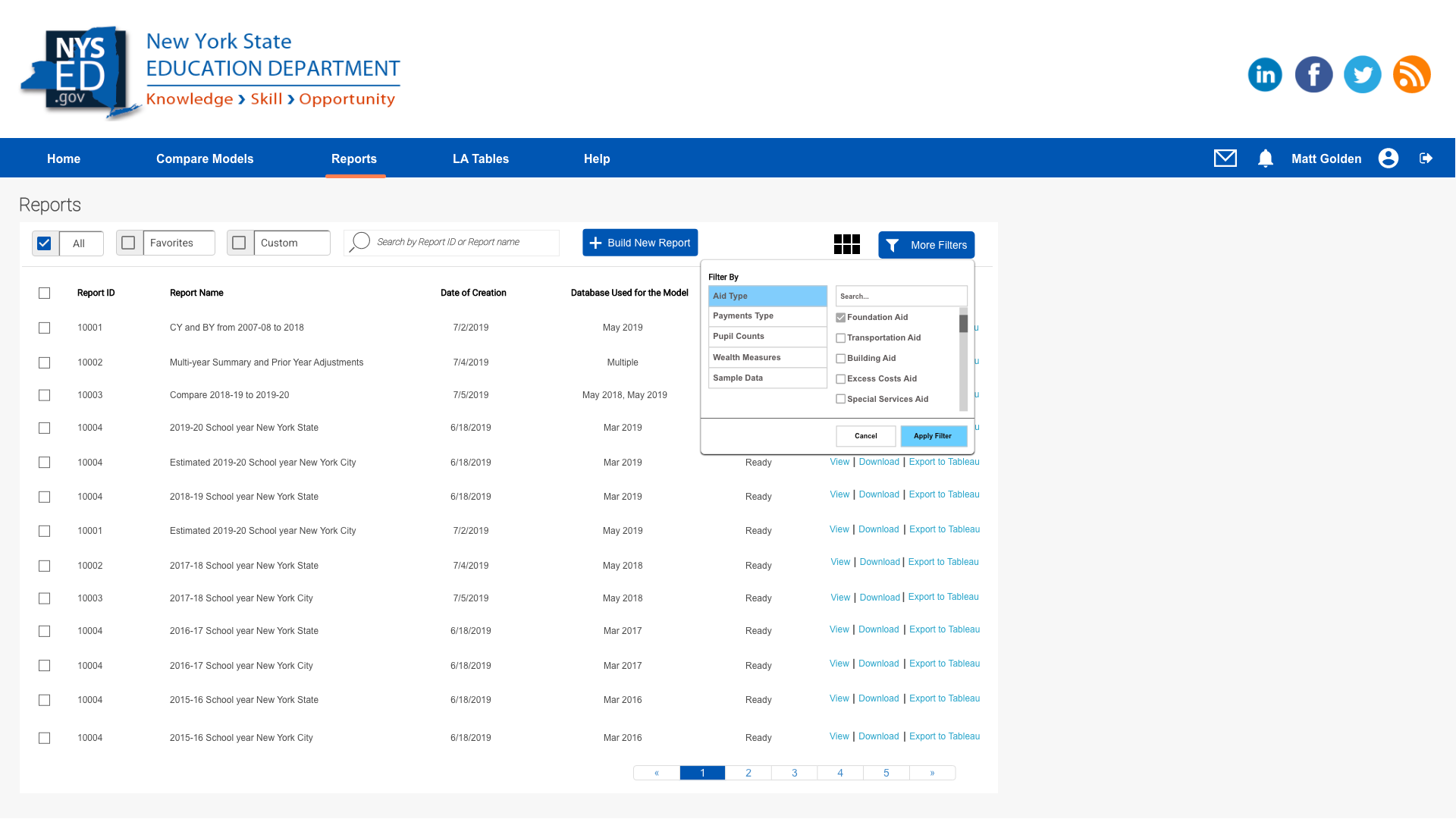
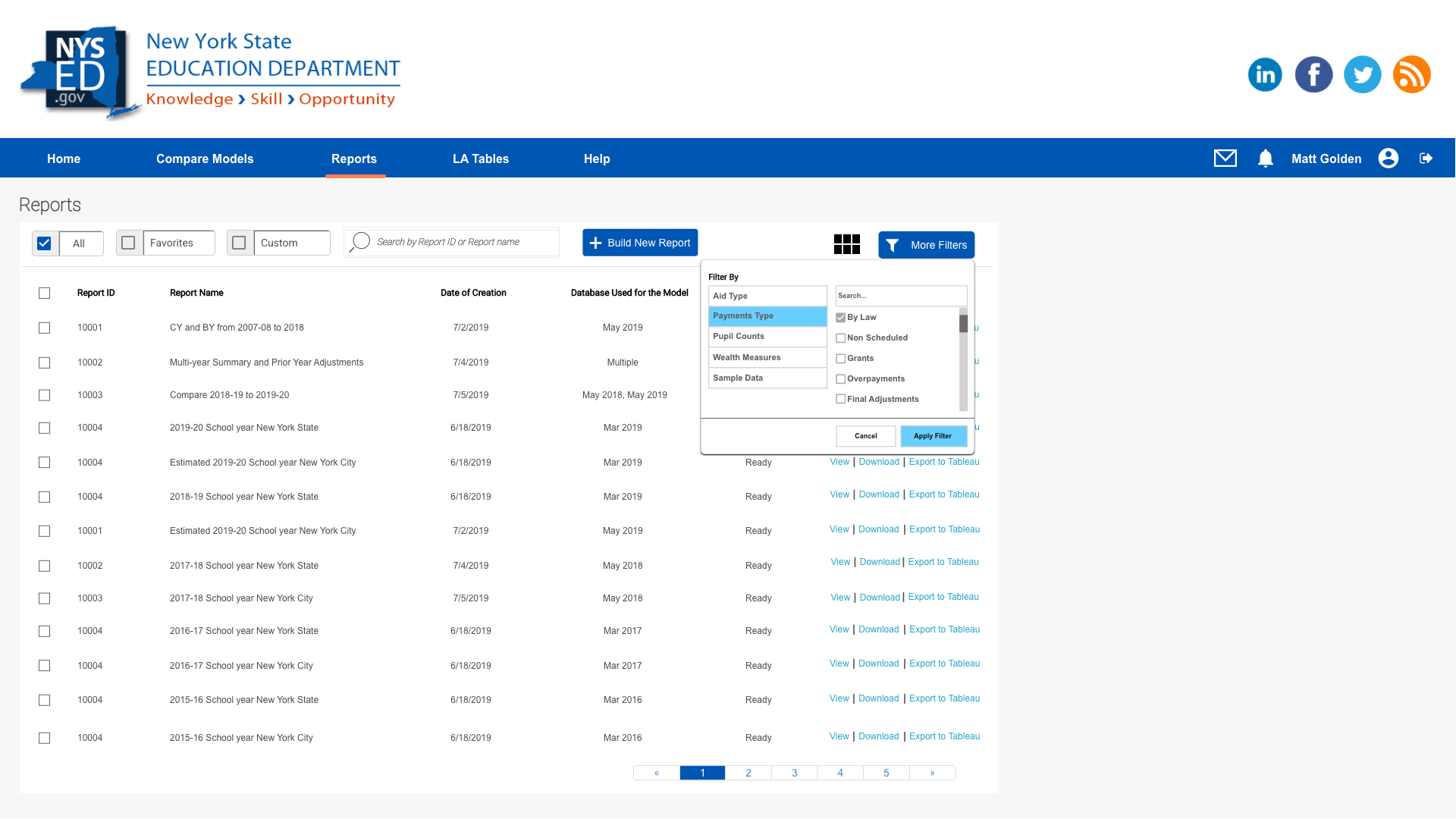
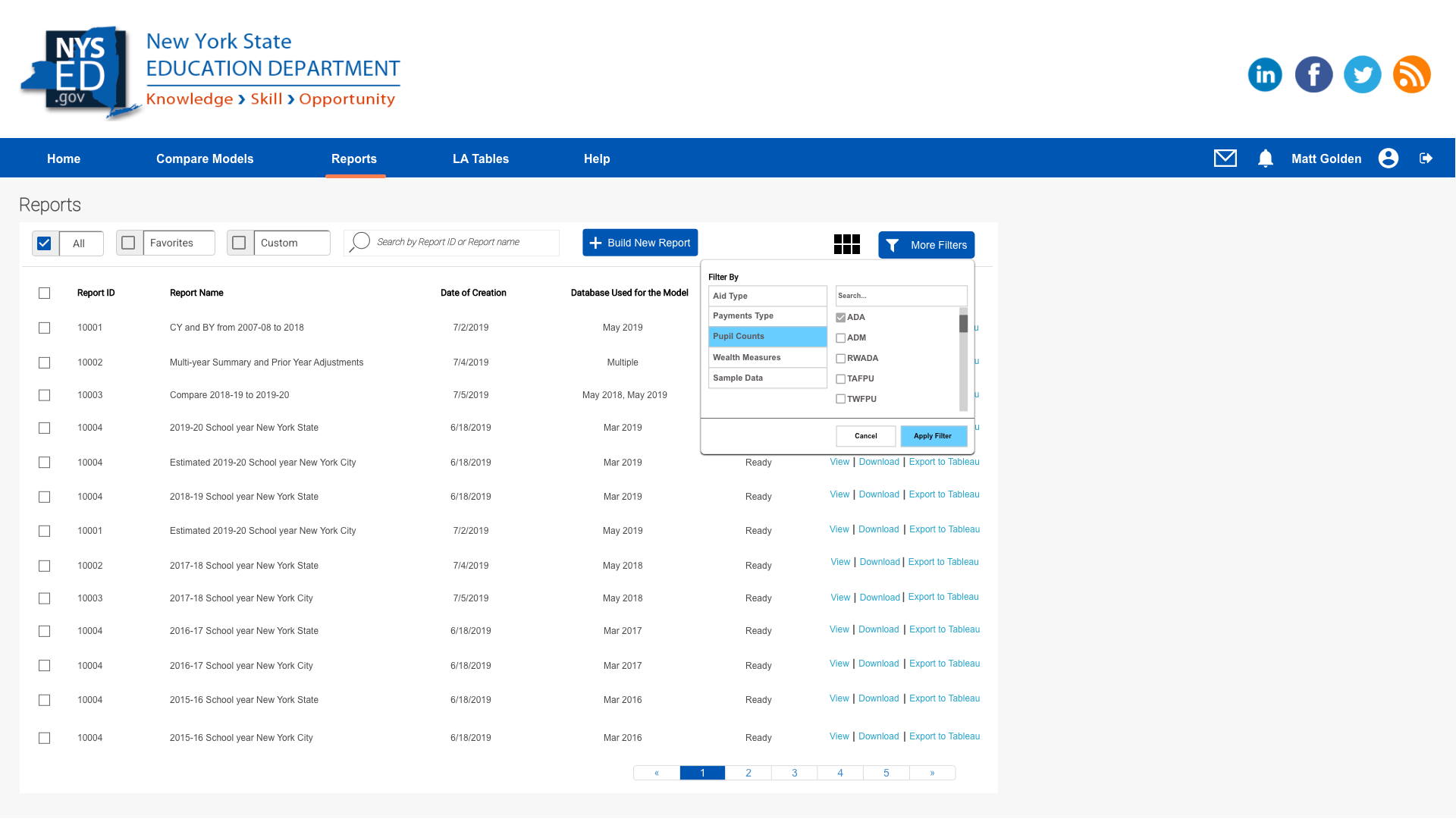
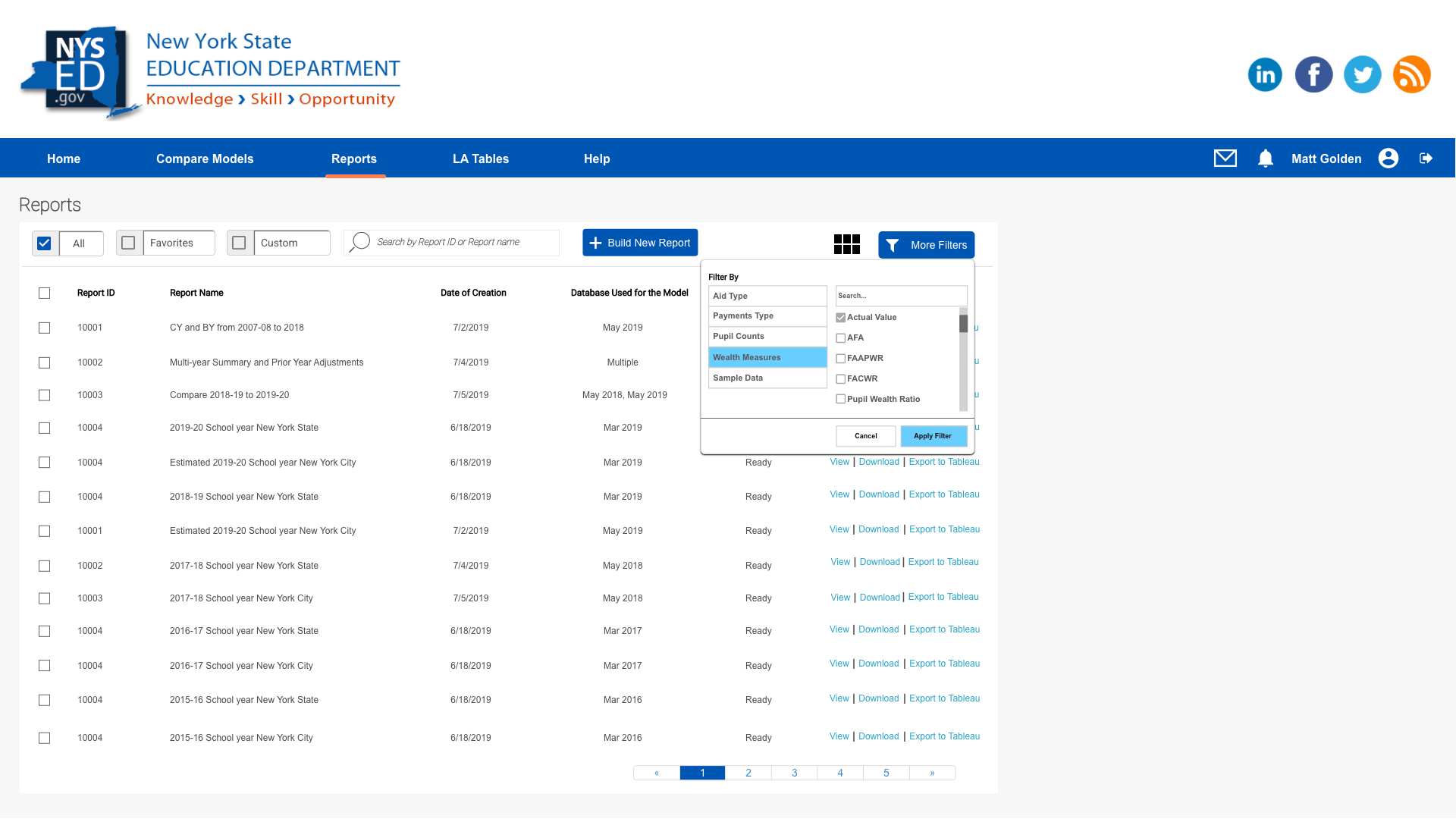
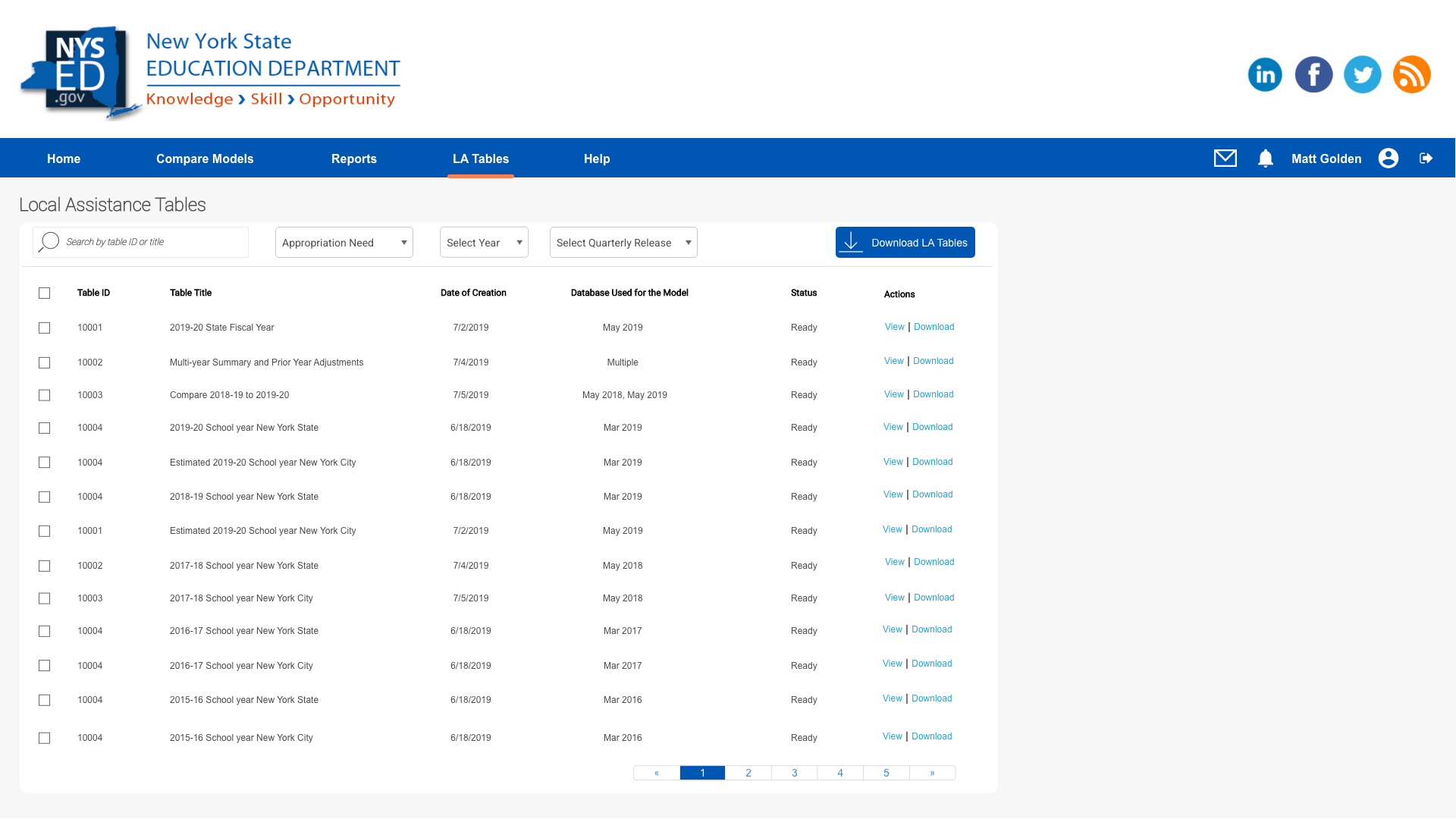
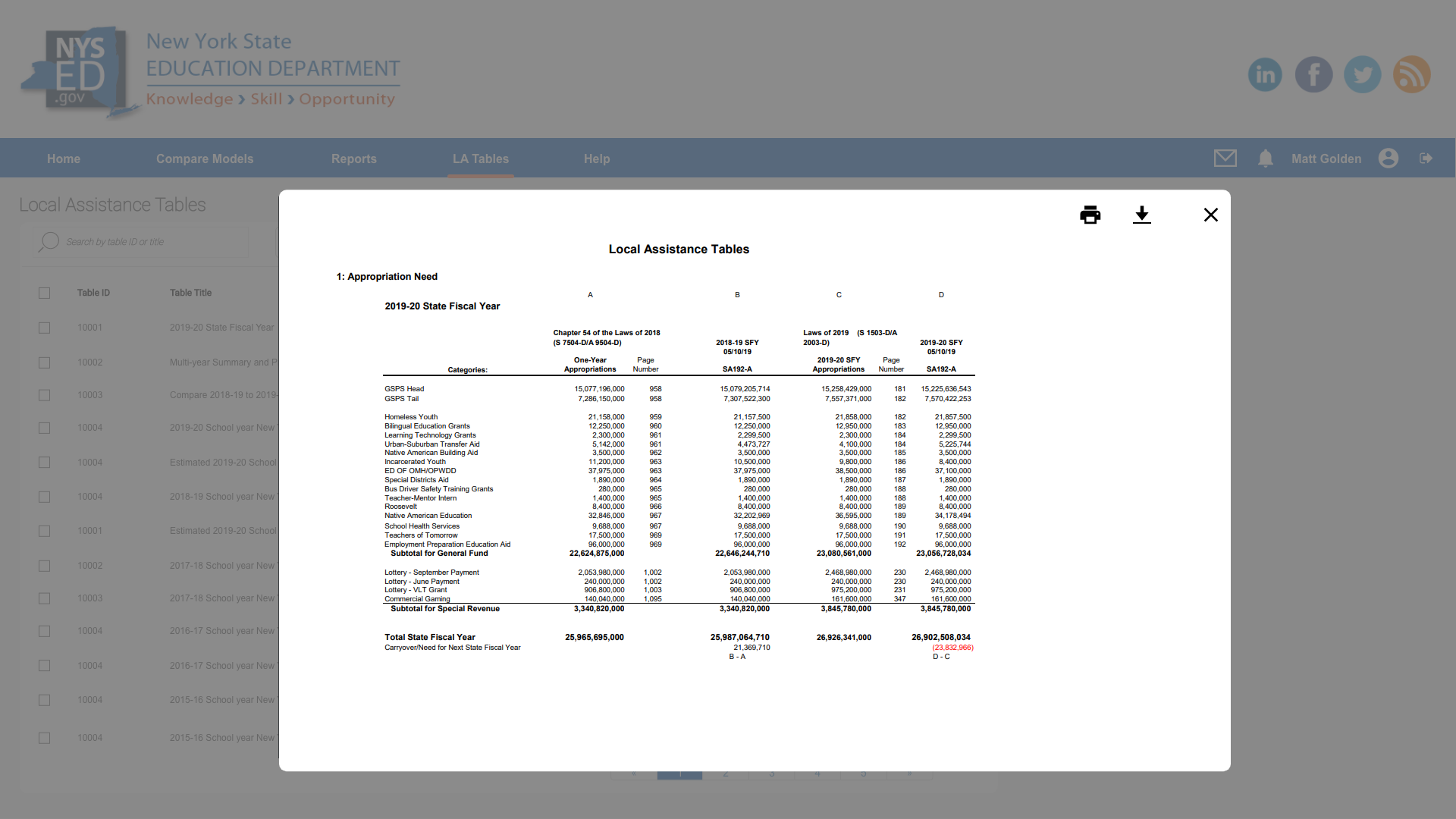
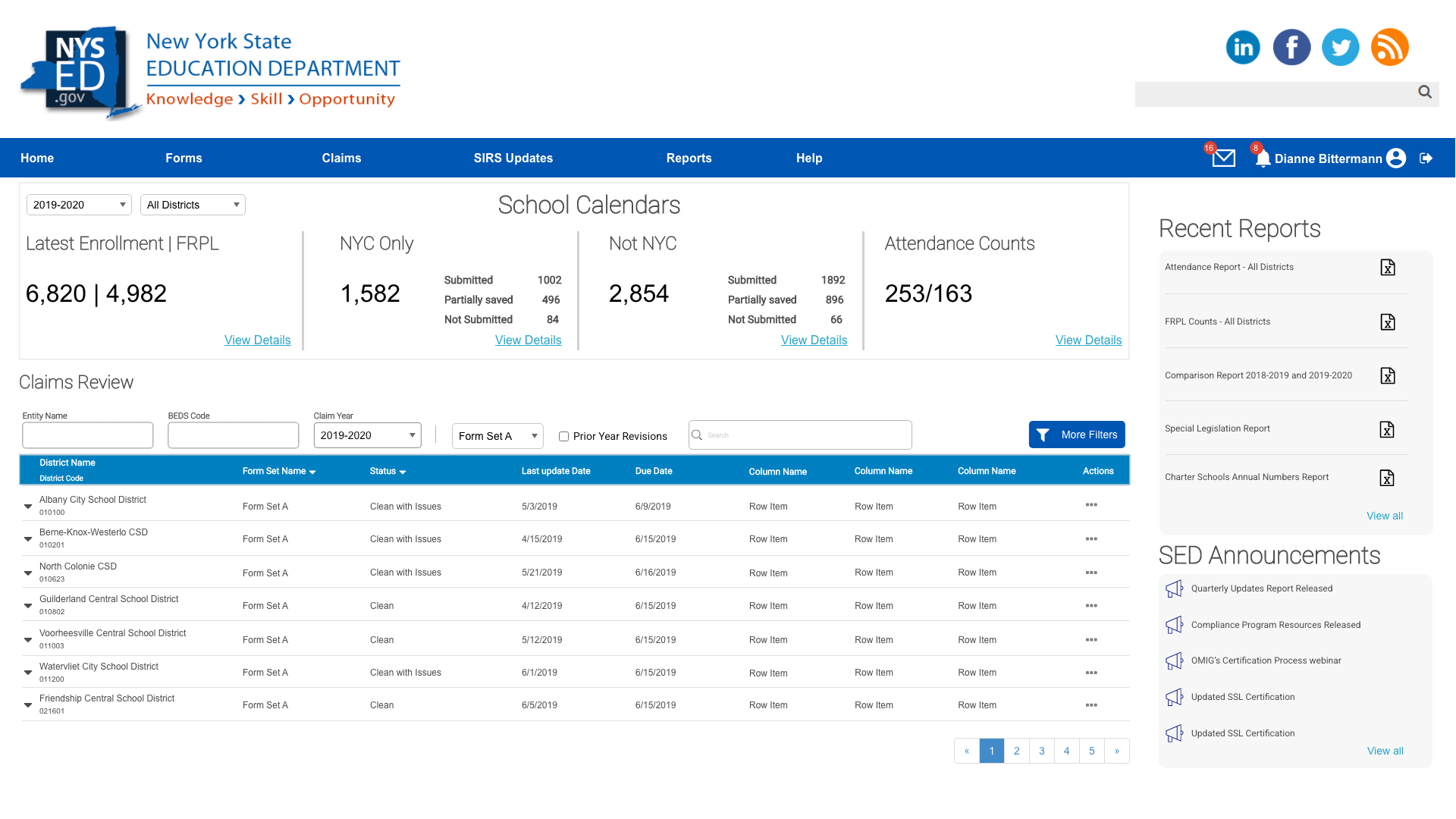
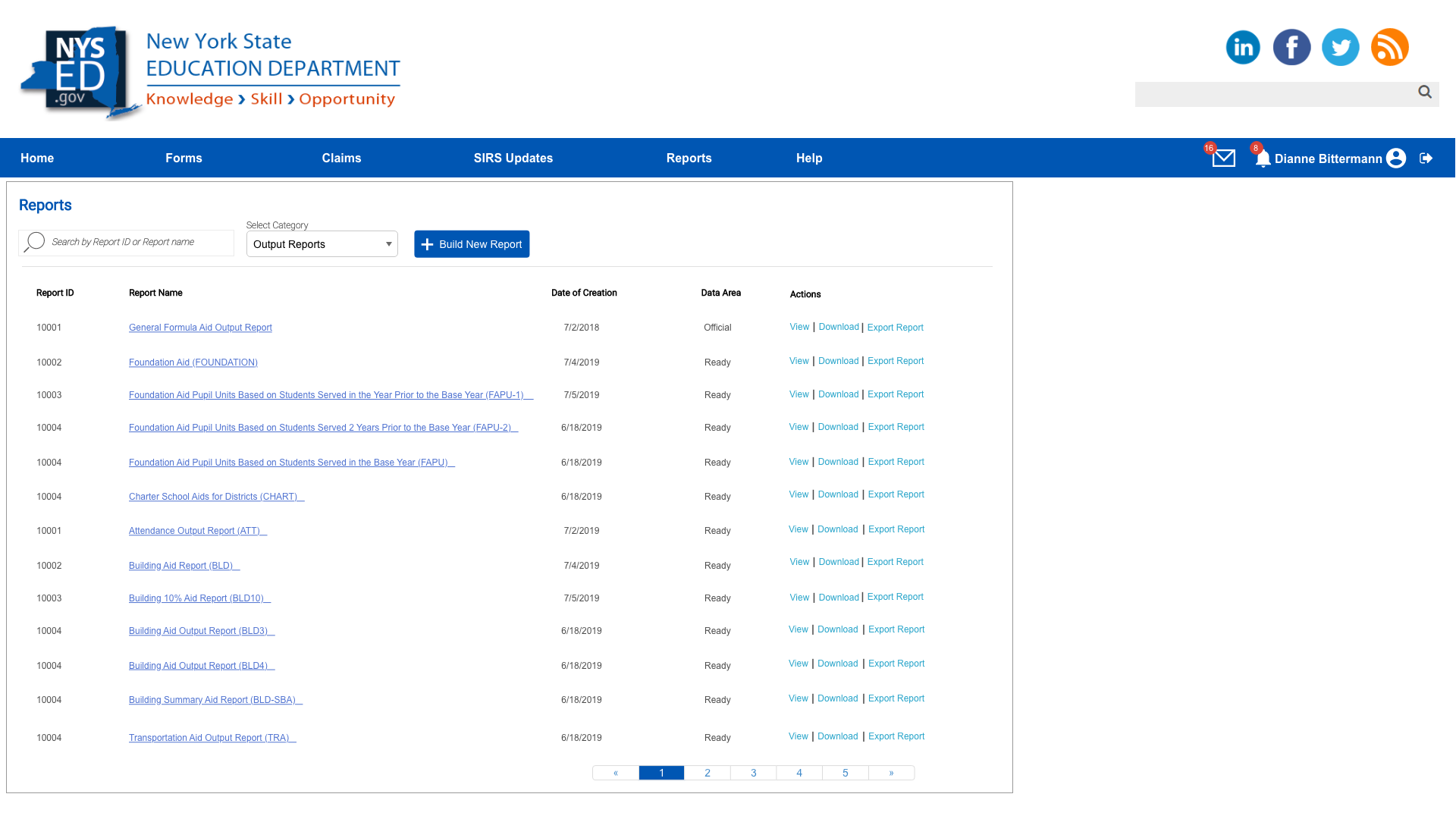
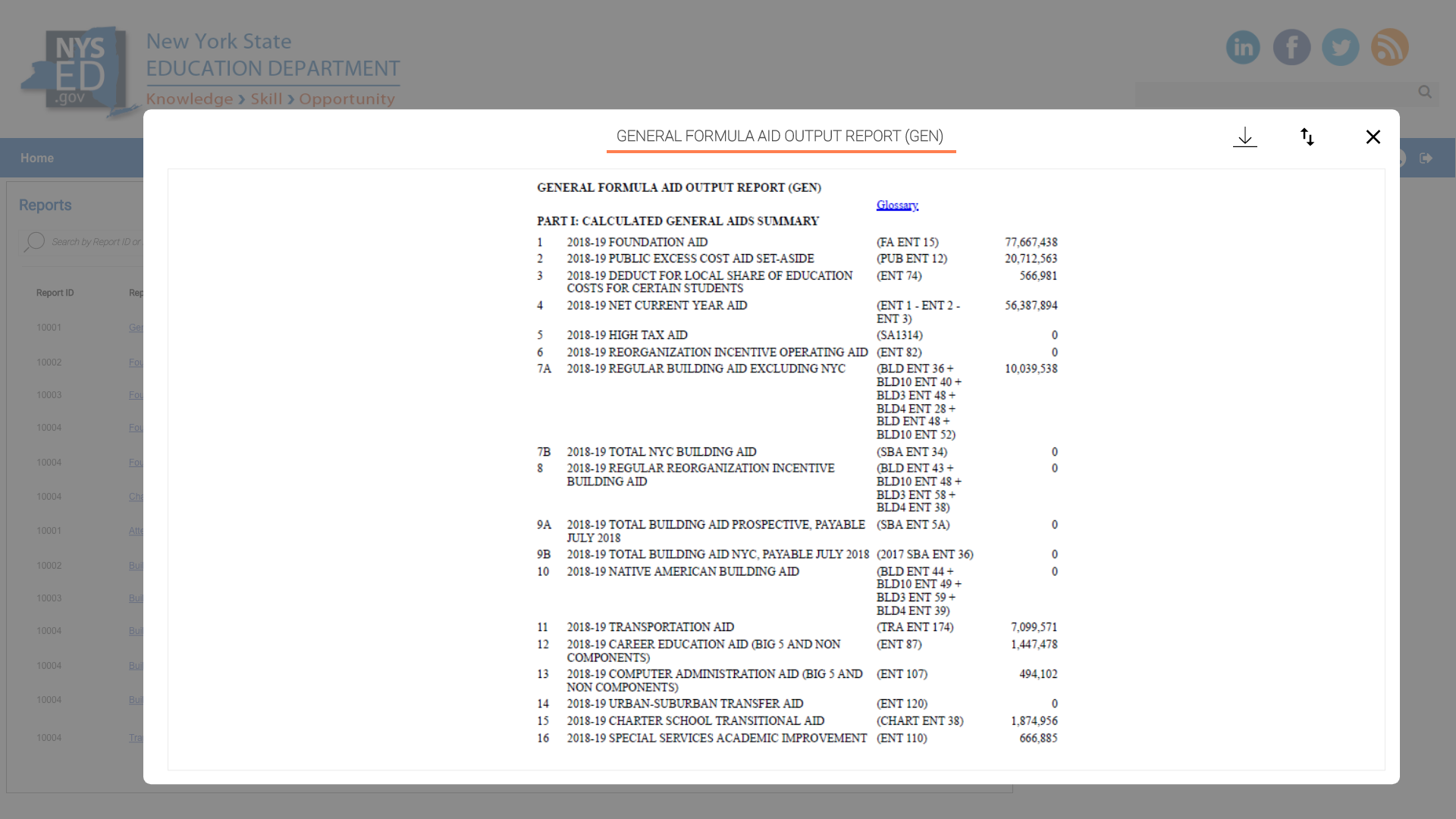
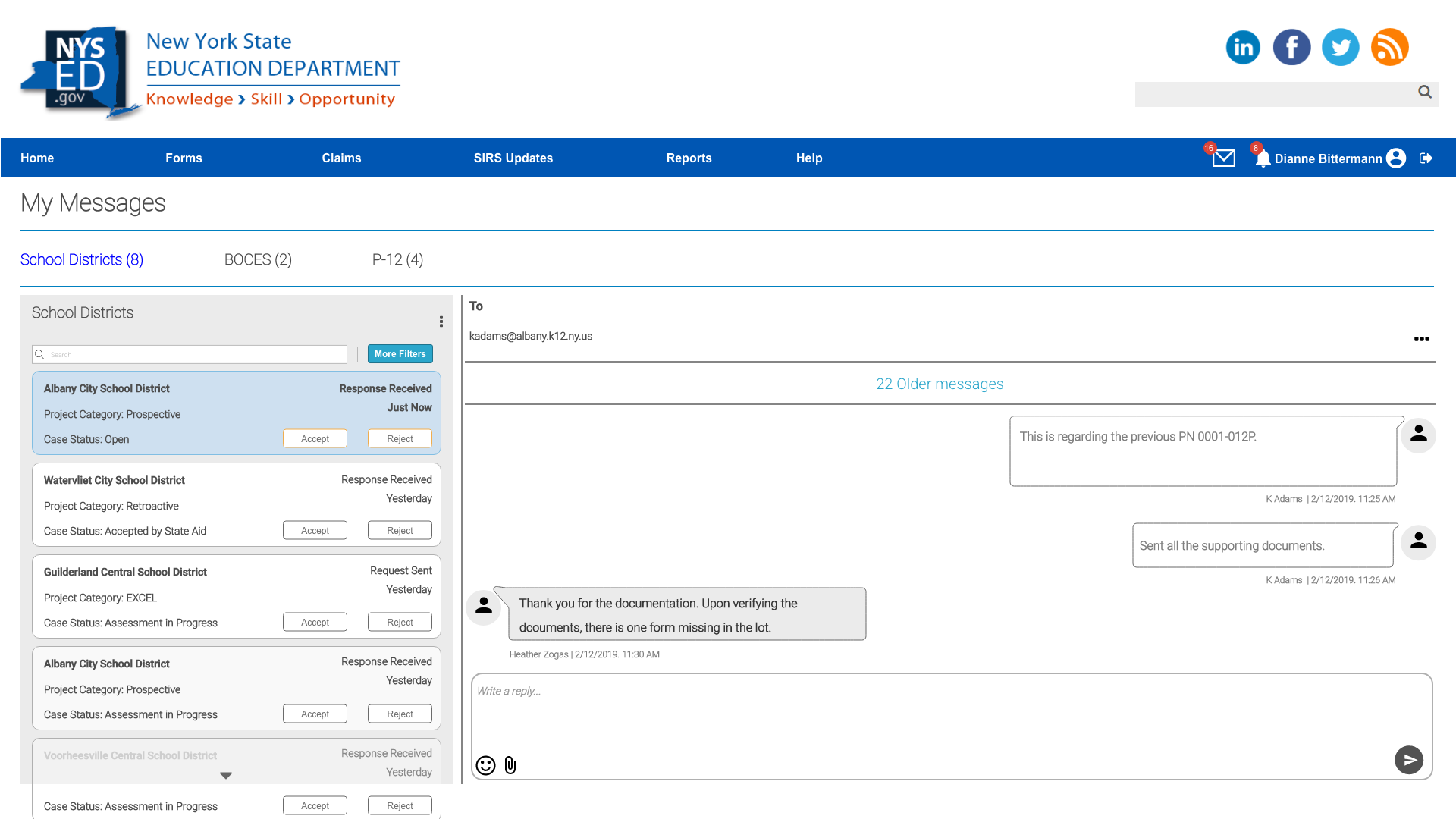
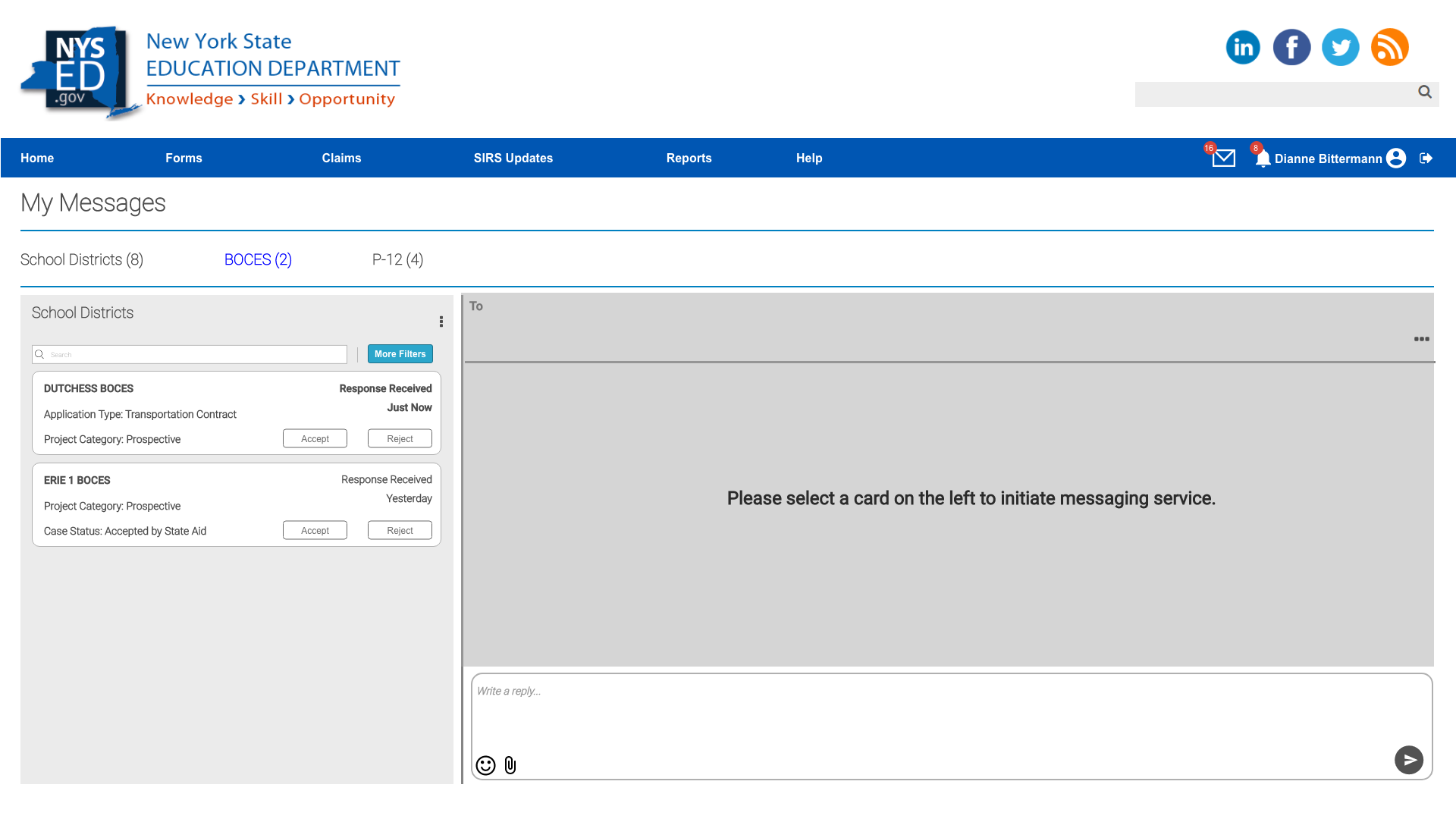
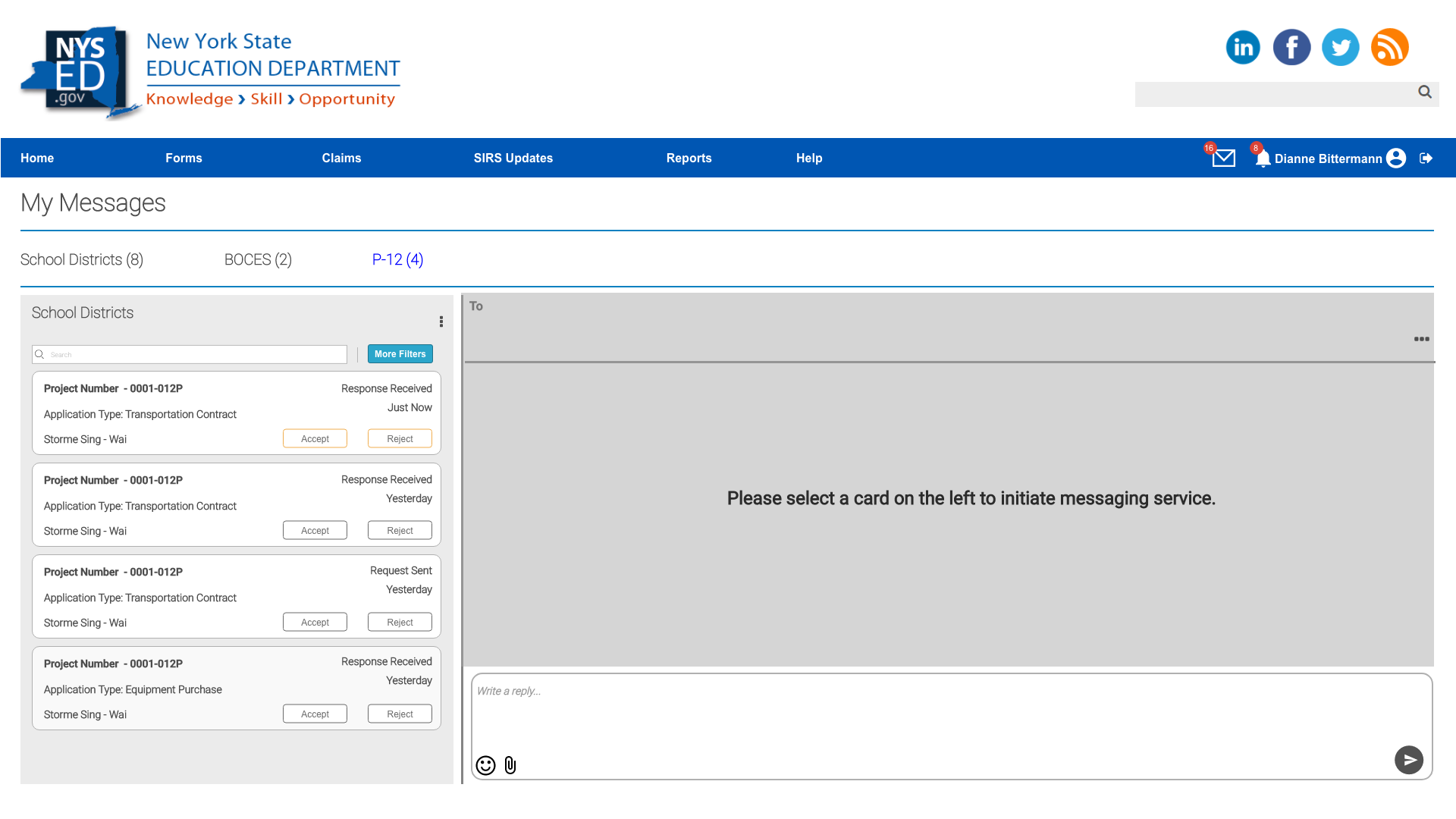
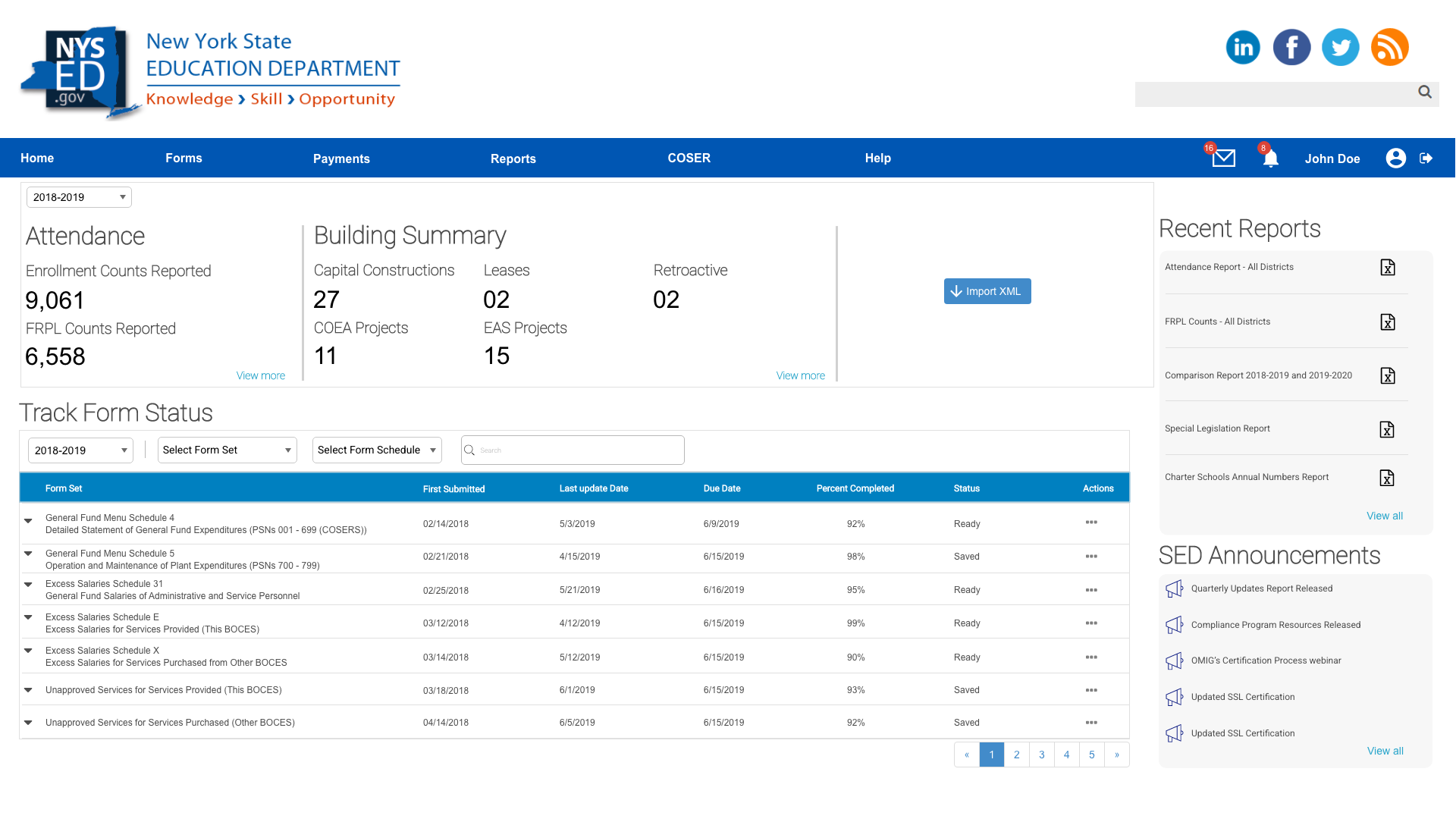
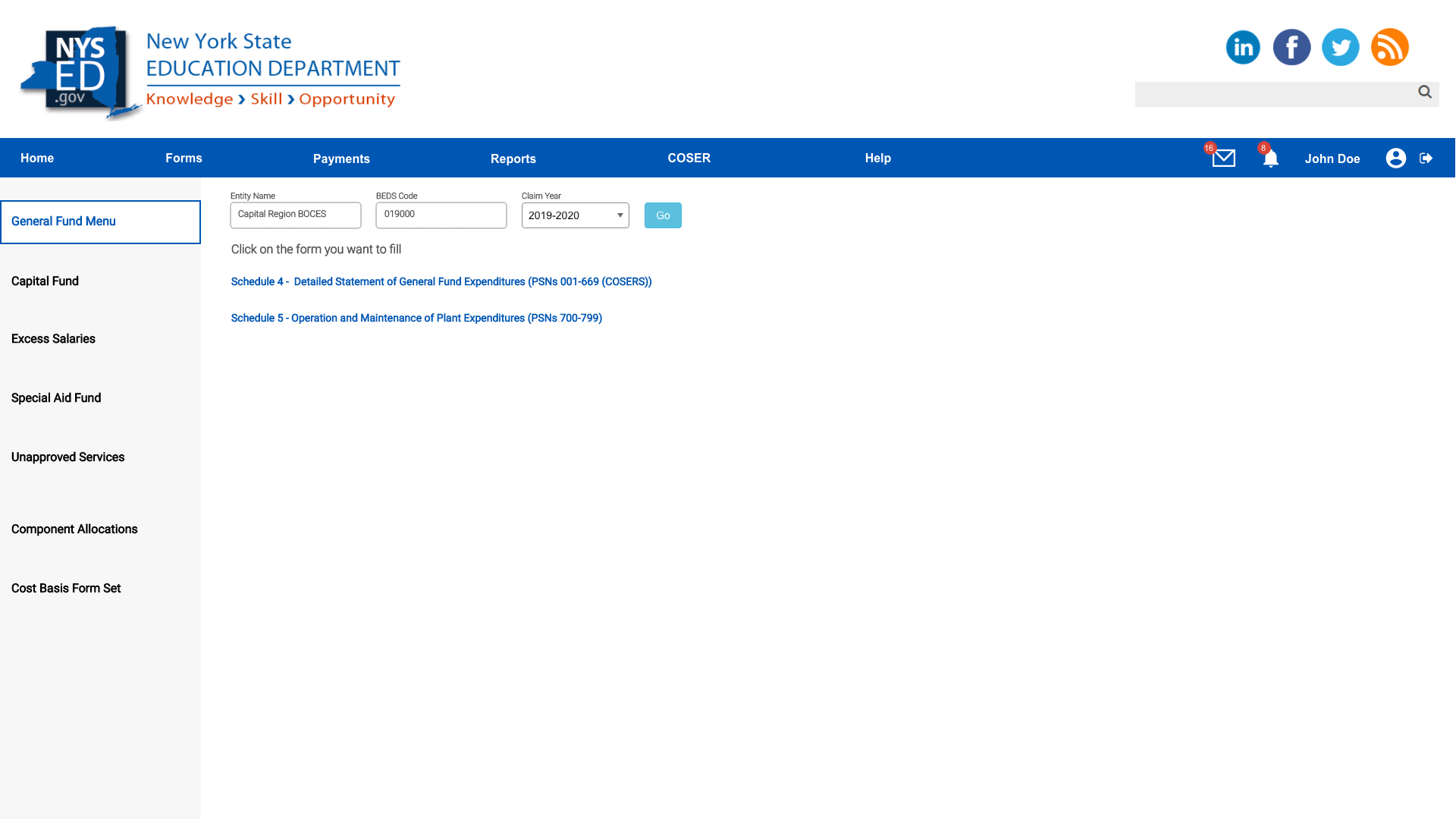
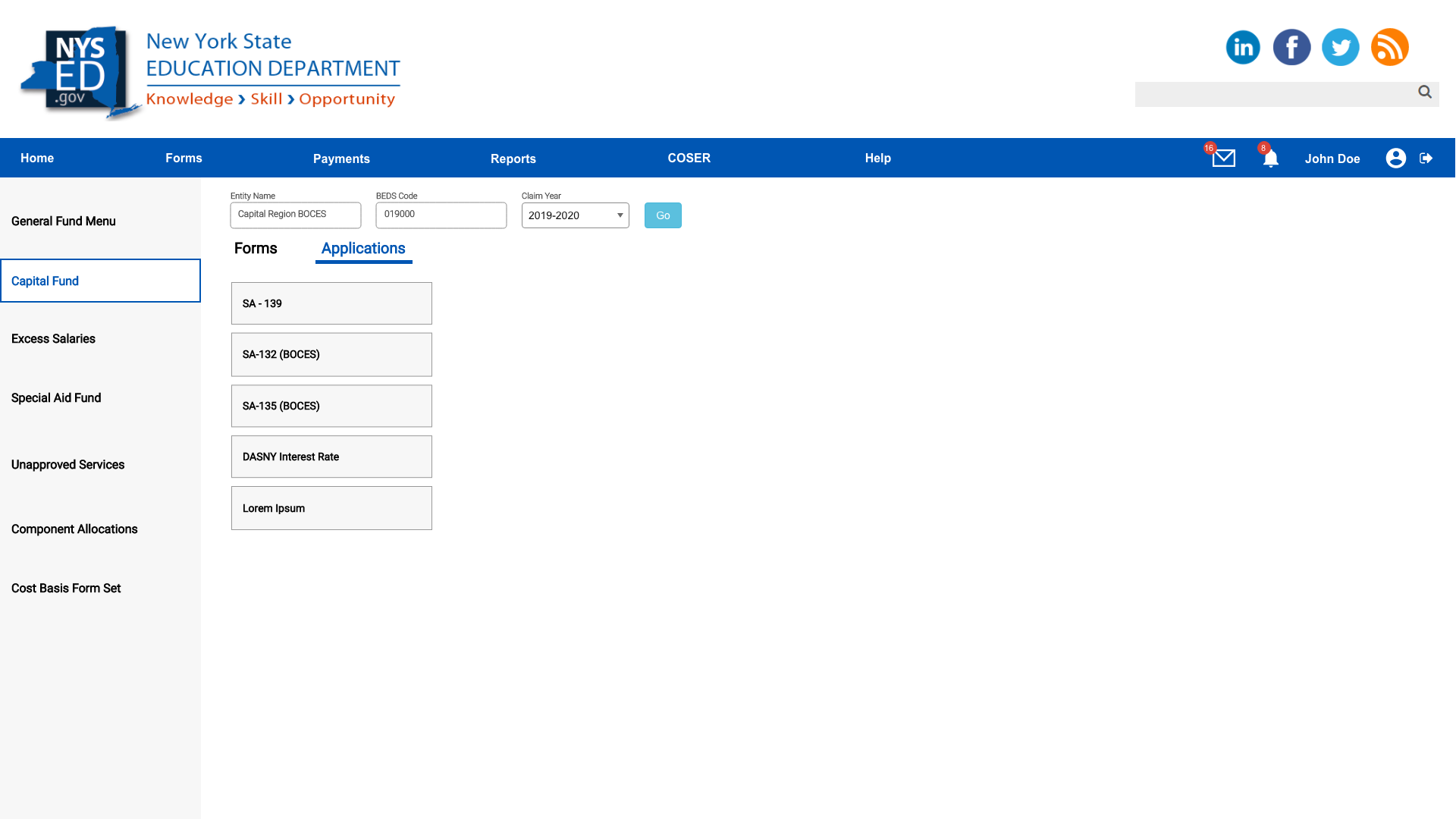
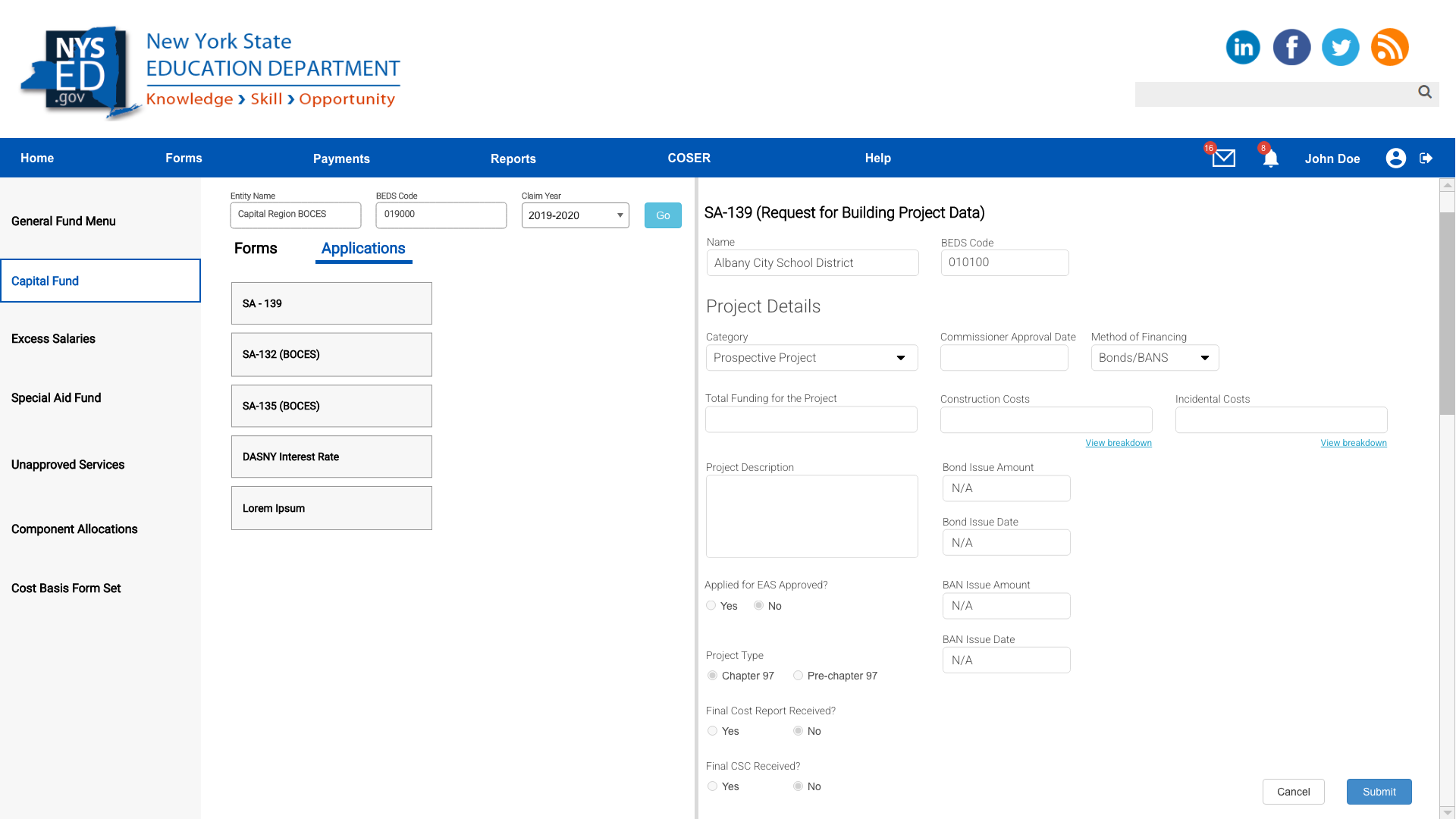
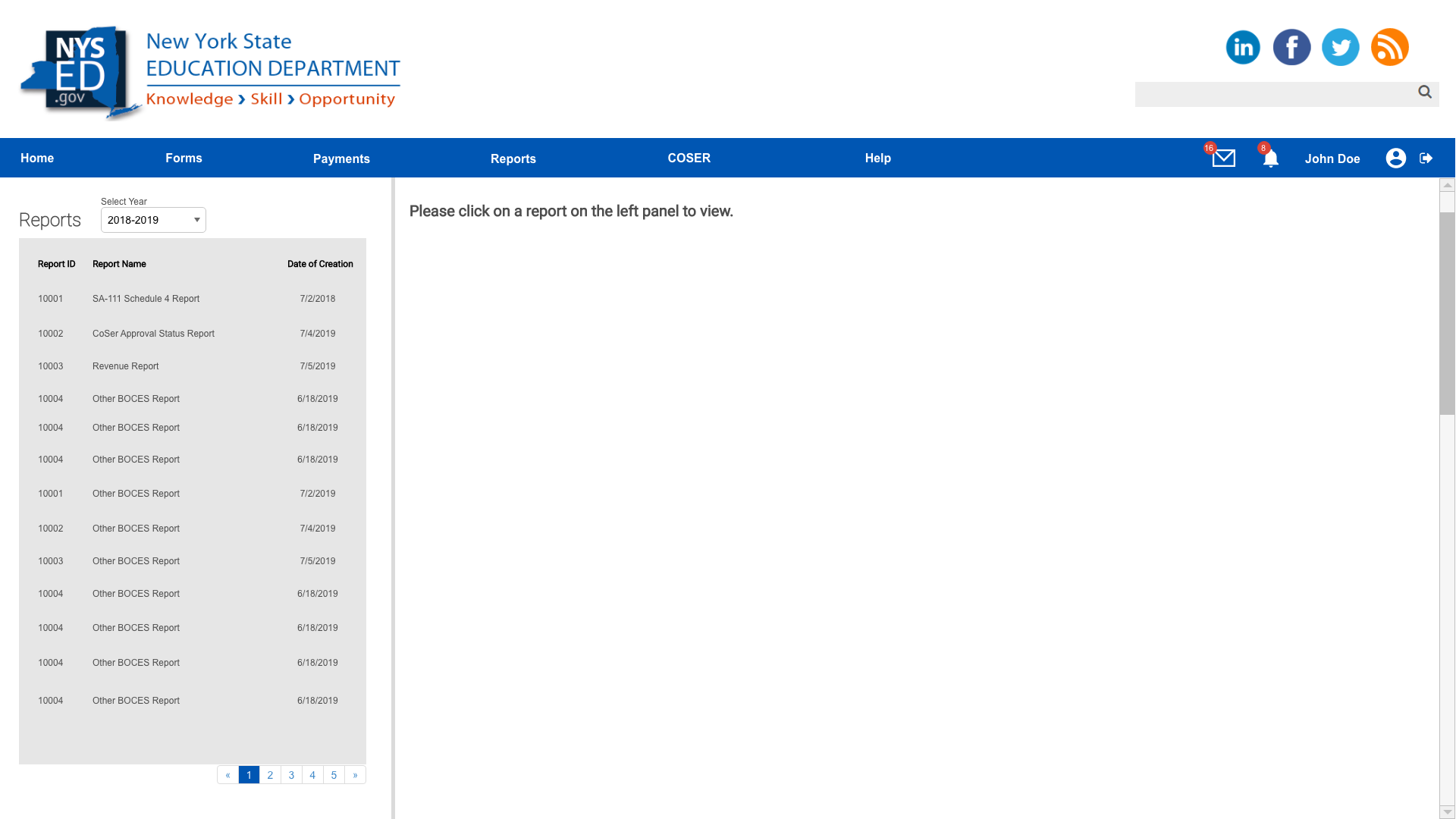
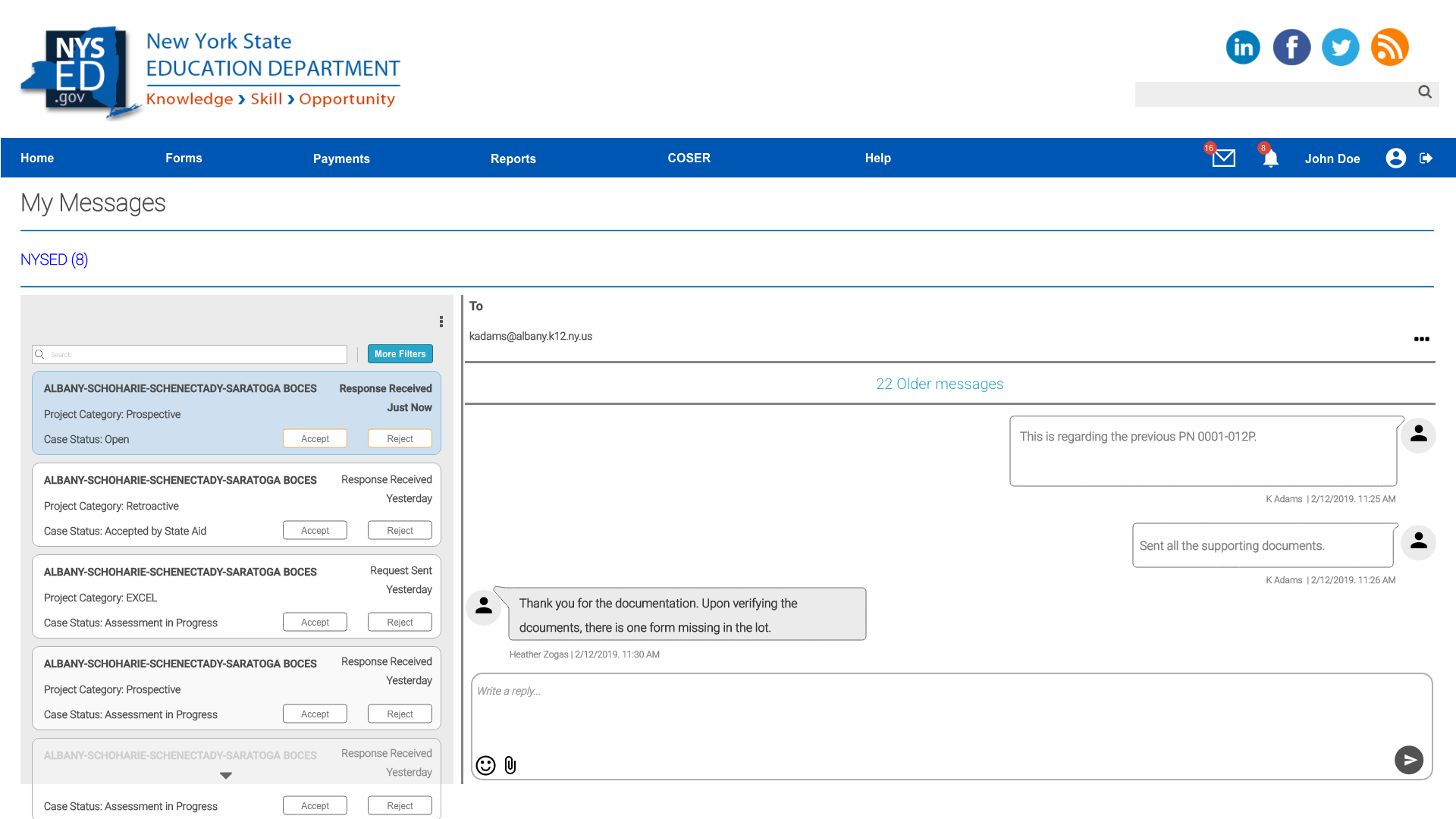
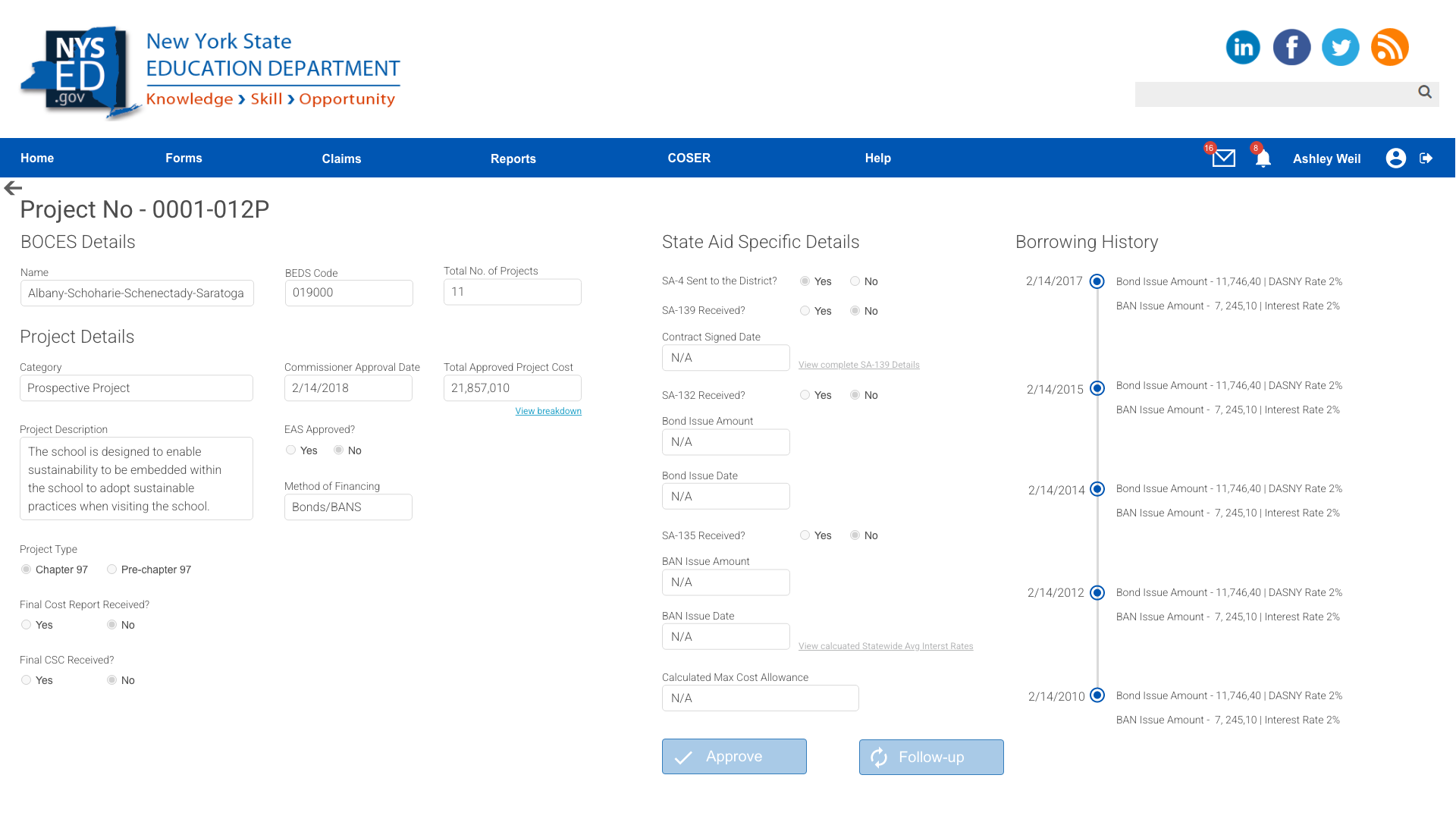
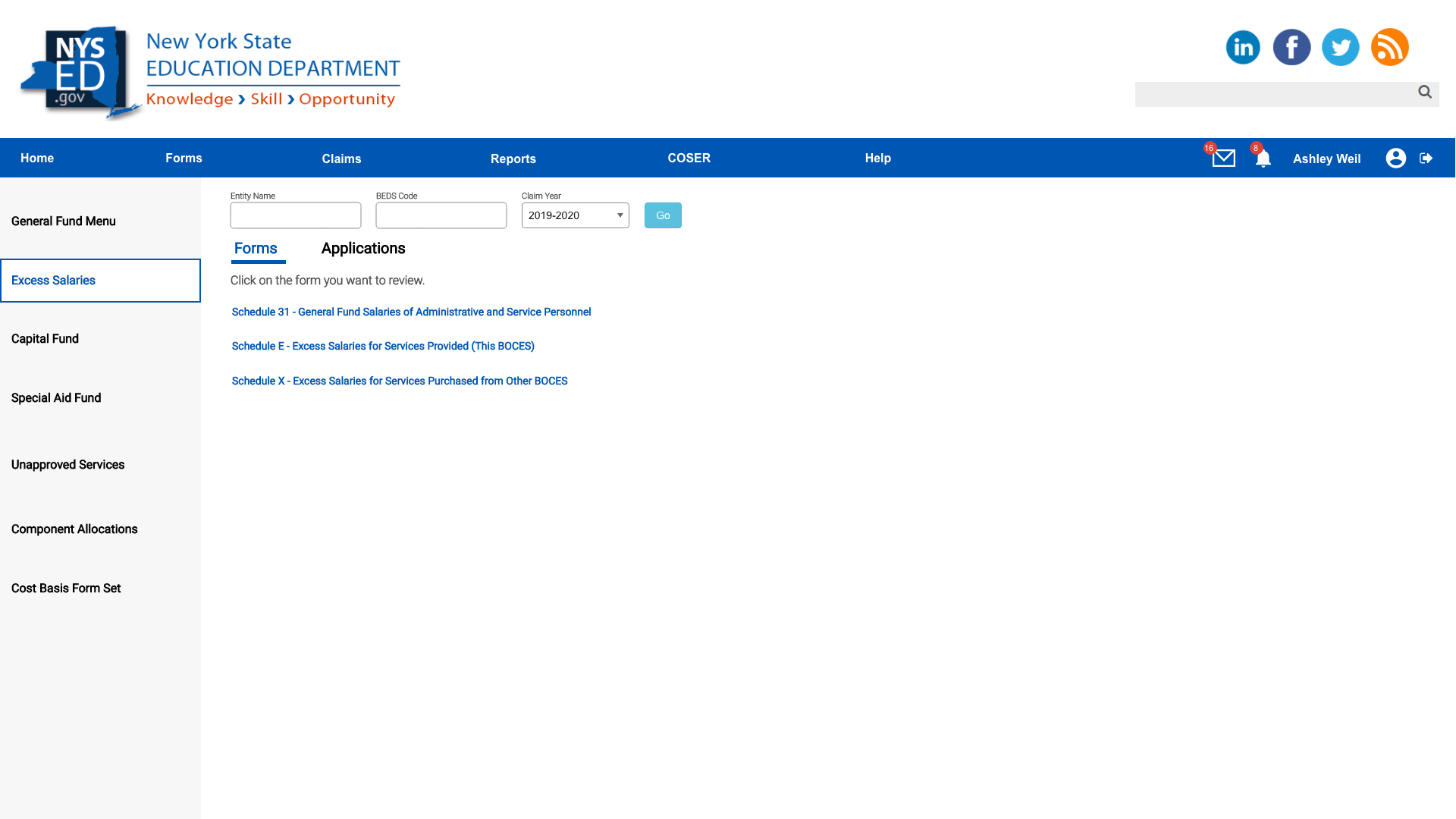
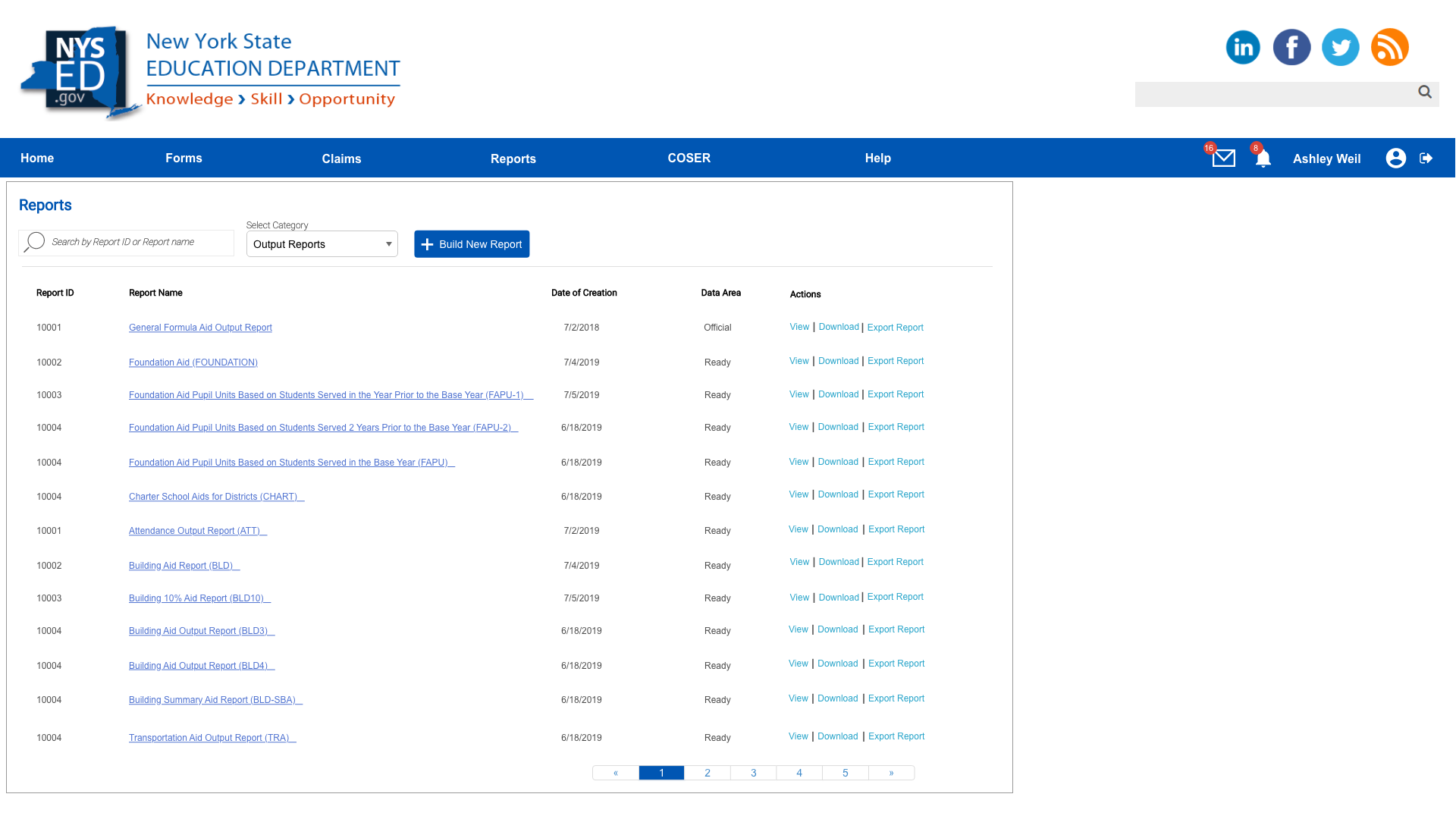
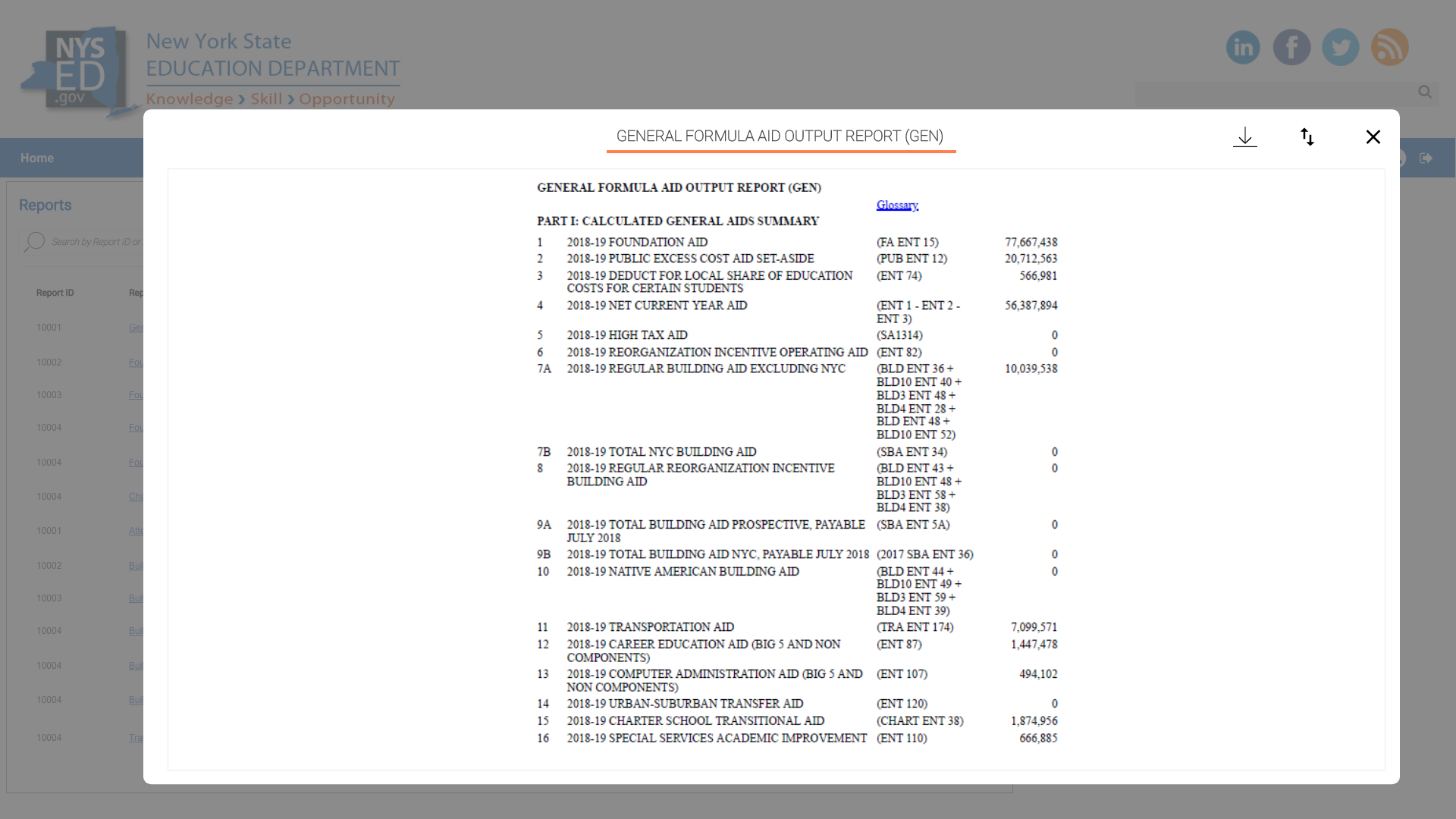
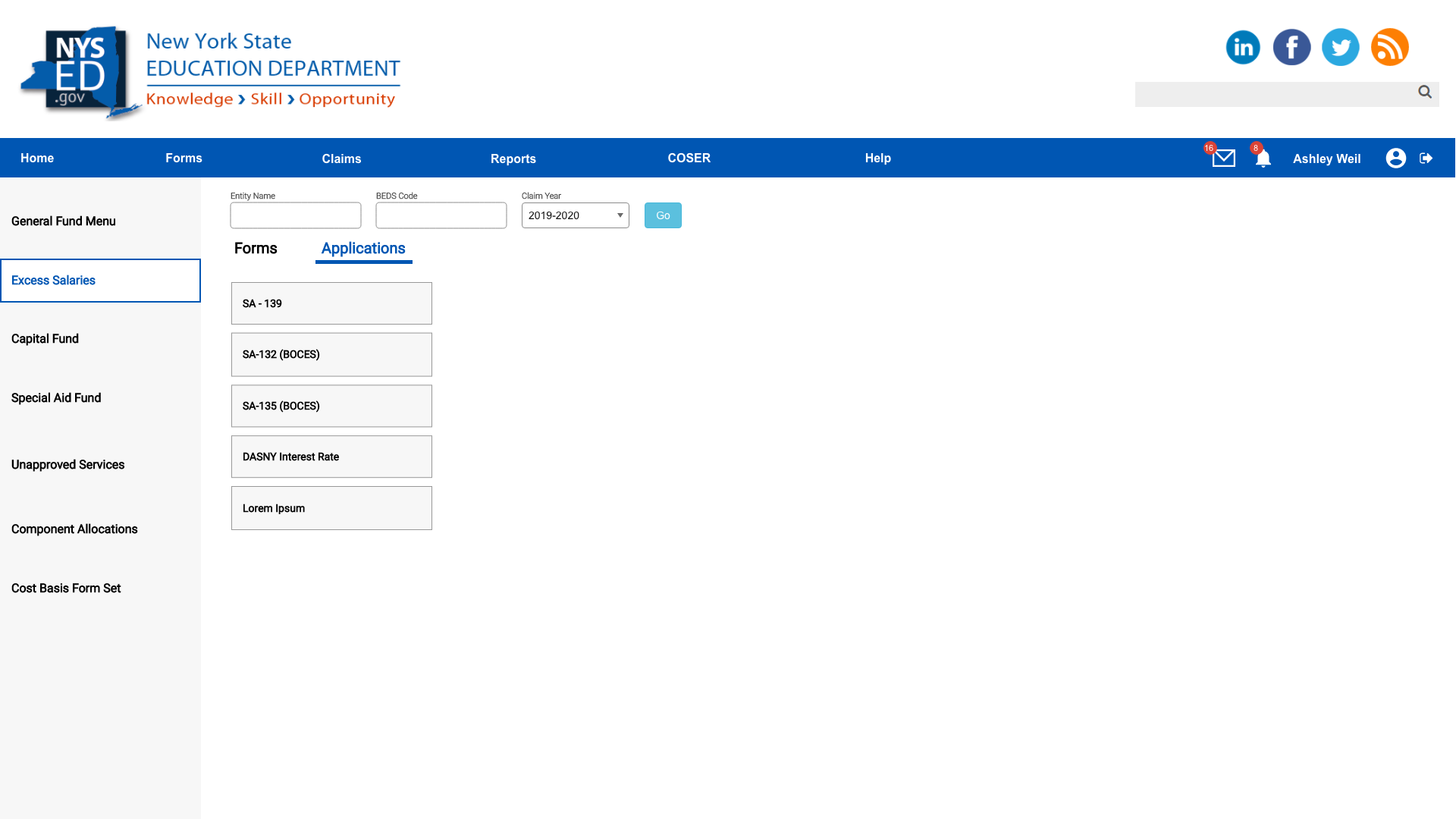
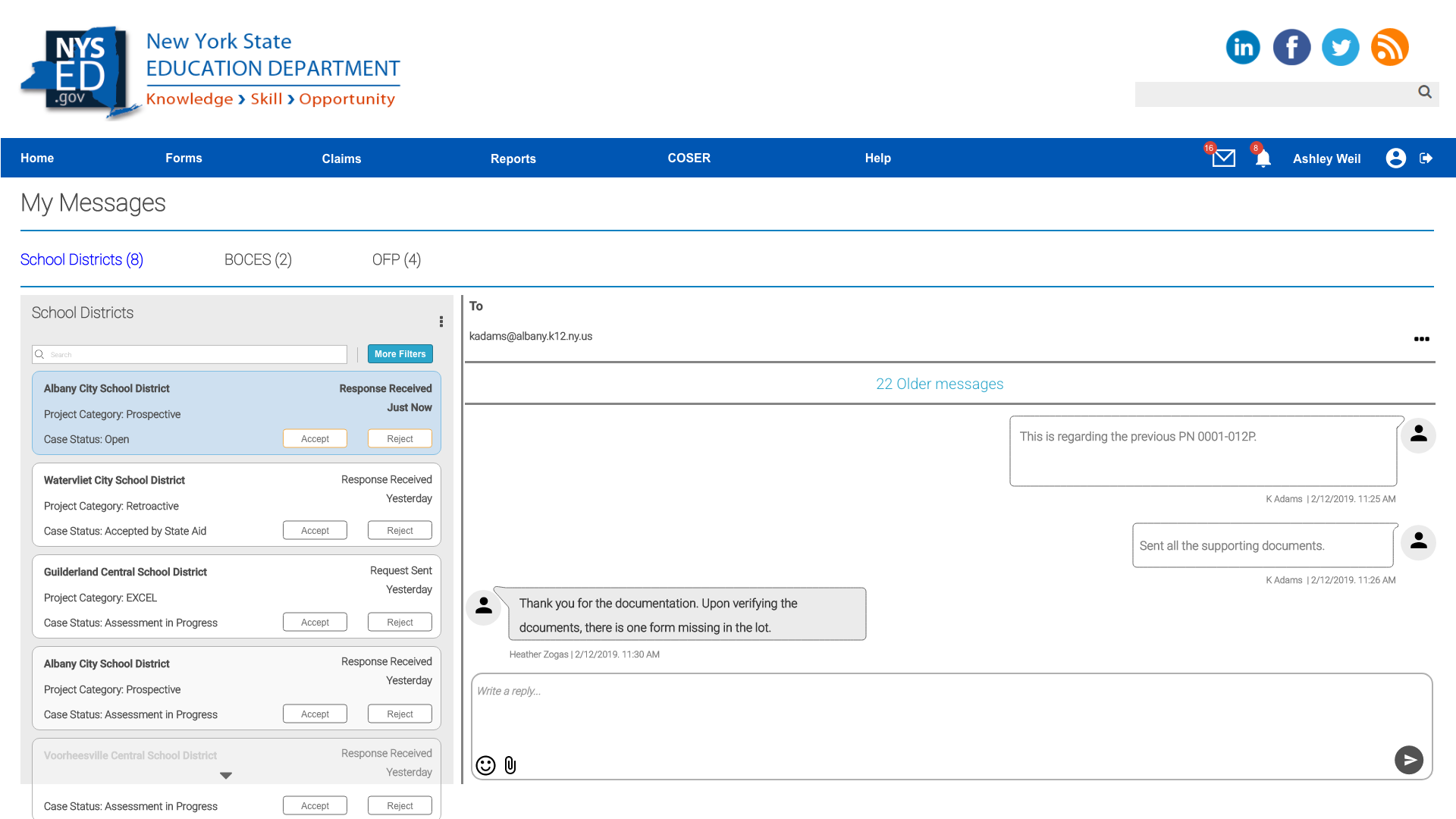
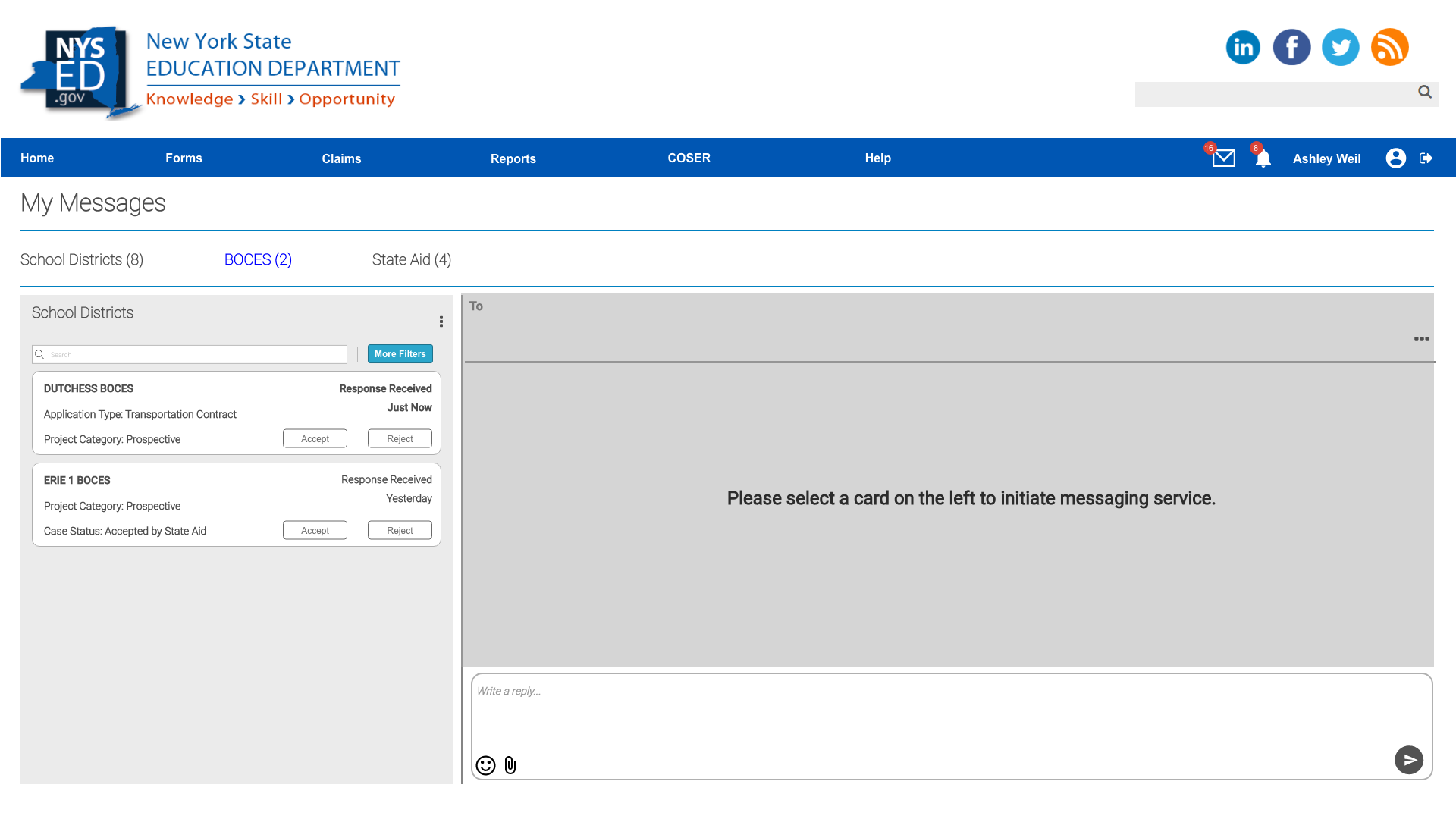
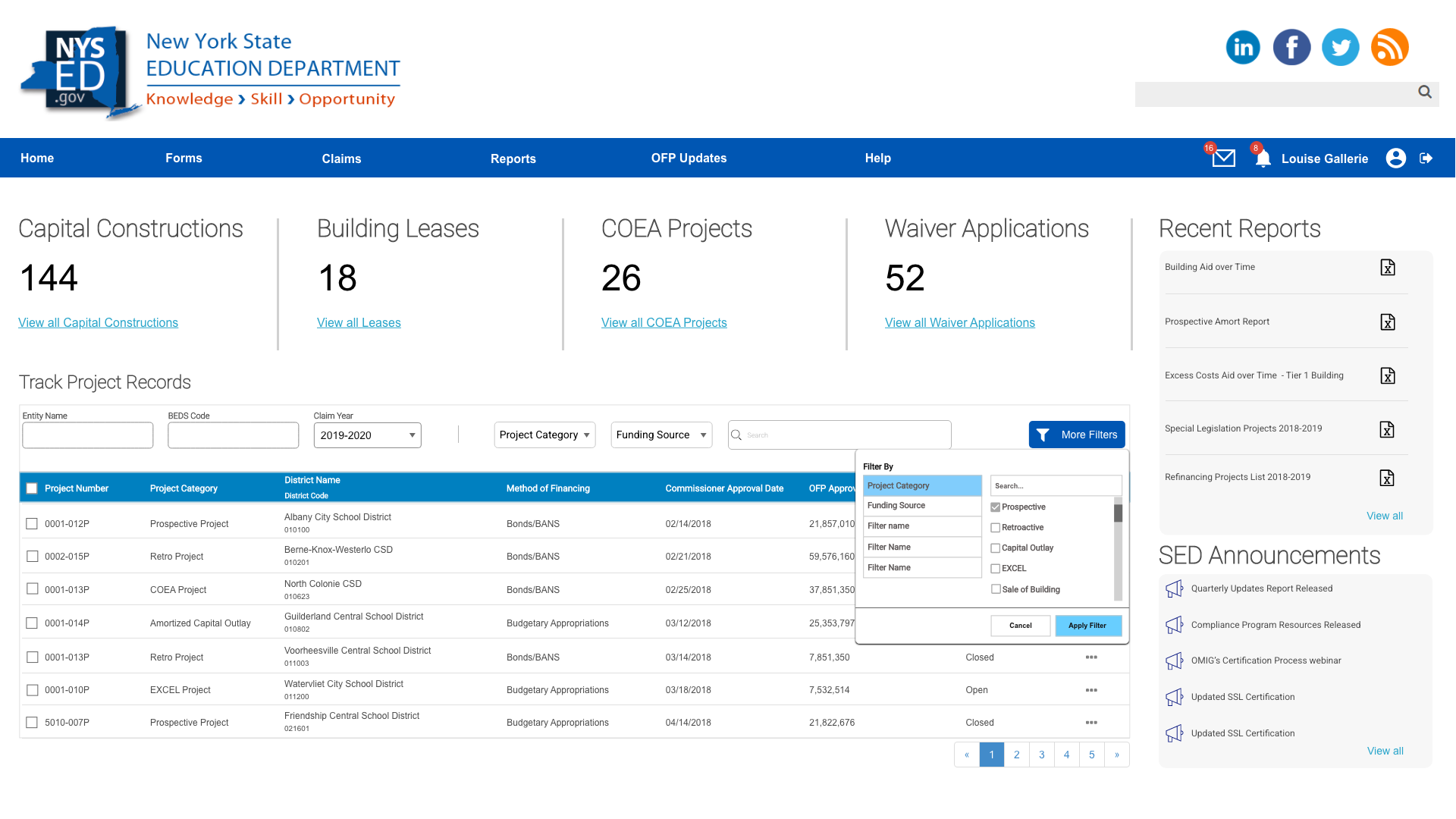
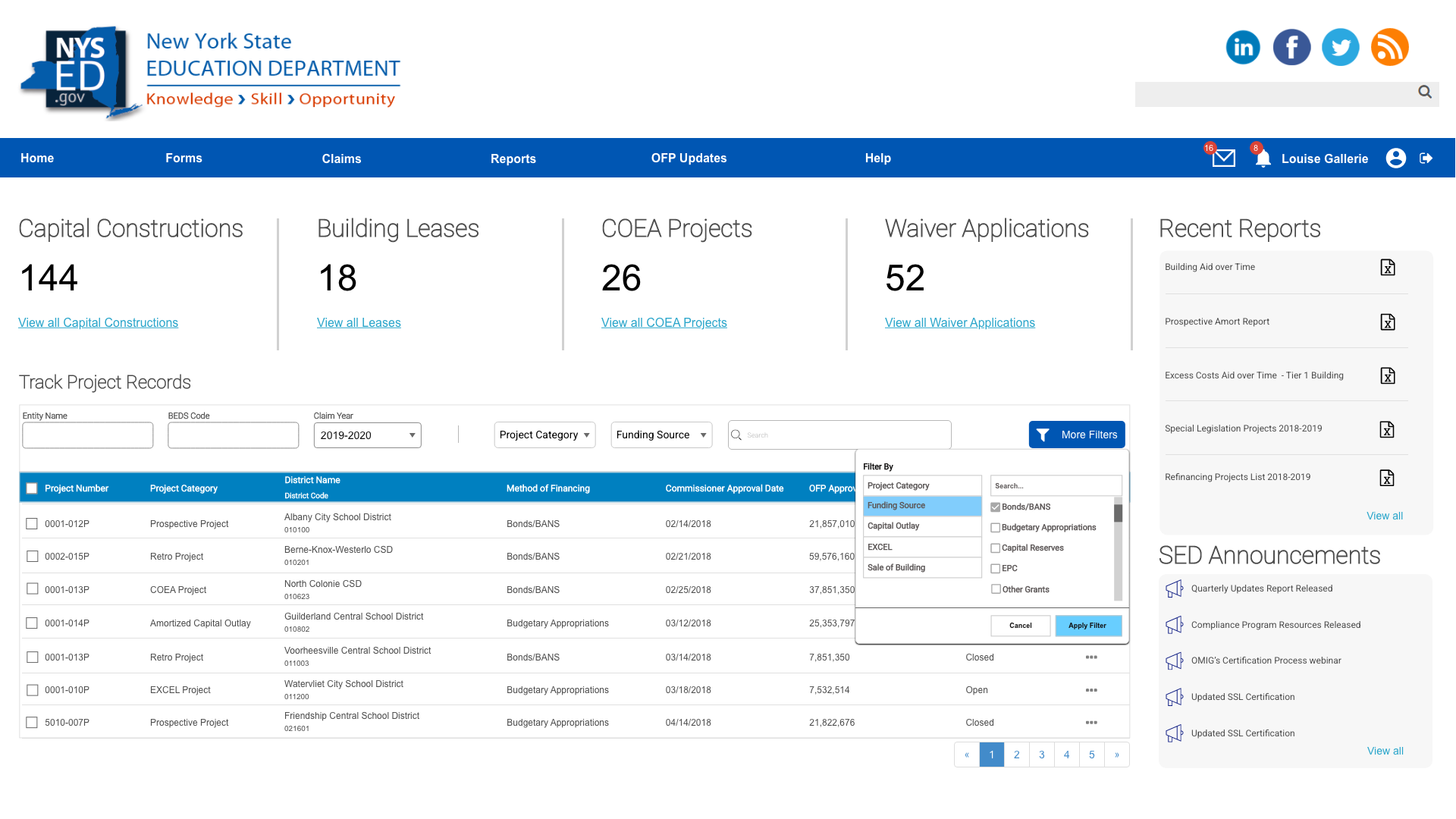
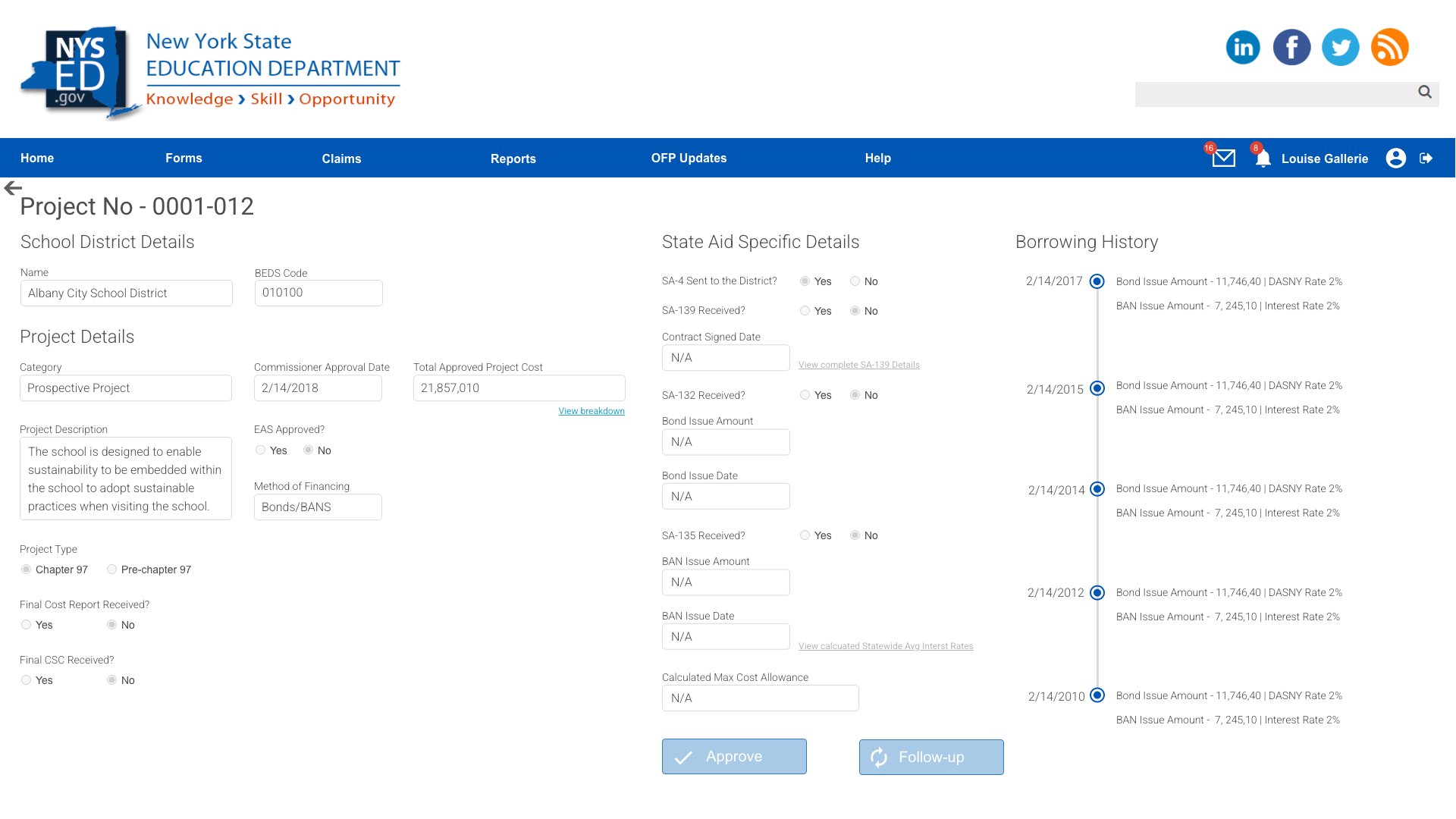
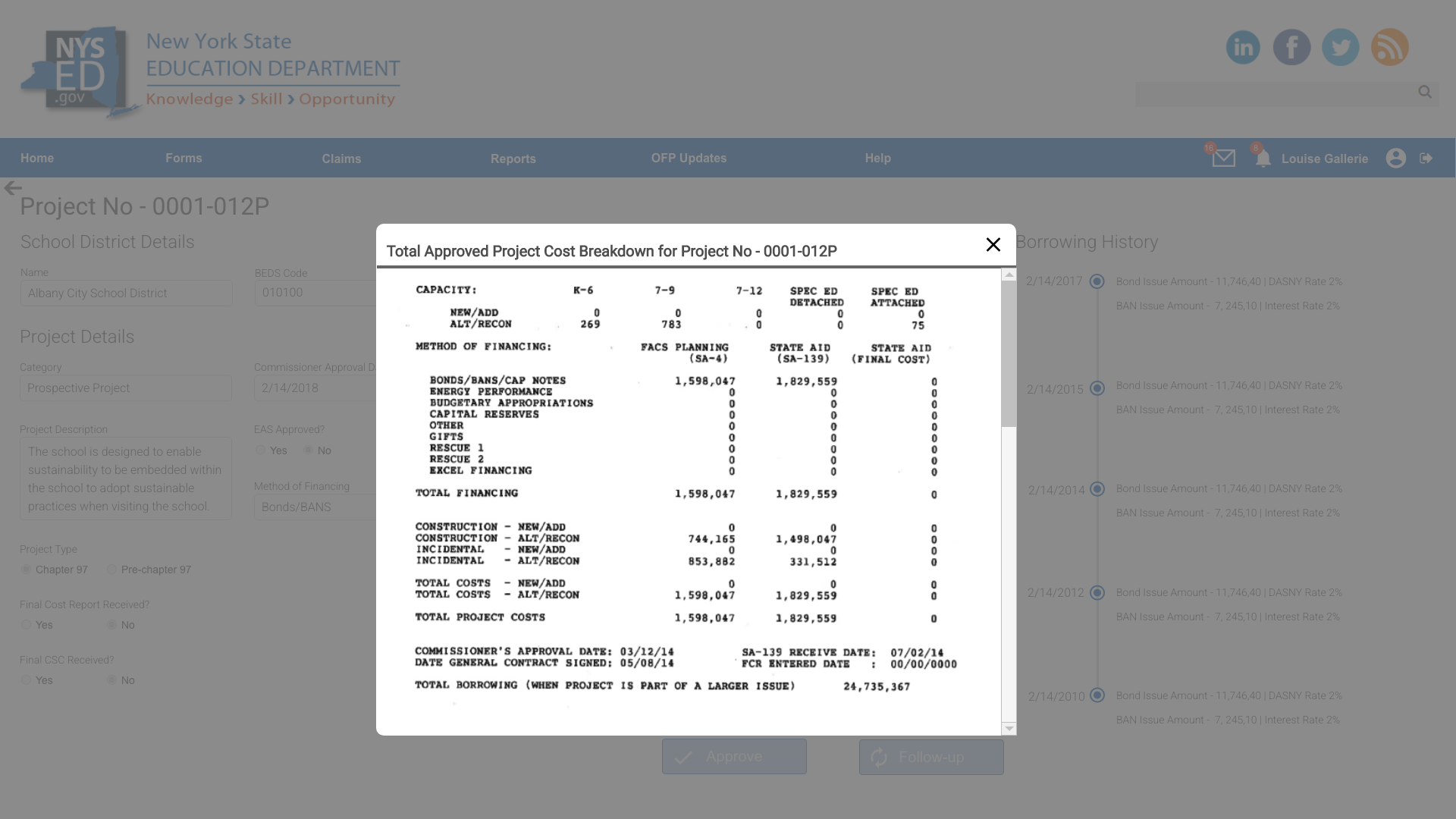
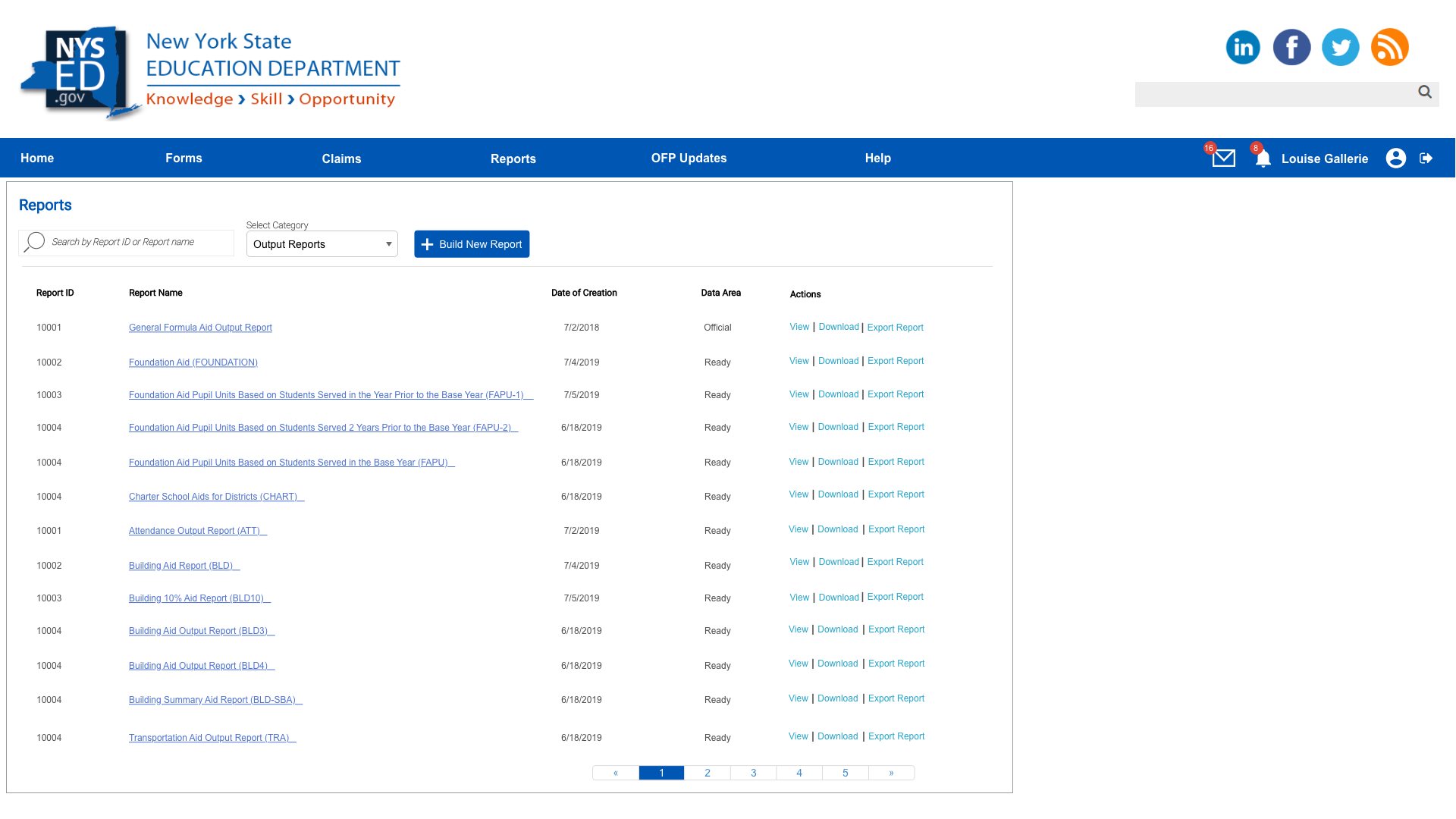
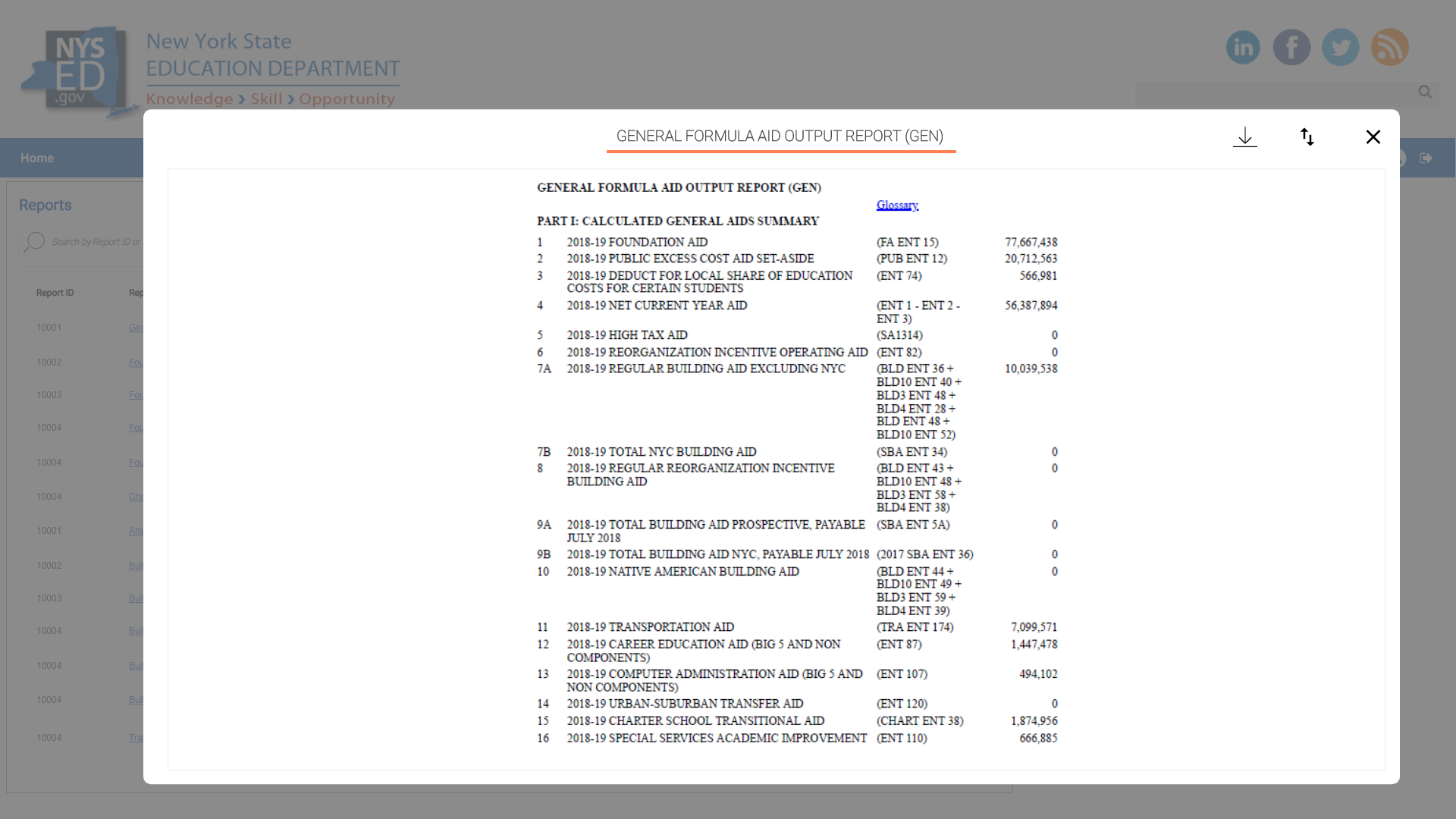
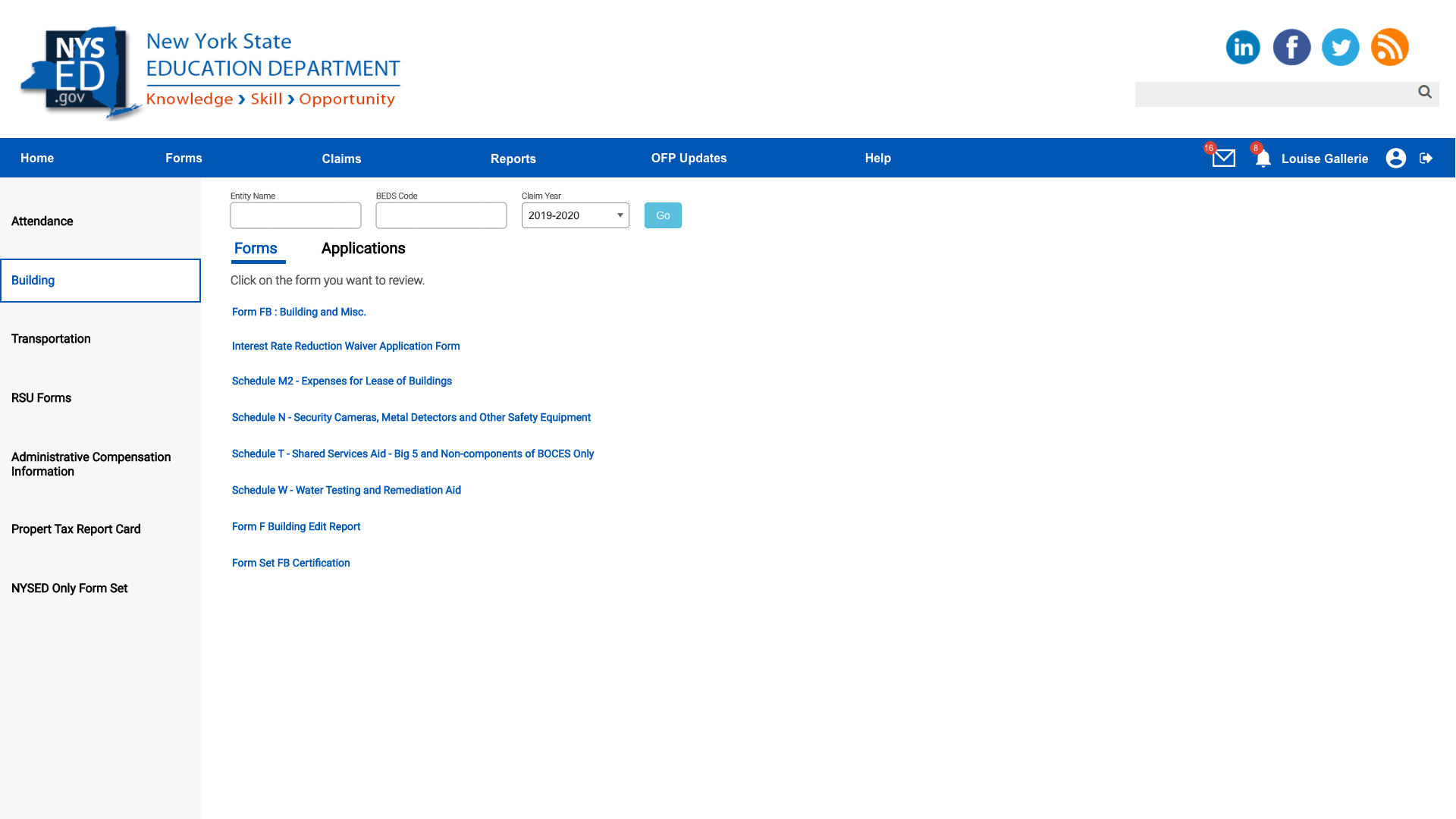
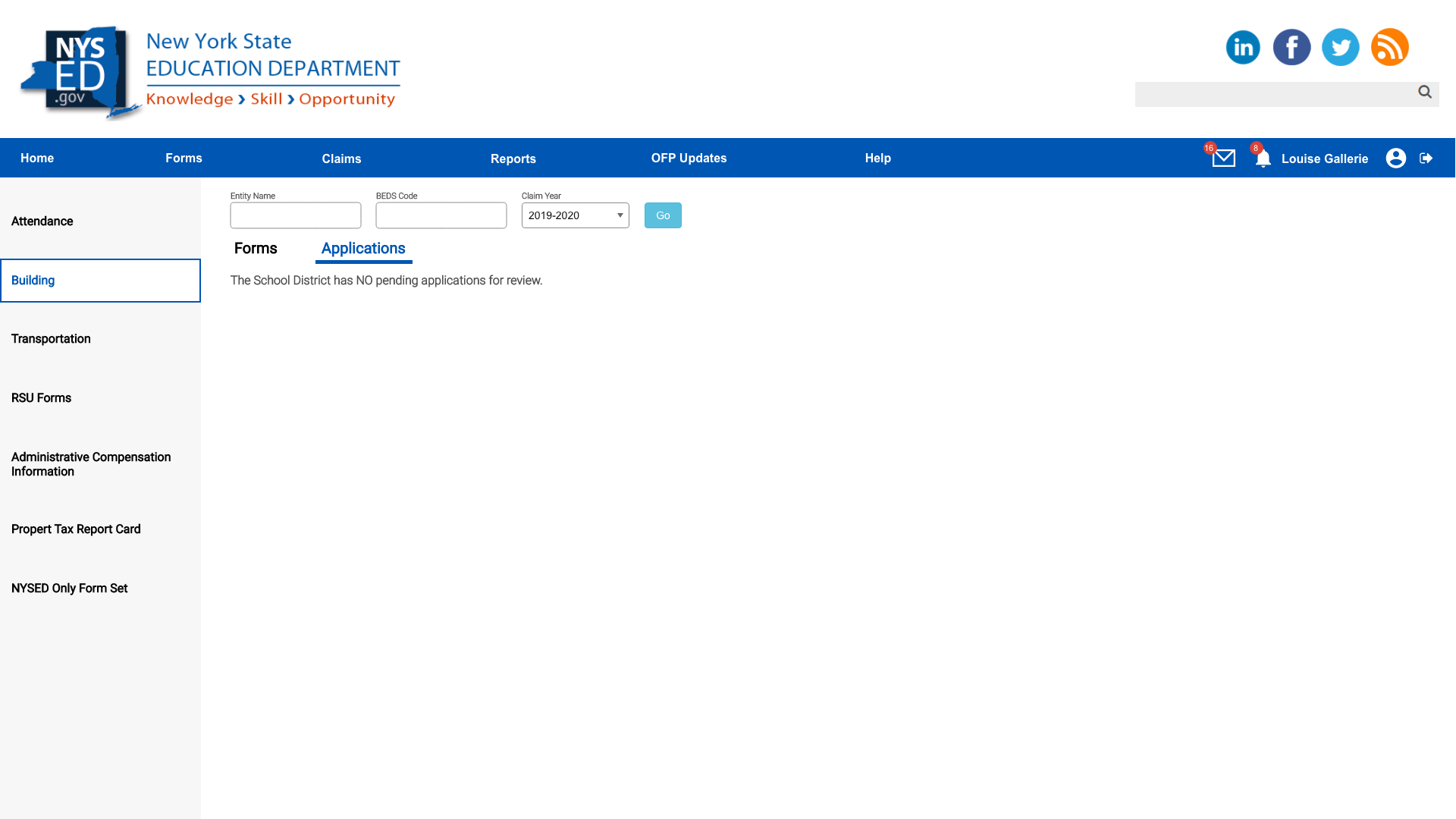
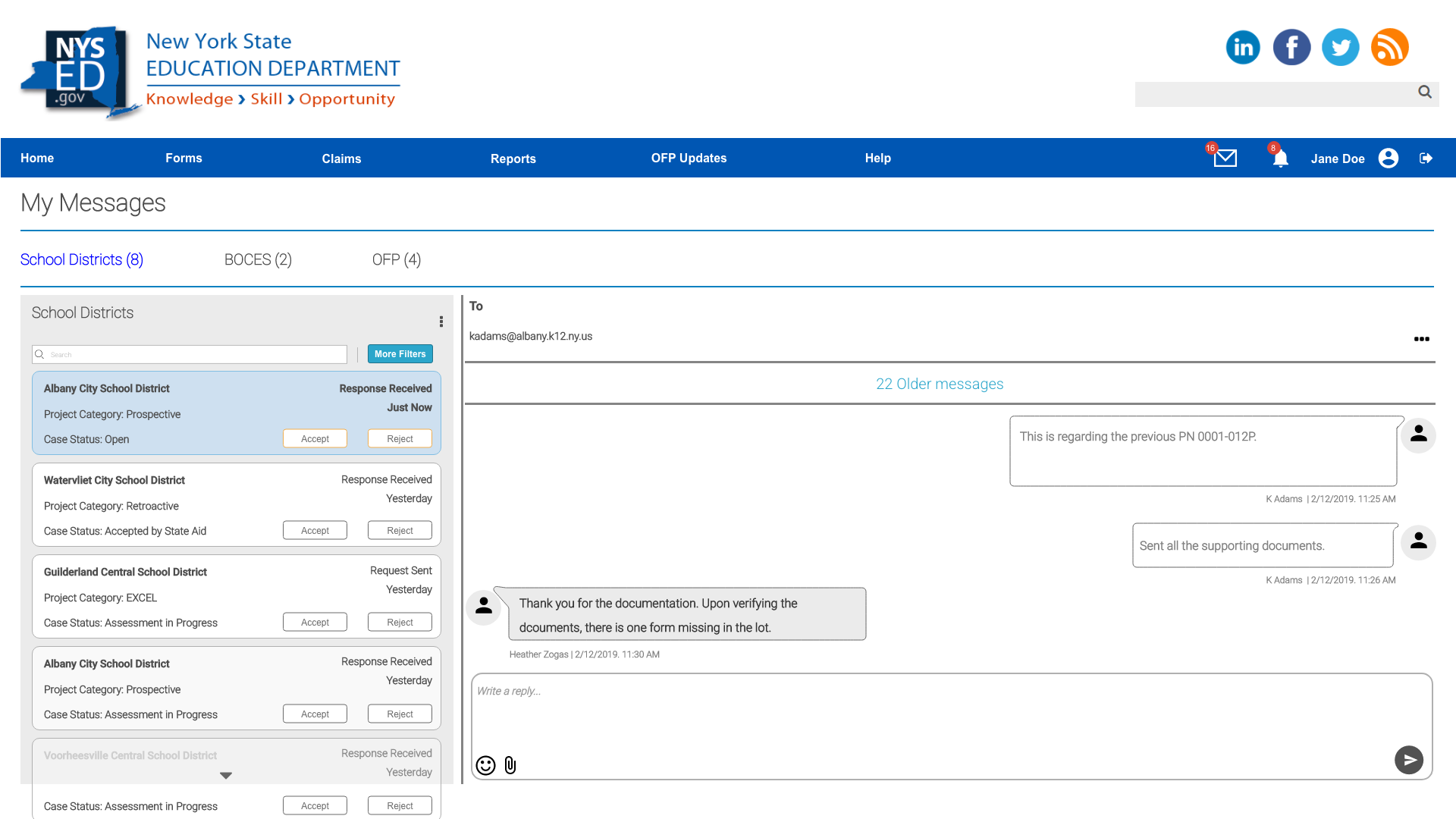
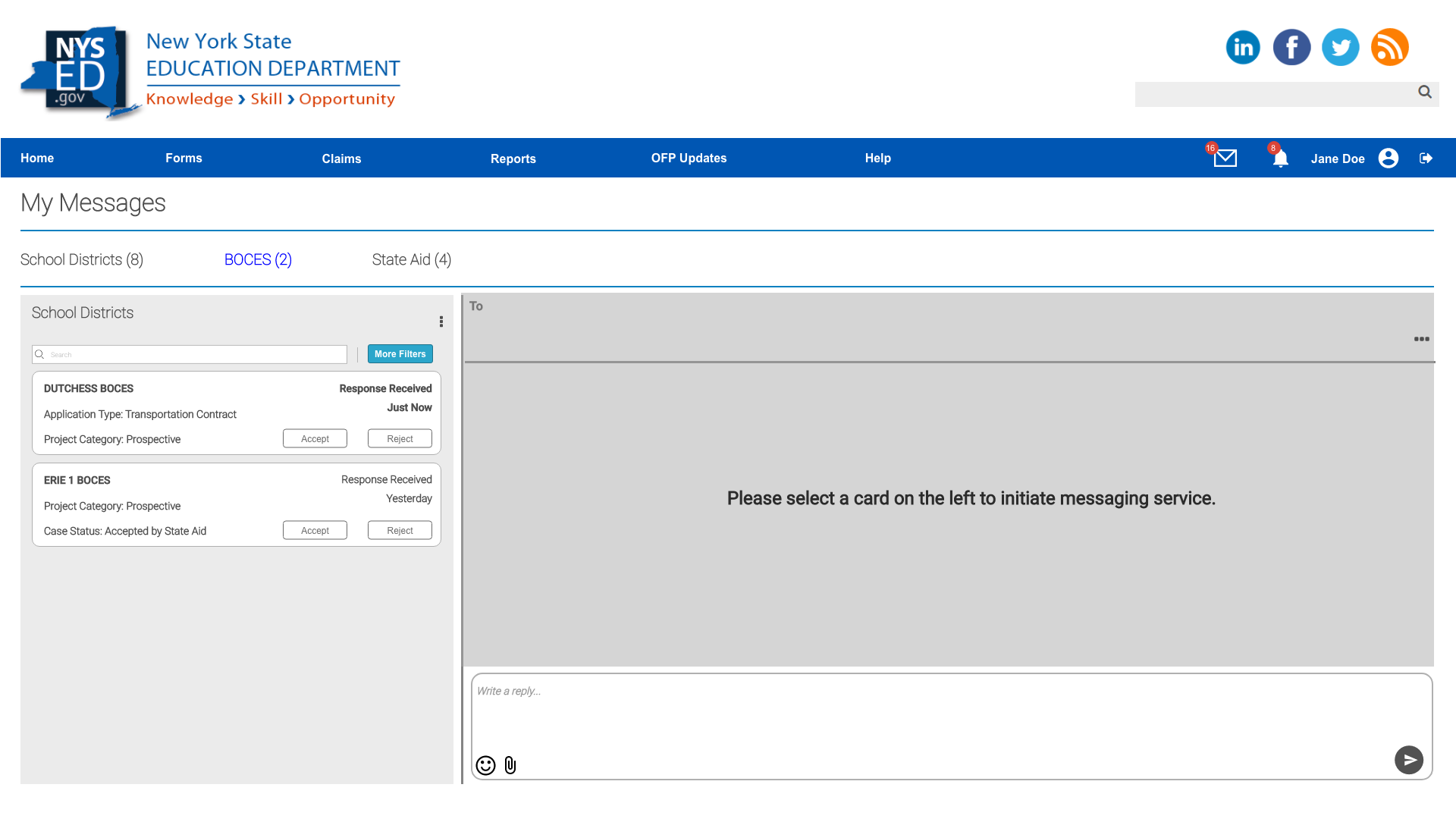
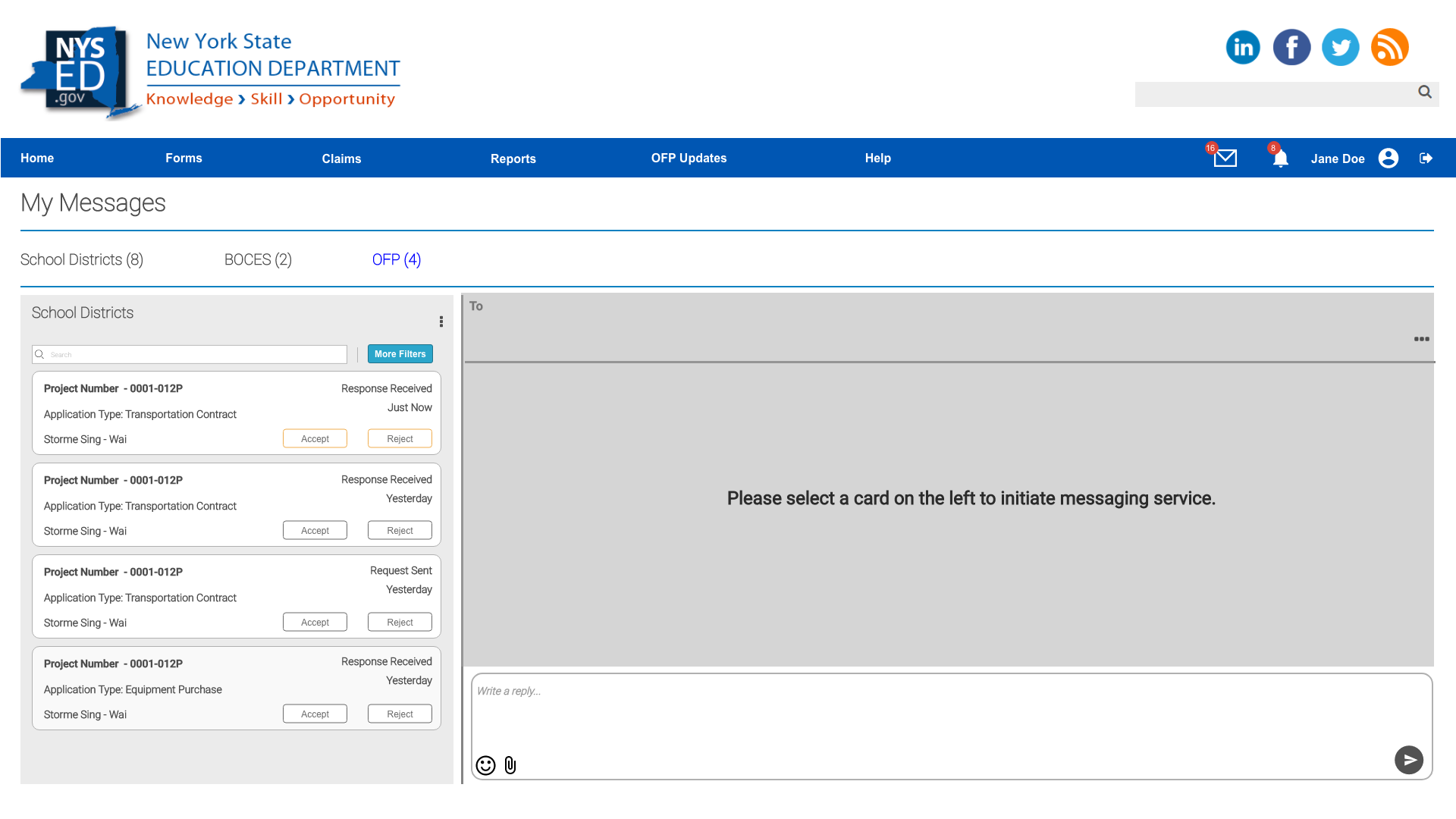
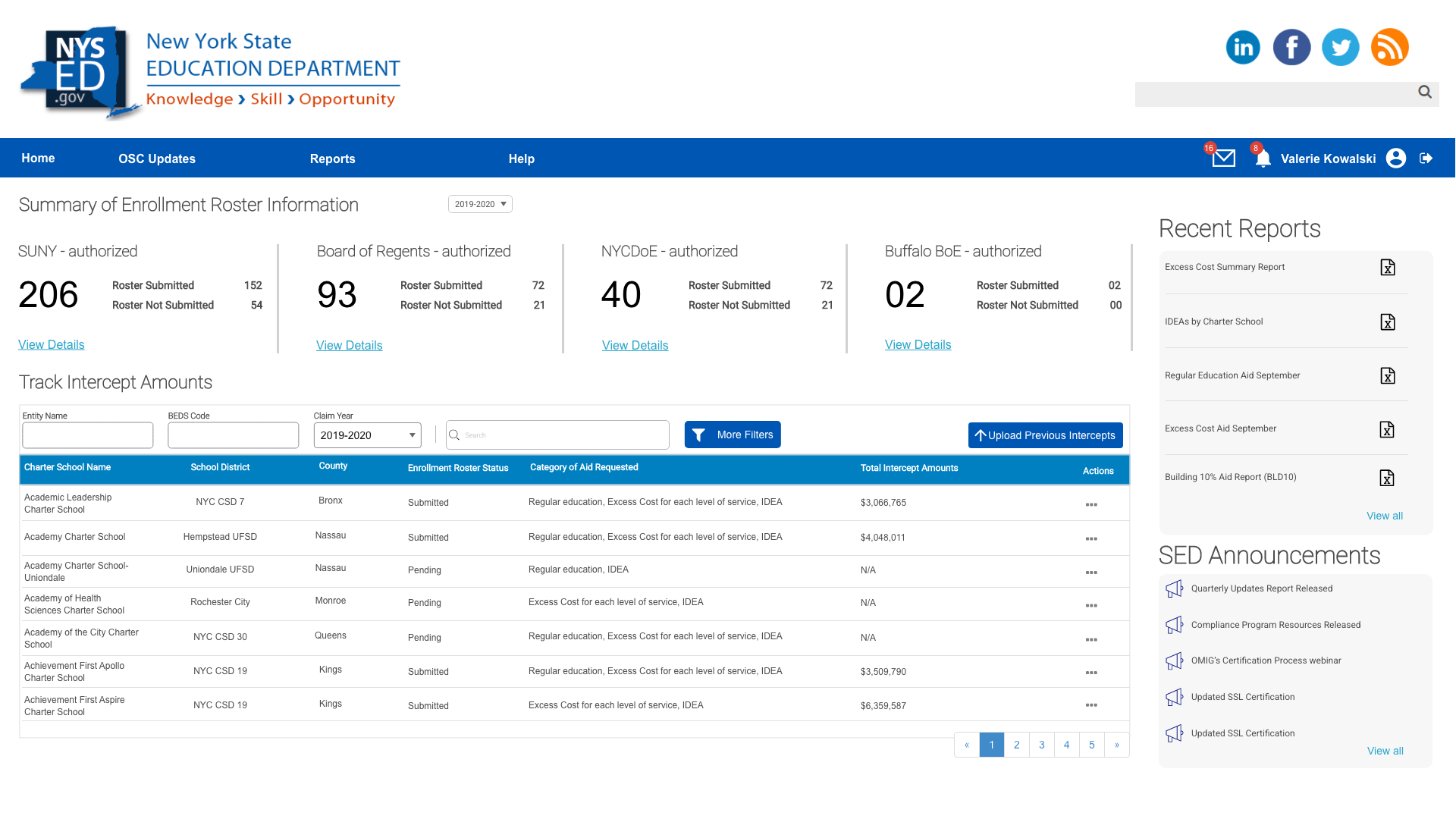
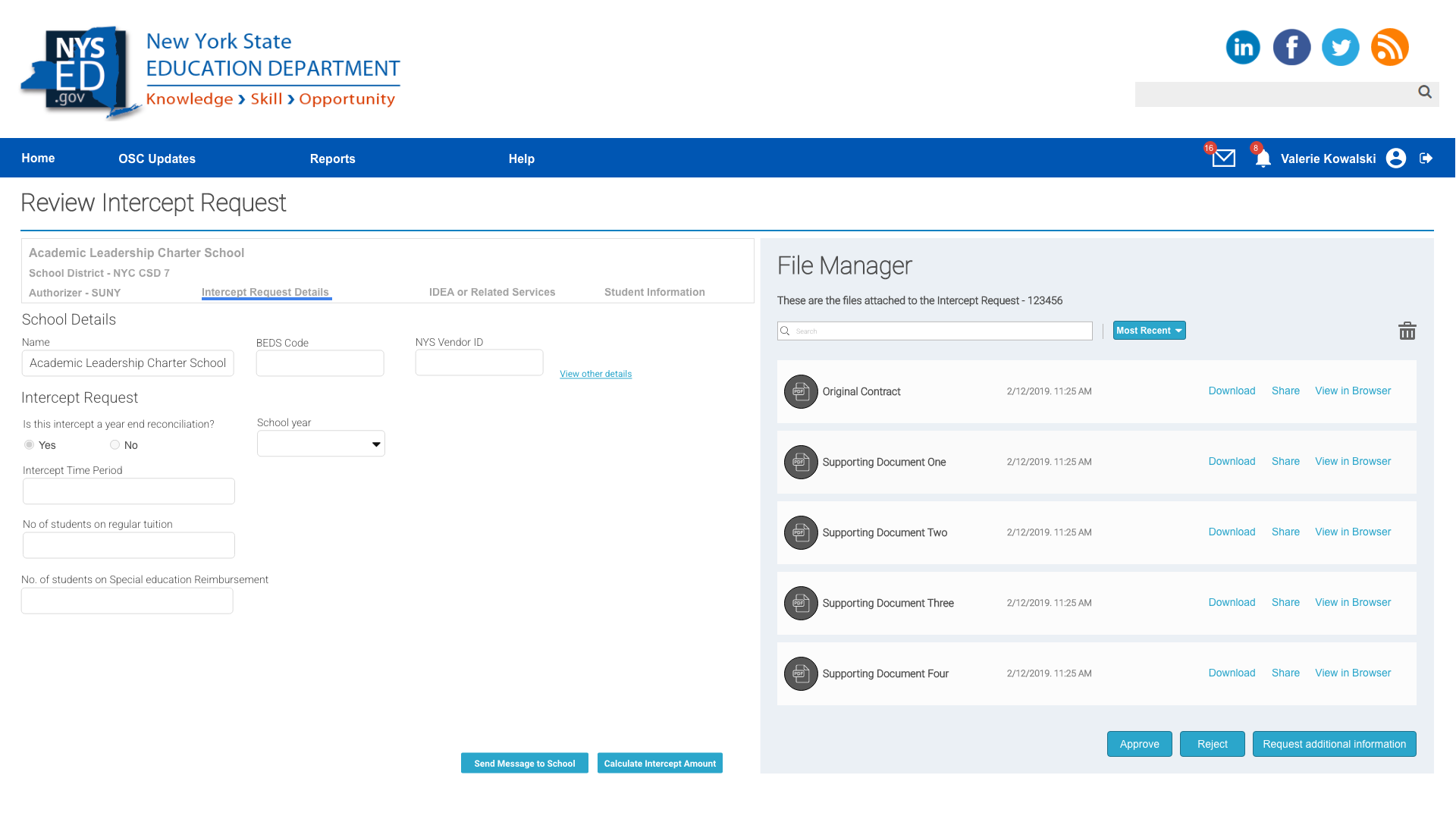
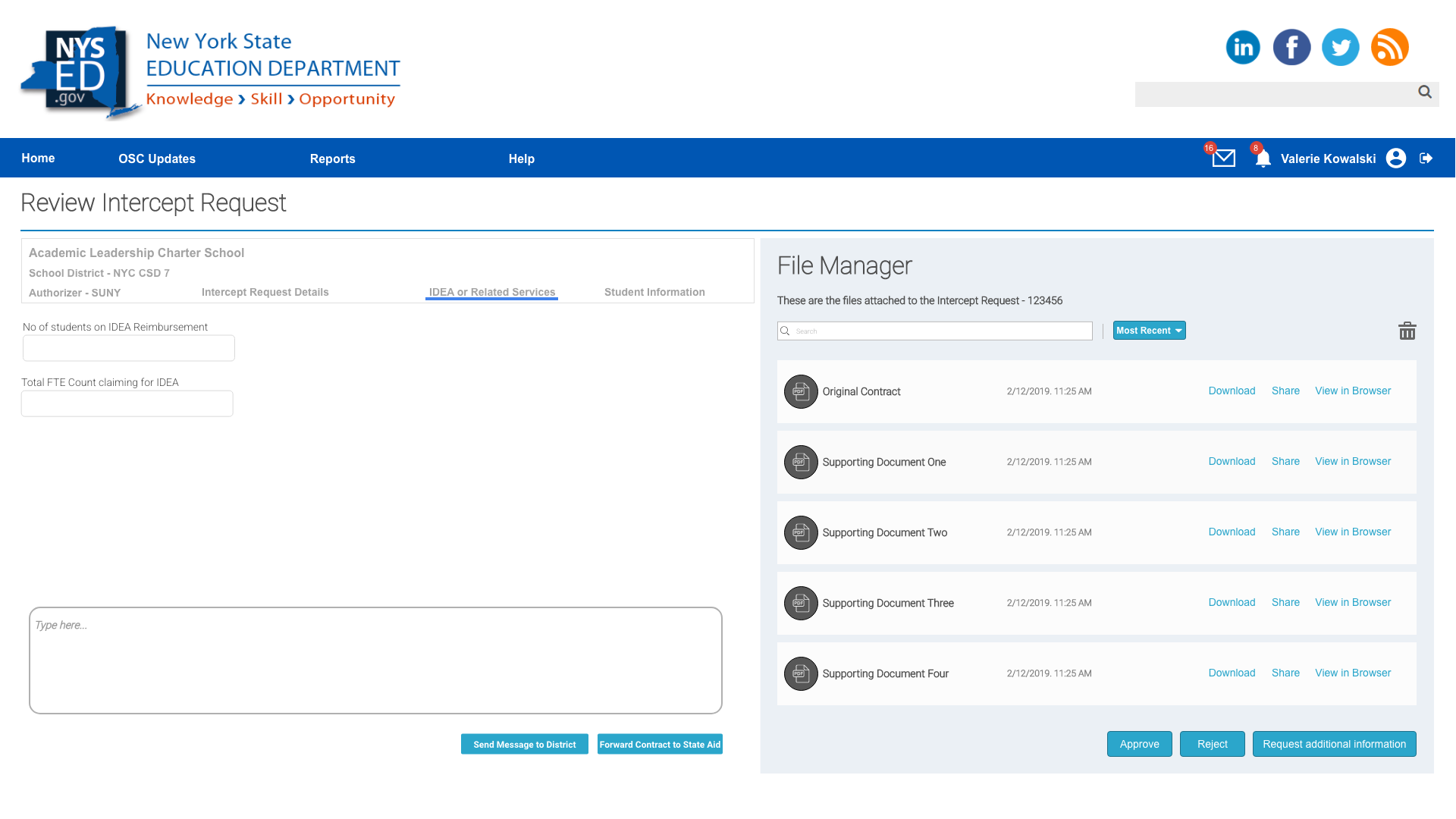
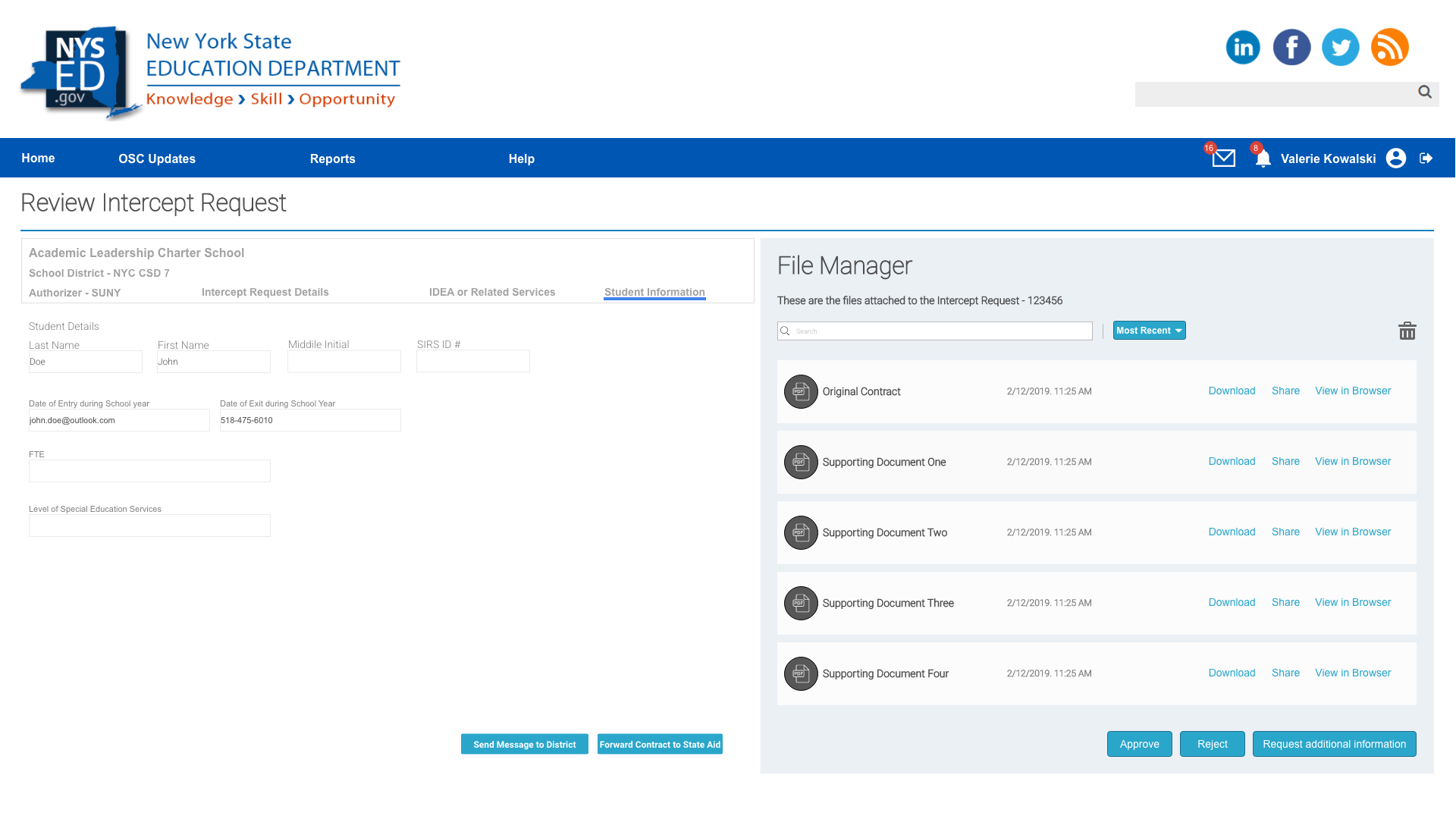
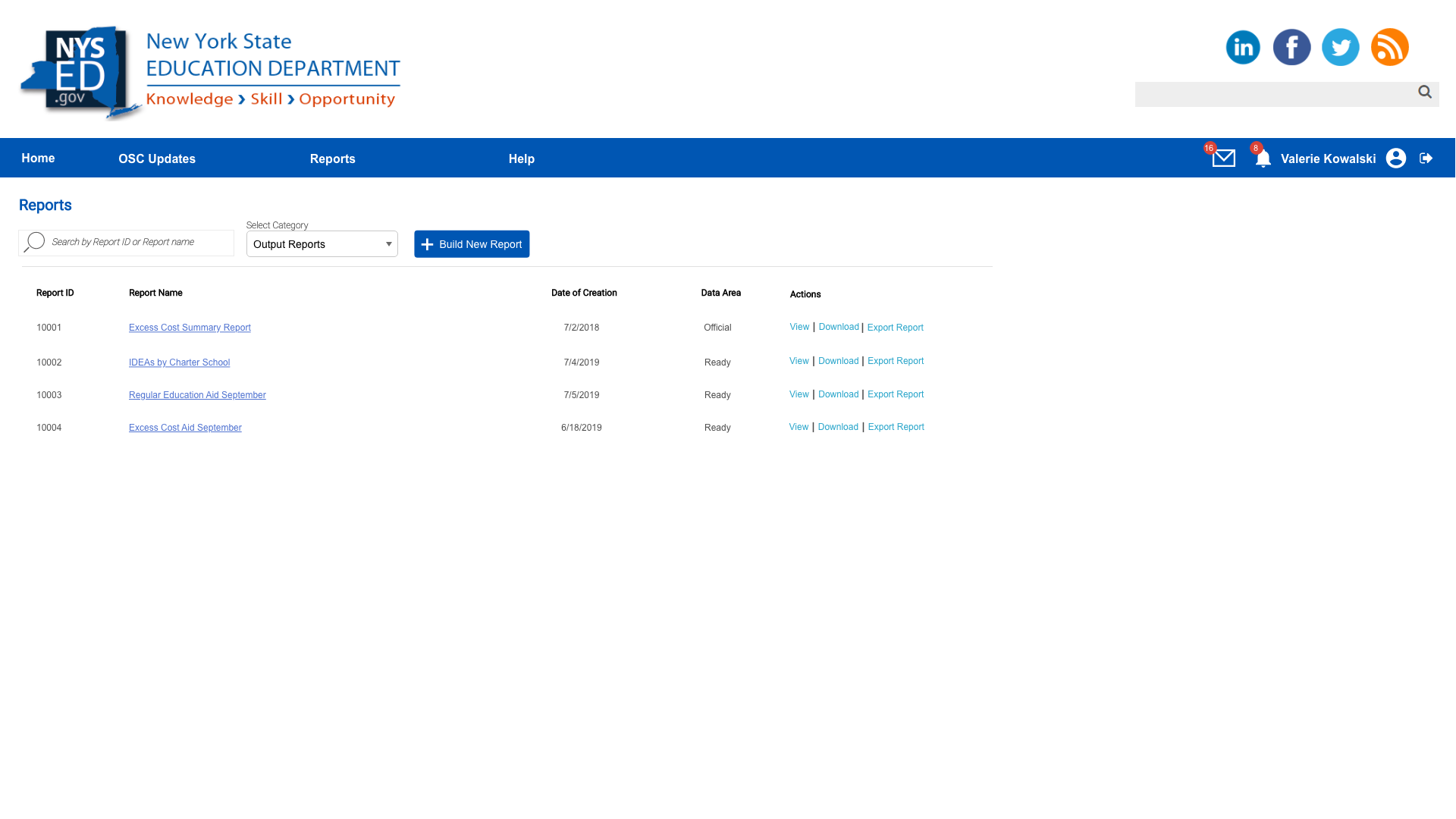
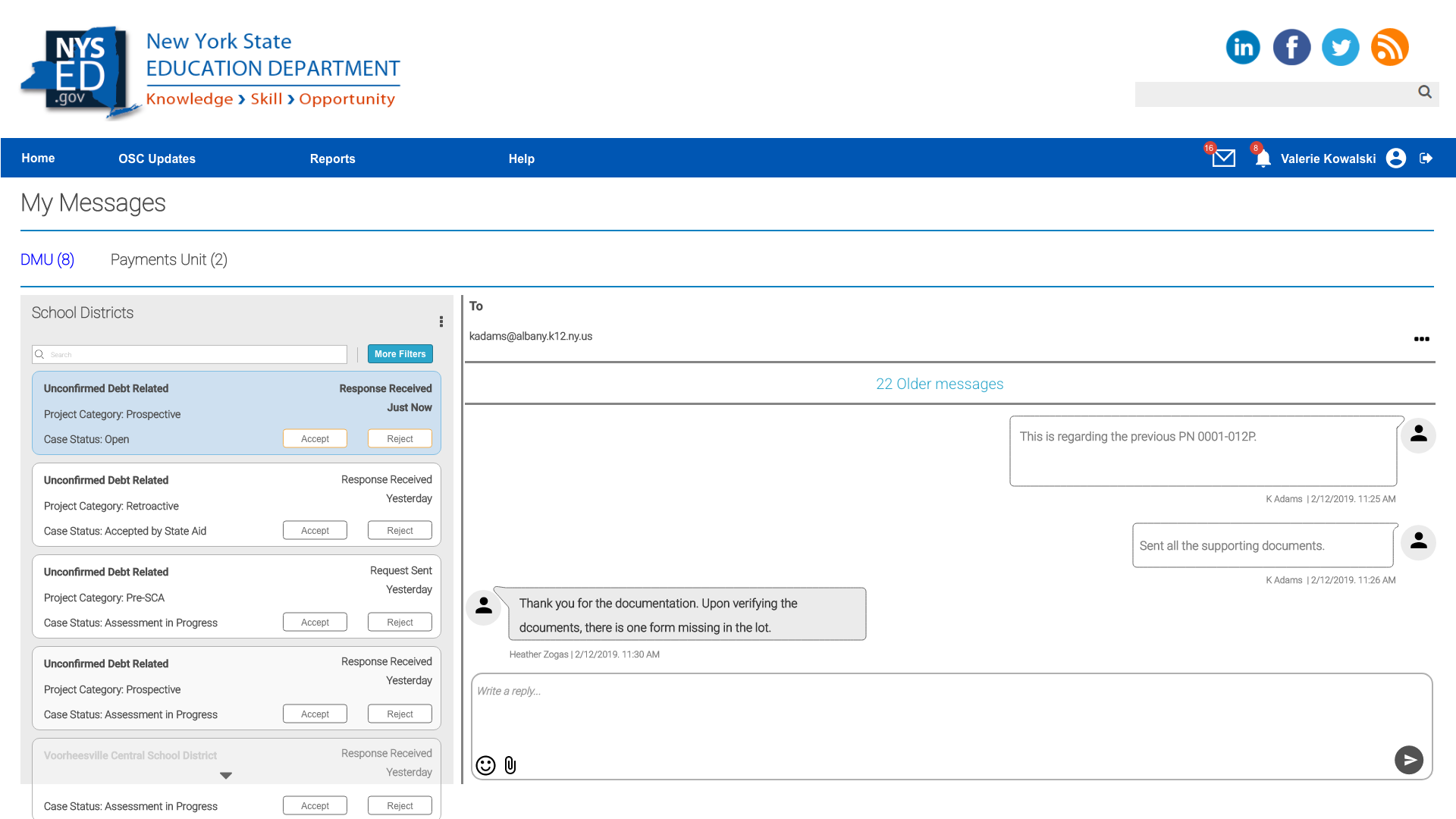
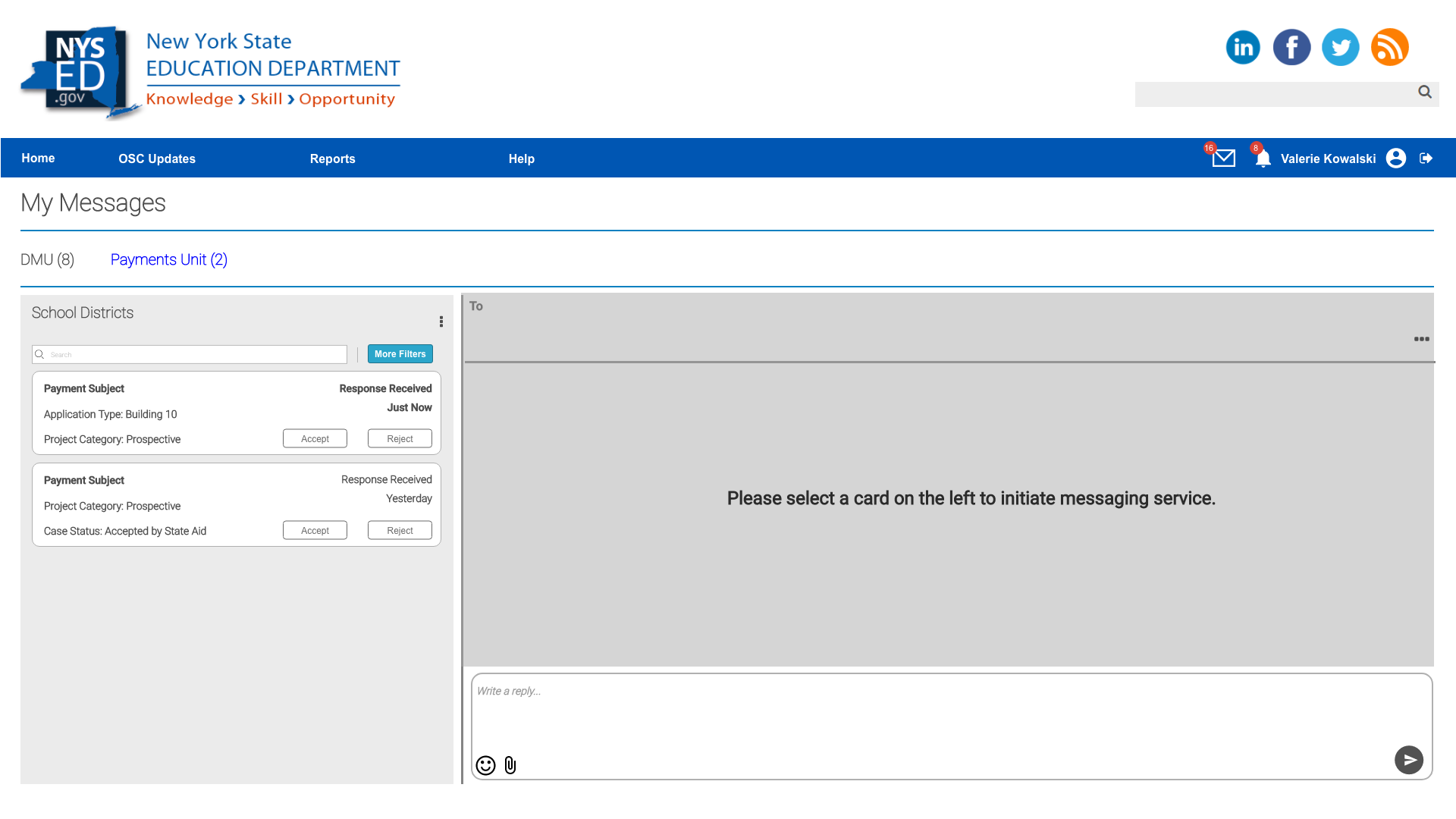
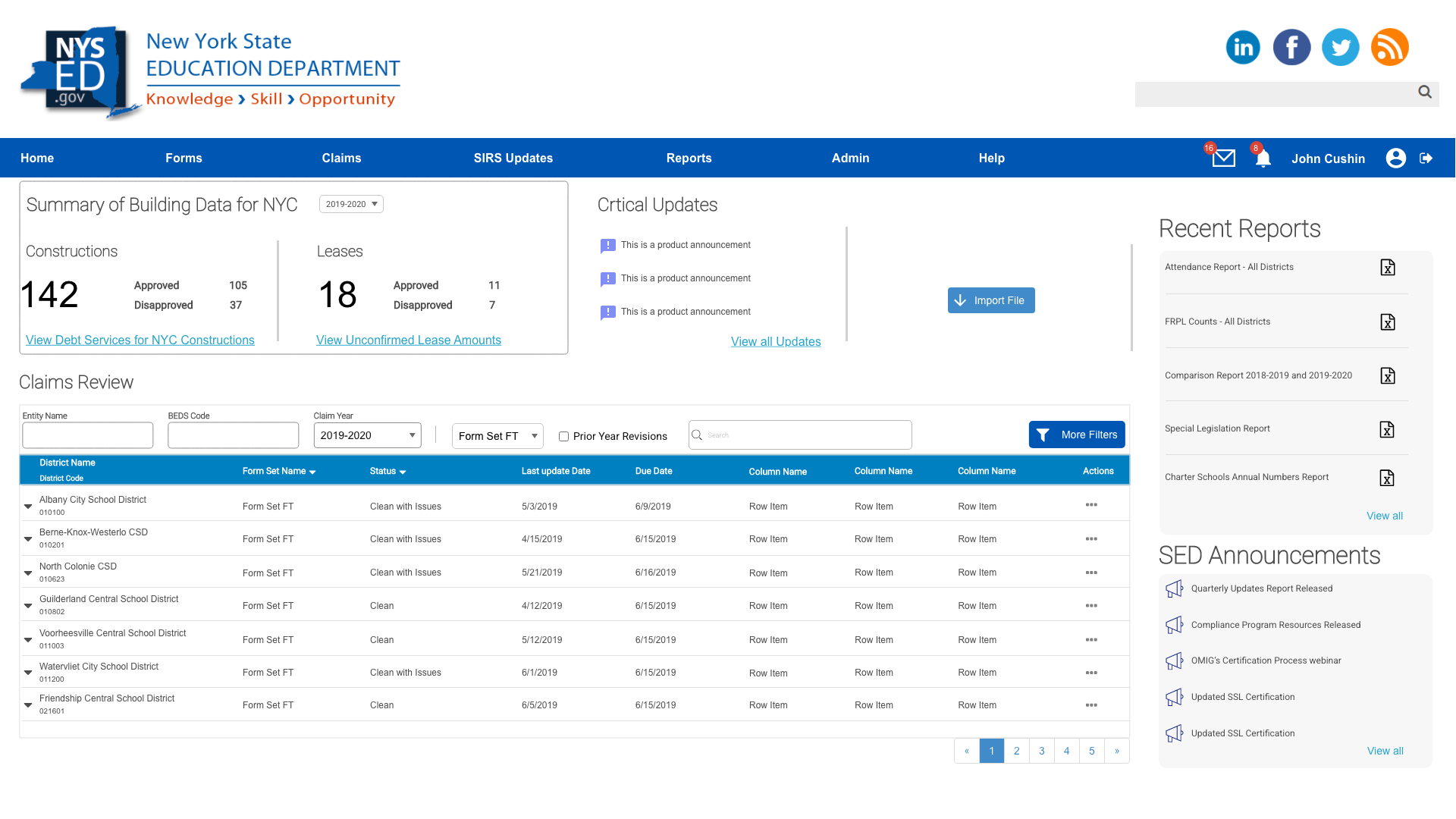
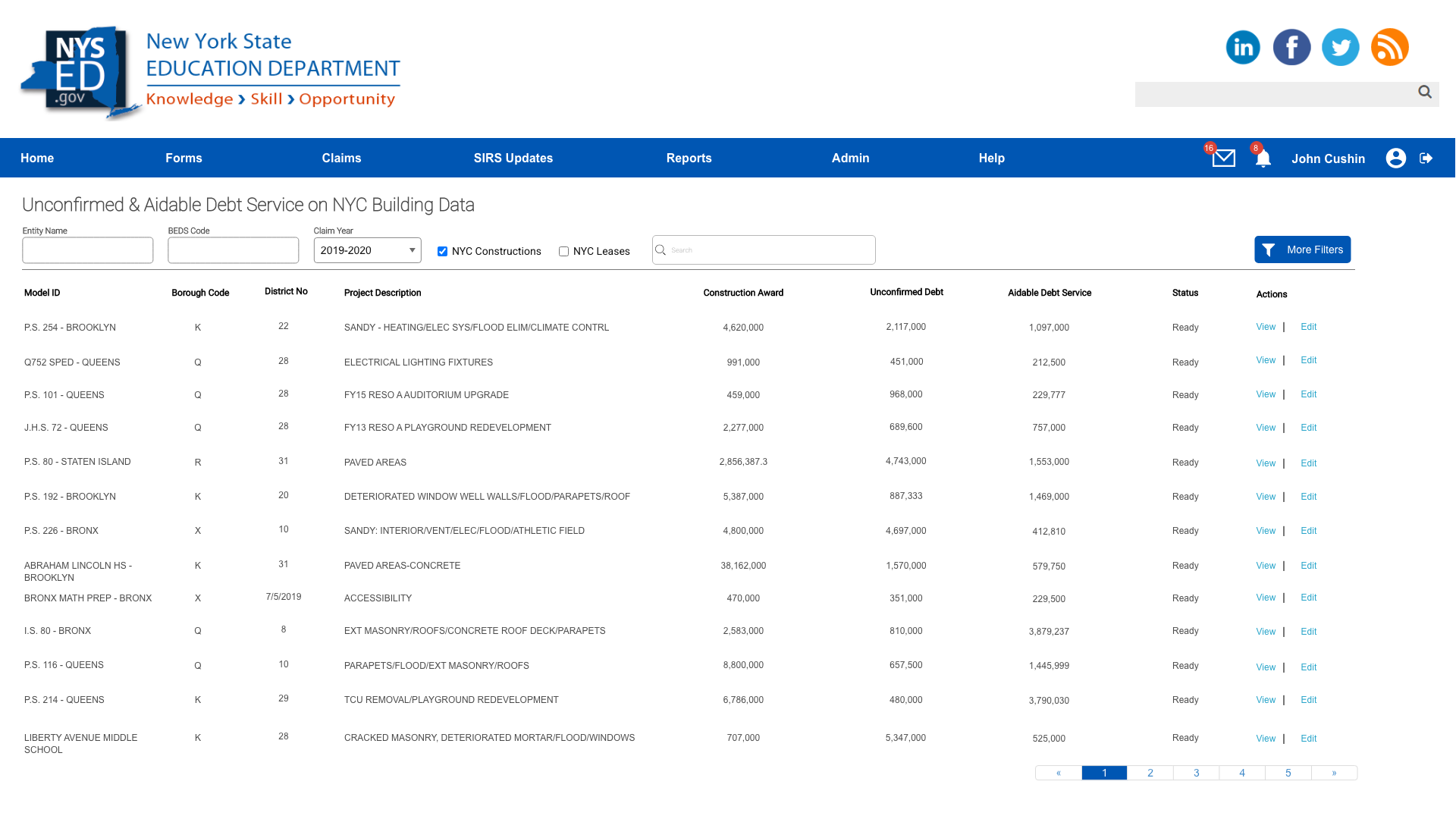
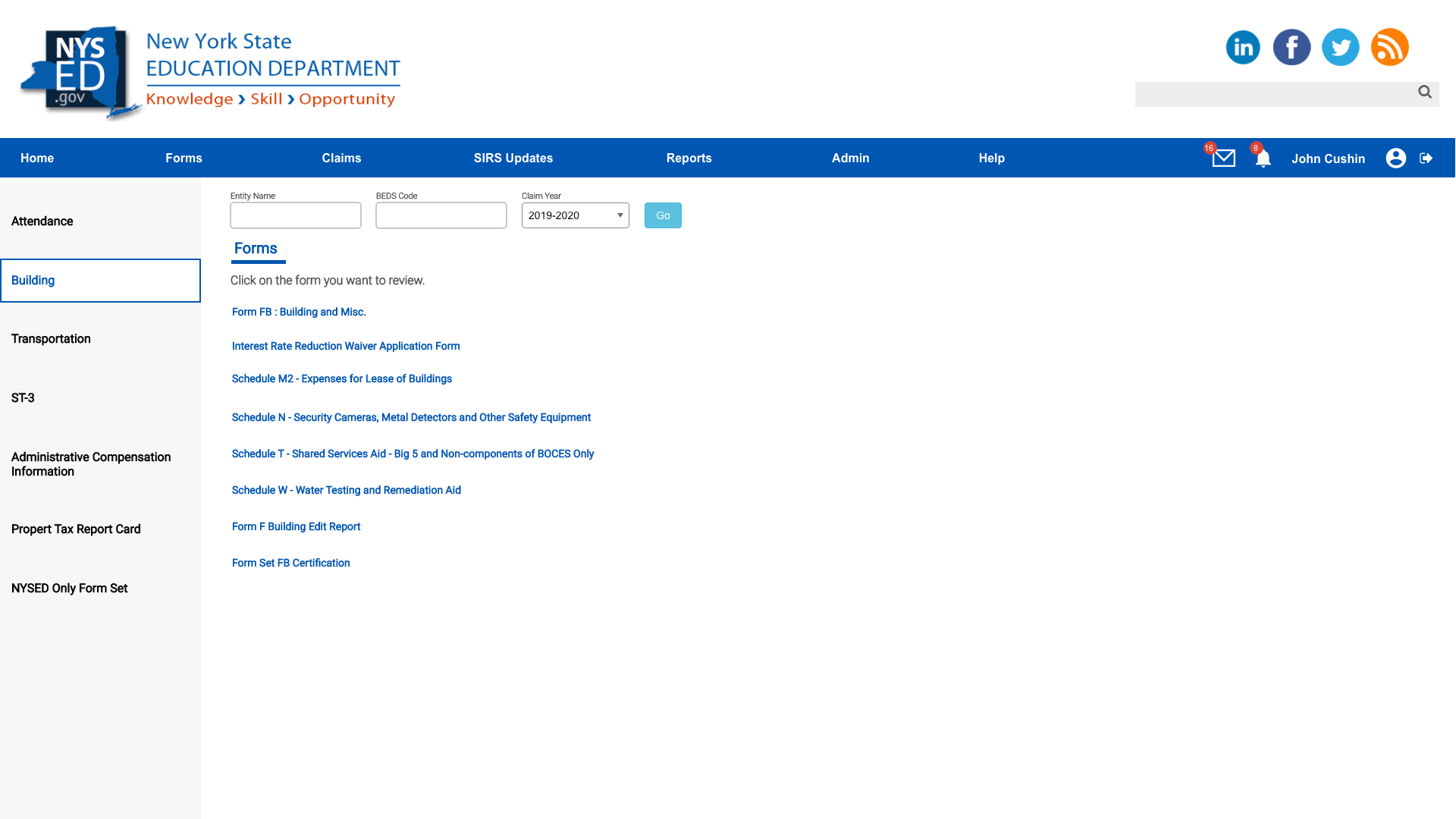
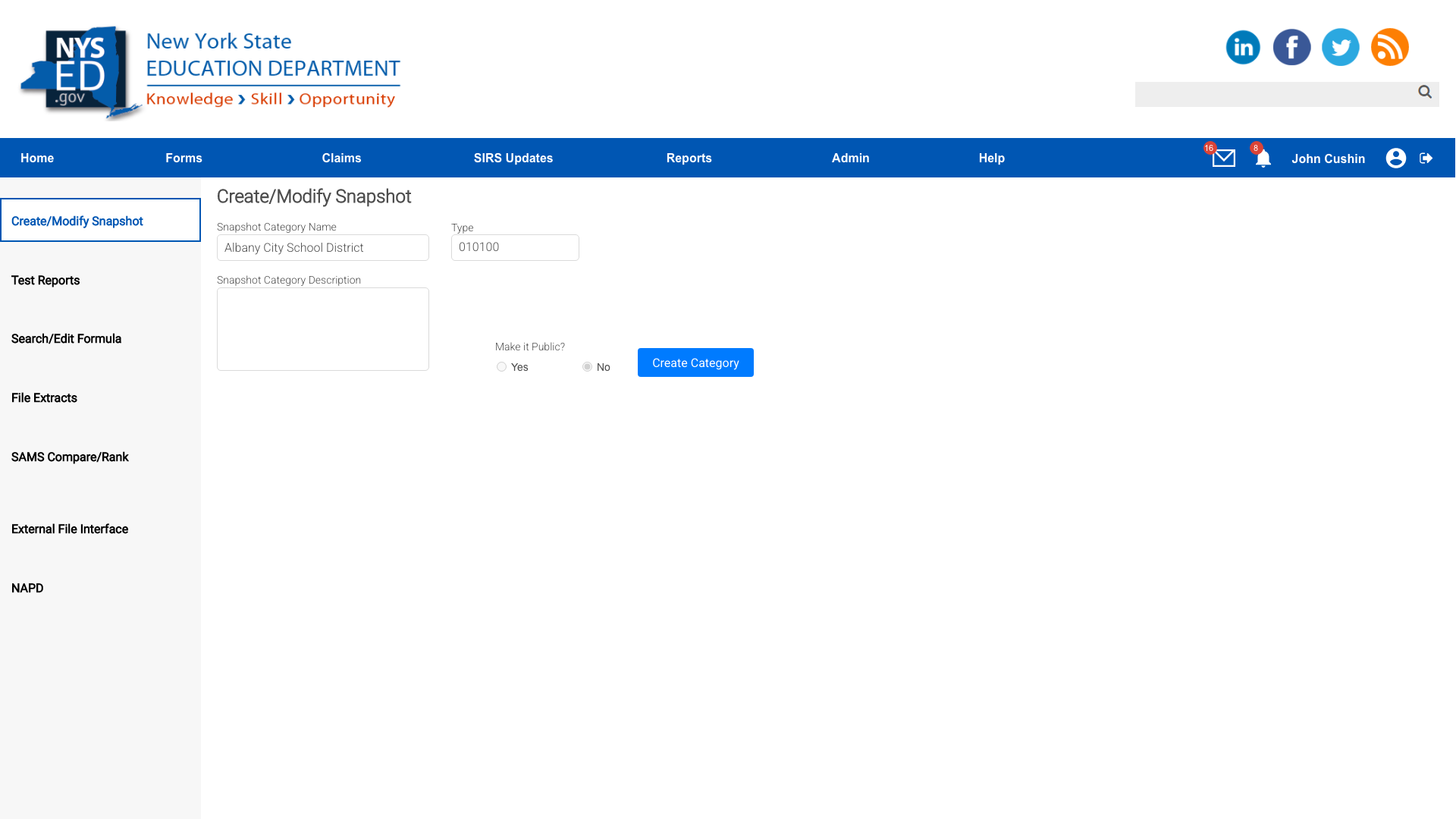
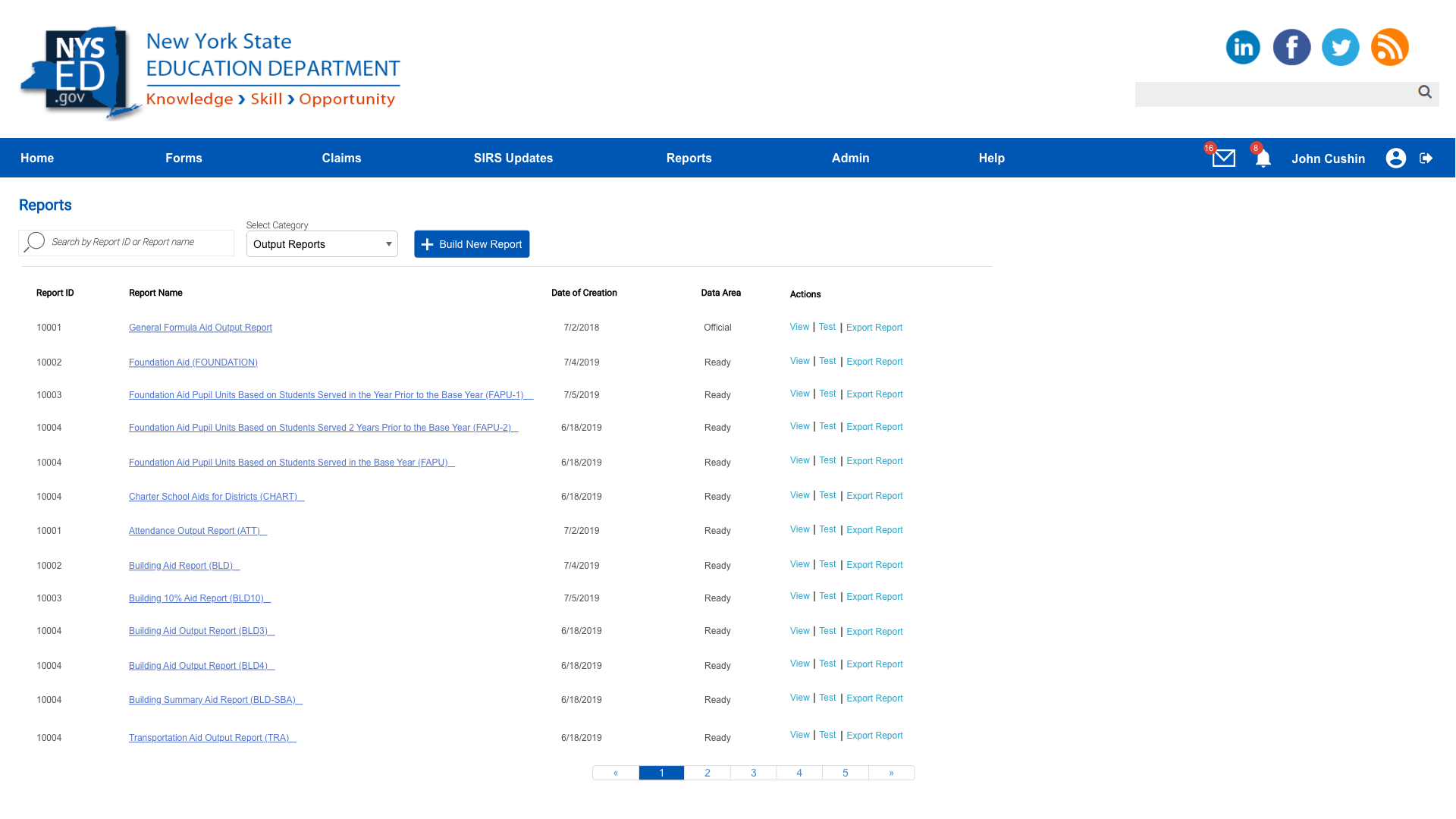
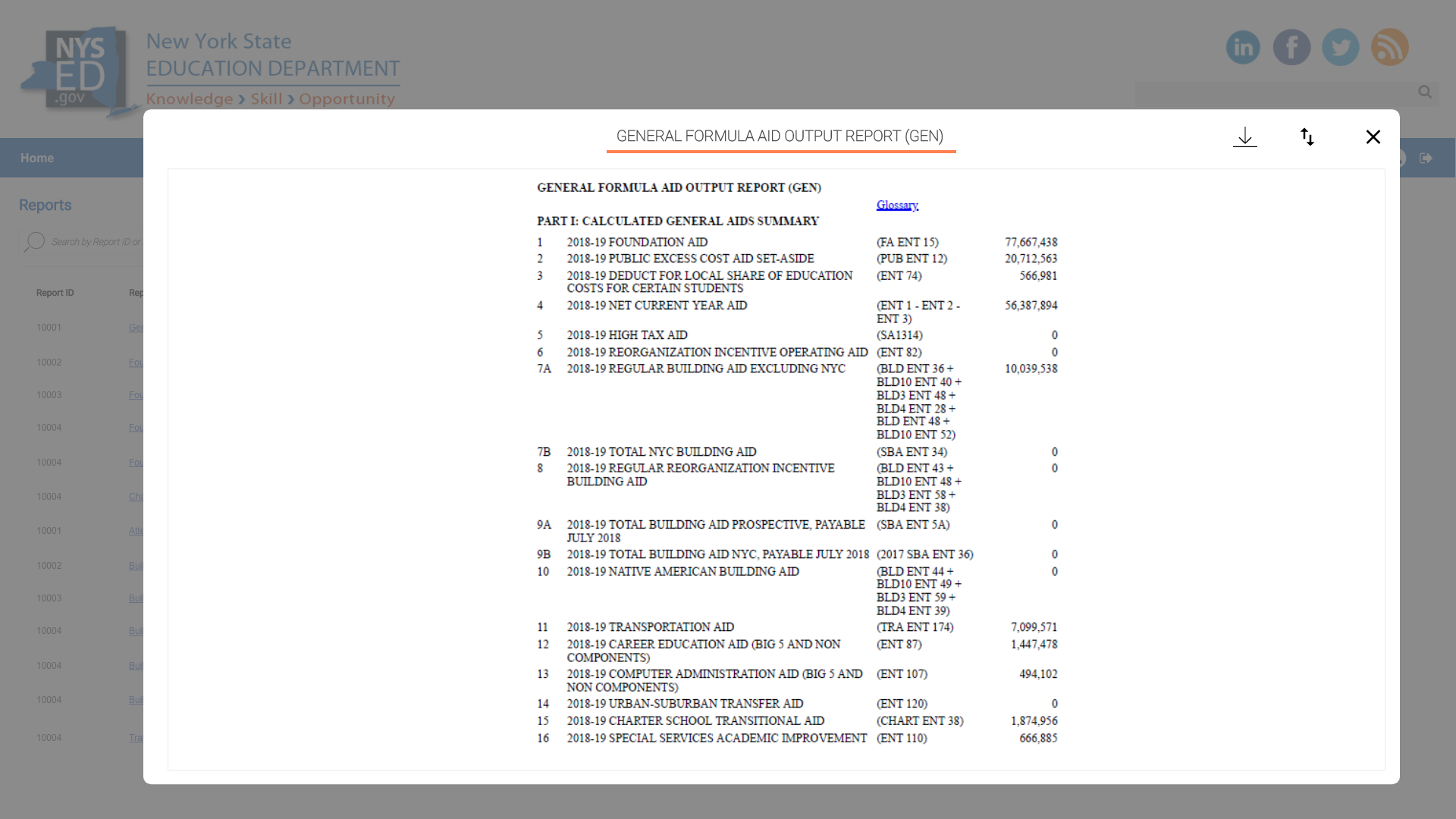
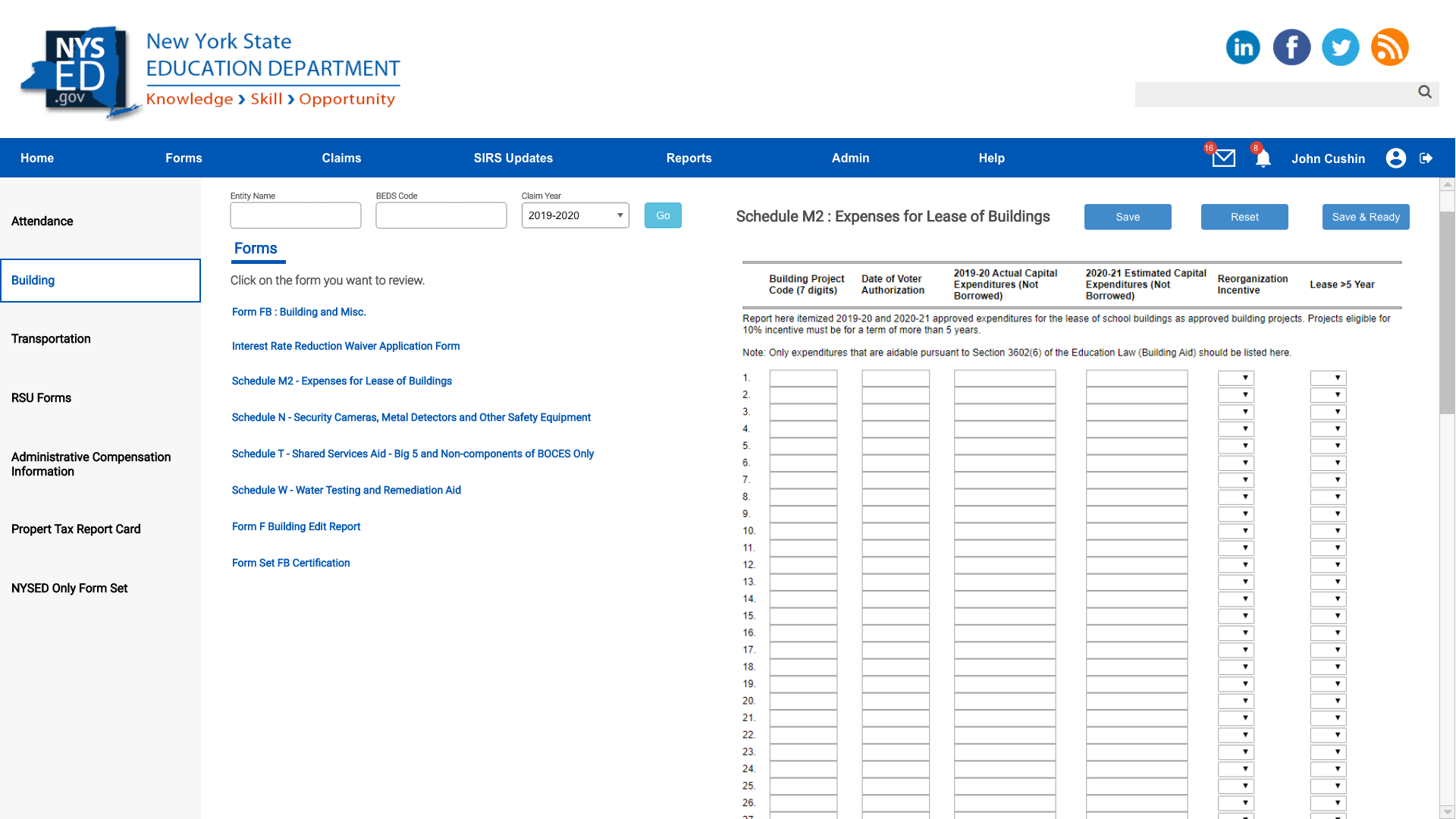
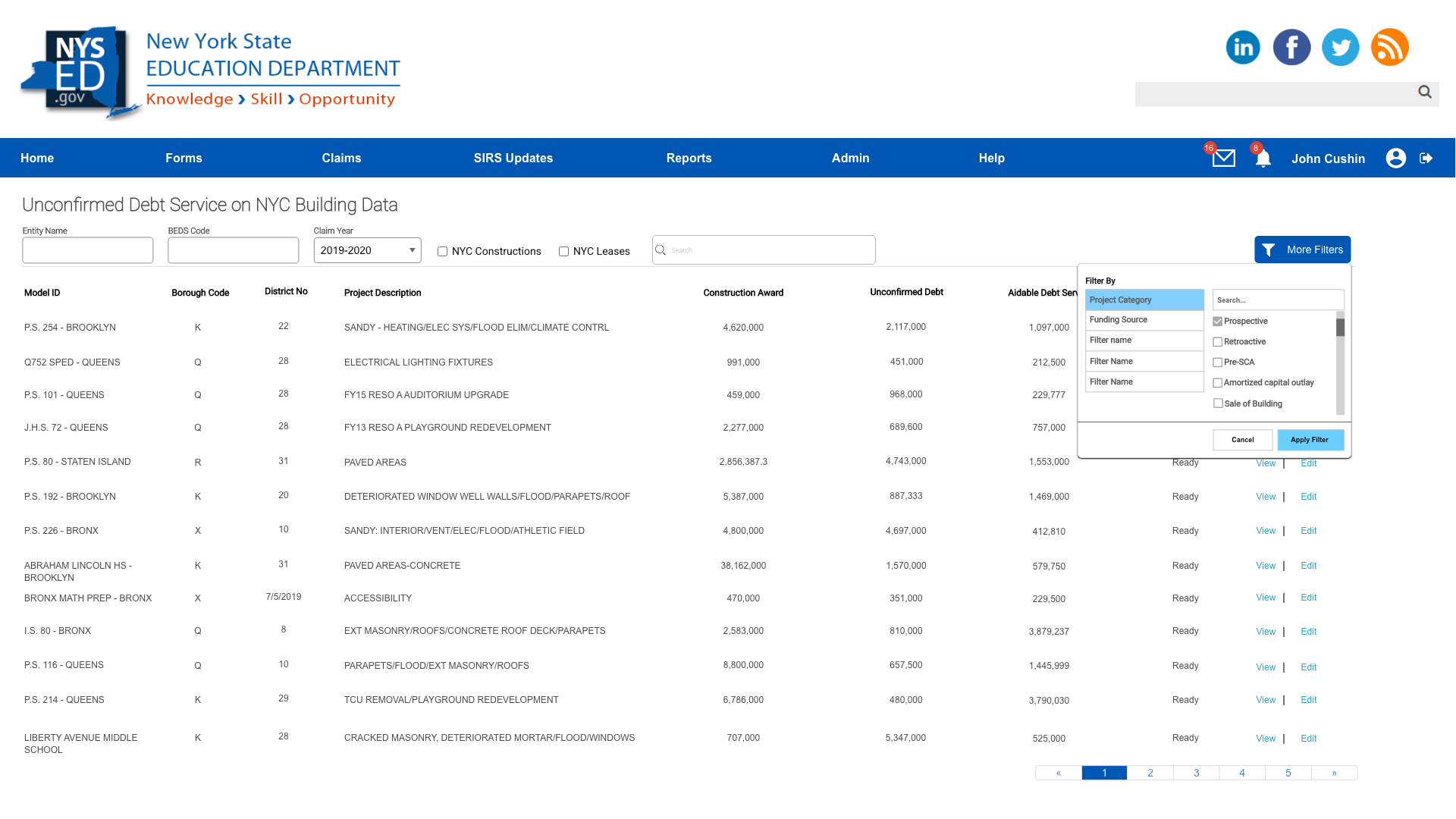
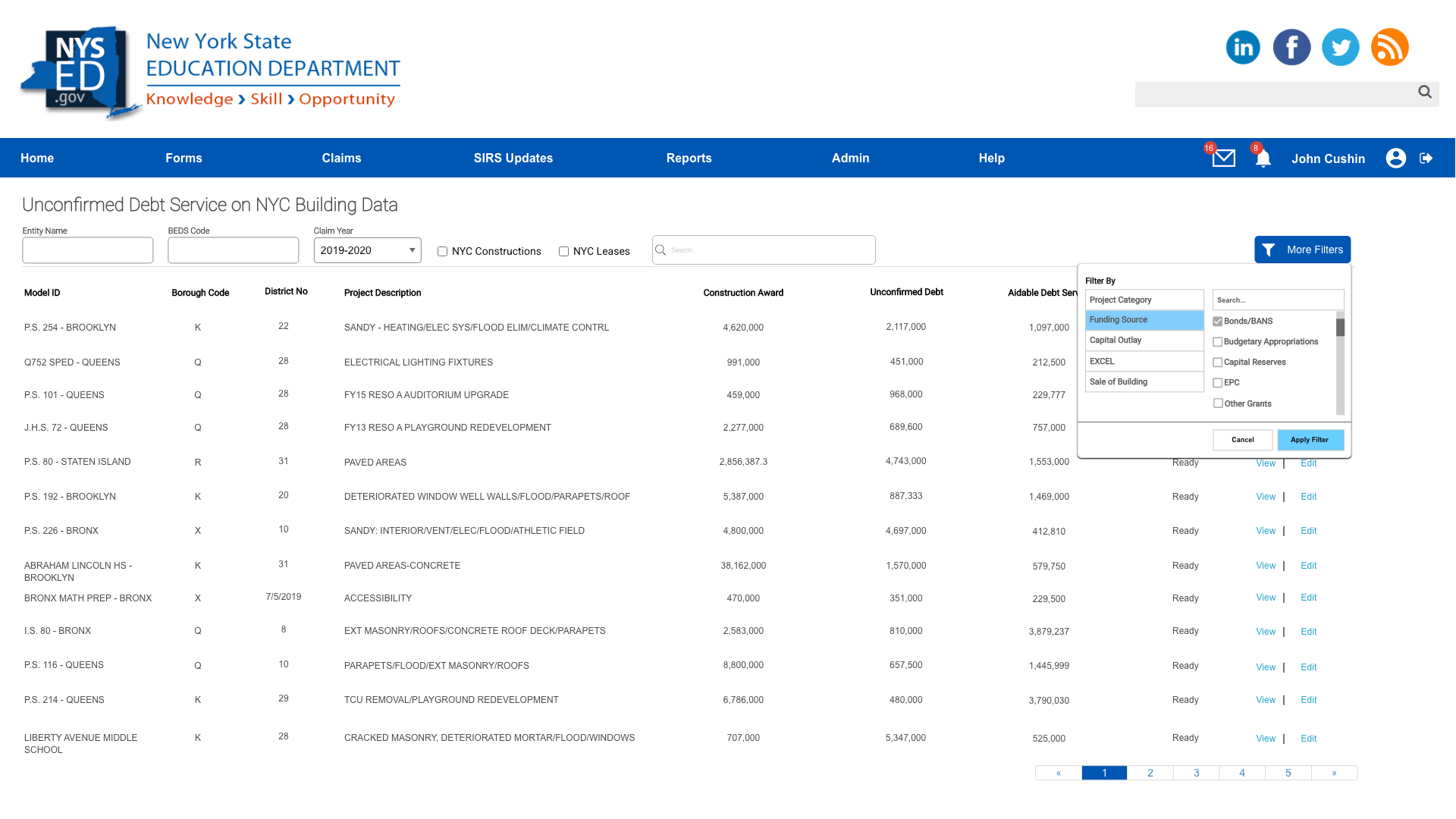
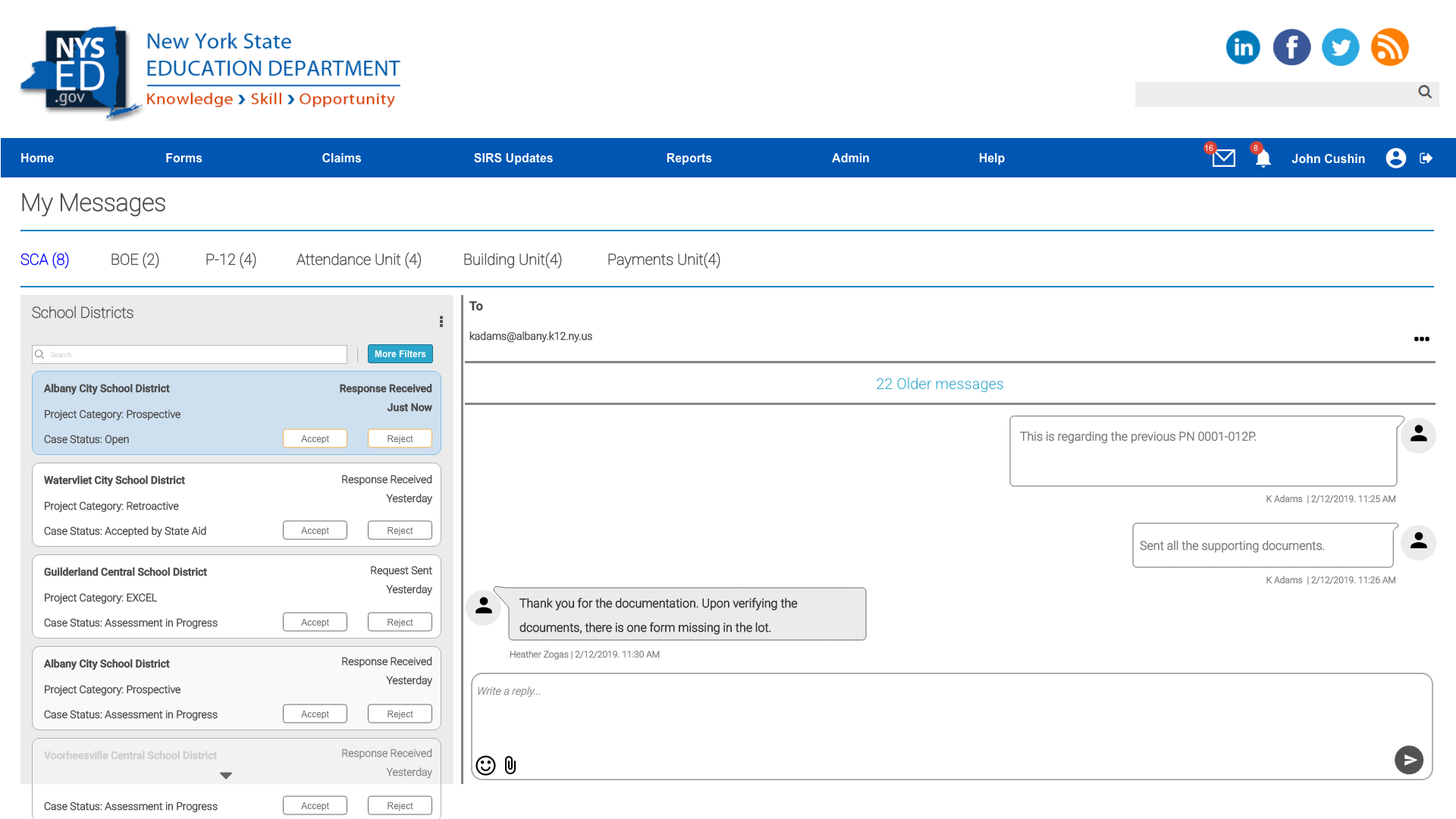
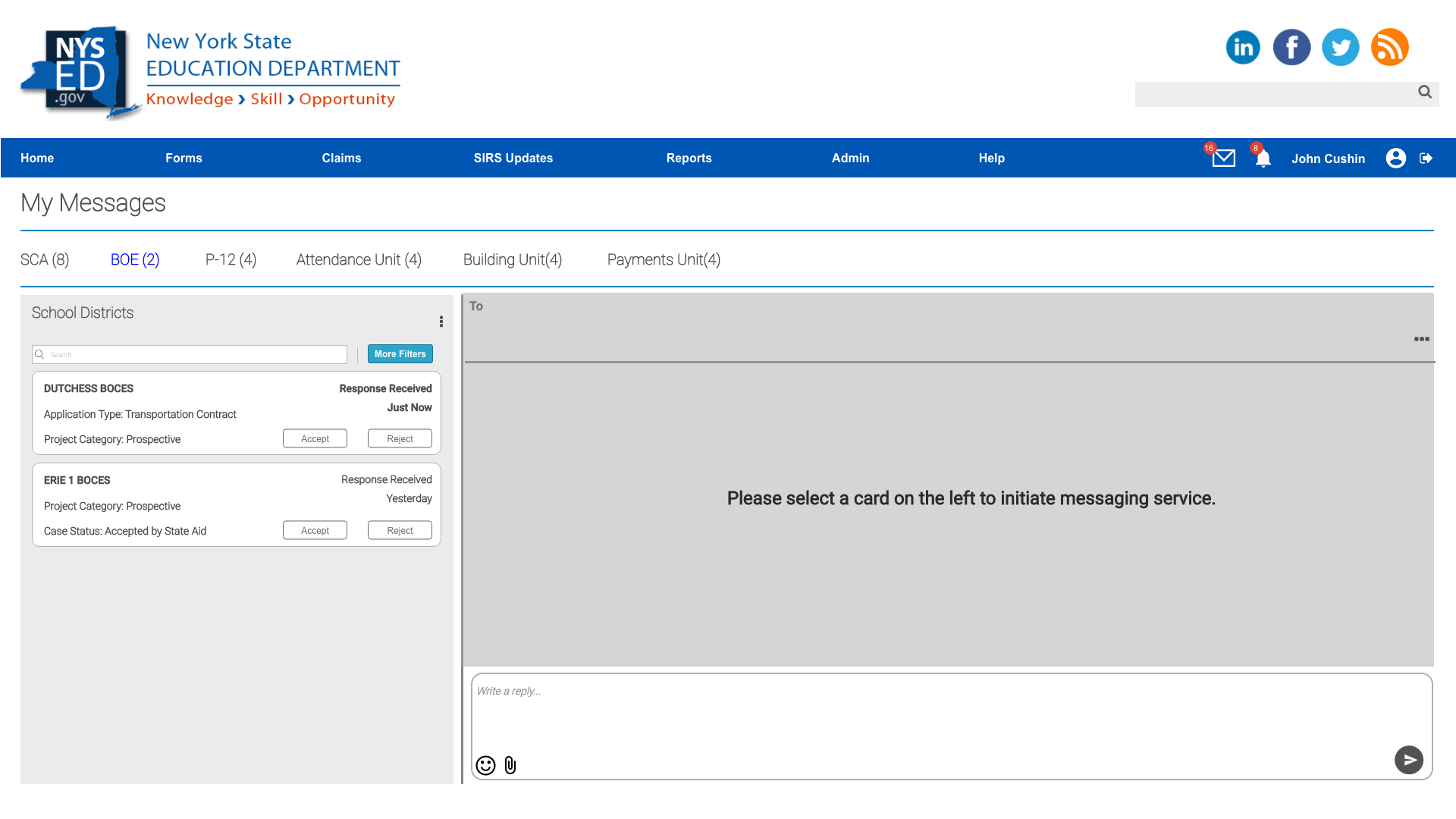
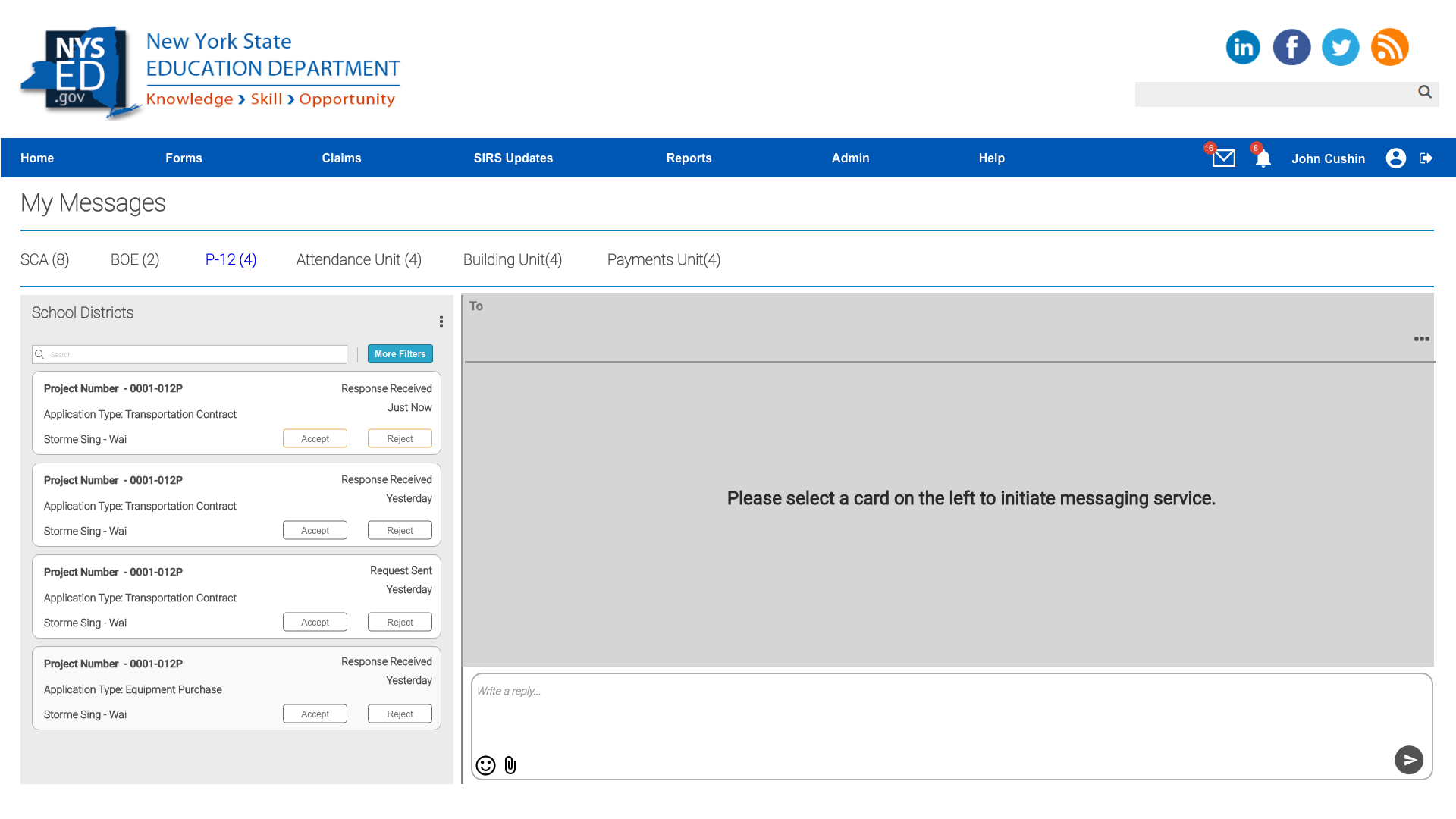
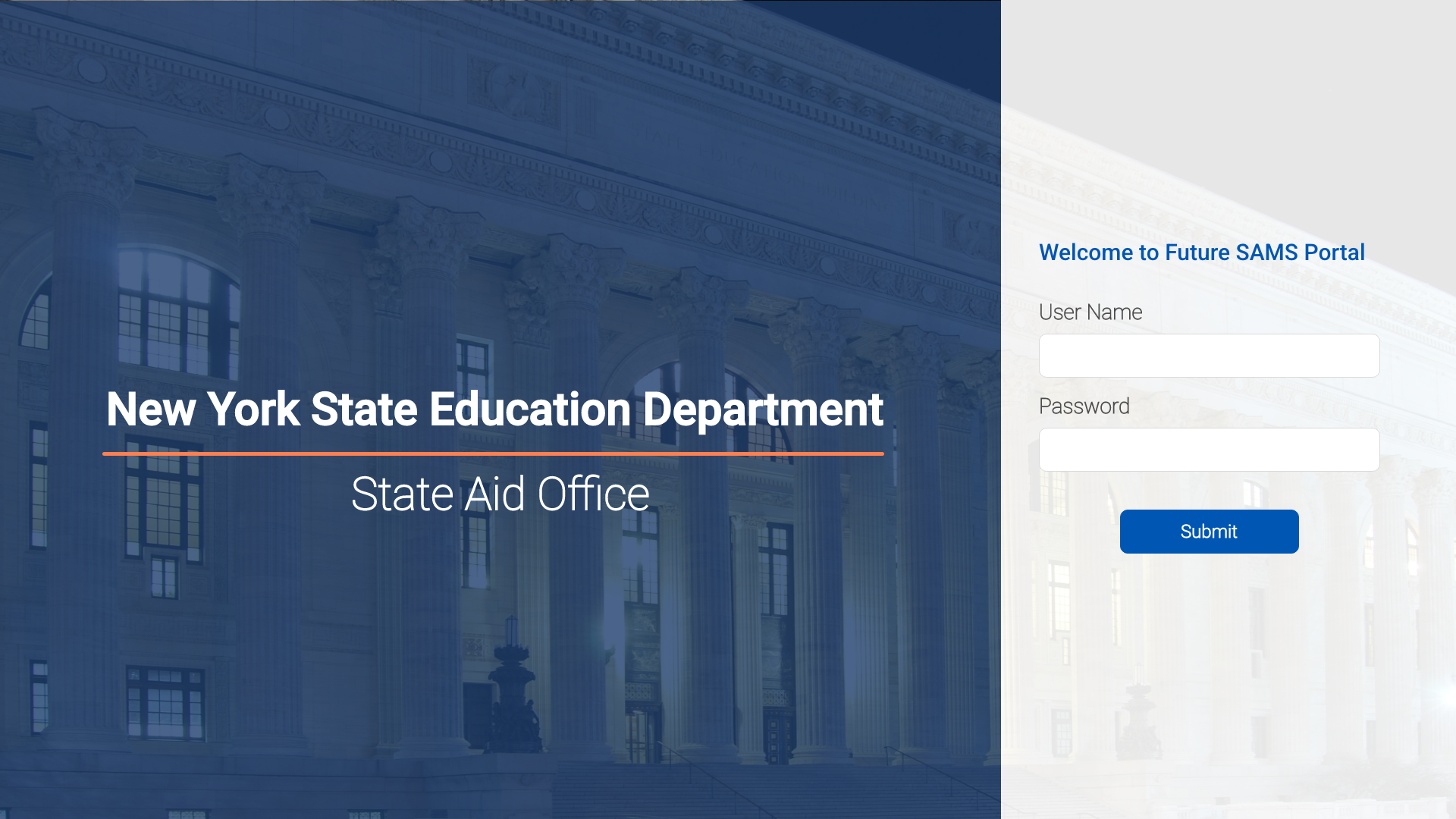
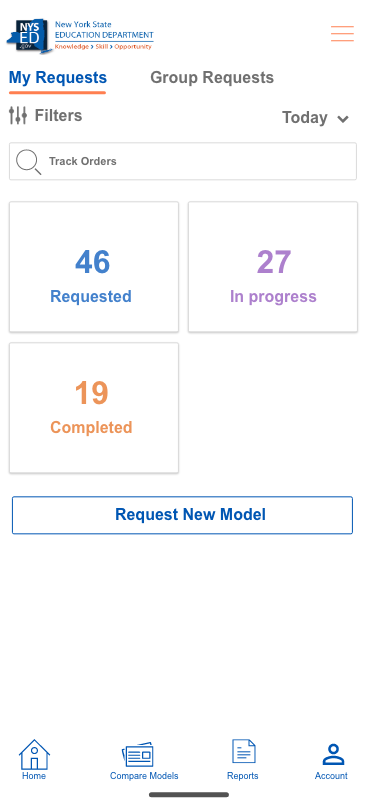
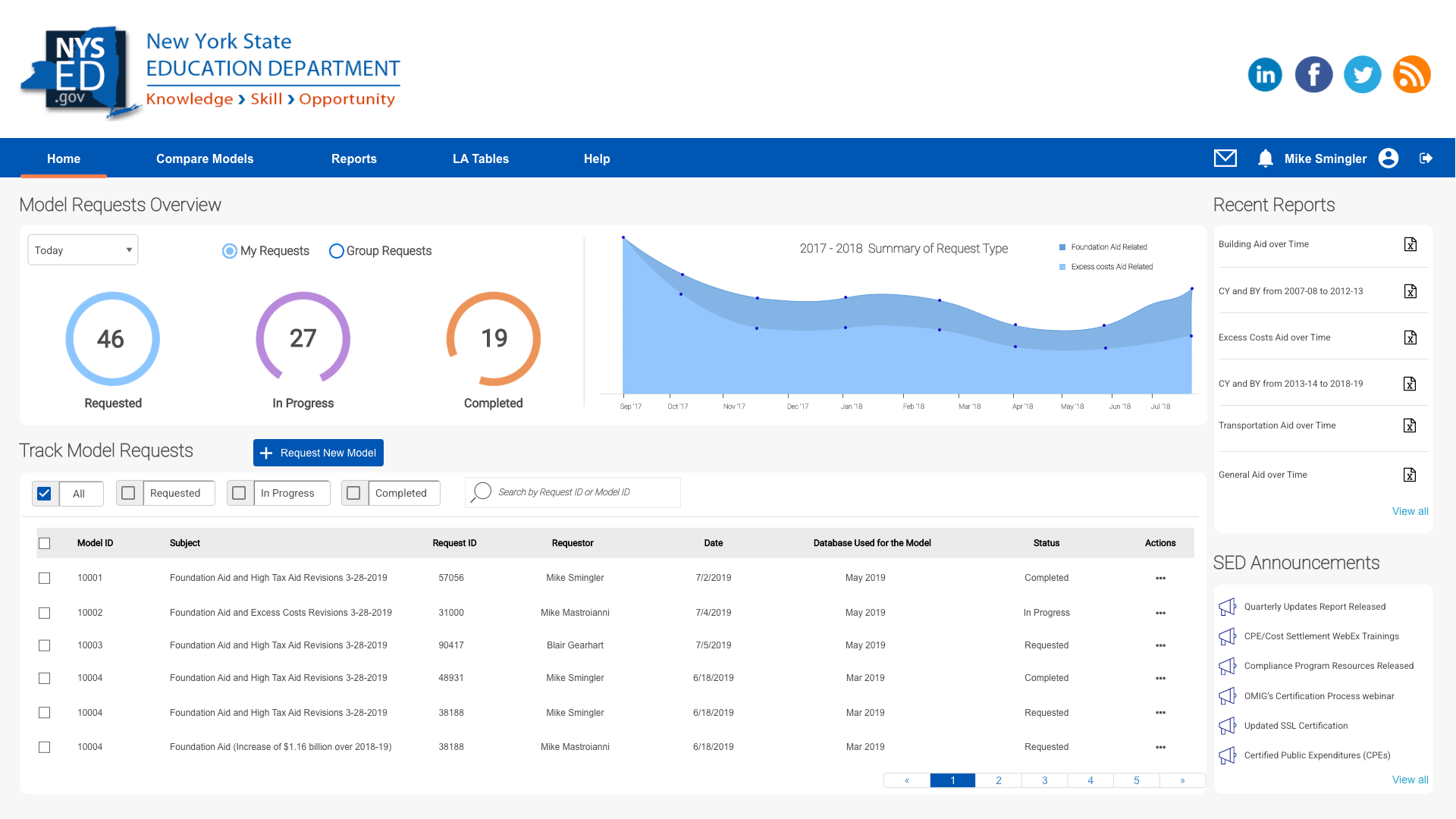
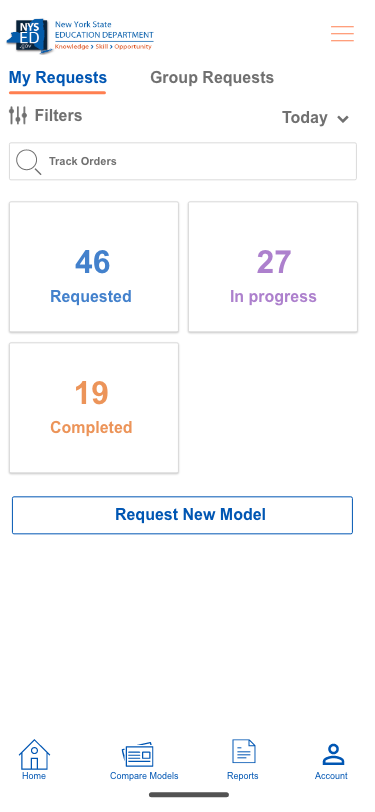
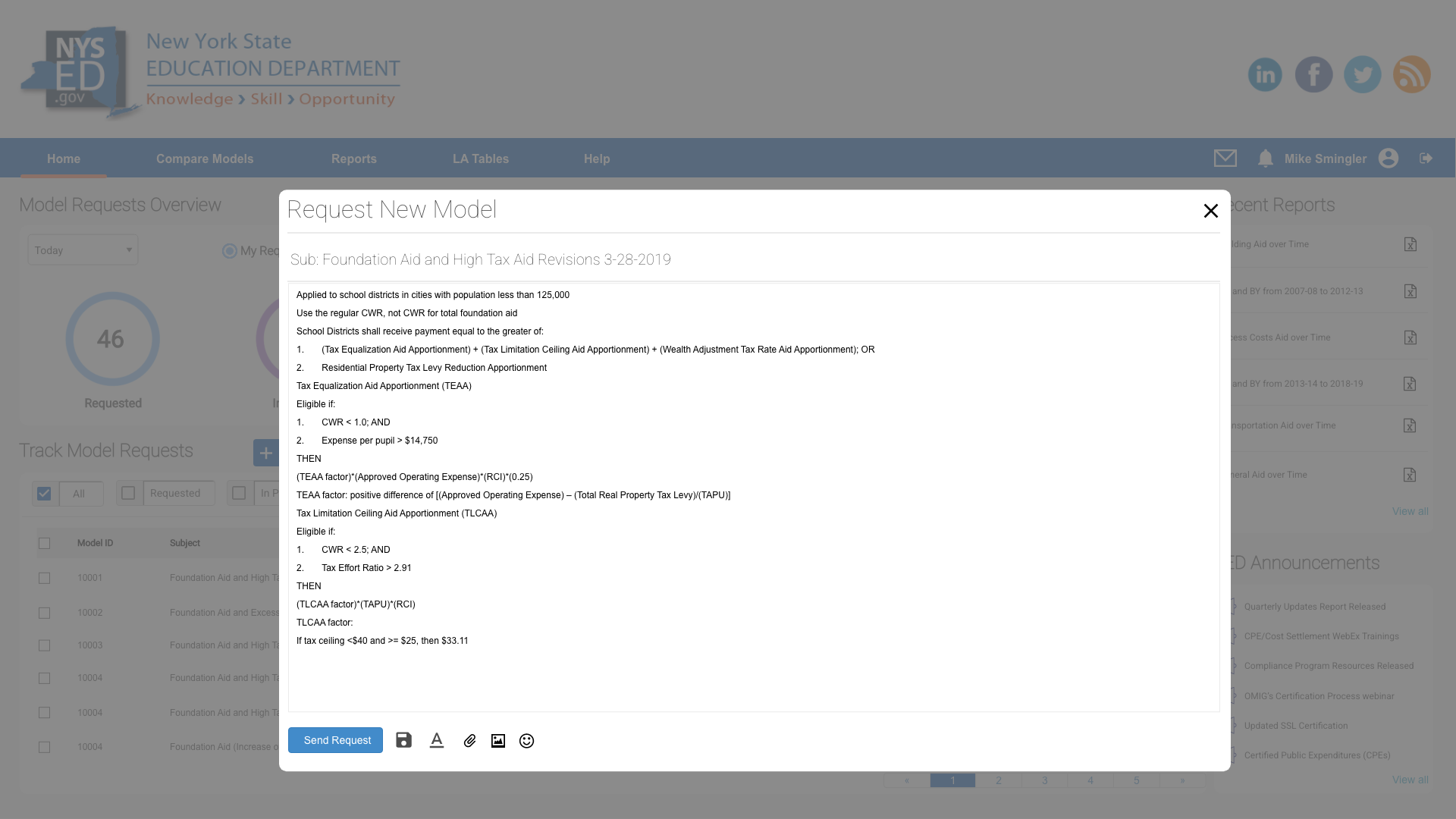
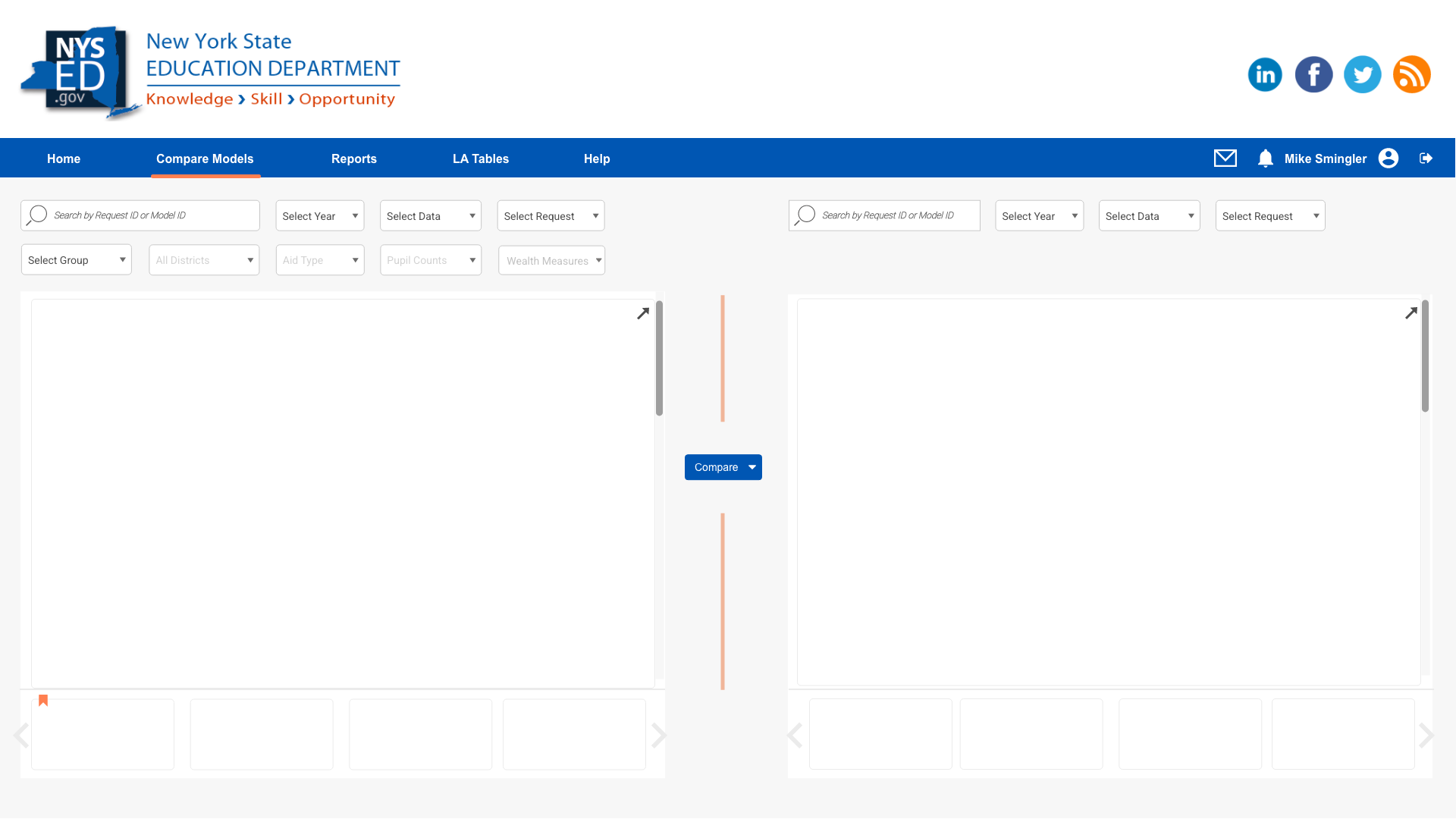
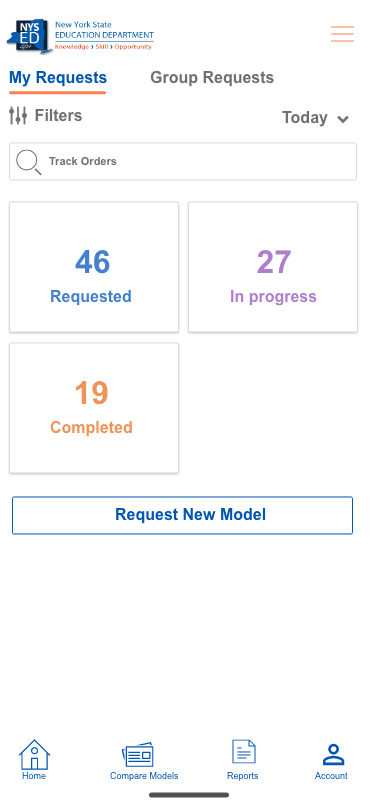
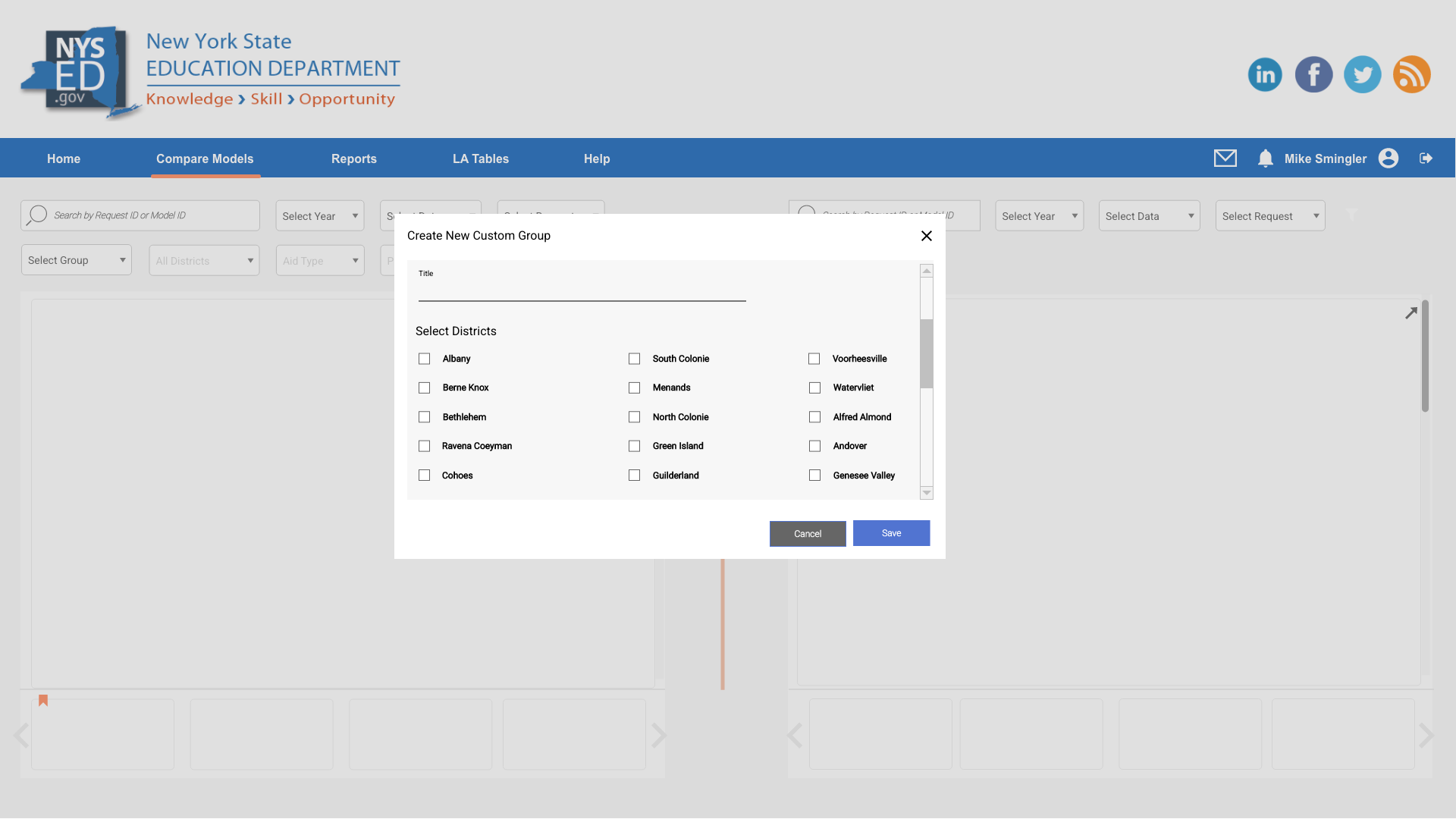
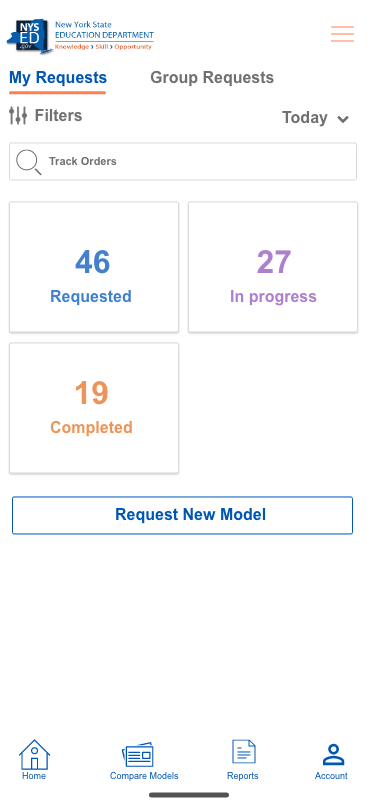
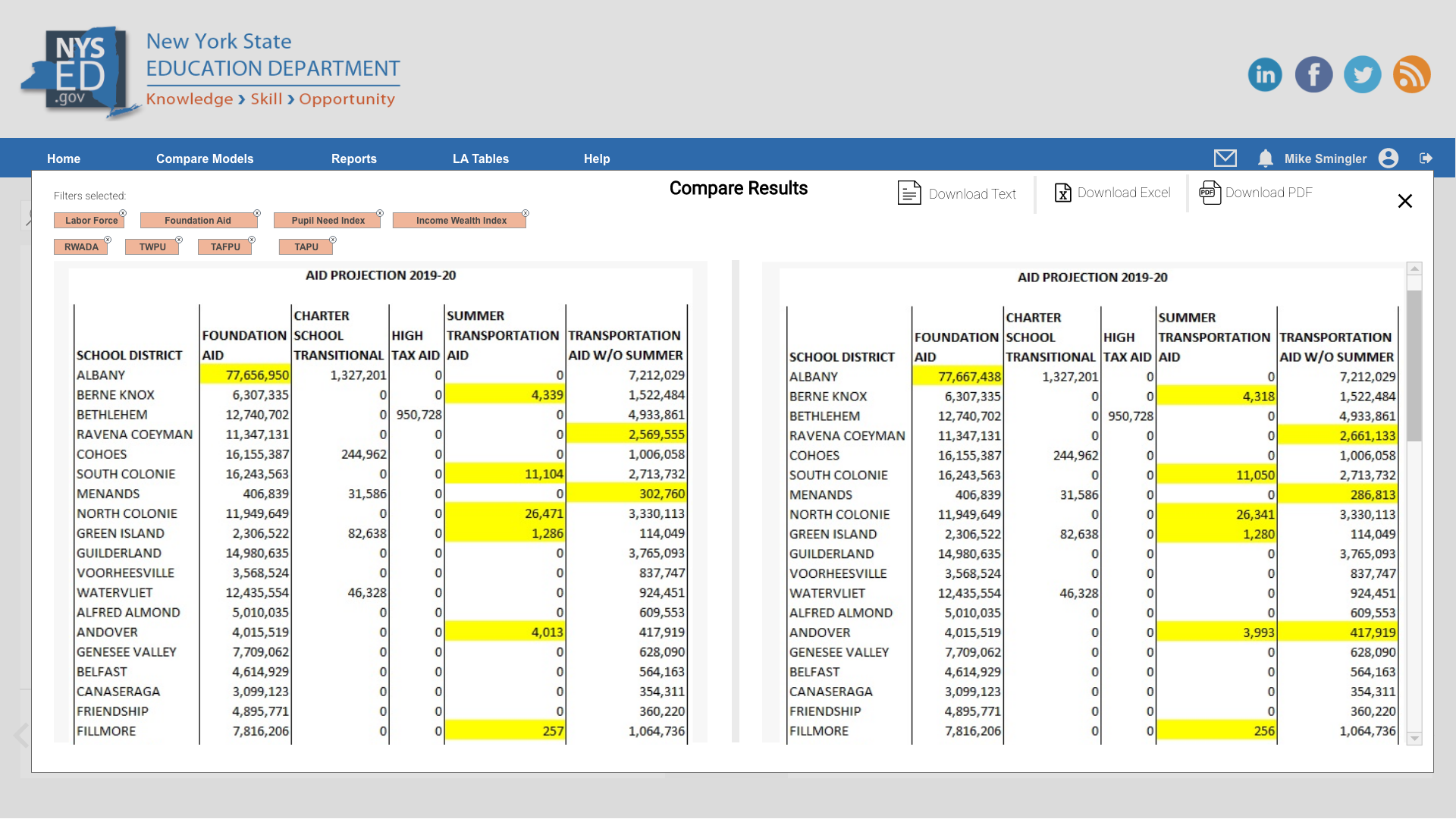
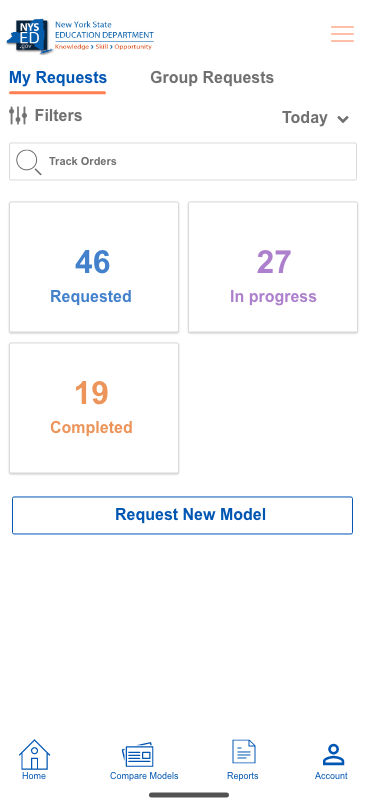
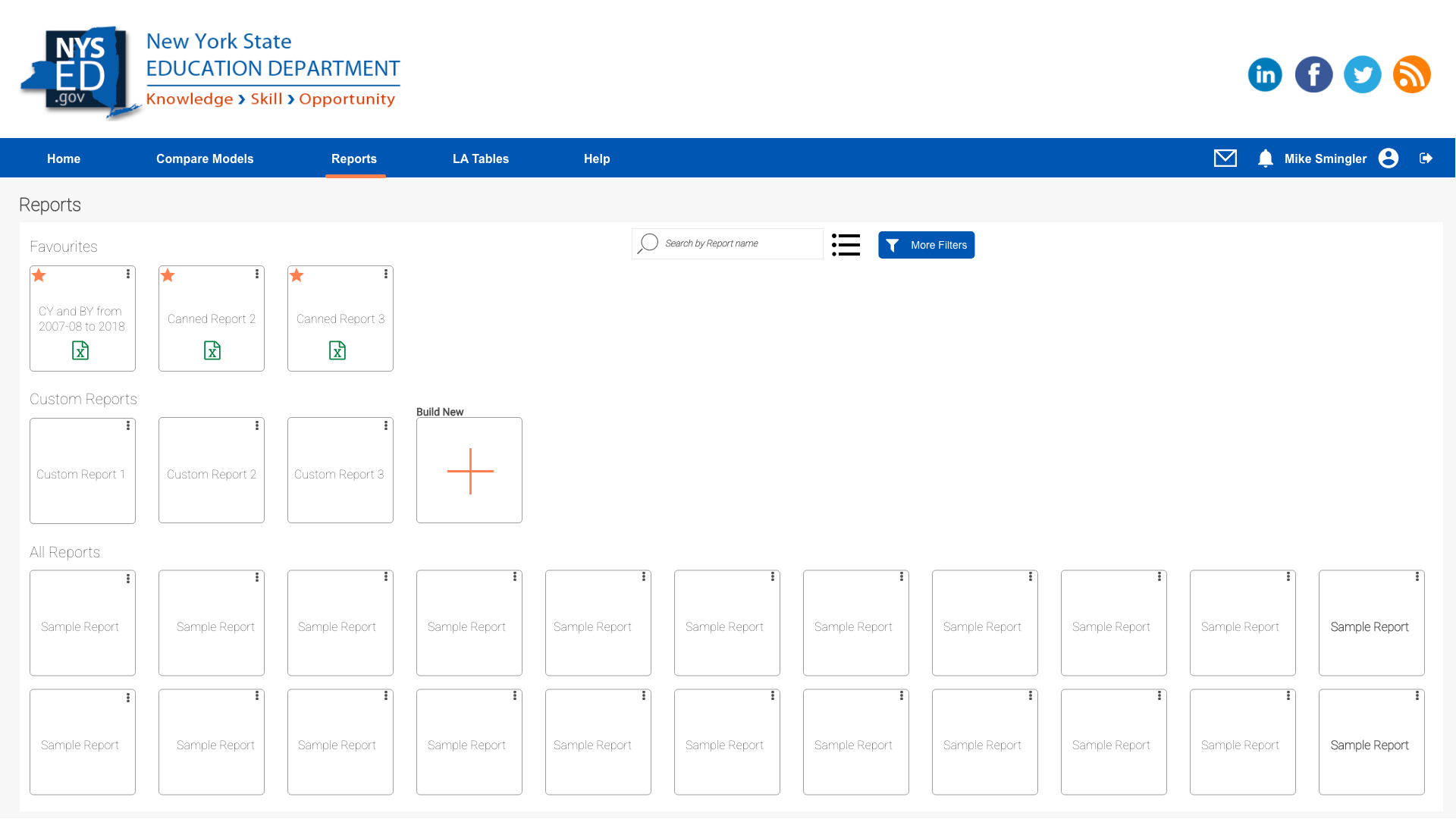
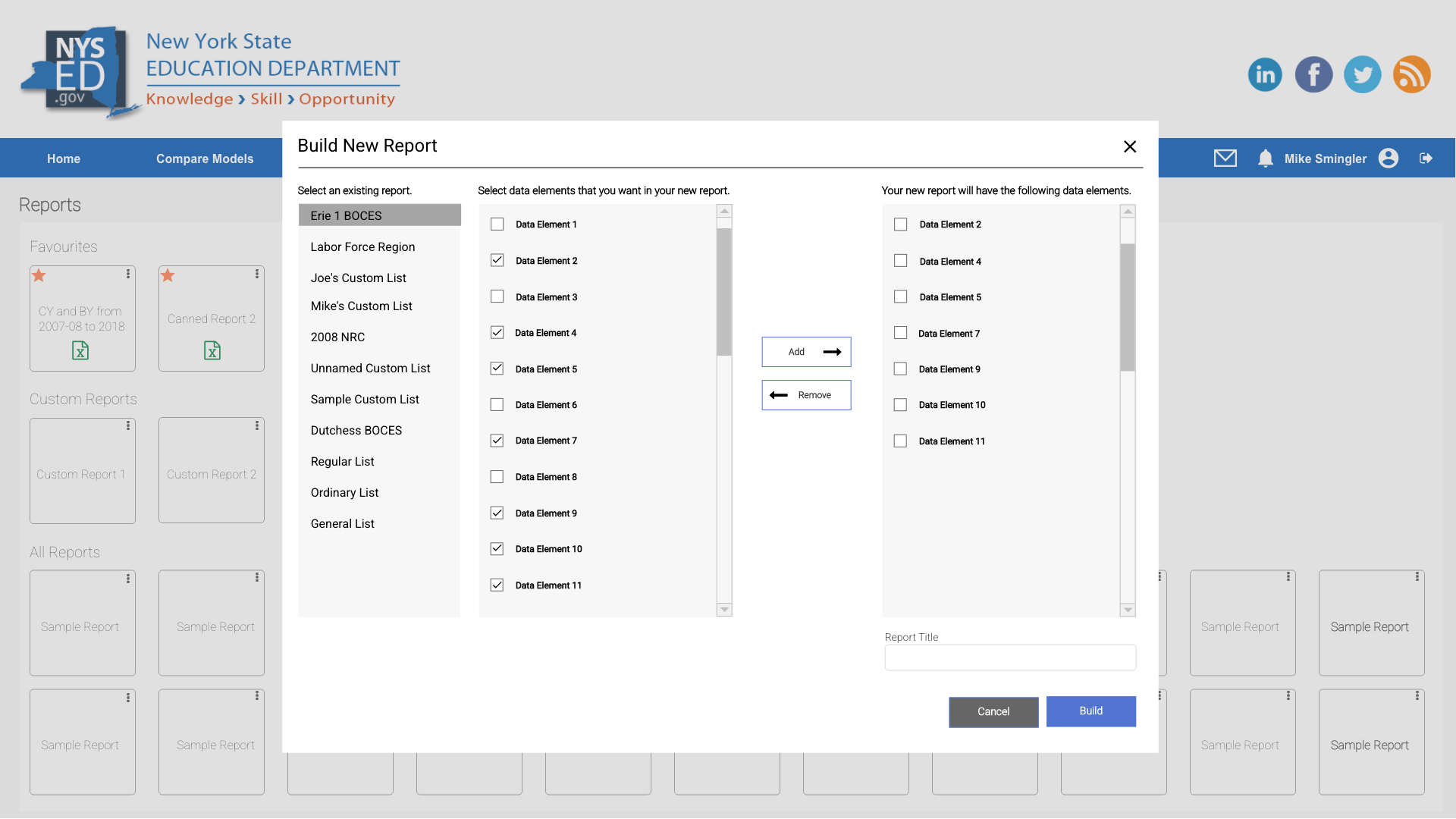
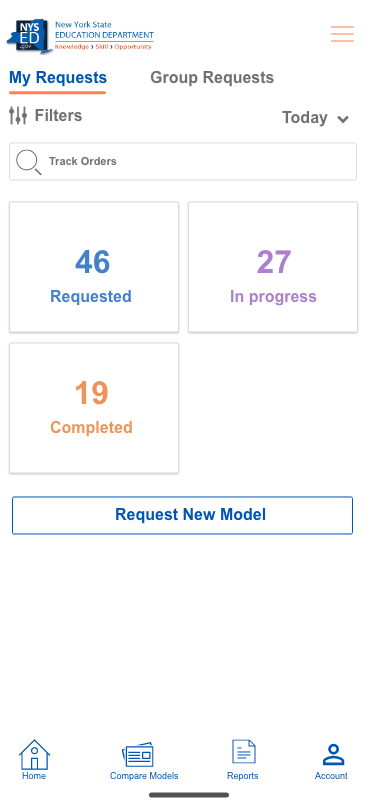
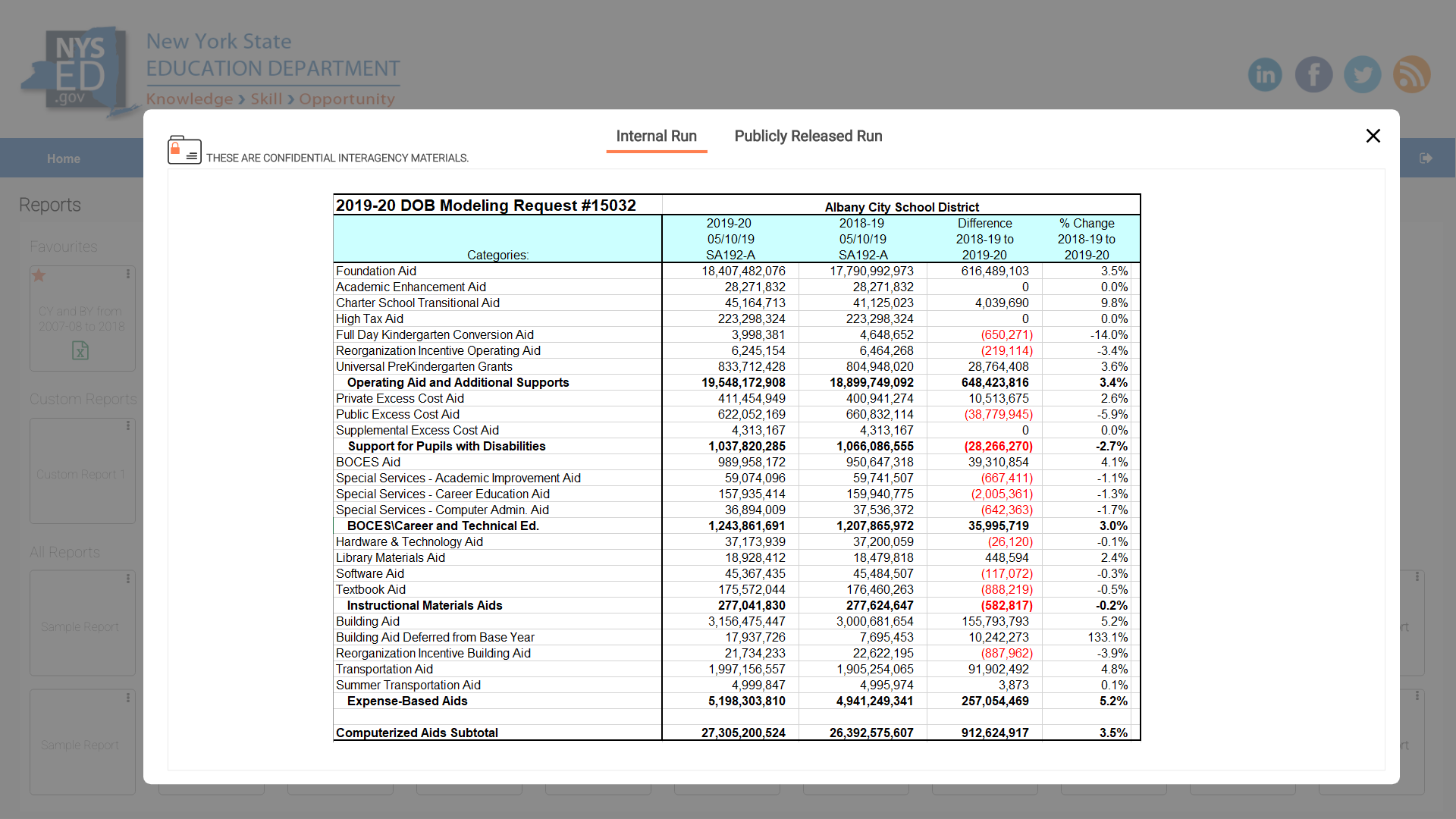
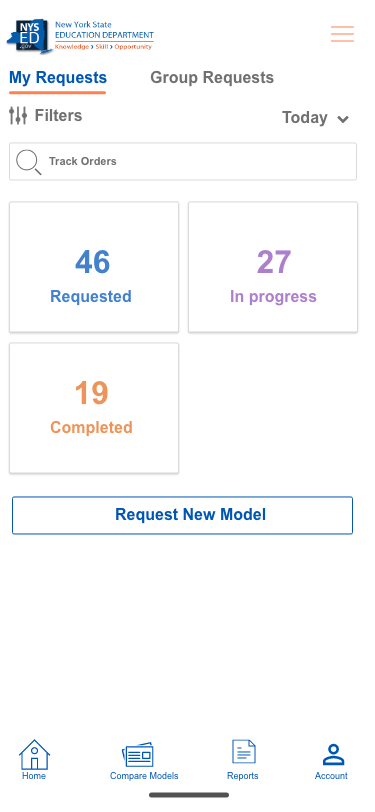
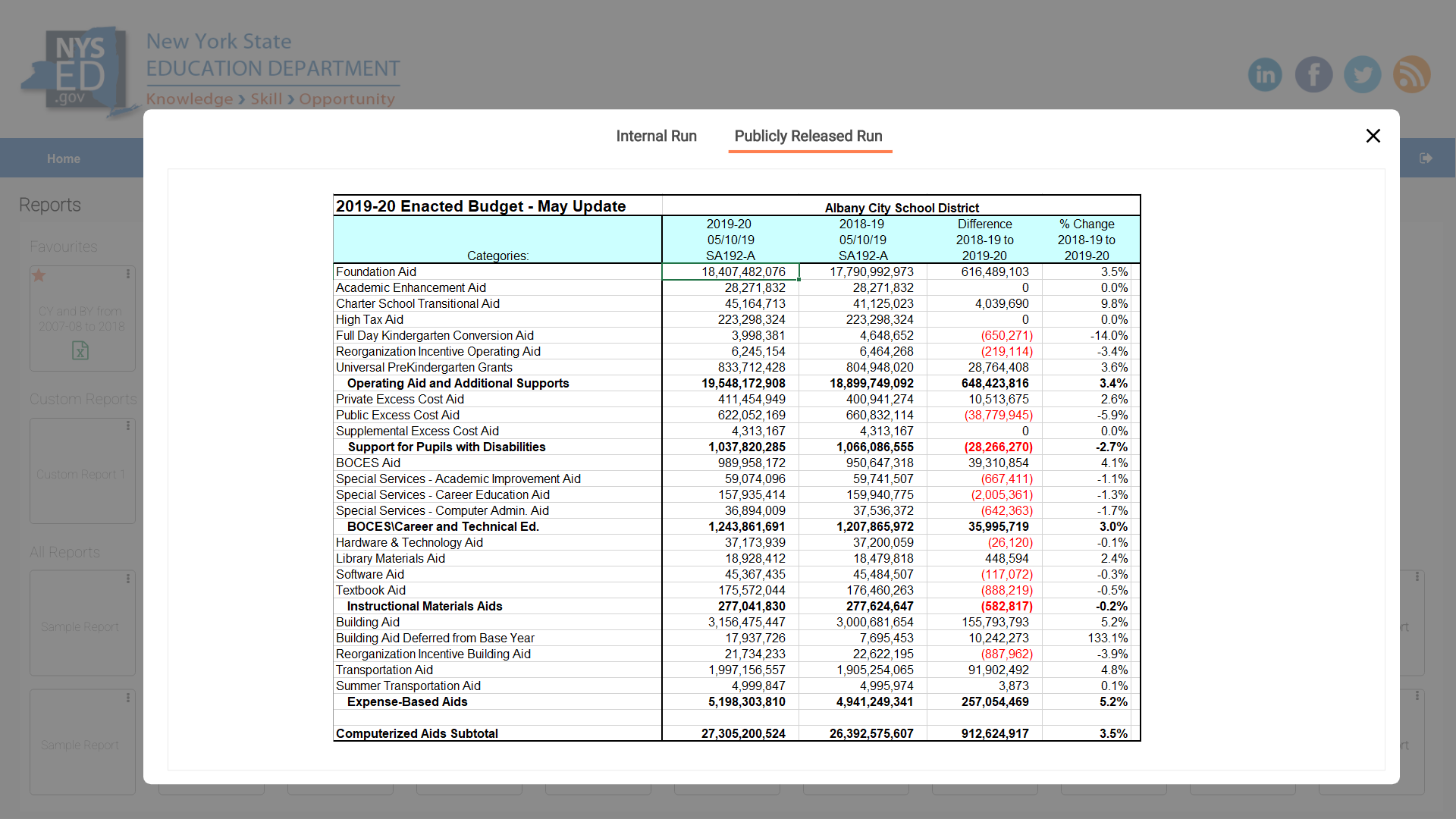
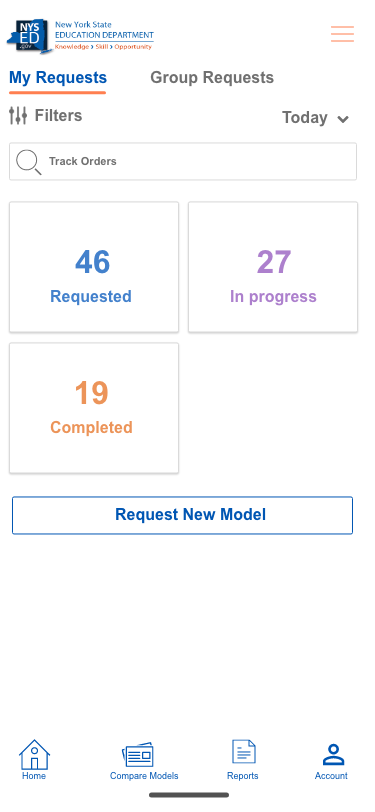
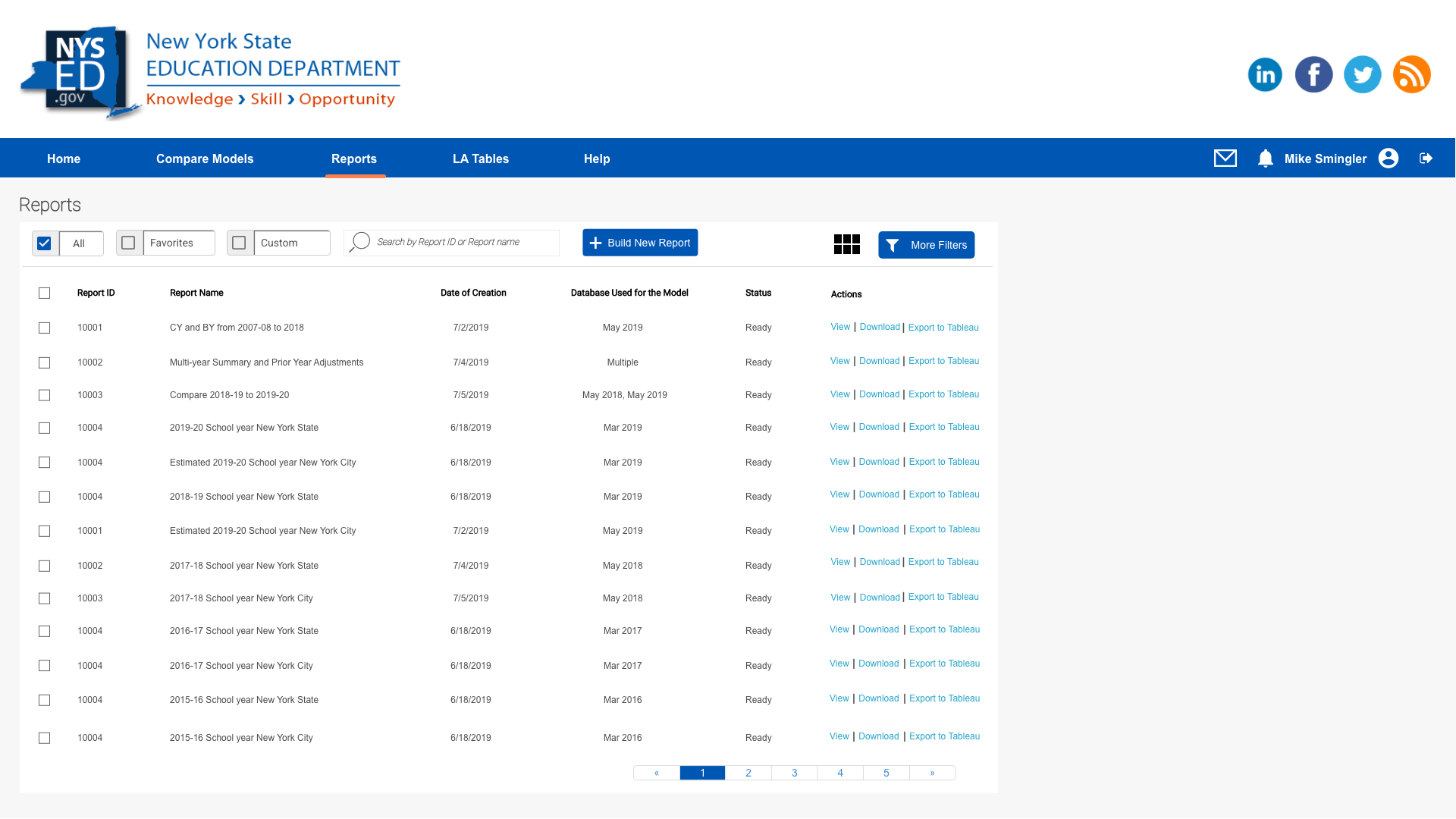
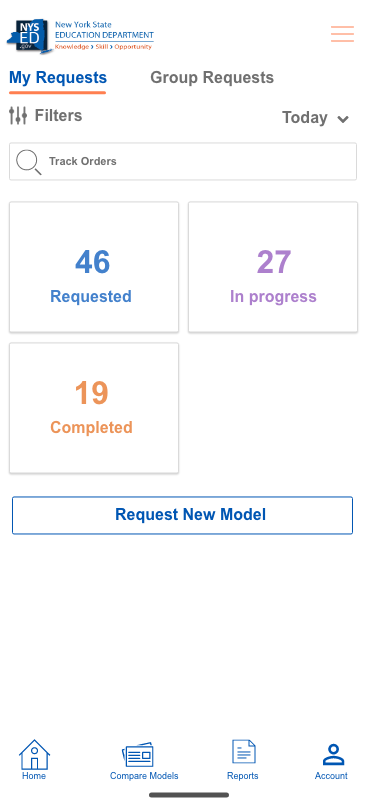
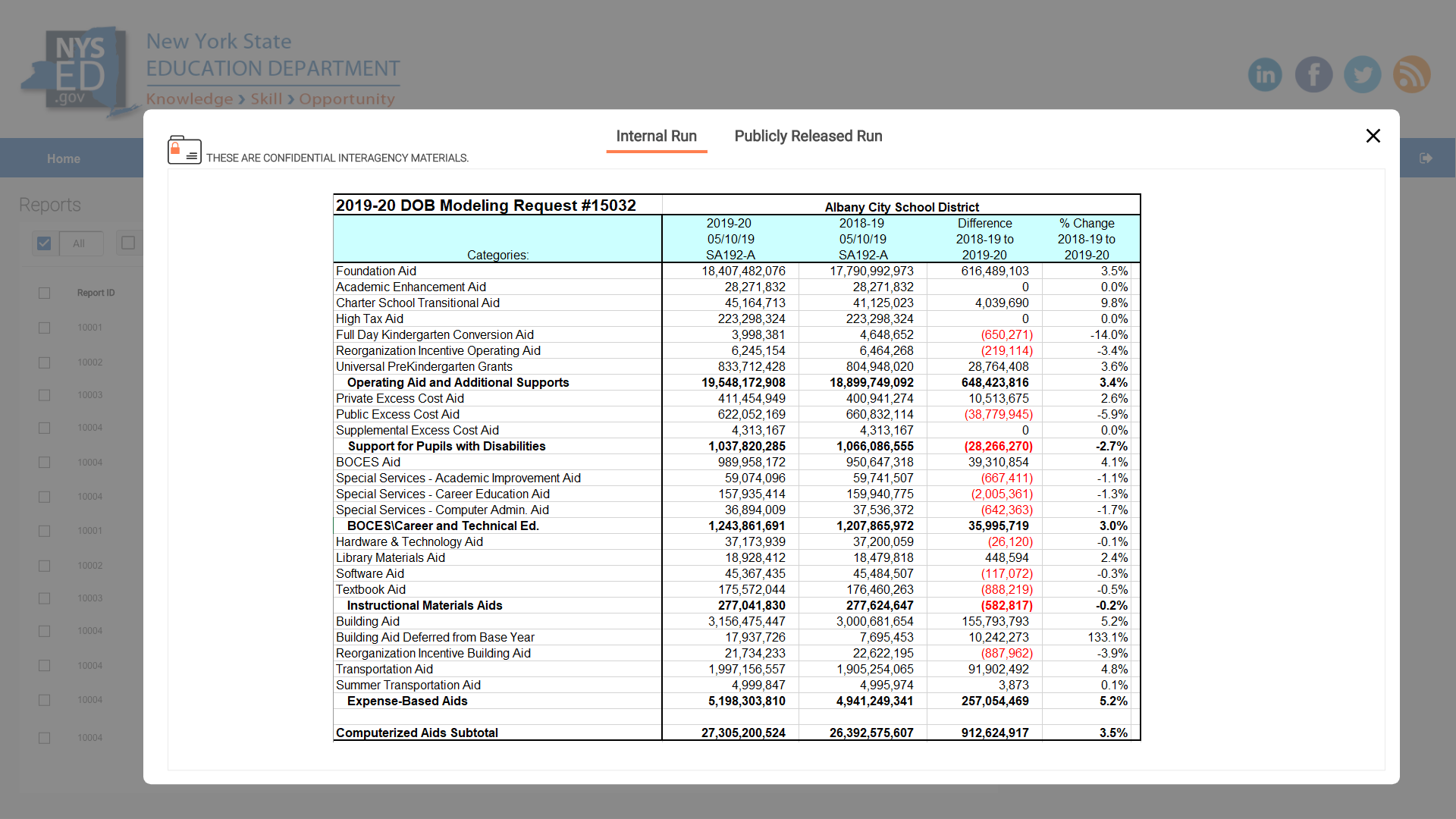
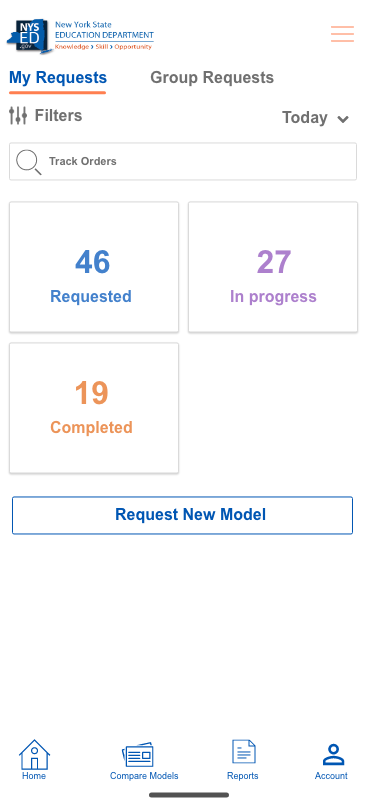
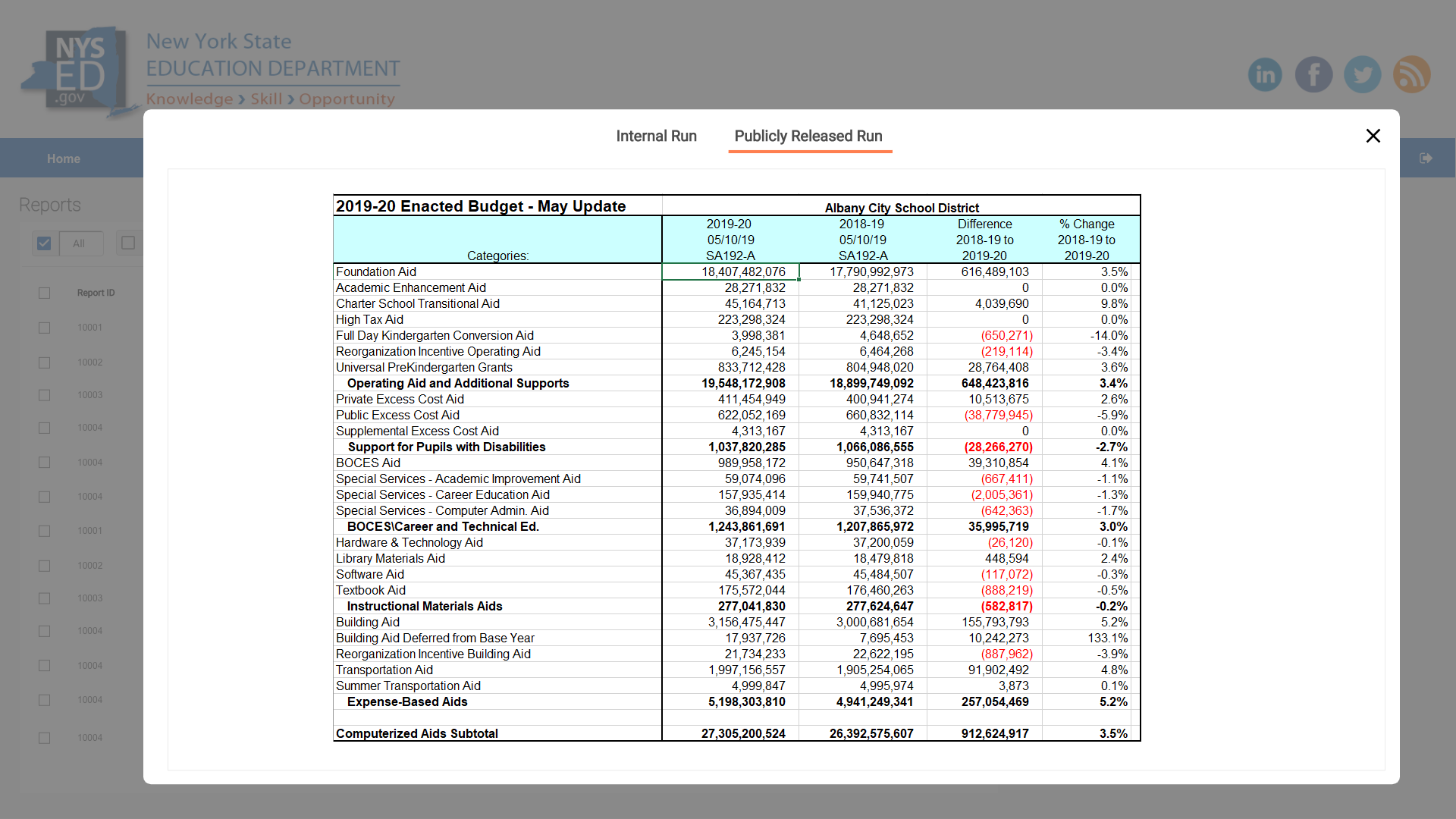
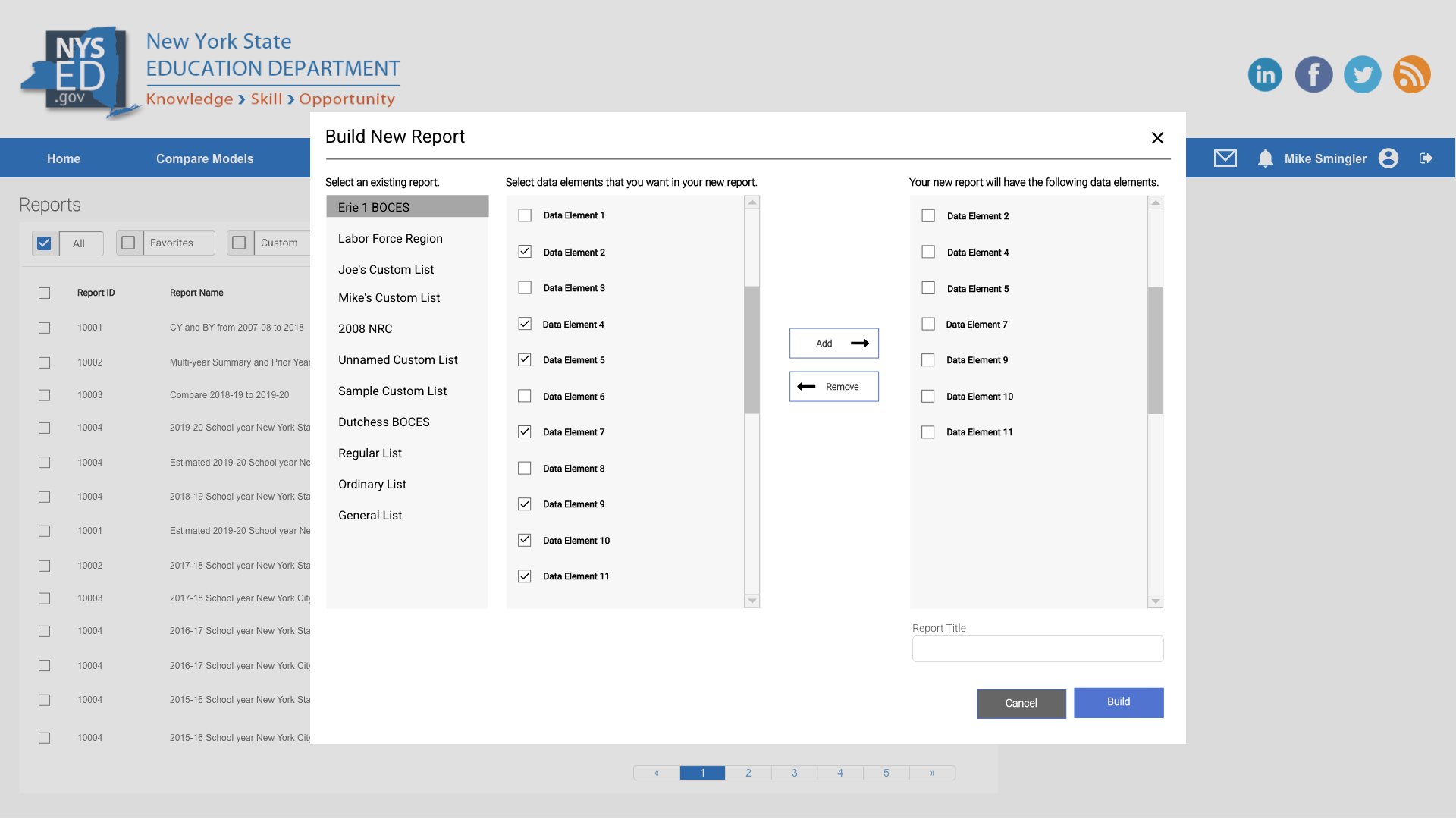
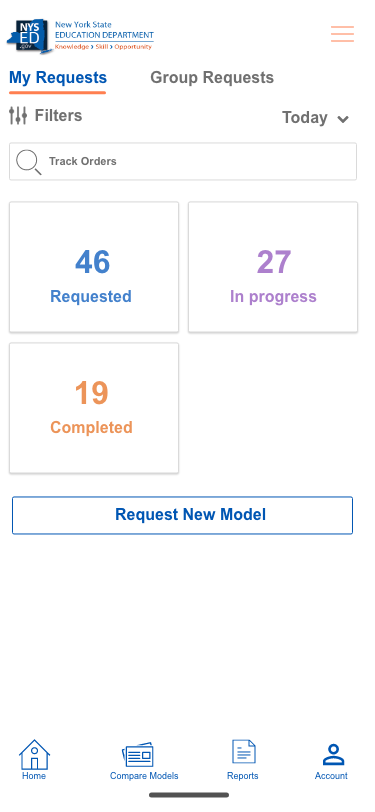
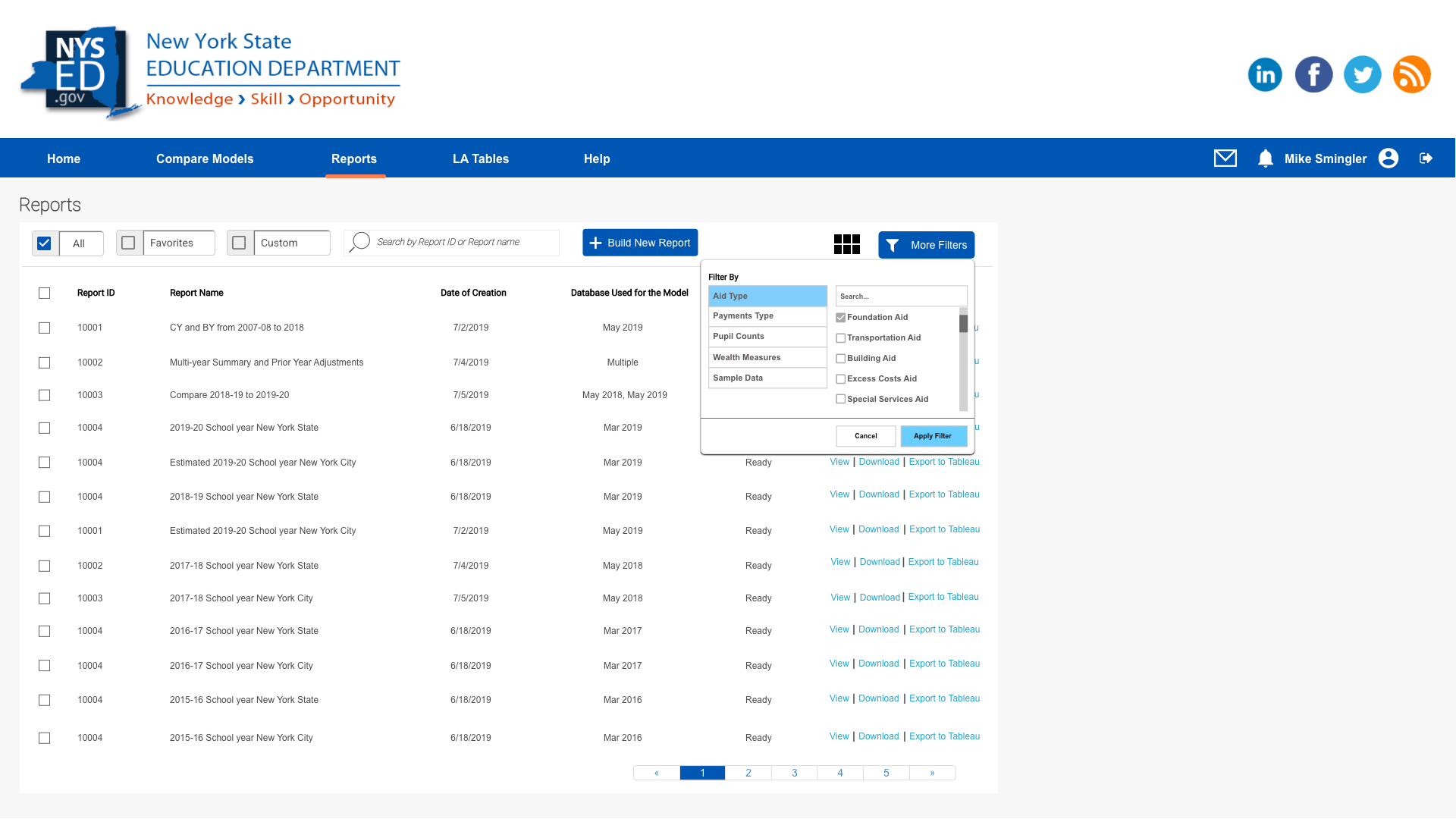
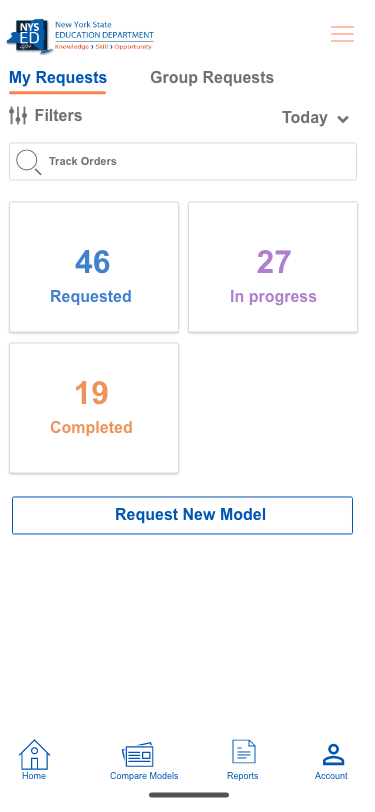
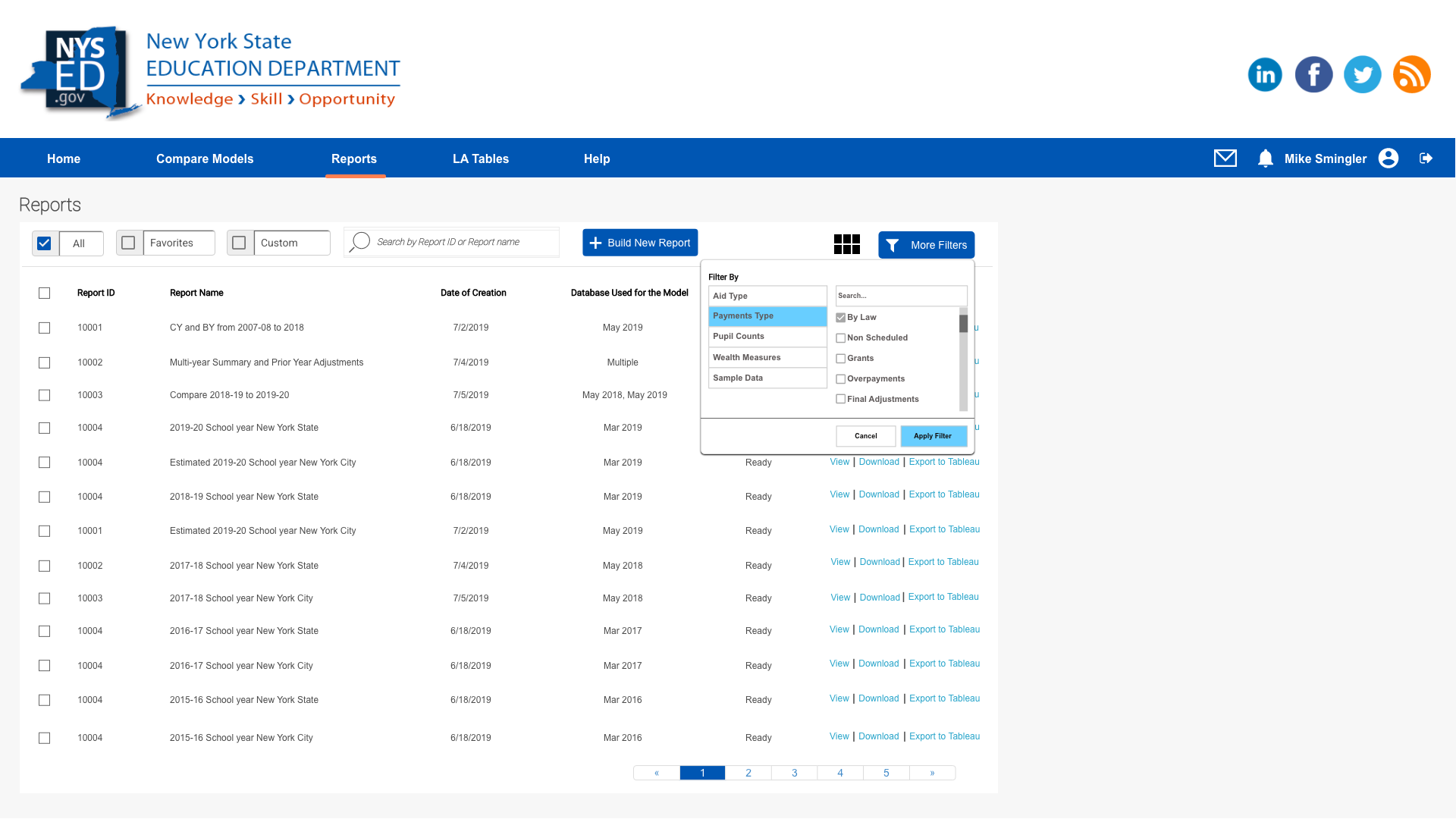
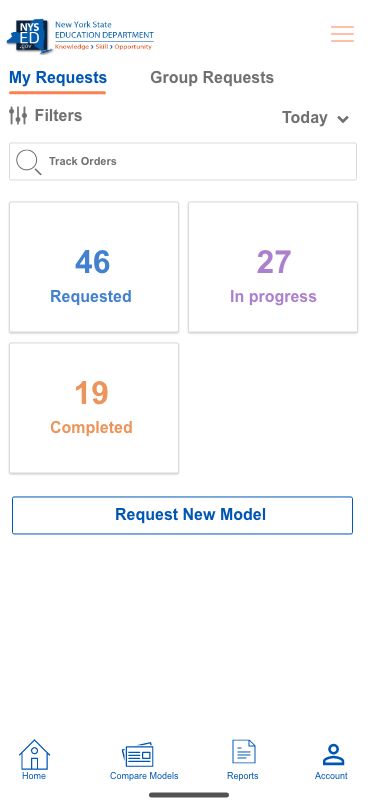
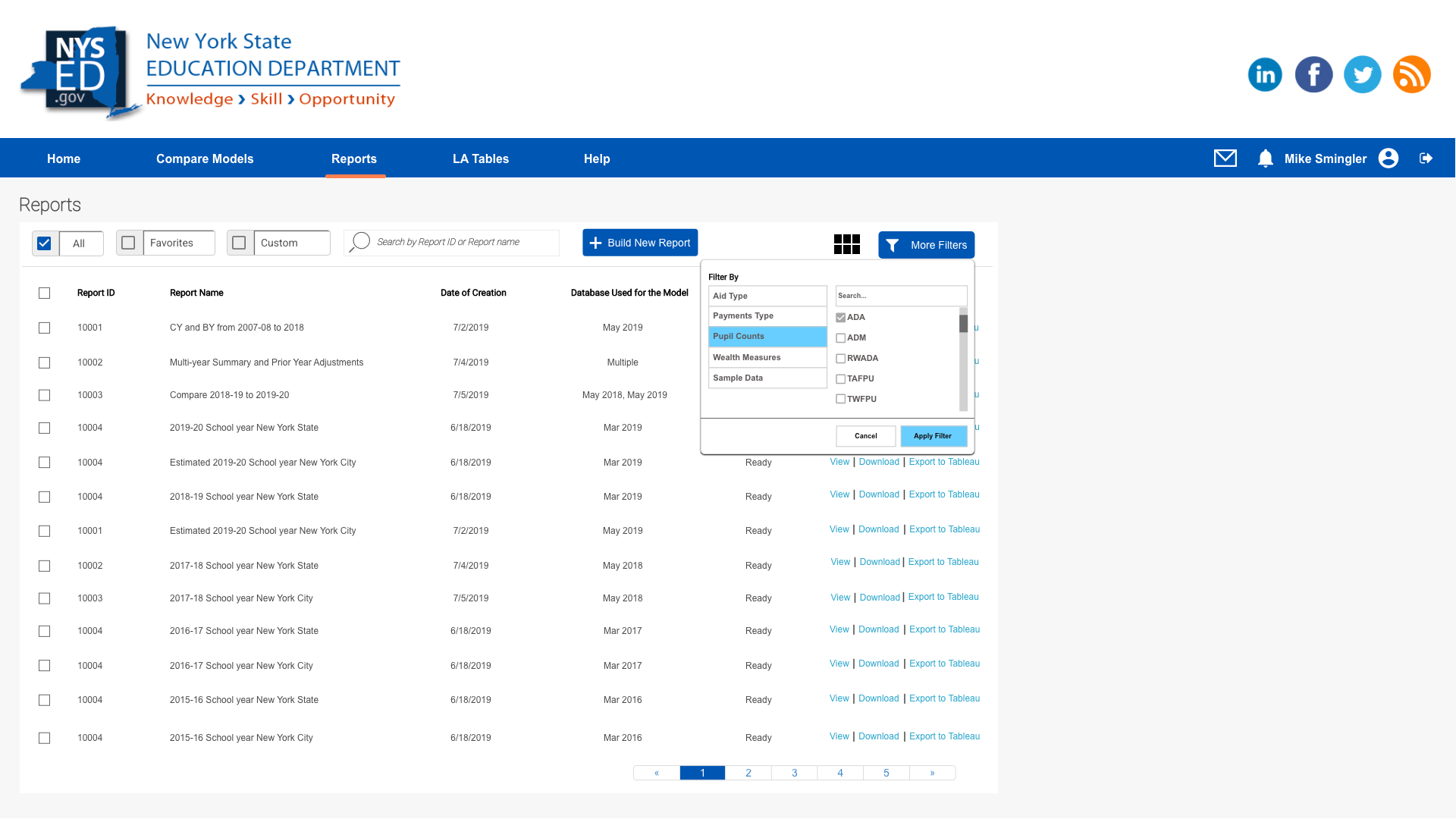
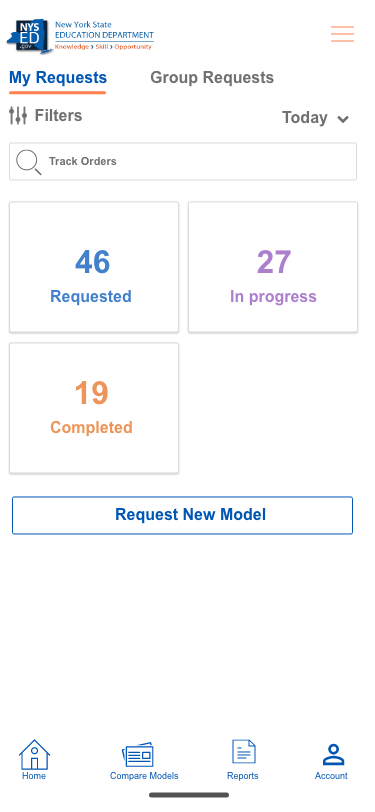
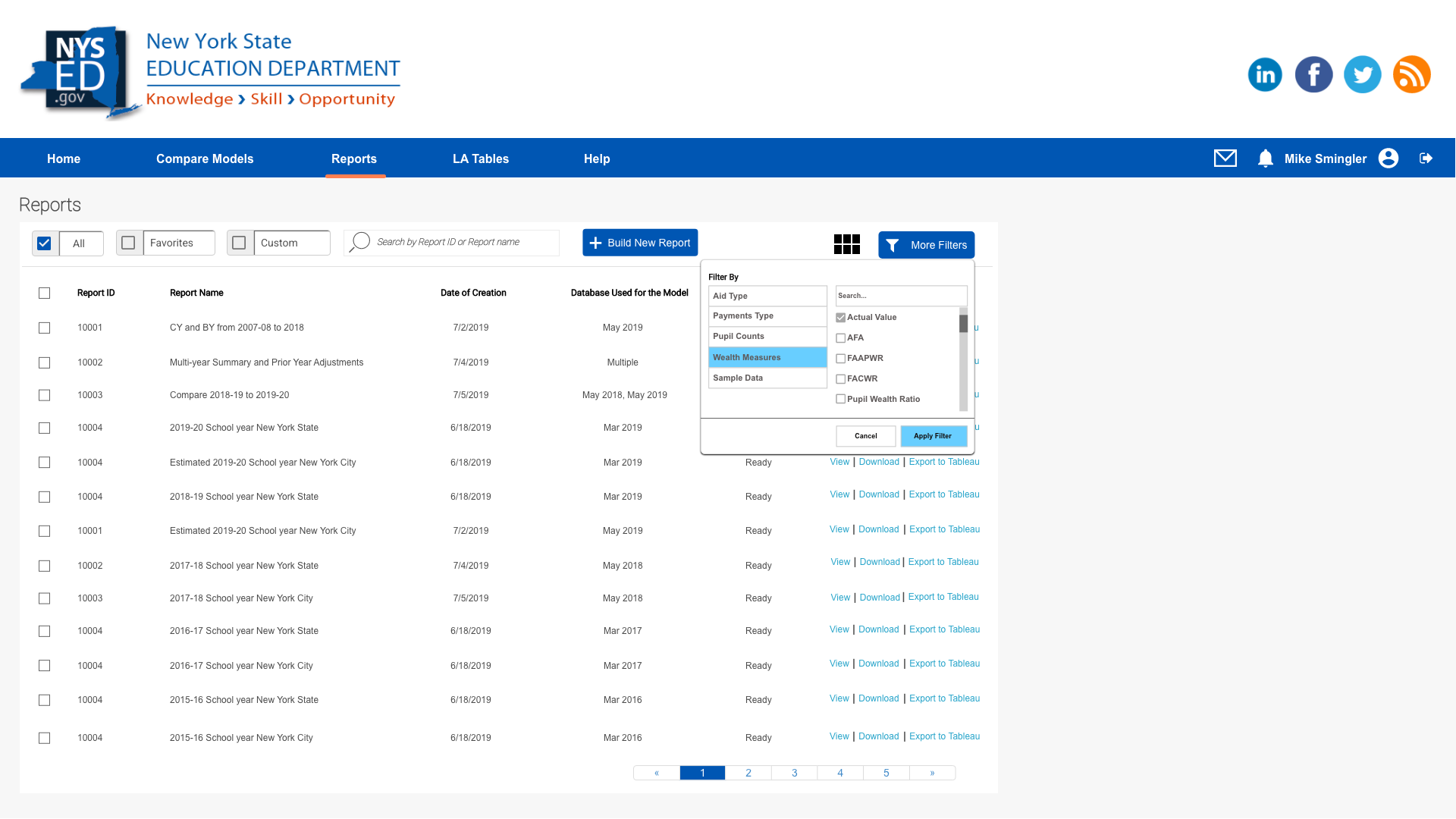
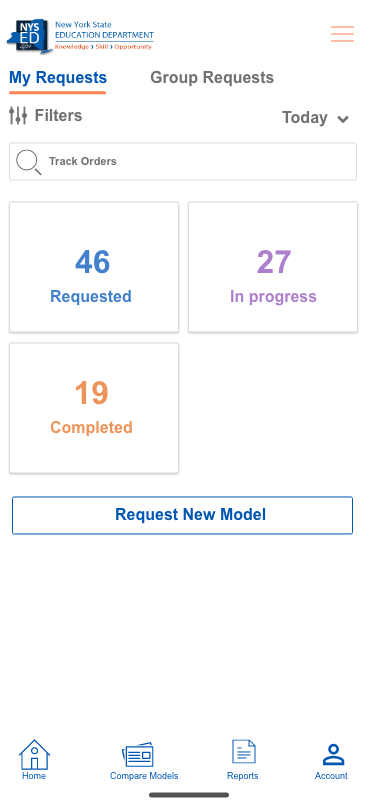
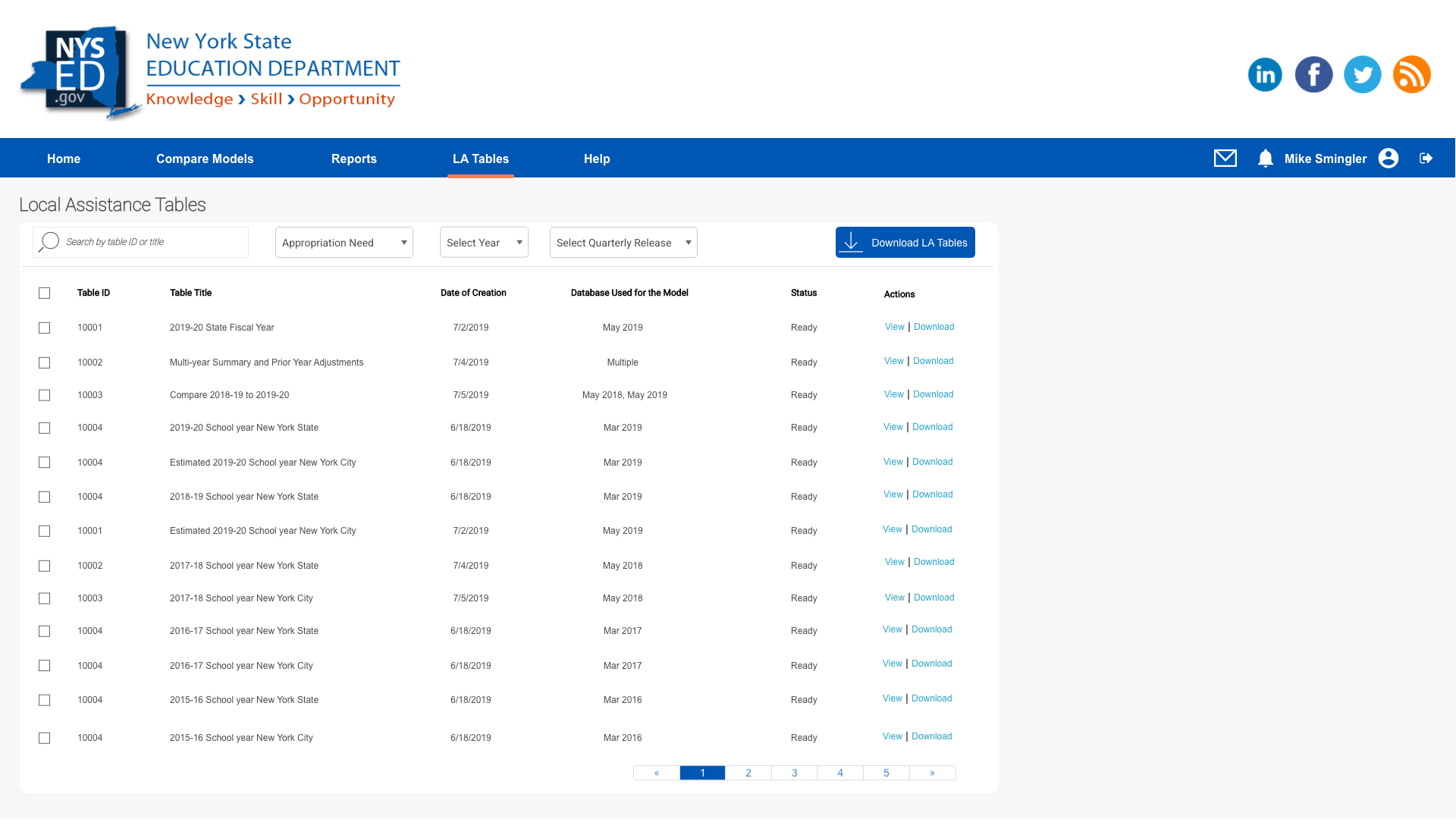
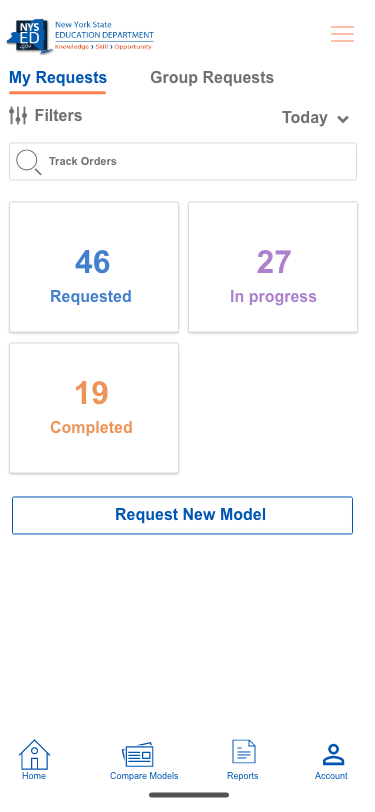
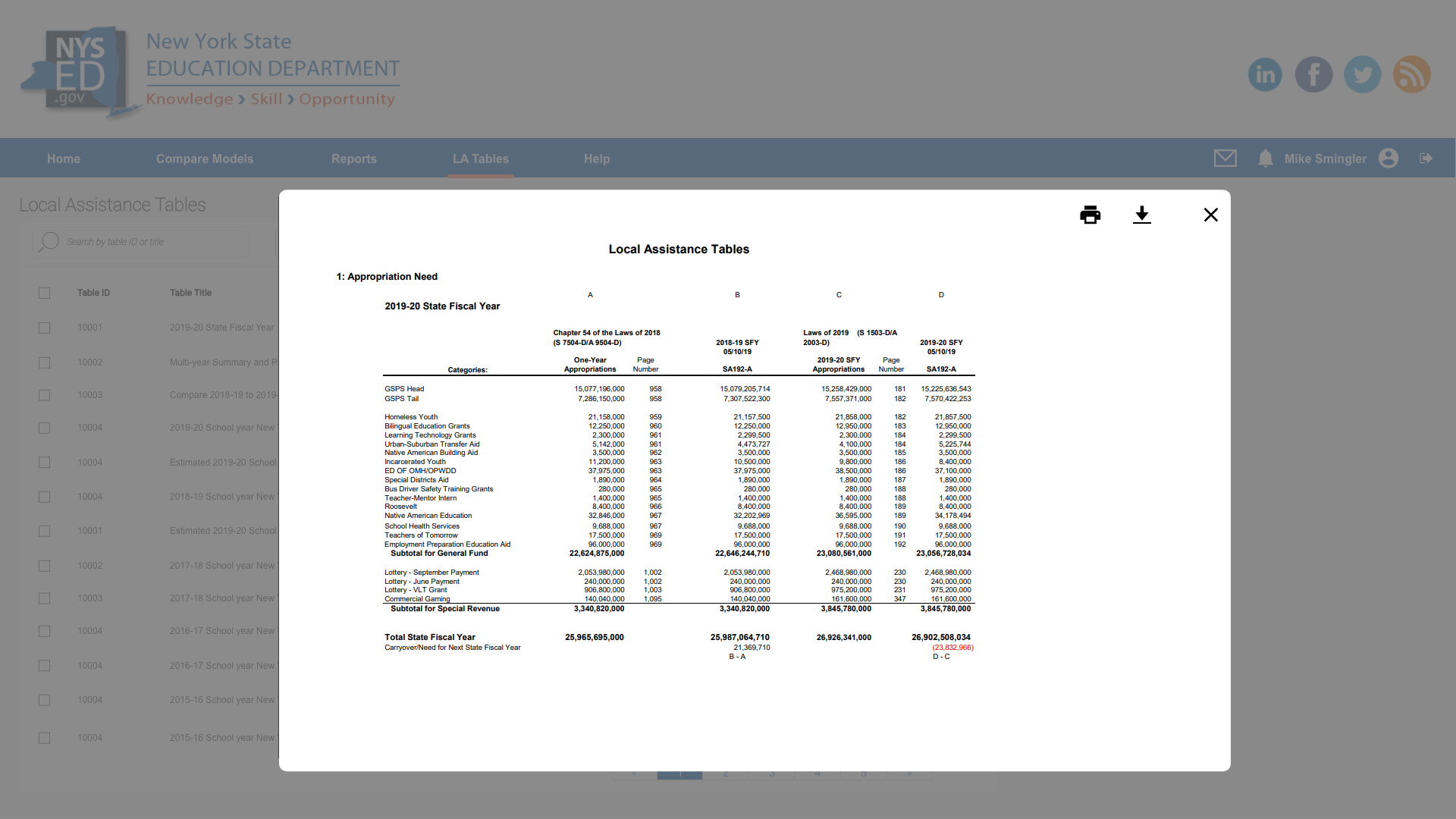
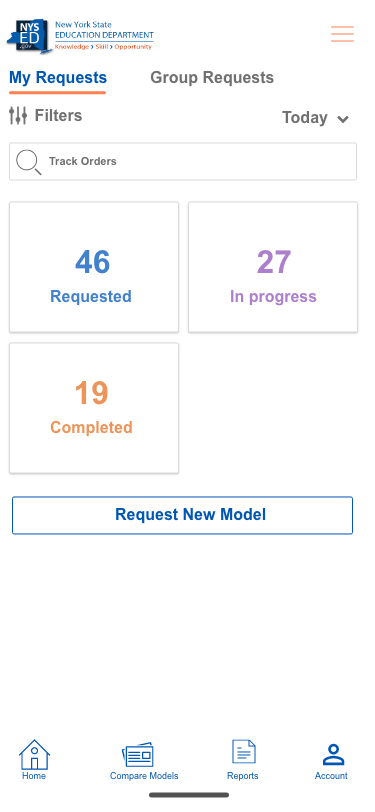
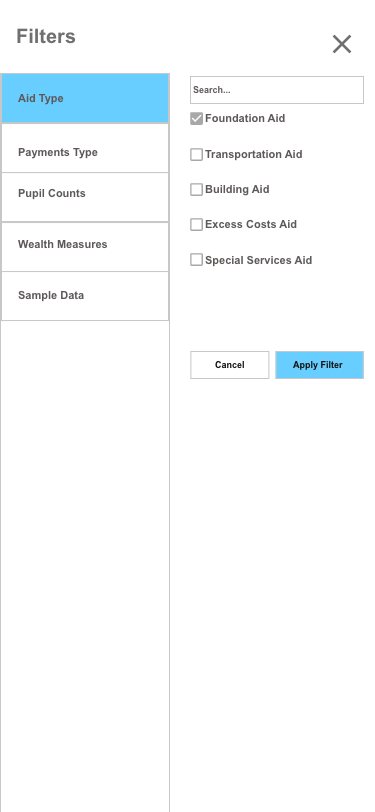
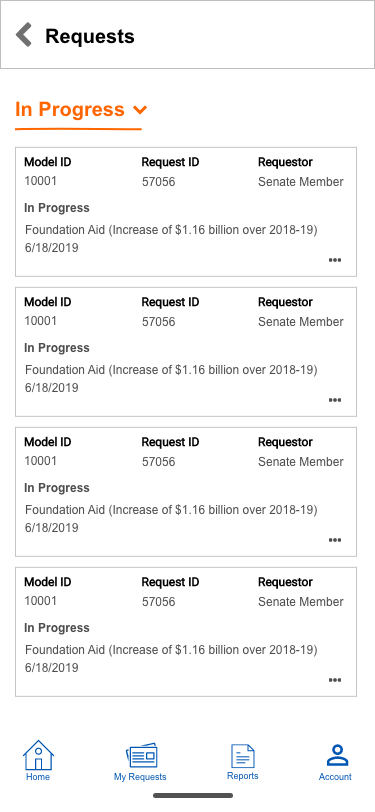
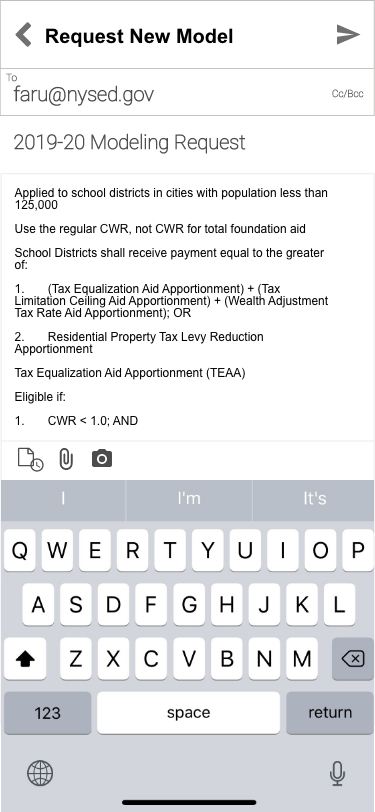
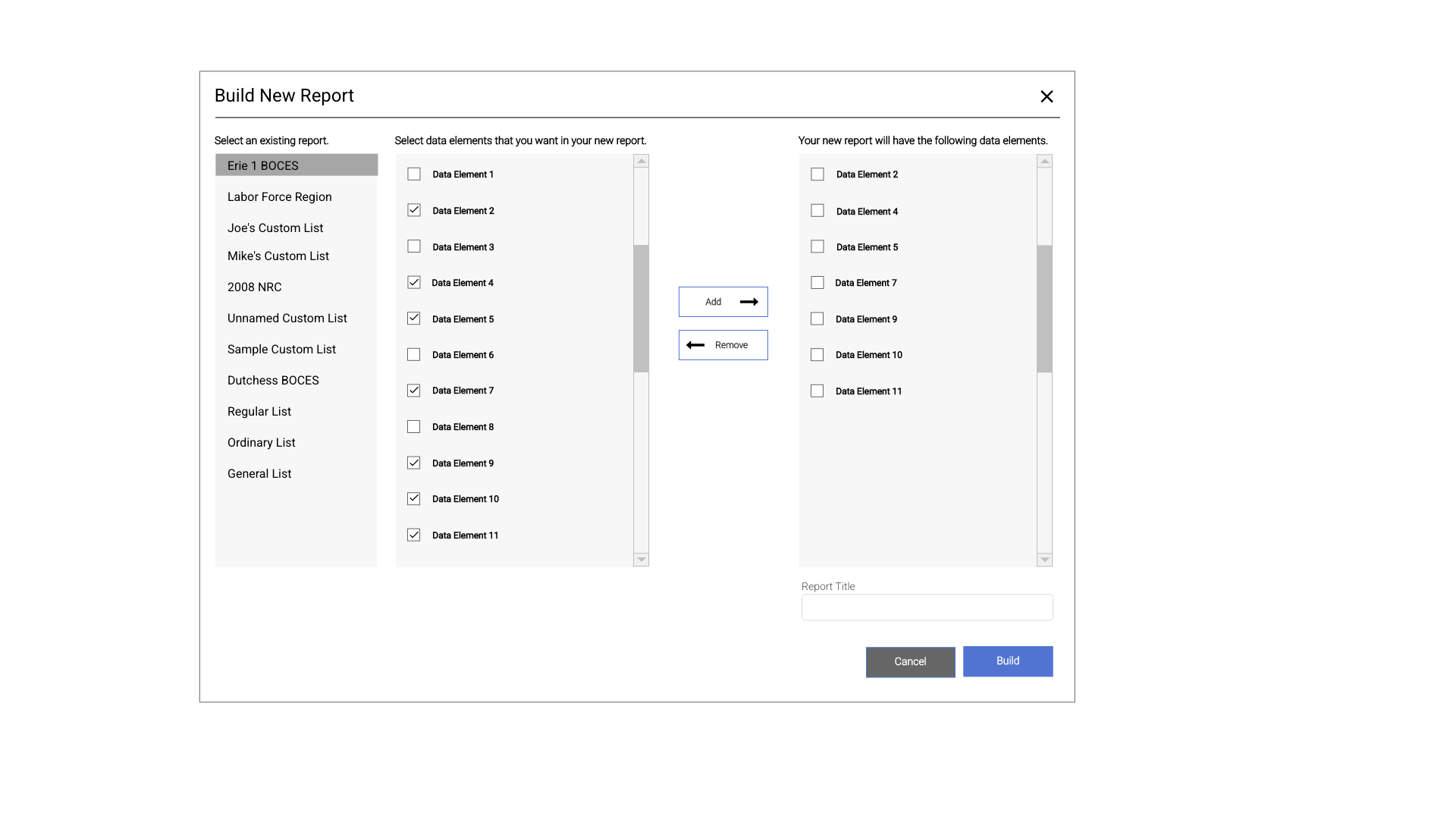
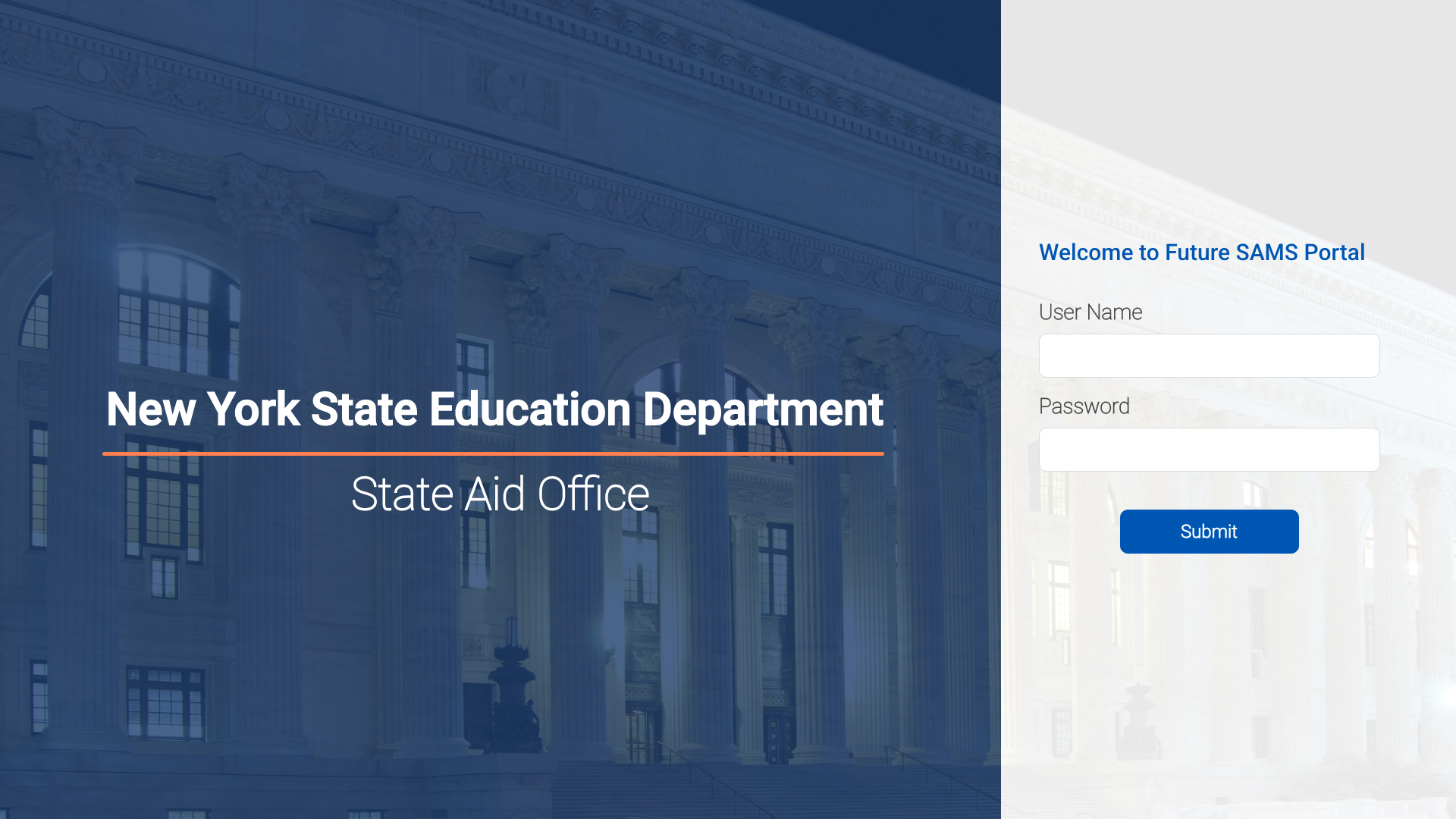
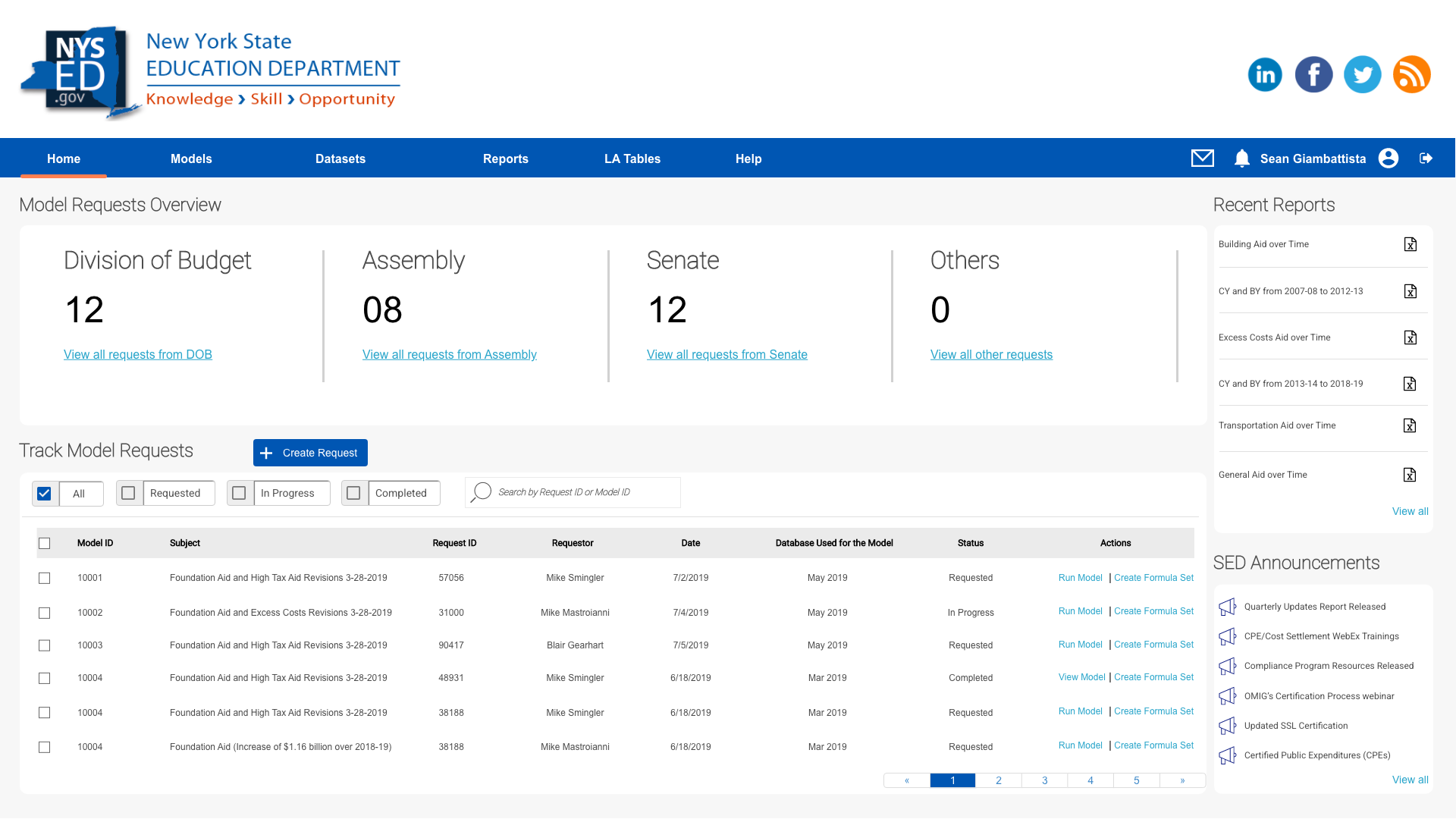
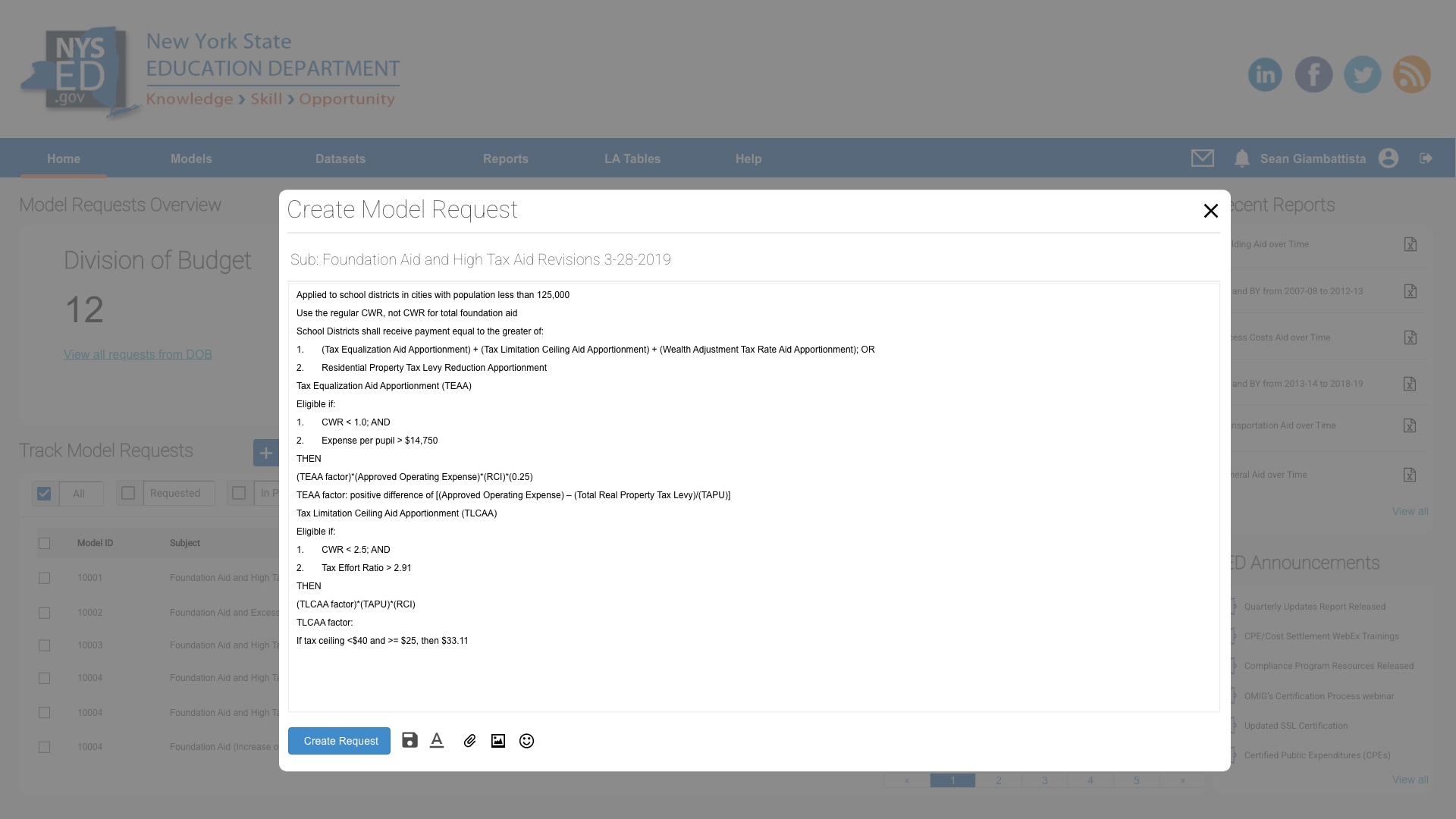
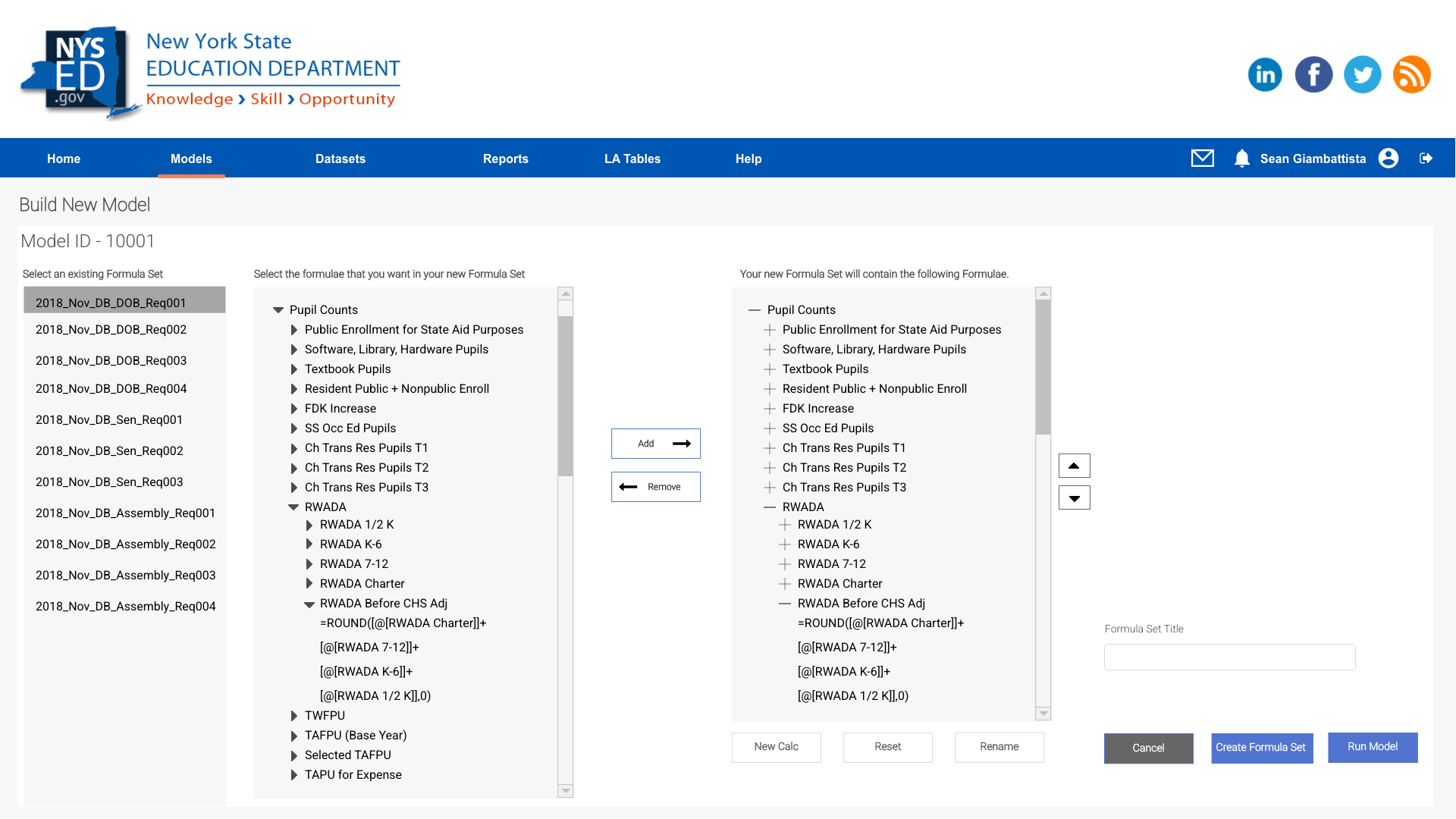
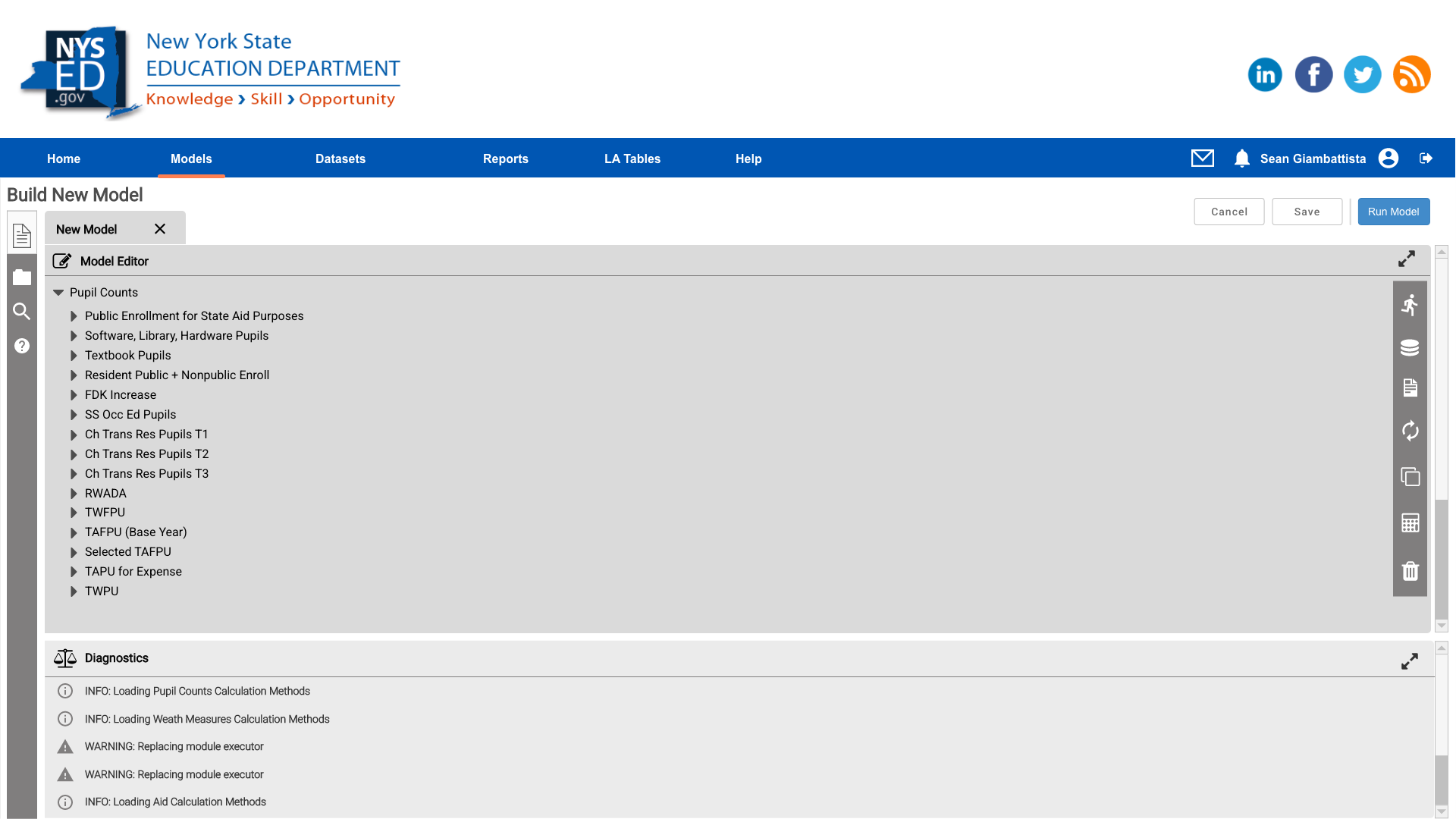
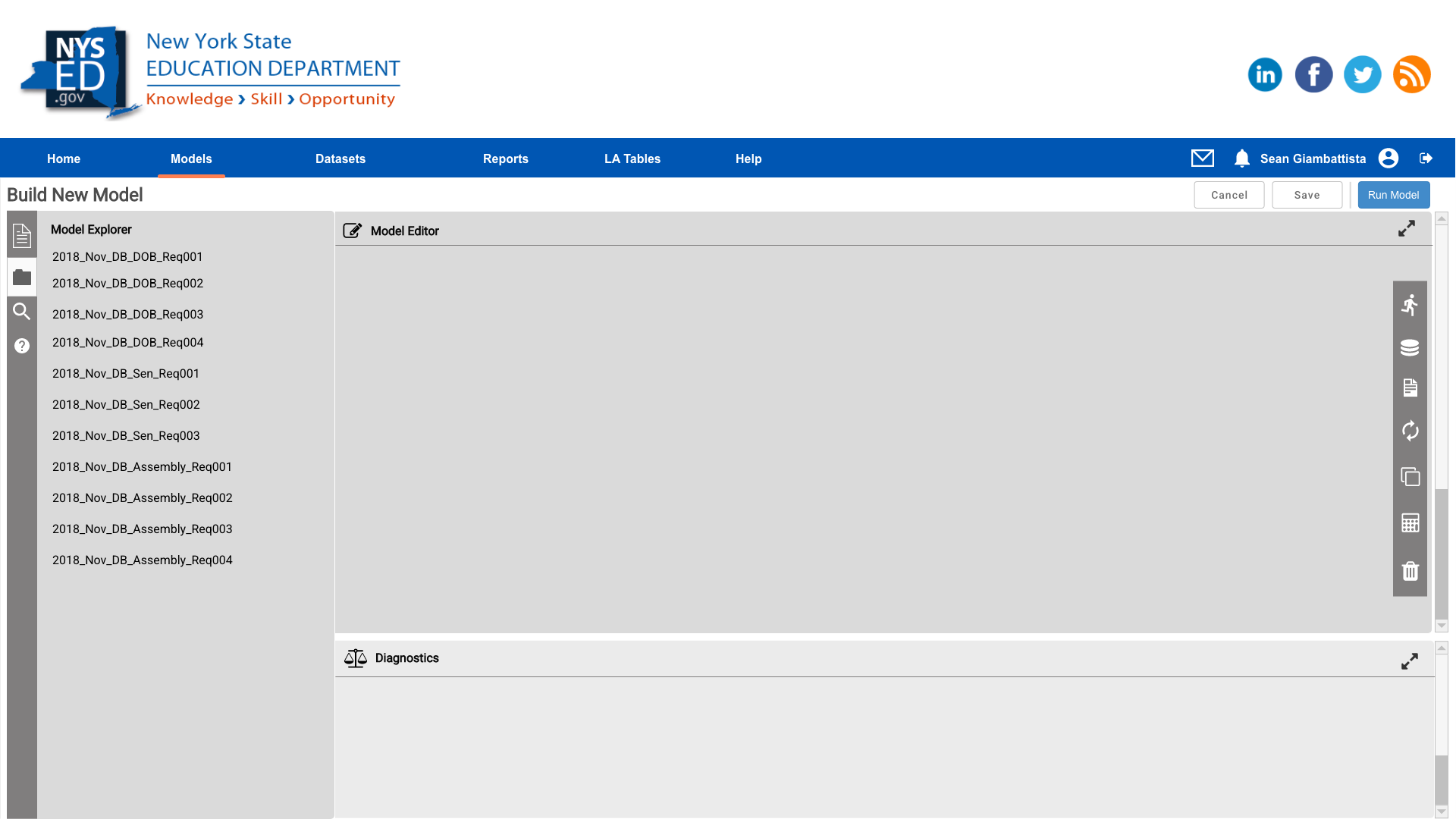
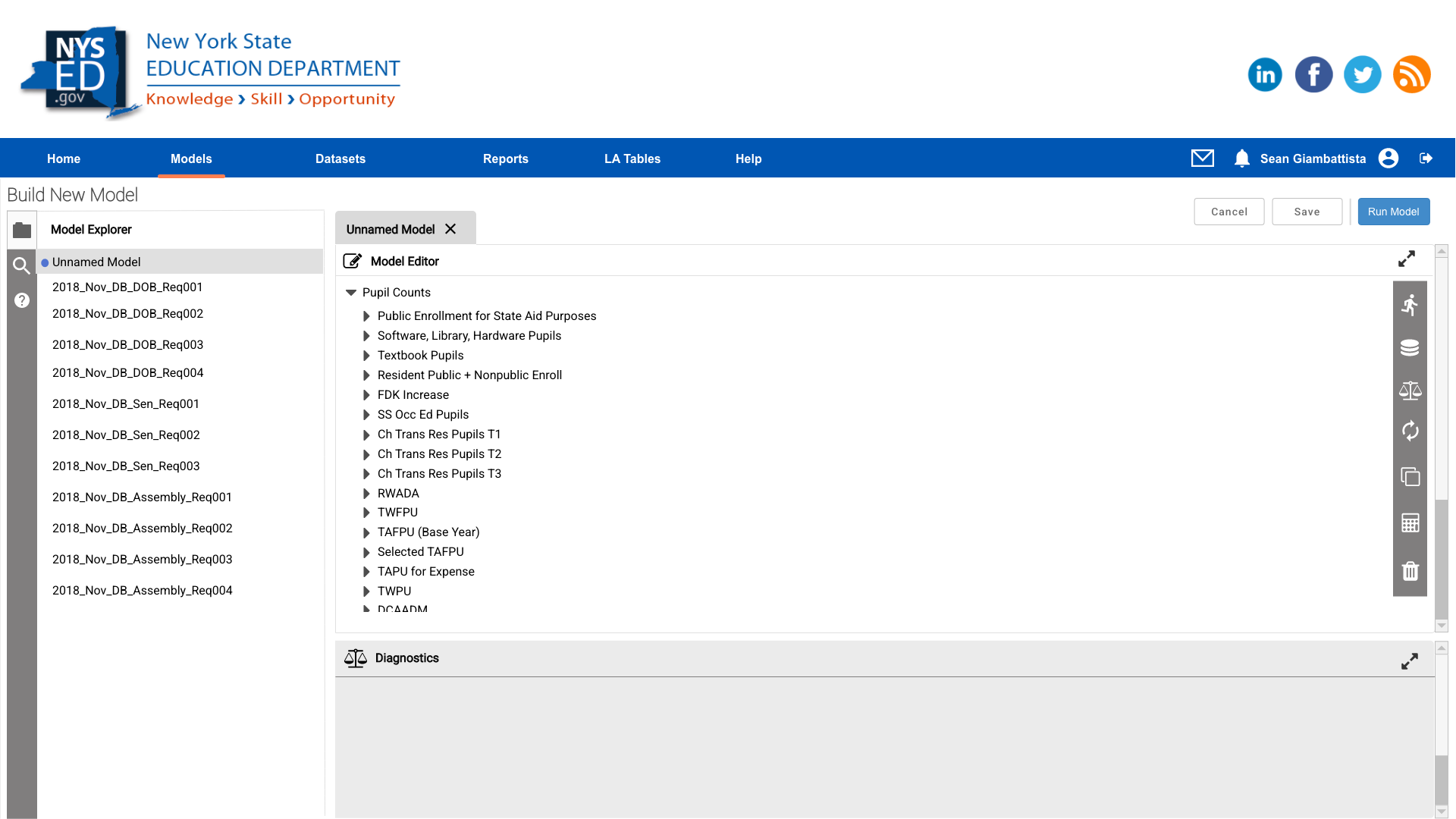
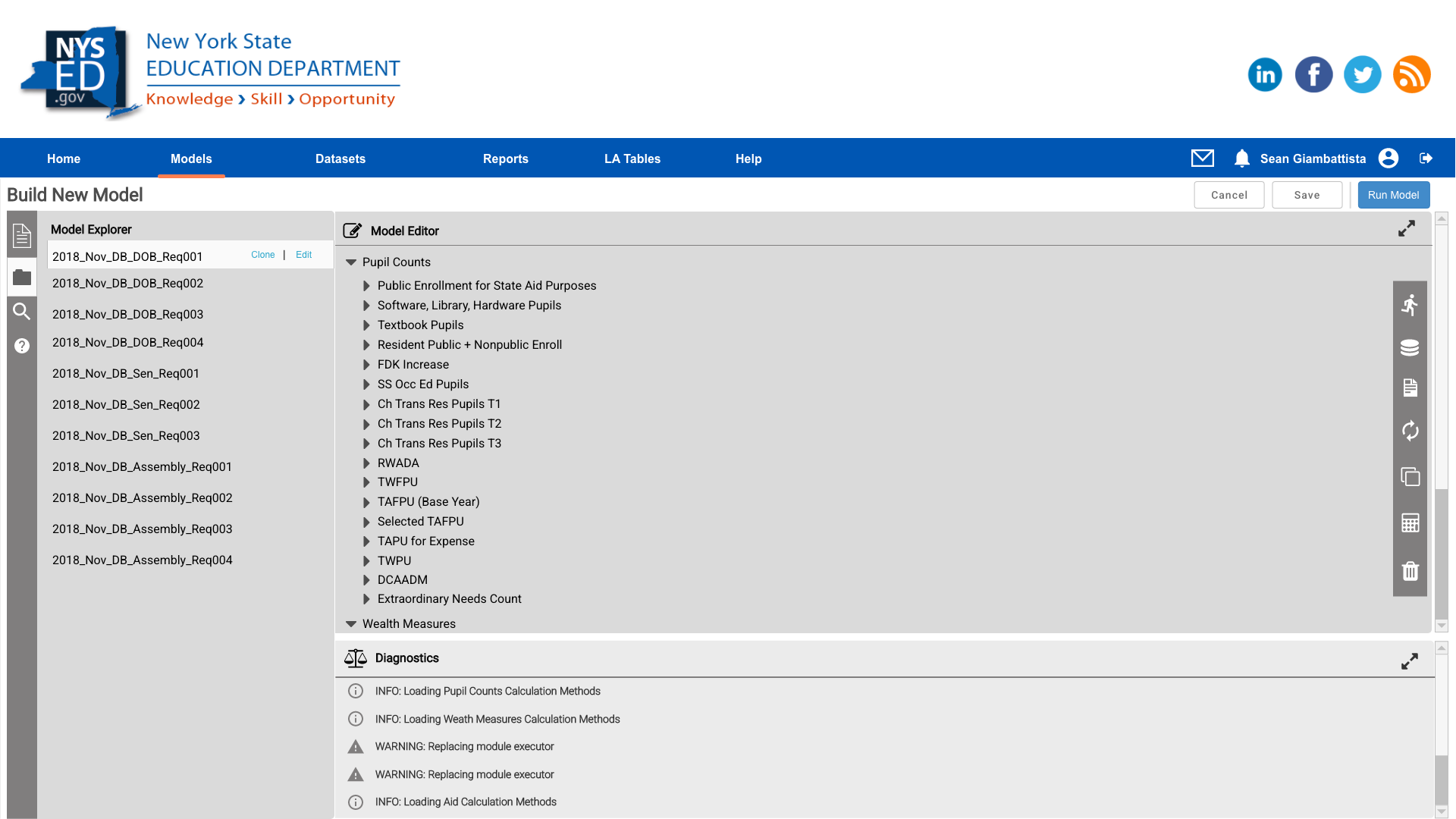
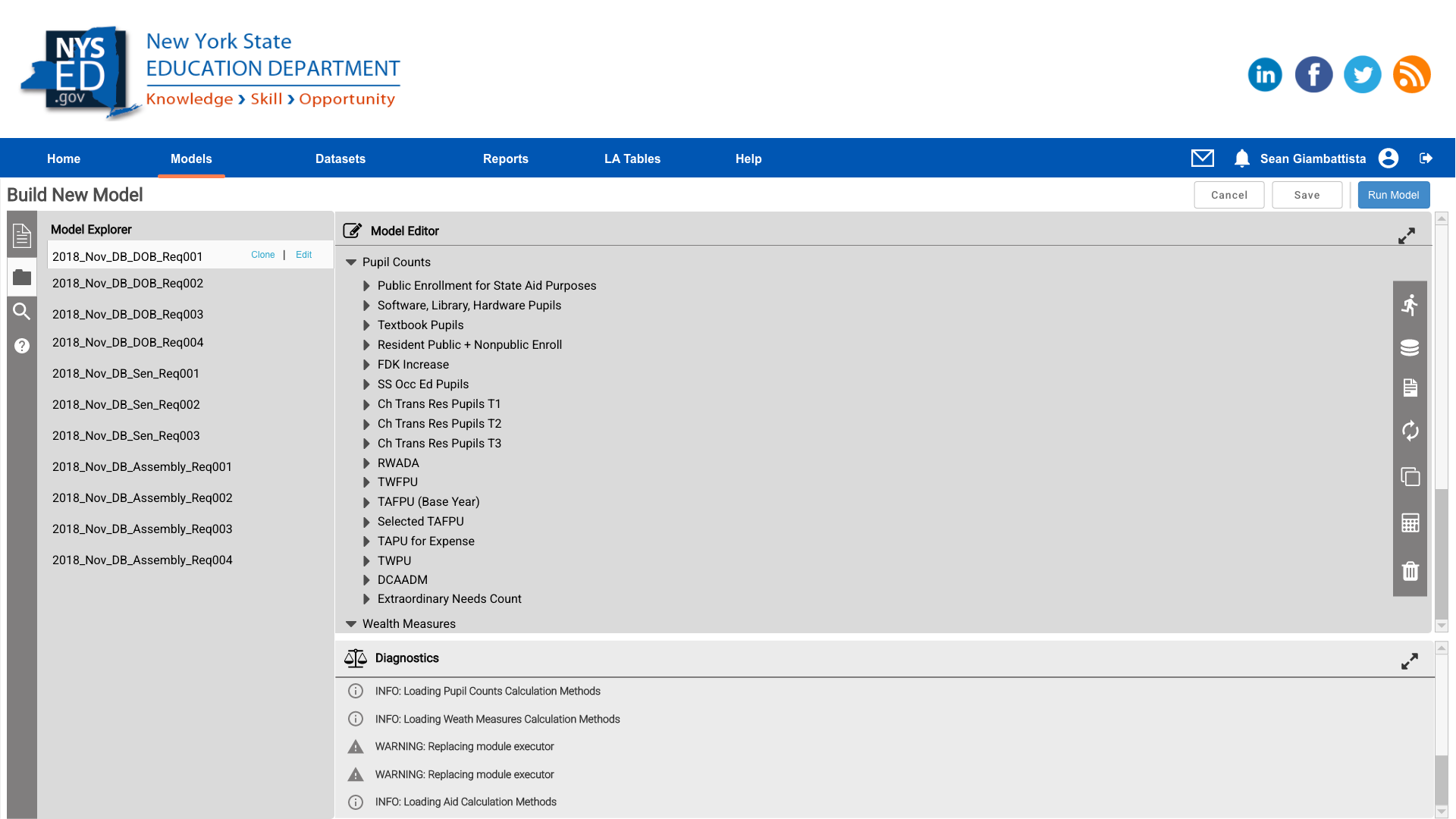
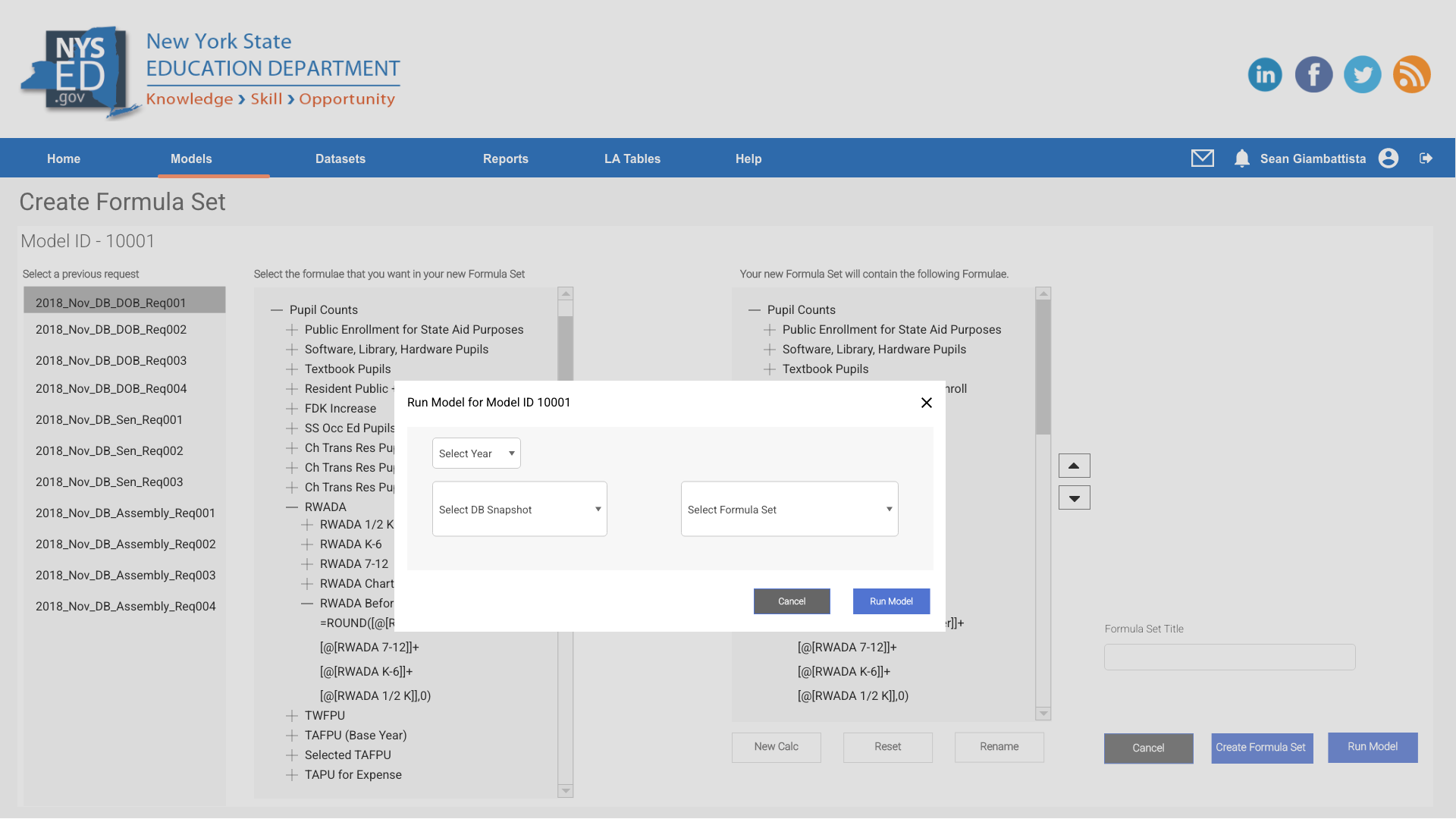
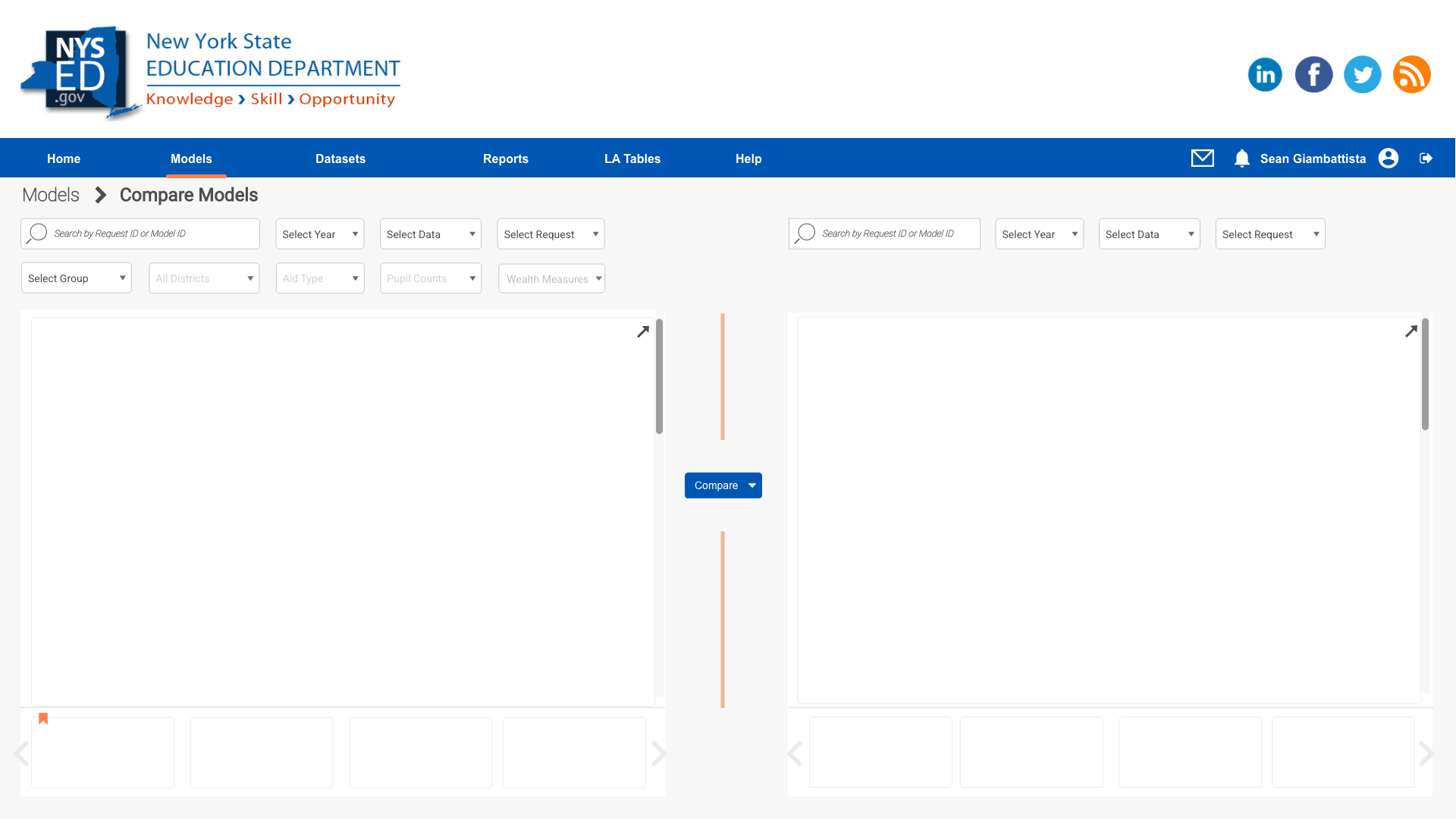
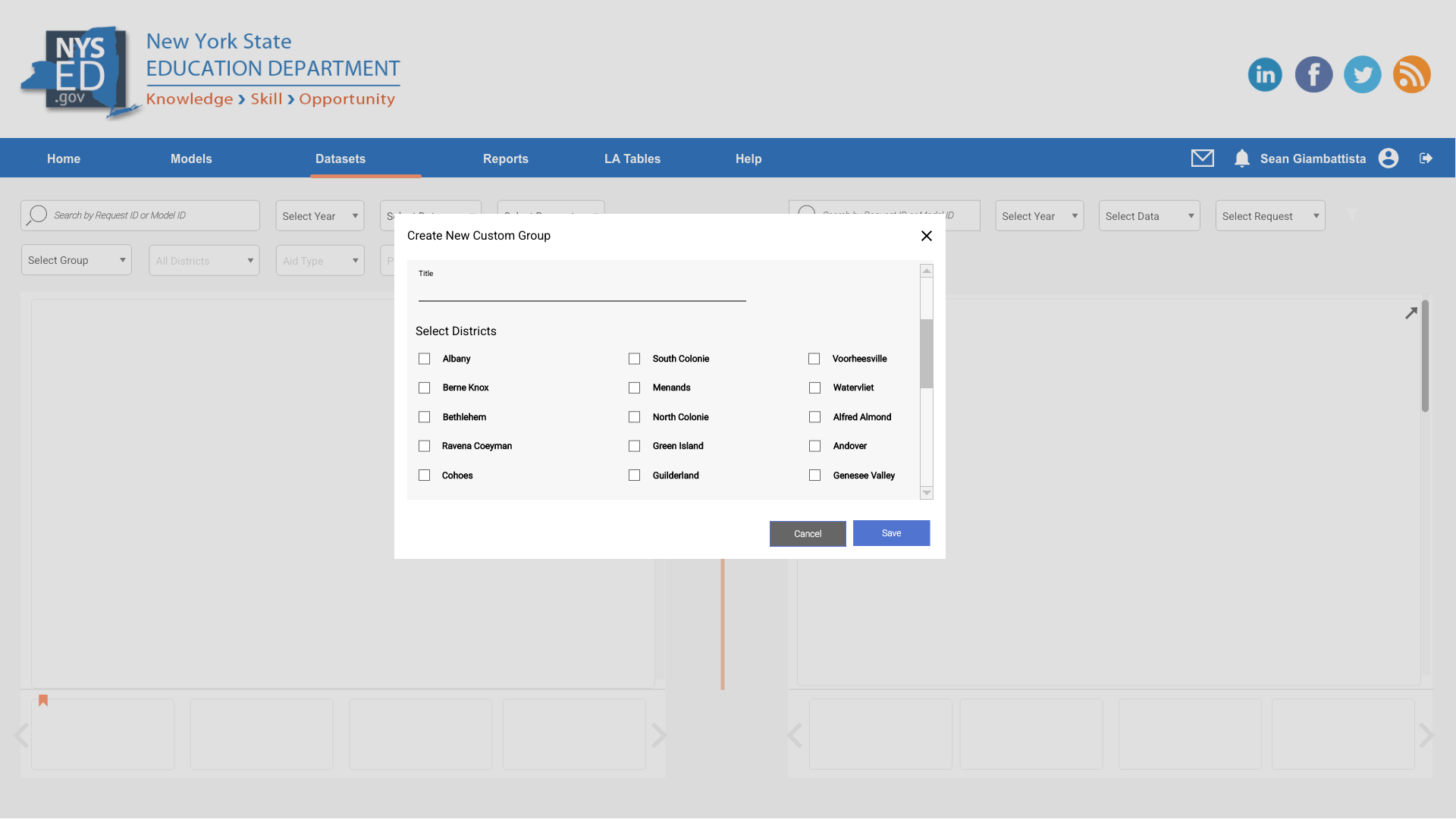
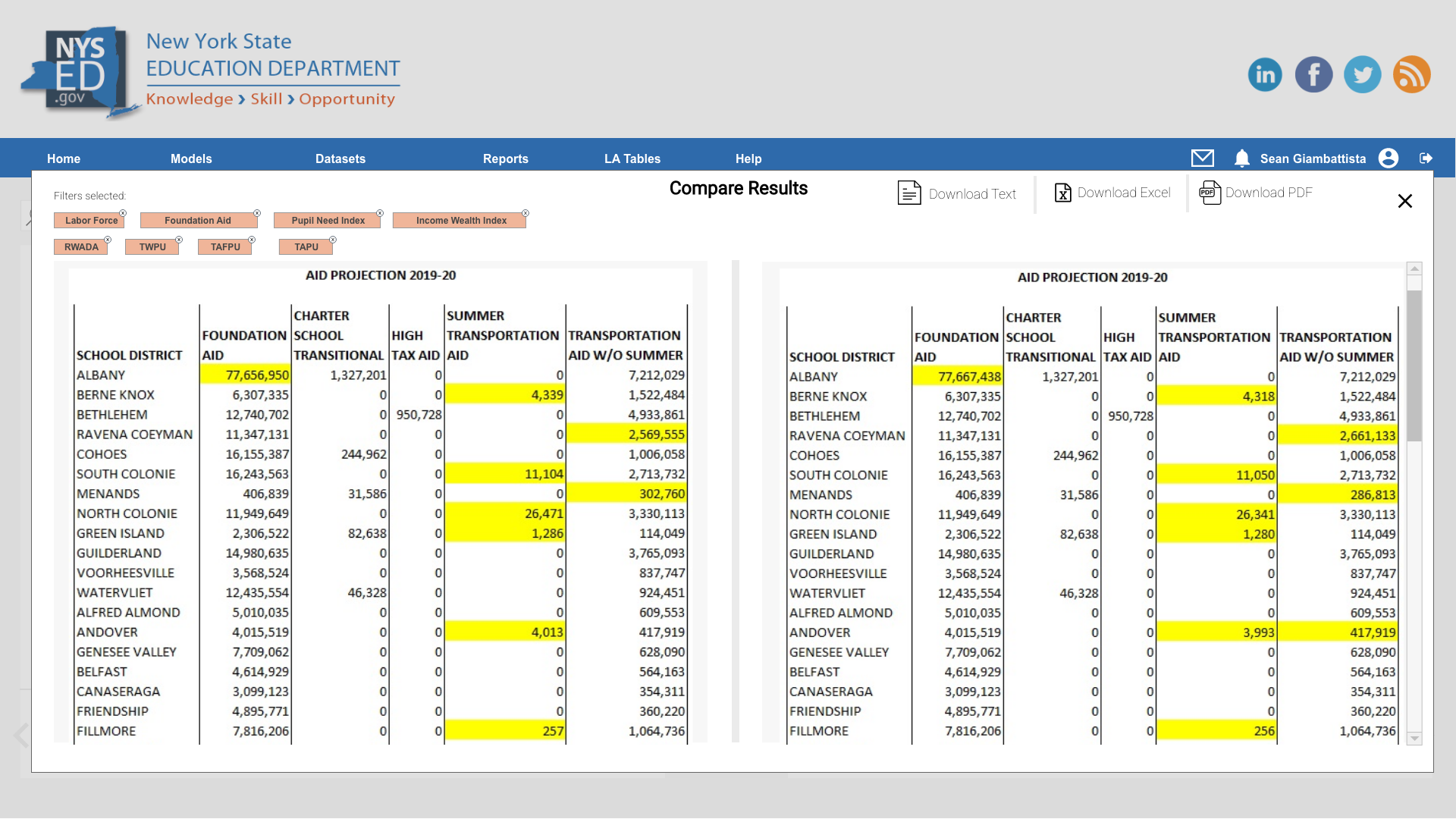
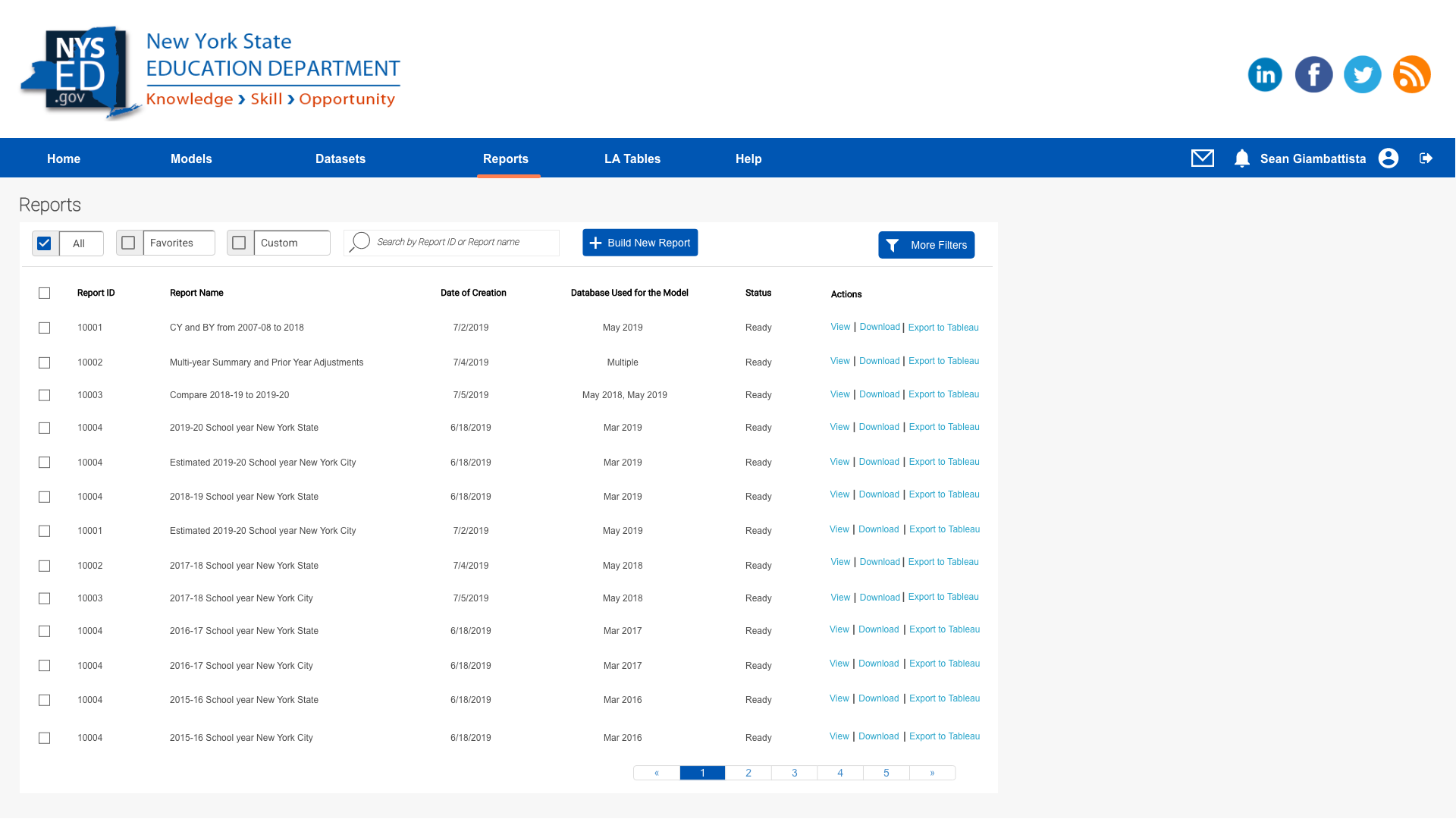
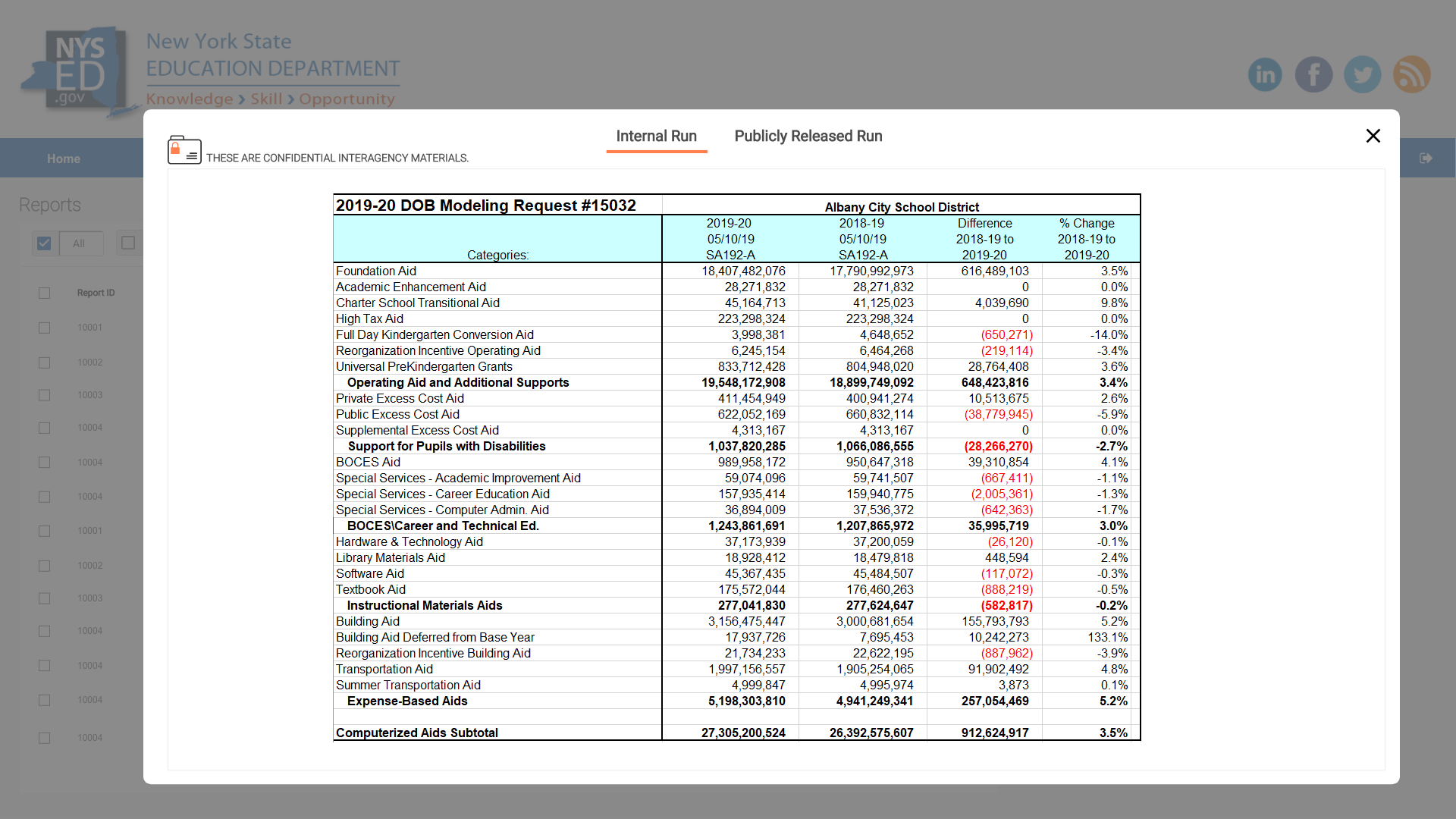
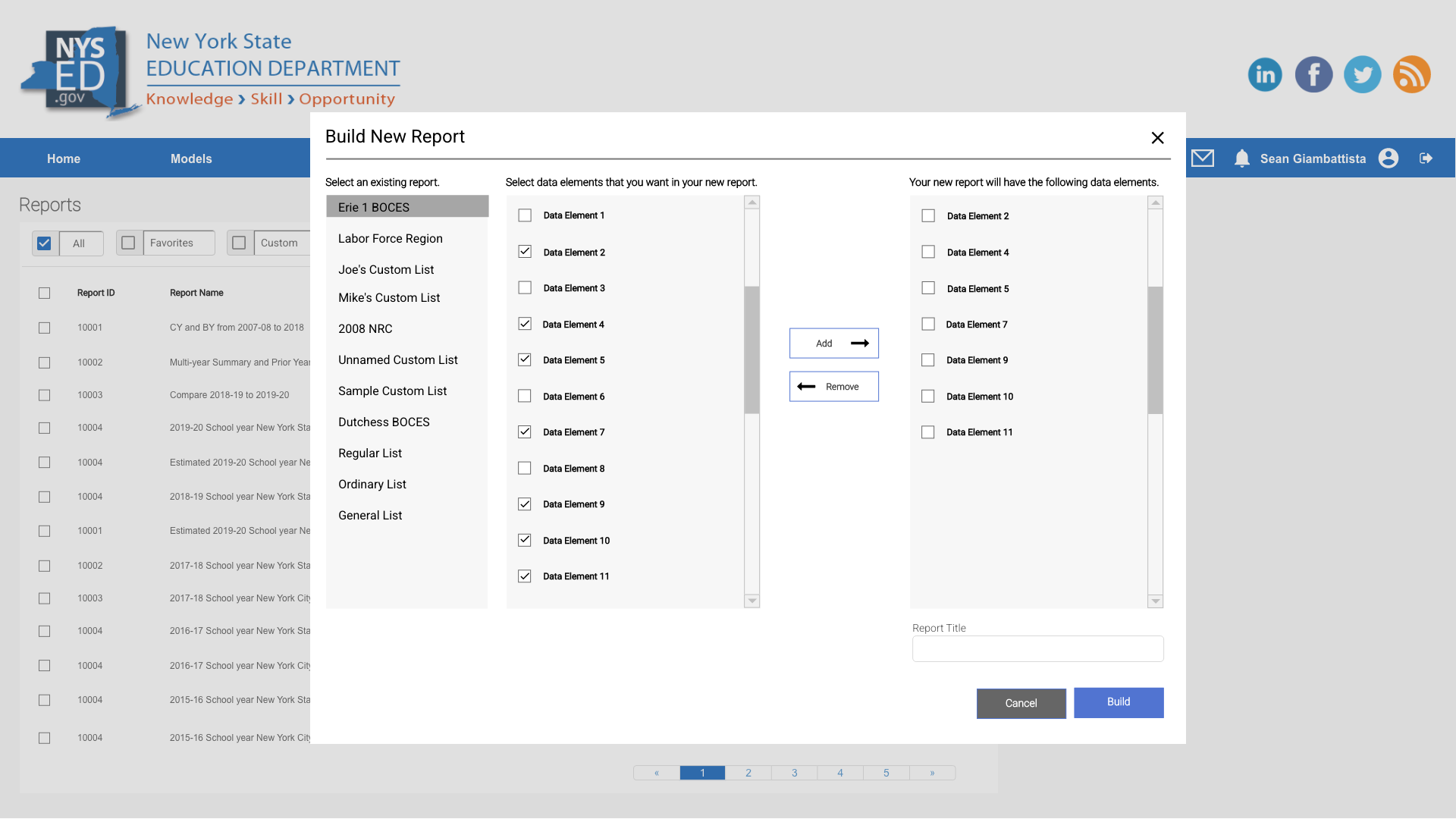
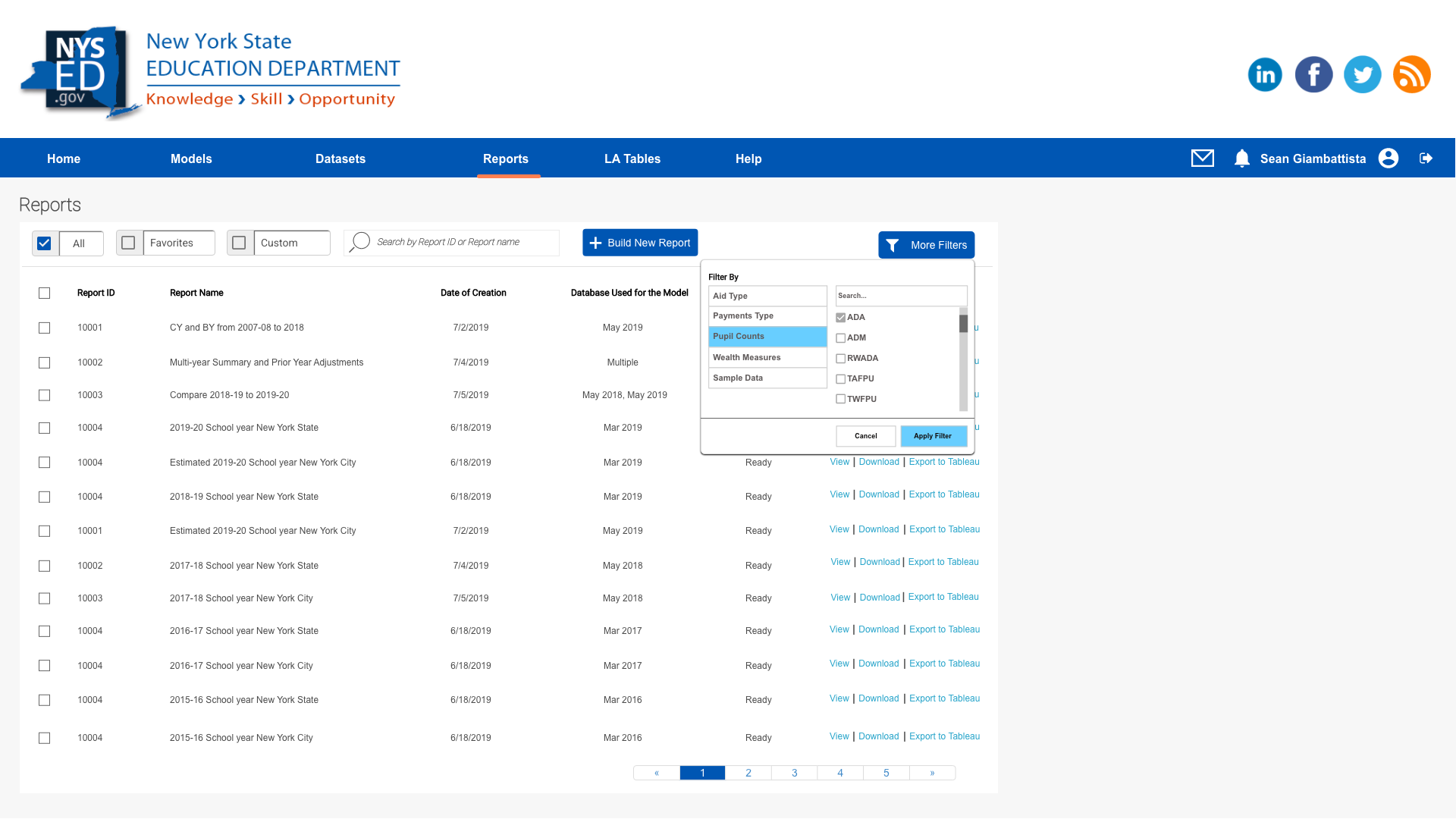
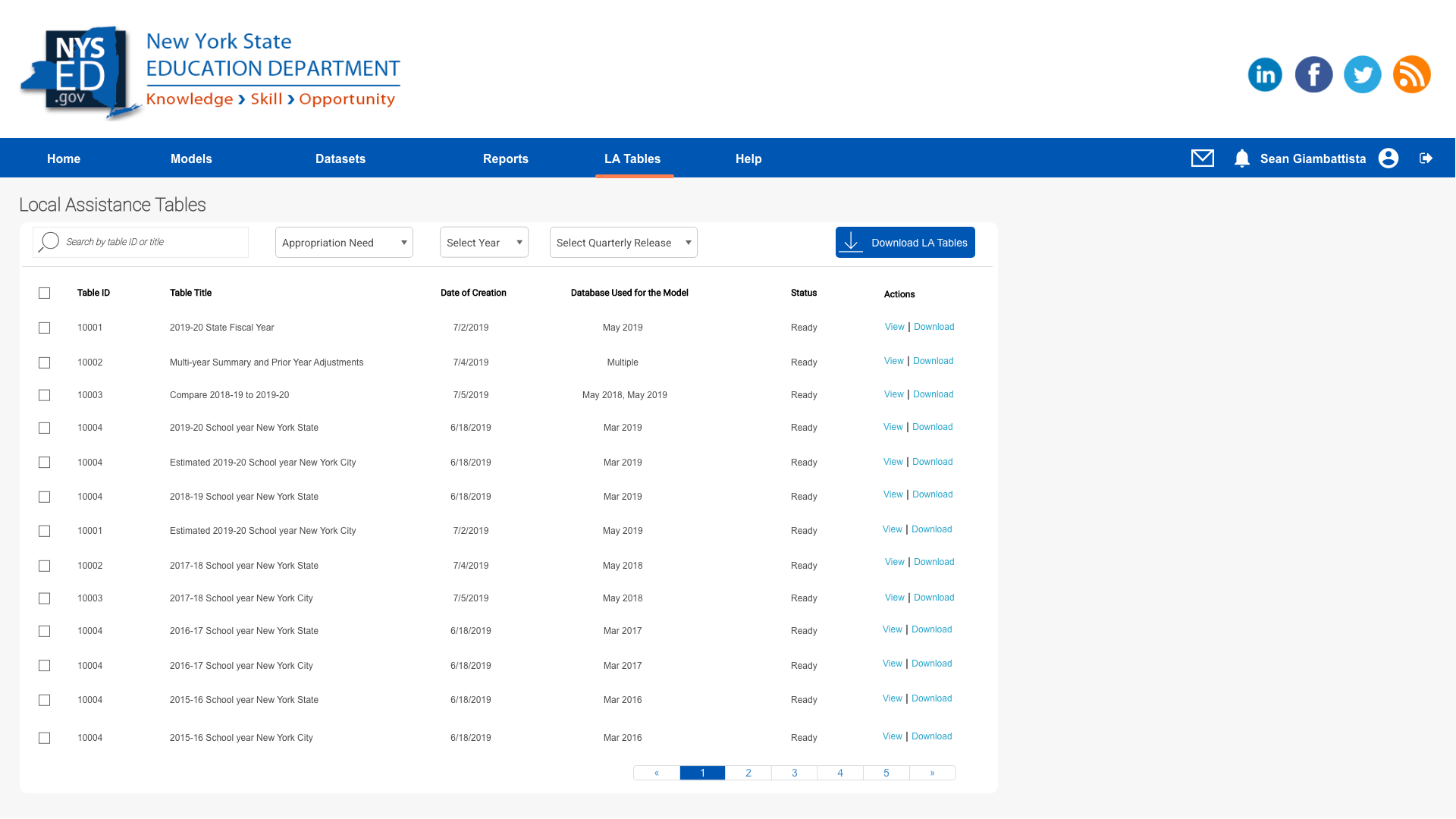
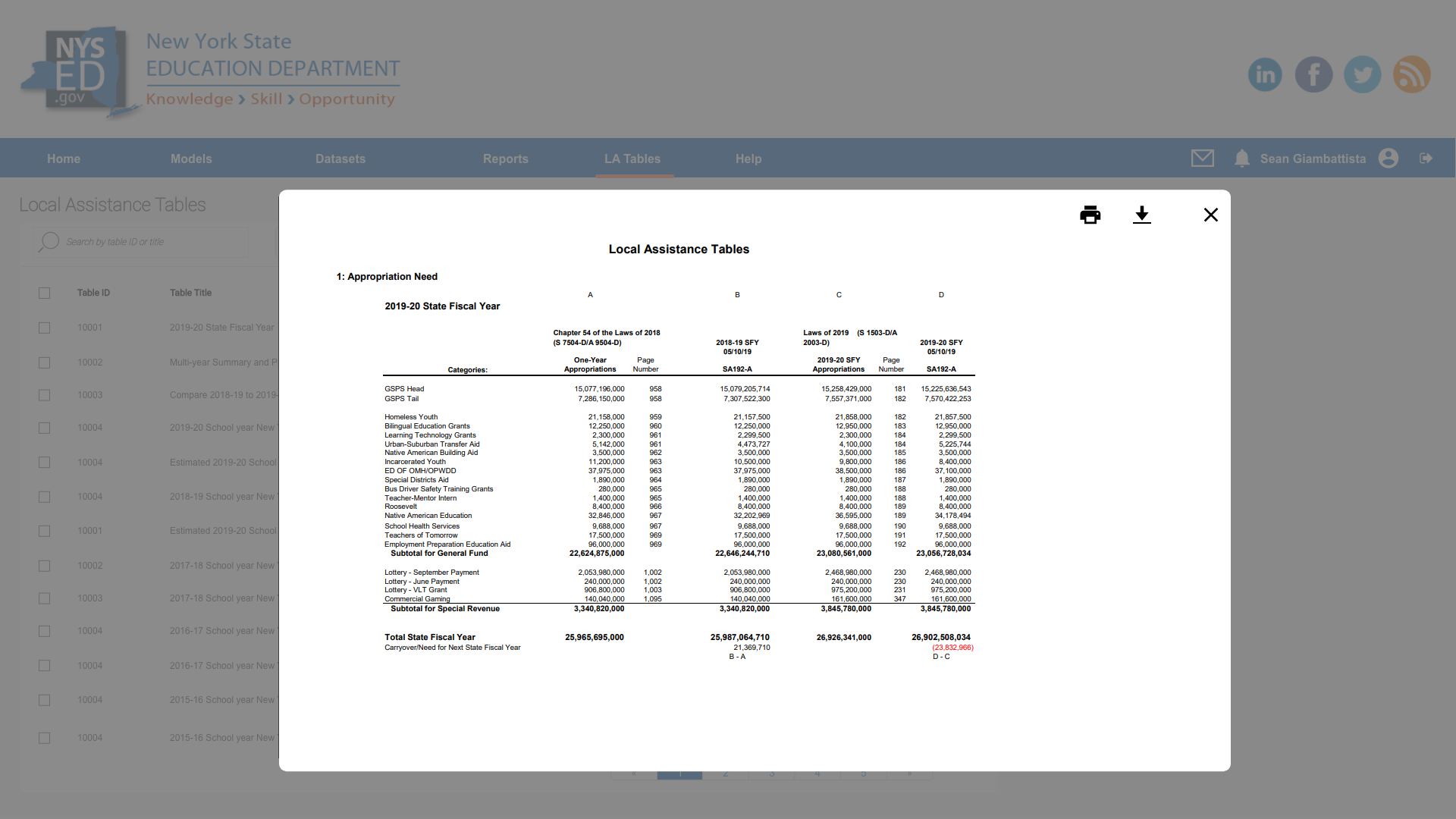
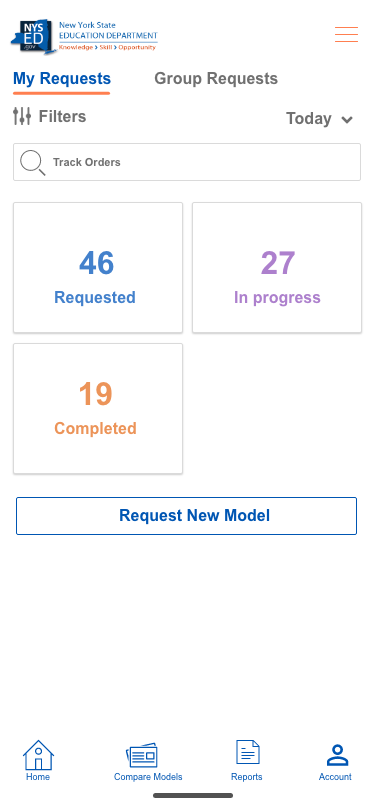
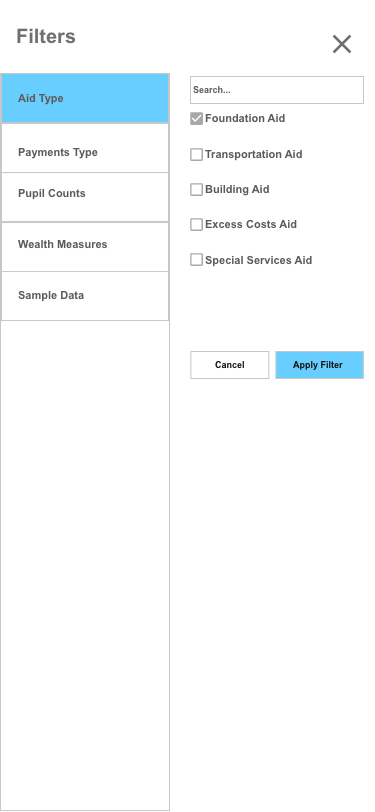
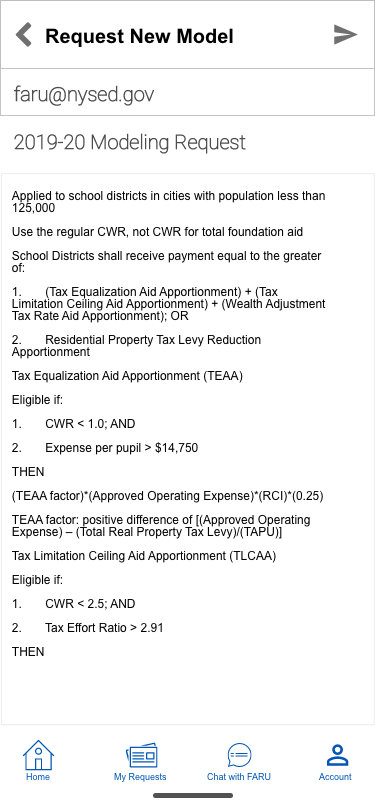
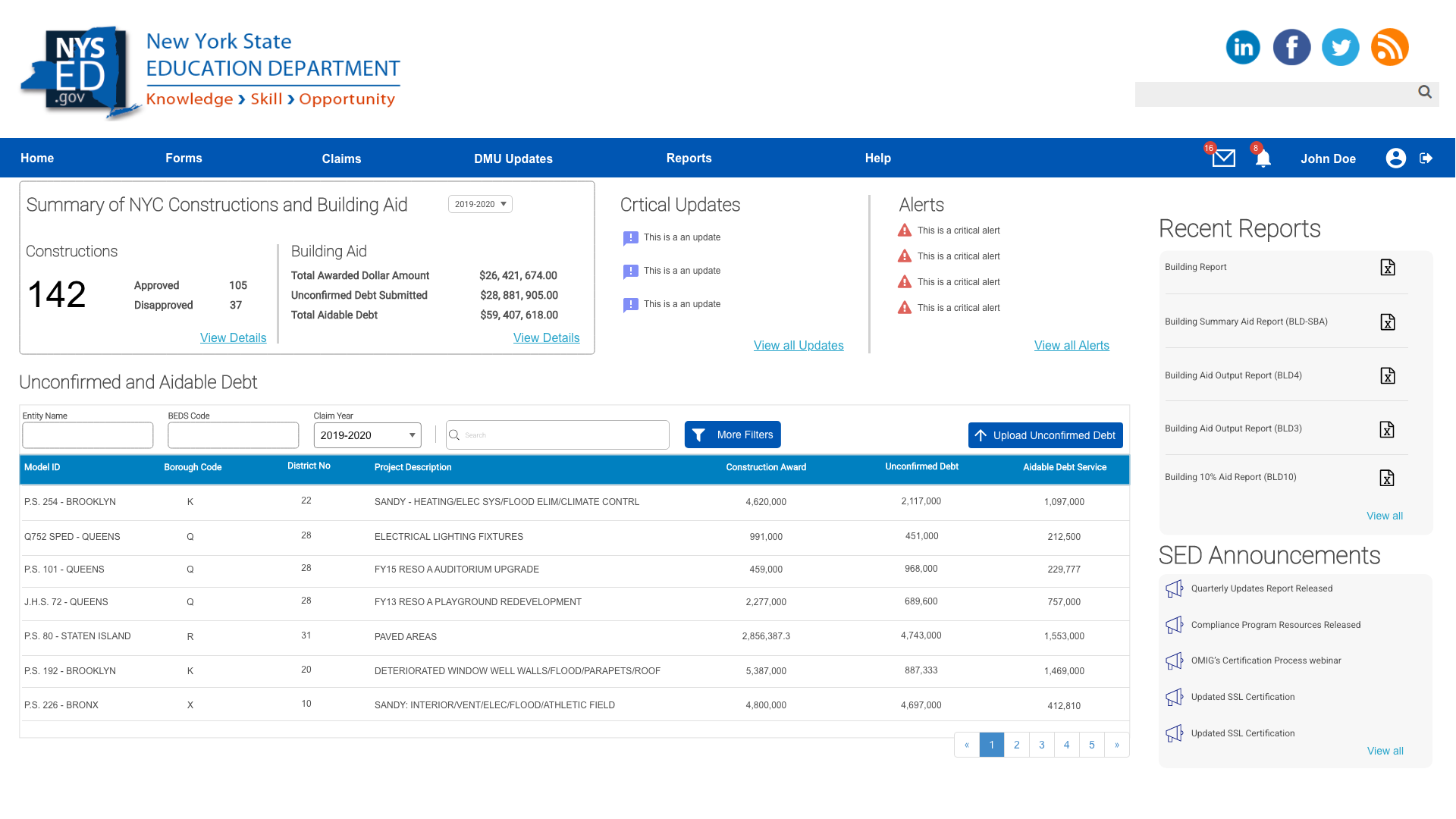
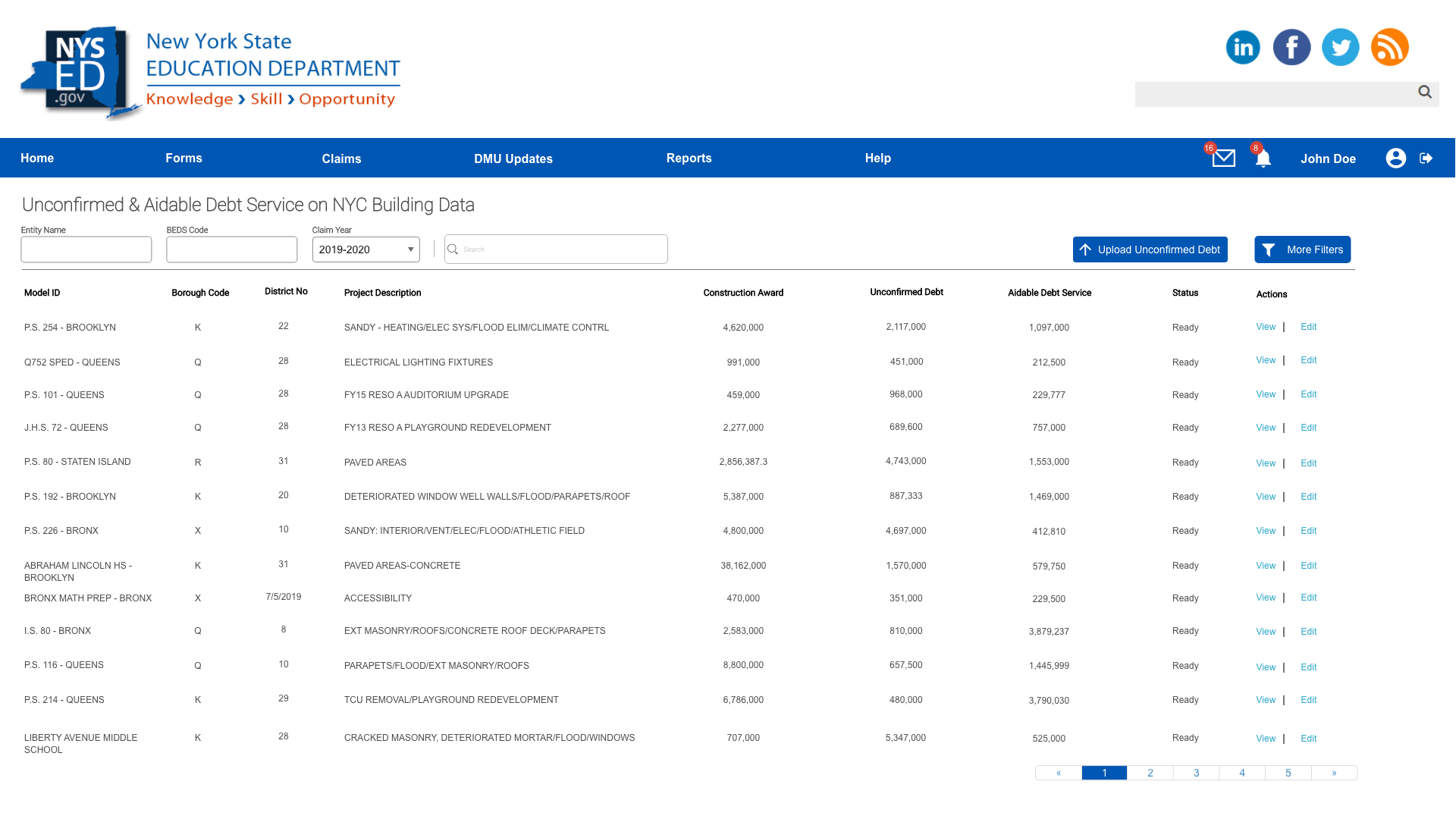
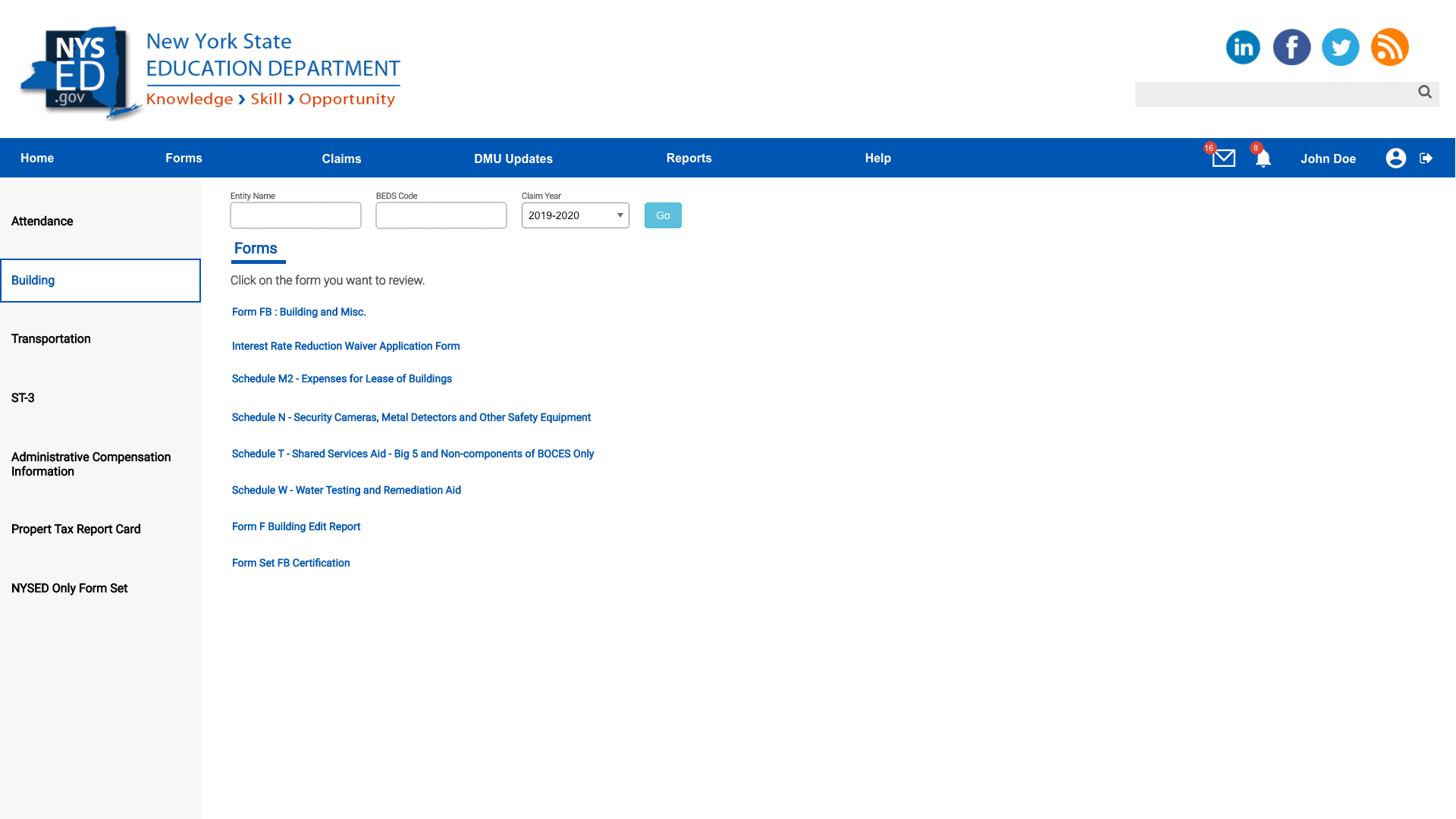
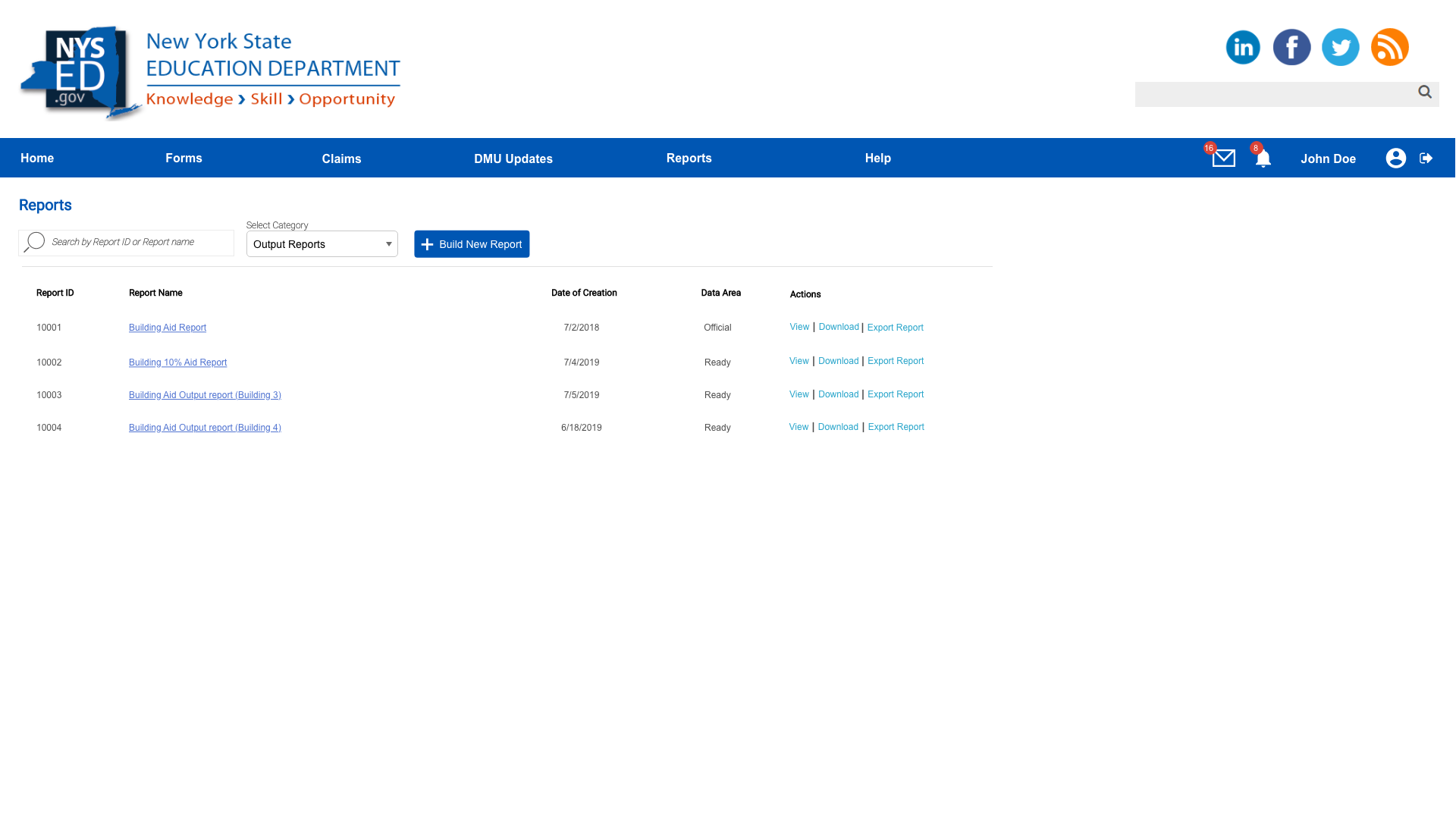
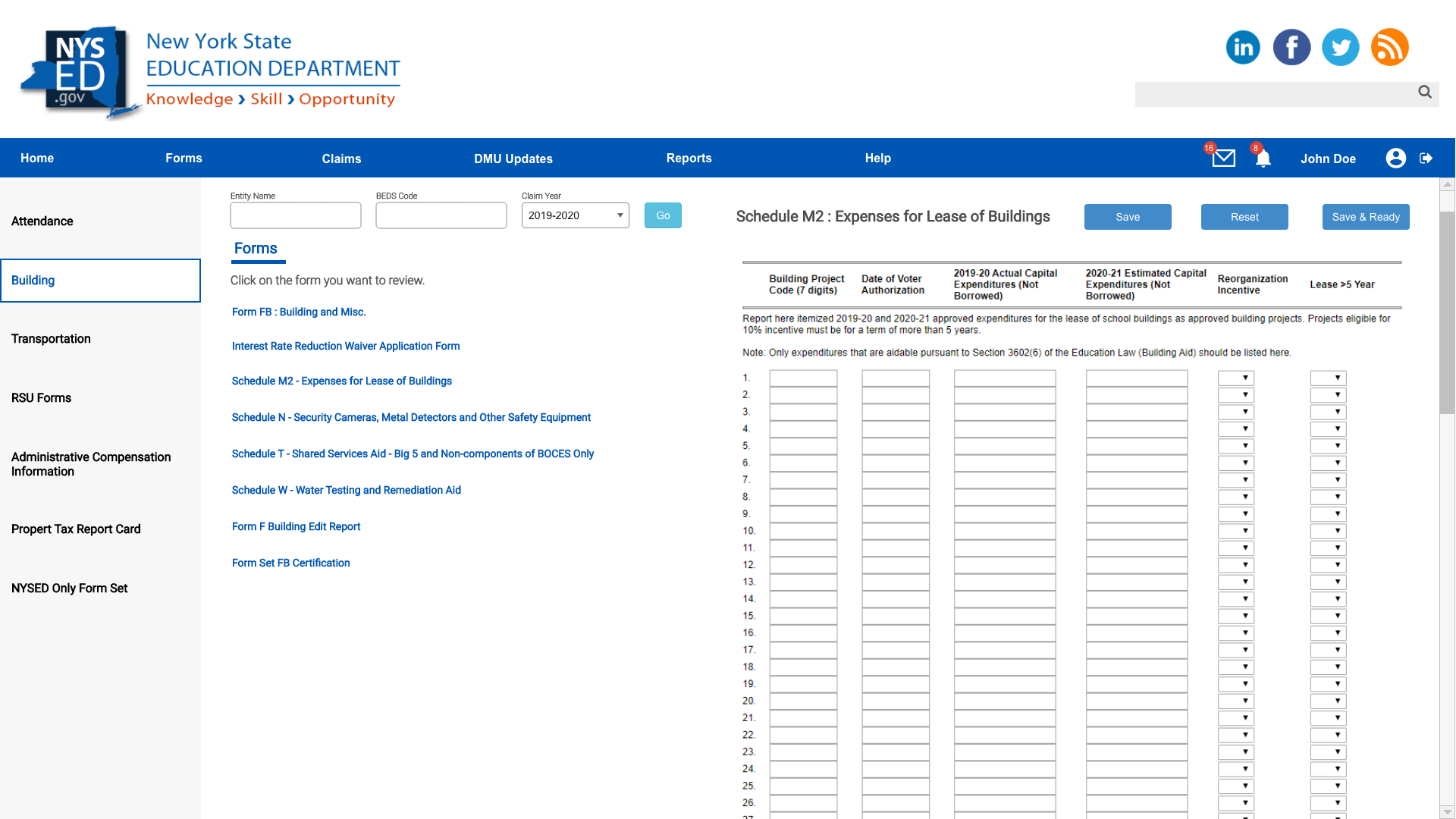
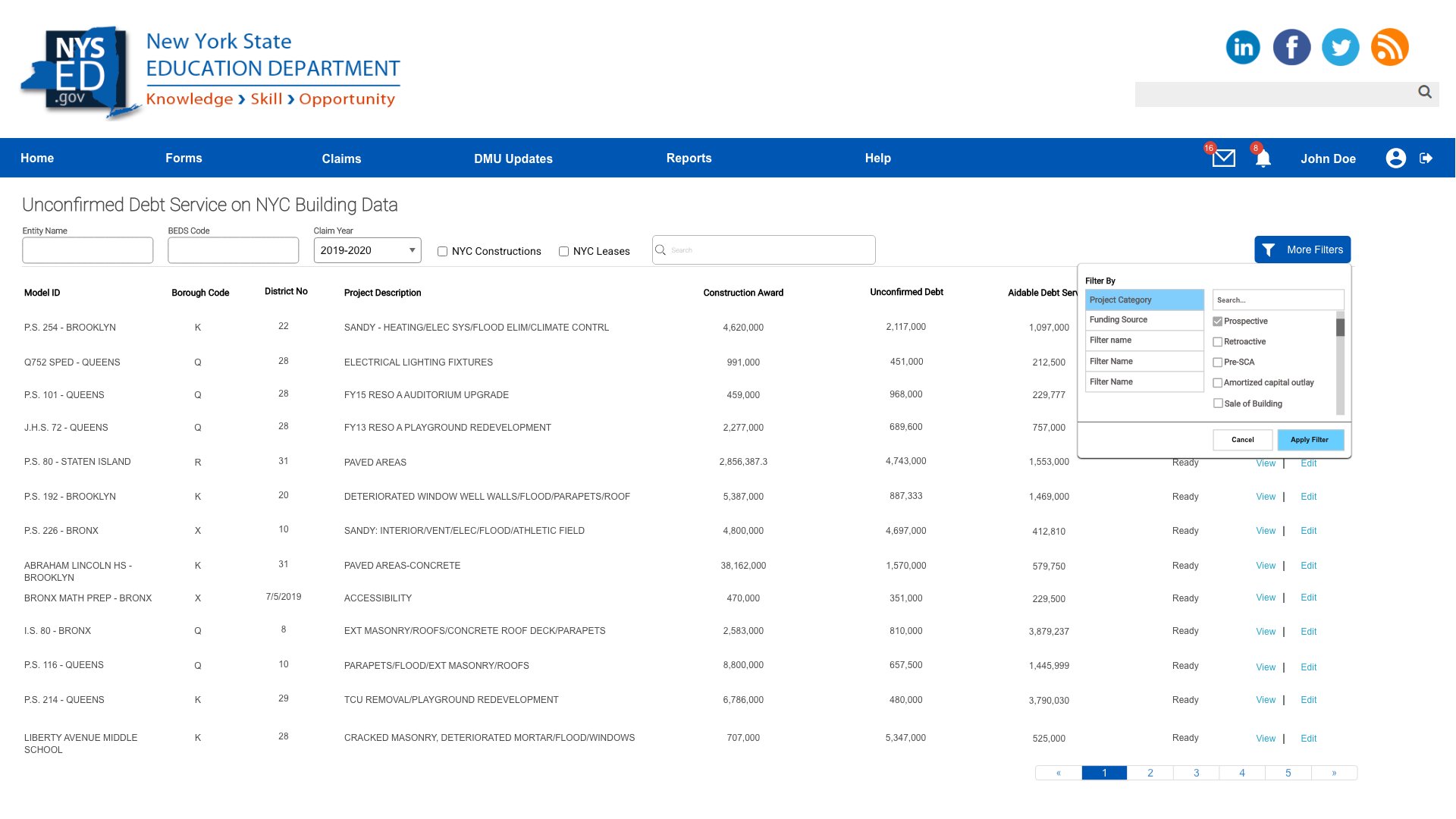
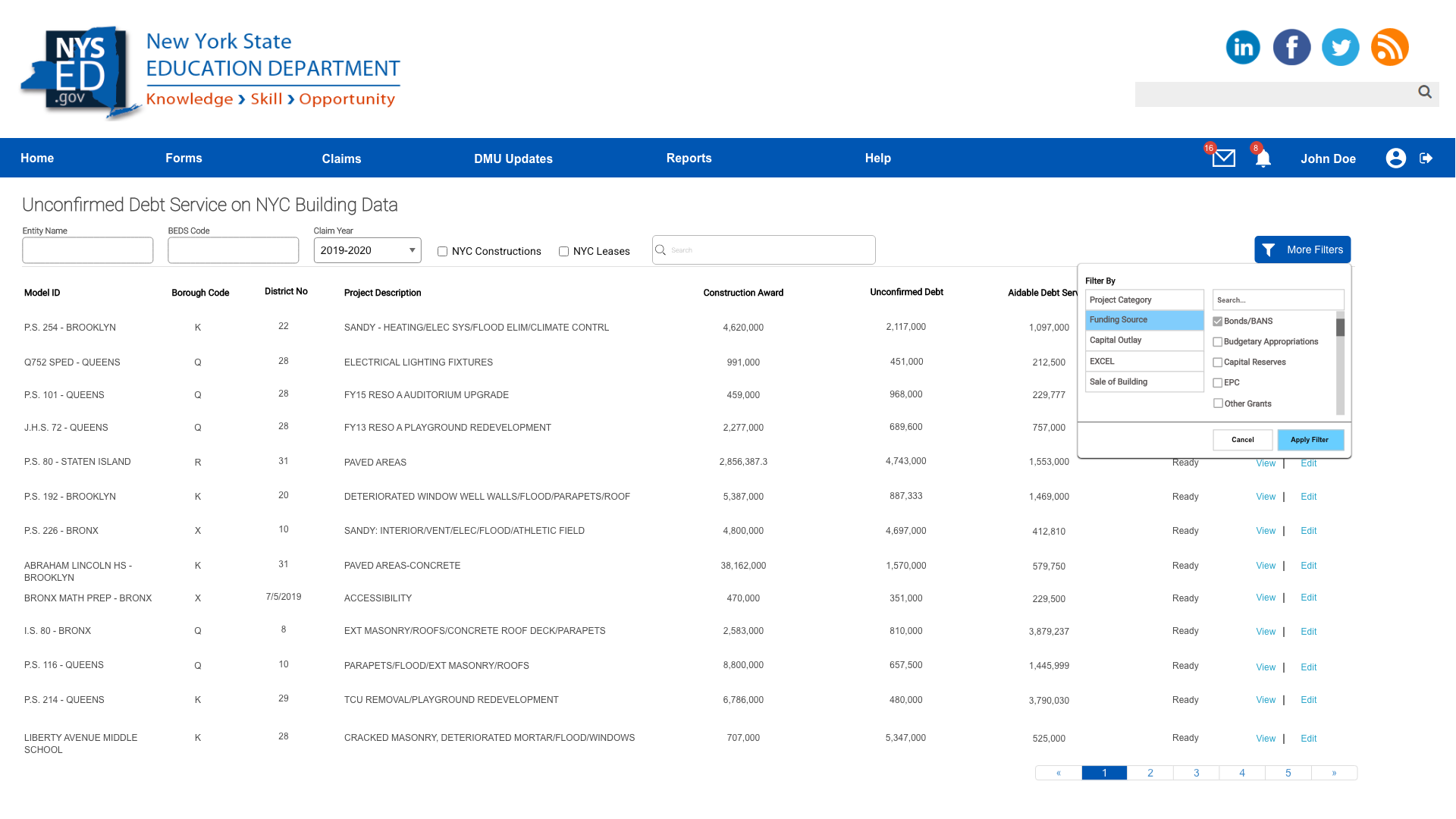
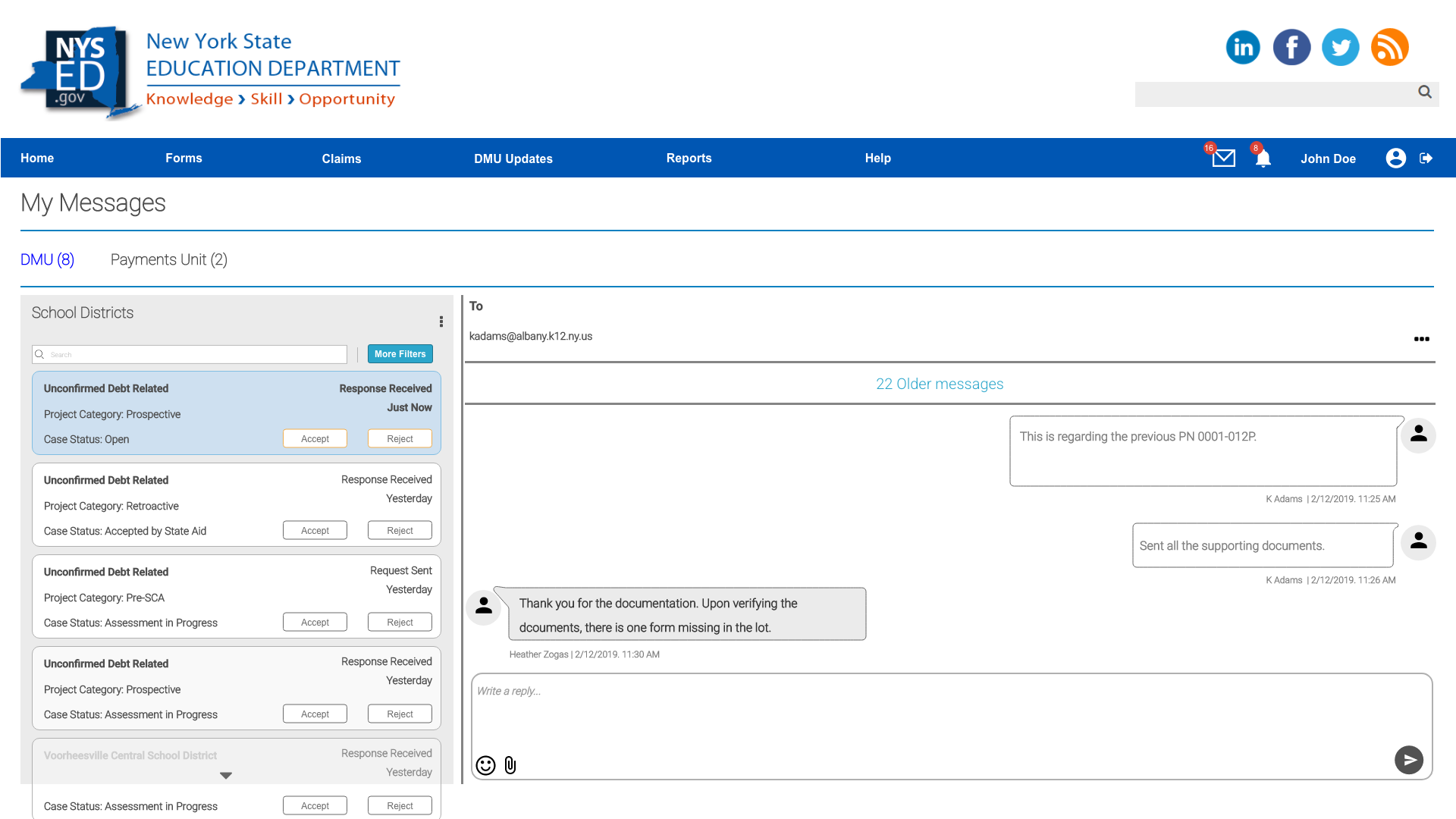
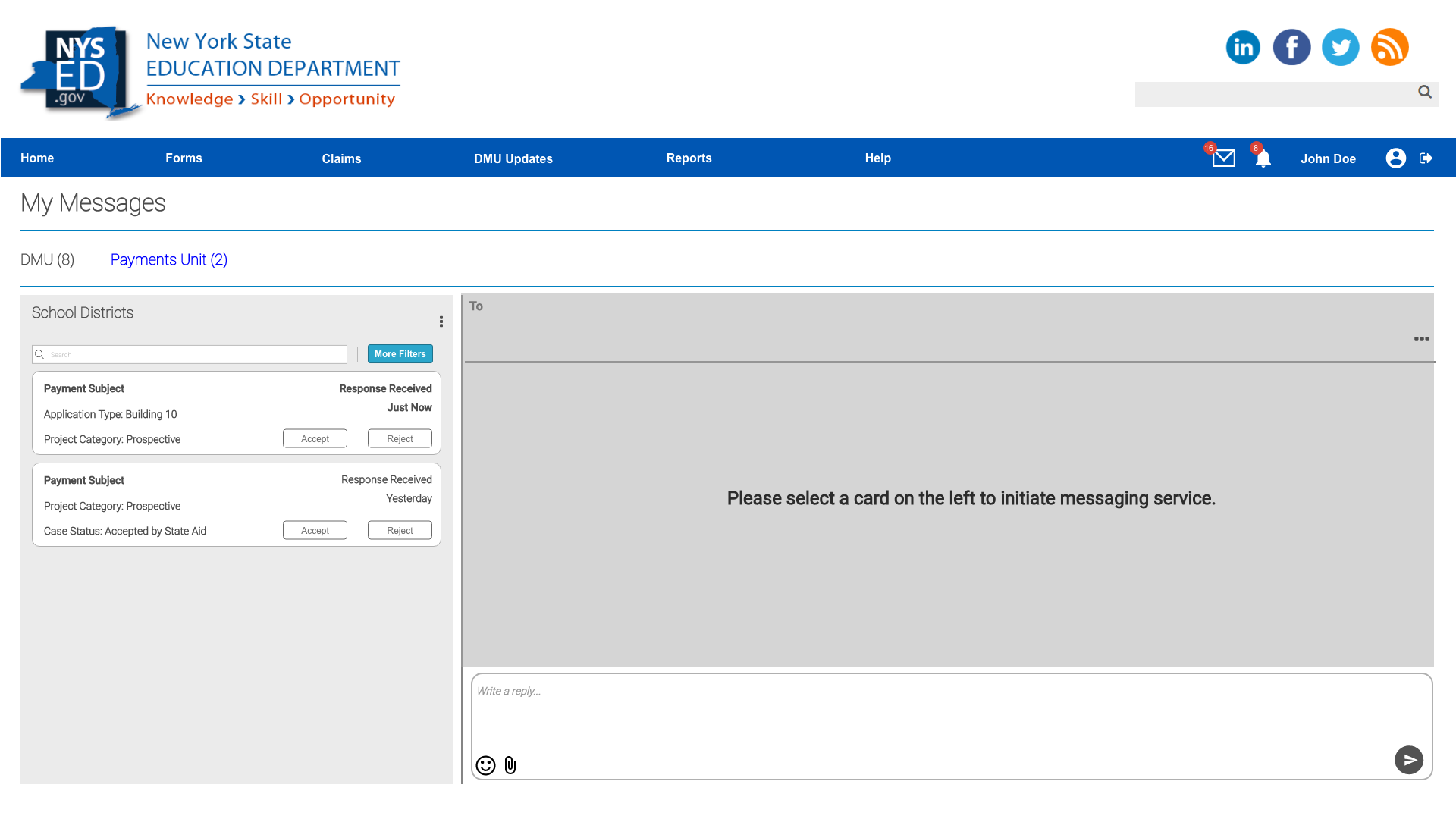
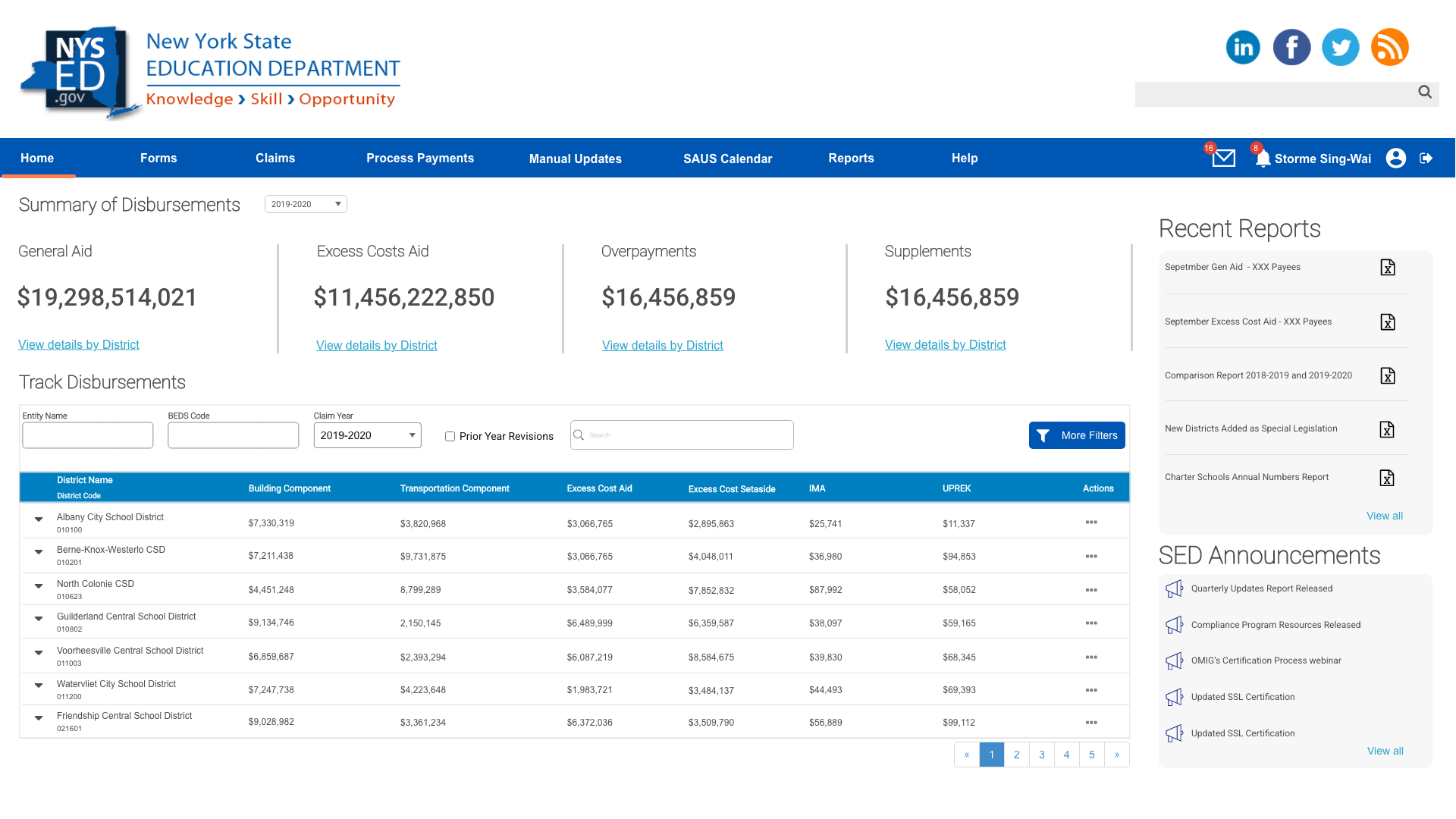
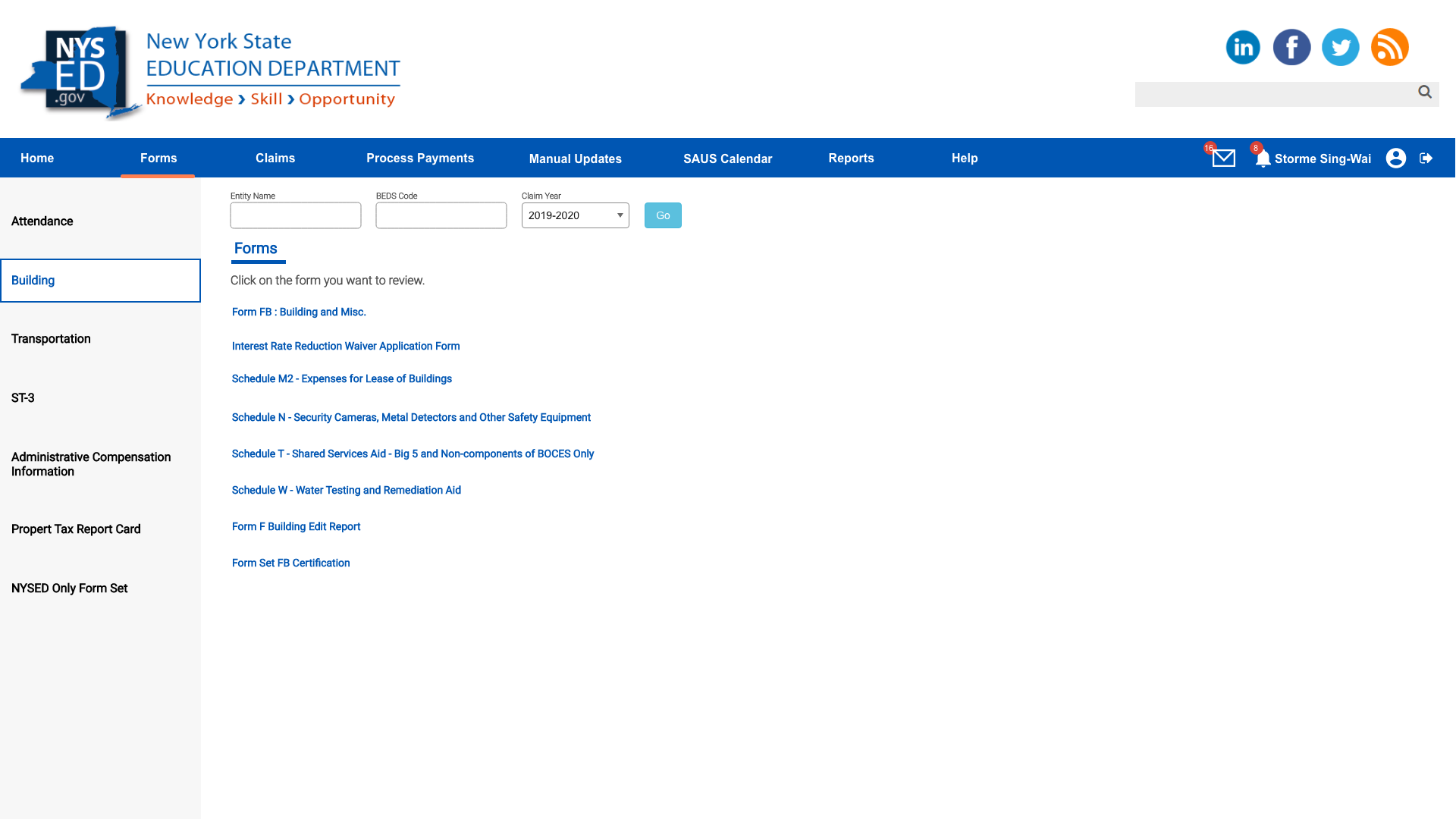
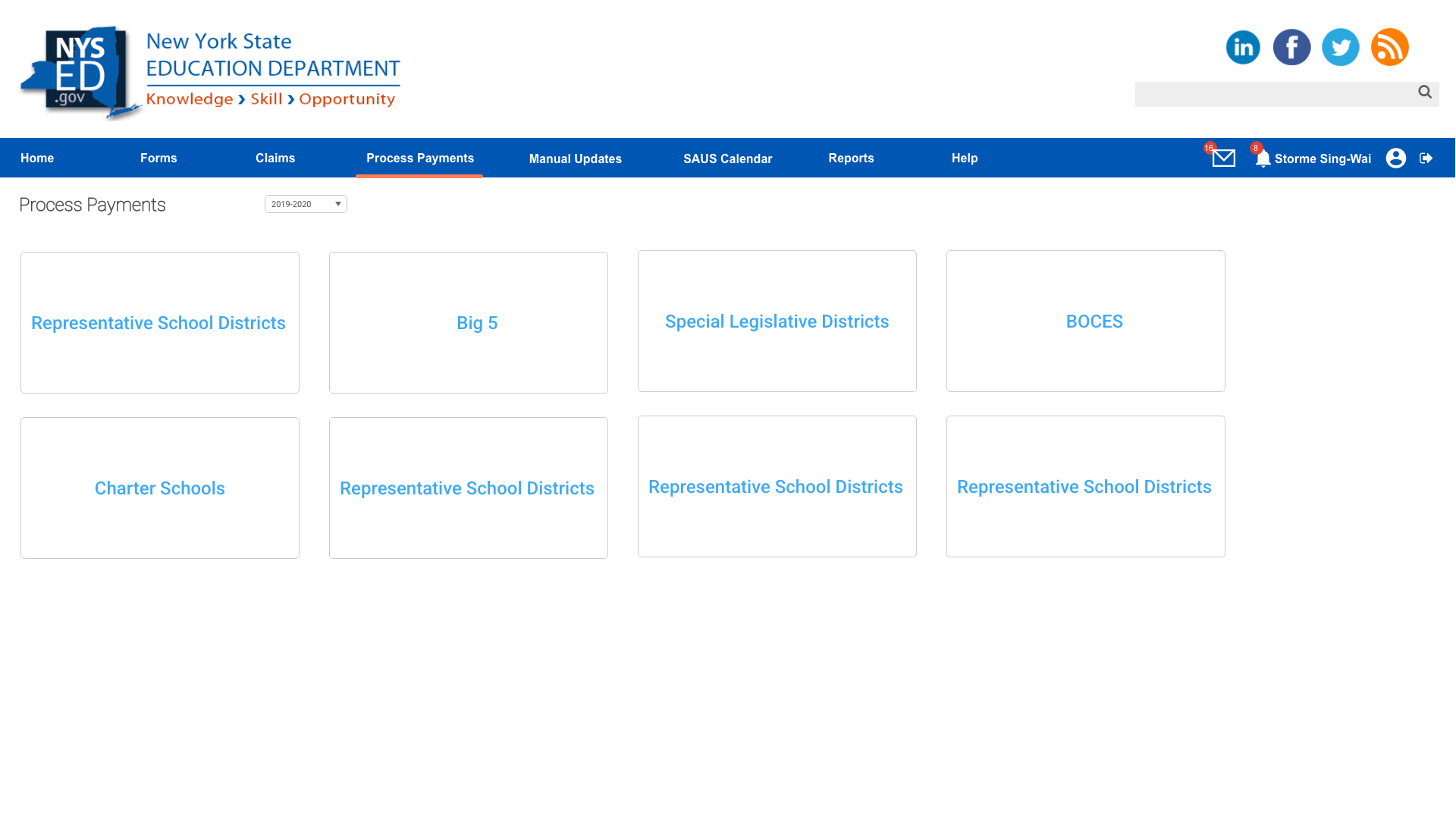
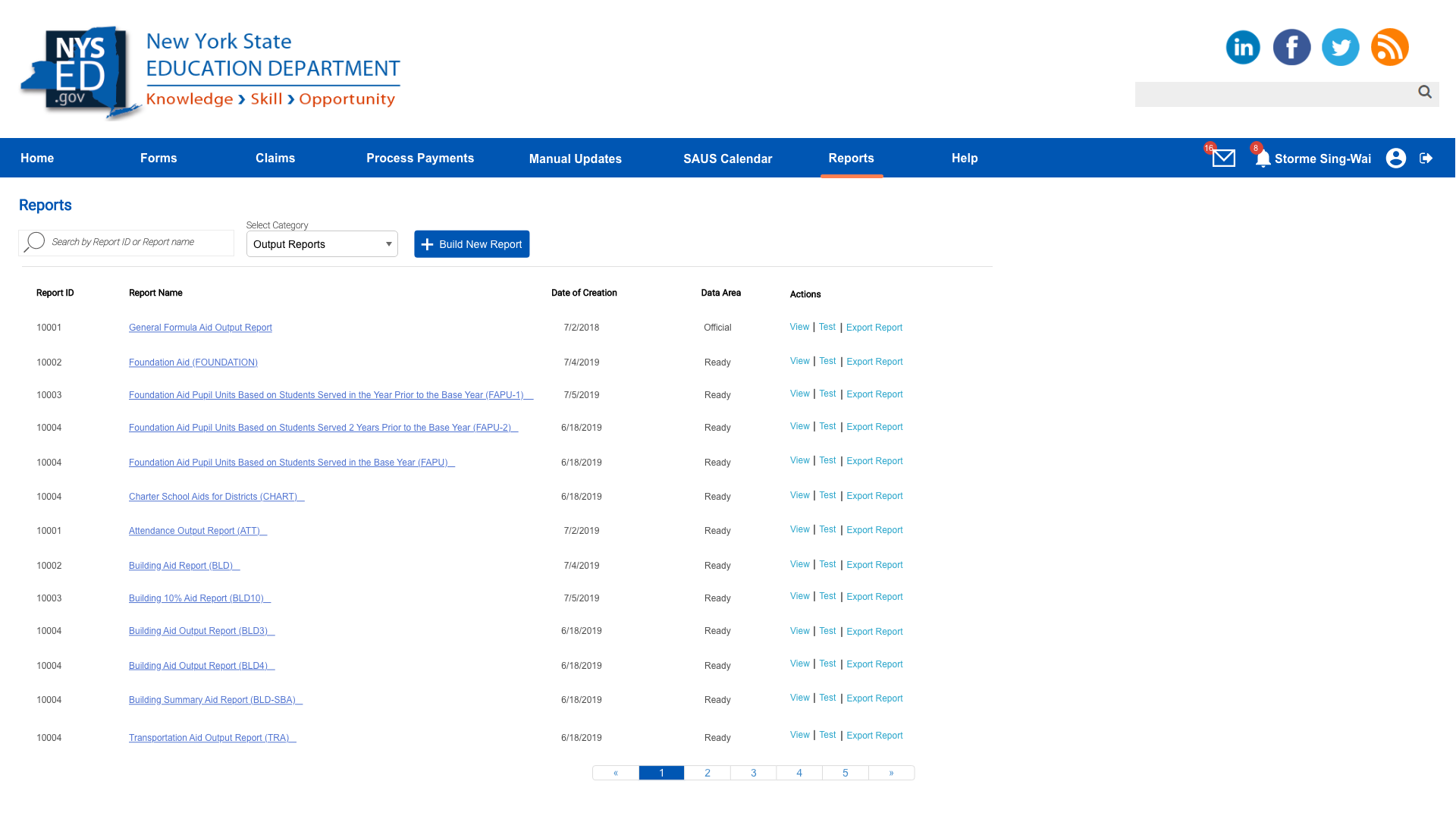
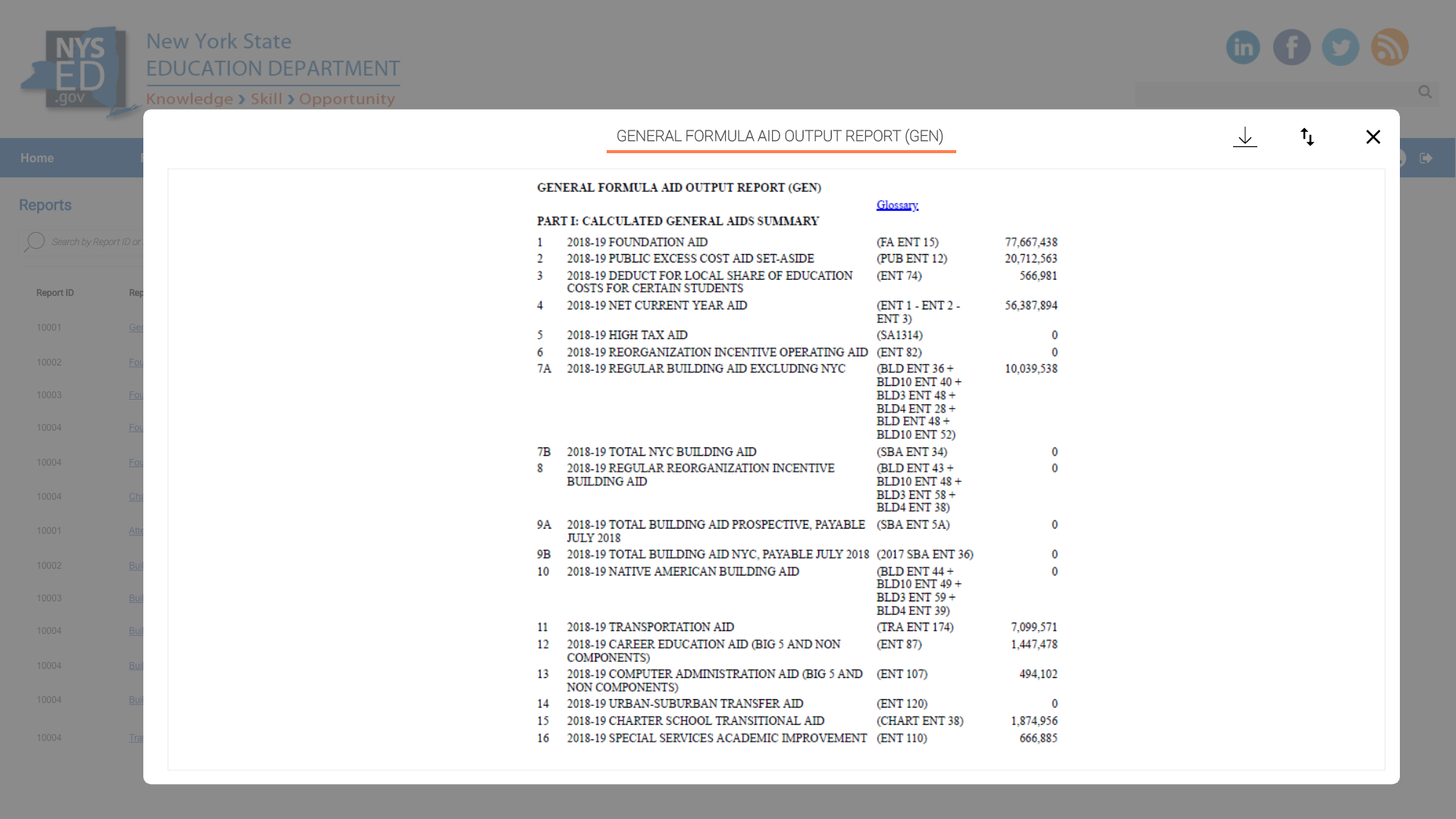
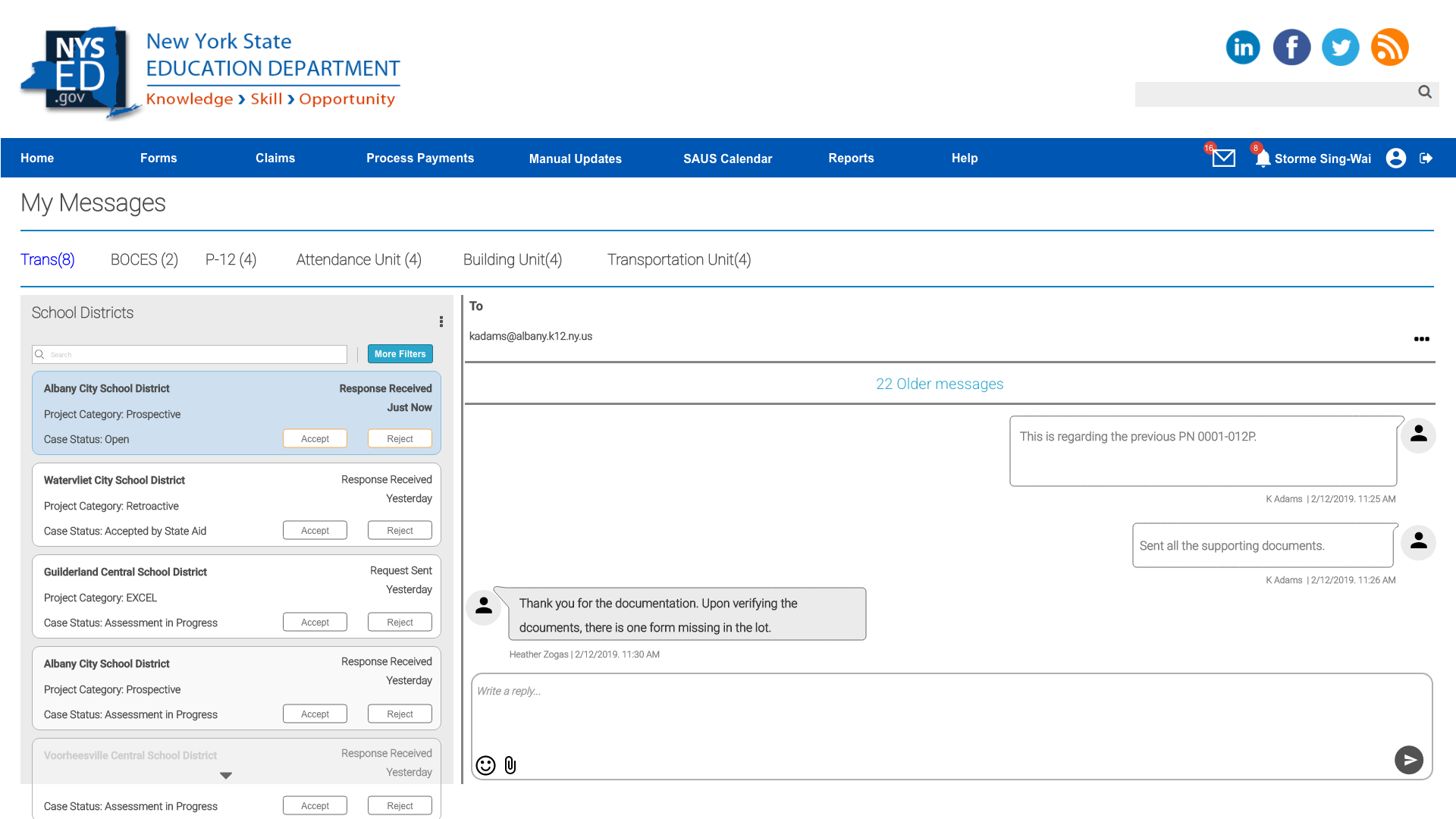
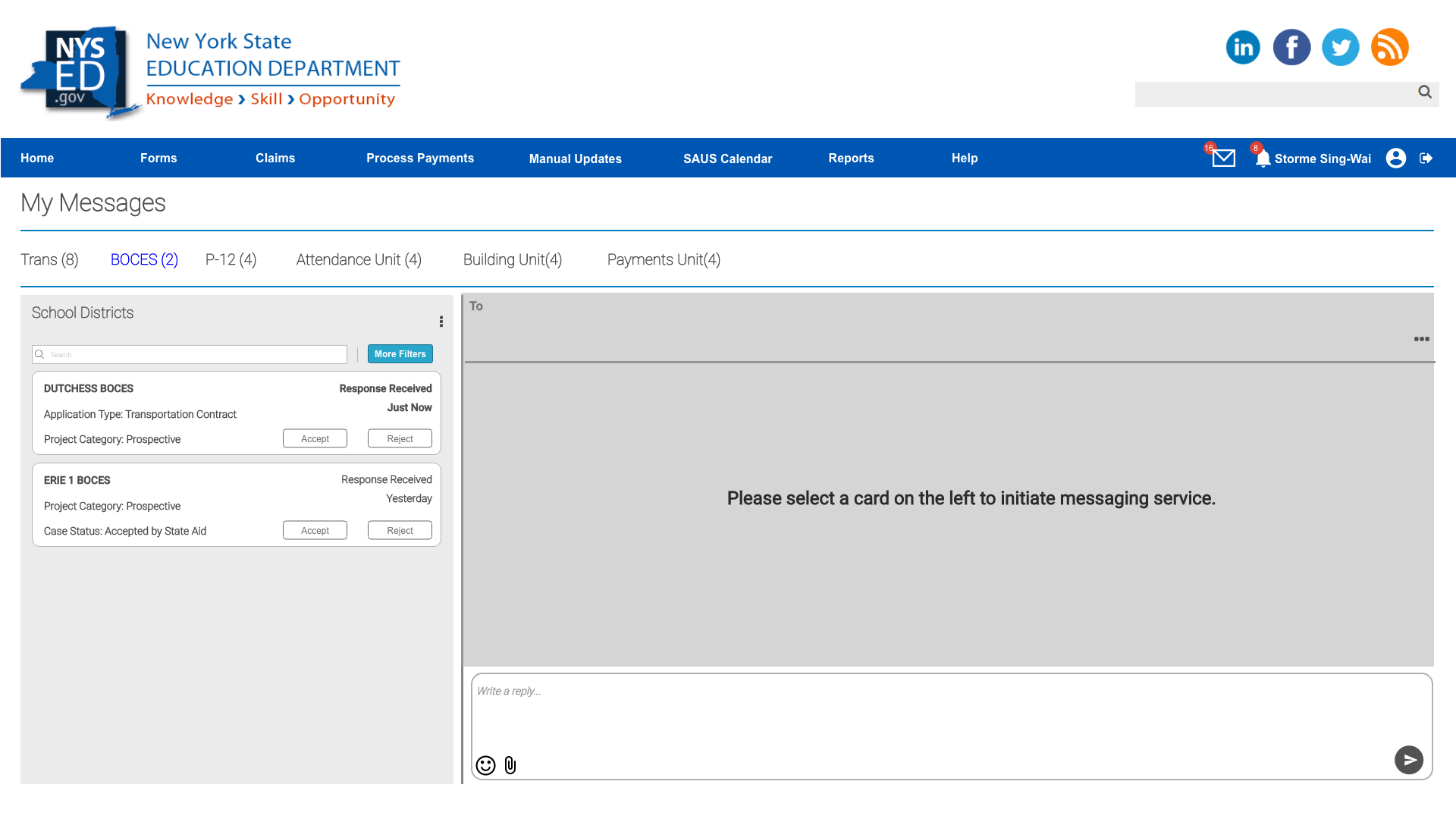
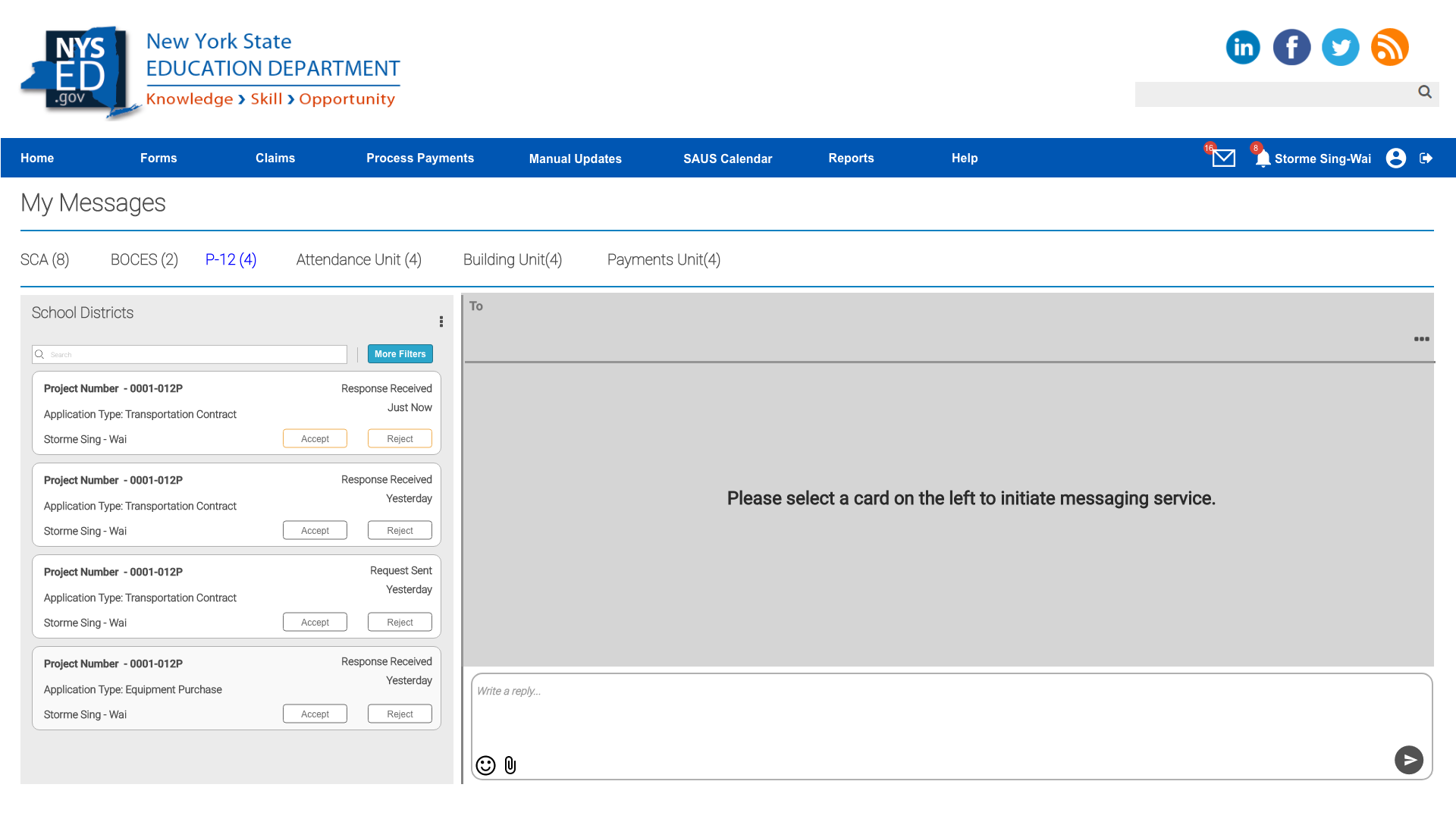
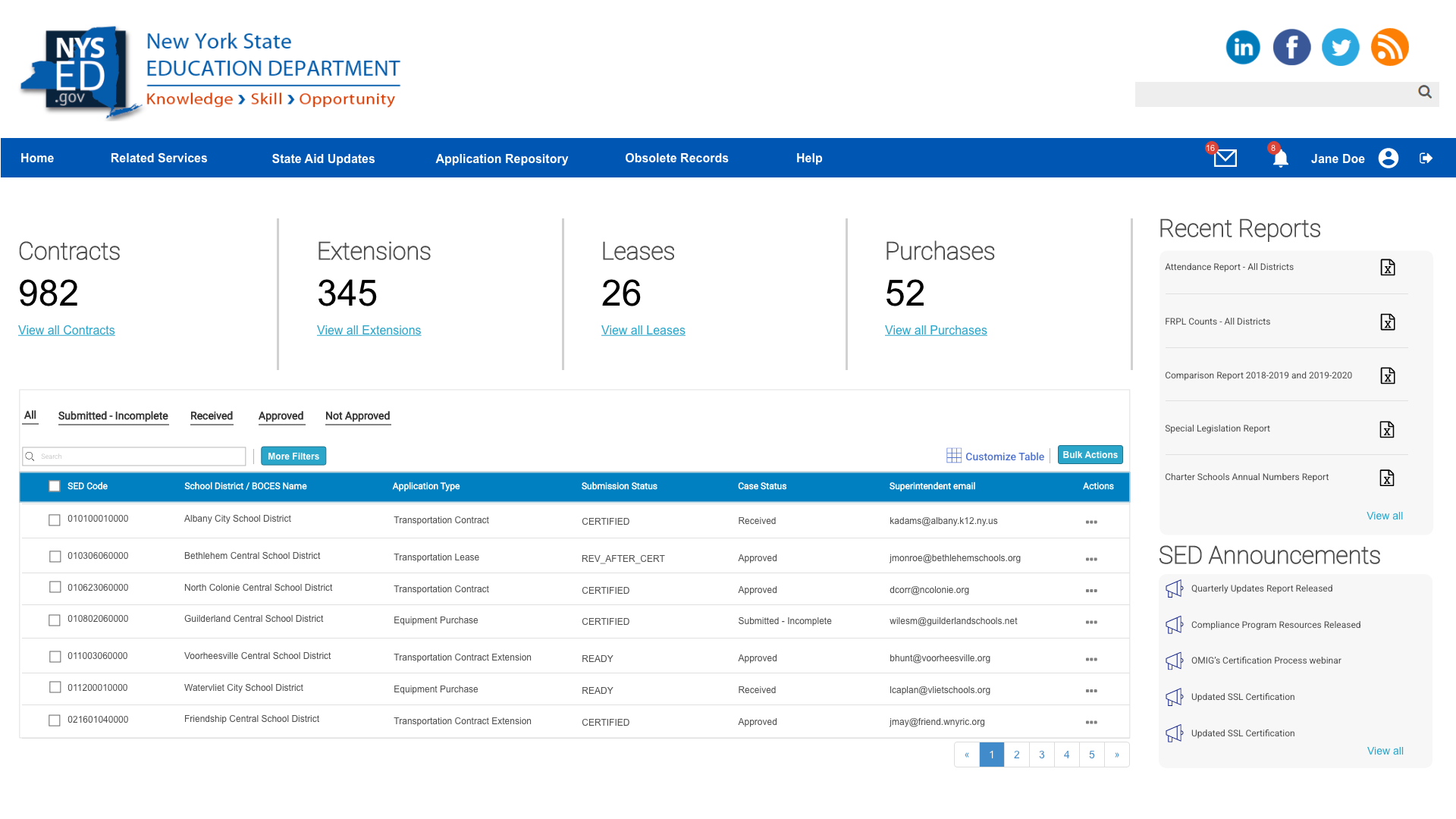
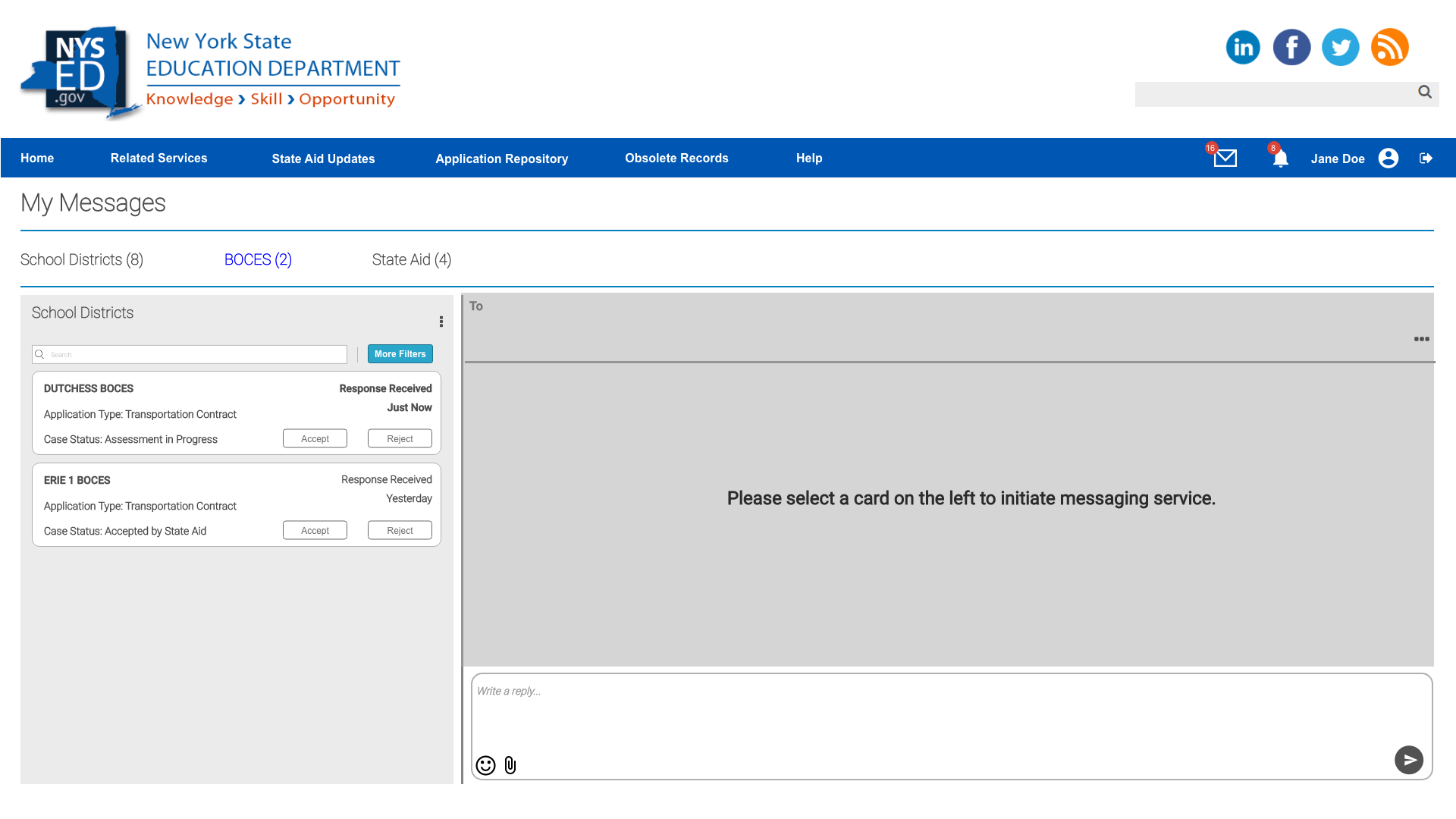
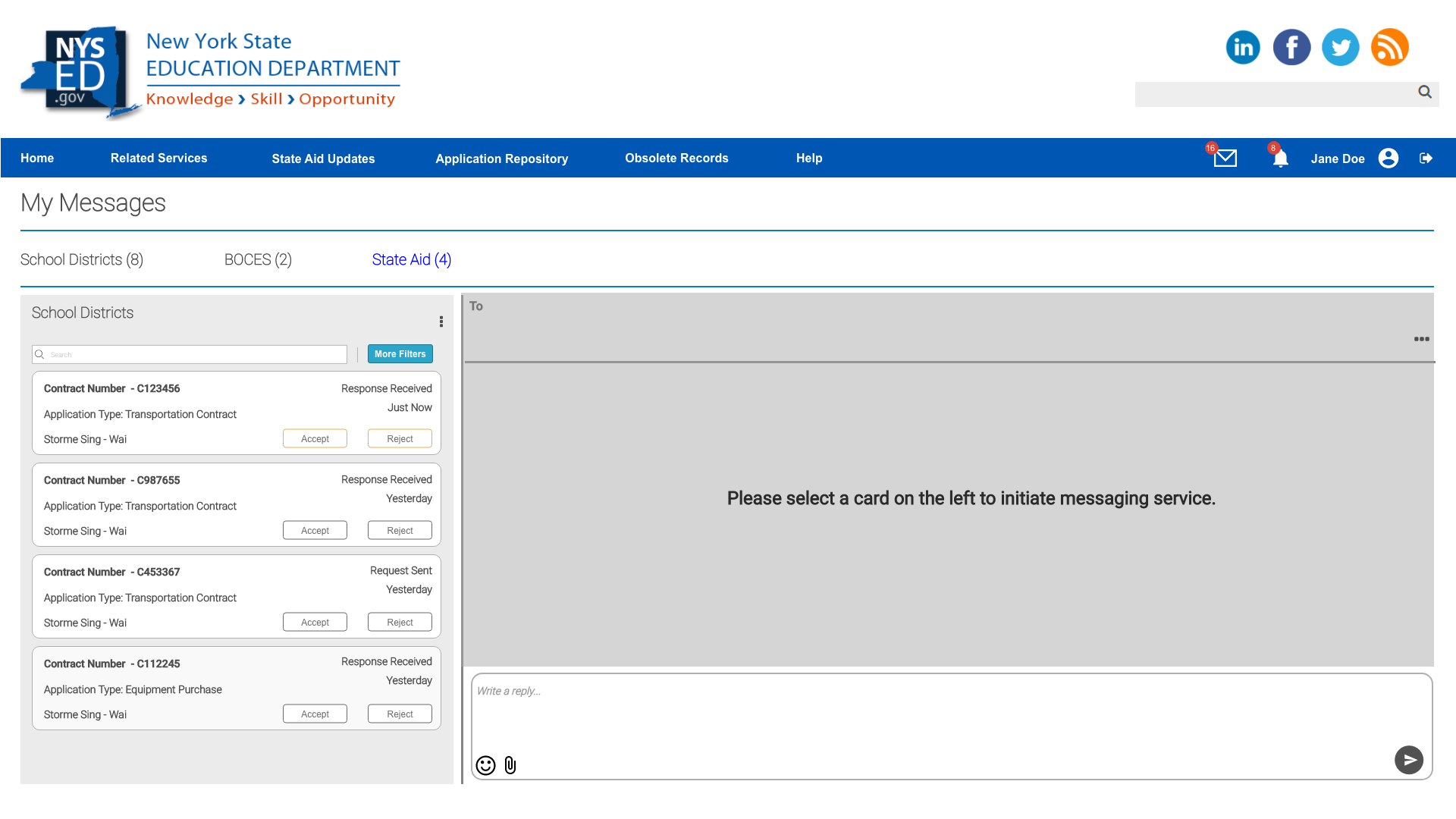
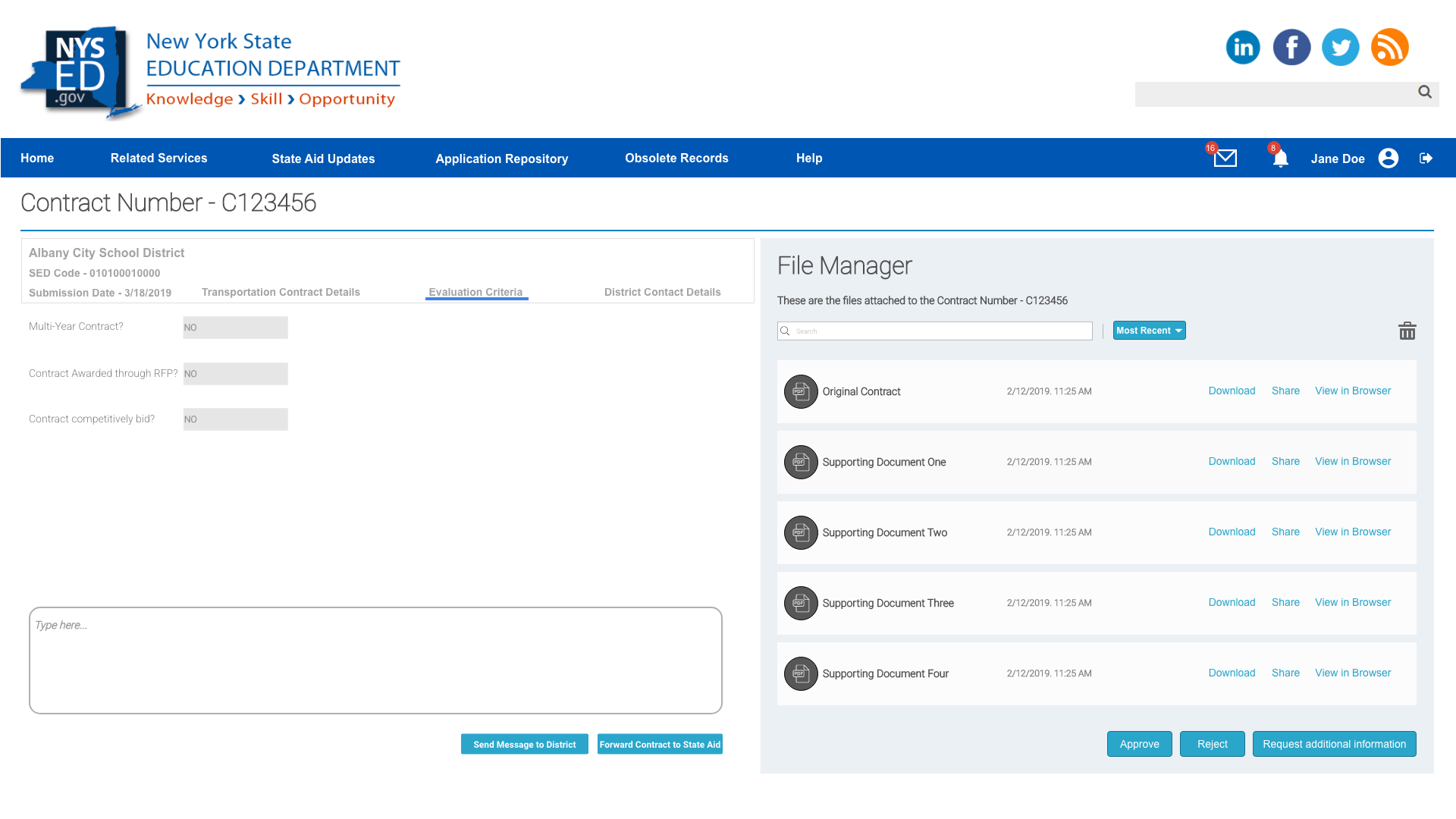
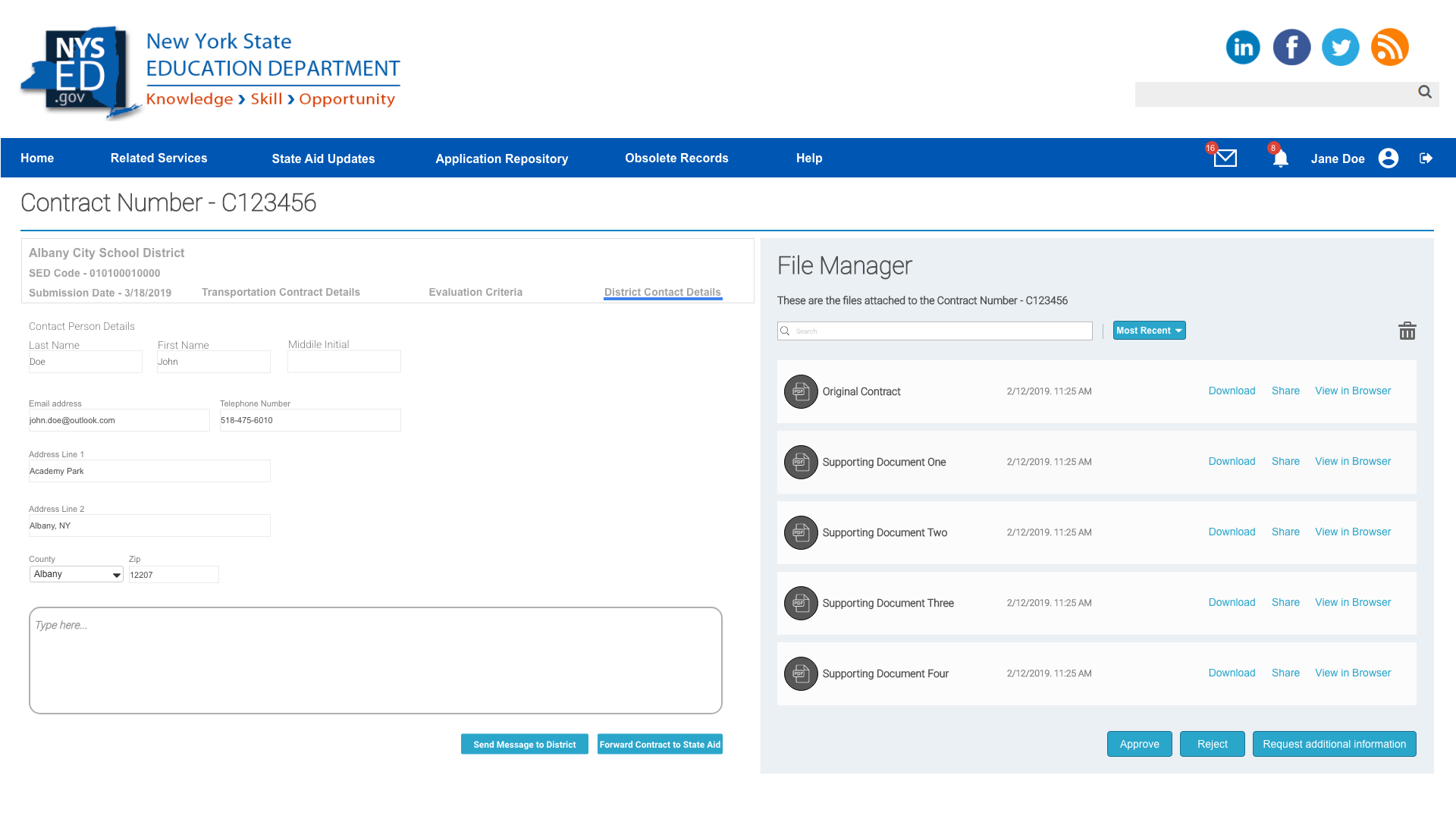
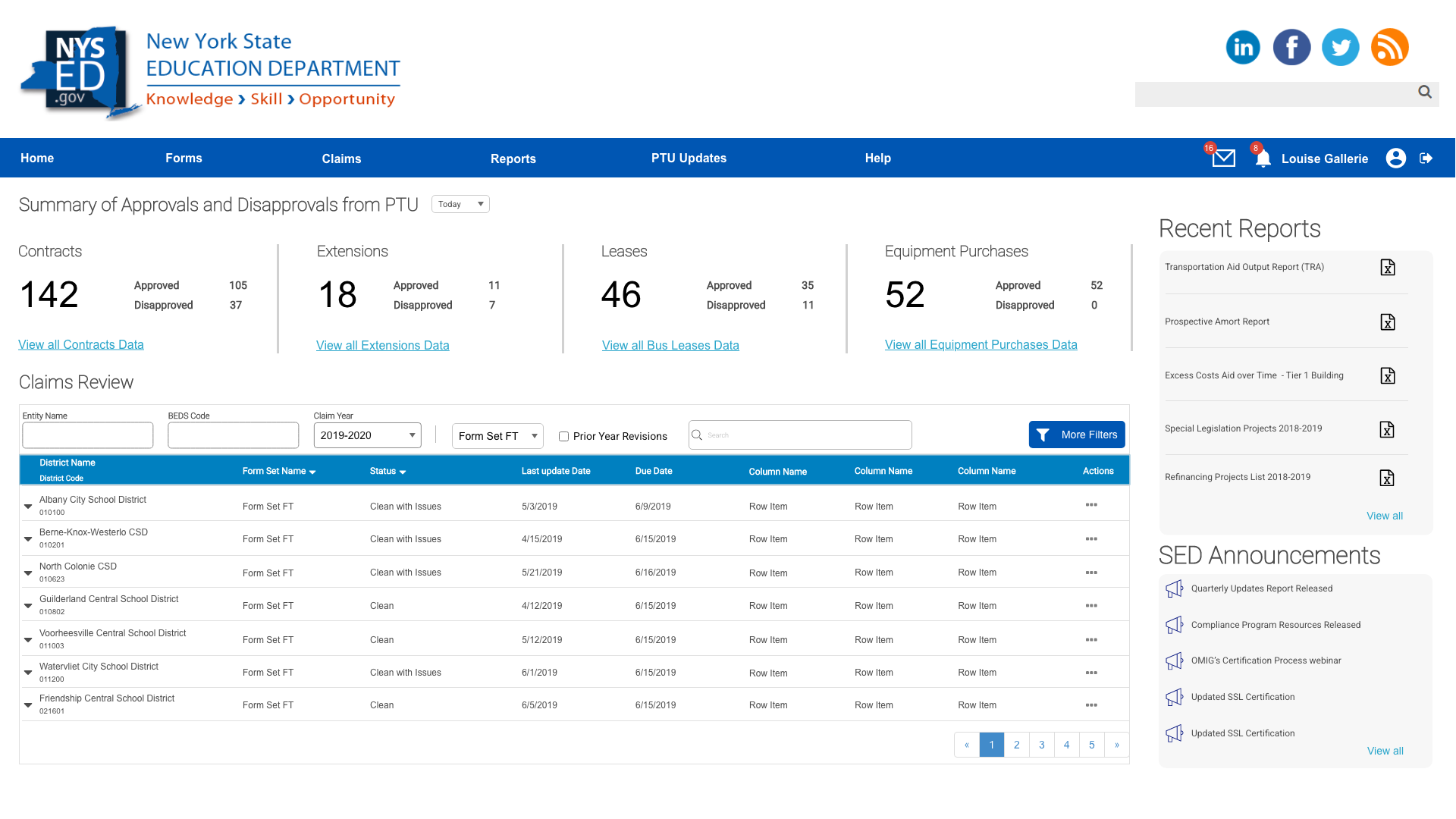
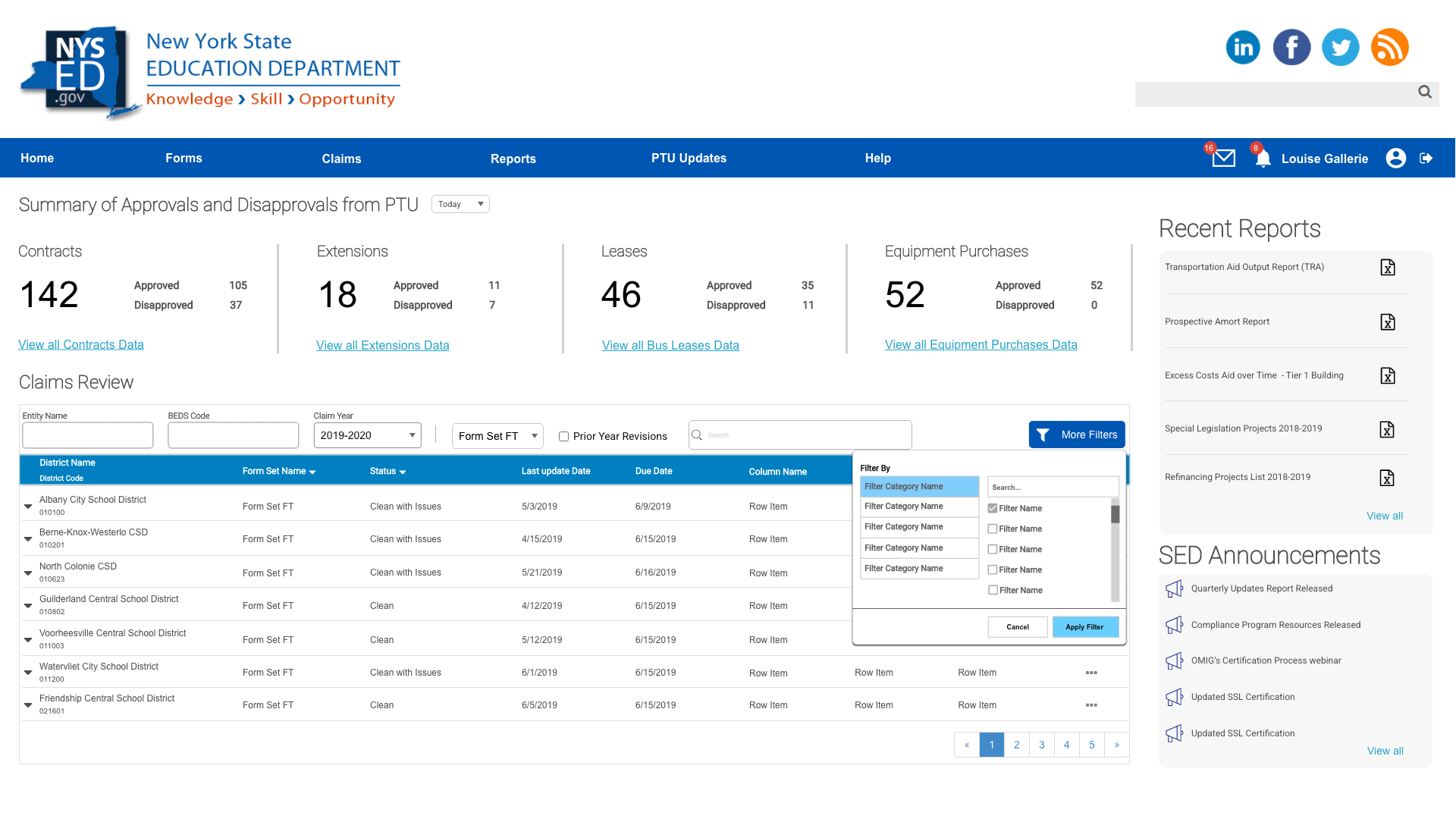
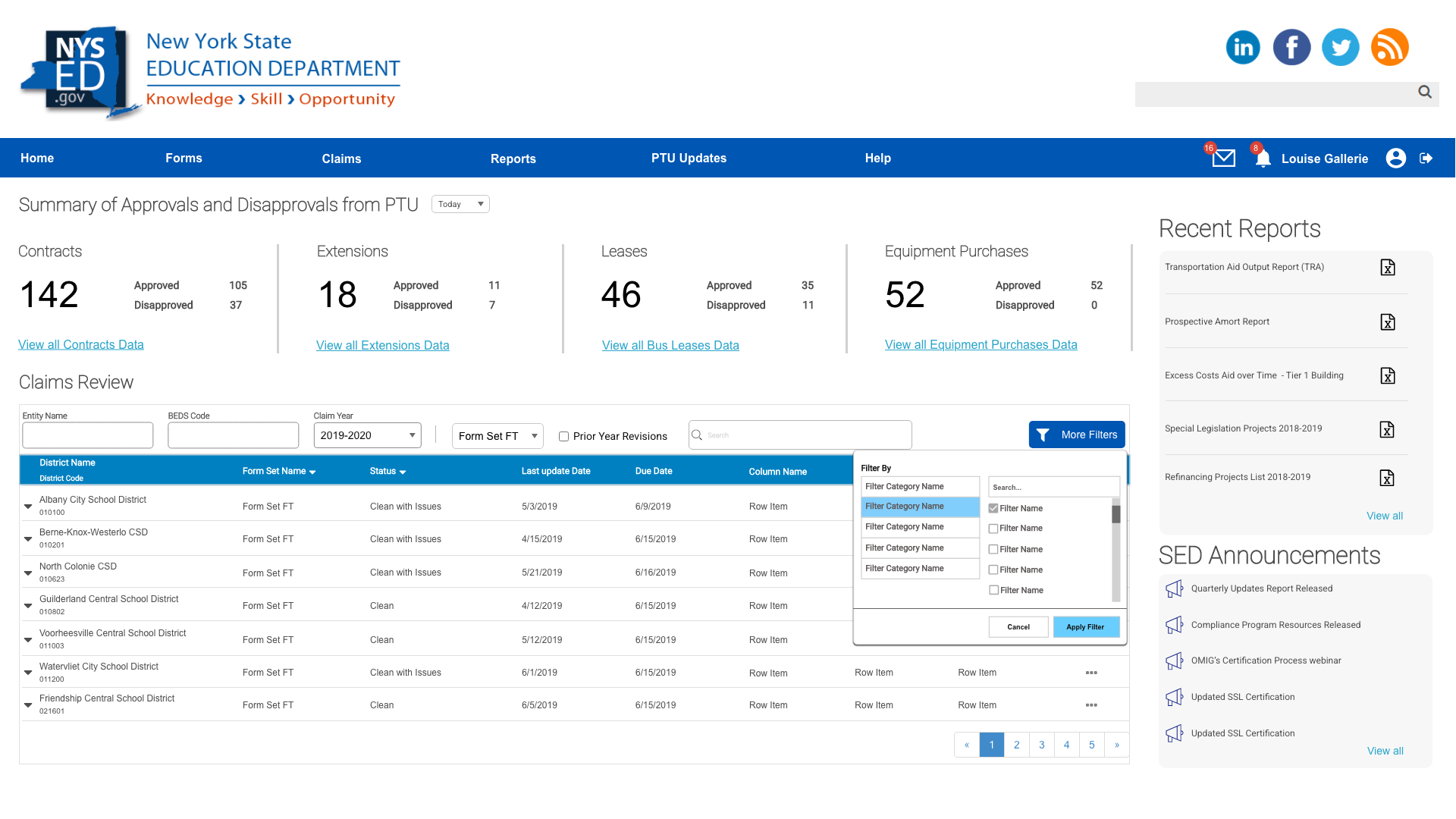
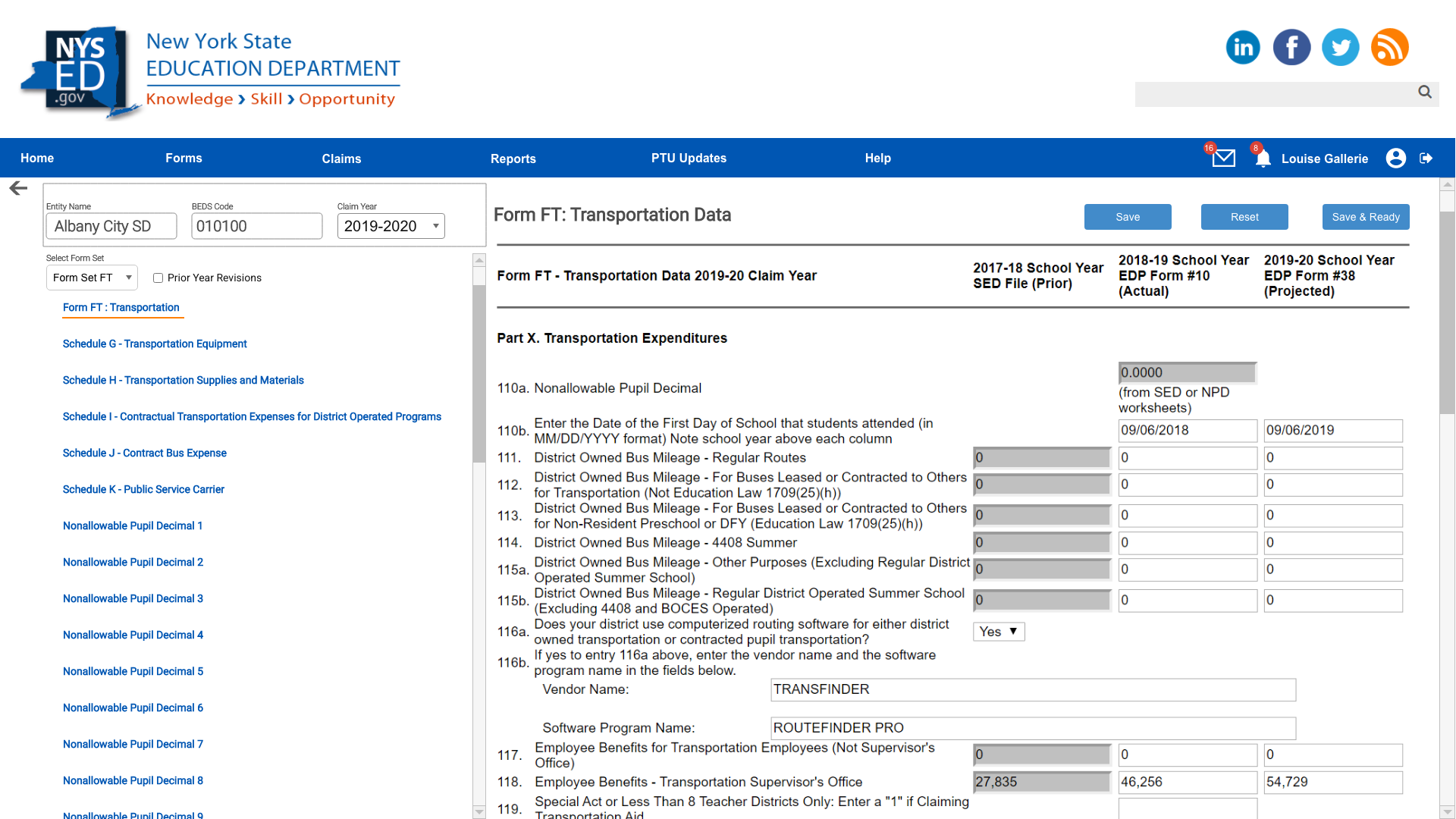
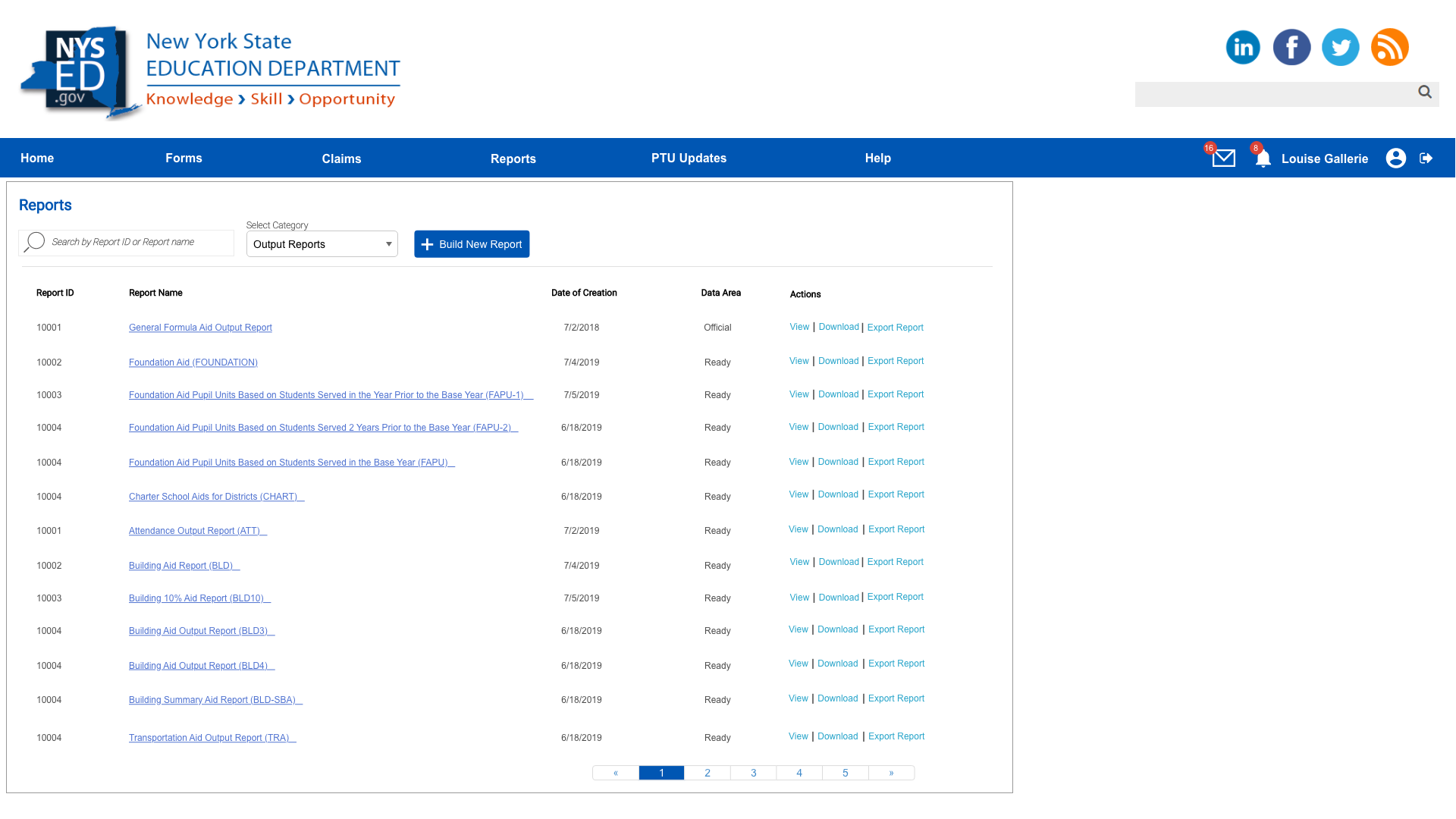
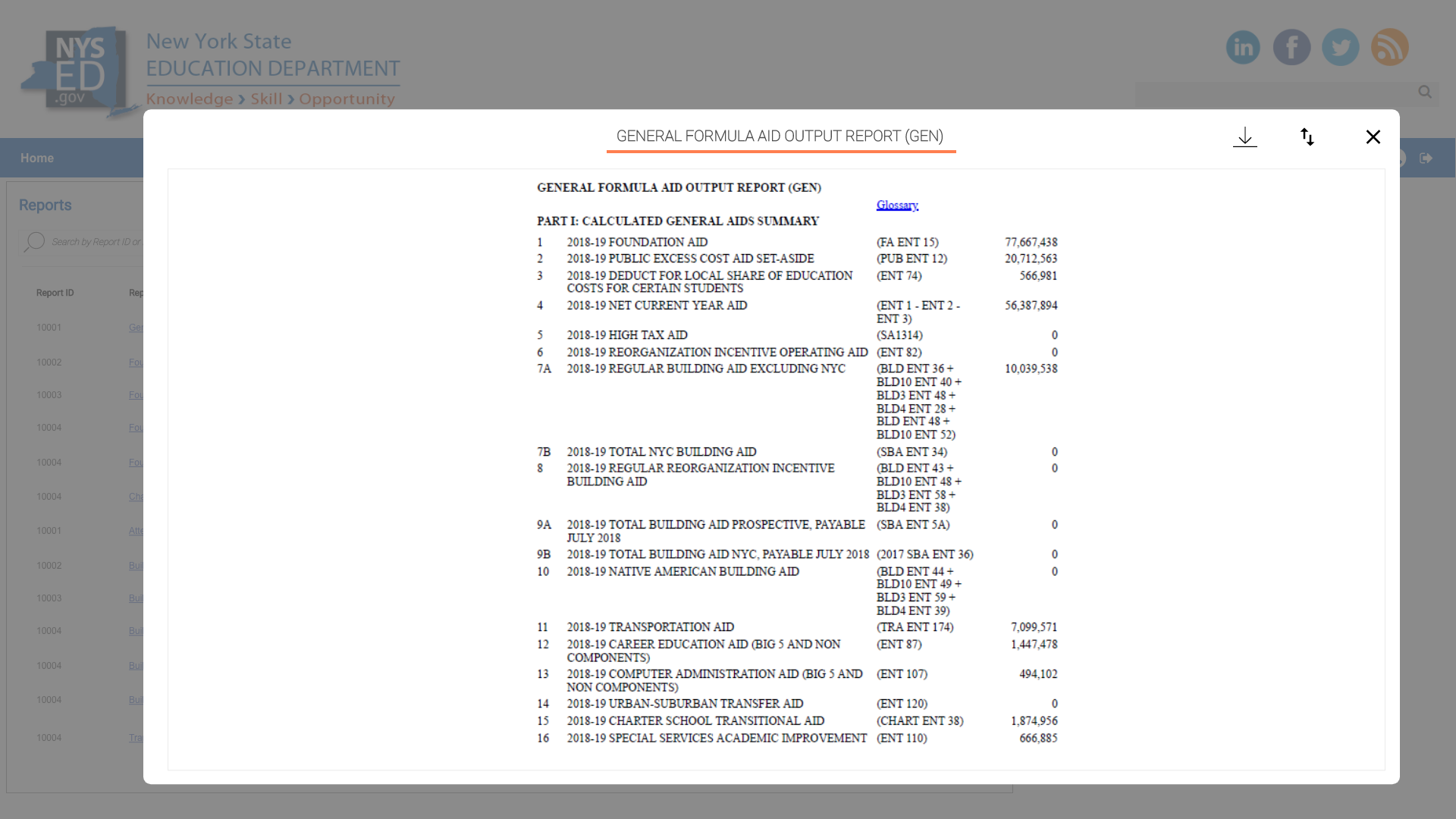
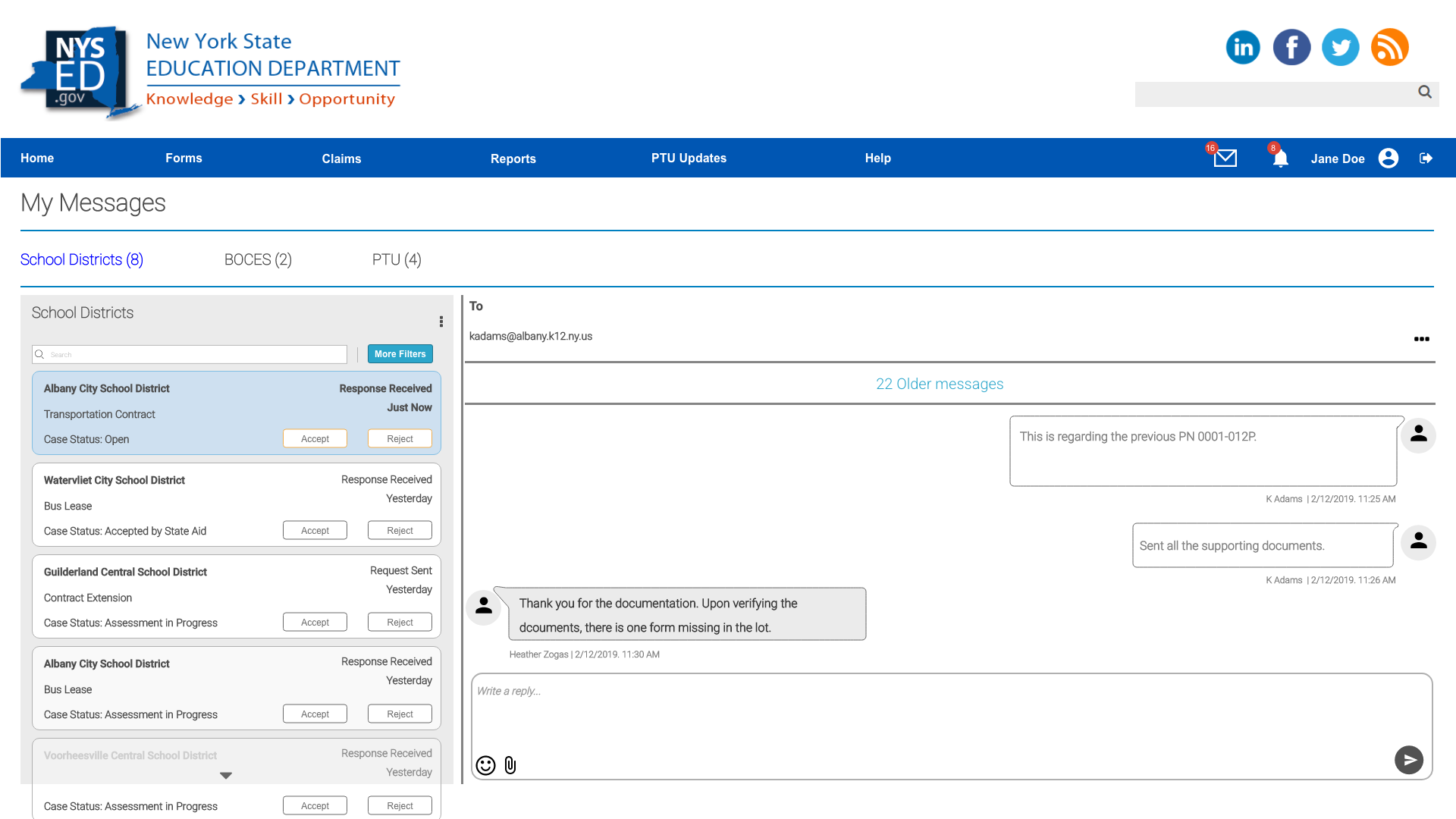
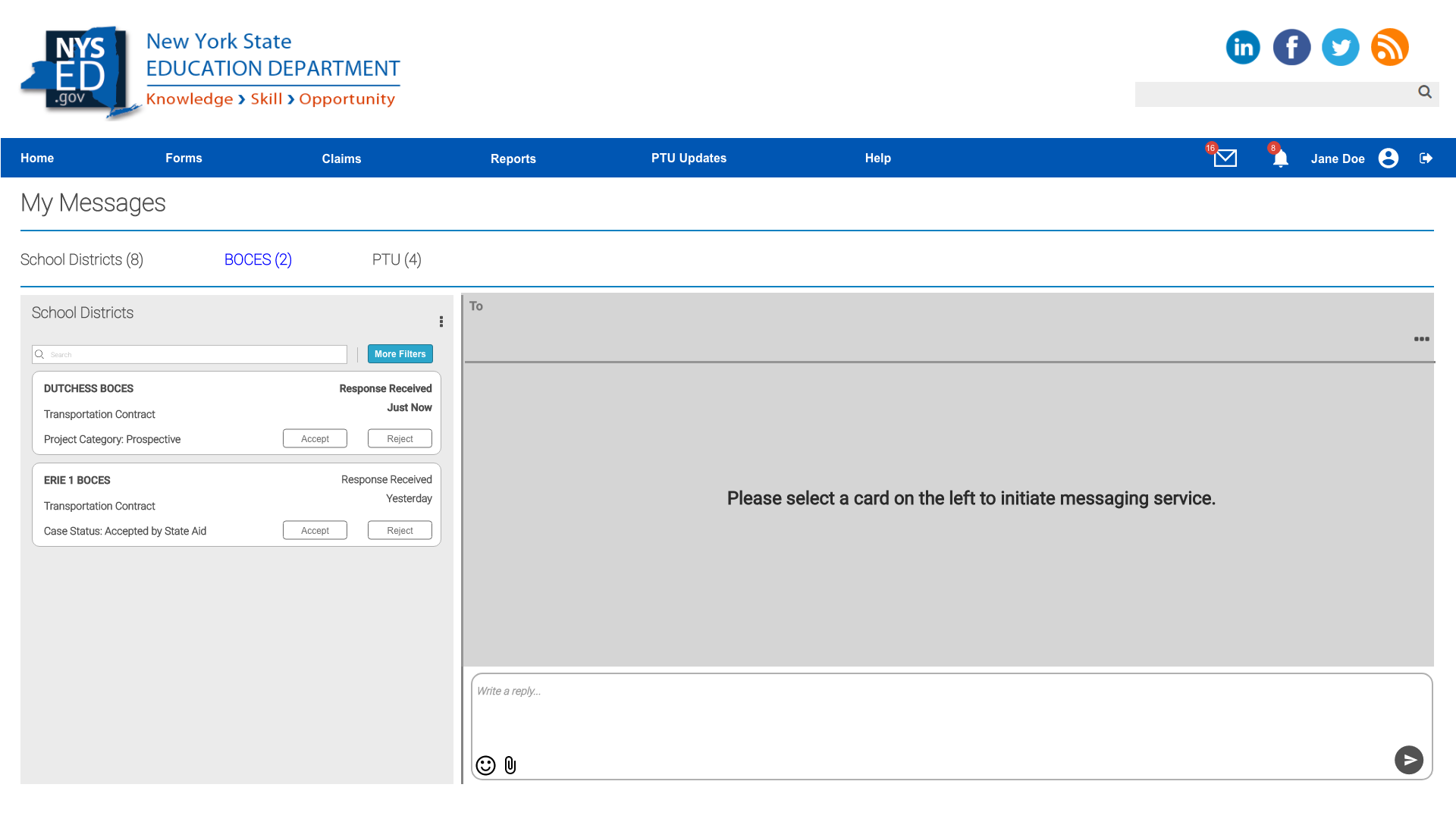
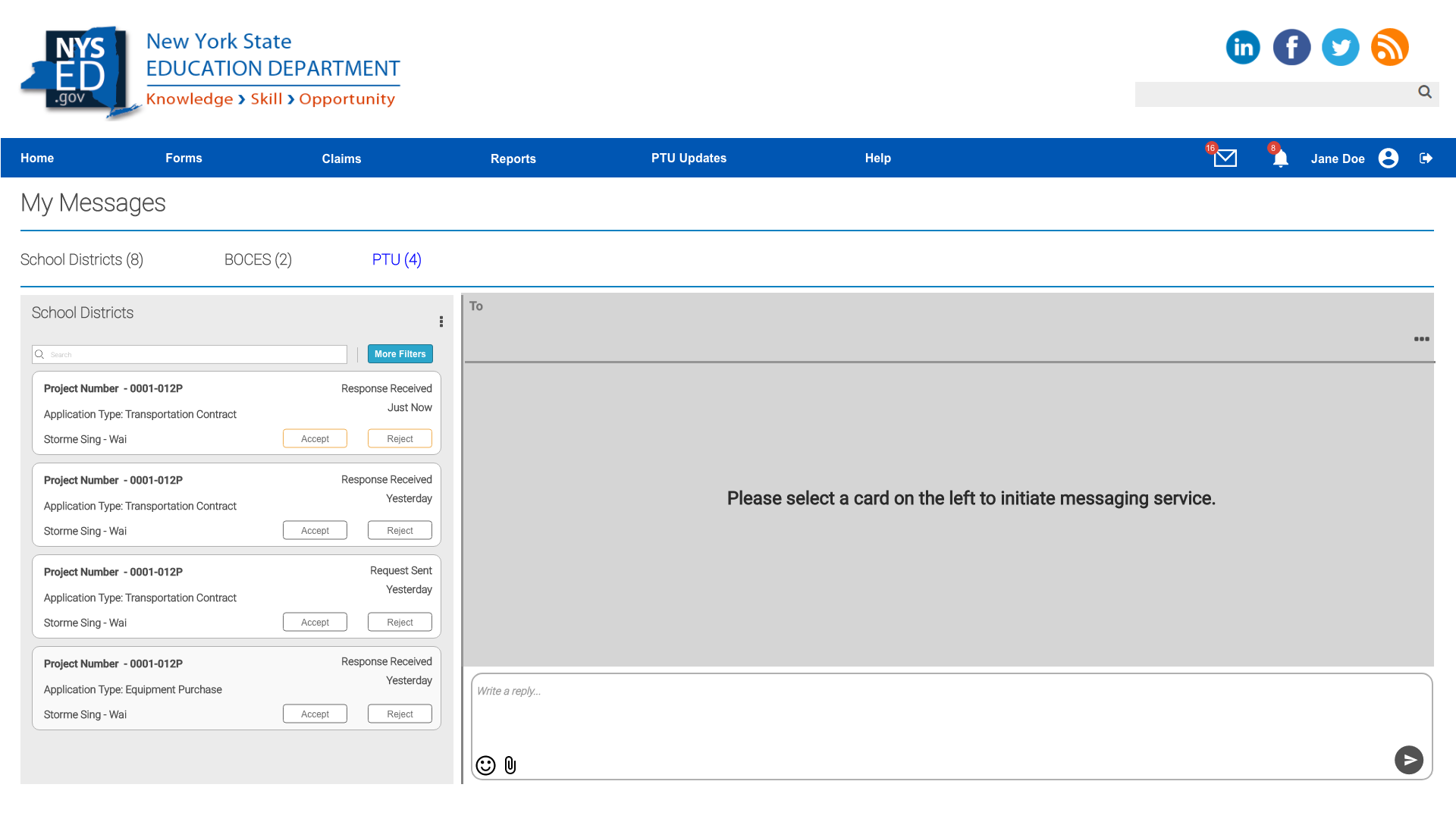
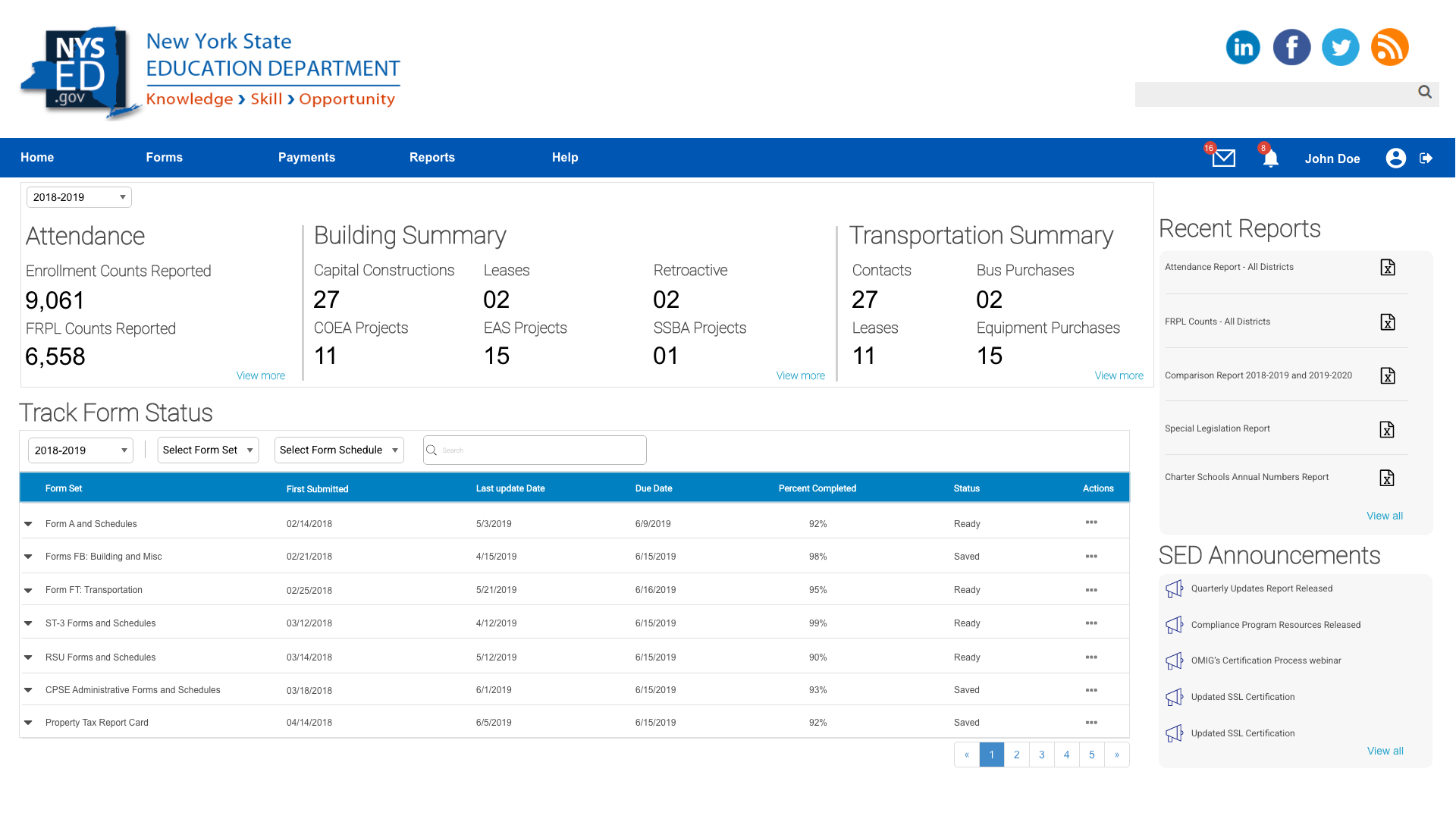
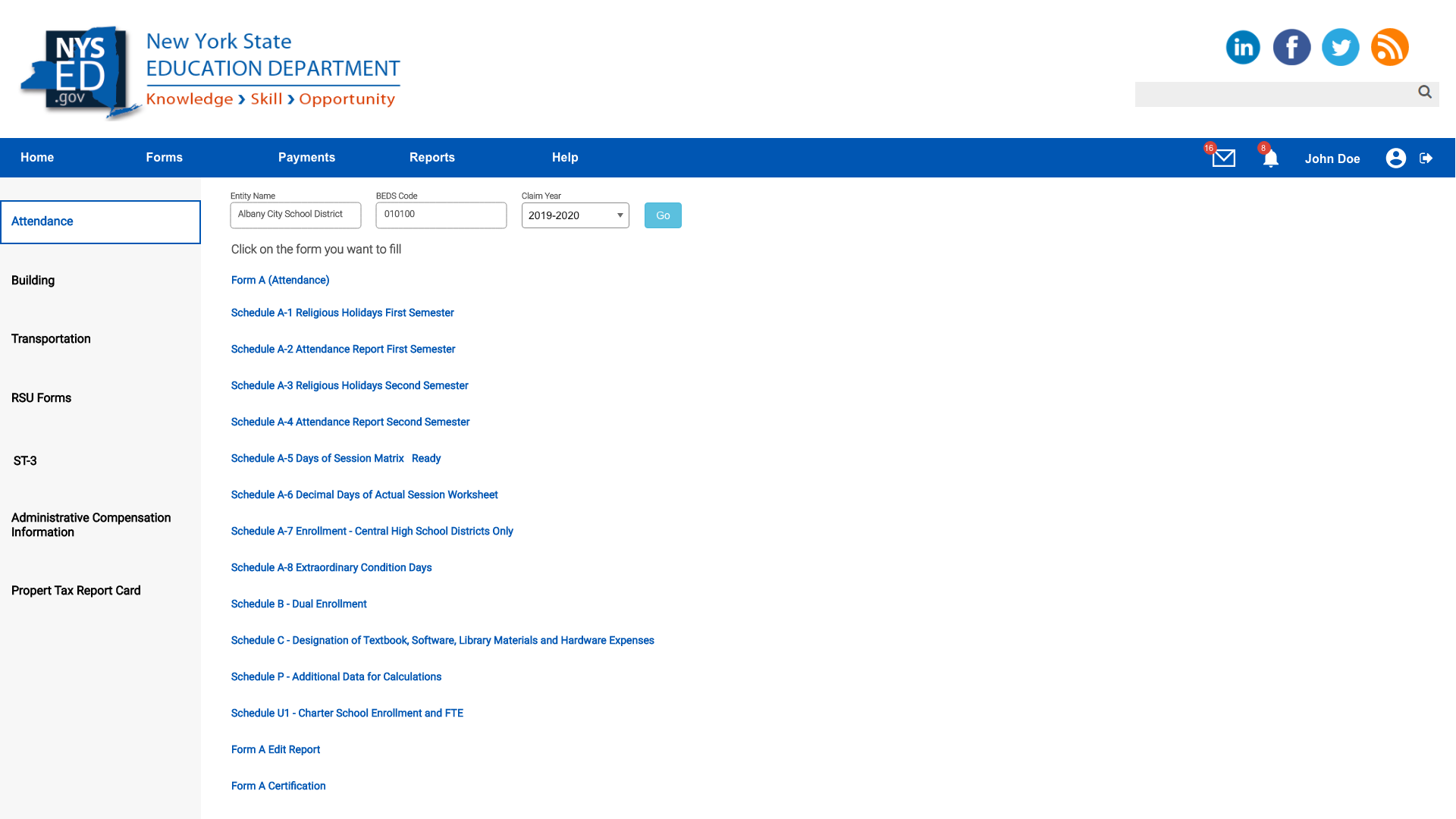
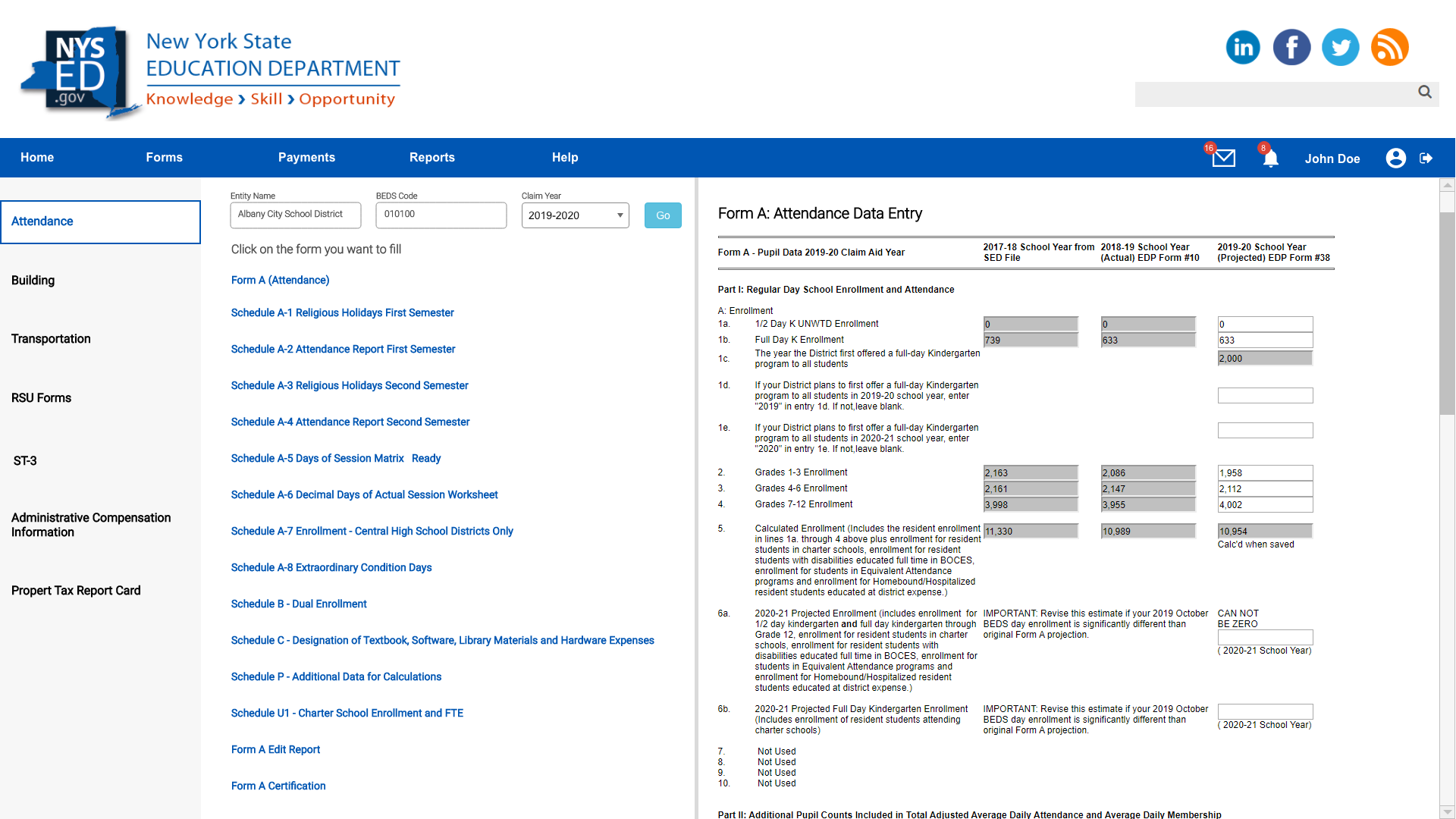
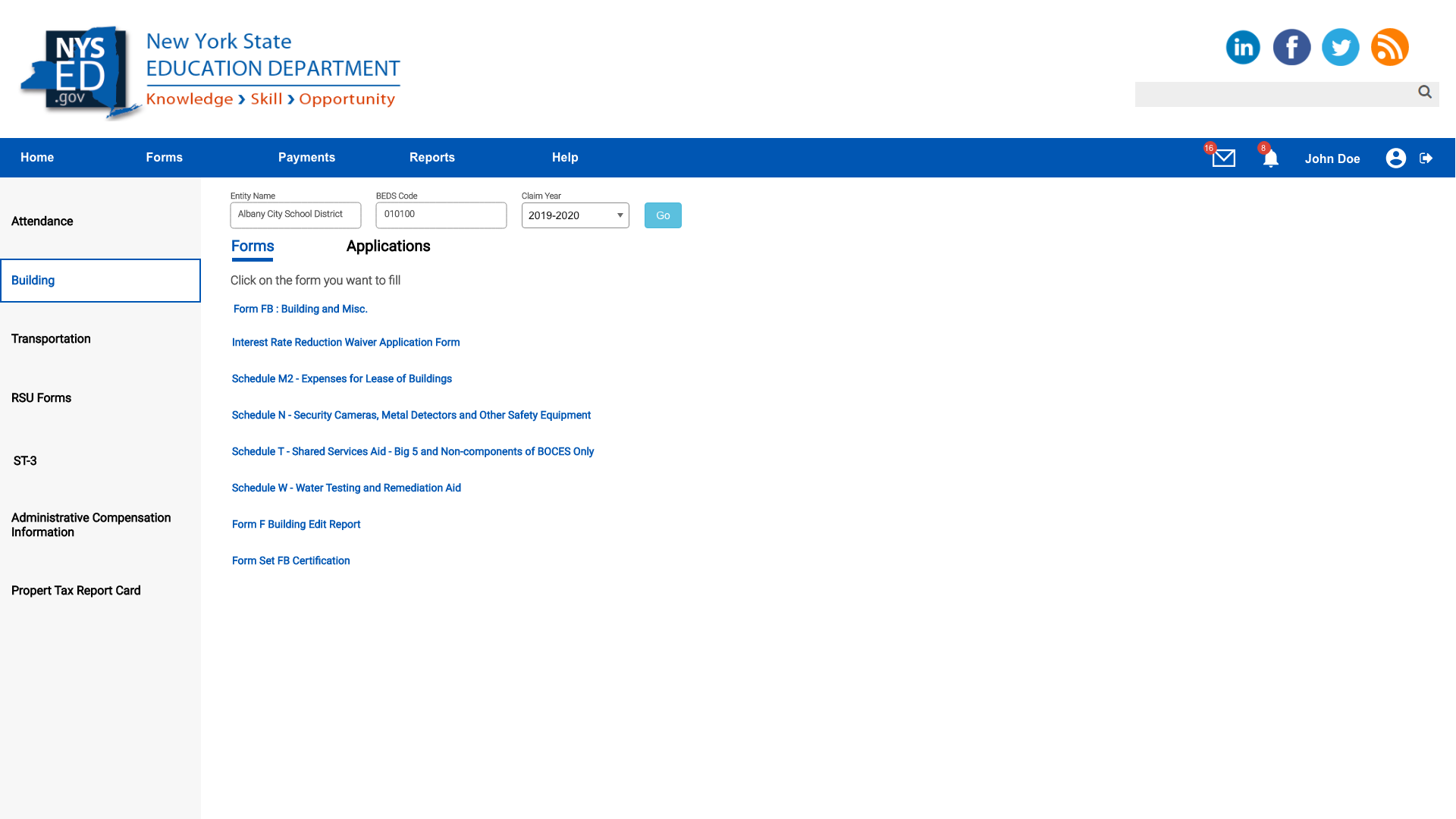
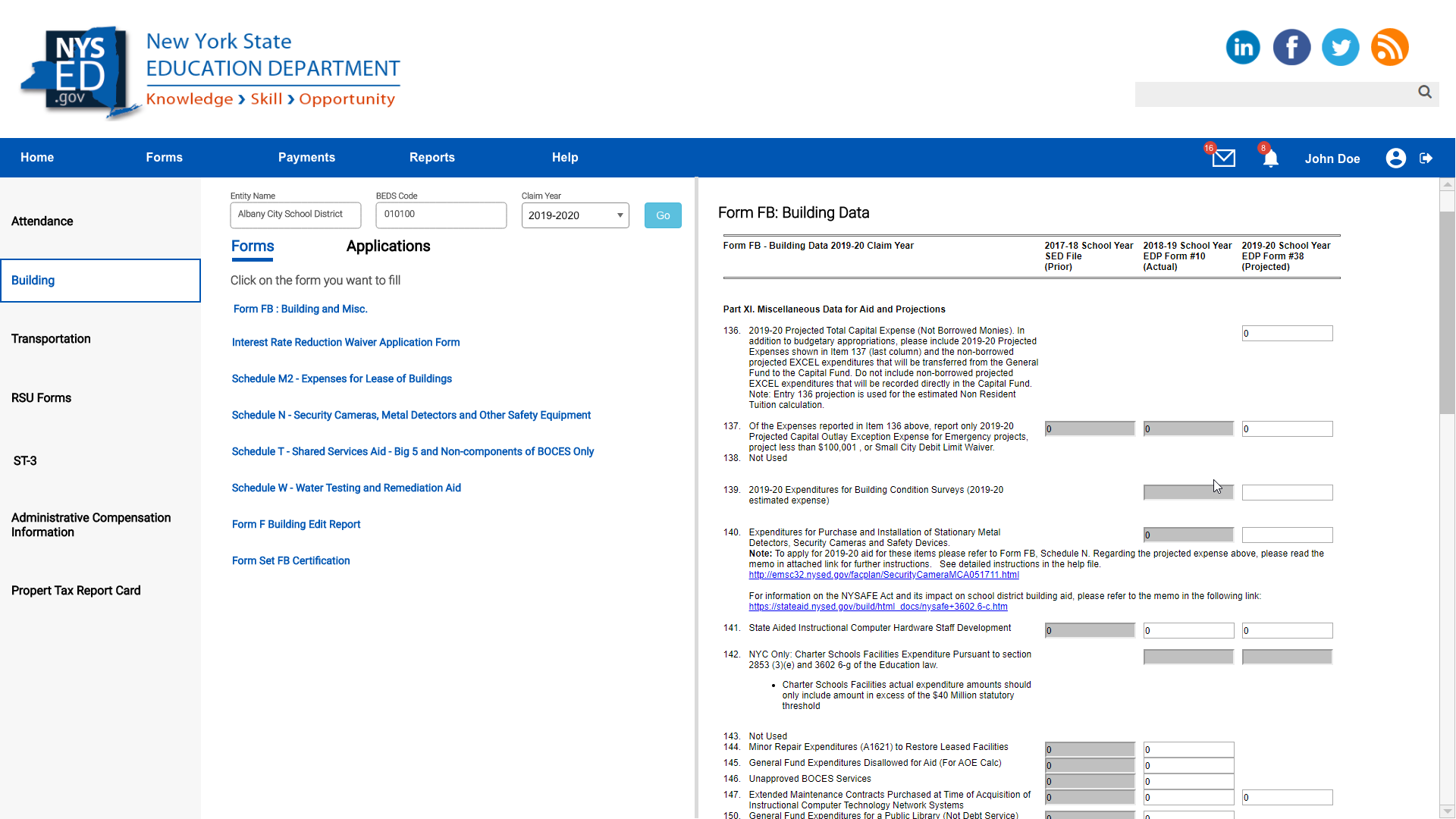
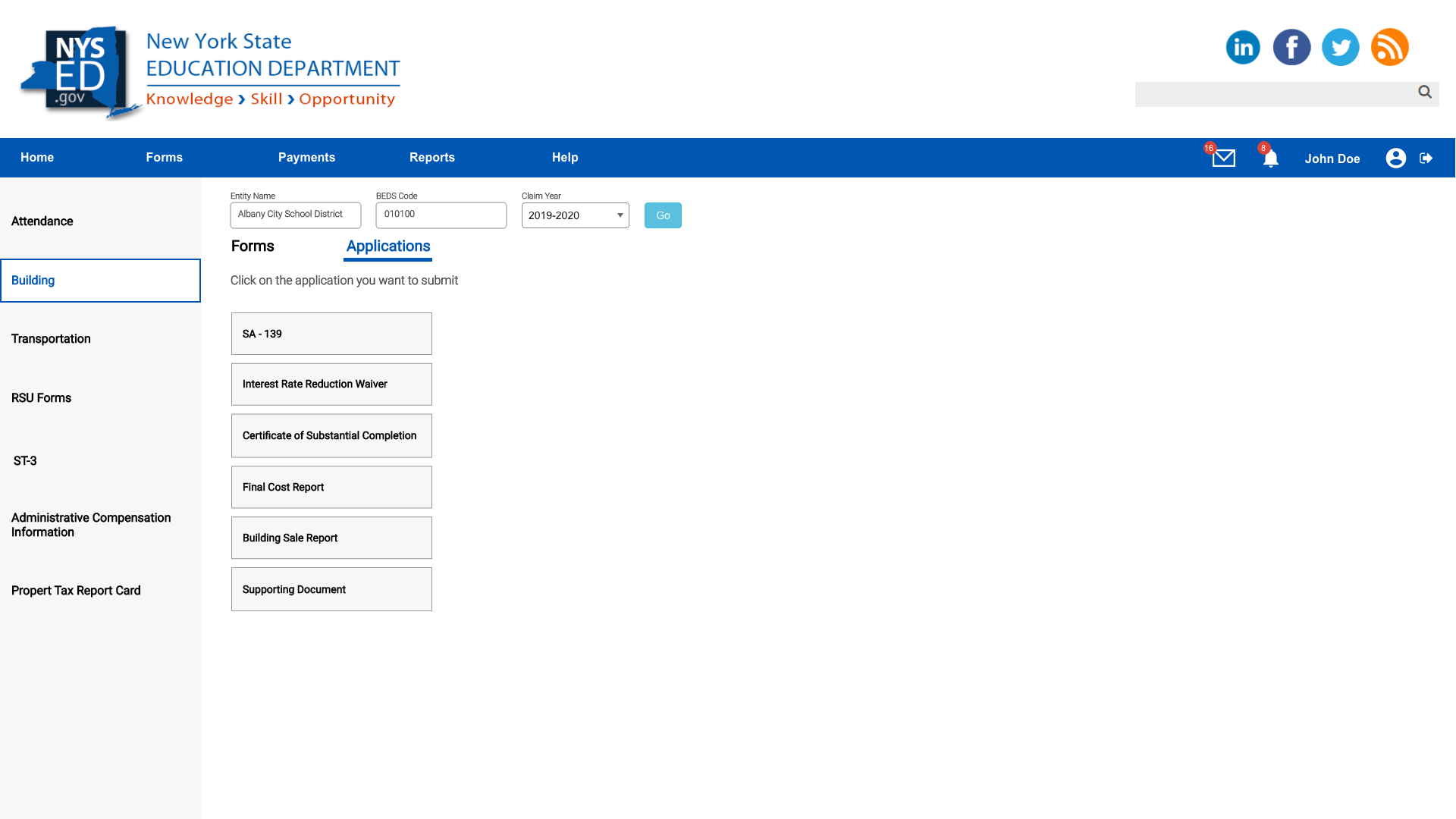
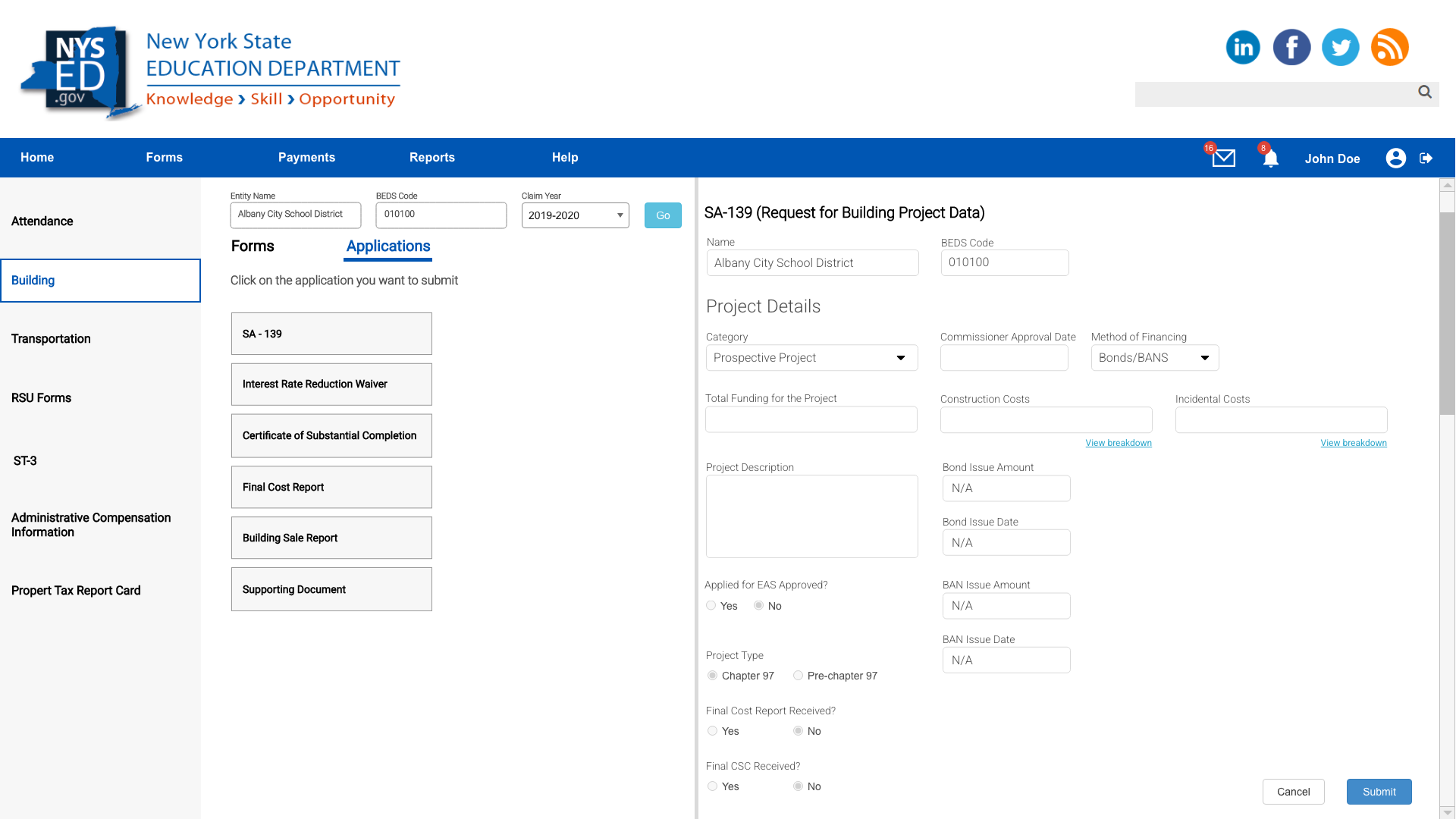
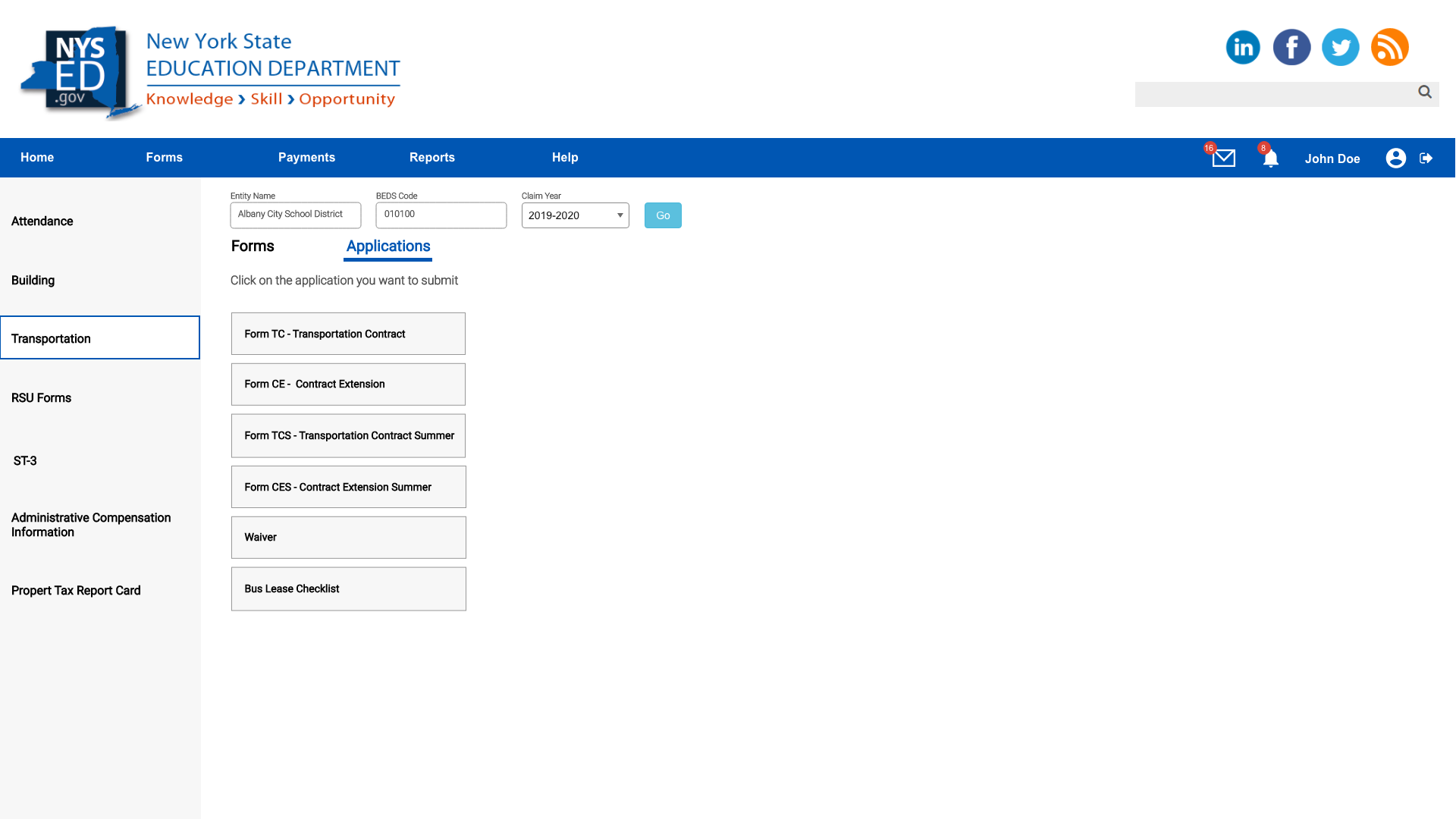
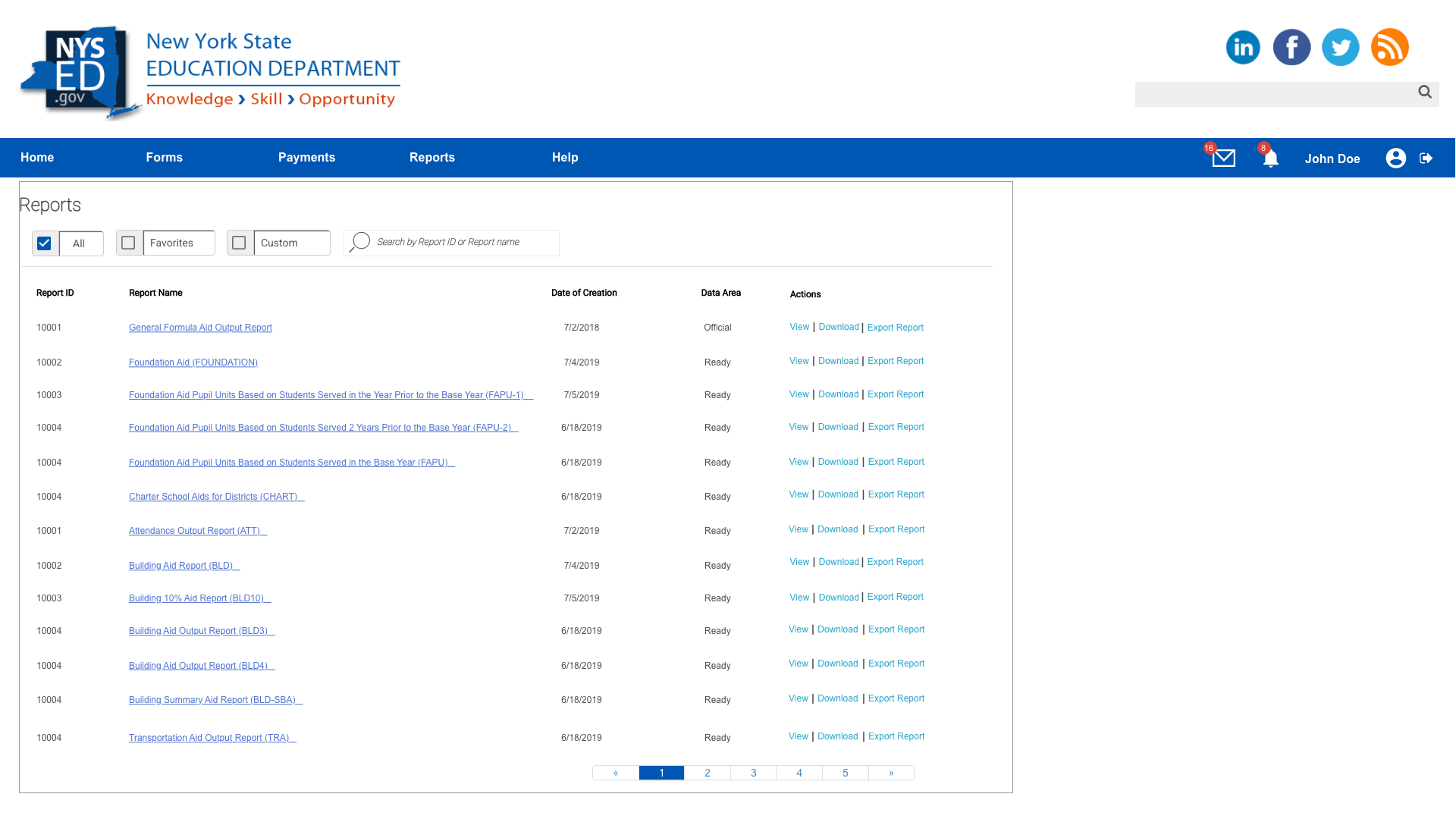
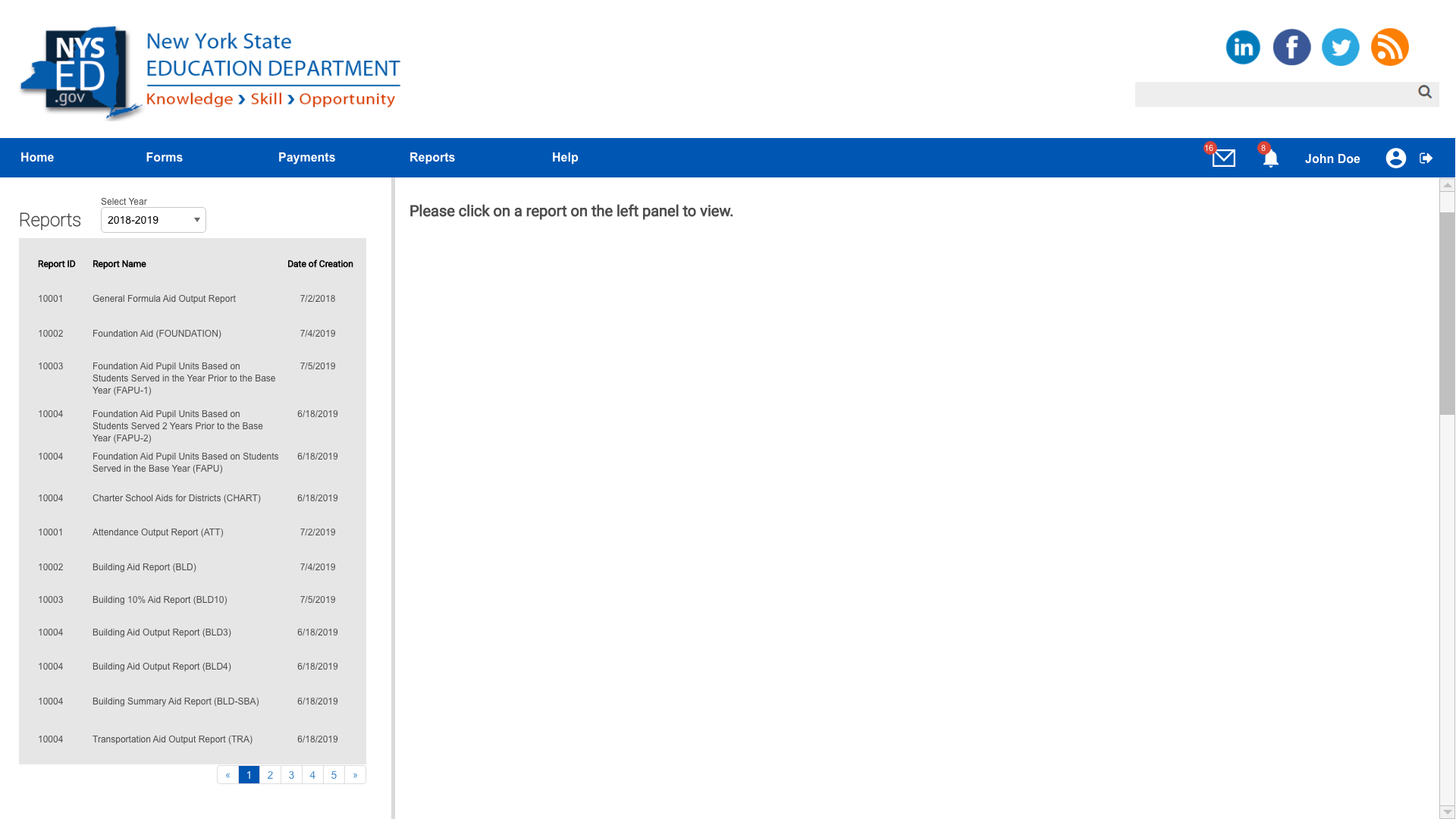
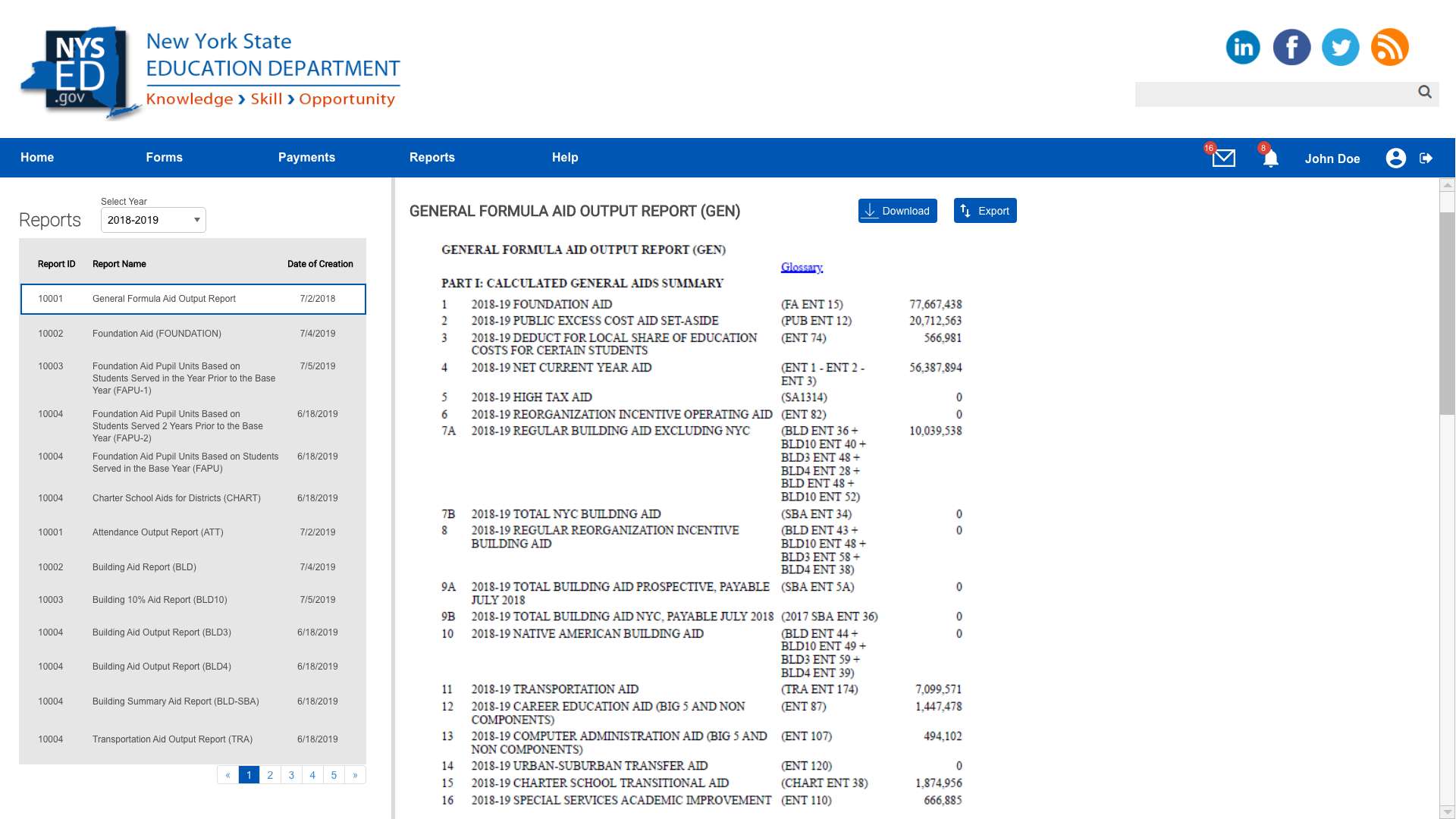
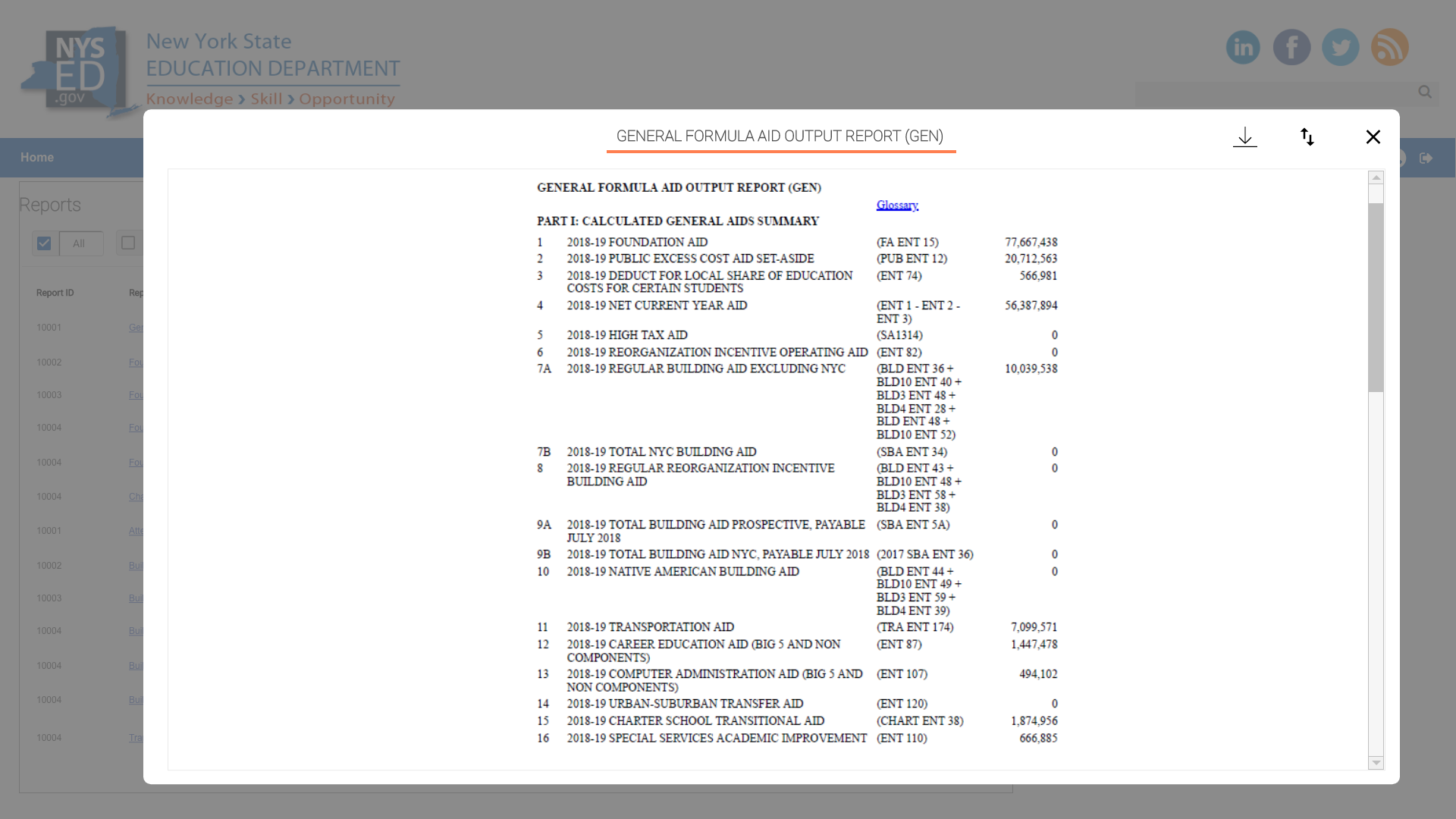
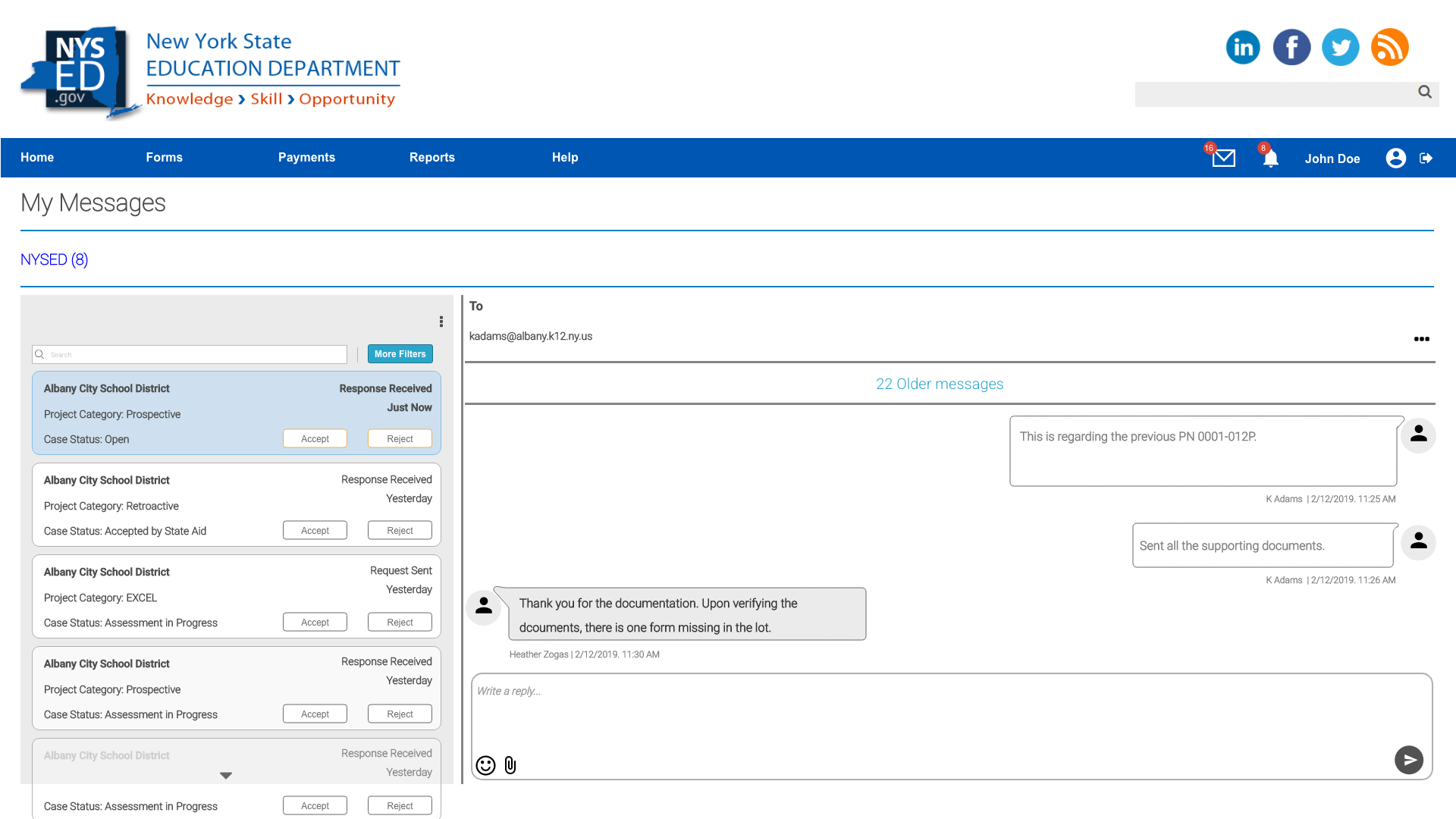
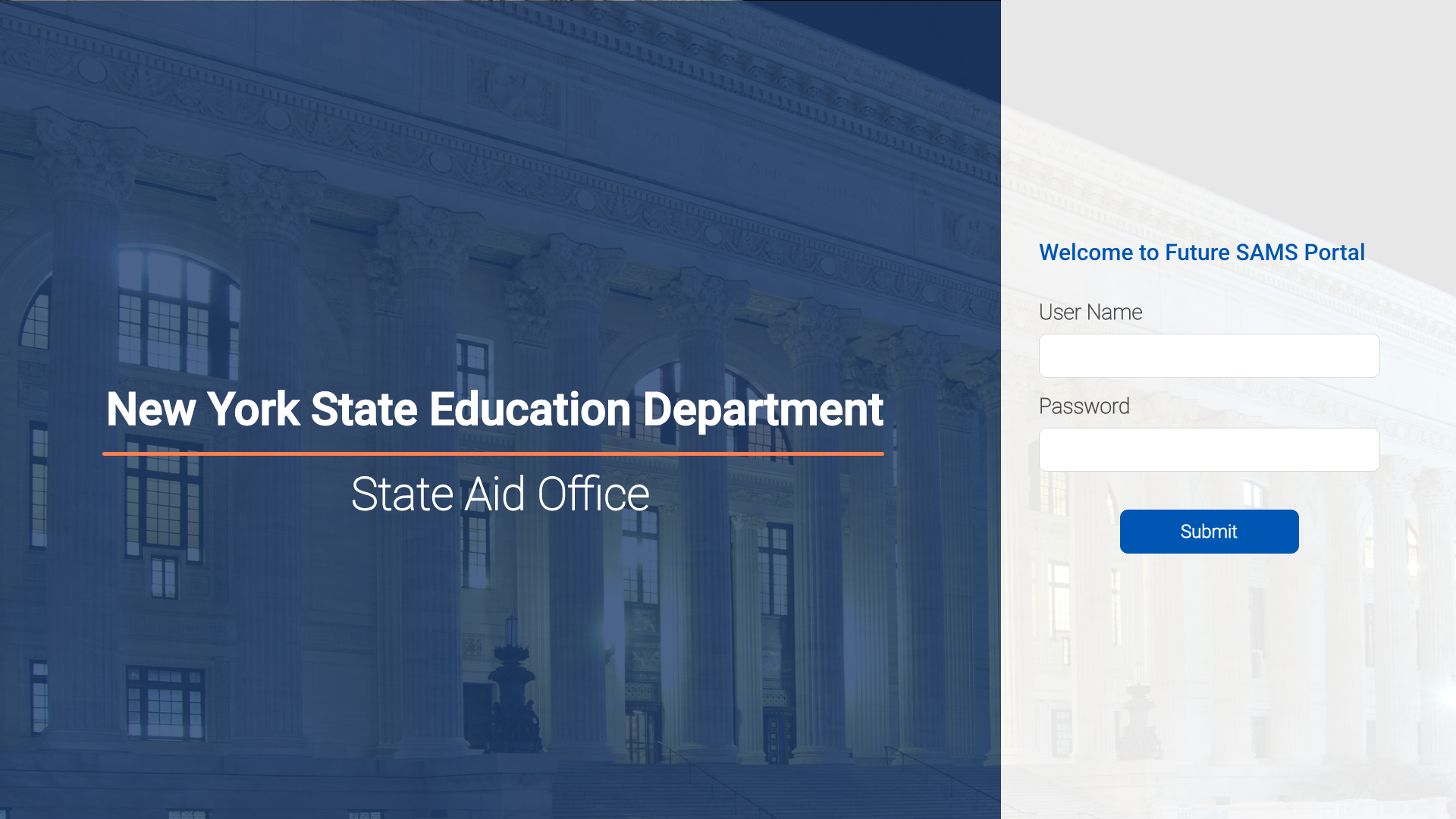
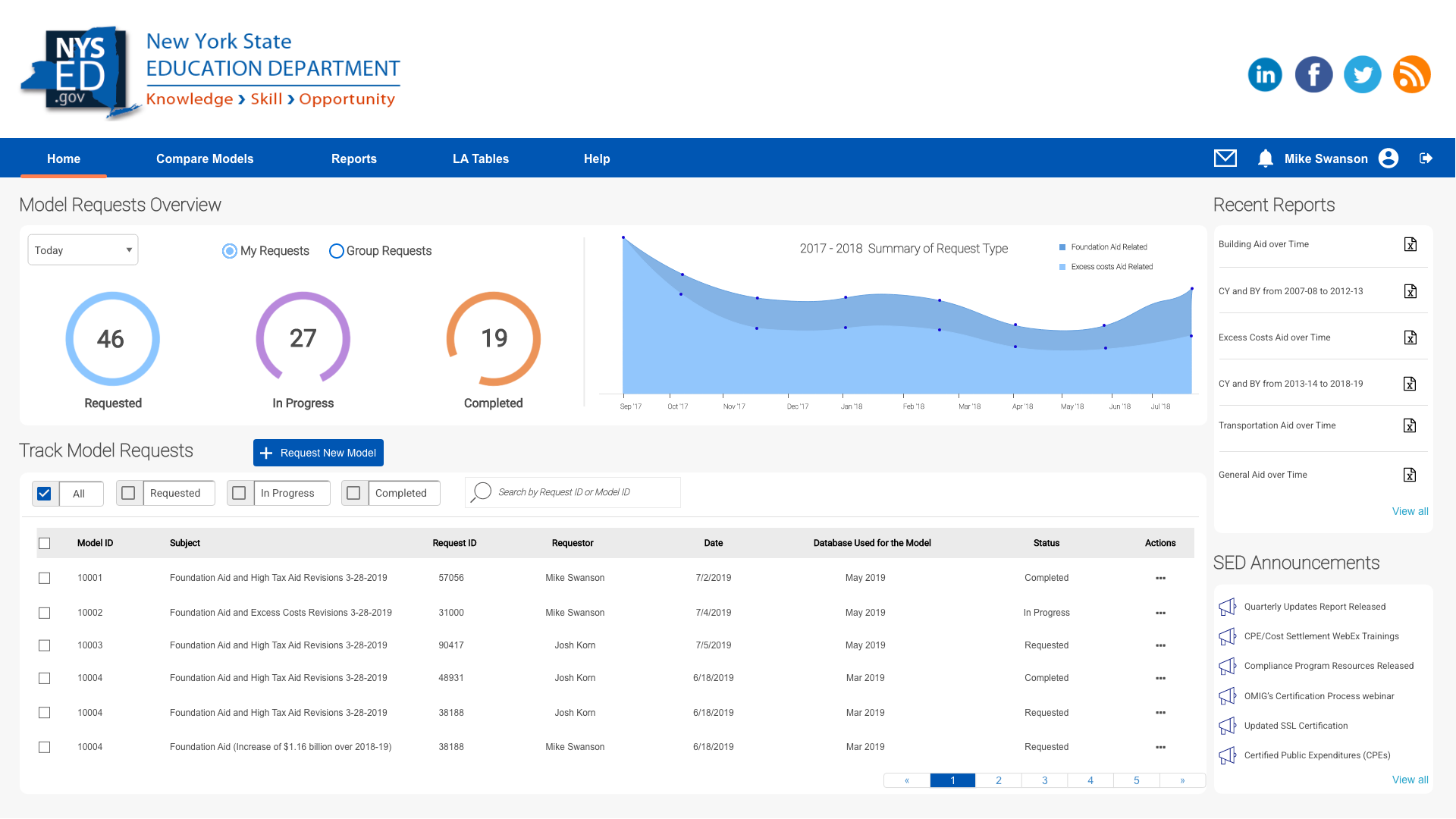
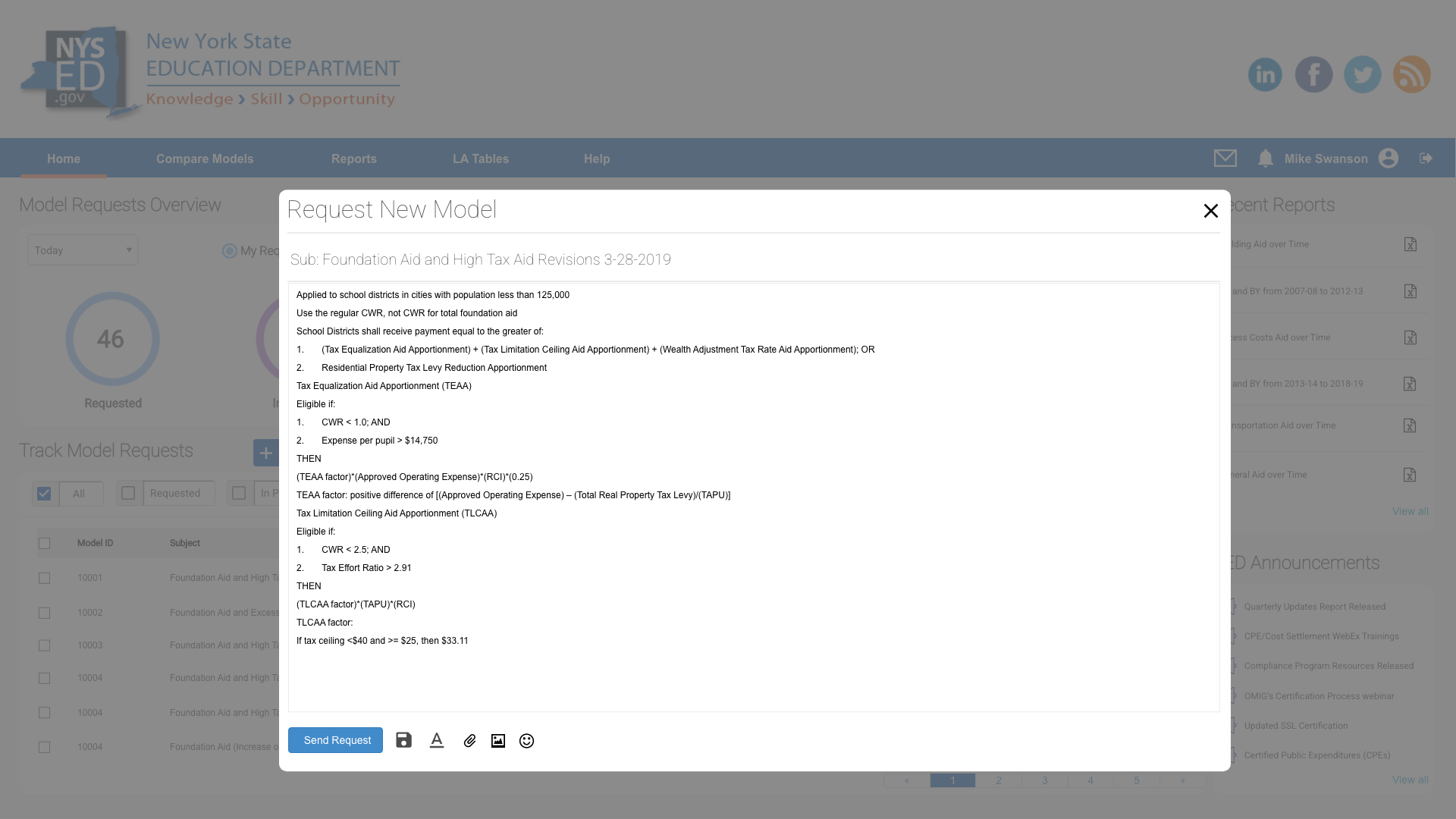
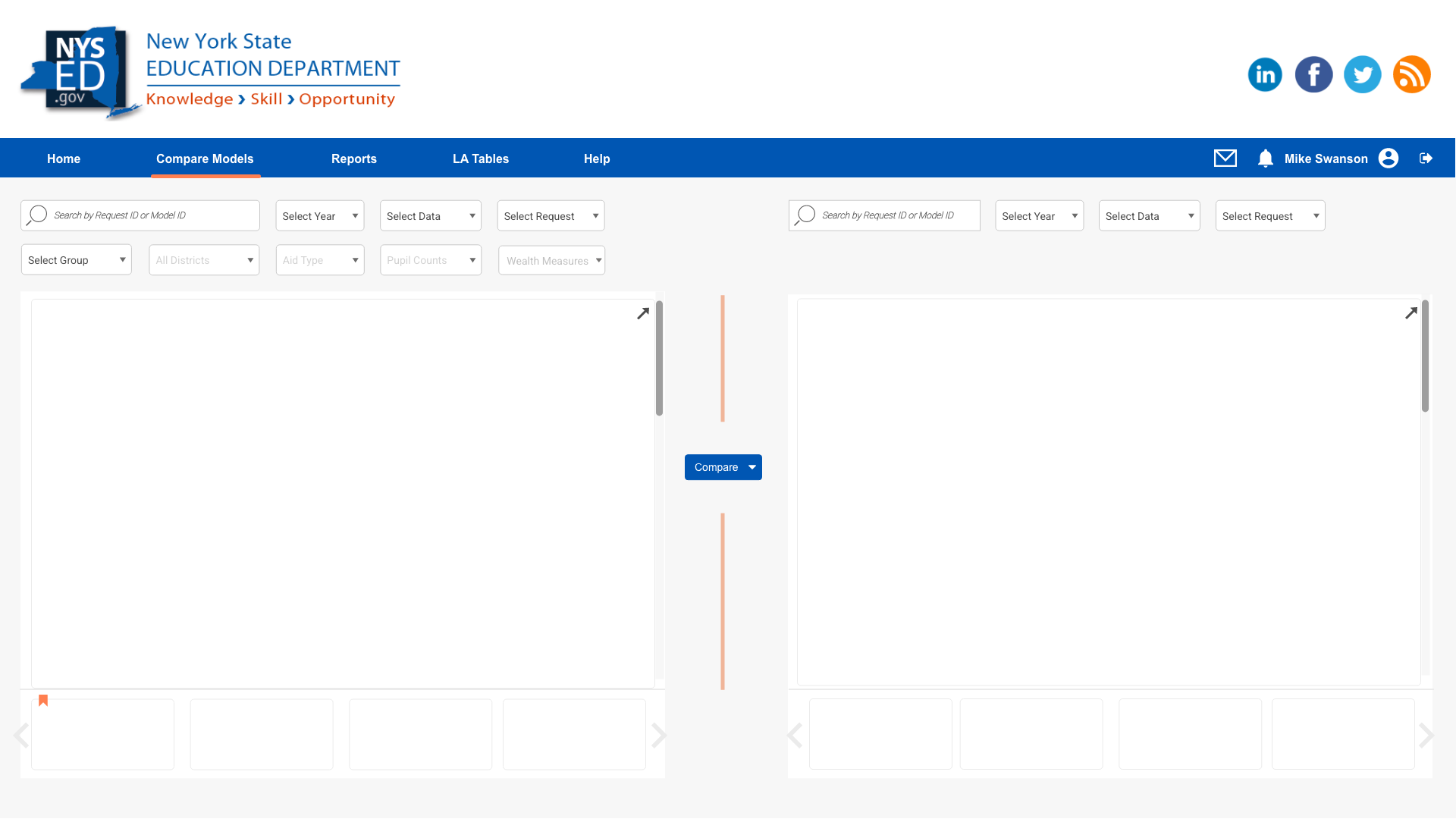
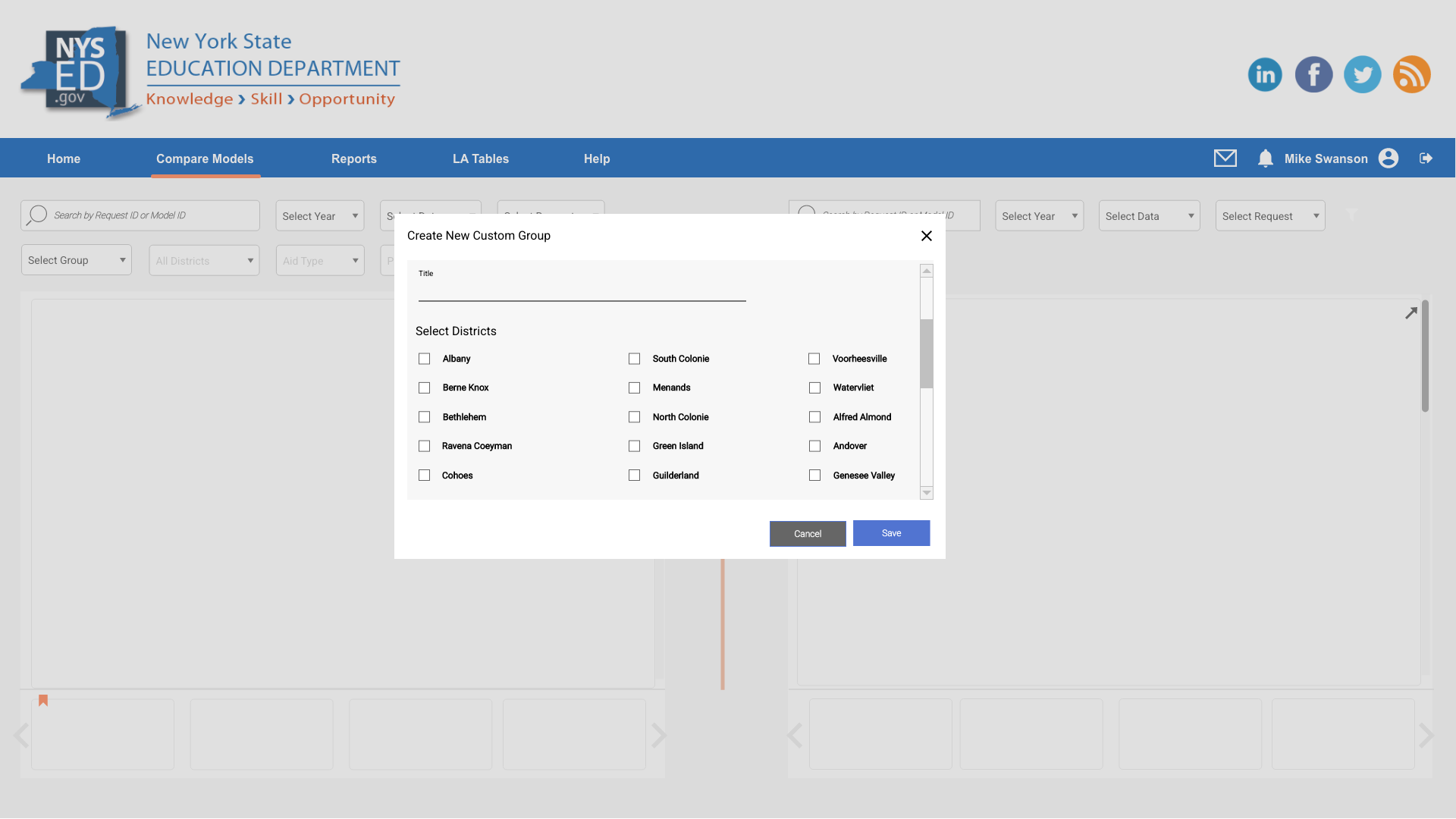
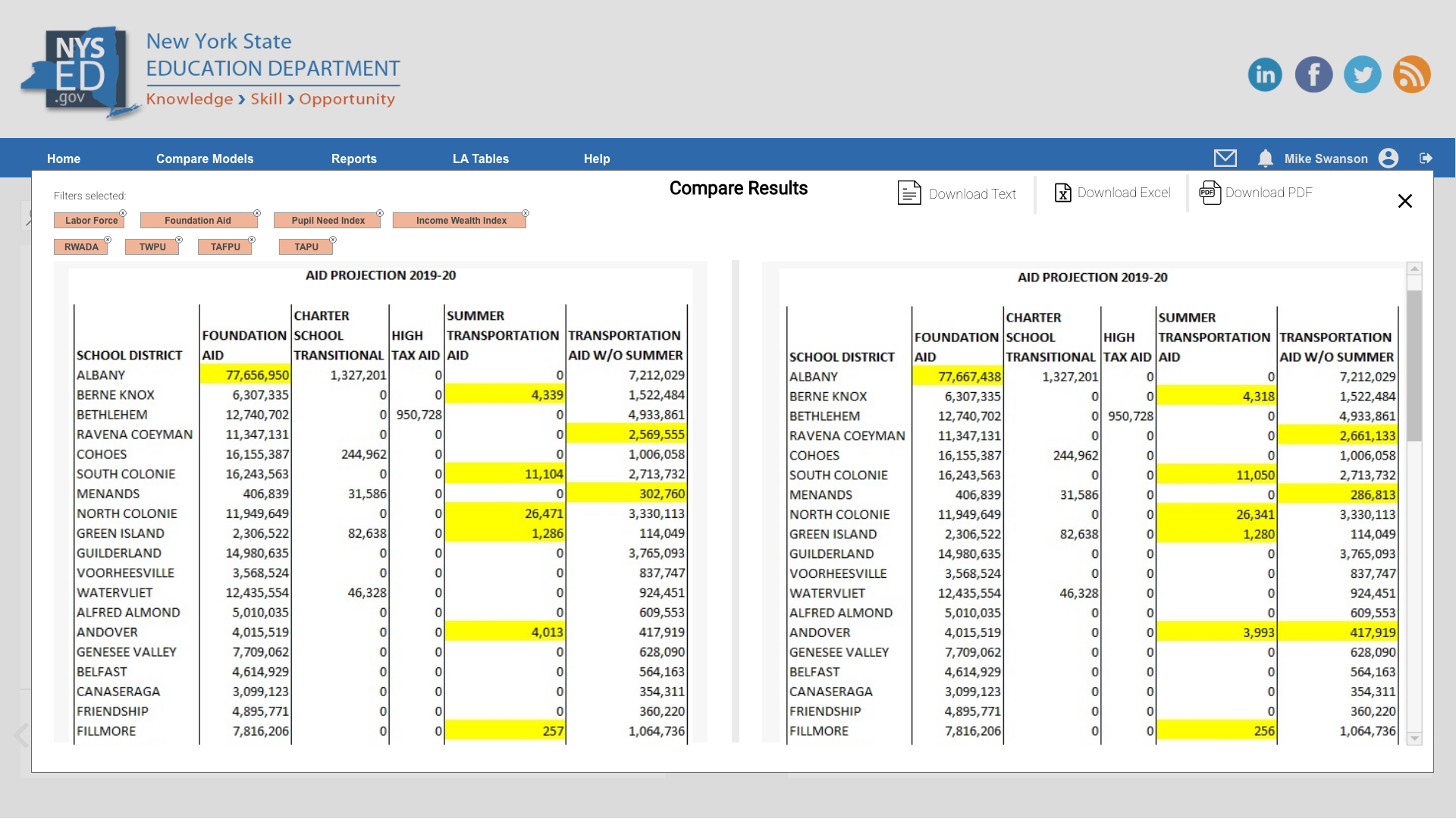
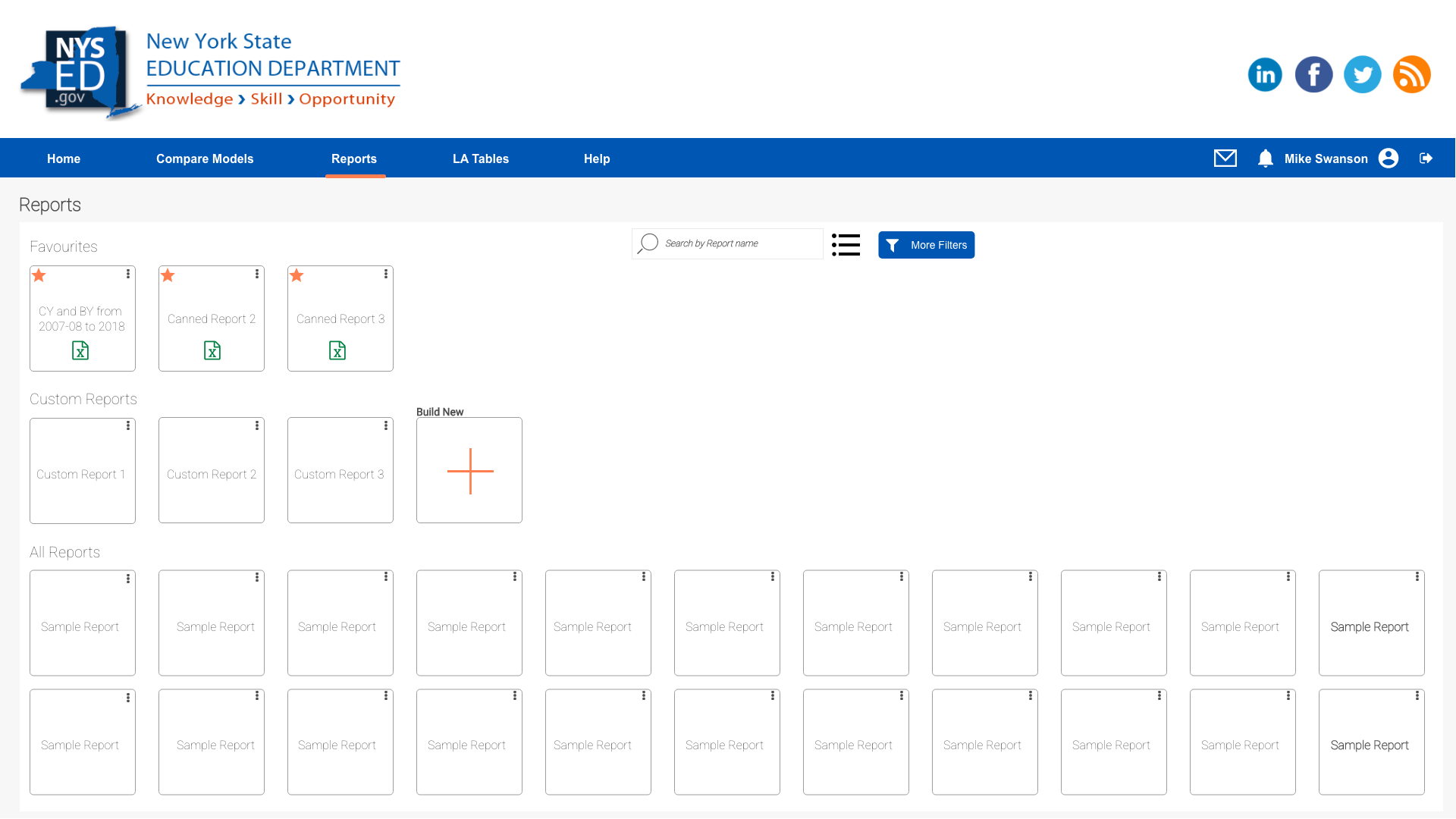
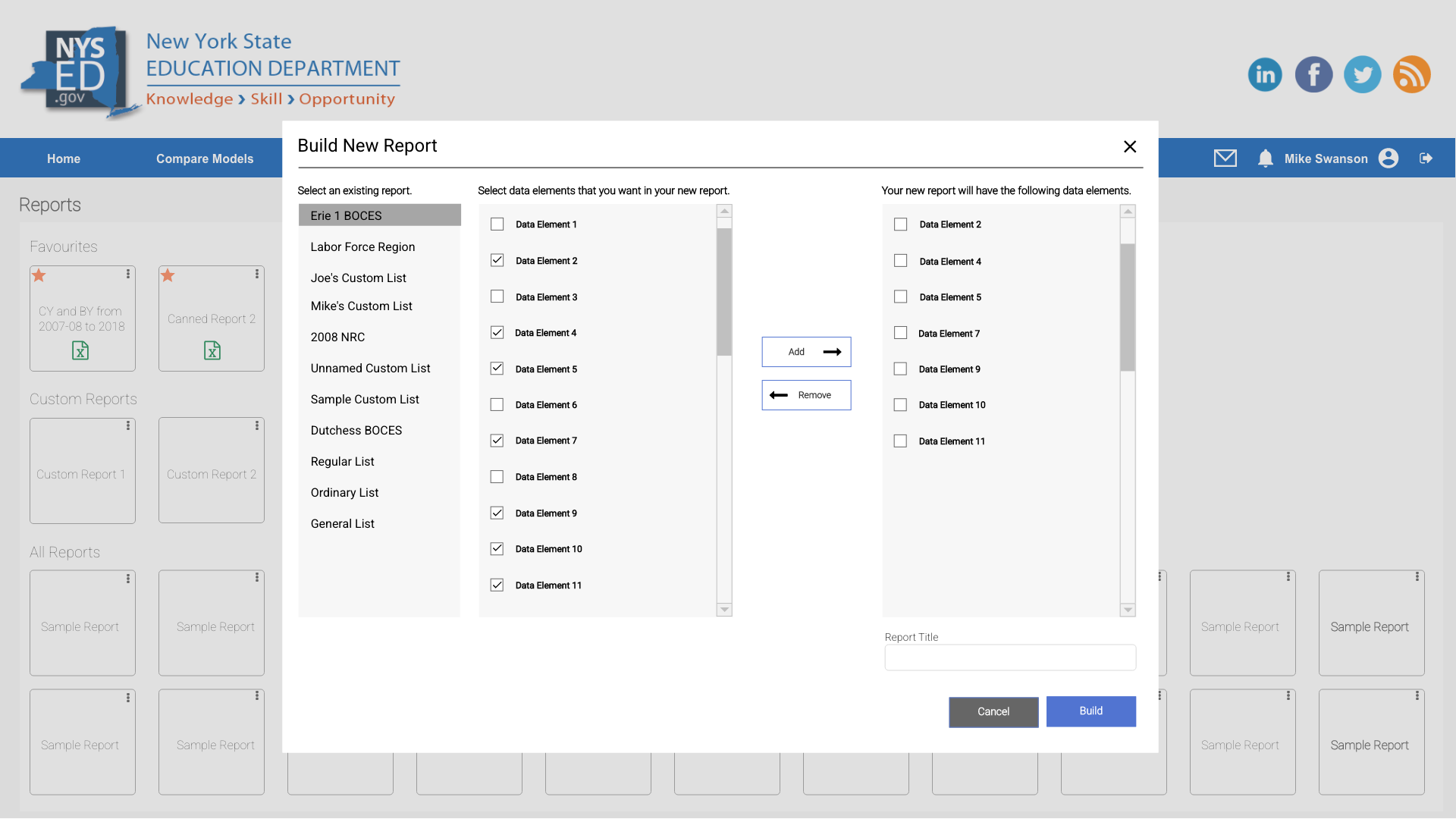
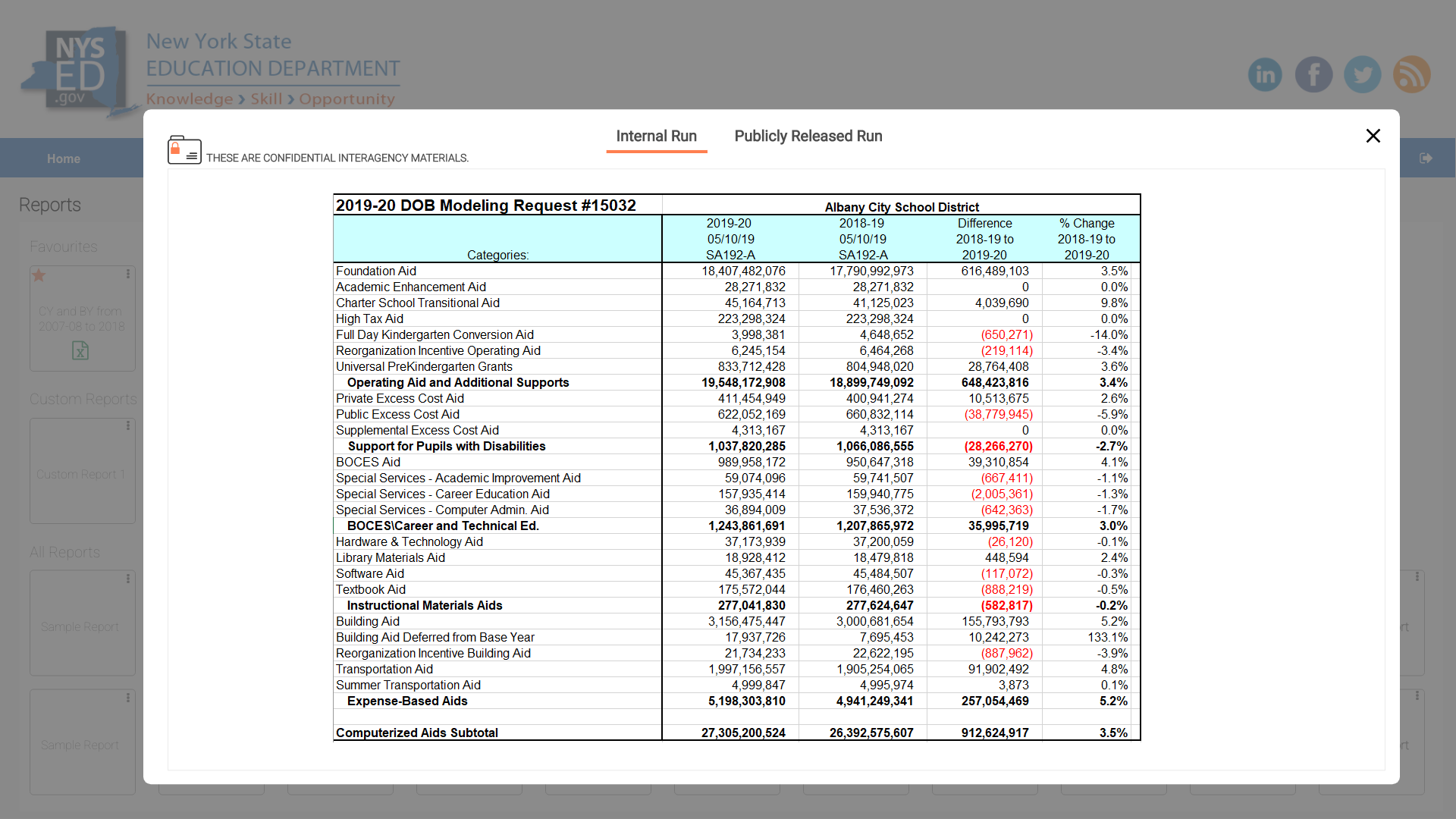
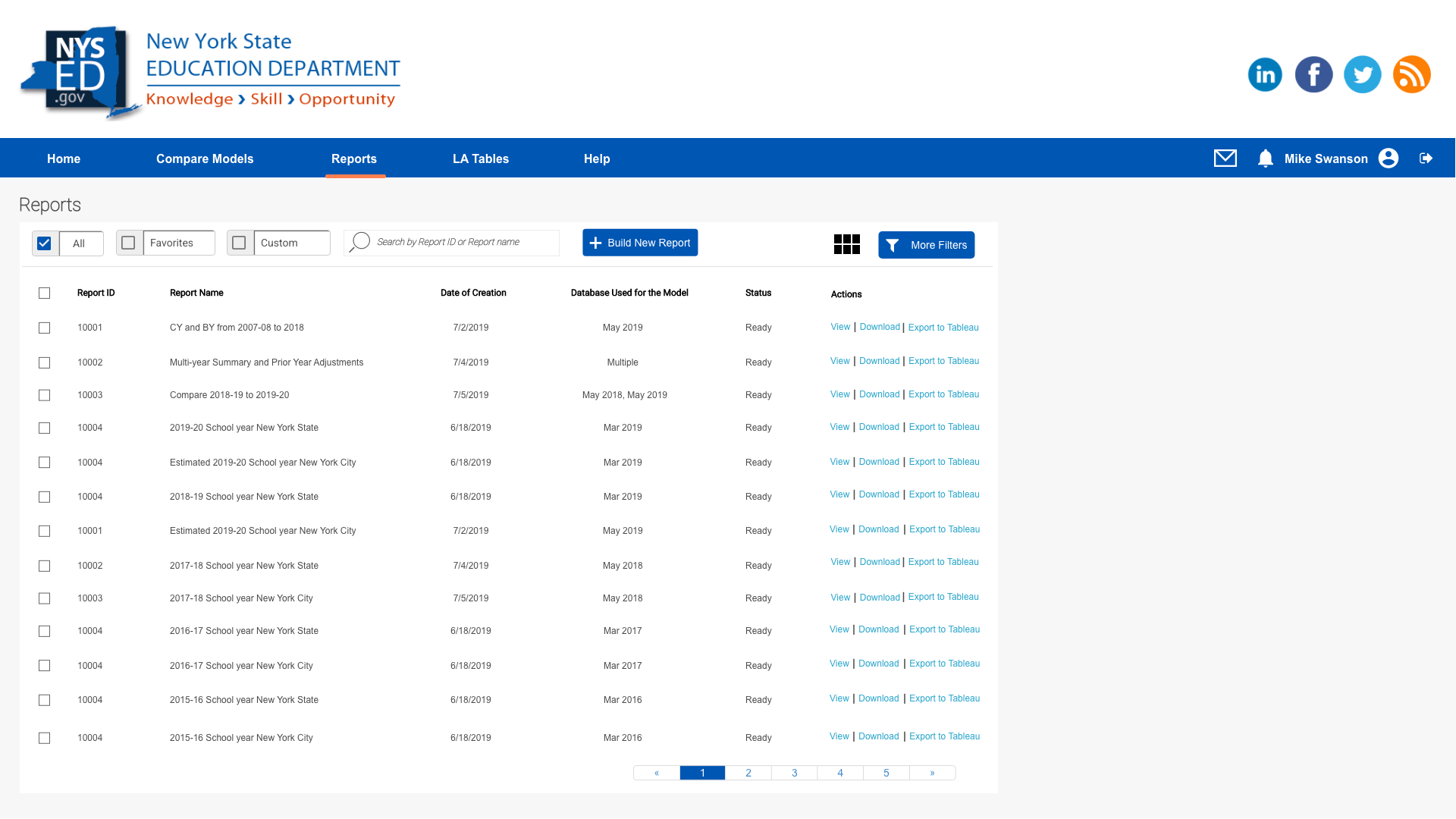
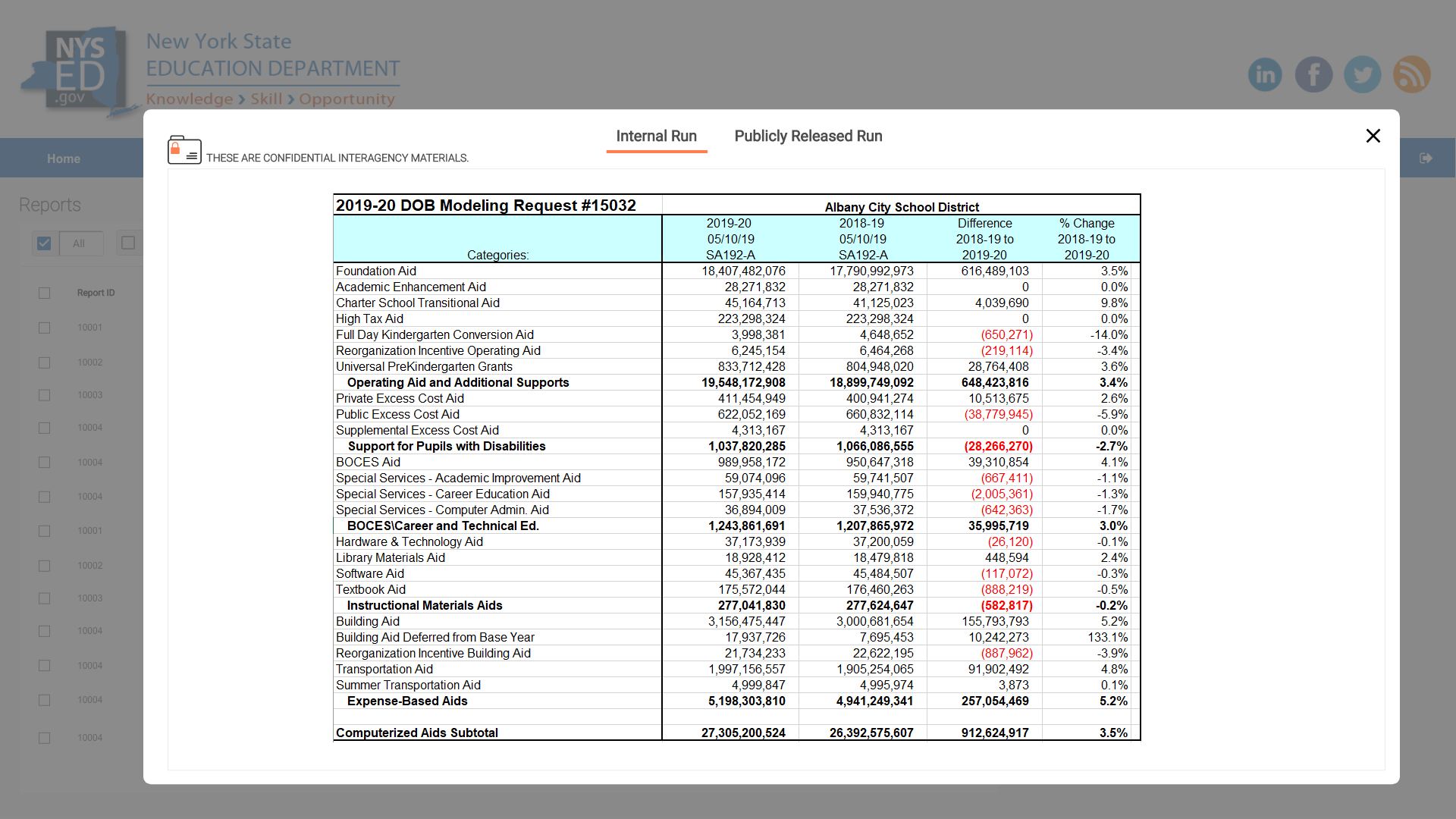
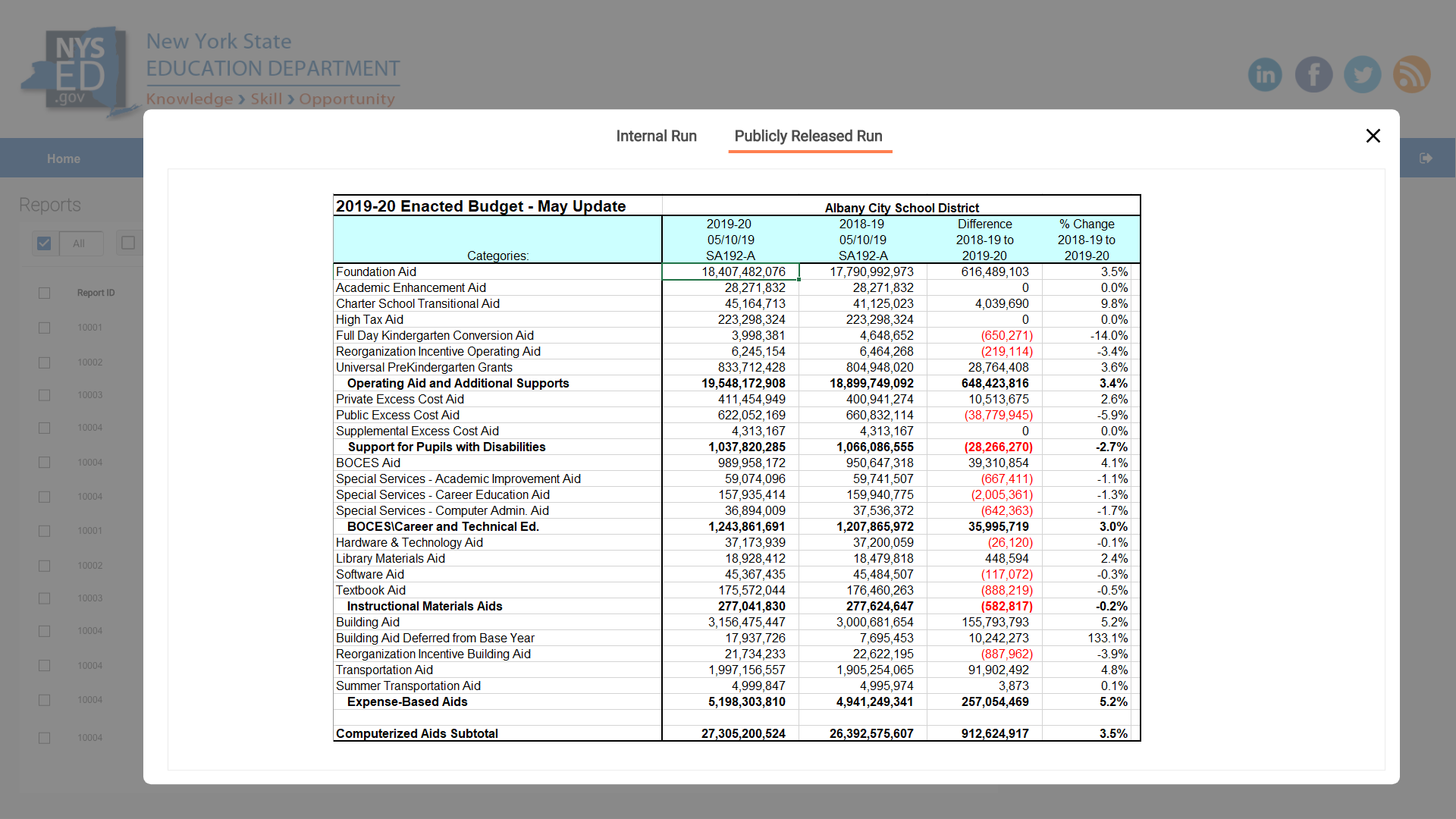
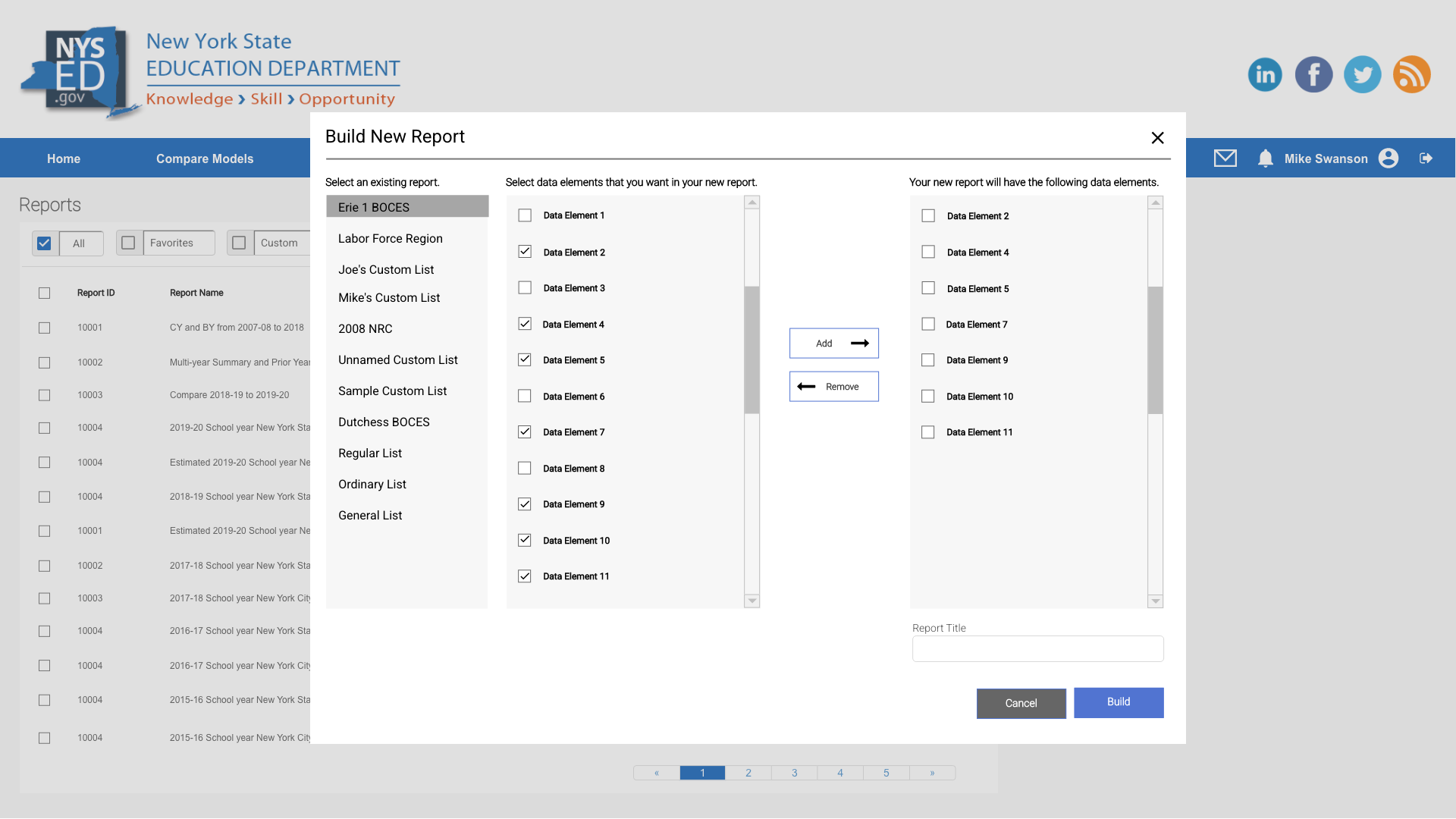
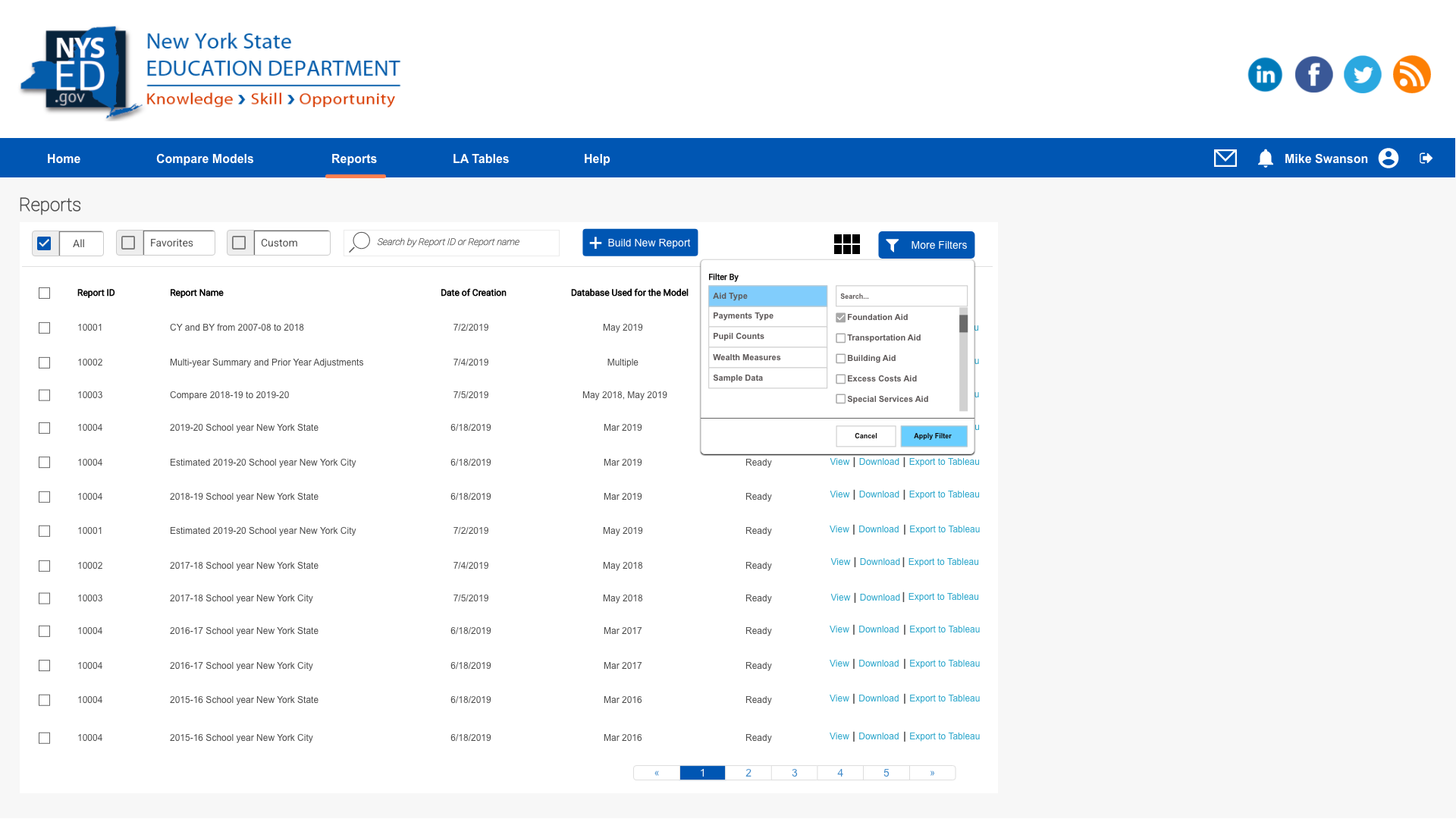
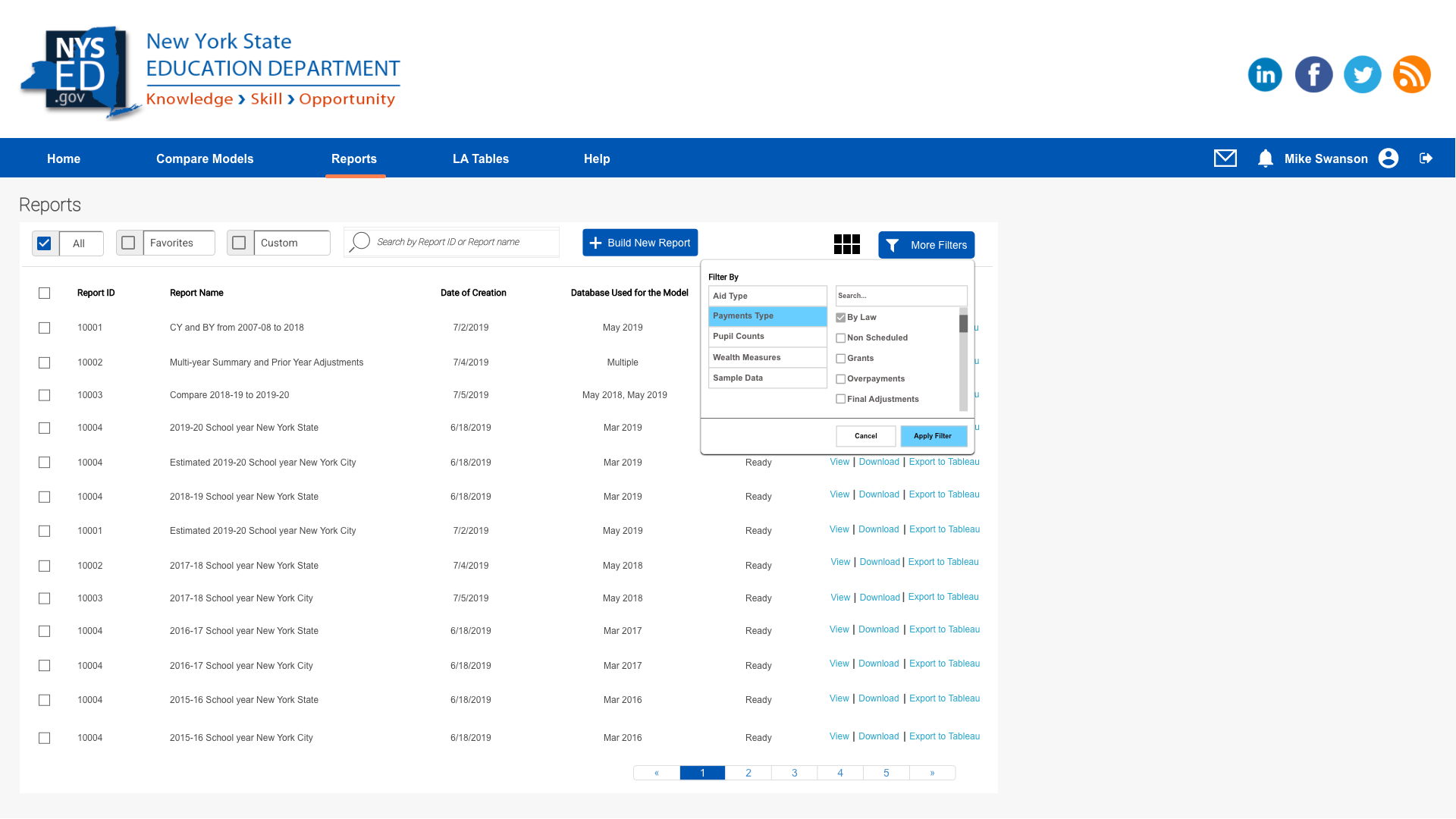
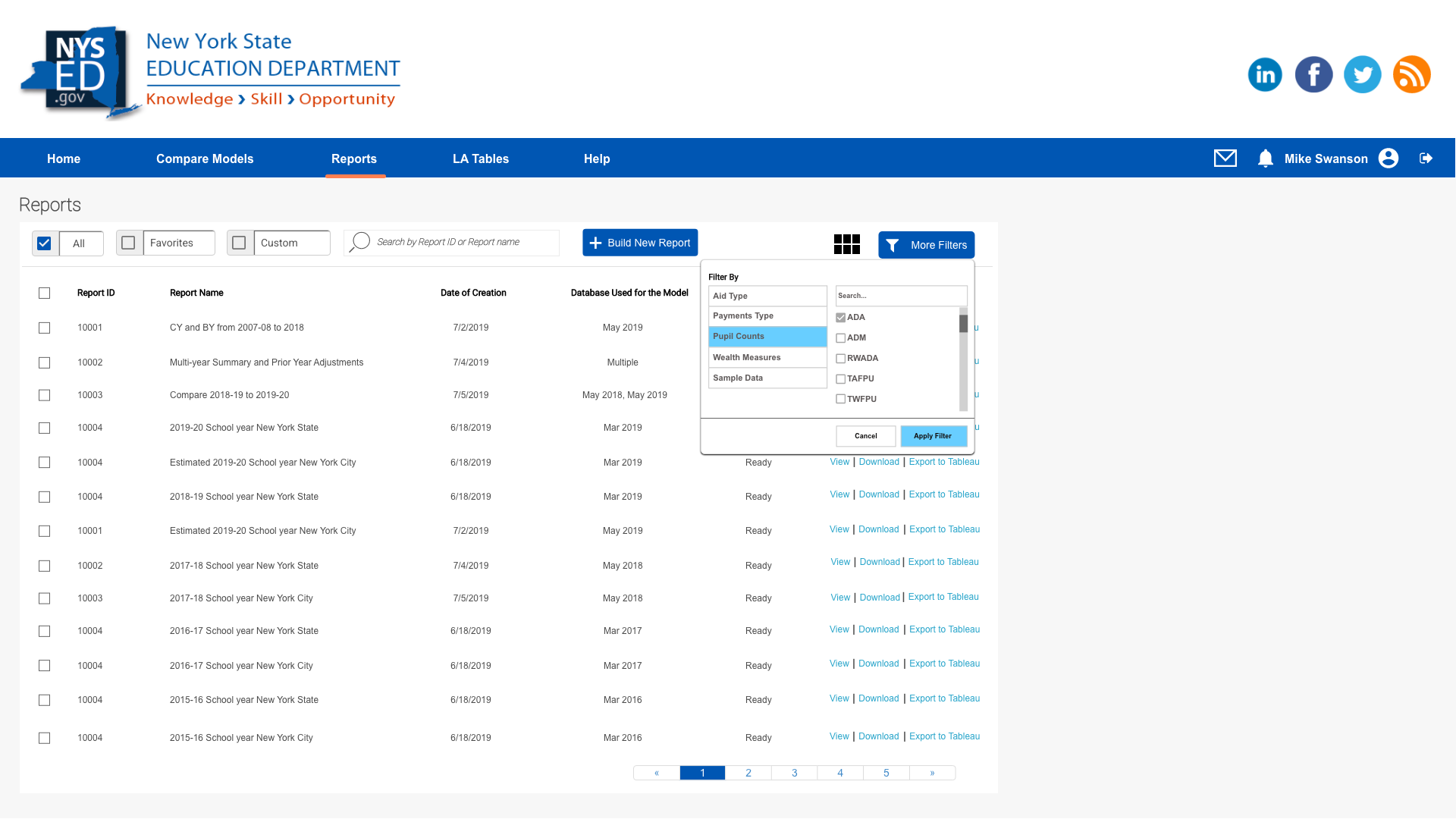
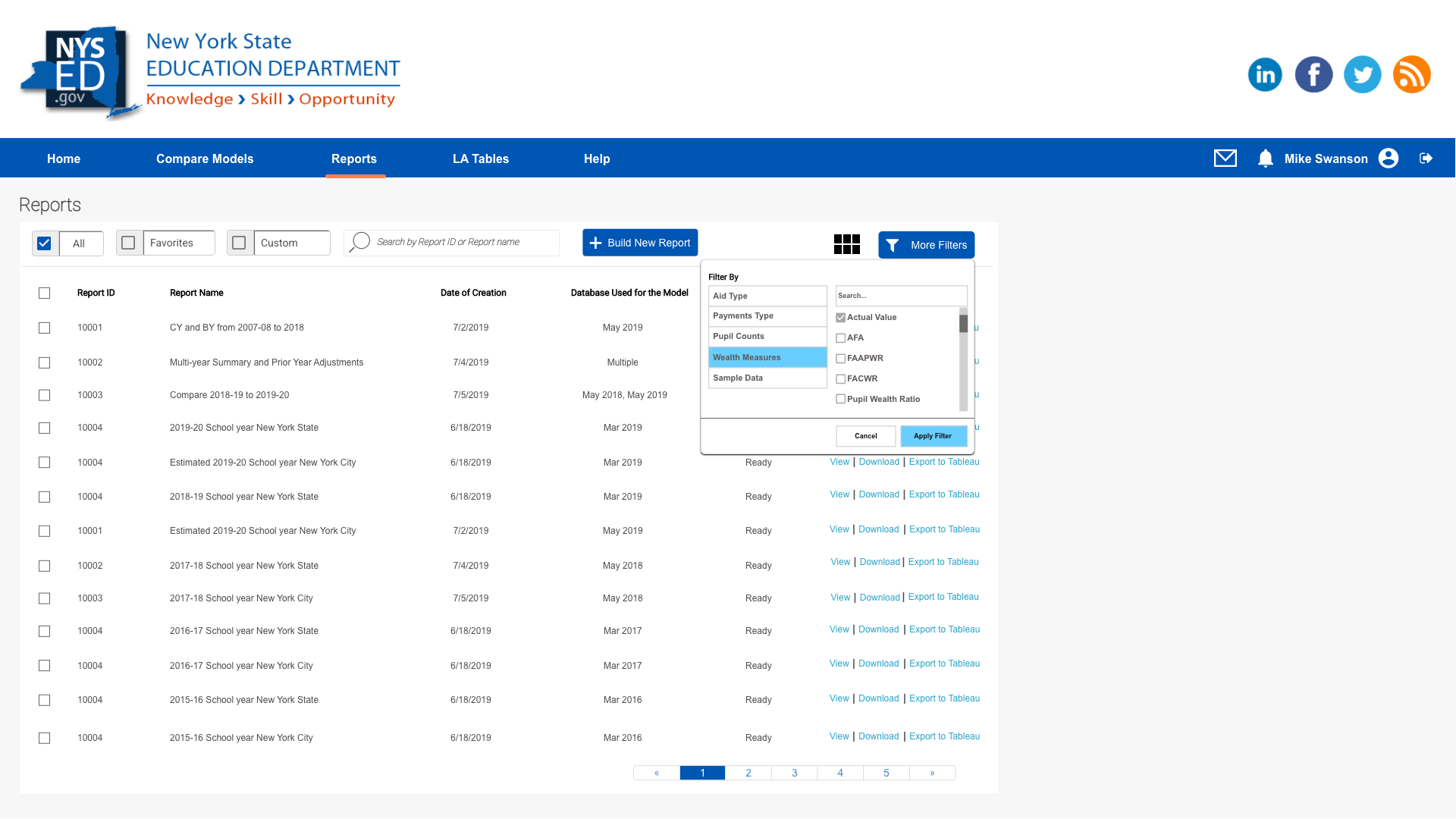
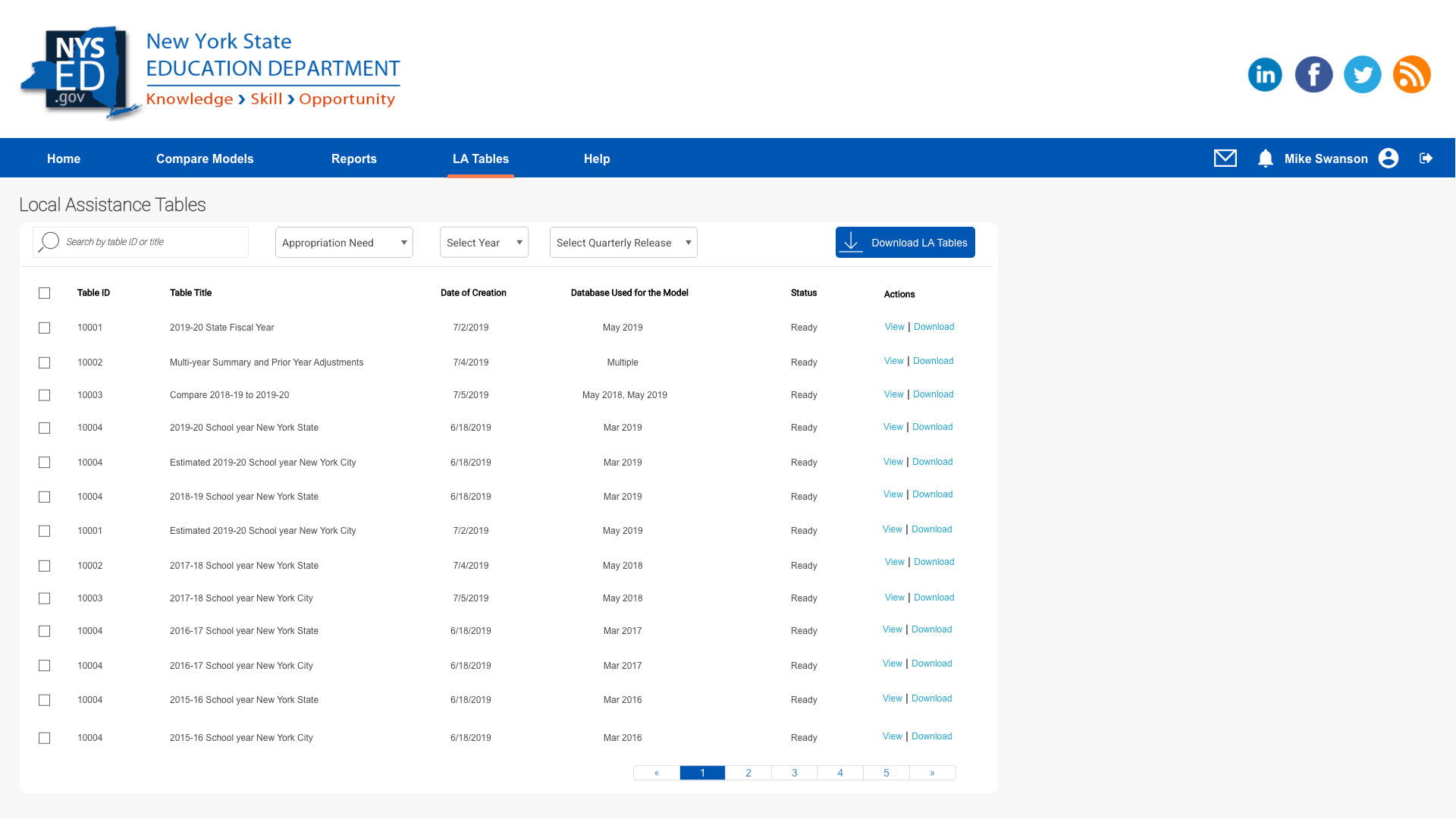
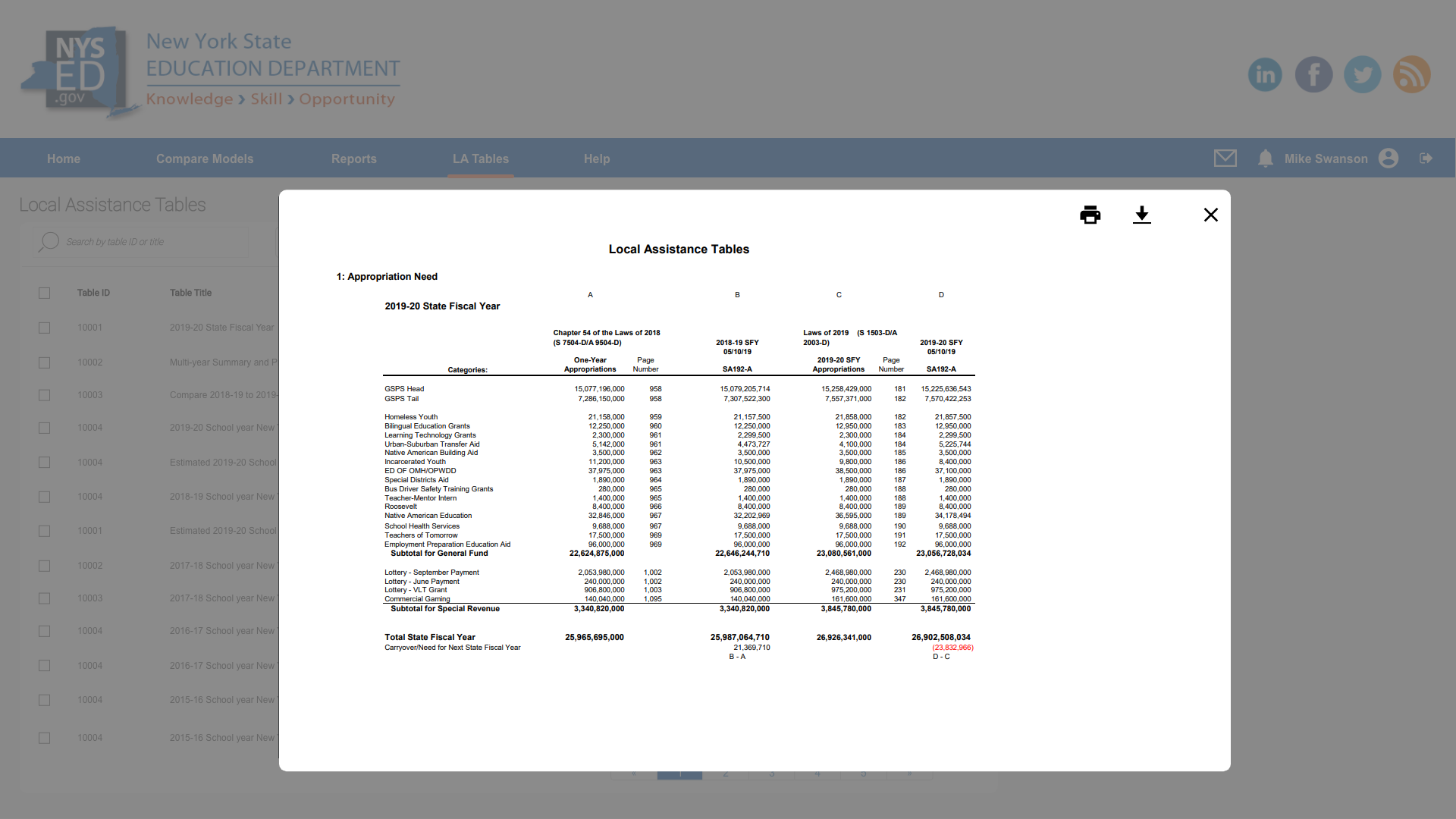
This project is aimed at the complete modernization of NYSED’s State Aid Management System (SAMS), a secure information system that facilitates the collection and processing of data to distribute annual state aid to all New York school districts.

​SAMS is accessible to authorized users from each school district, staff from the State Aid unit of the Education Department, and other authorized users from various state agencies. The prototypes were developed based on future state workflows and business functions performed by the business units at the Office of Education Finance. The mockups designed are intended to explore the look and feel of user interfaces of the future system.

User Groups:

Attendance Unit, BOCES Unit, Building Unit (RoS), Charter School Office (CSO), Data Management Unit (DMU), DOB, Assembly & Senate, FARU, NYC Board of Education (BOE), NYC School Construction Authority (SCA), Pupil Transportation Unit (PTU), Payments Unit, School Districts & BOCES, SA Transportation Unit, ST-3 Unit

The prototypes were developed based on future state workflows and business functions performed by the business units at the Office of Education Finance. The mockups are intended to explore the look and feel of user interfaces of the future system

UX Activities:

Stakeholder Interviews, Scenario Development, Design Collaborations, Design Research, Information Architecture, Interaction Design, Low Fidelity- sketches, High Fidelity Interactive Designs

Special Education Services Analysis and Design

  • Created by: Vivekananda Kondapalli
  • Skills: UX PIN, Accessibility Testing

Project Brief

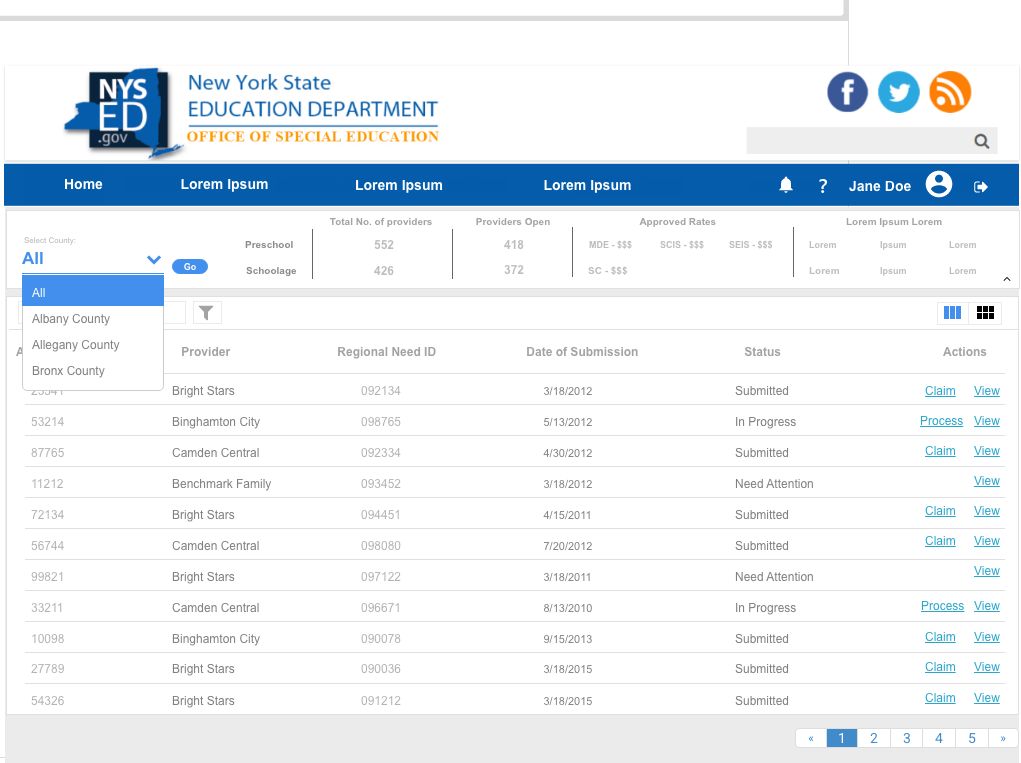
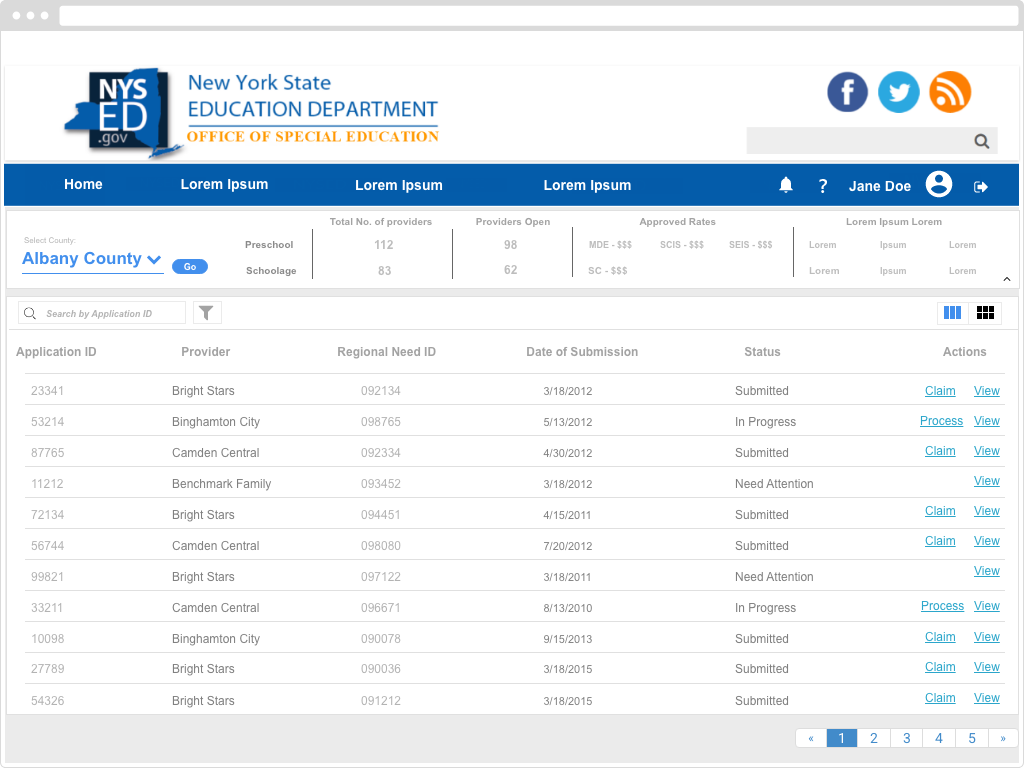
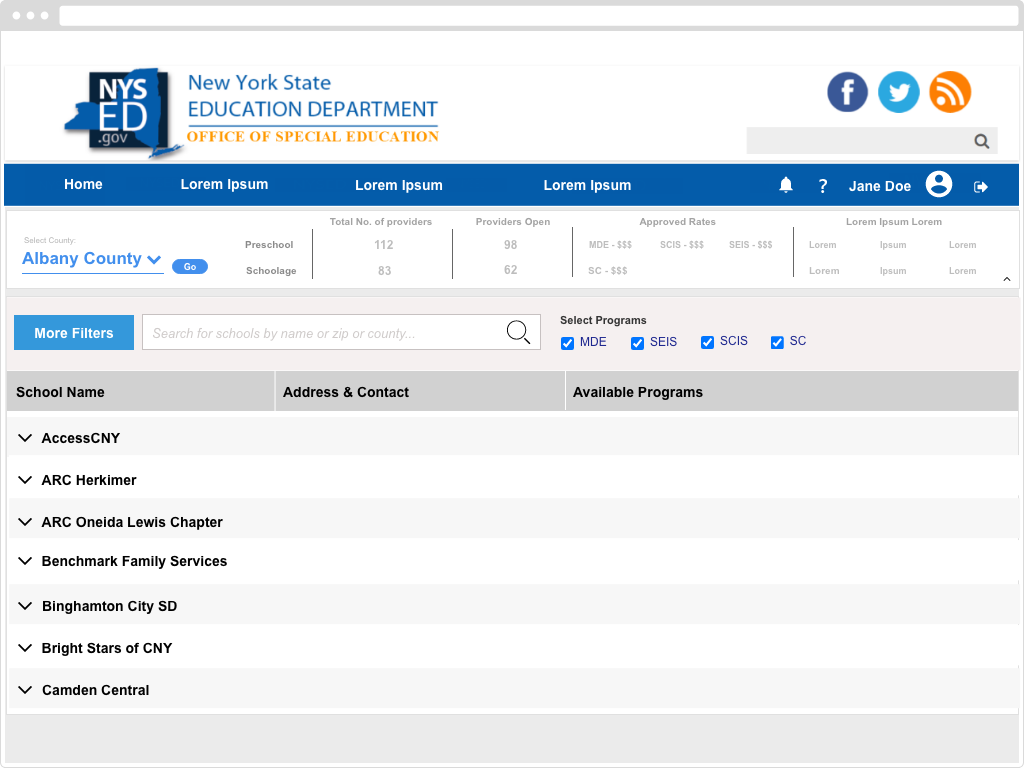
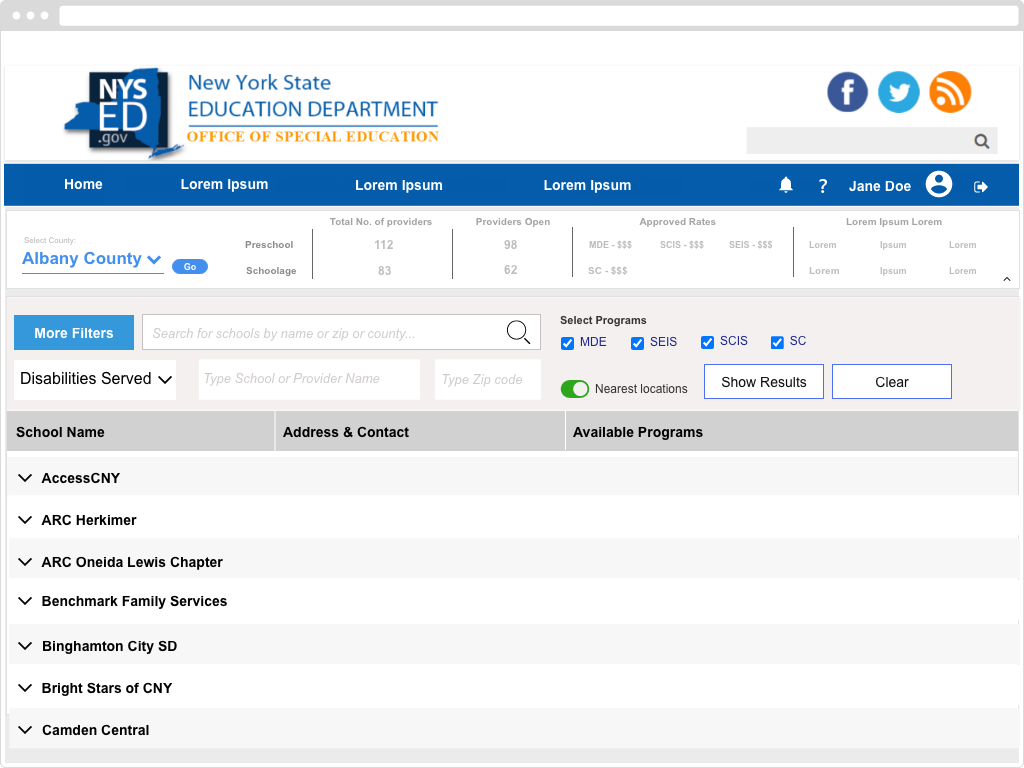
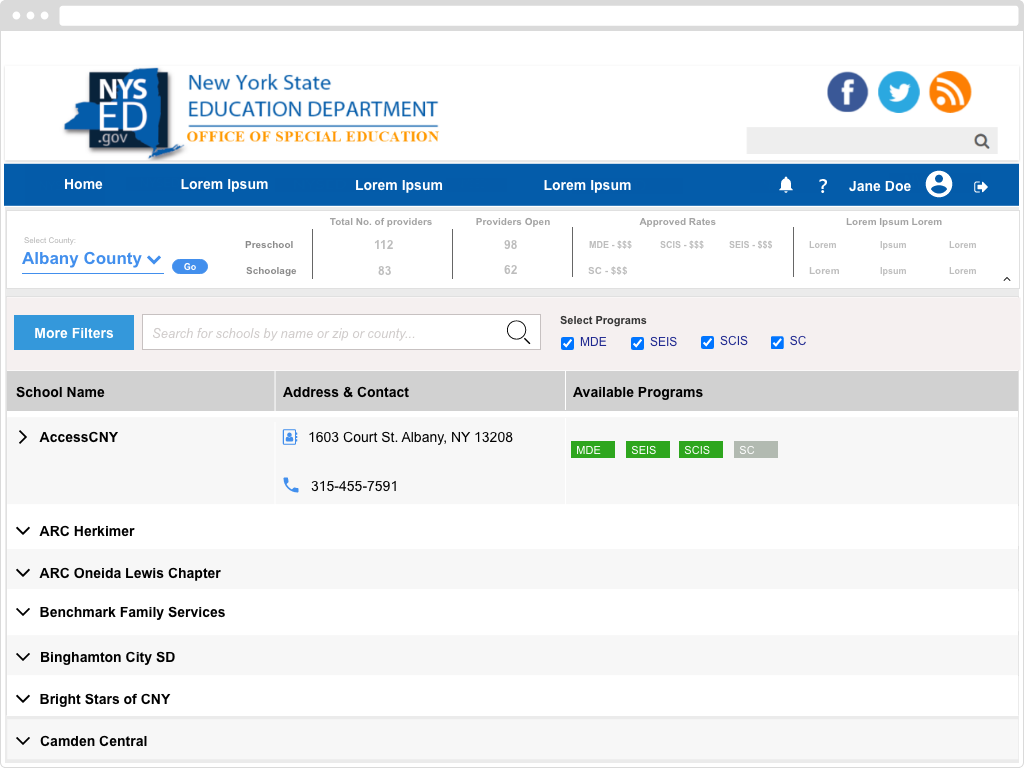
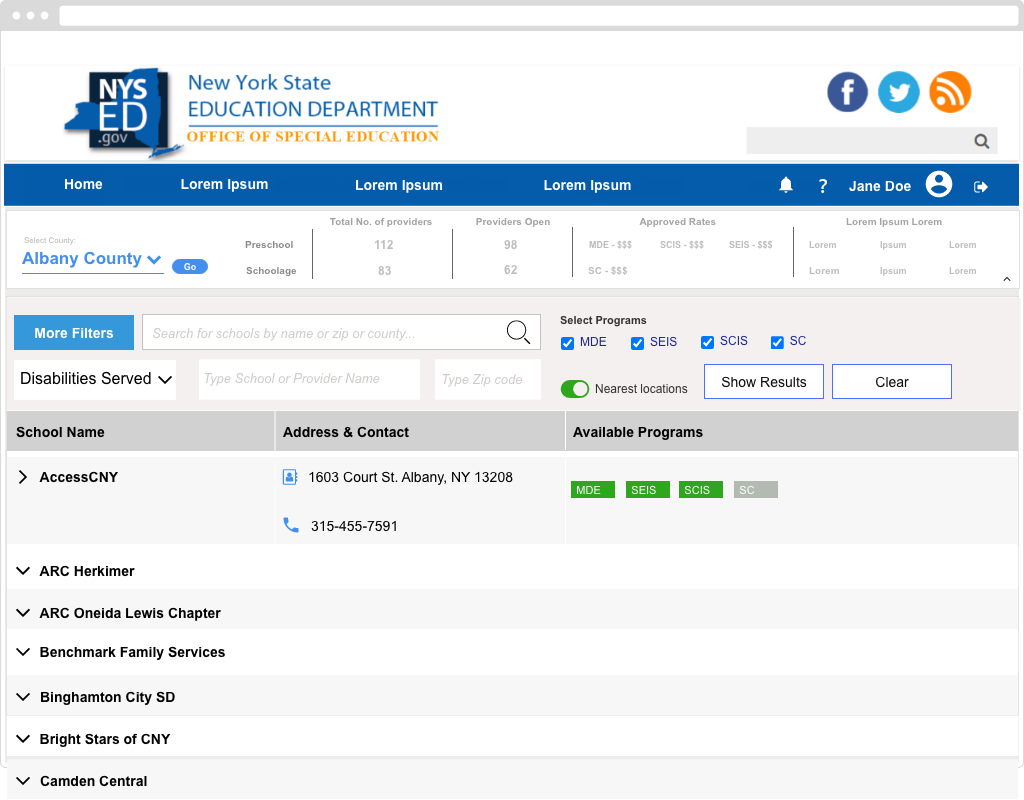
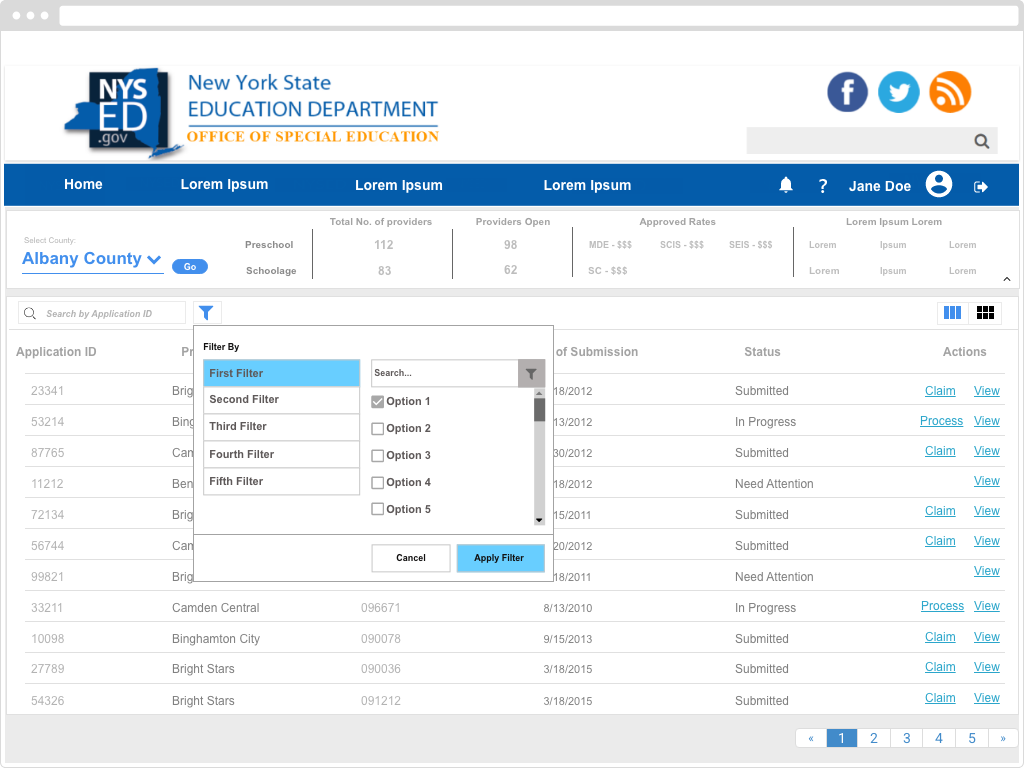
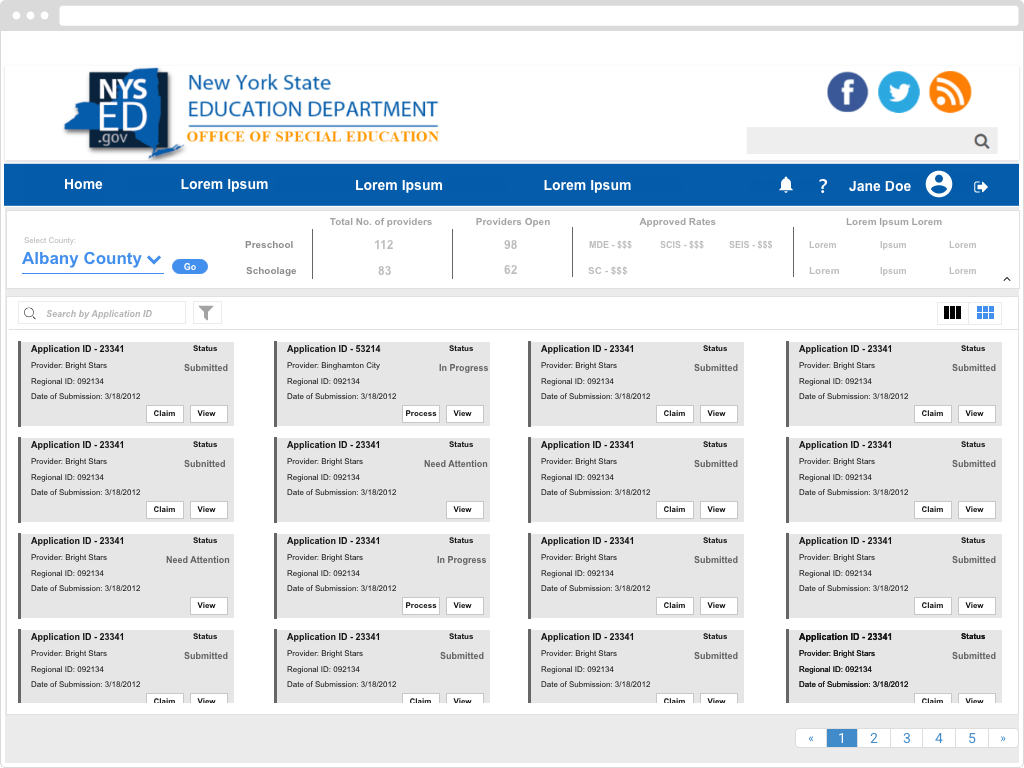
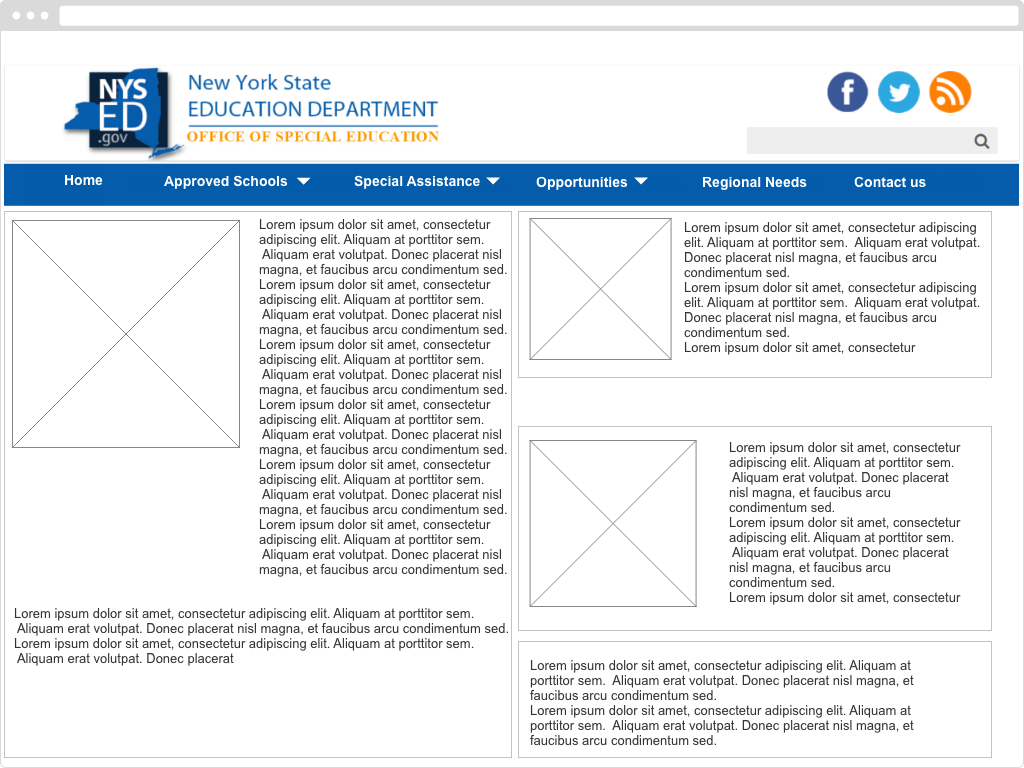
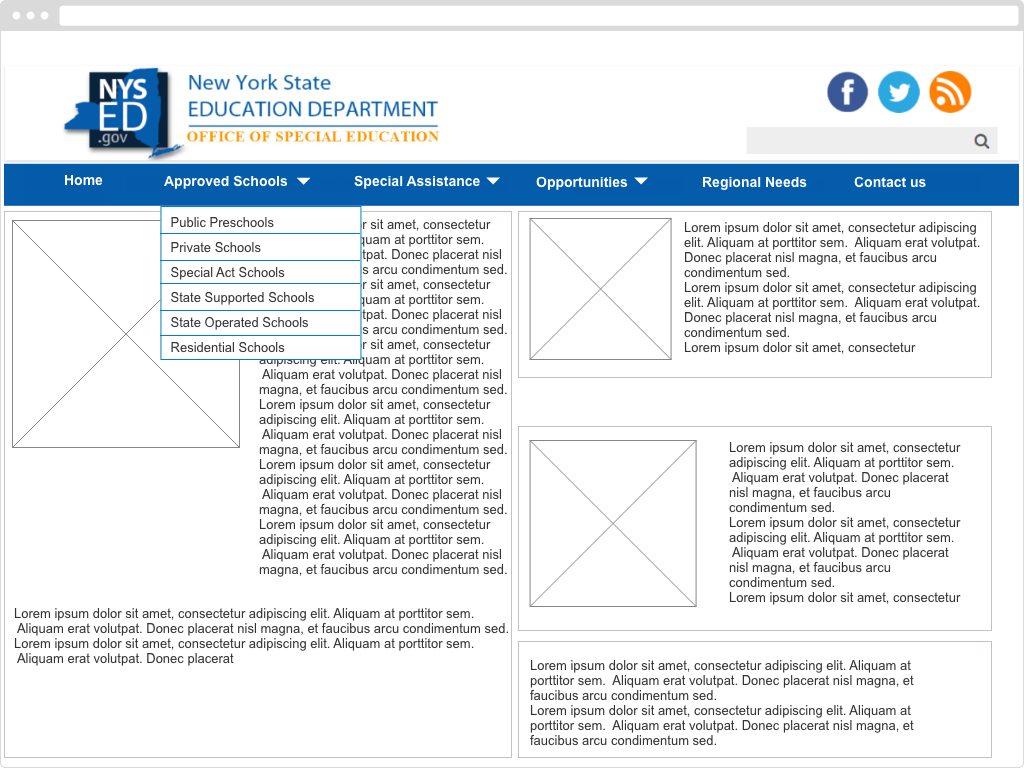
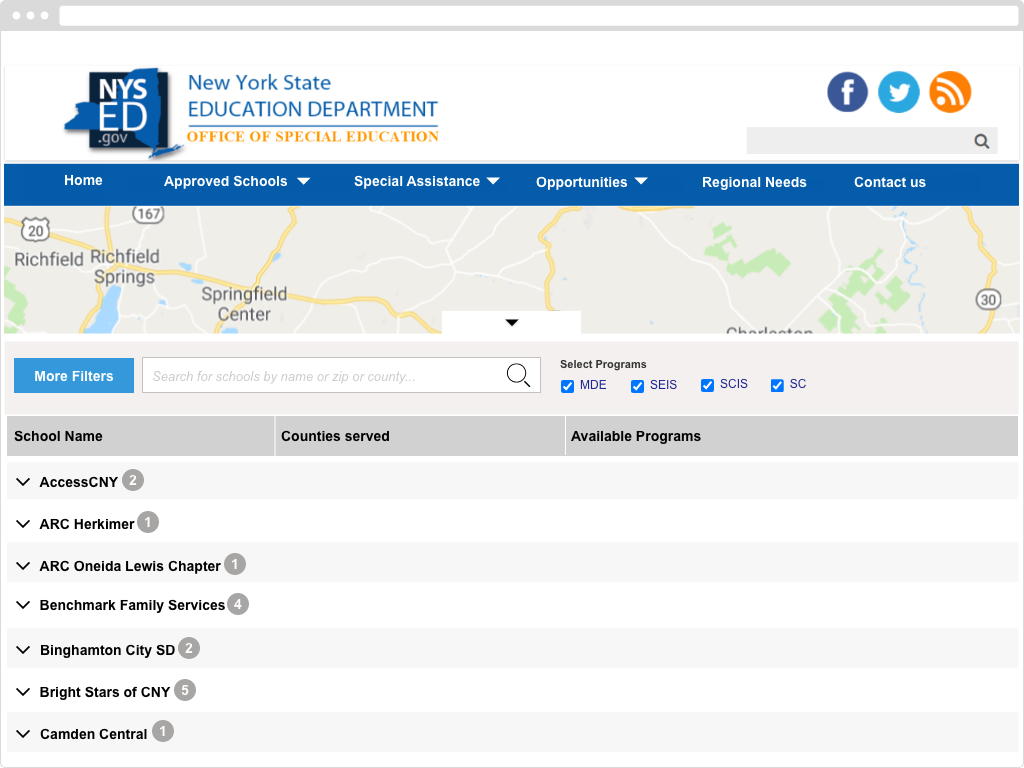
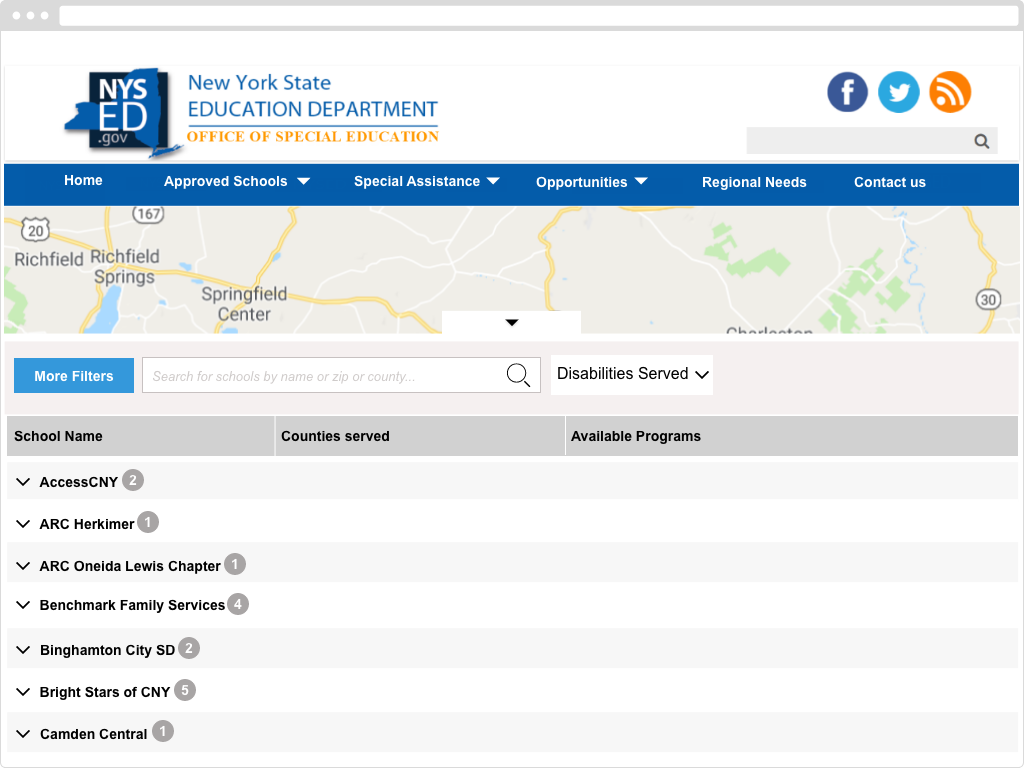
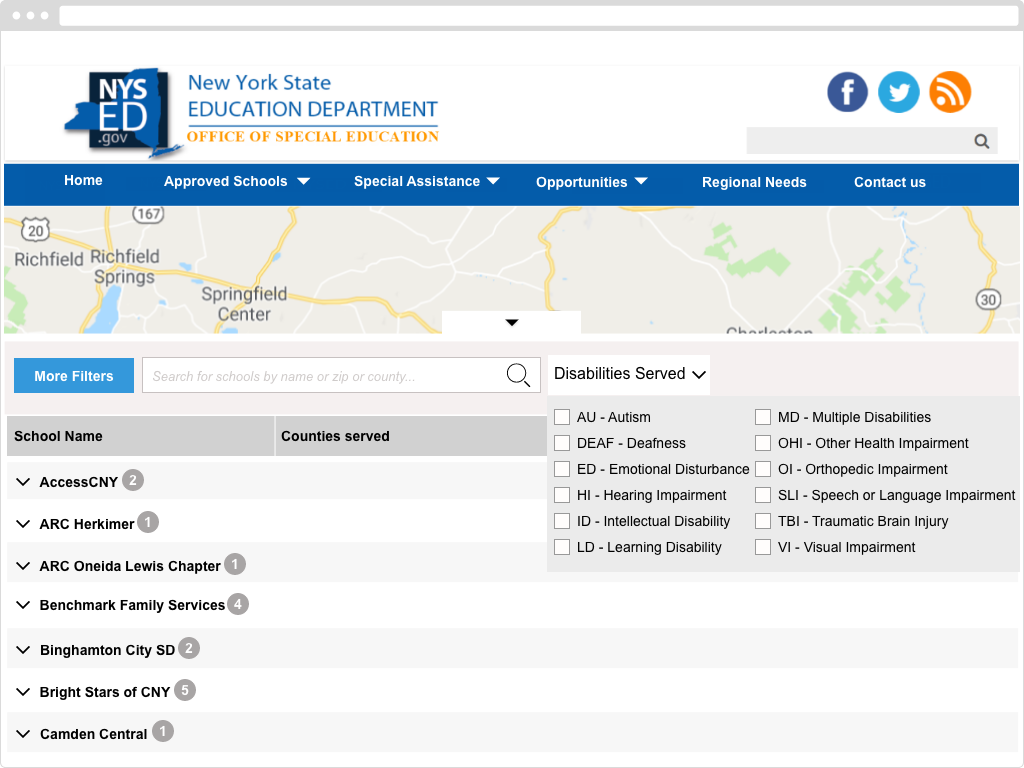
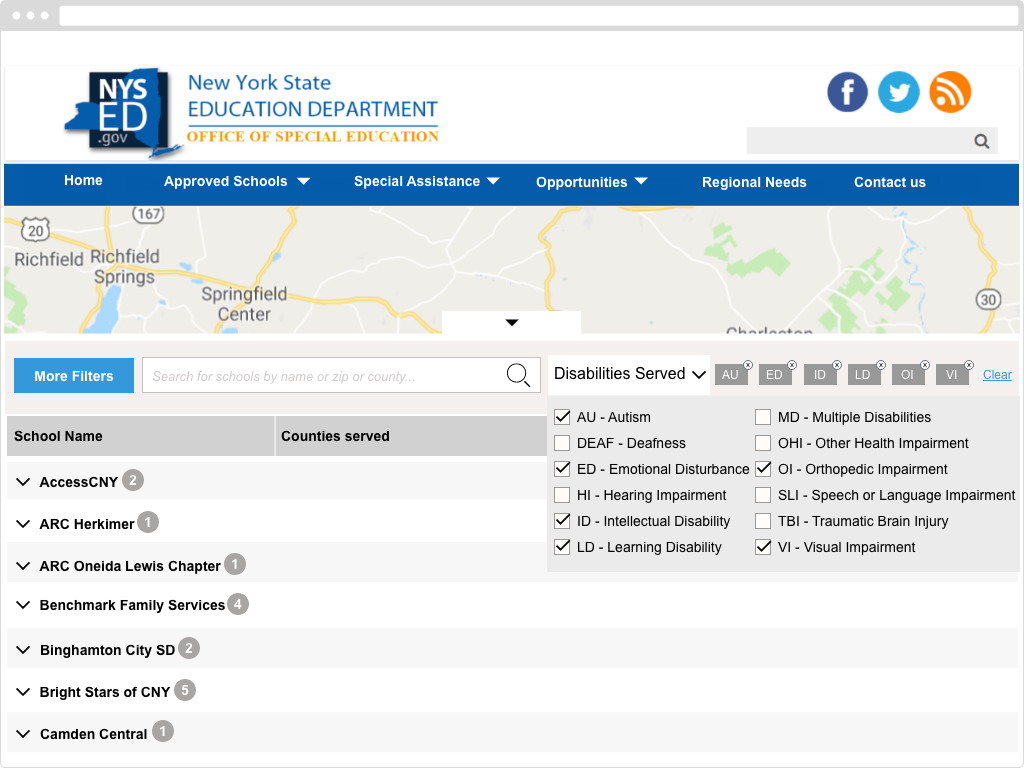
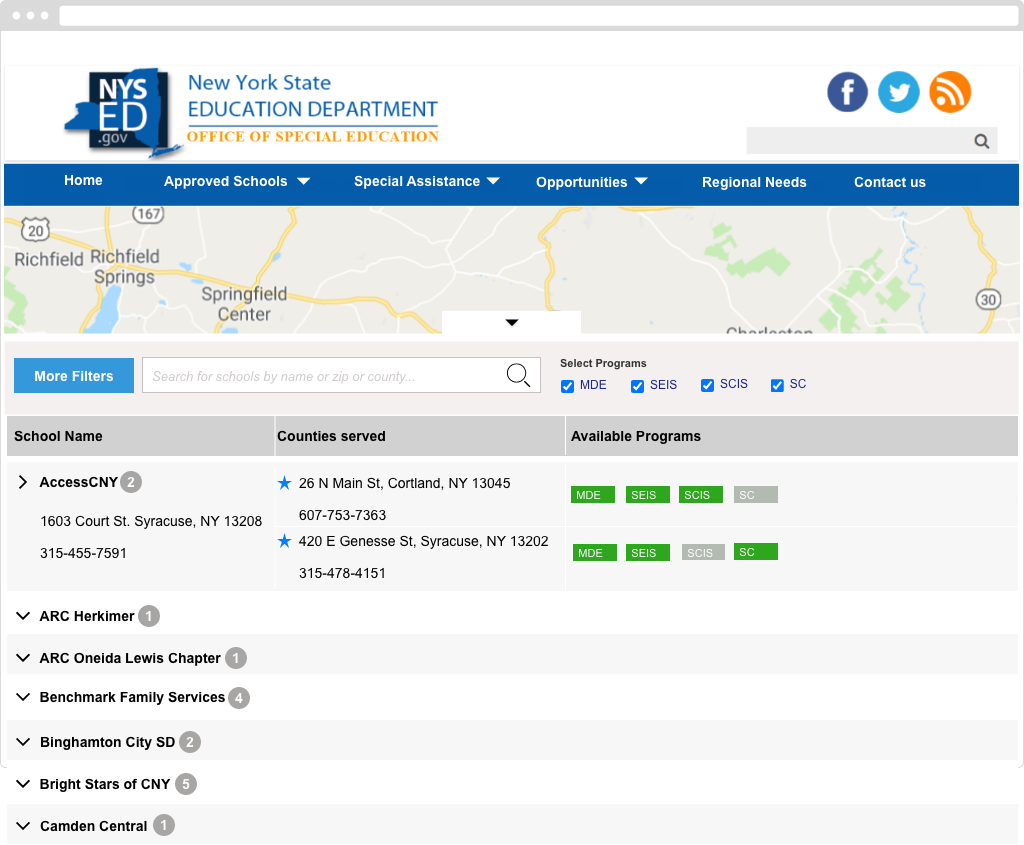
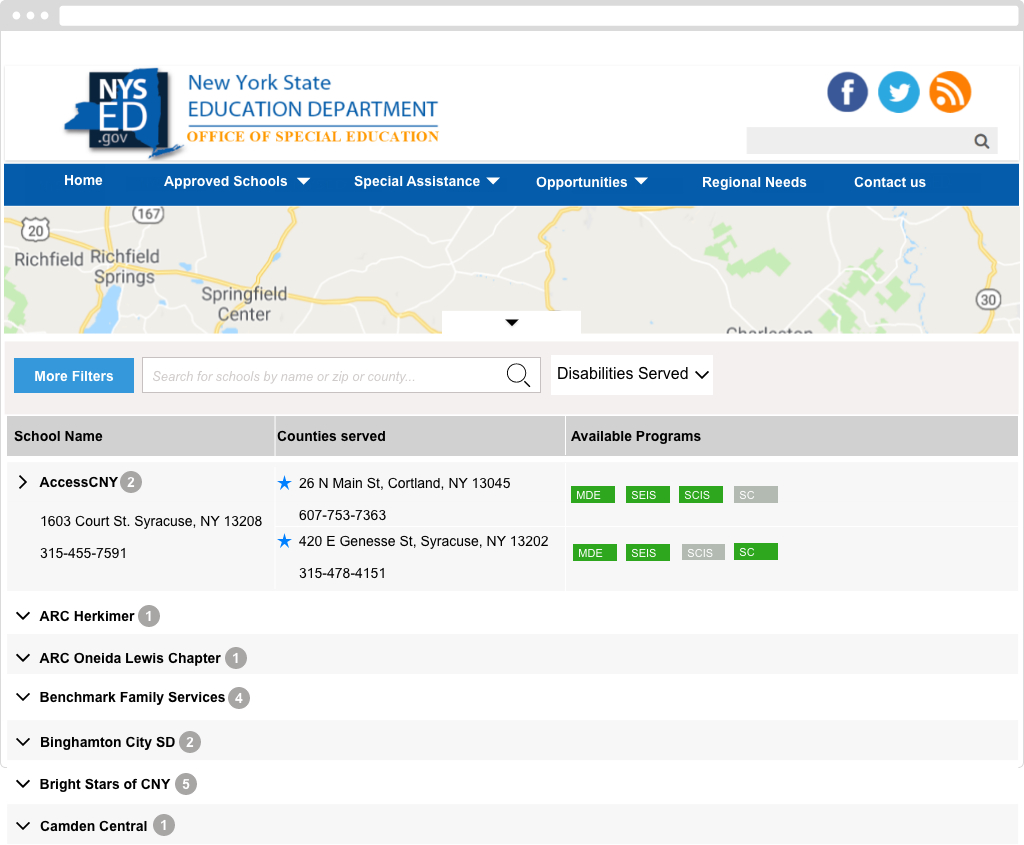
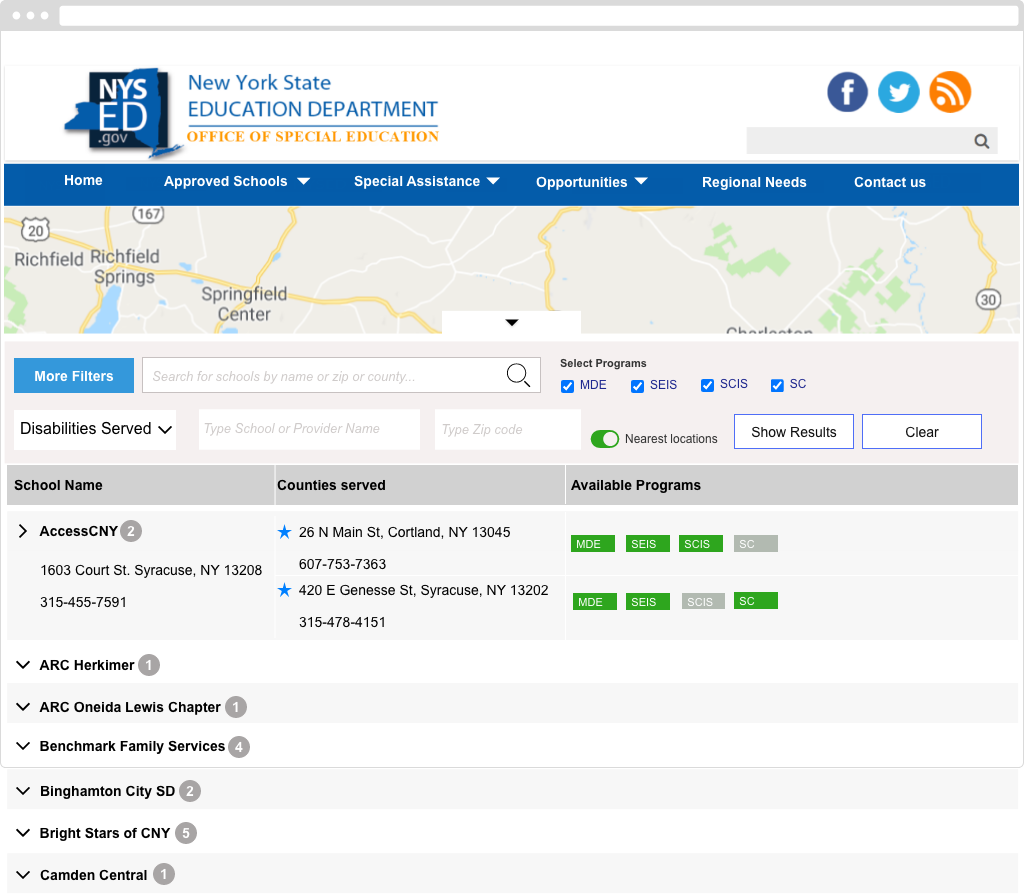
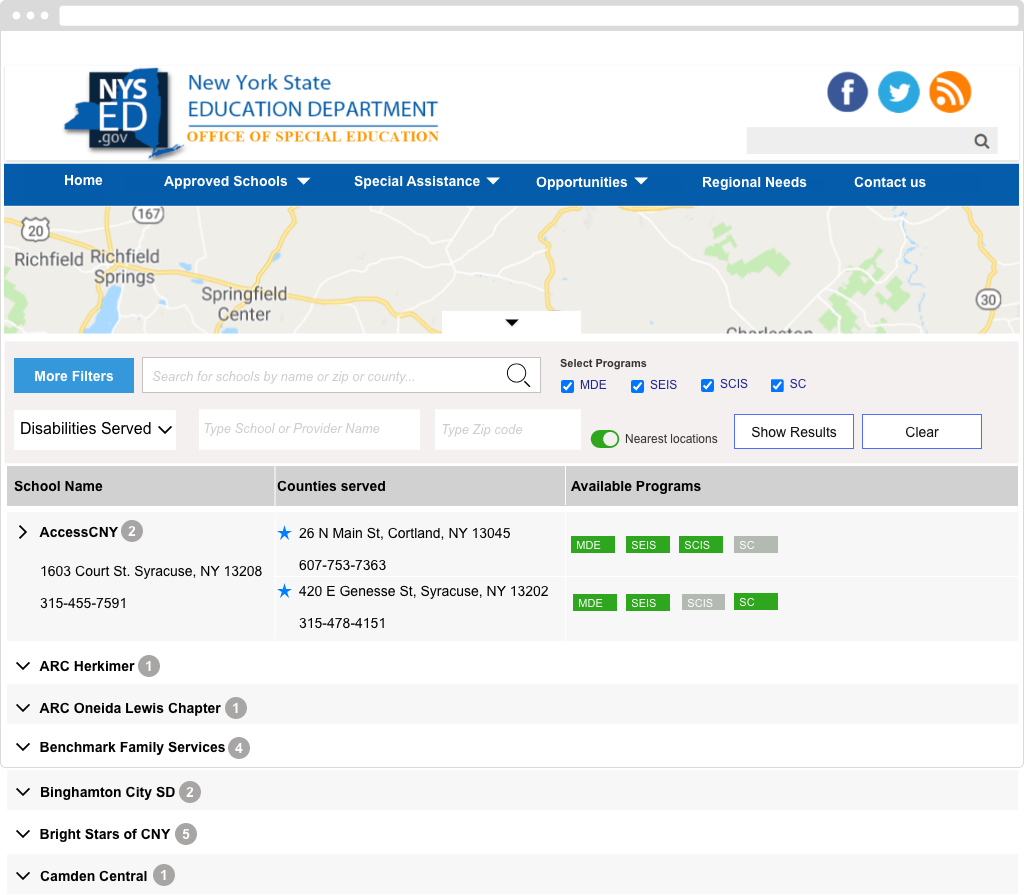
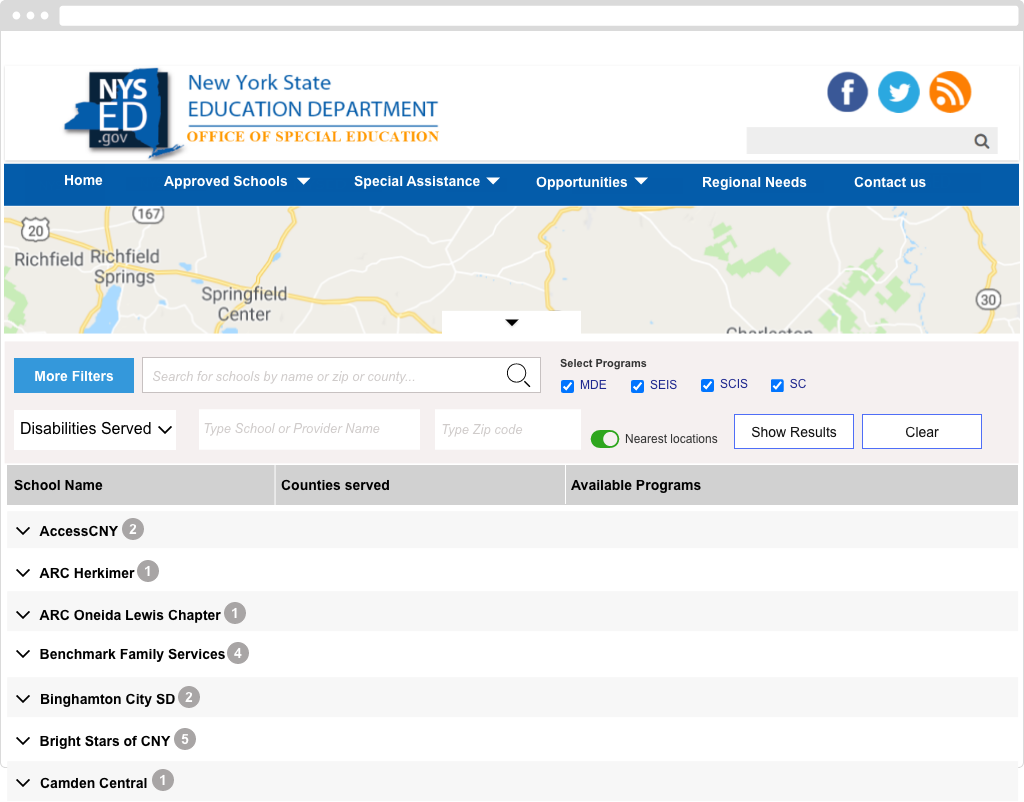
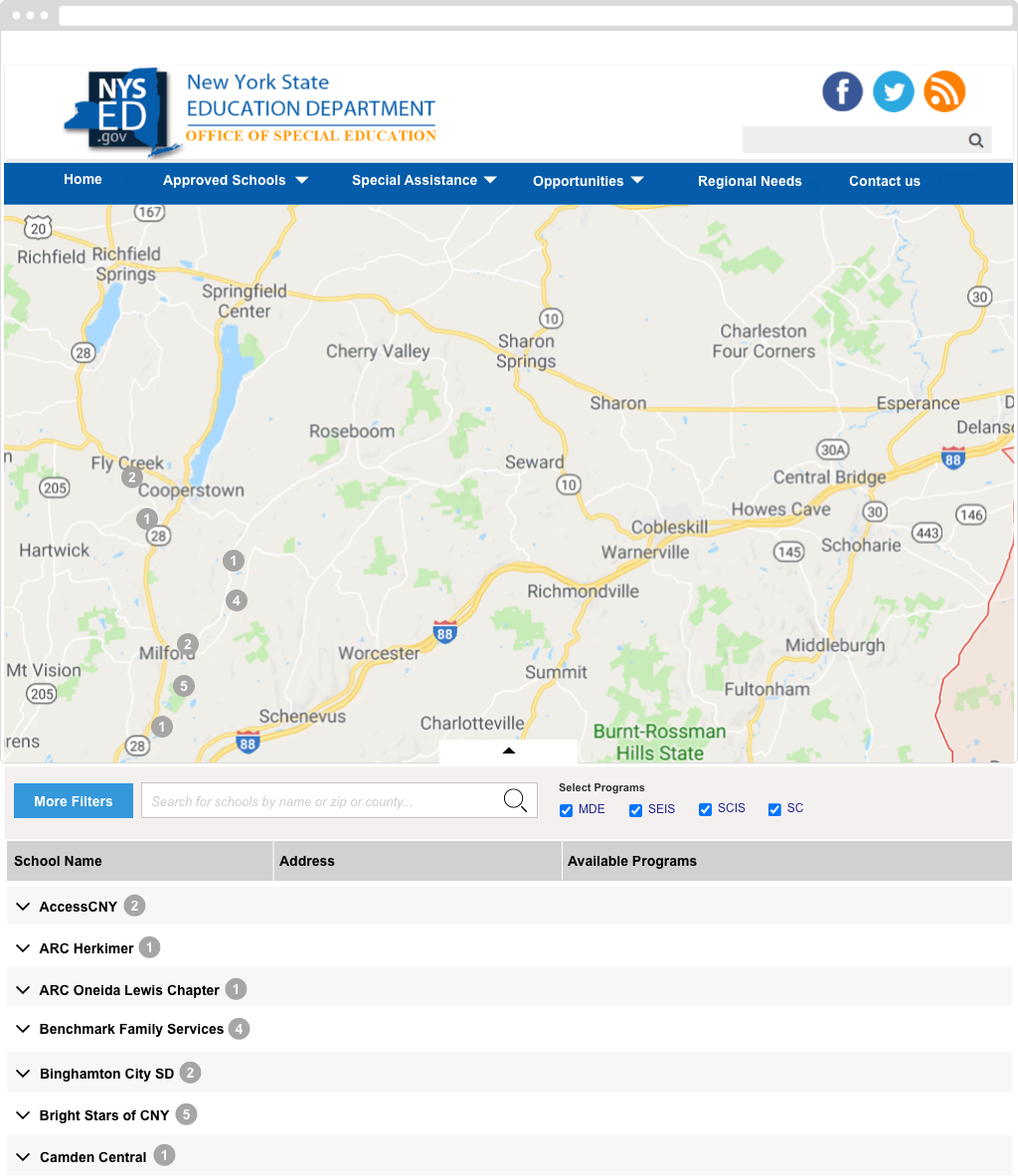
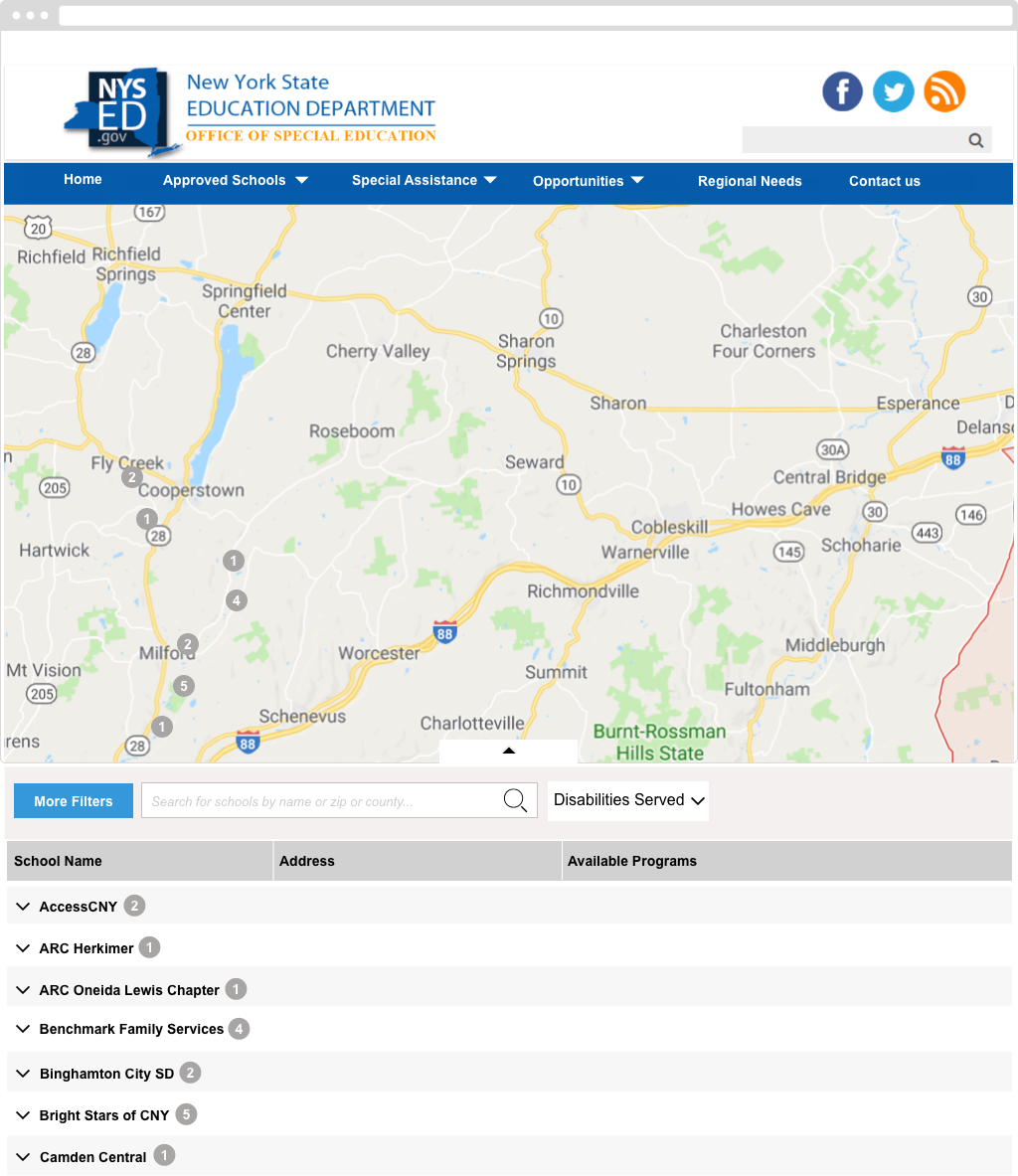
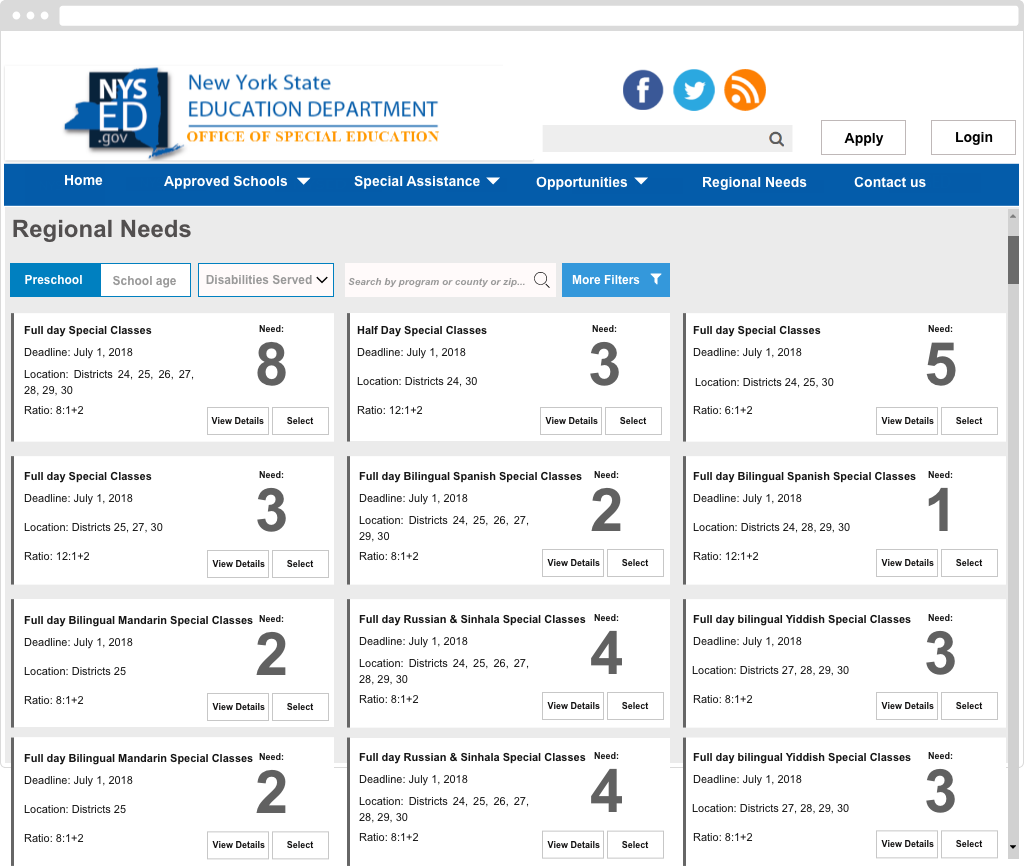
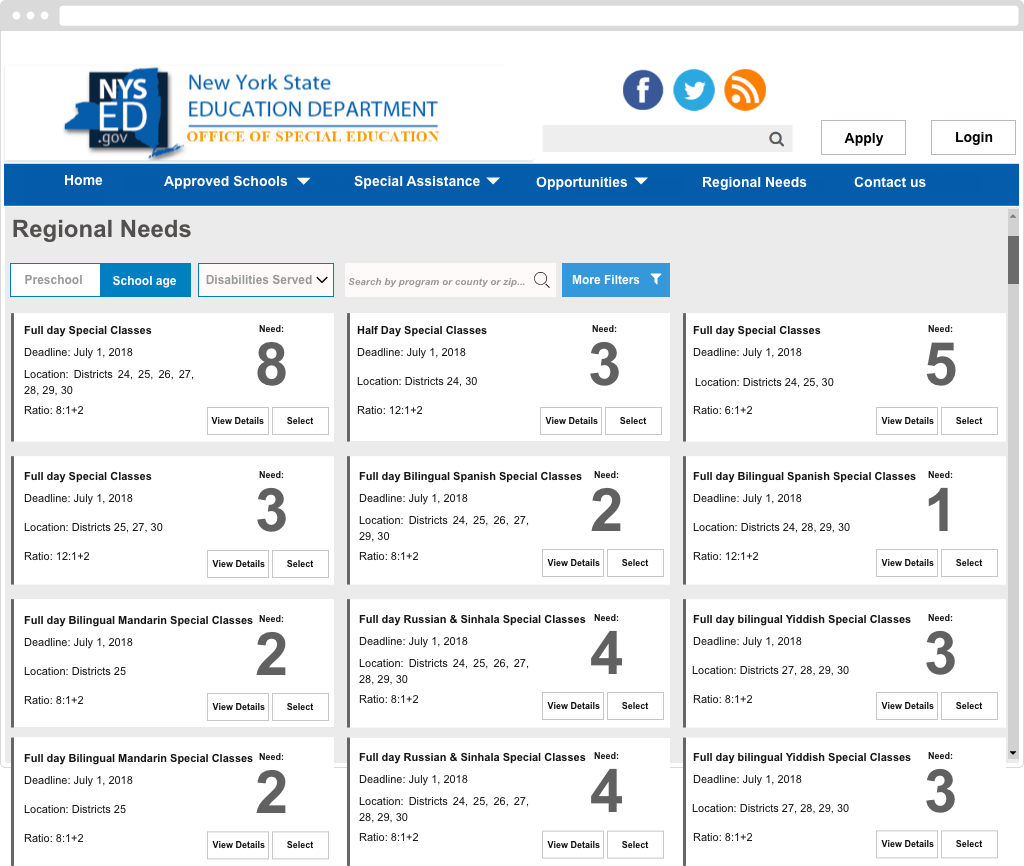
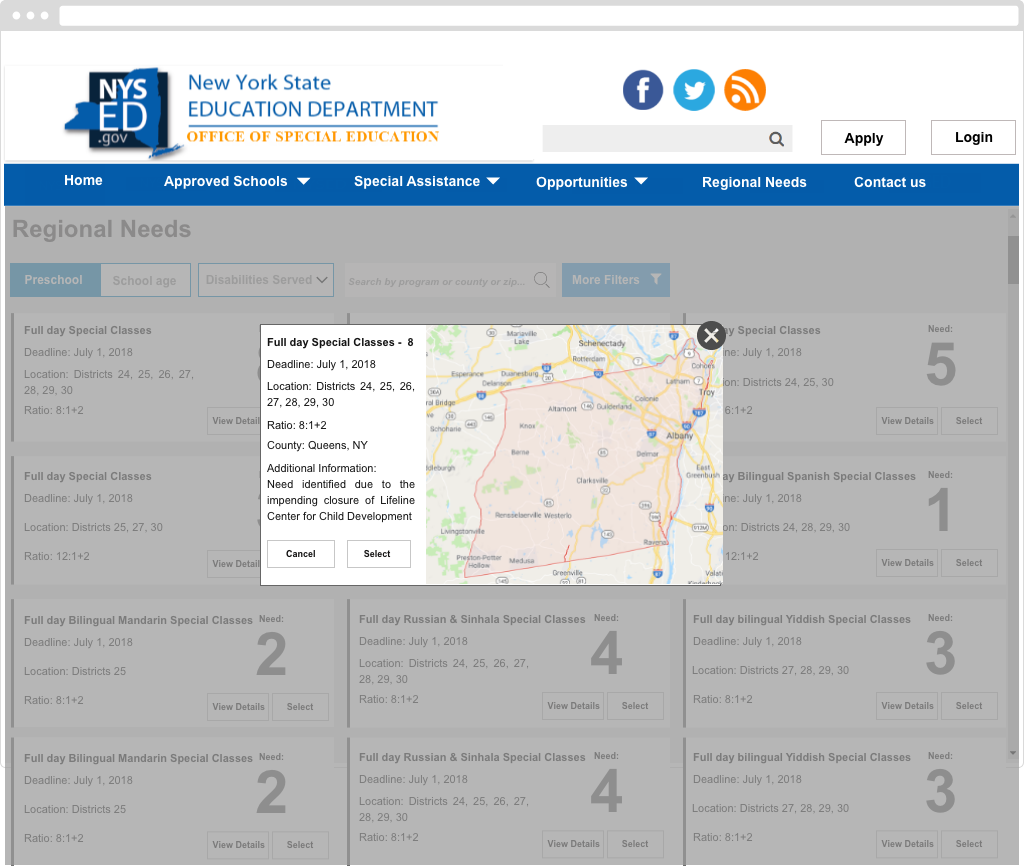
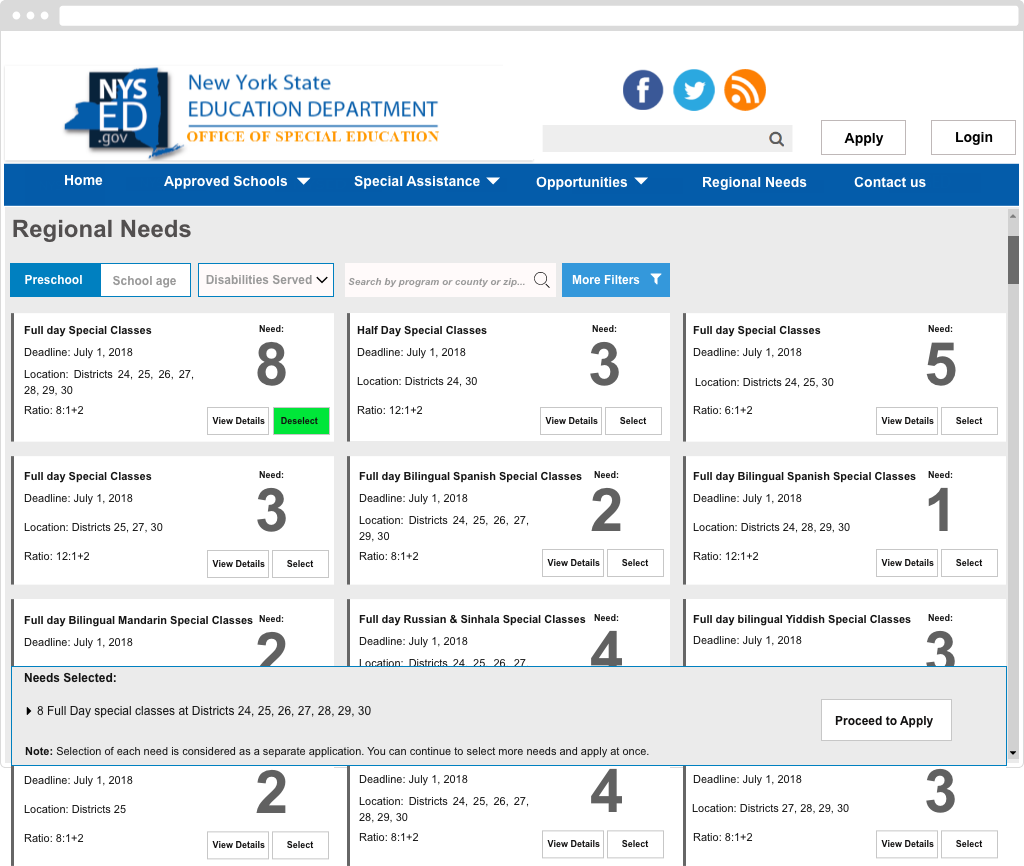
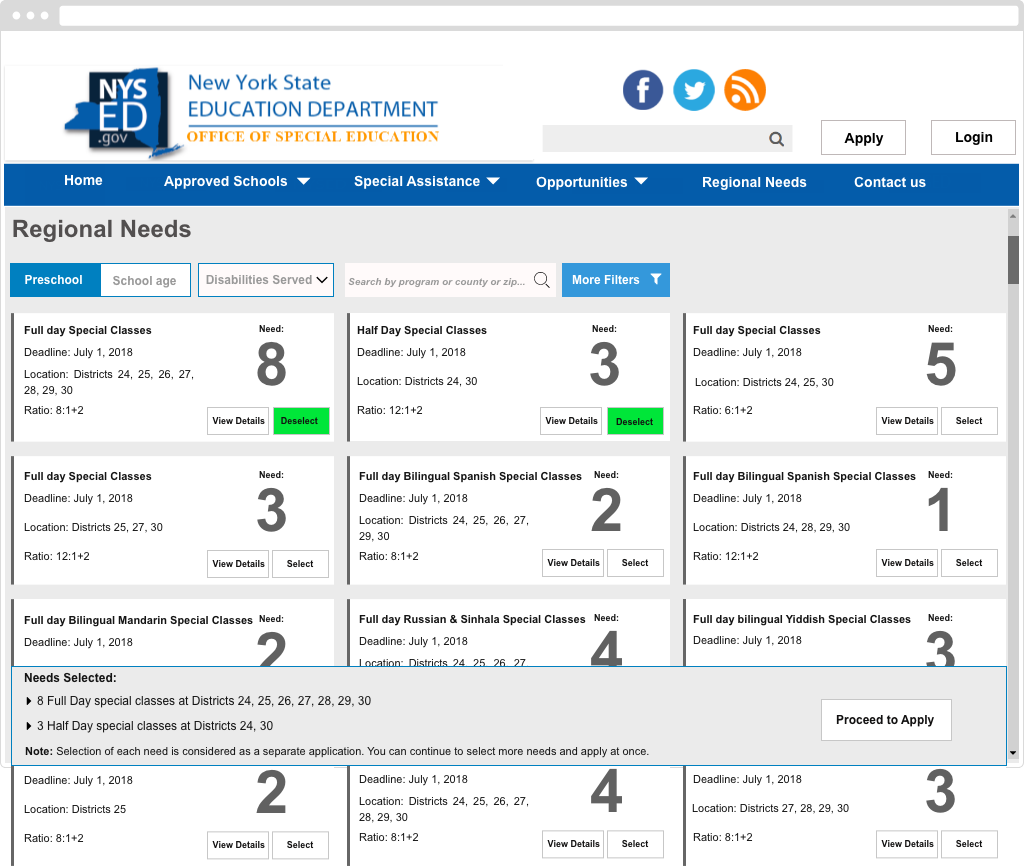
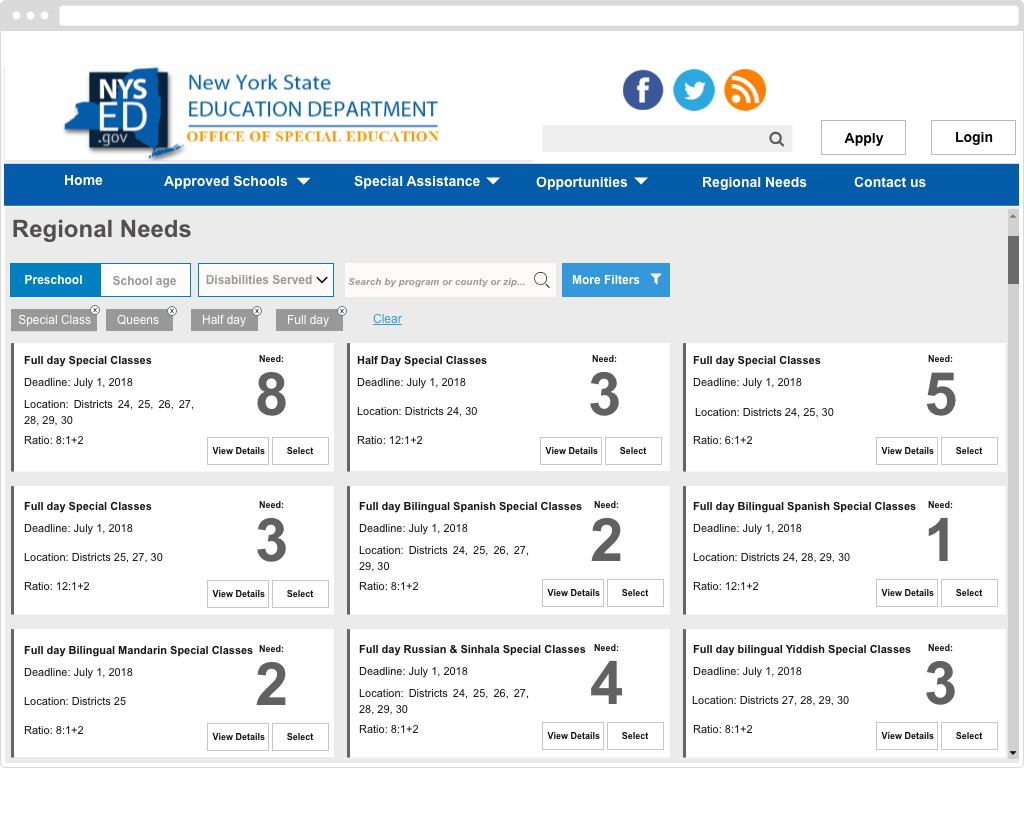
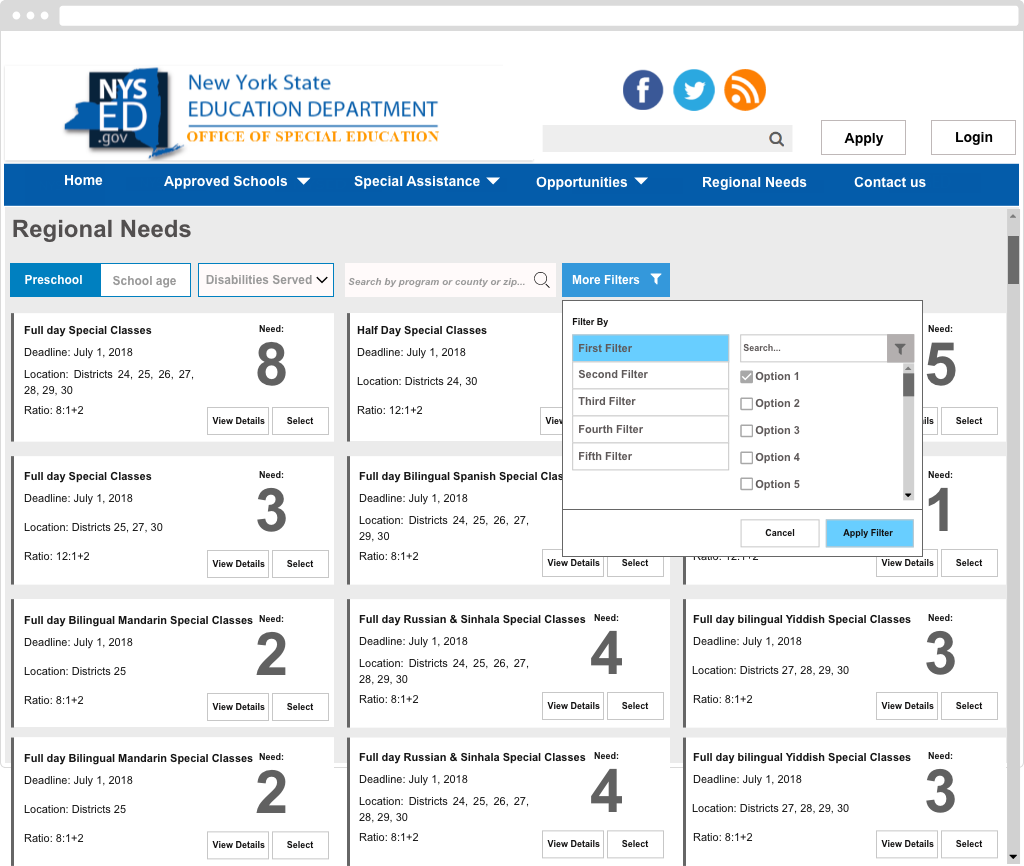
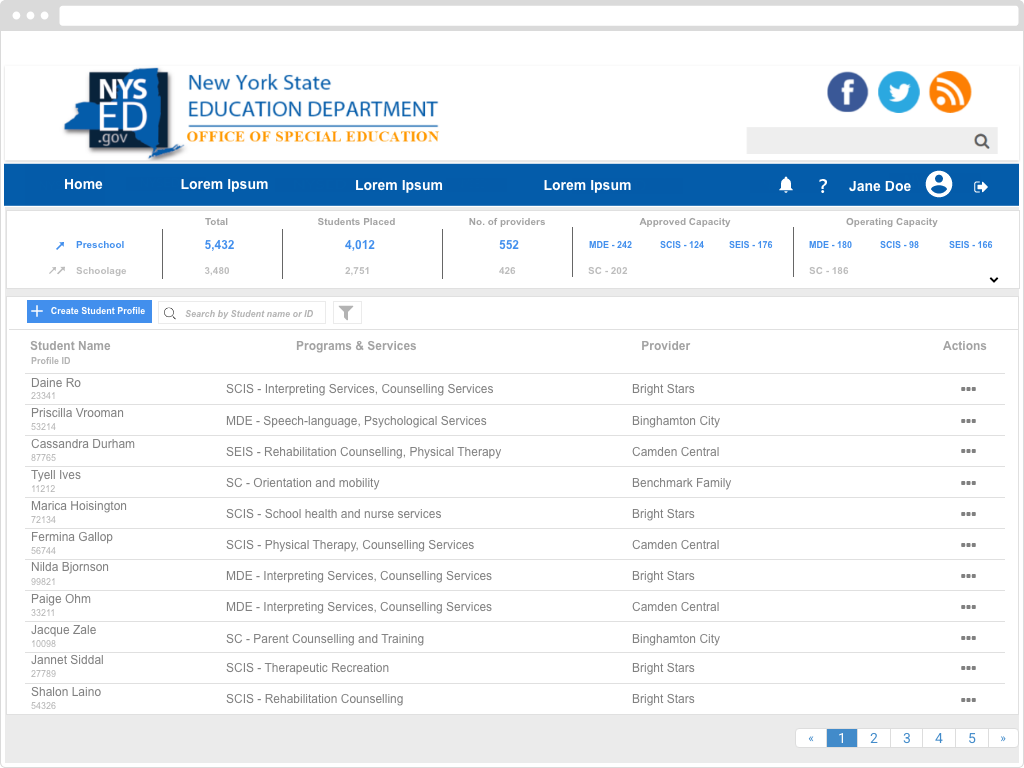
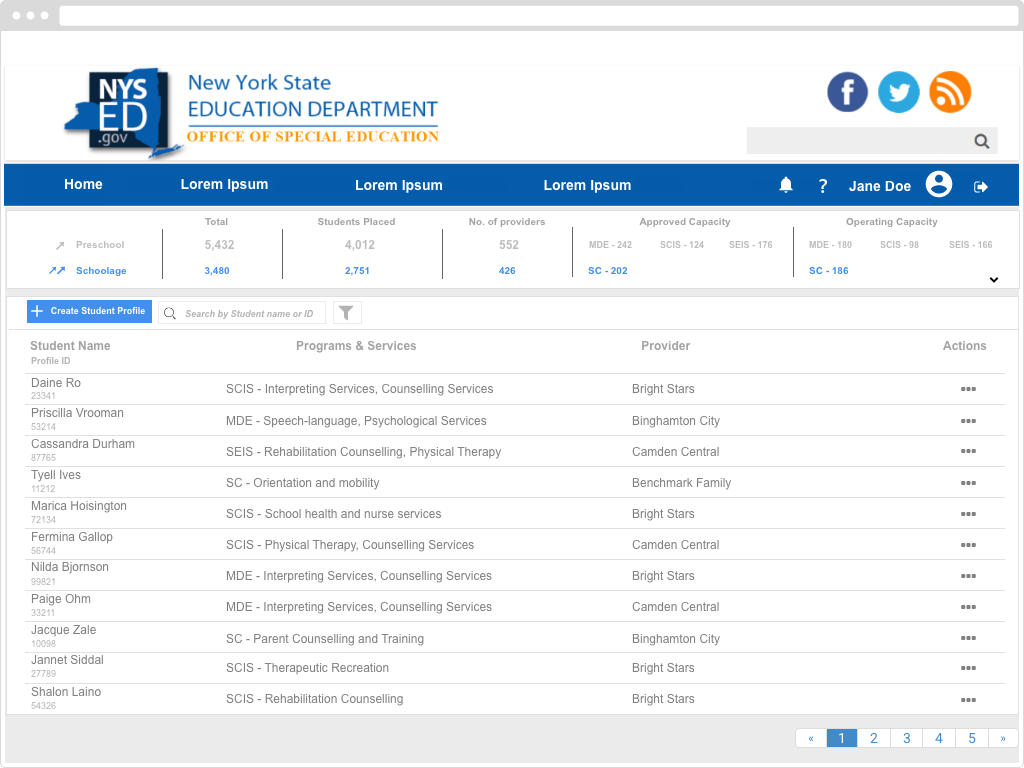
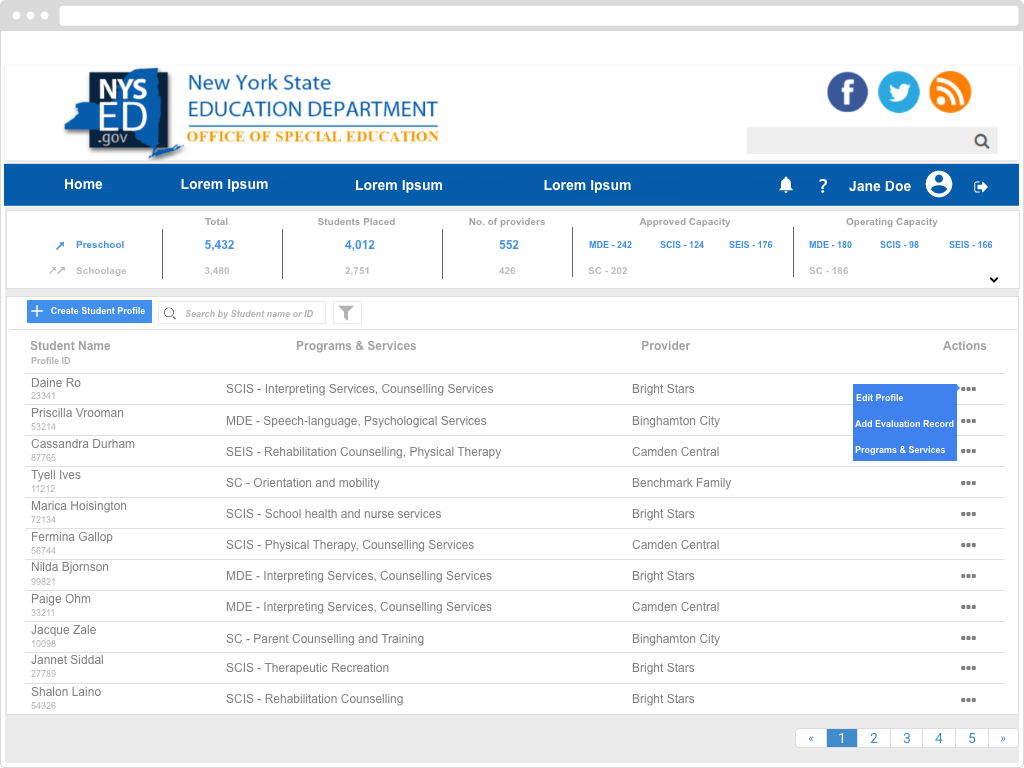
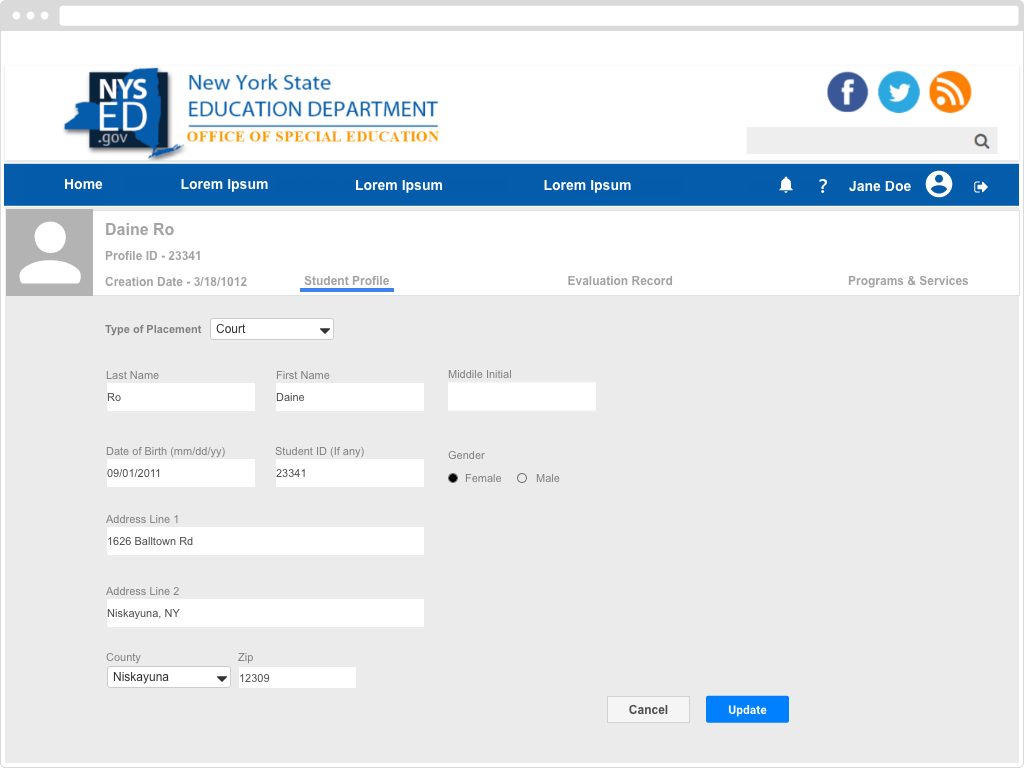
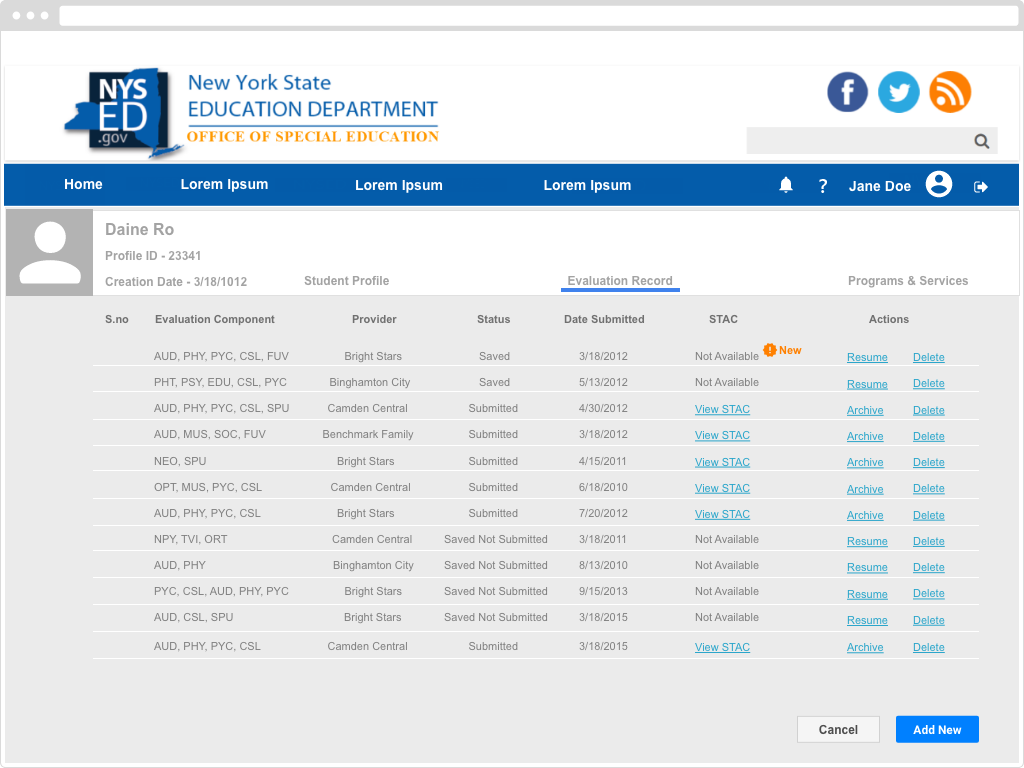
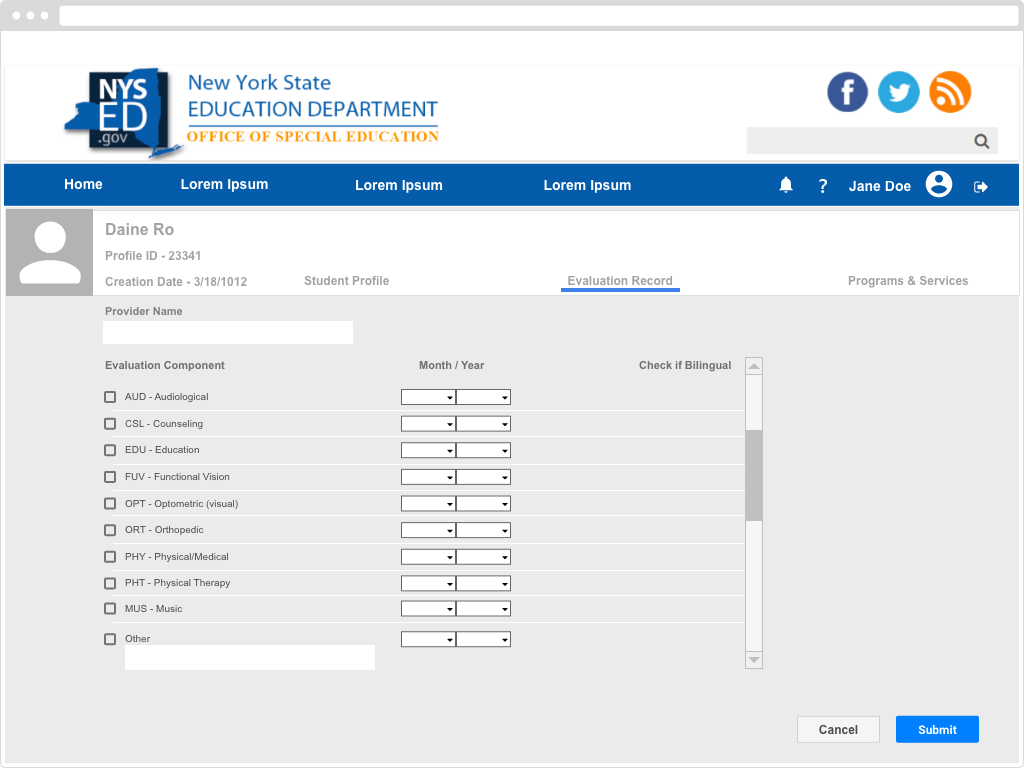
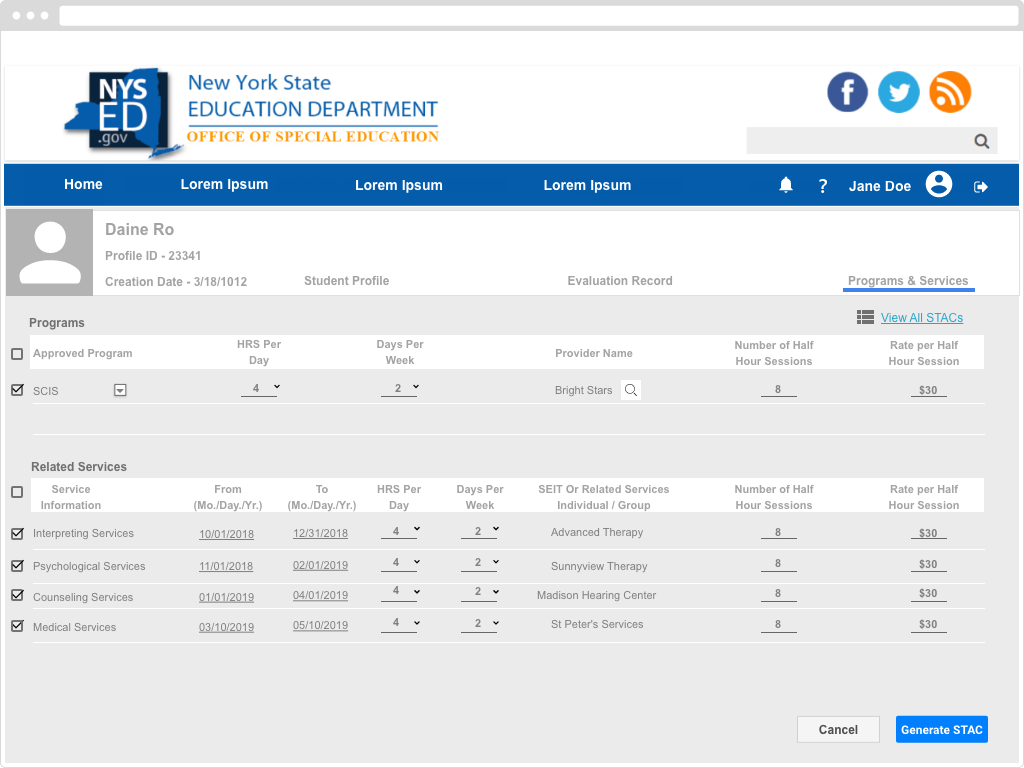
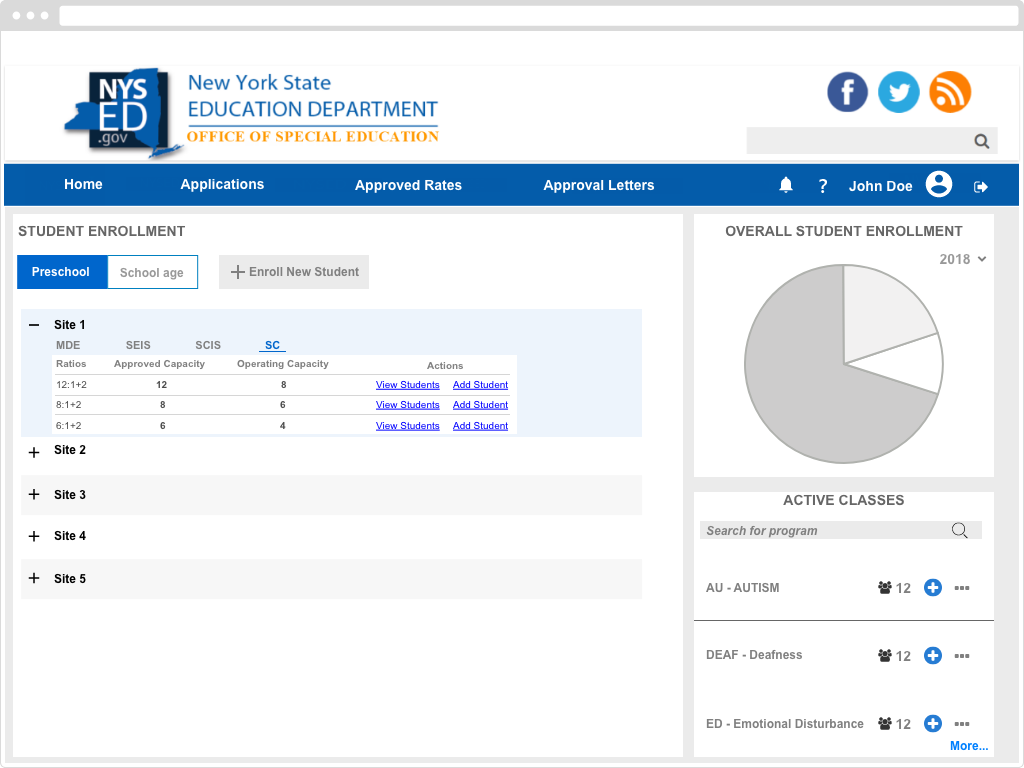
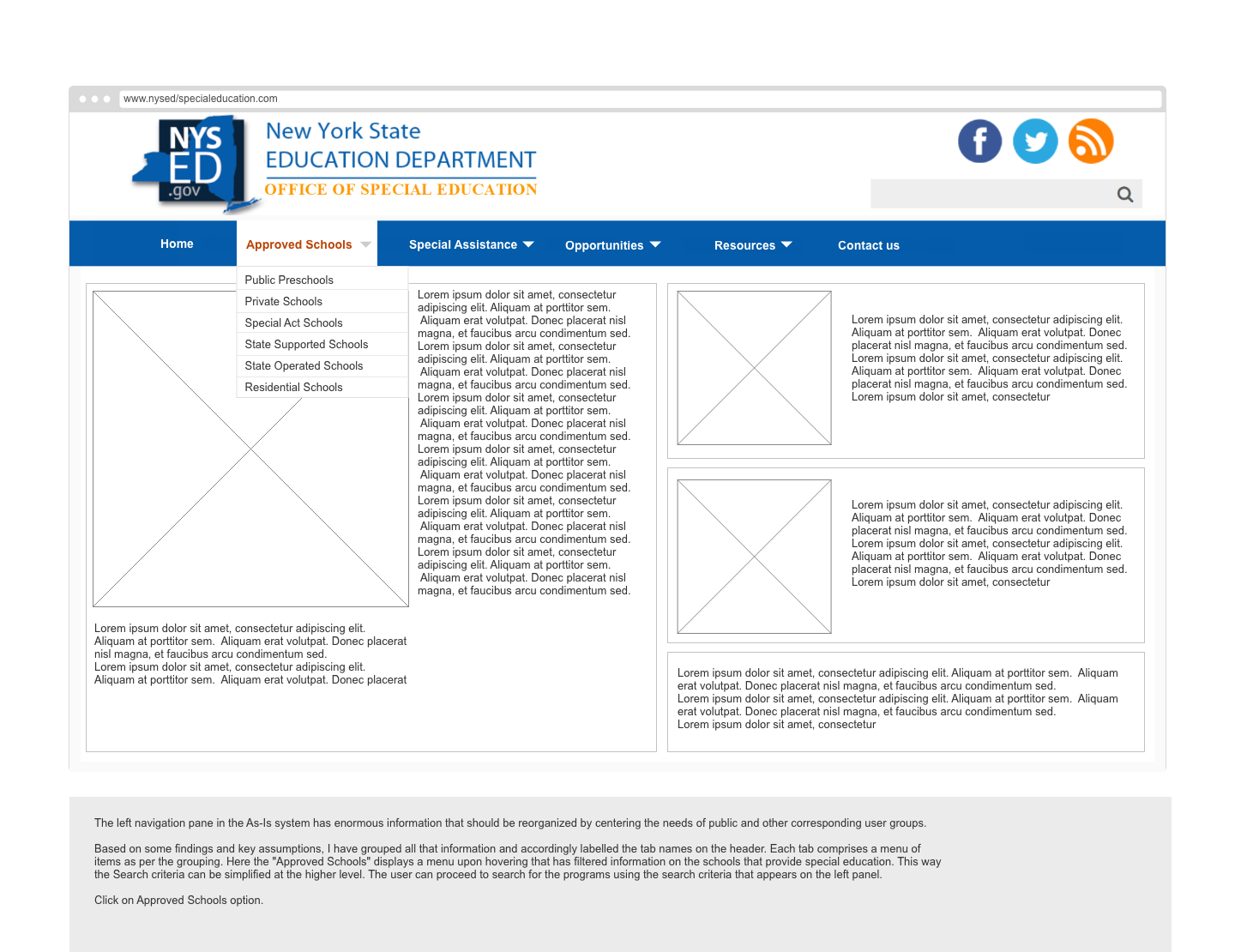
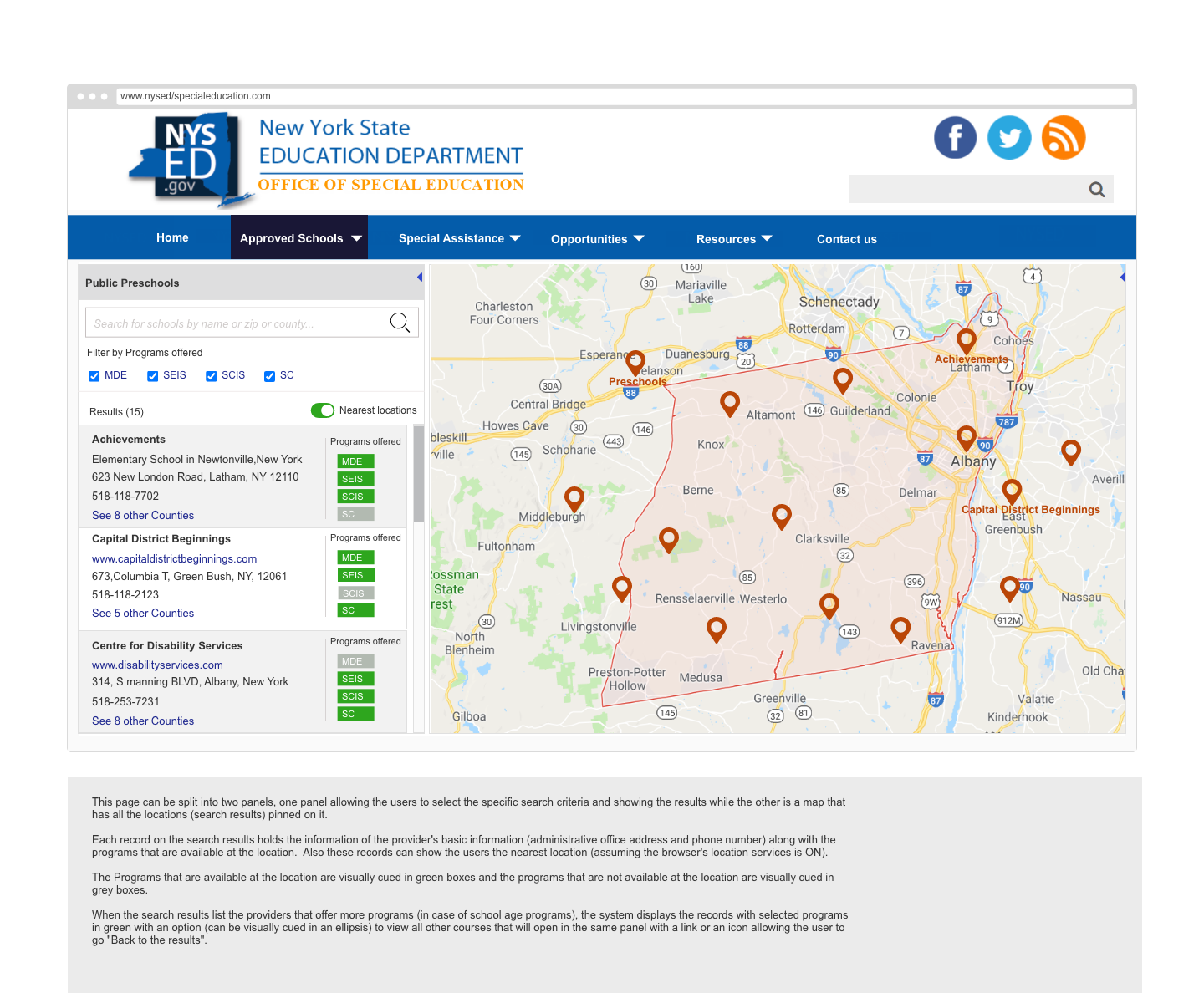
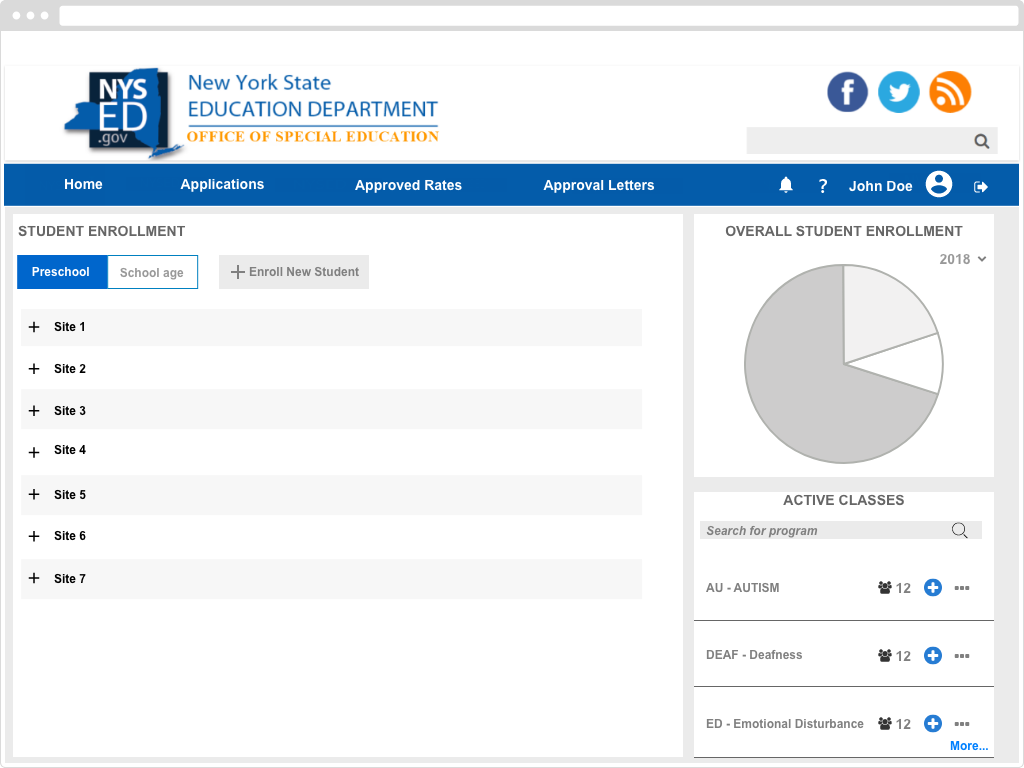
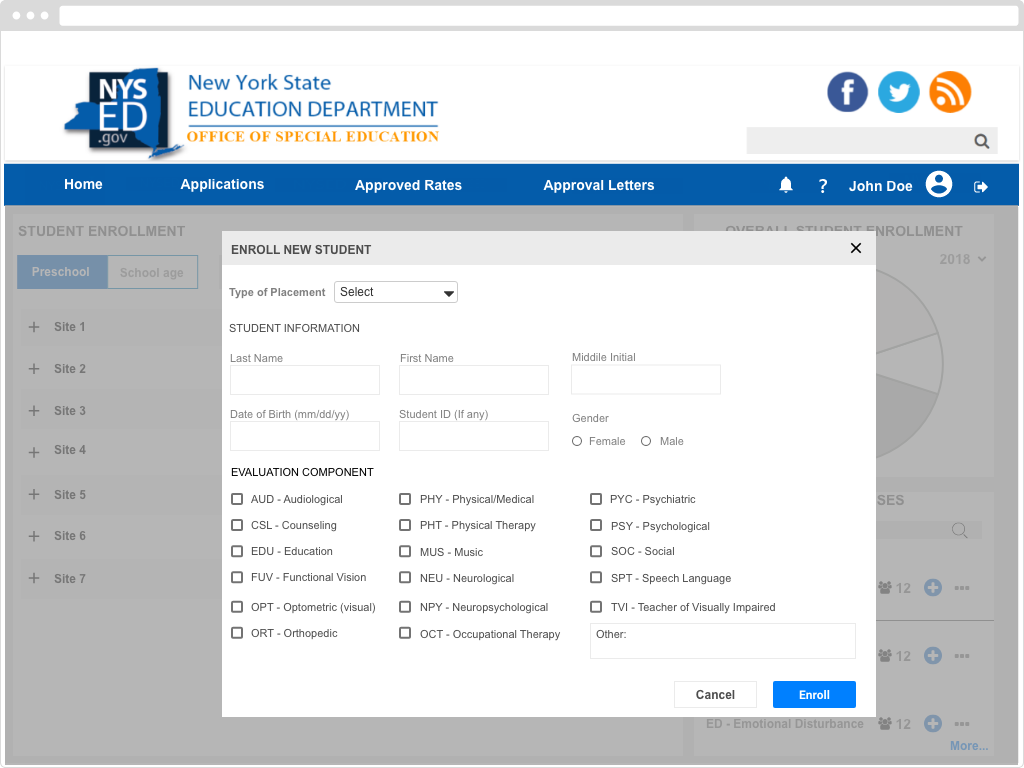
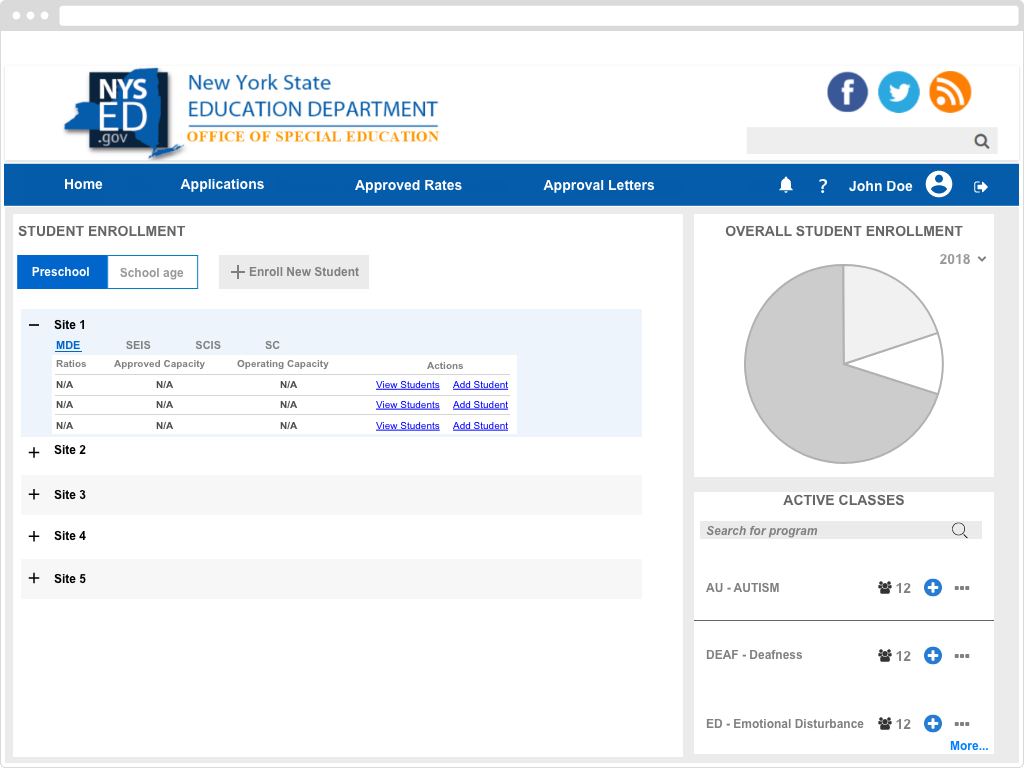
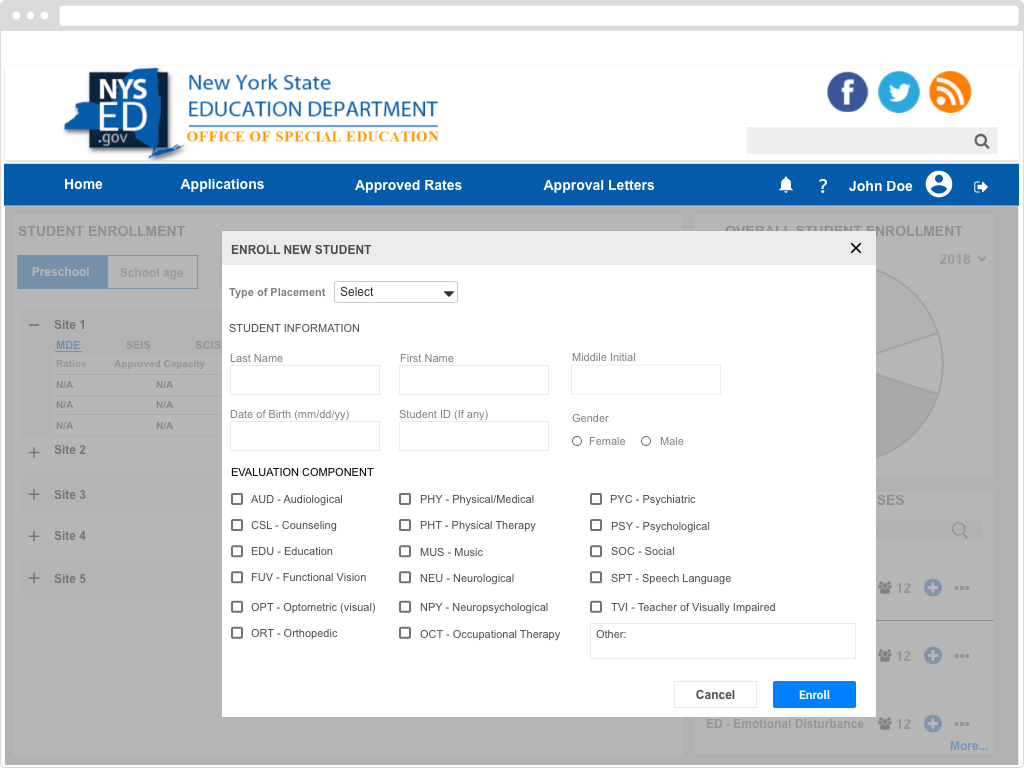
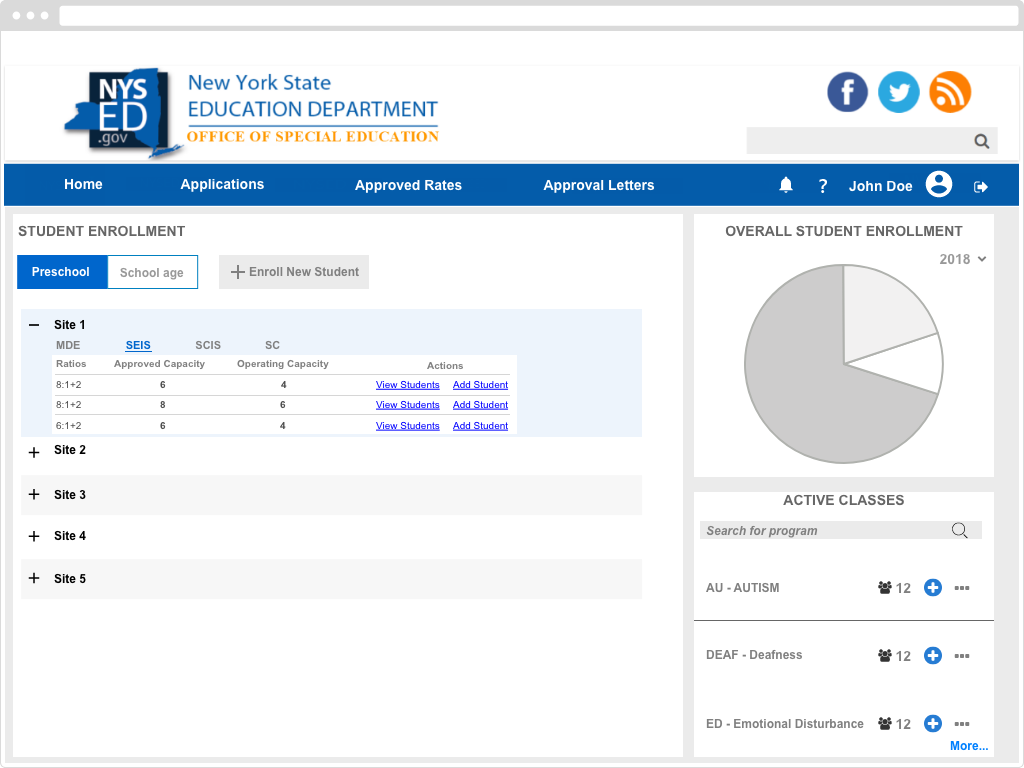
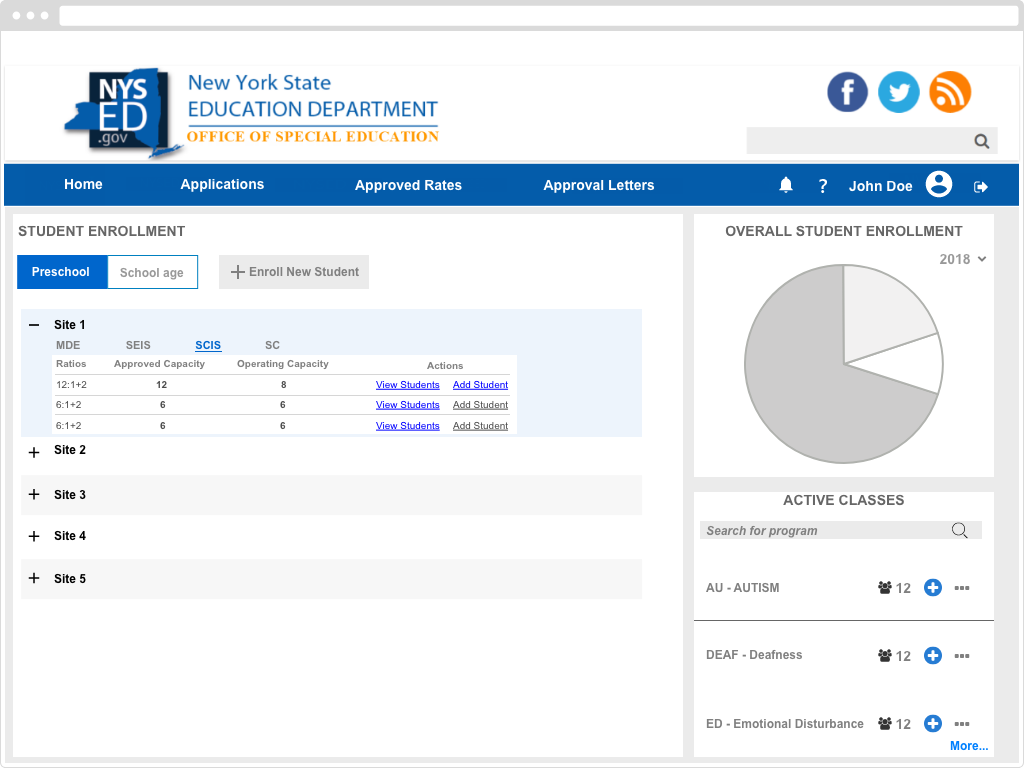
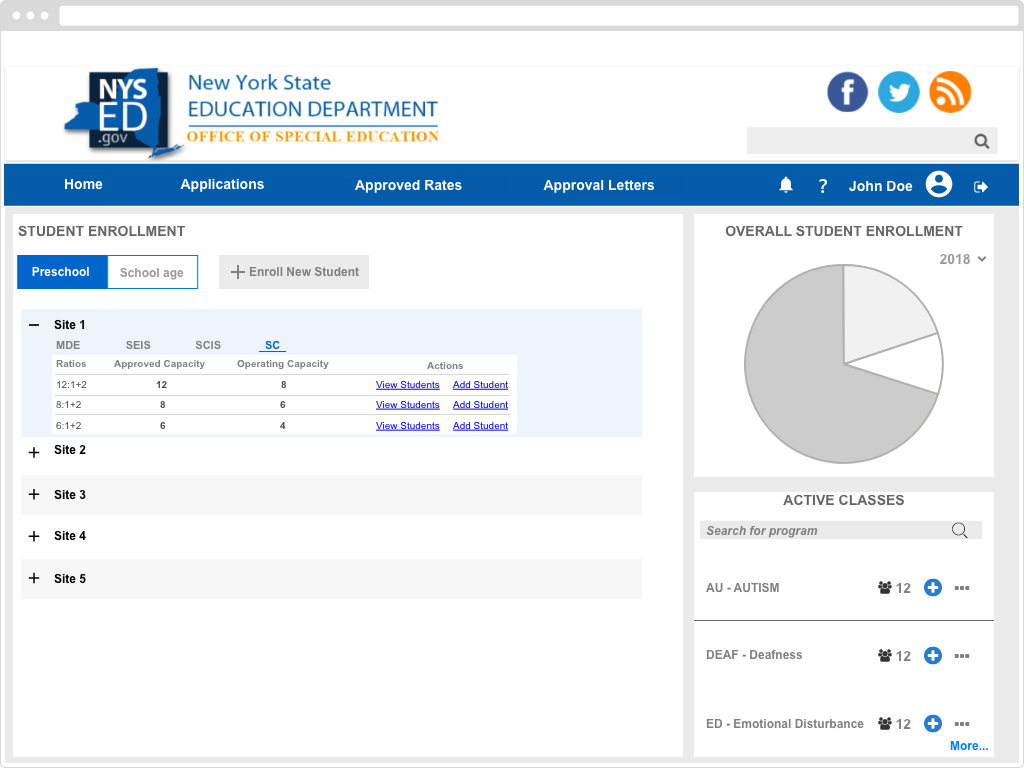
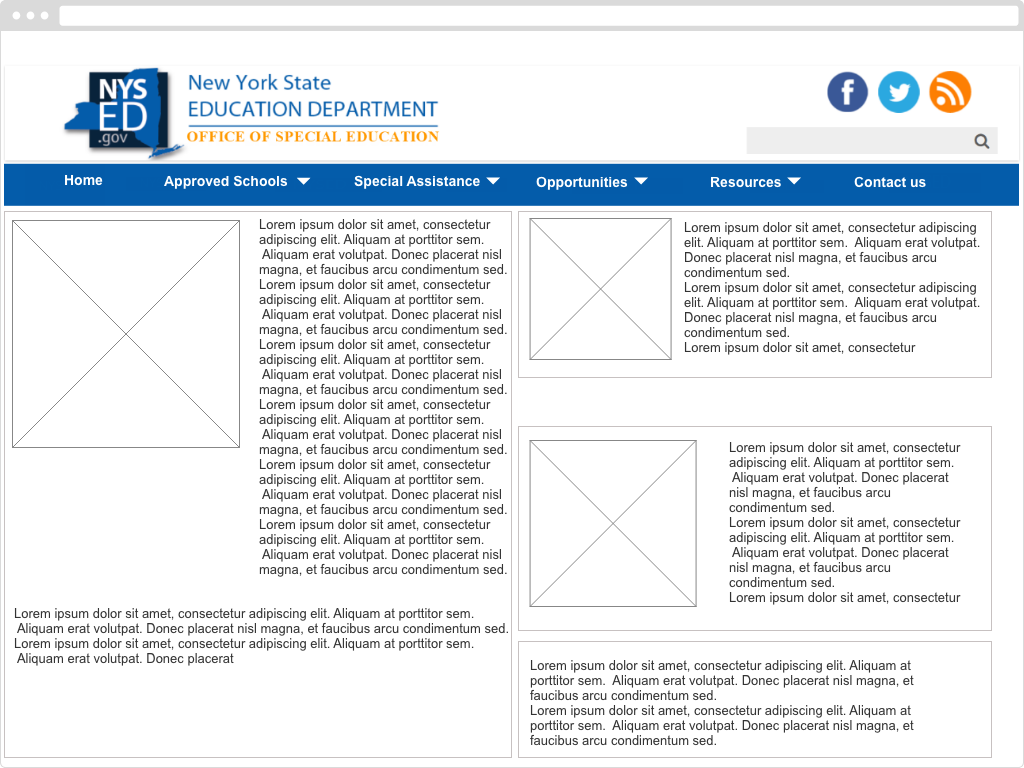
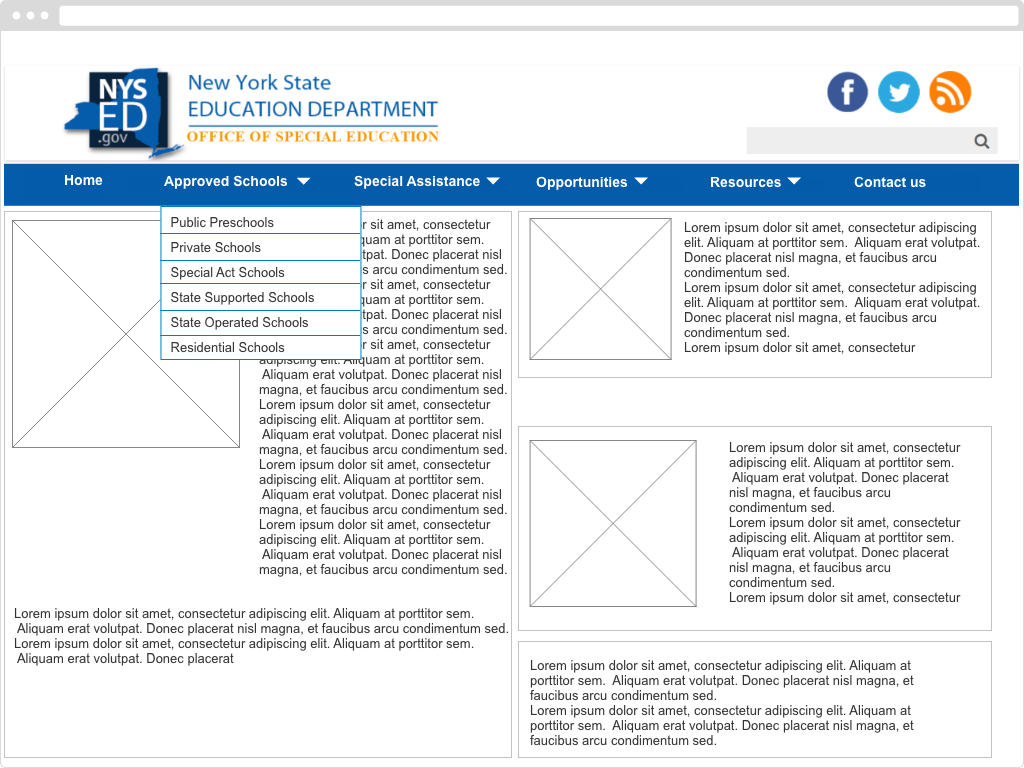
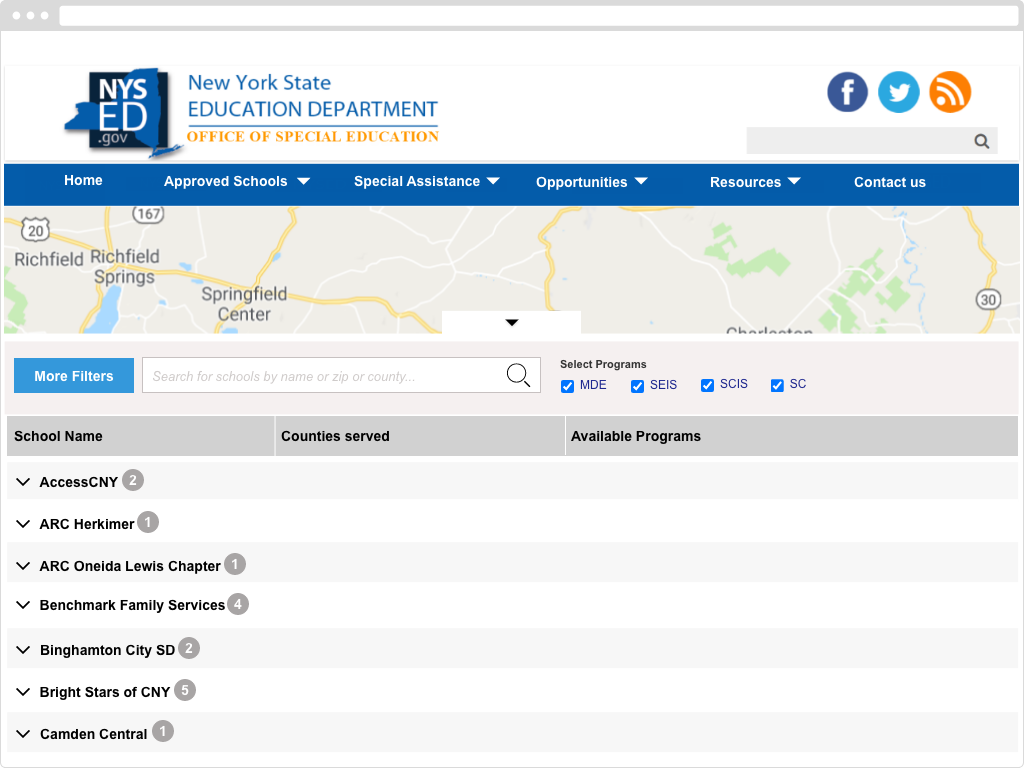
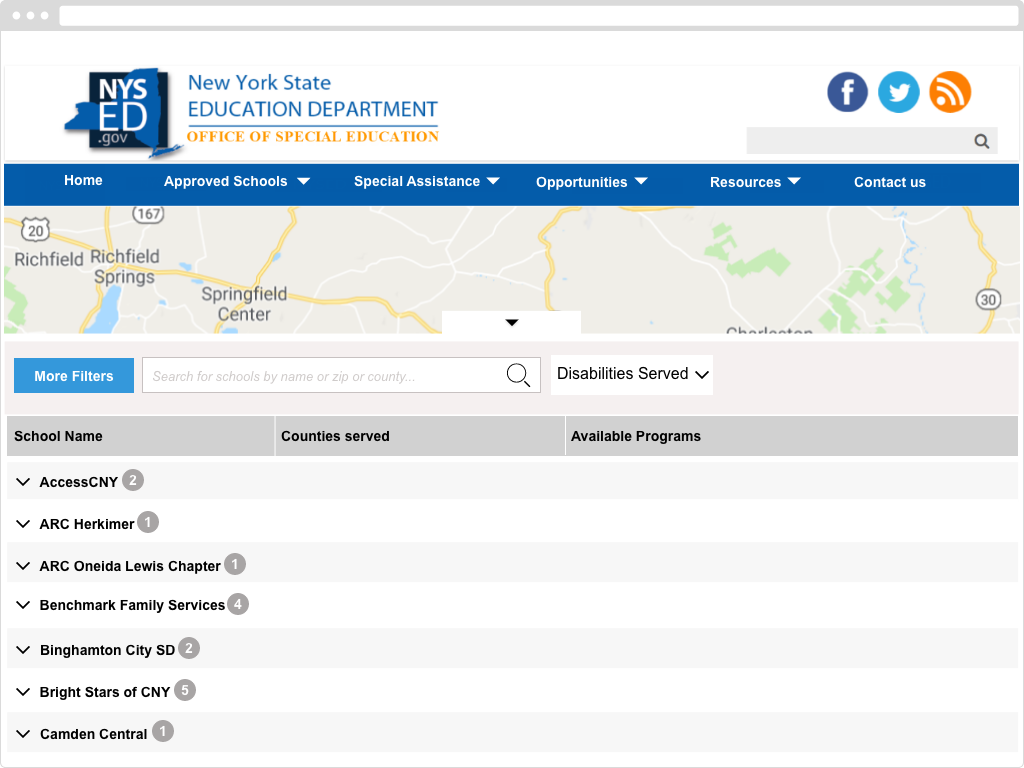
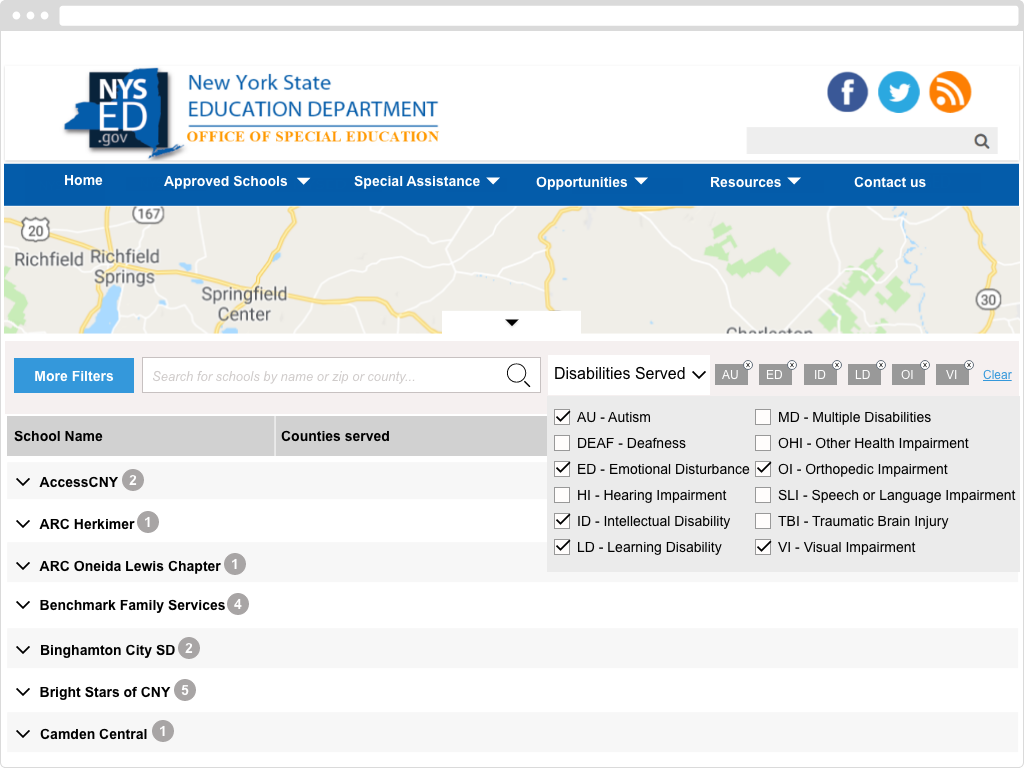
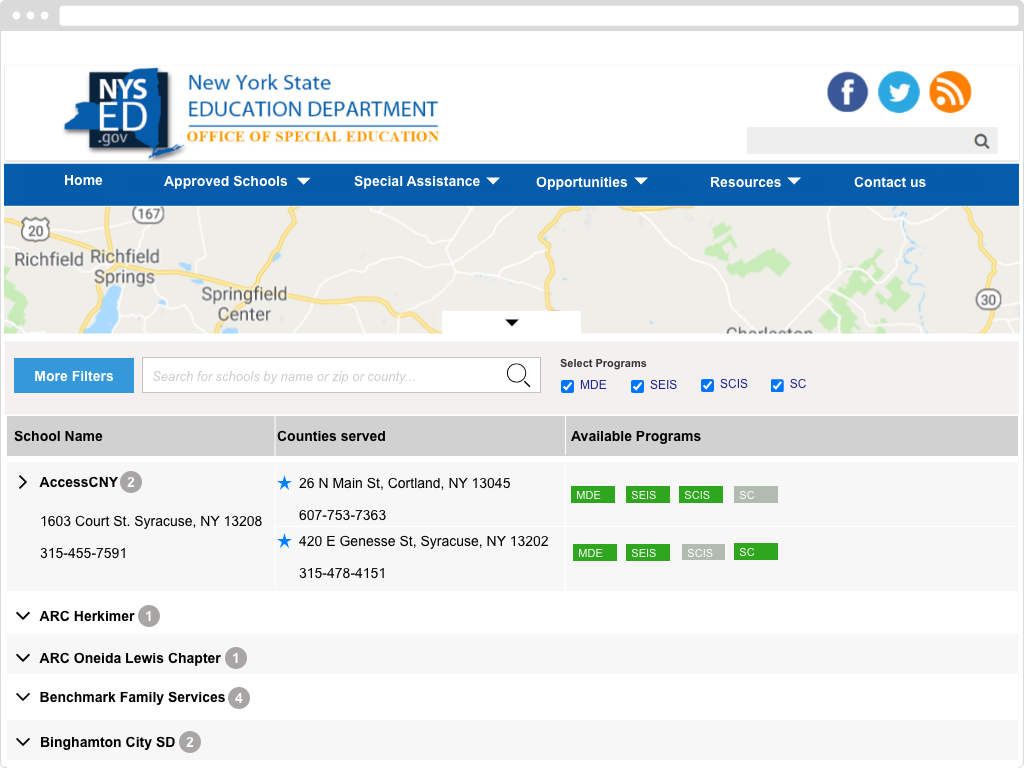
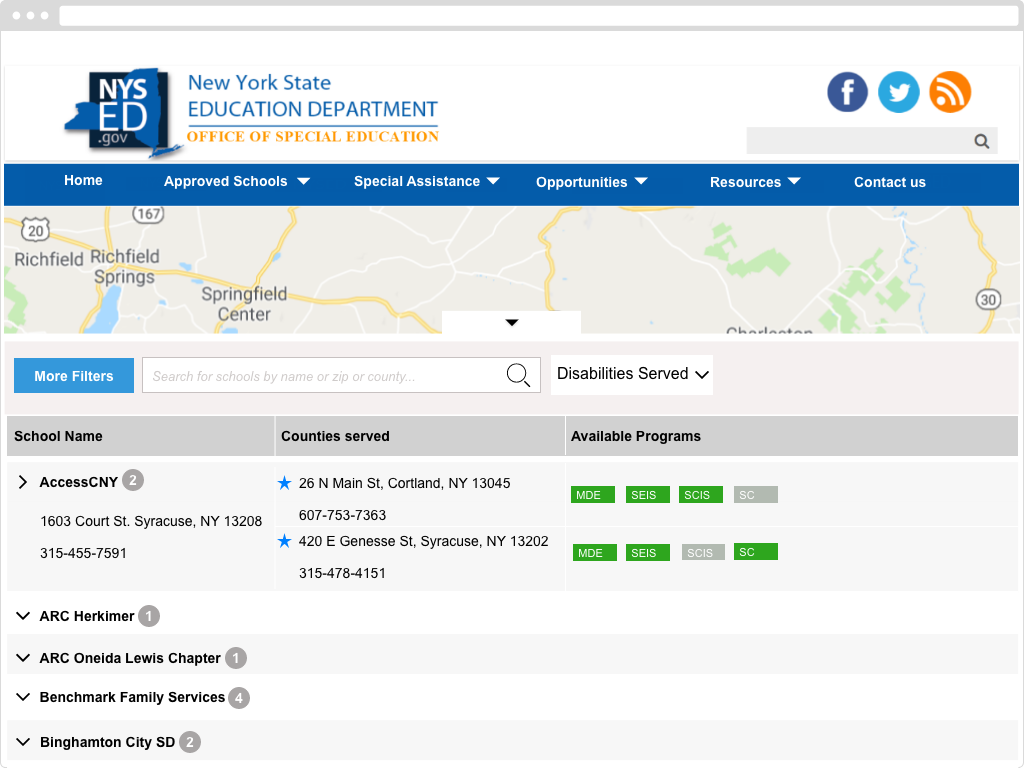
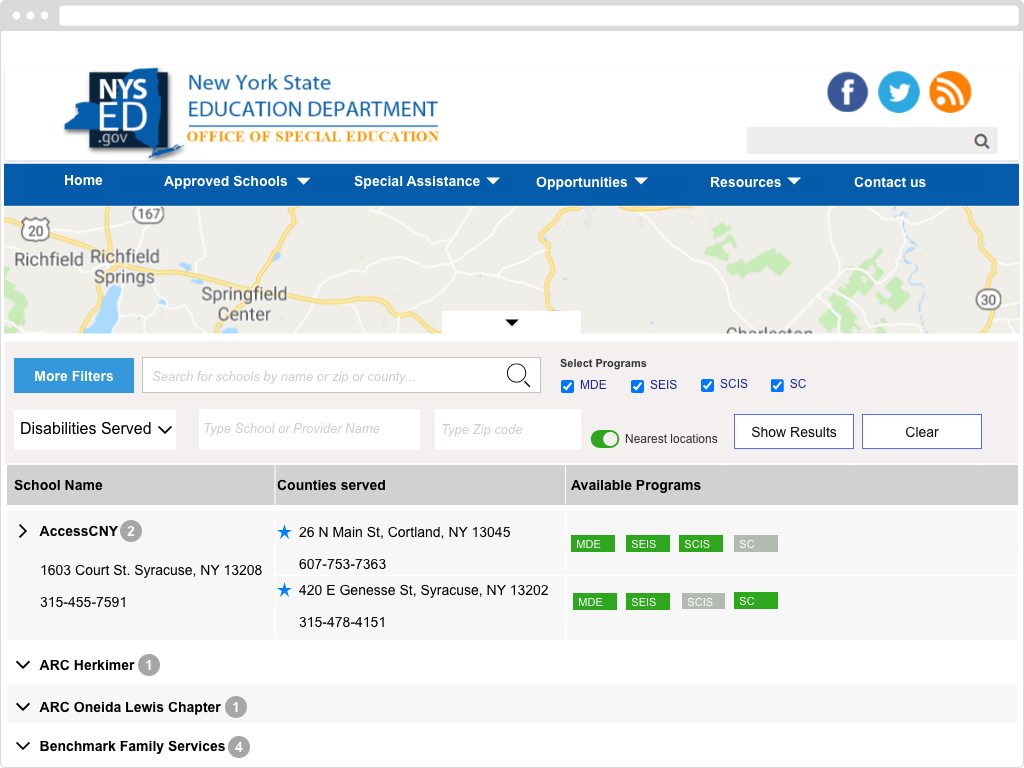
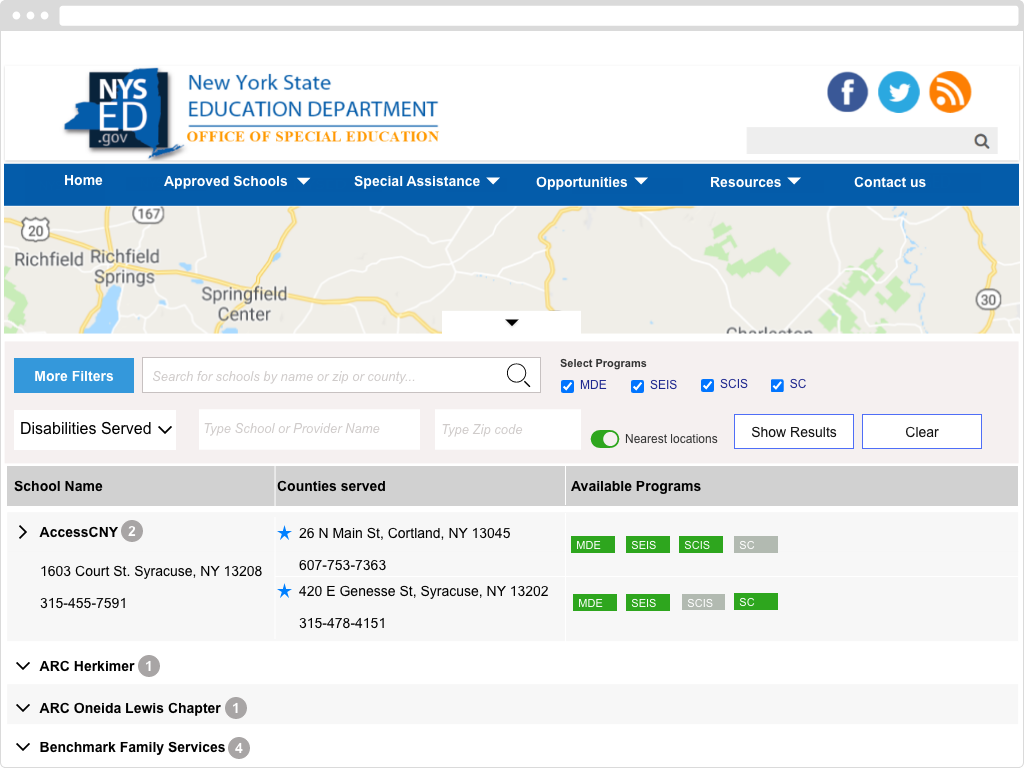
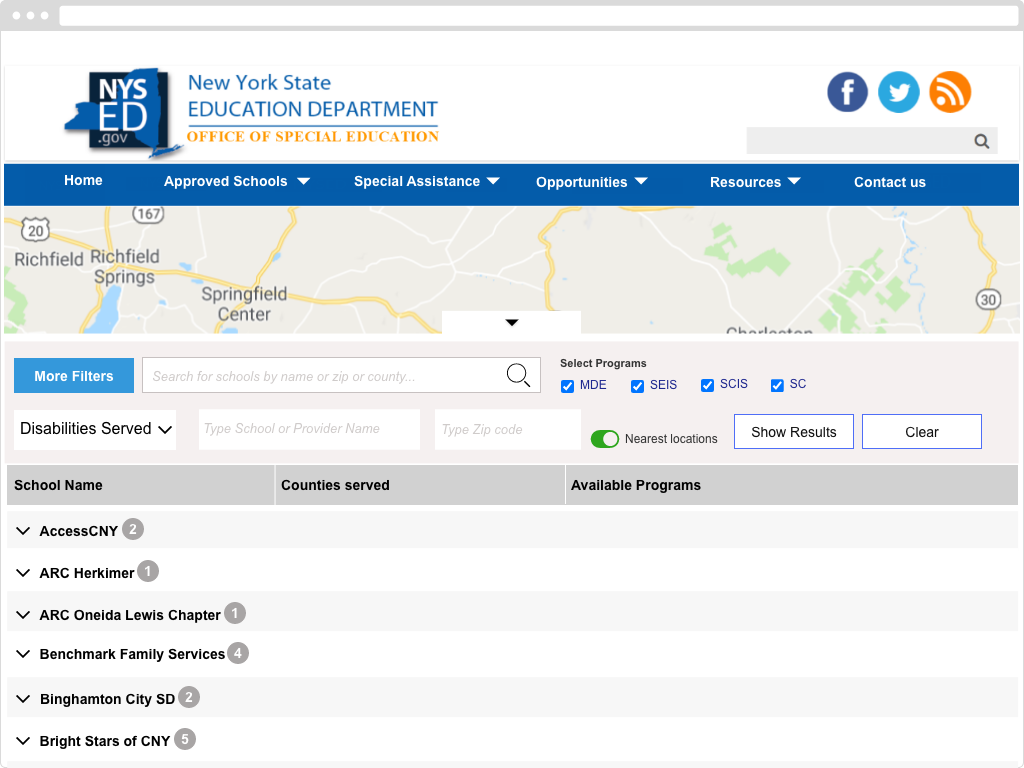
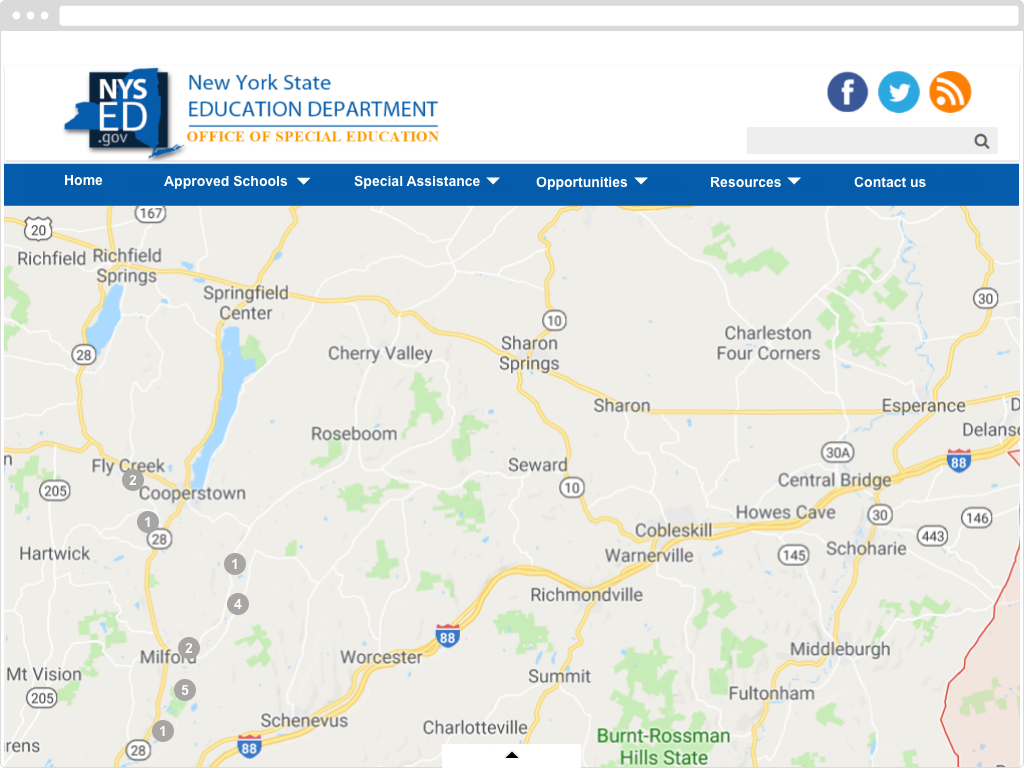
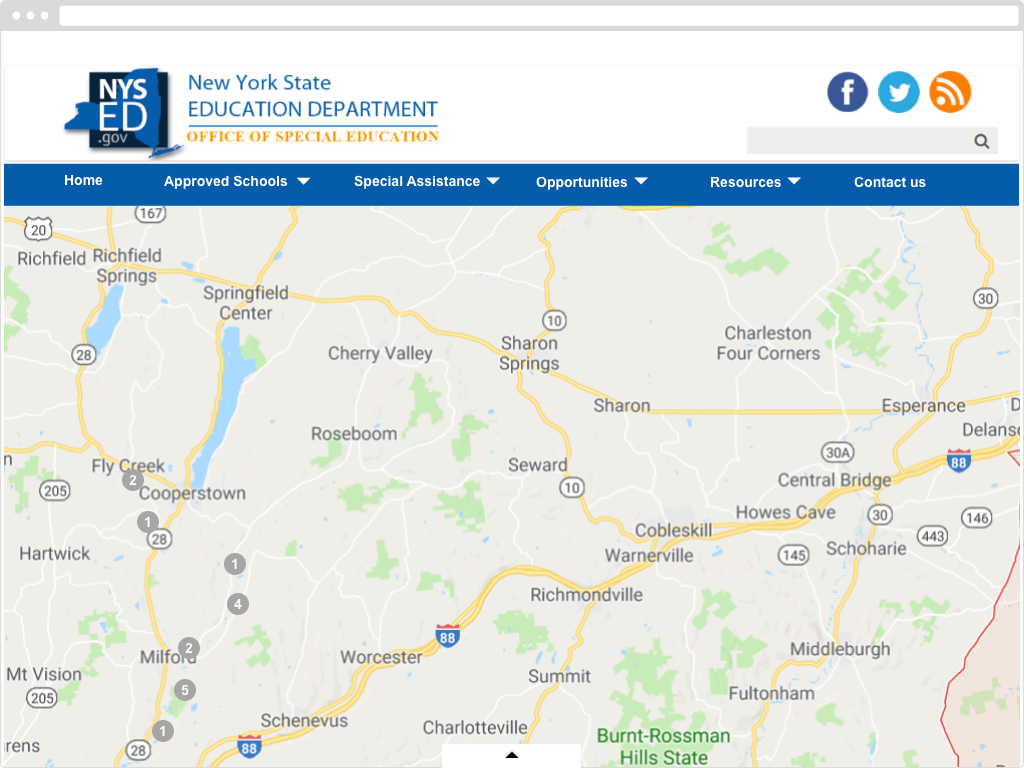
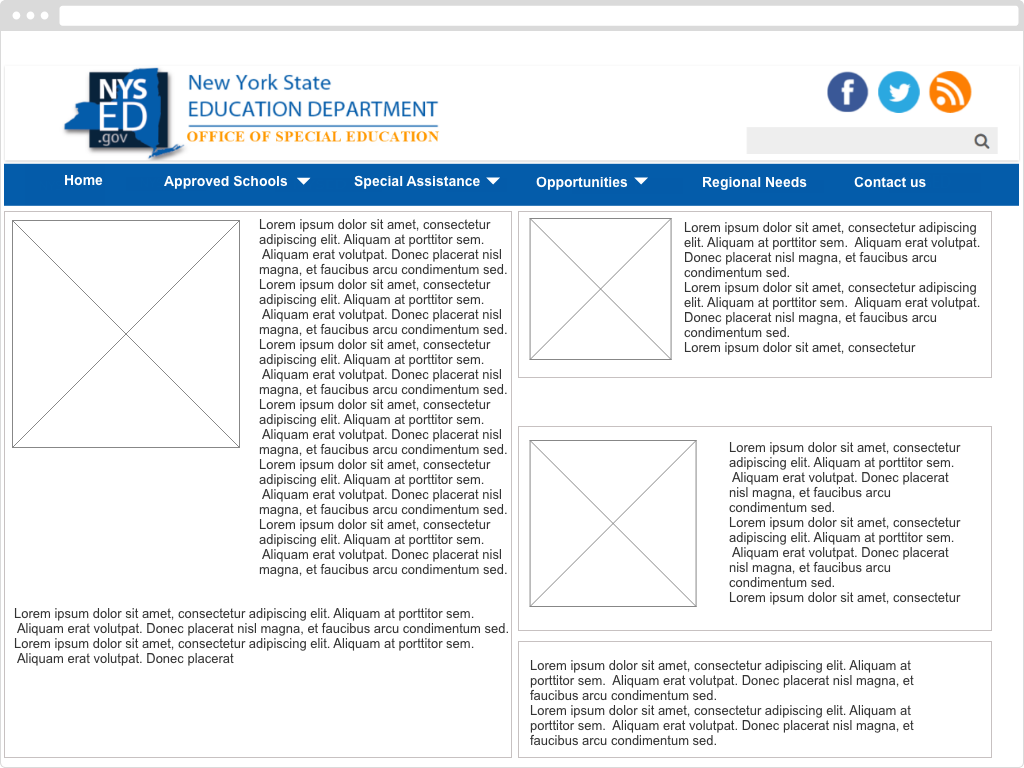
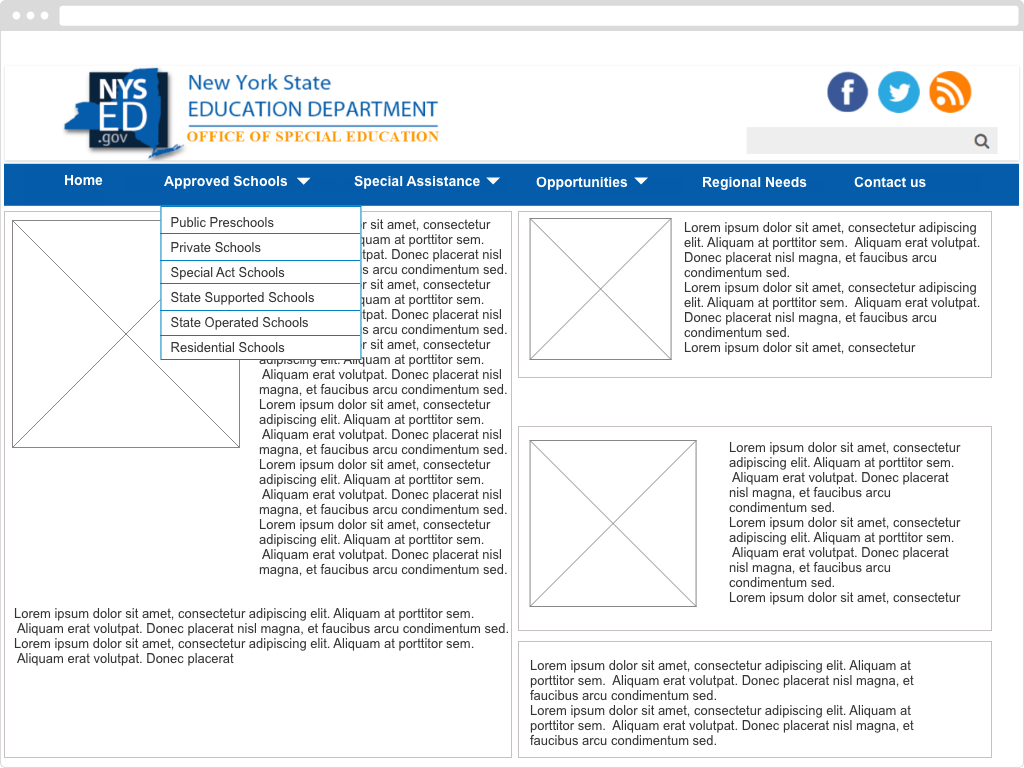
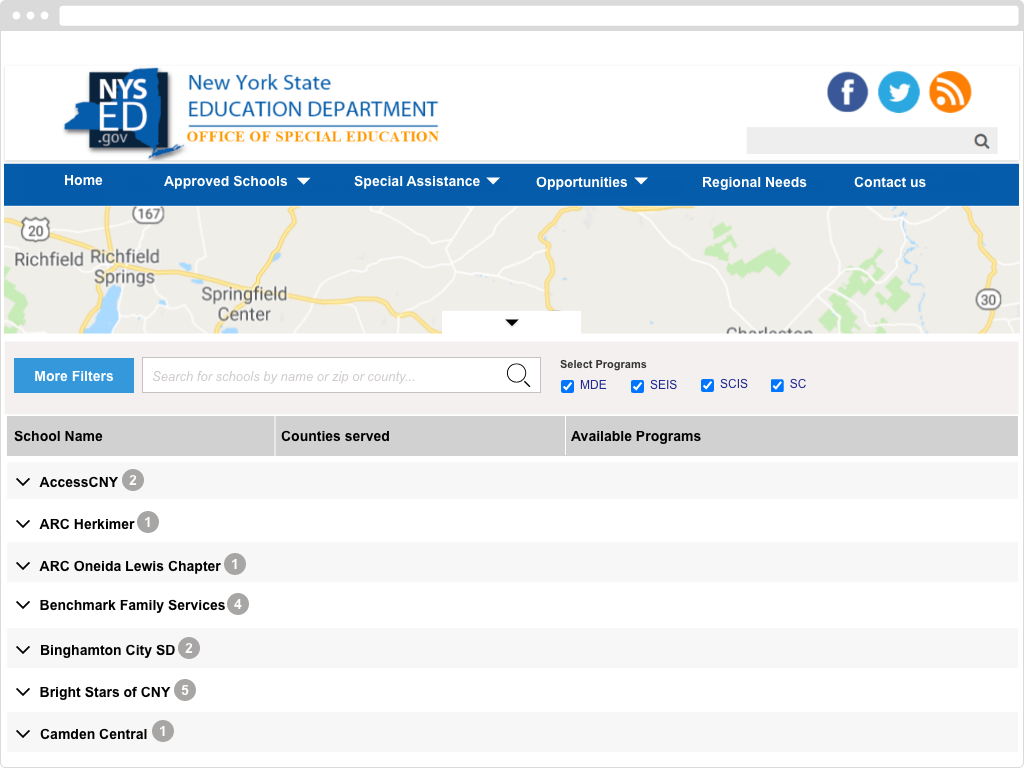
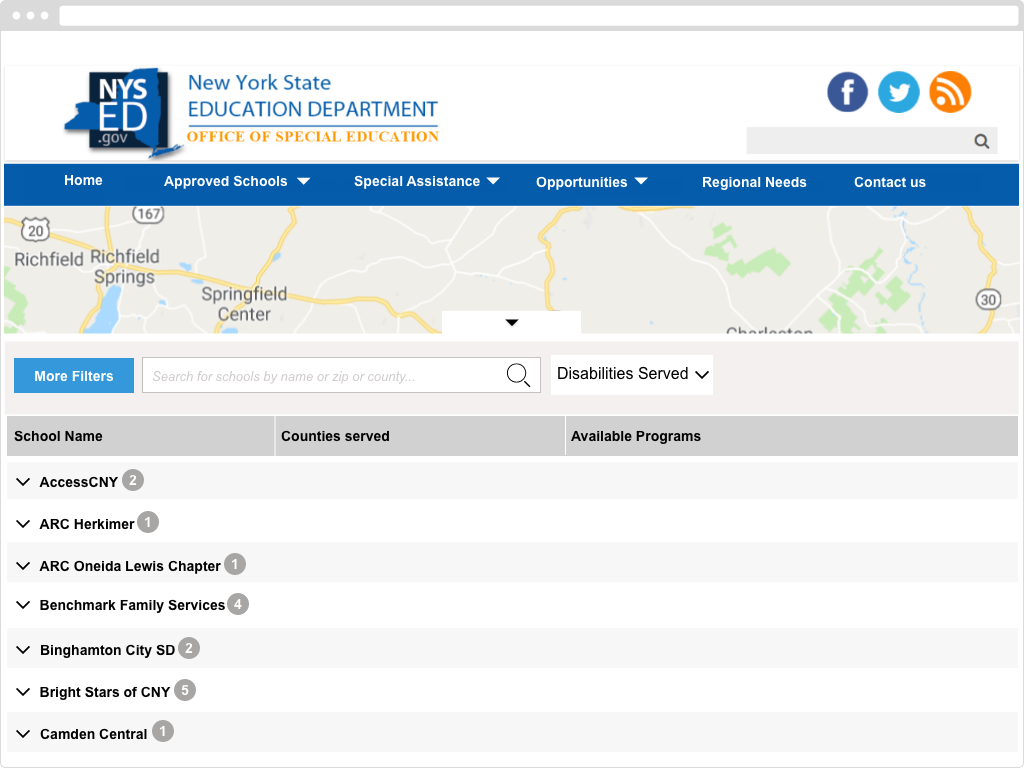
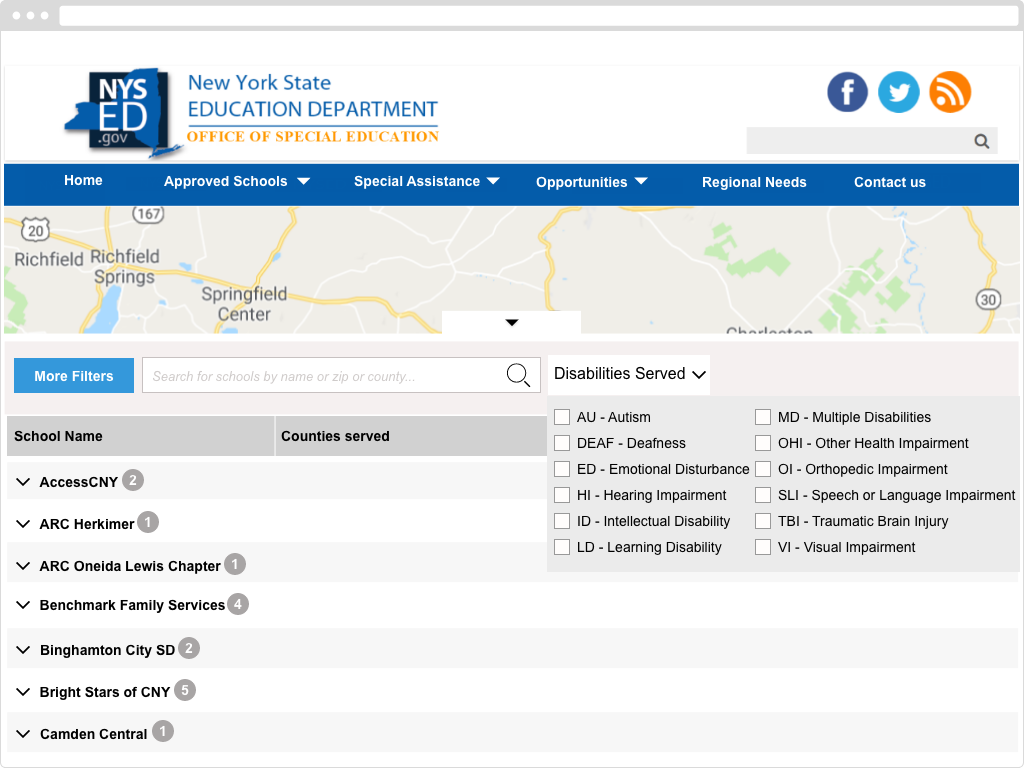
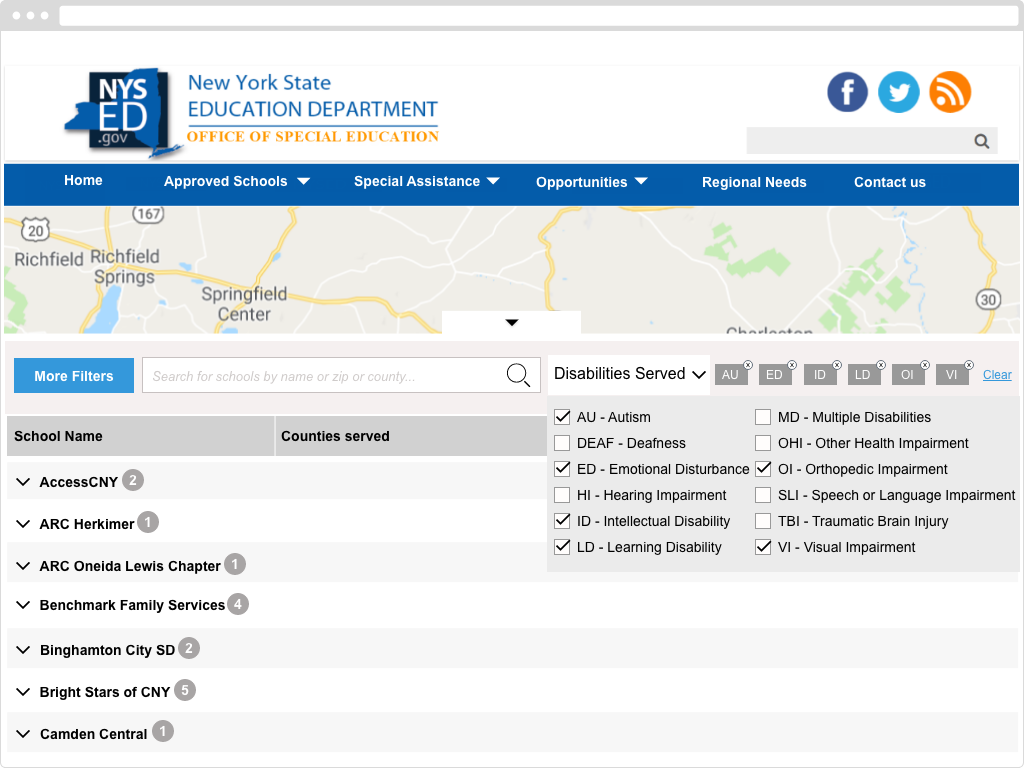
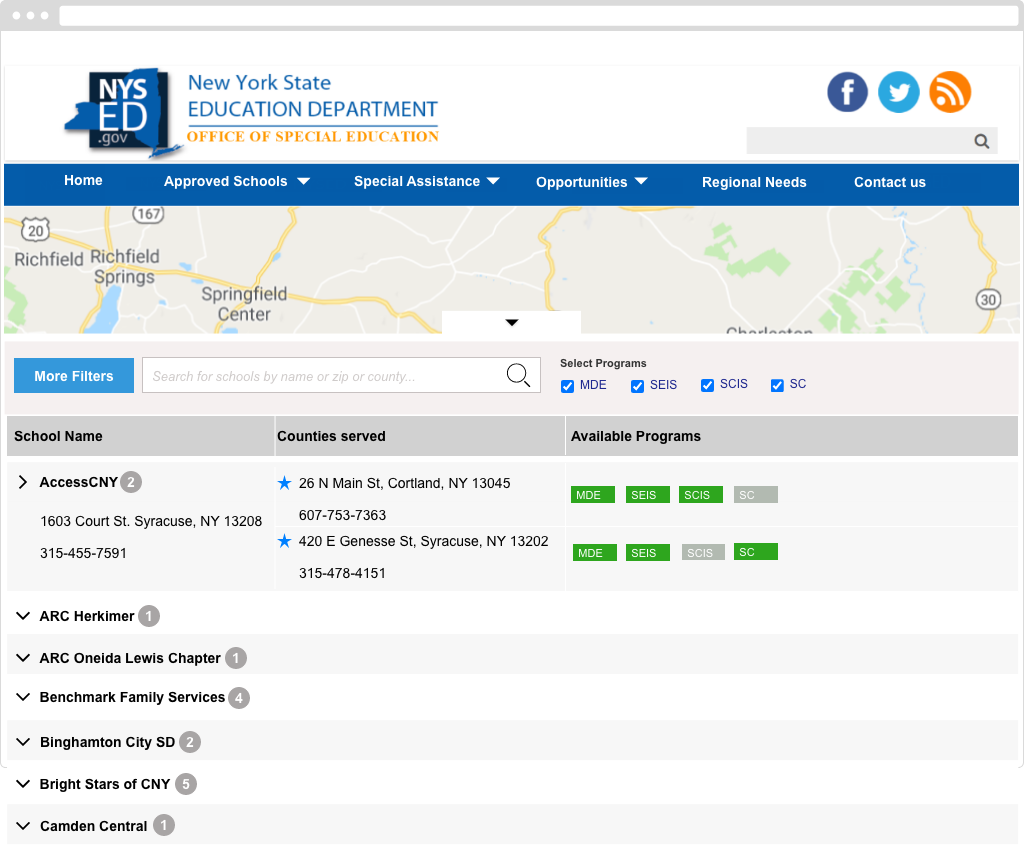
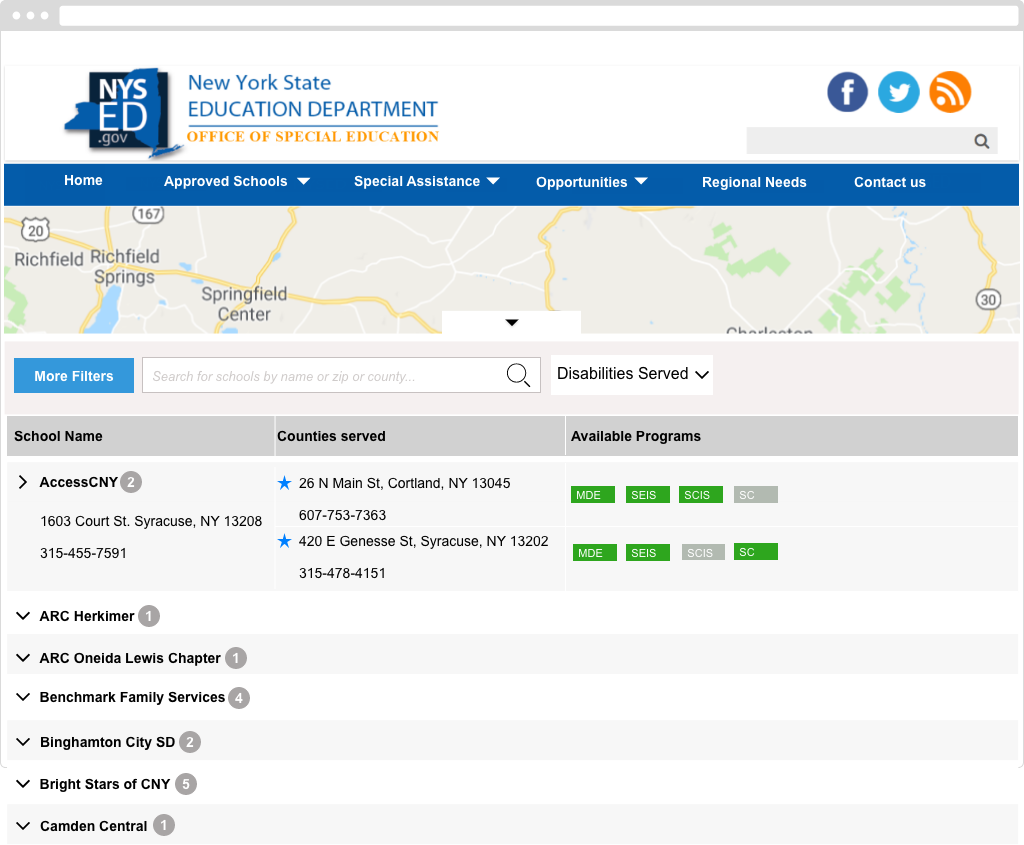
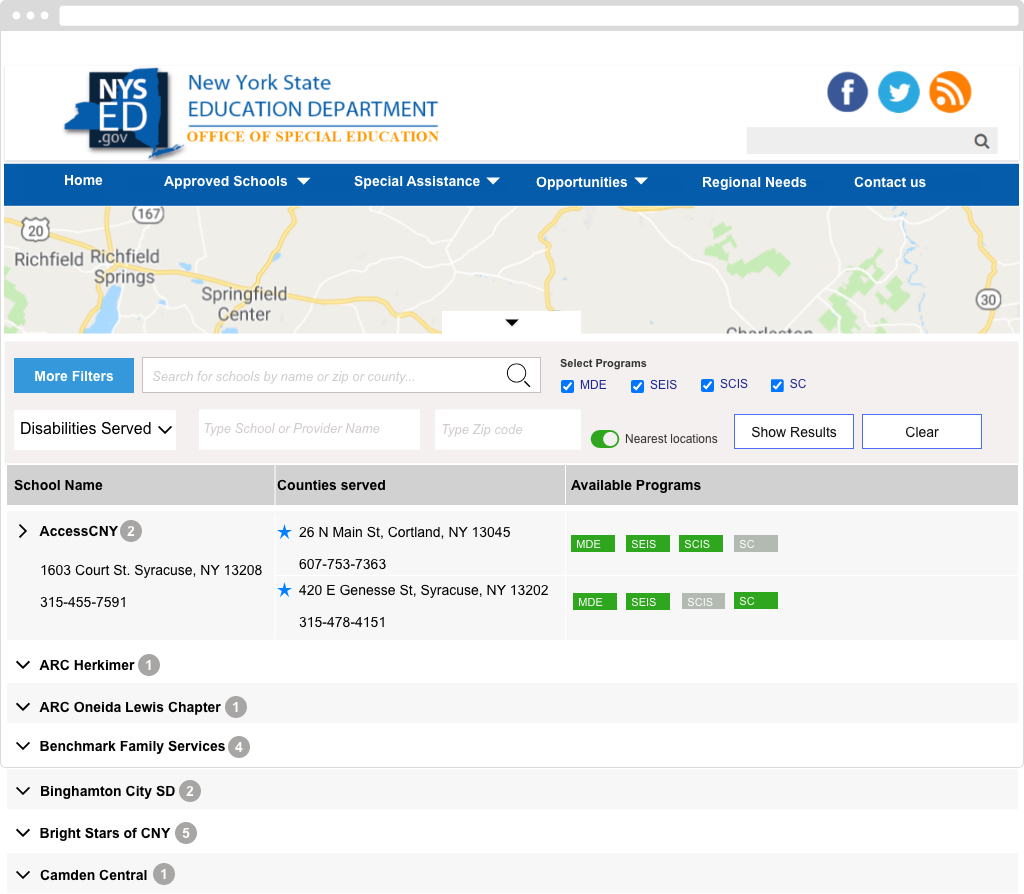
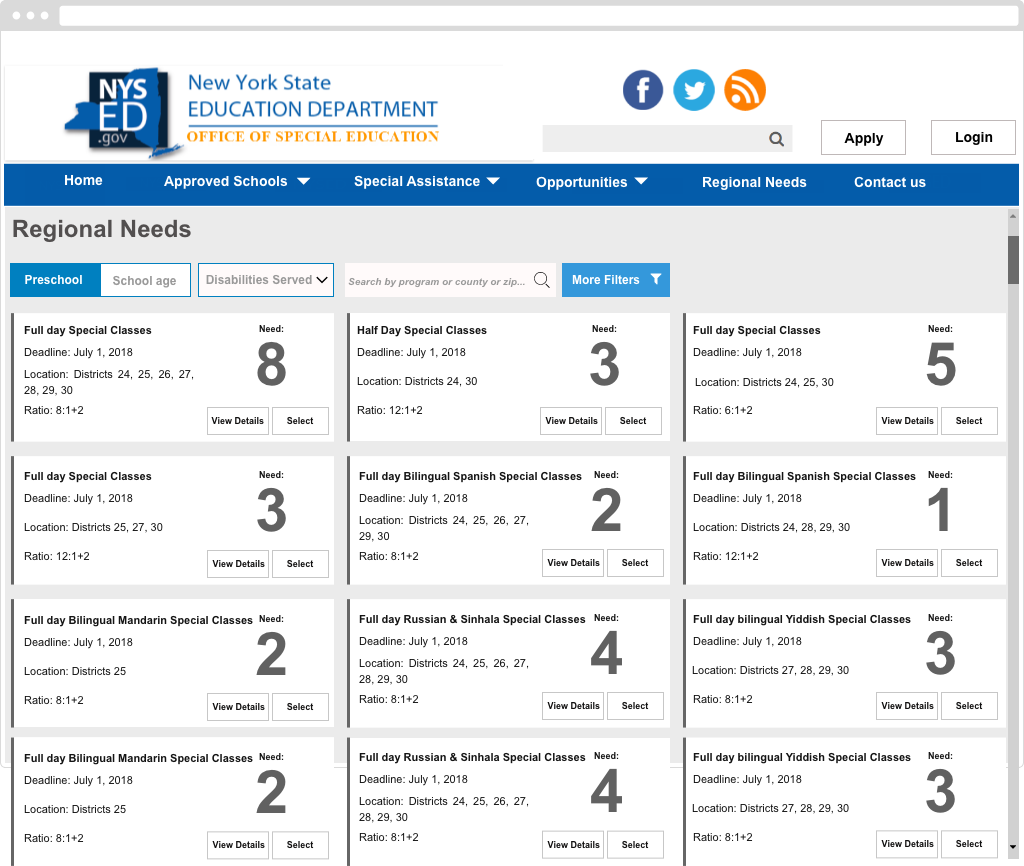
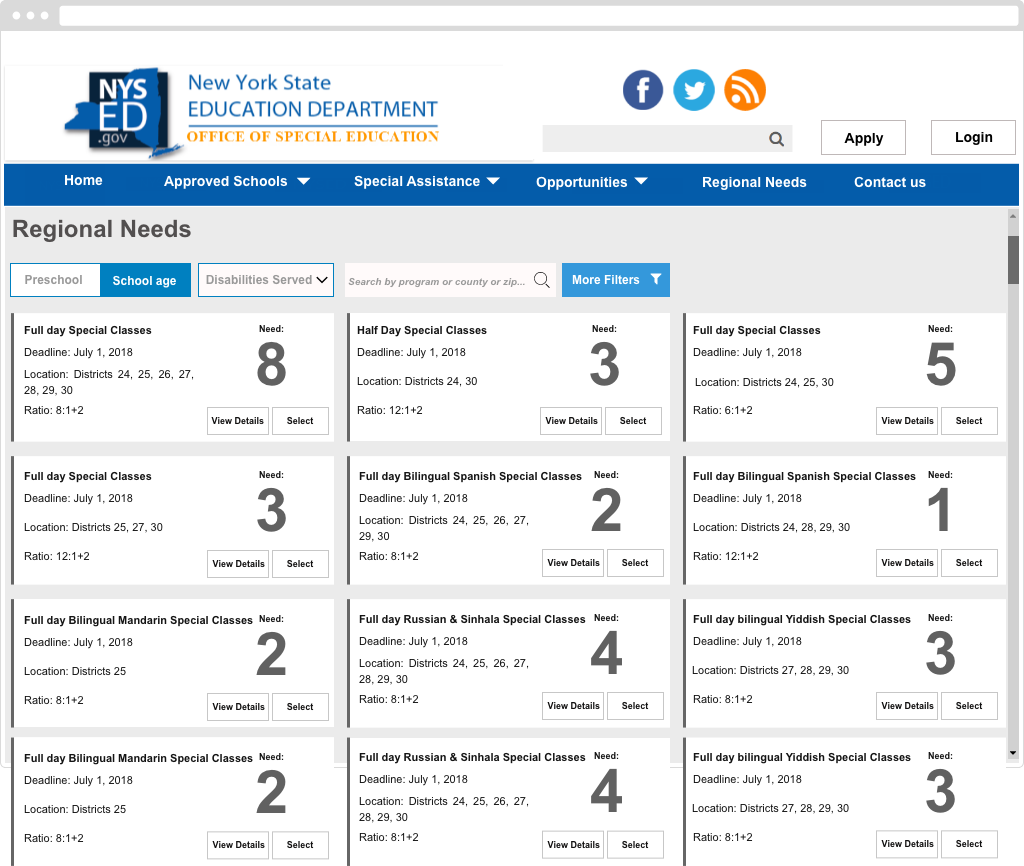
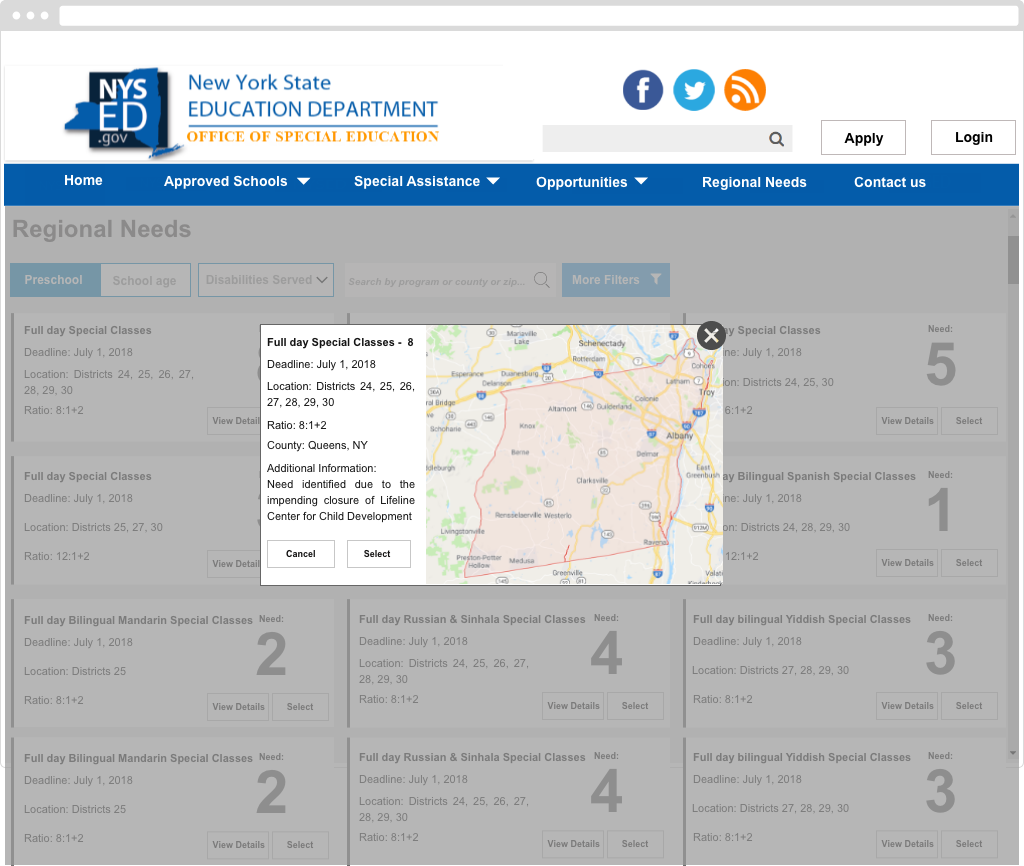
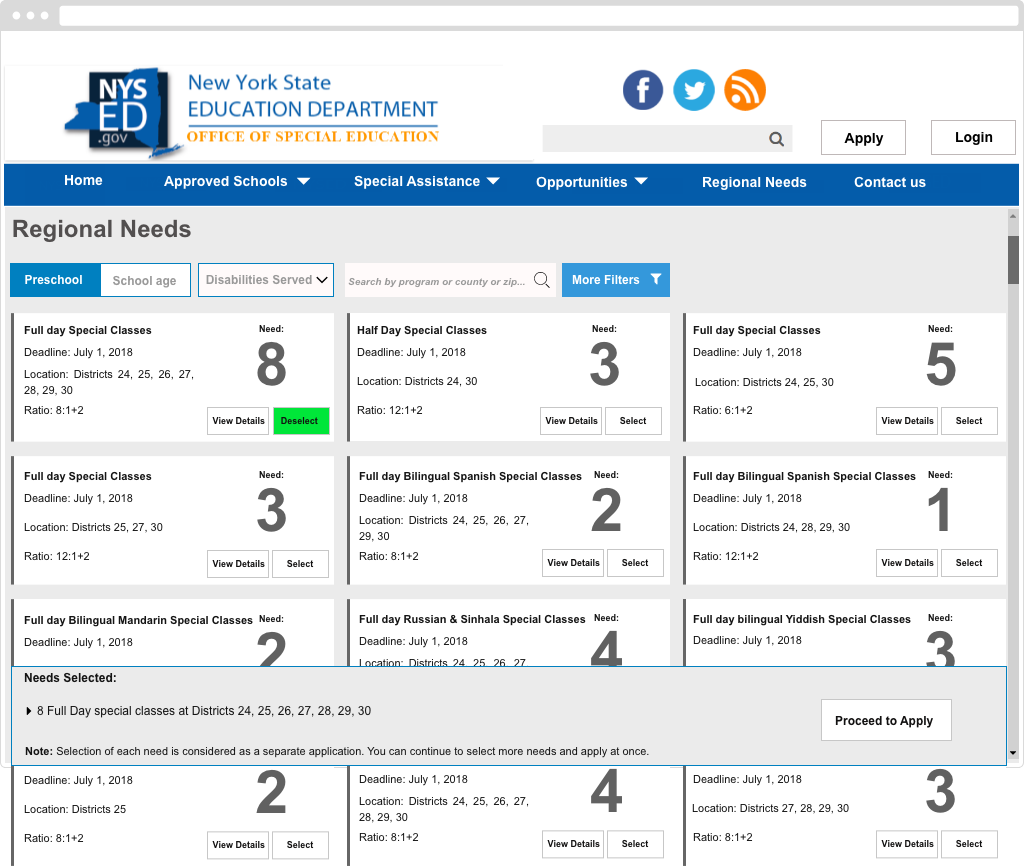
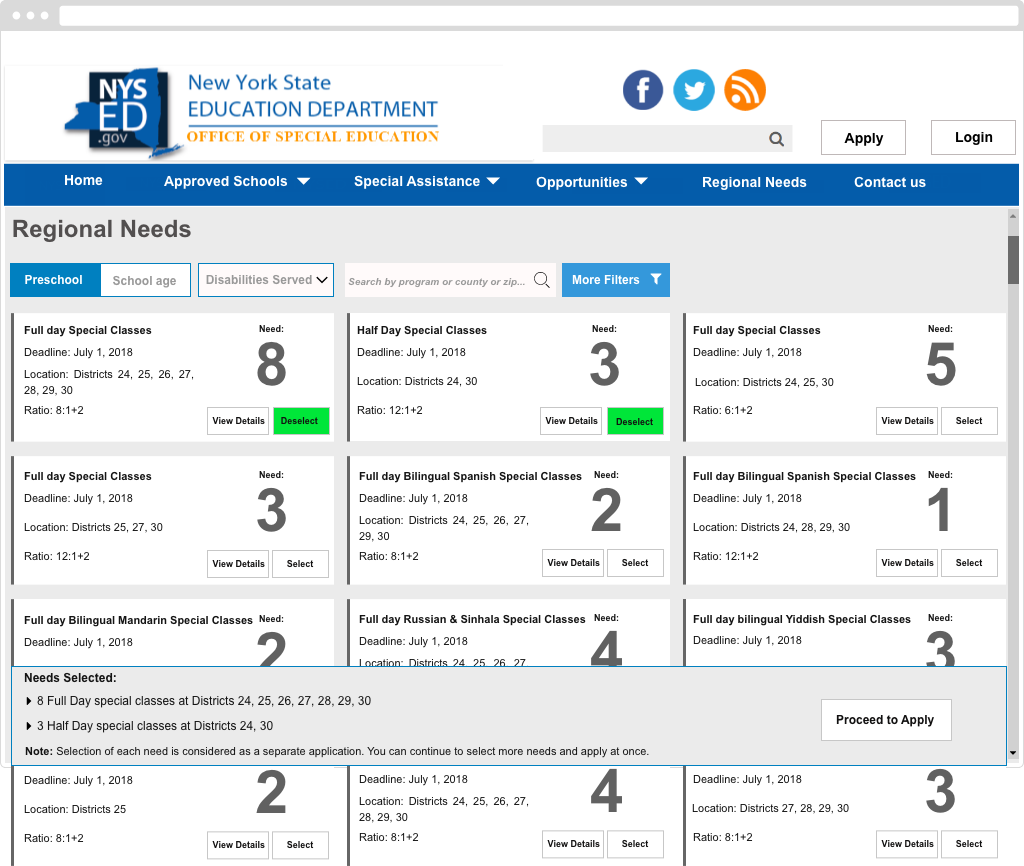
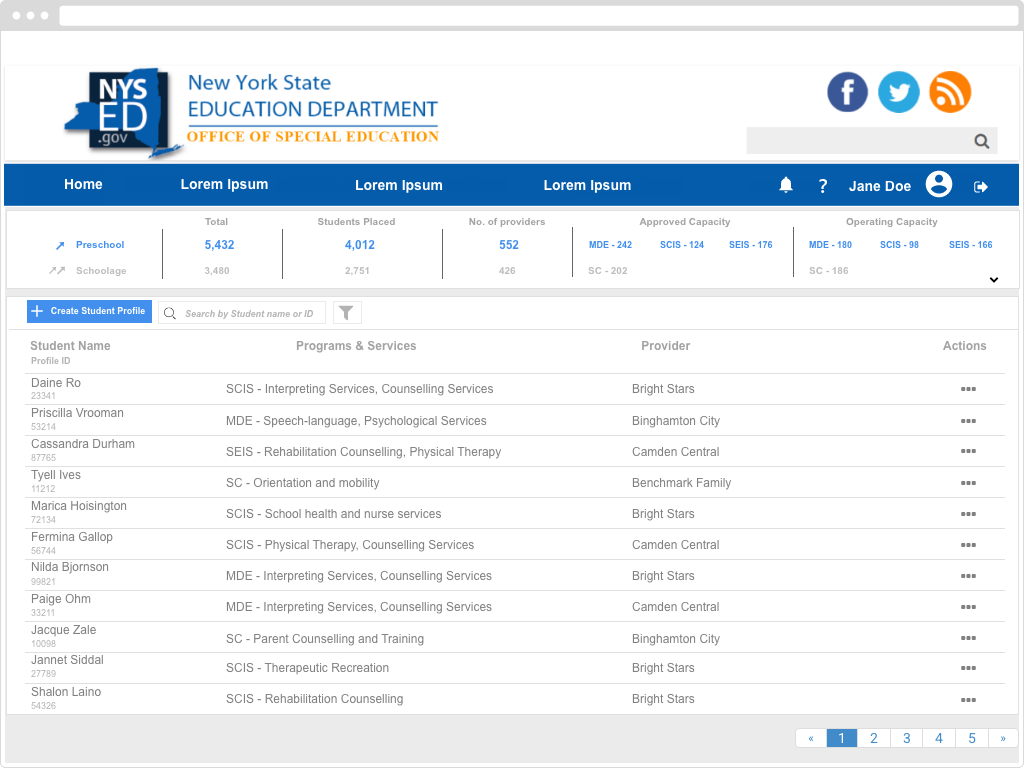
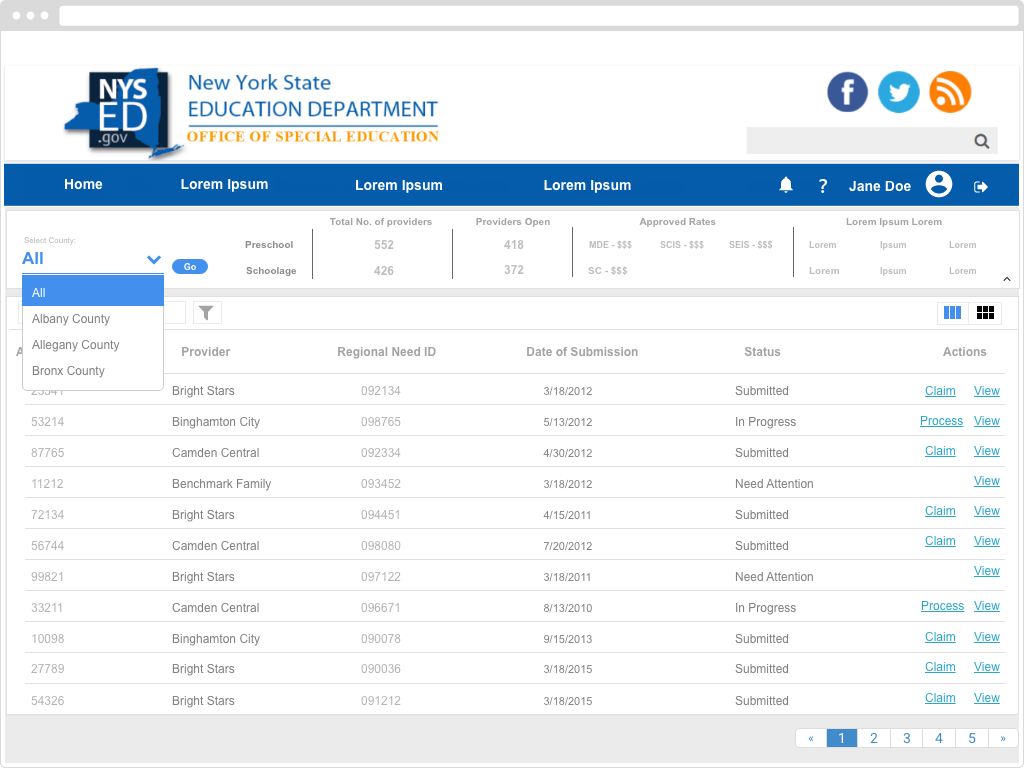
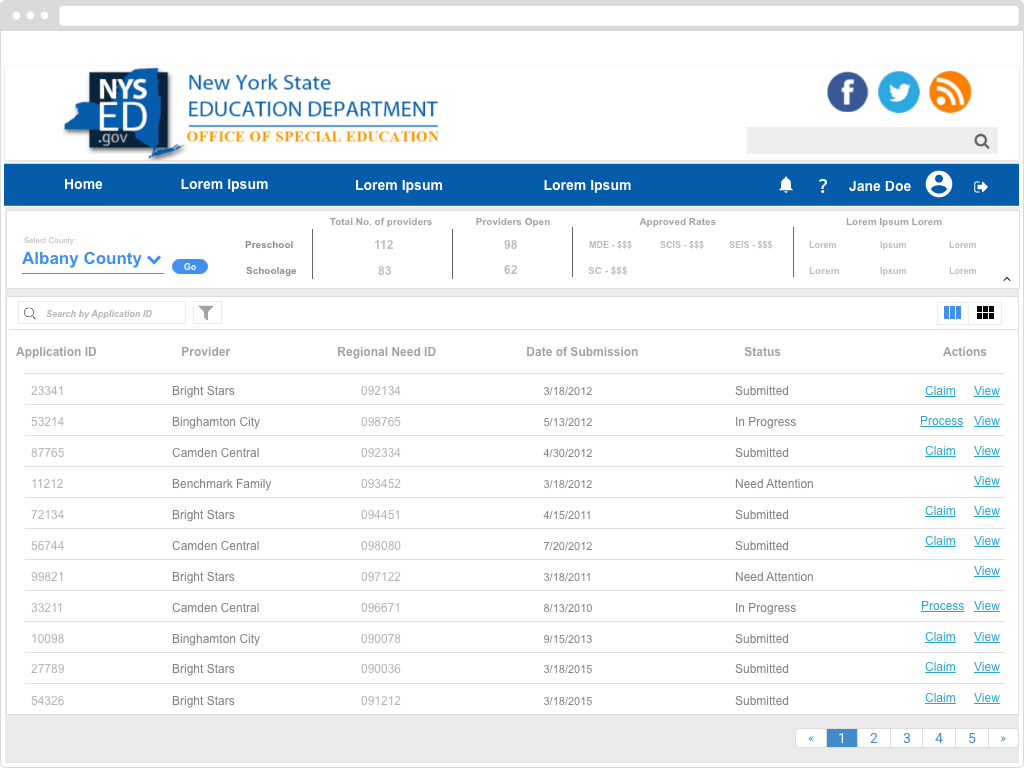
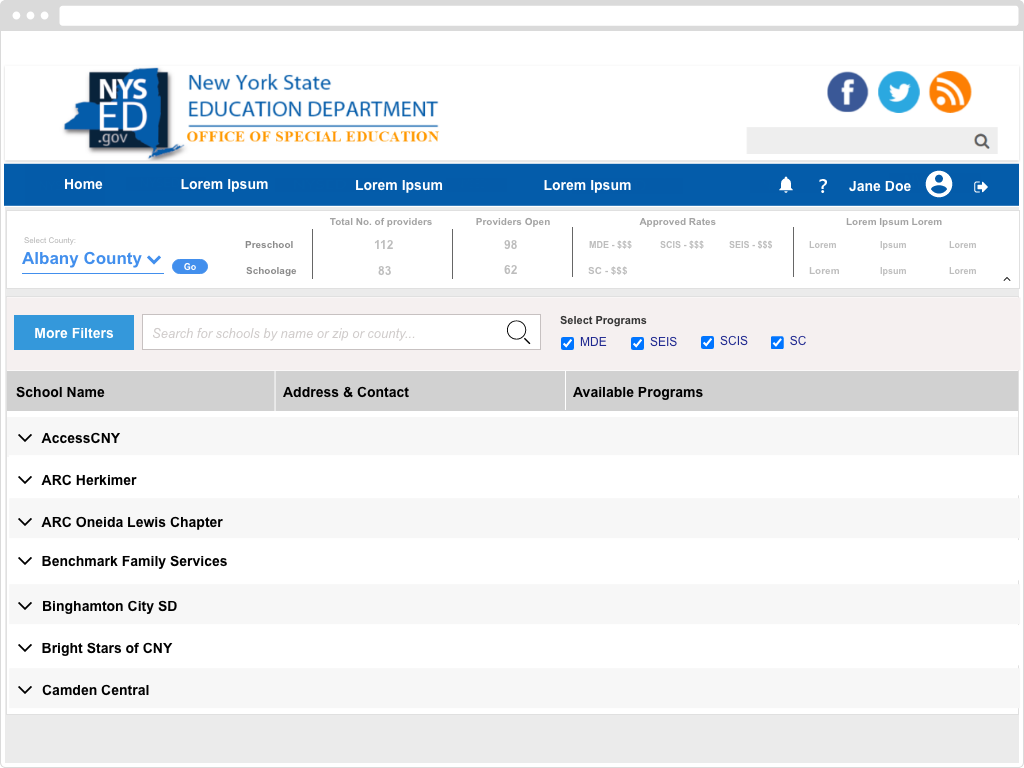
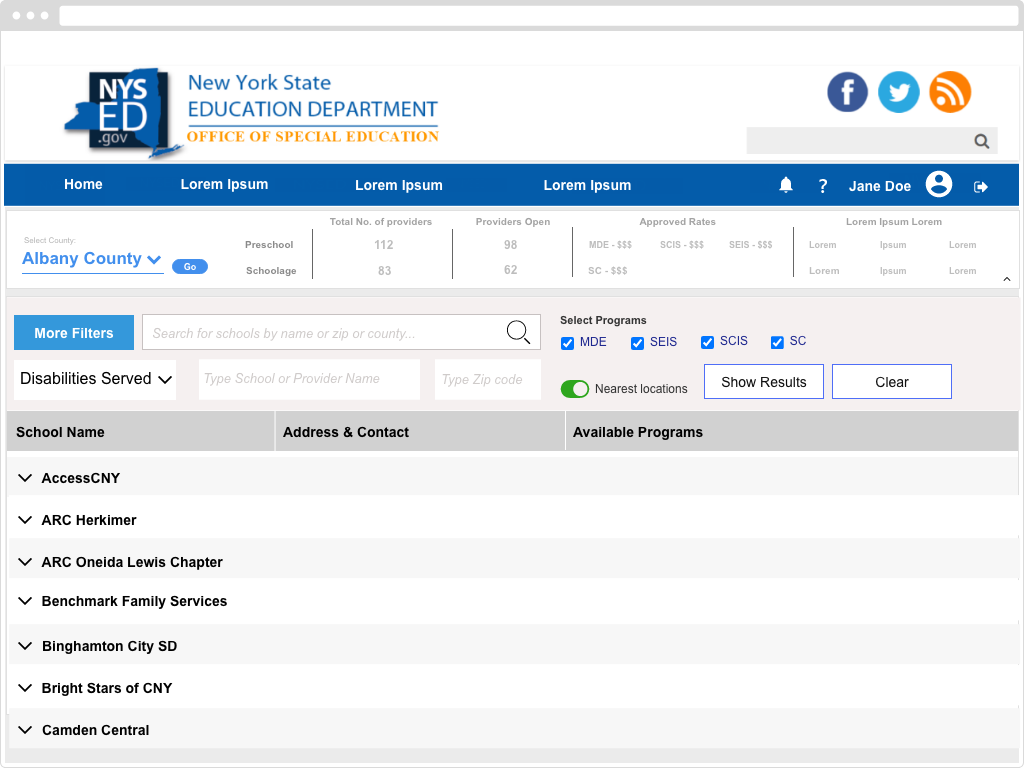
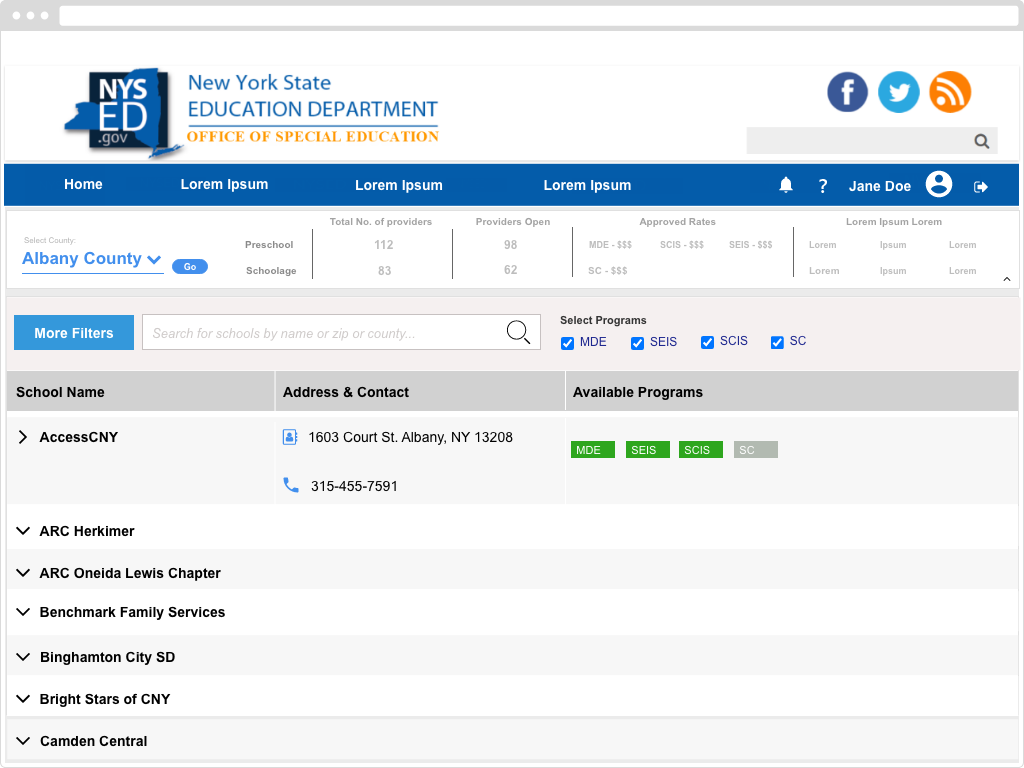
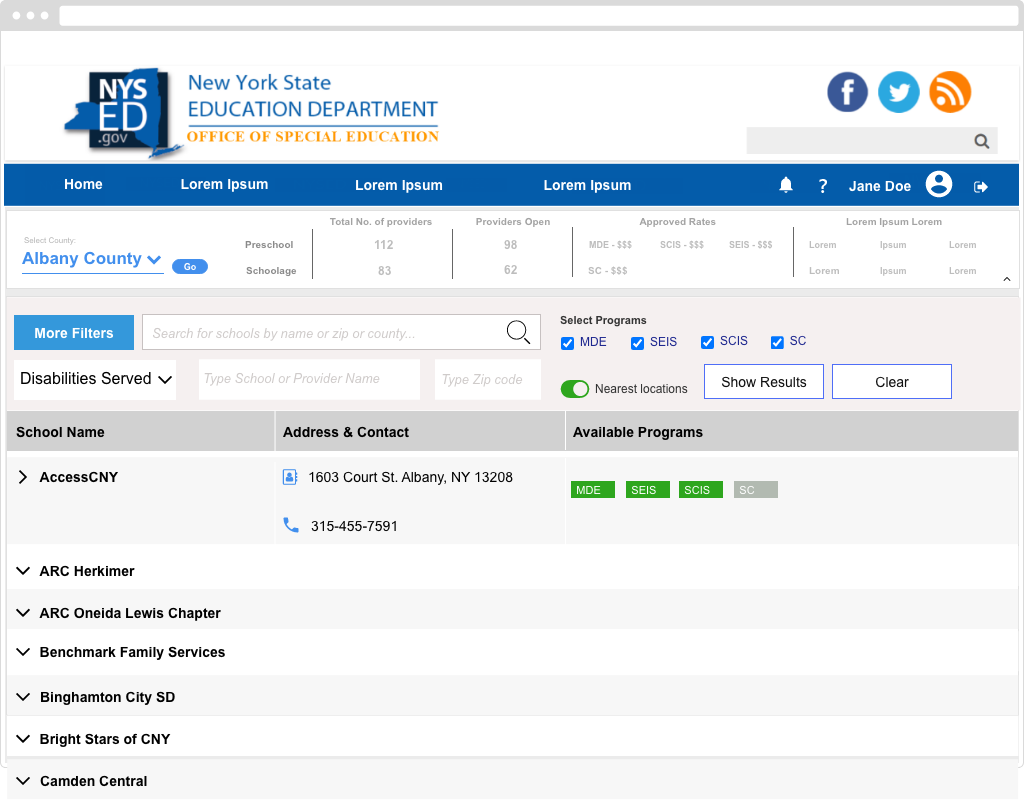
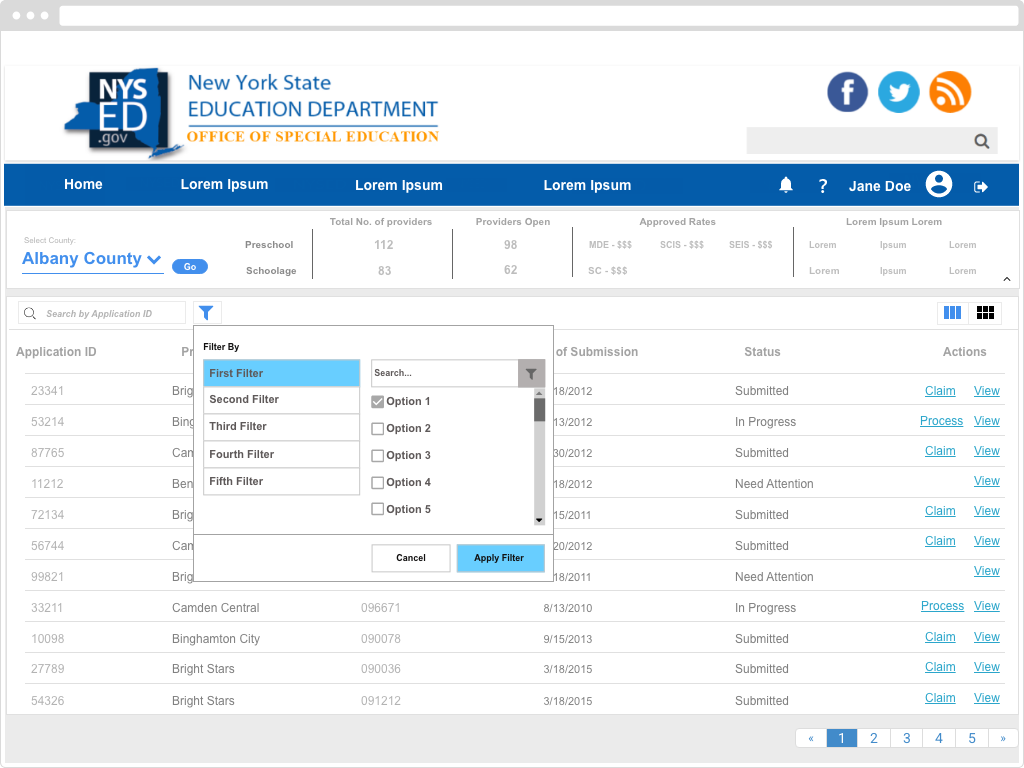
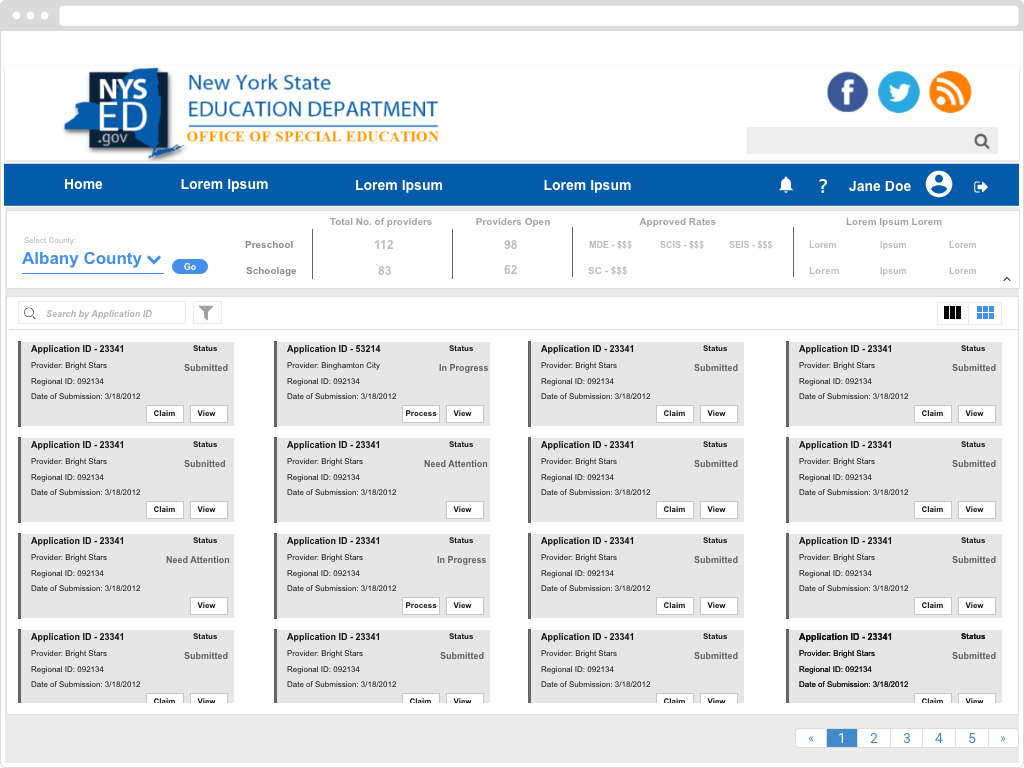
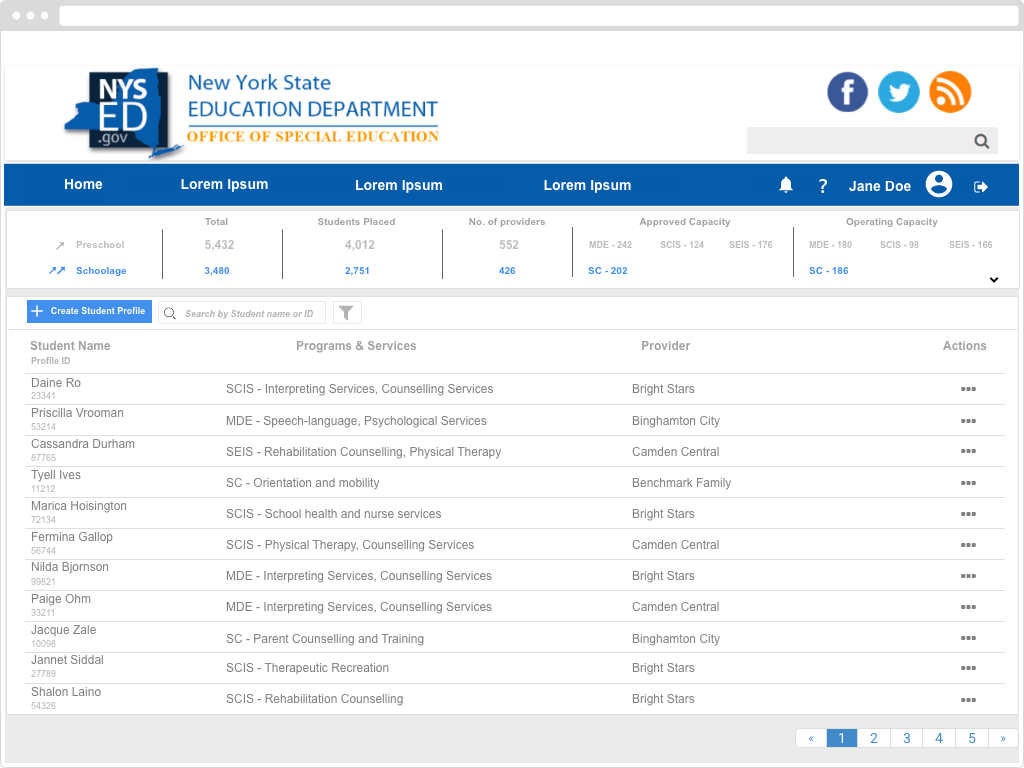
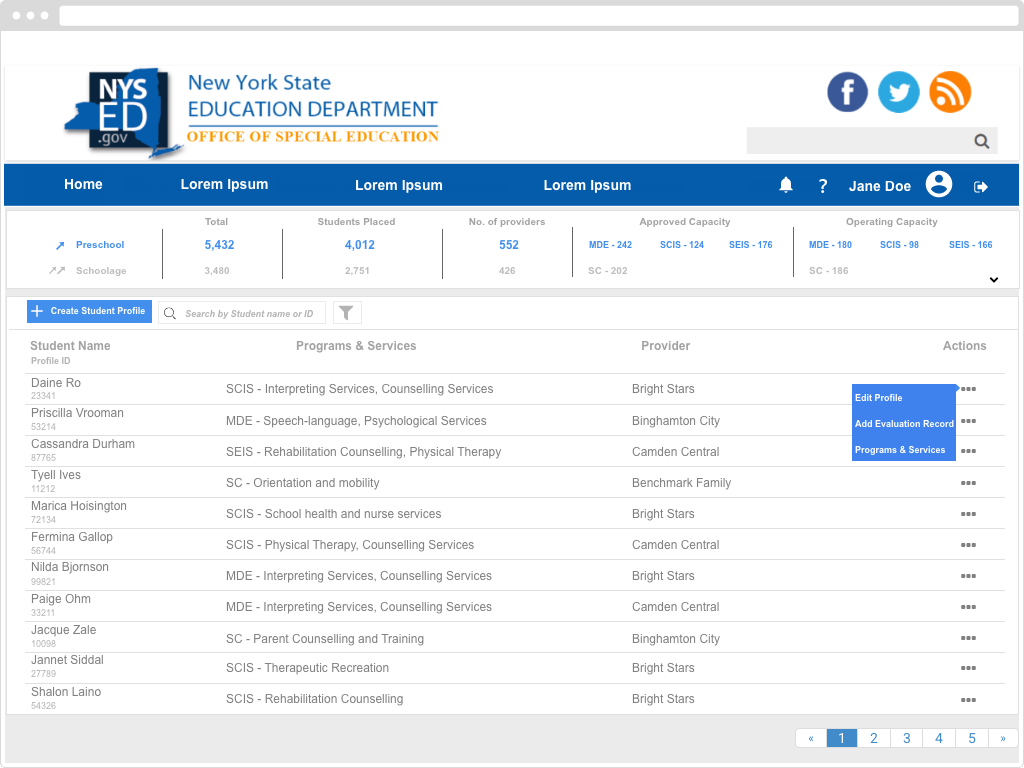
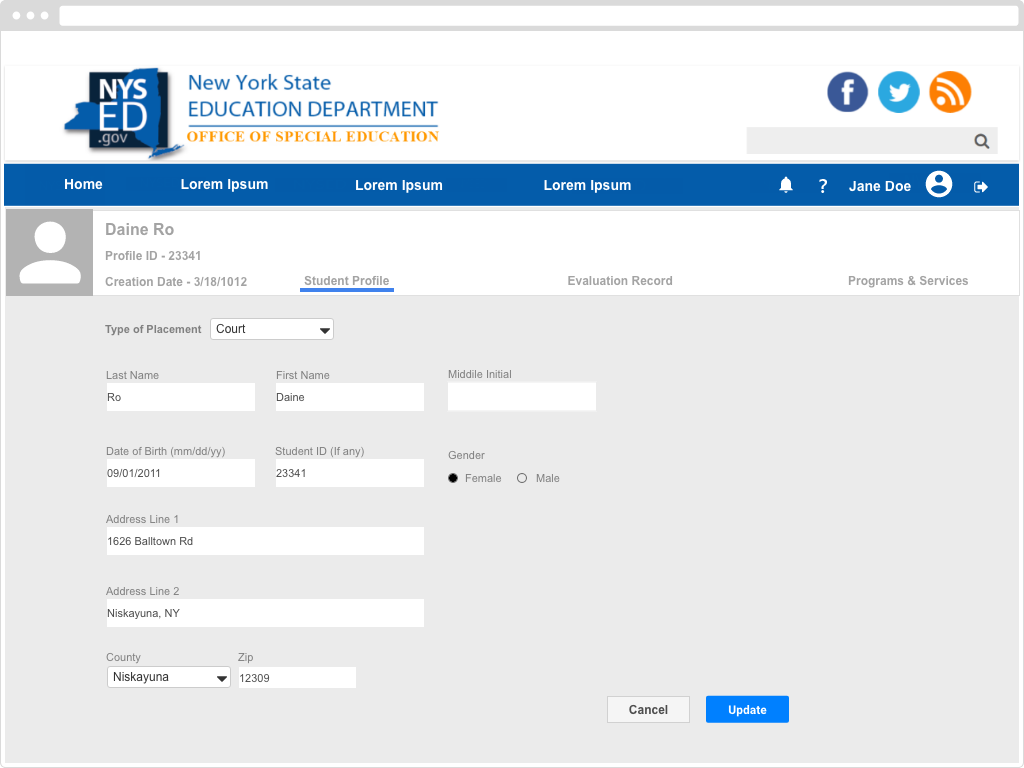
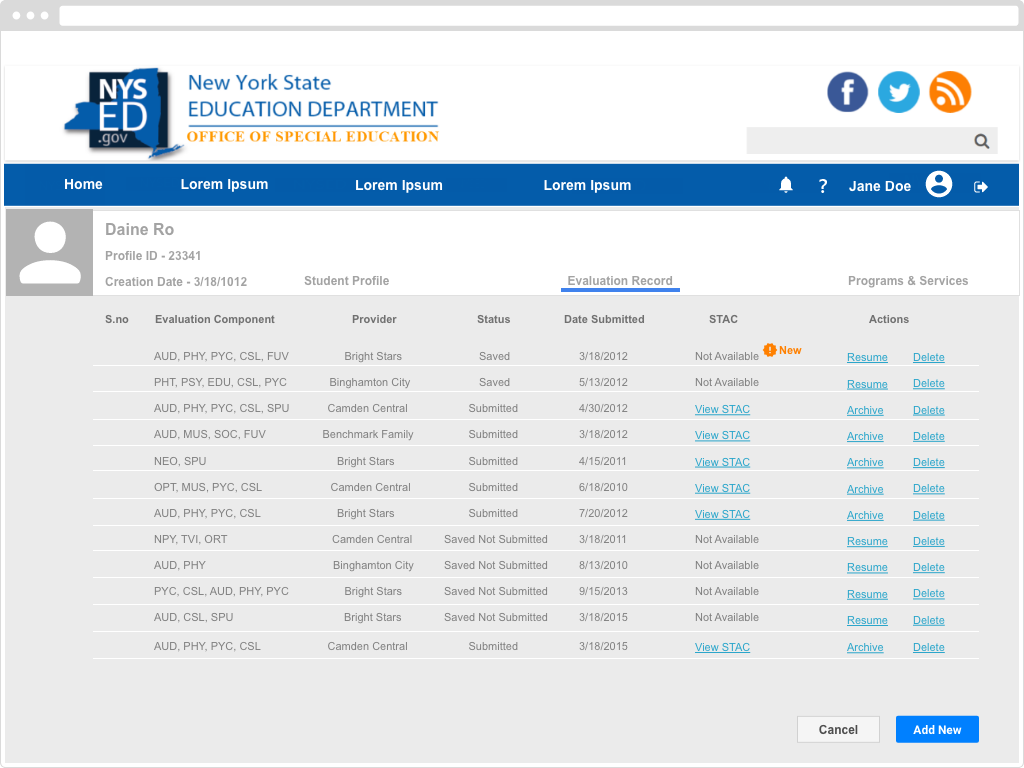
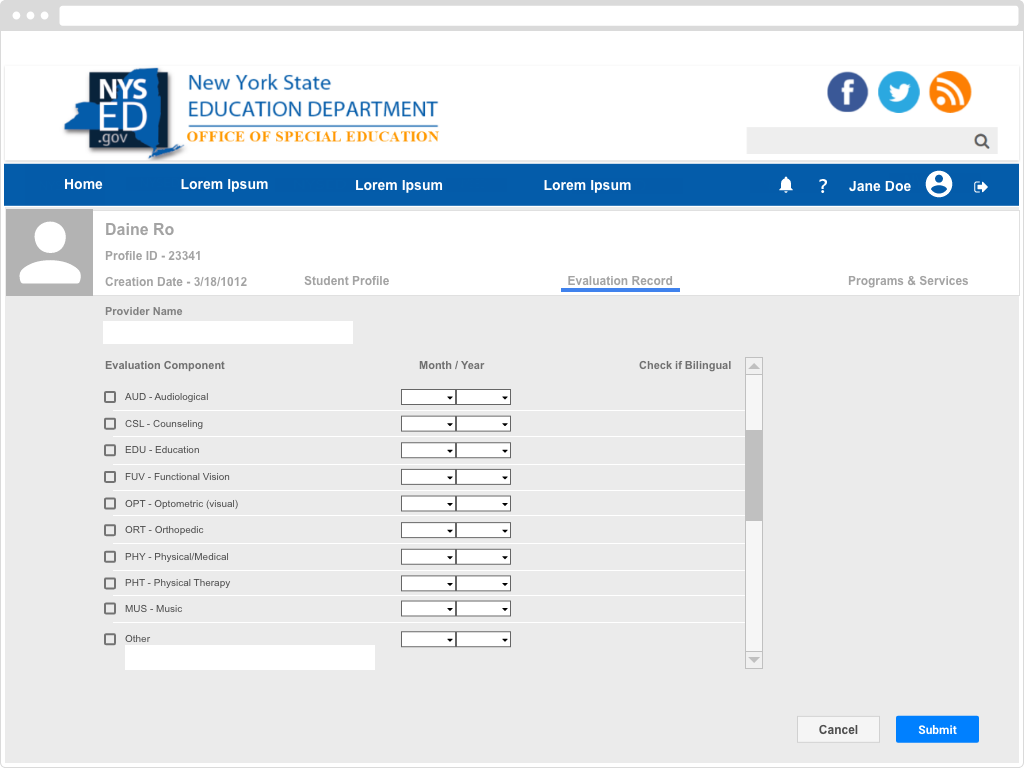
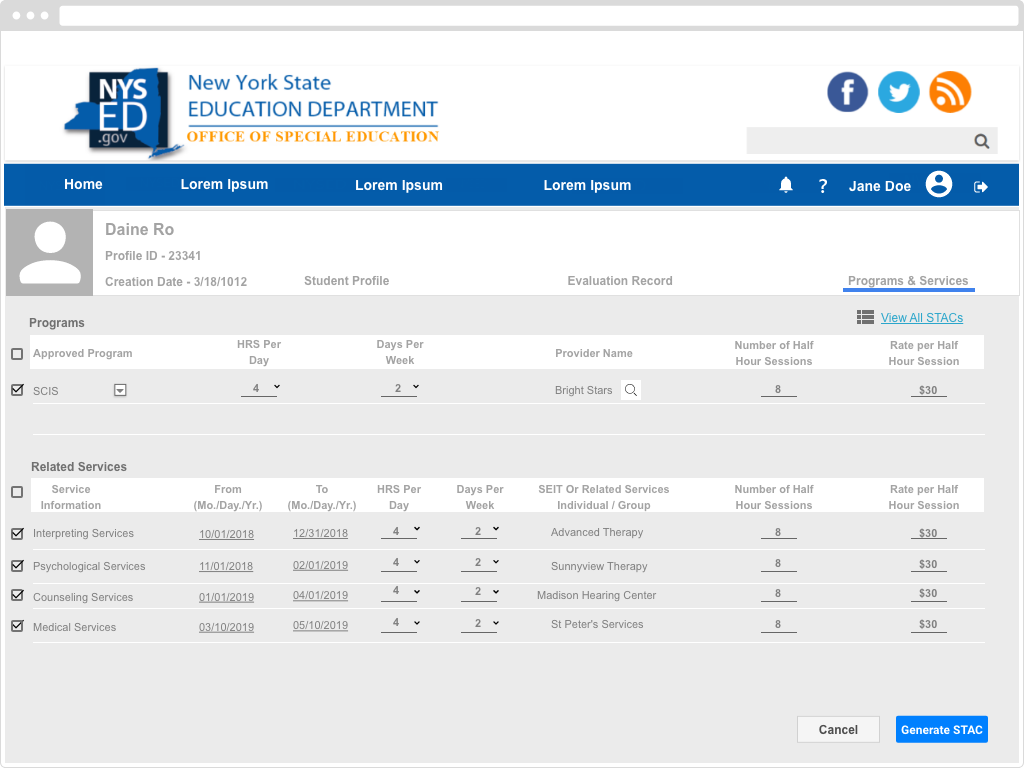
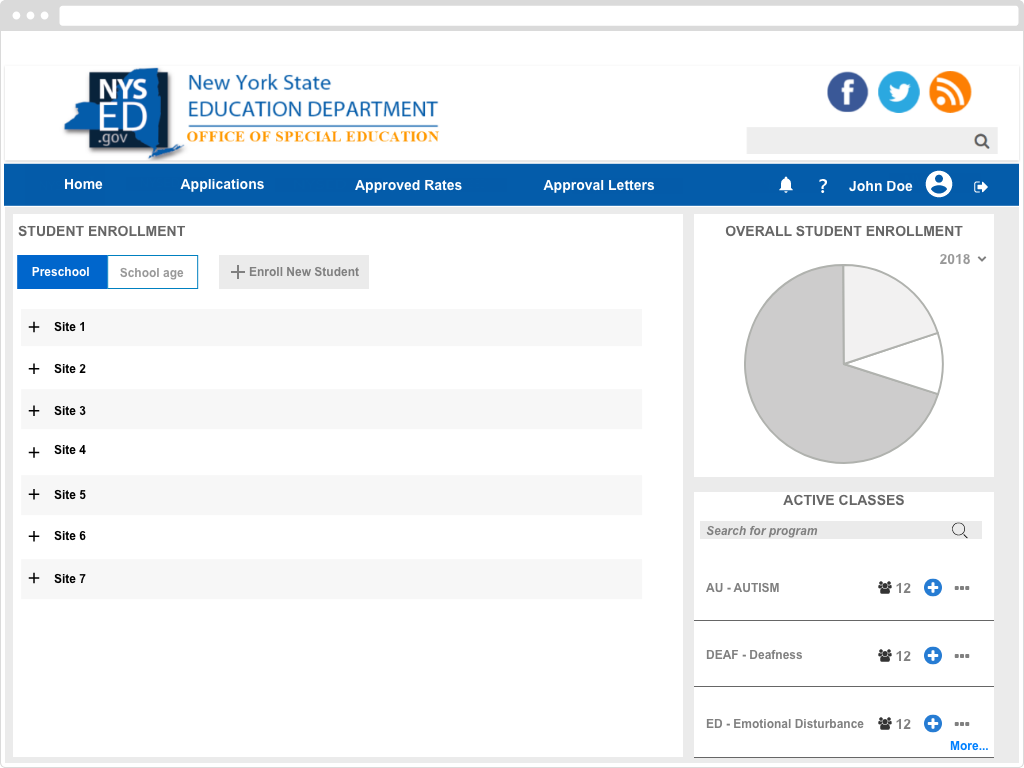
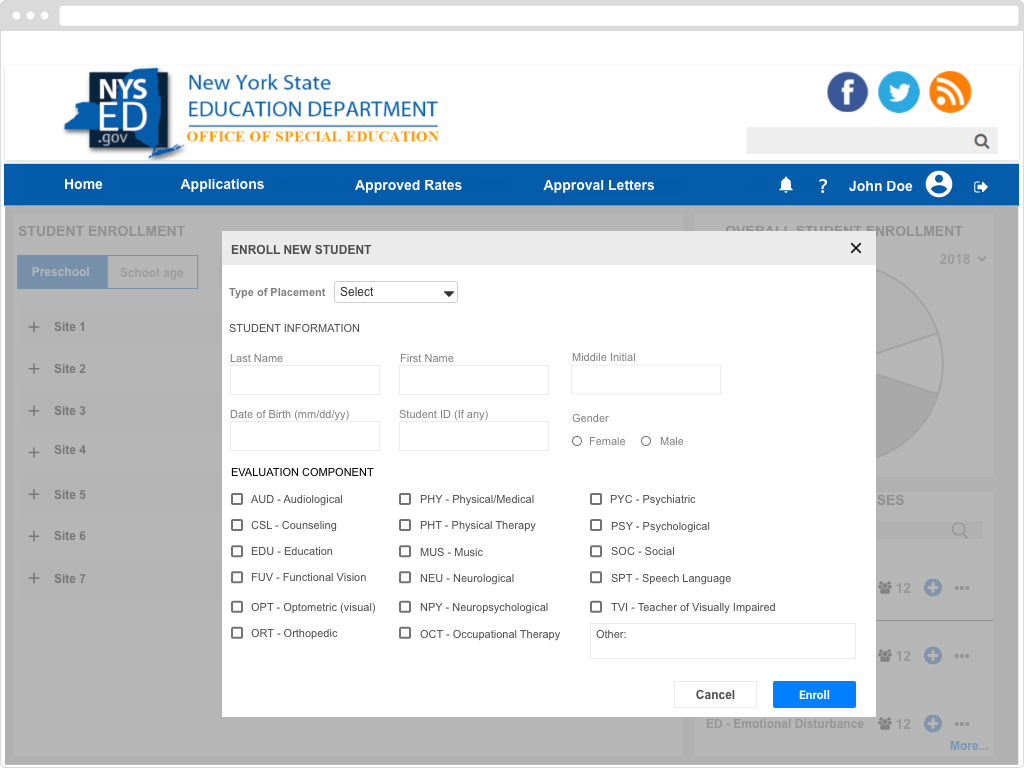
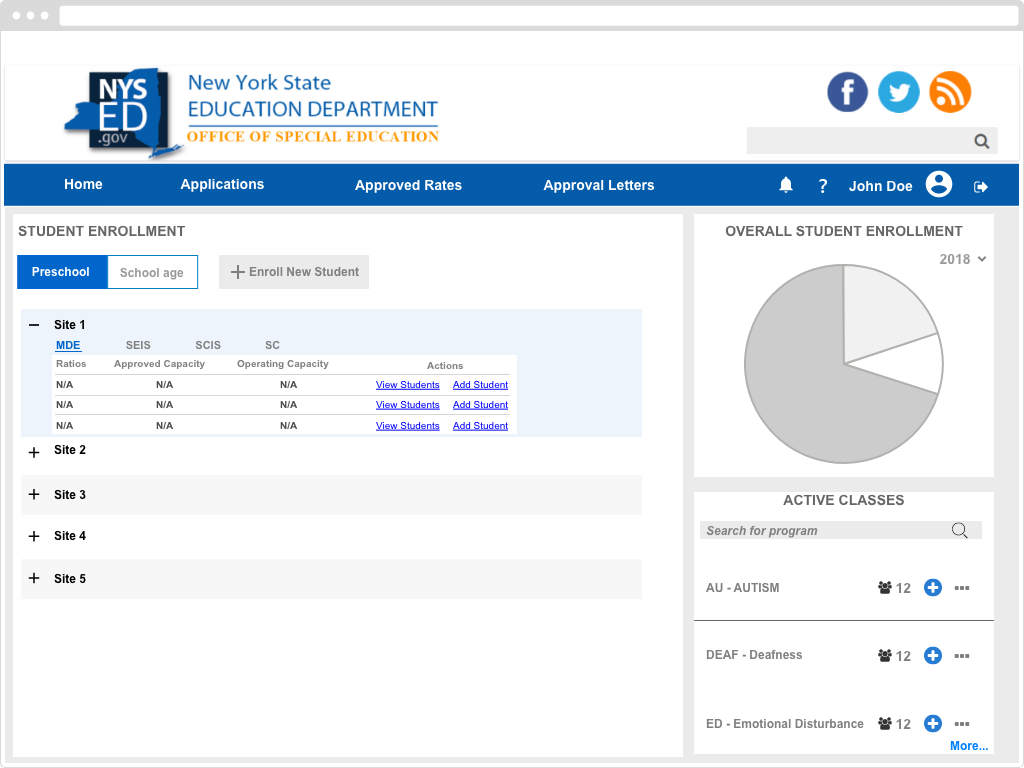
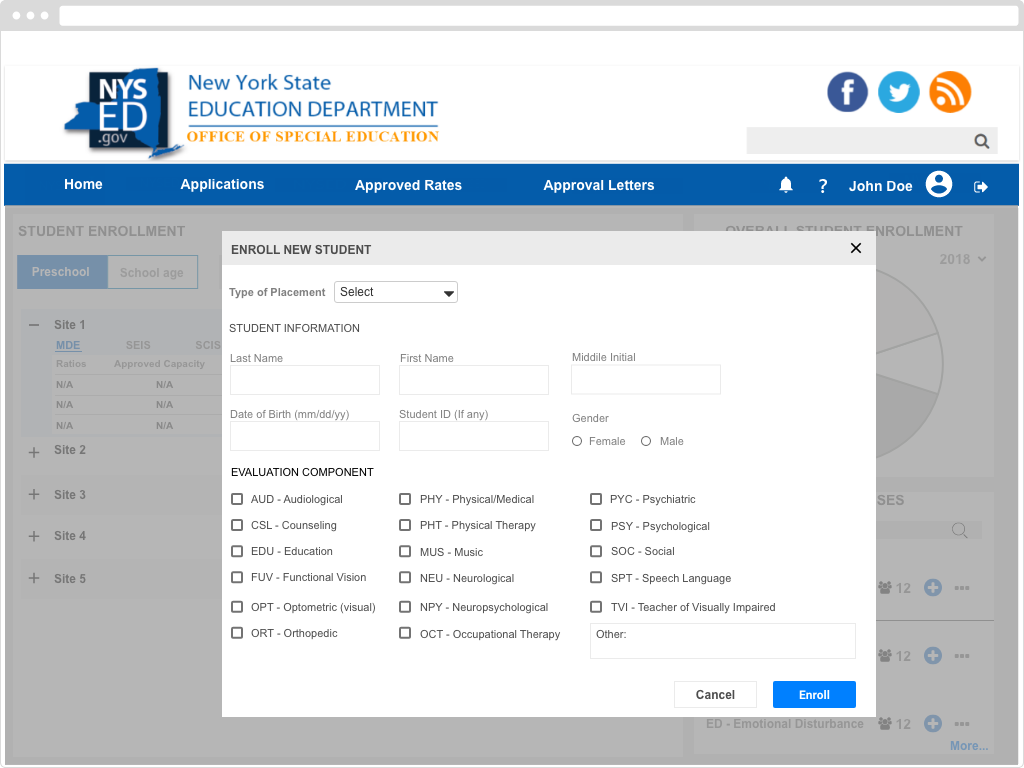
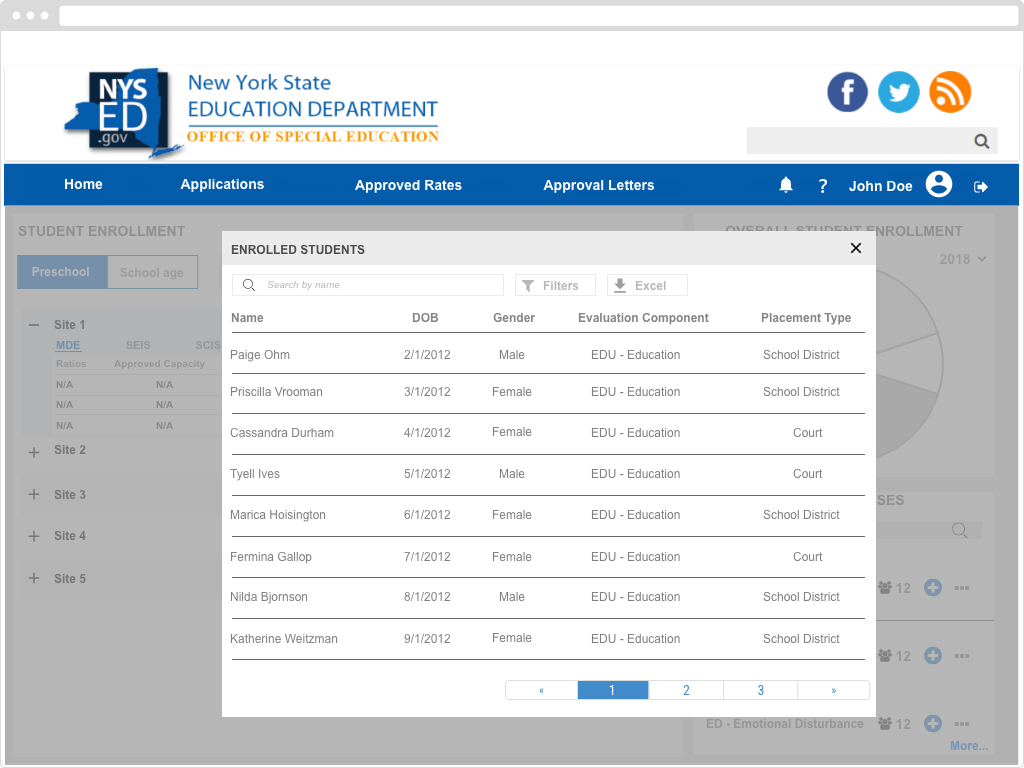
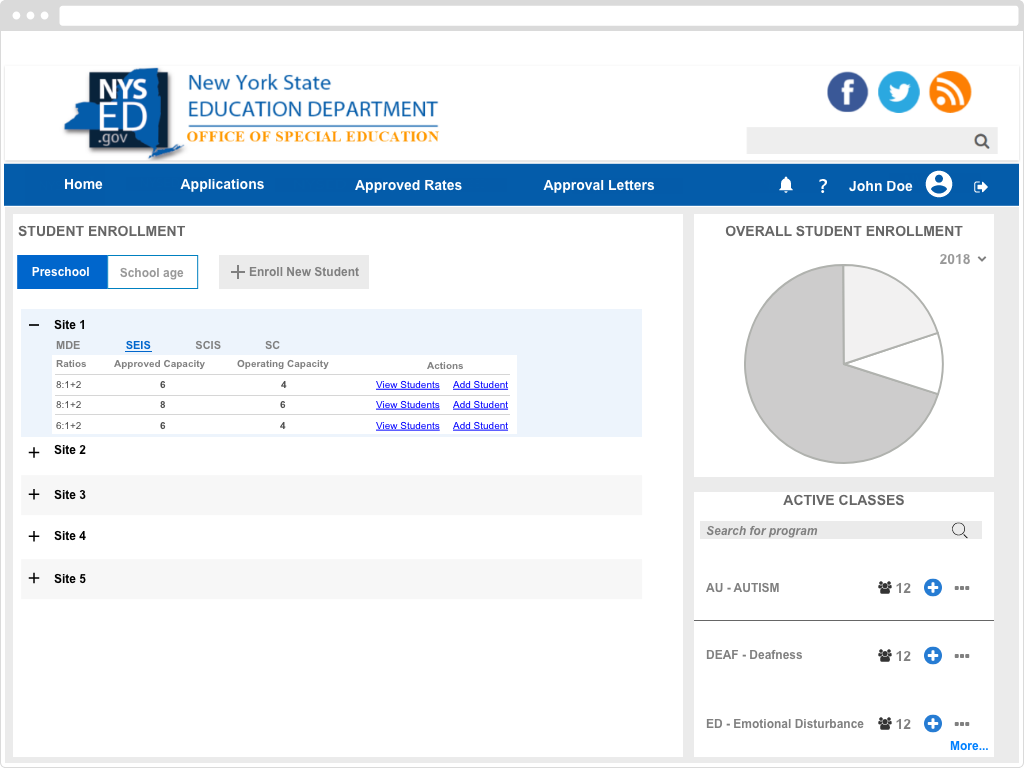
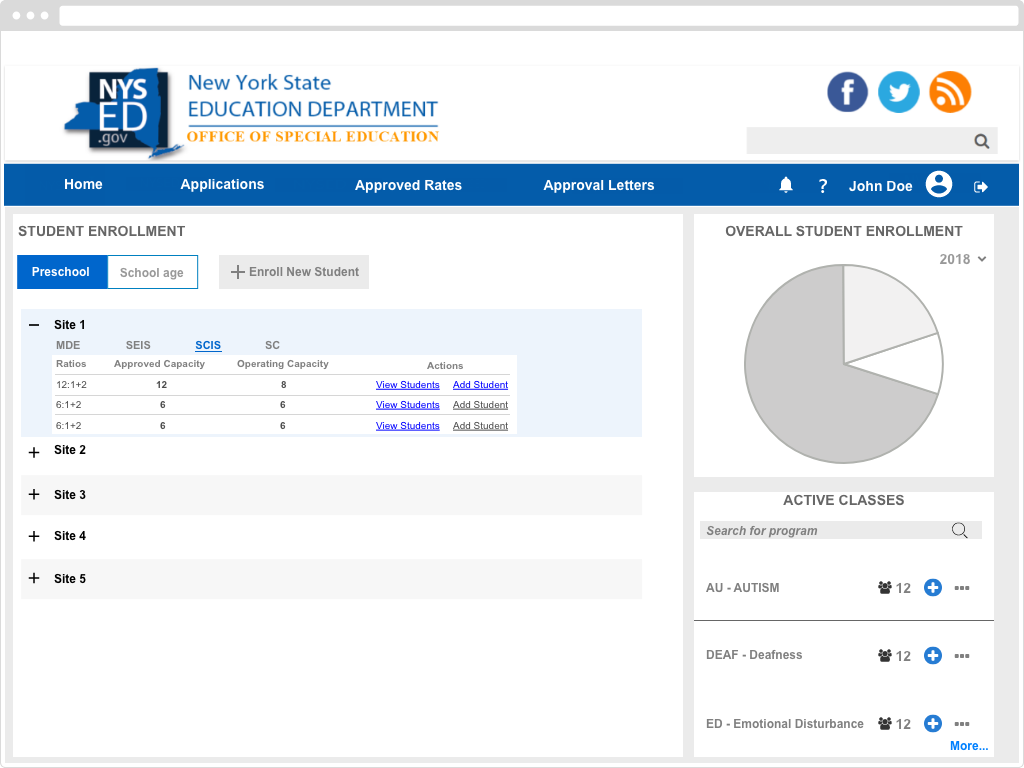
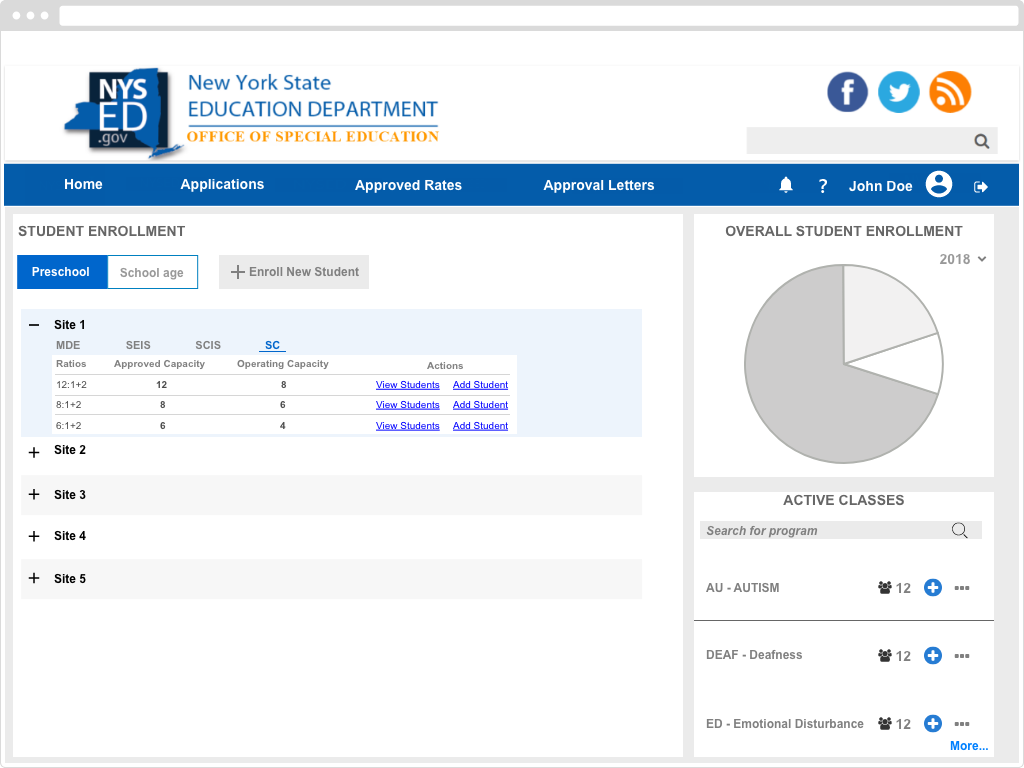
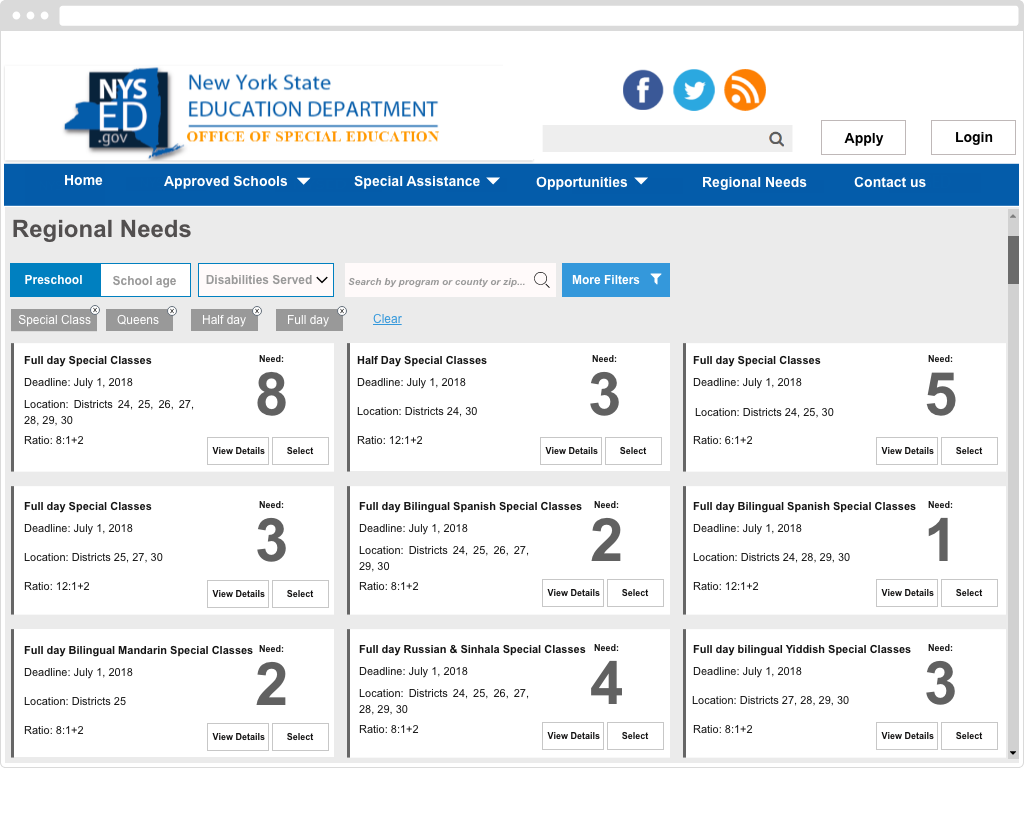
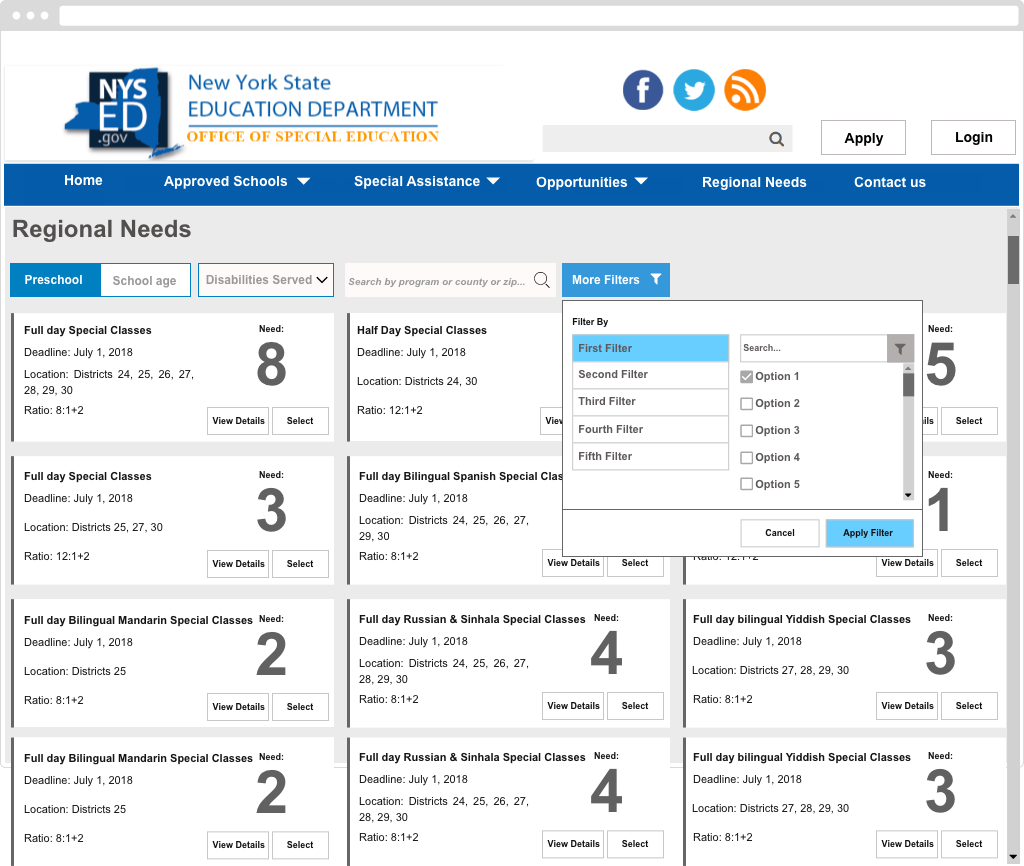
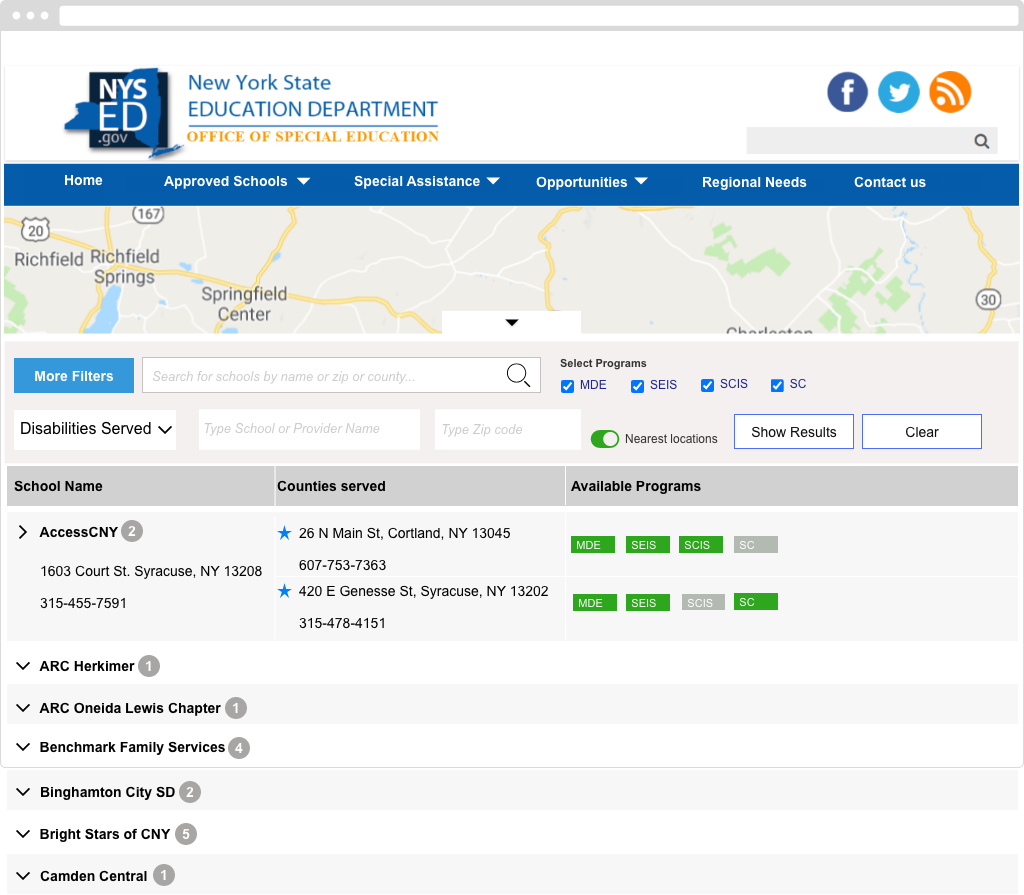
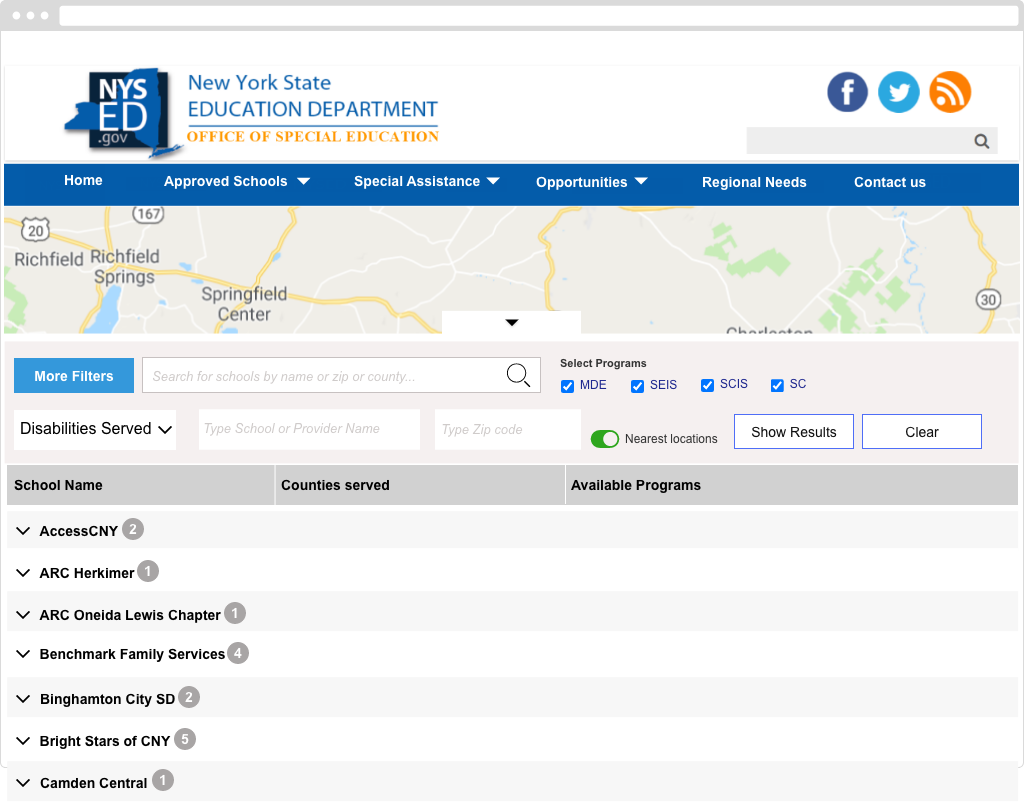
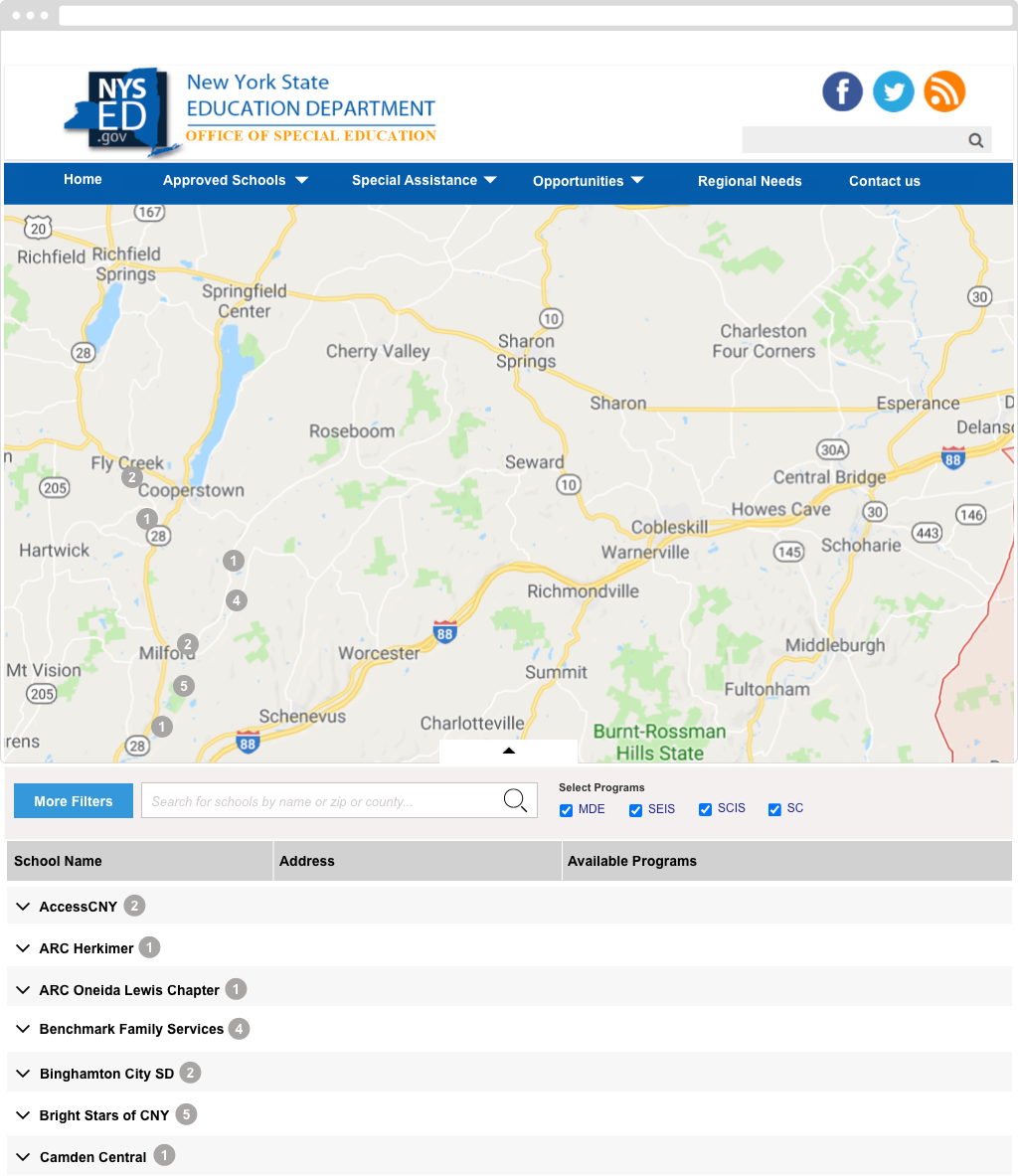
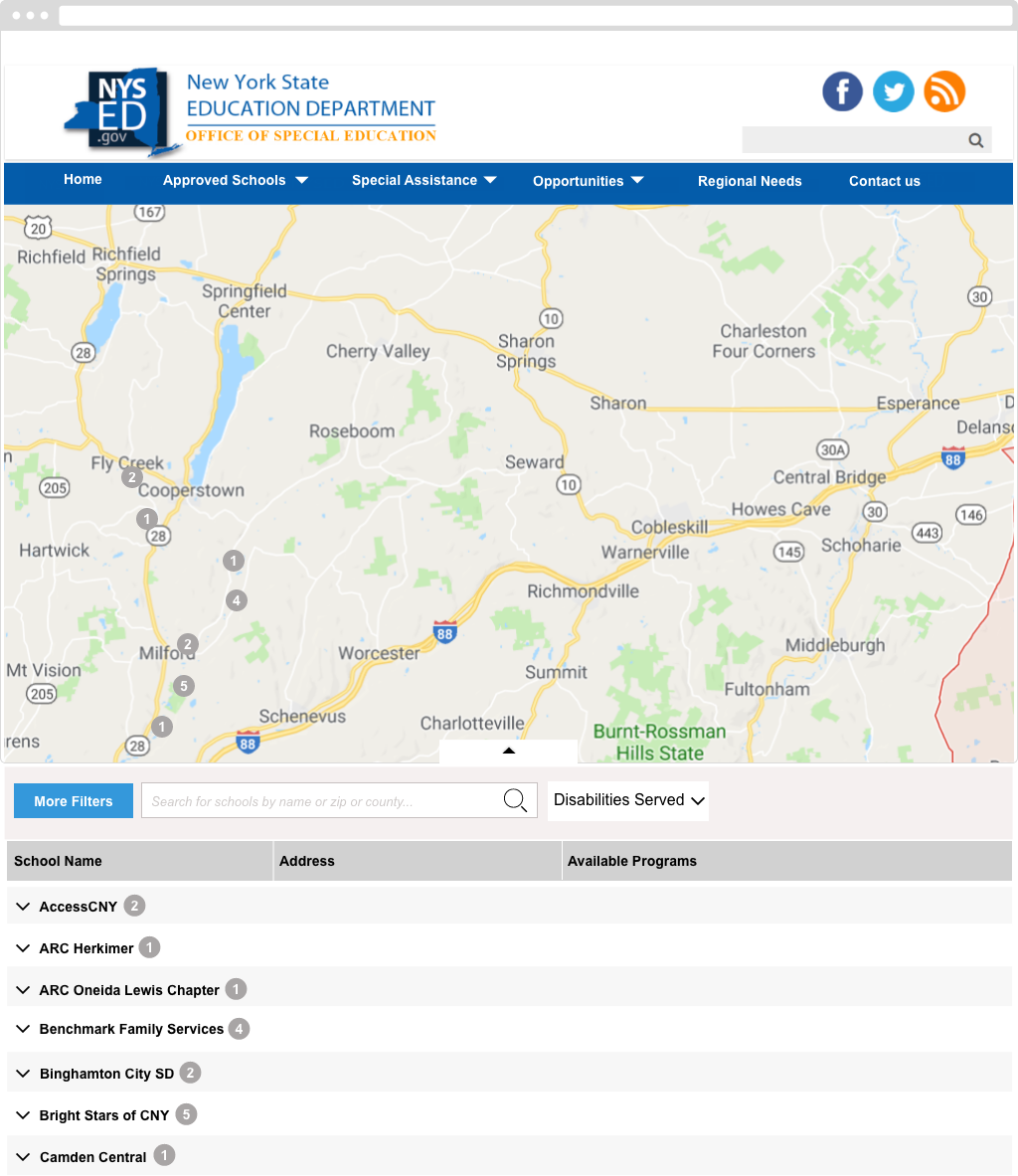
A web application to provide general supervision and monitoring of all public and private schools serving New York State preschool and school-age students with disabilities. The portal is aimed to establish a broad network of technical assistance centers and education providers to work directly with parents and school districts to provide current information and high quality professional development and technical assistance to improve results for students with disabilities.

Users:

NYSED Special Ed Staff, Special Education Providers across the state of NY, School Districts across the state of NY and General Public (which includes all the above users)

UX Activities:

Stakeholder Interviews, Scenario Development, Design Collaborations, Design Research, Information Architecture, Interaction Design, Low Fidelity- sketches, High Fidelity Interactive Designs.

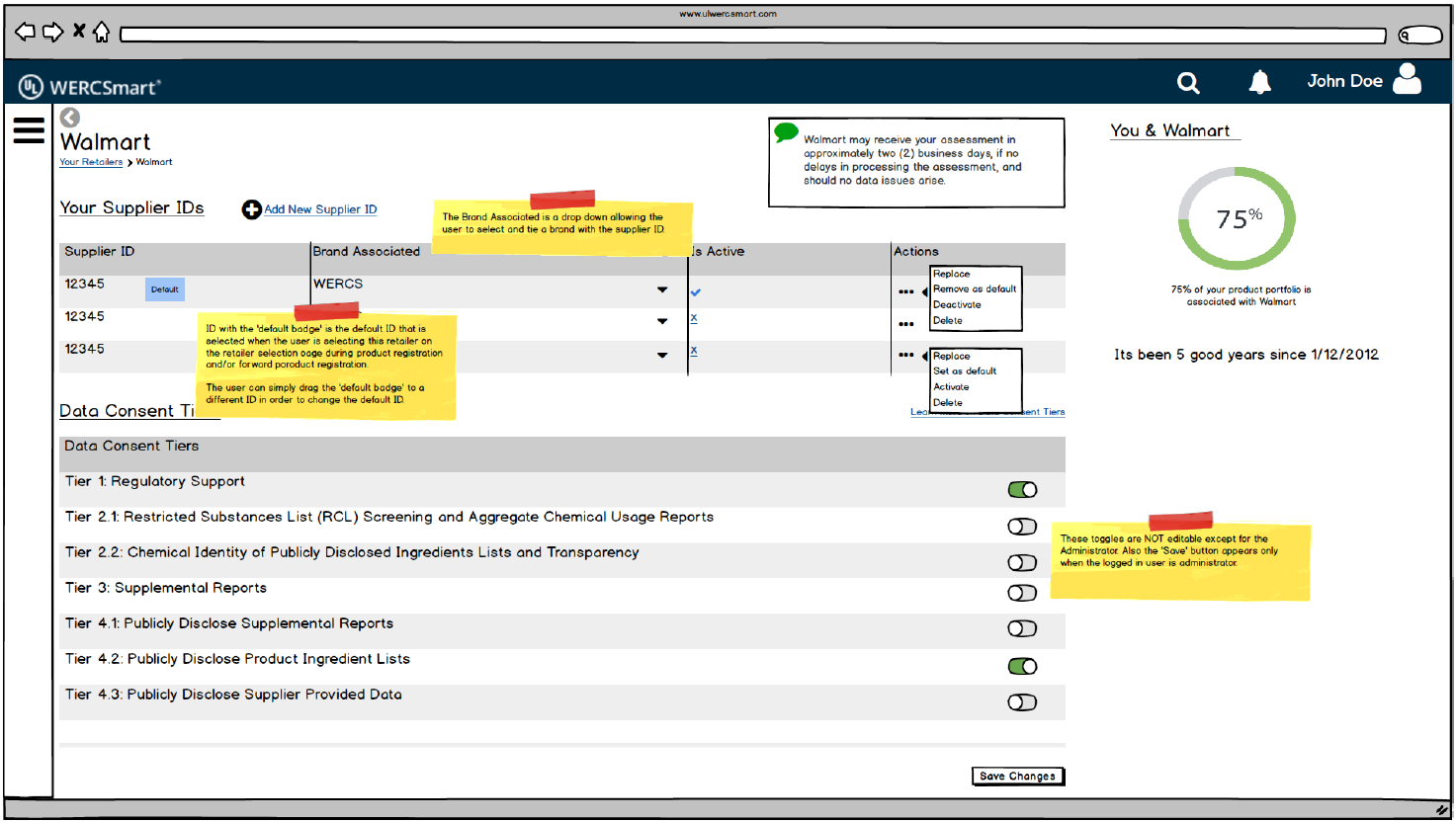
WERCSmart – Retail Product Compliance

PDF
PDF
PDF
PDF
PDF
PDF
PDF
PDF
  • Created by: Vivekananda Kondapalli
  • Skills: Balsamiq

Project Brief

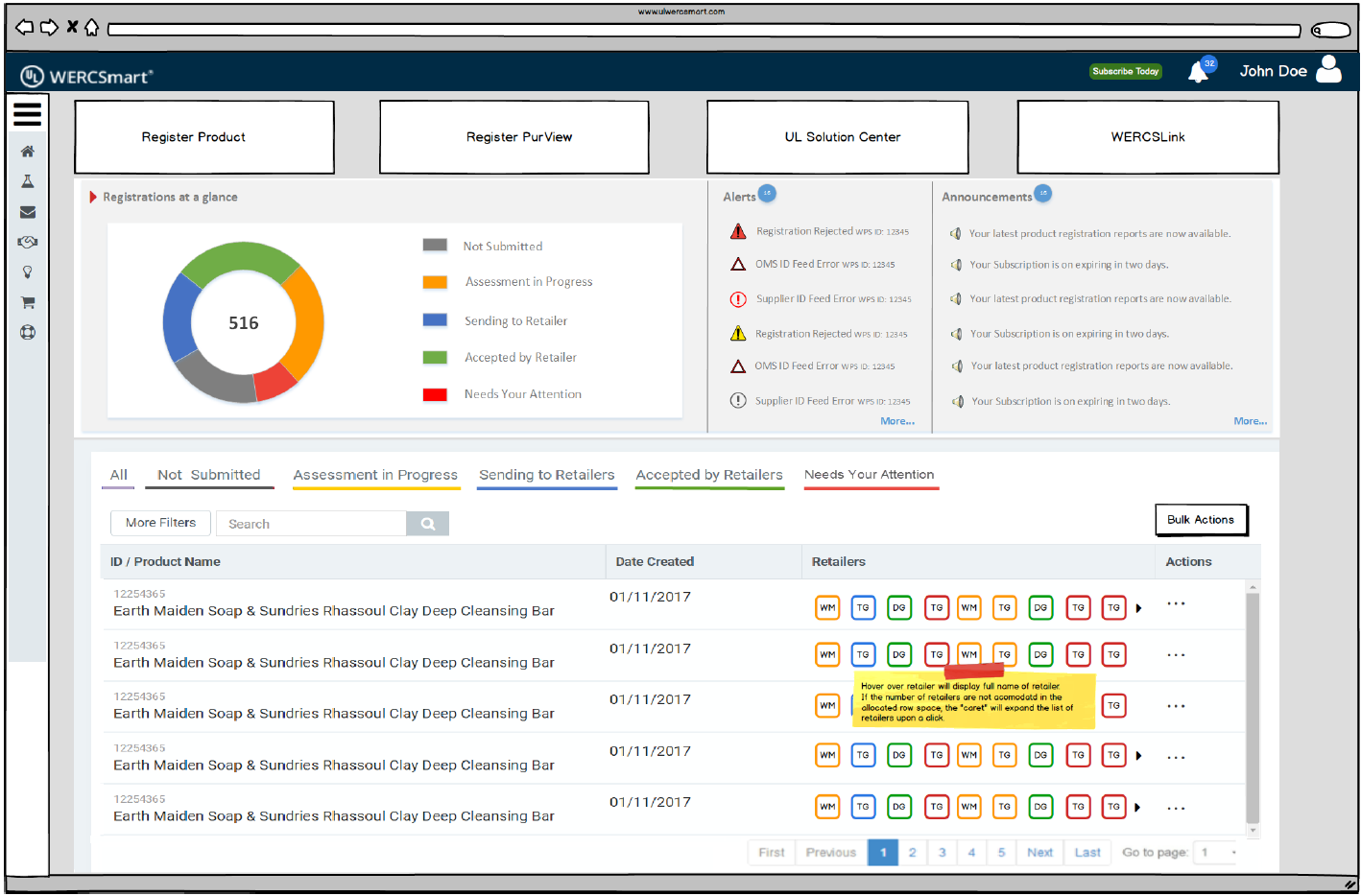
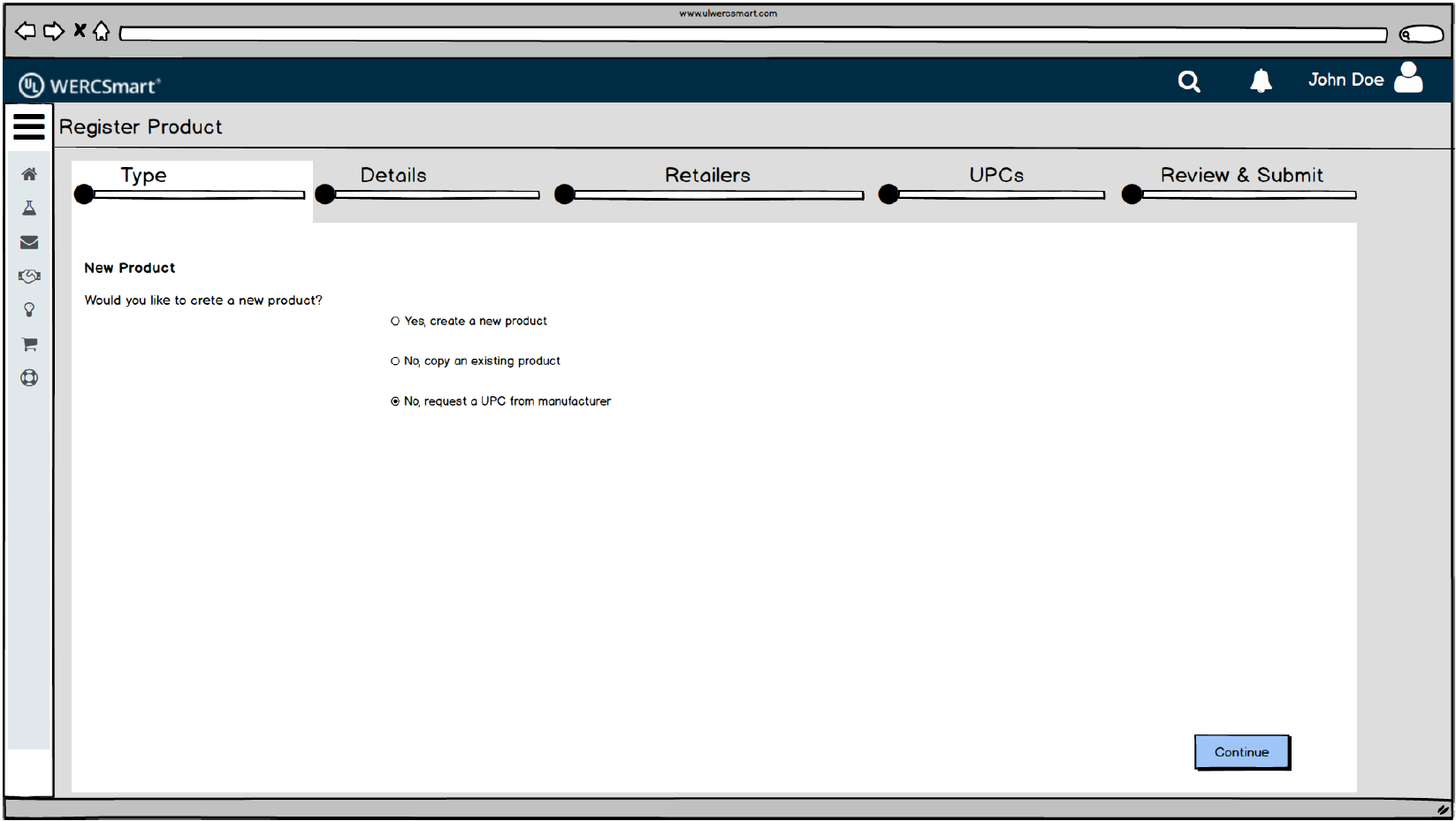
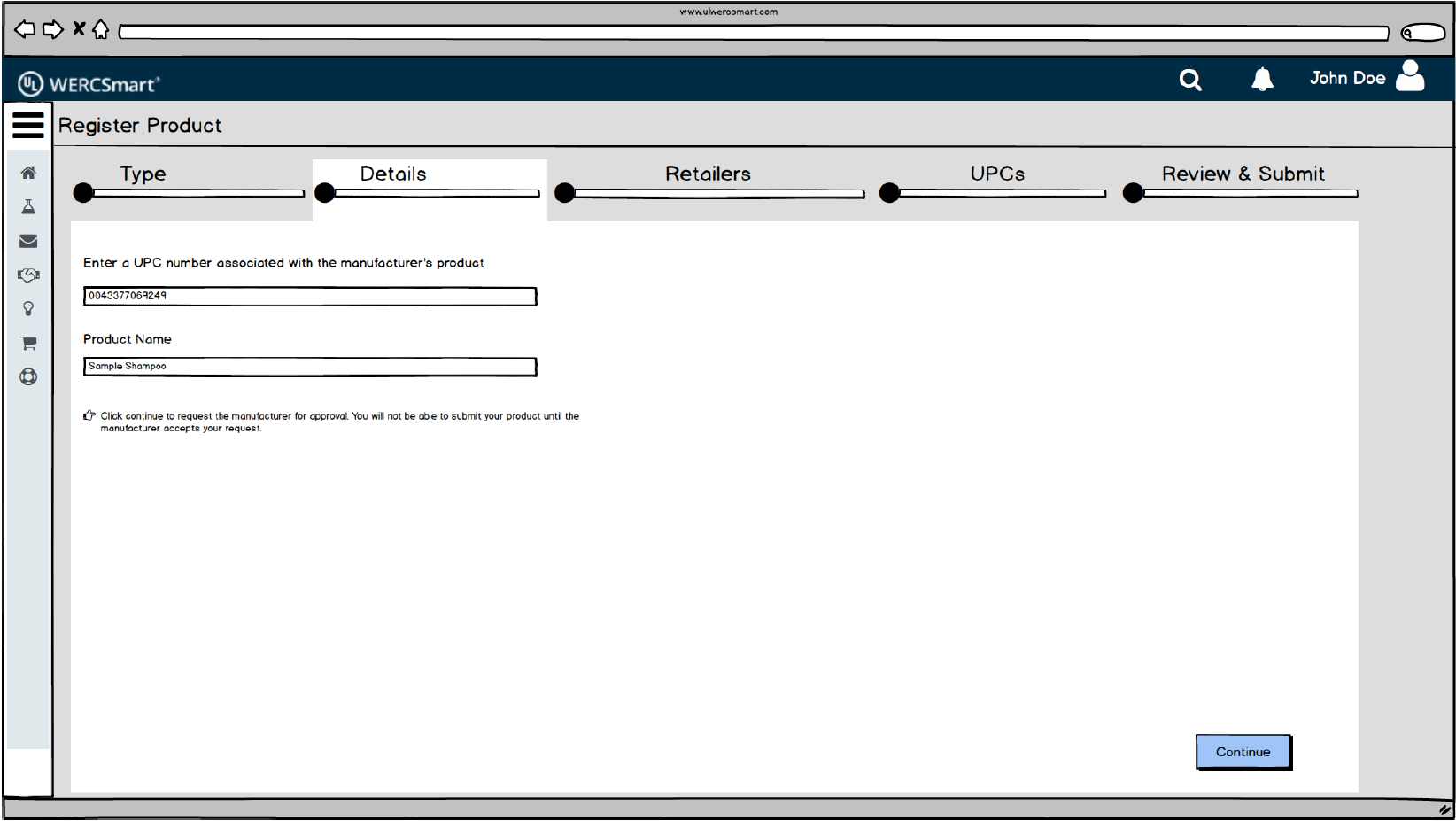
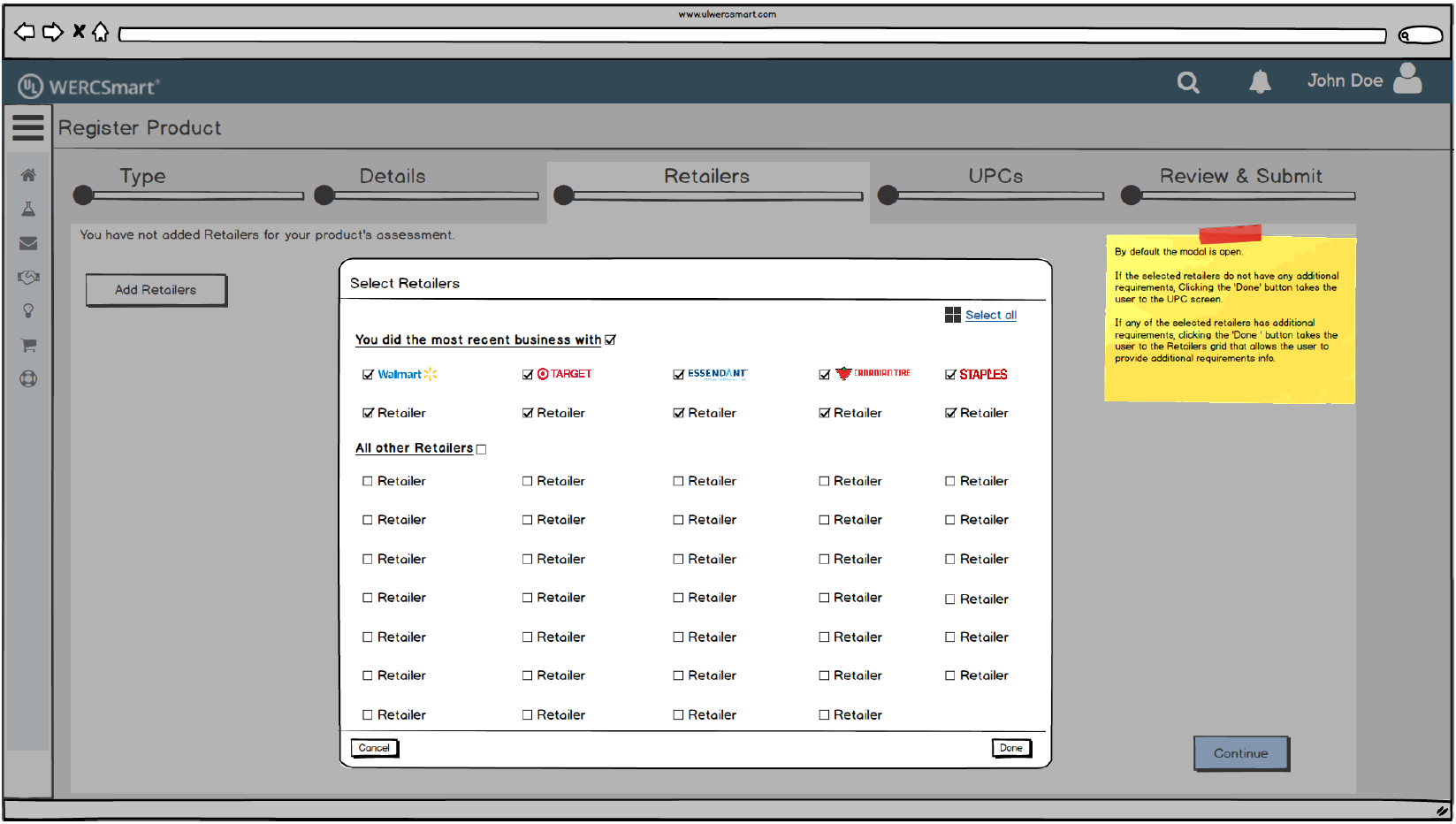
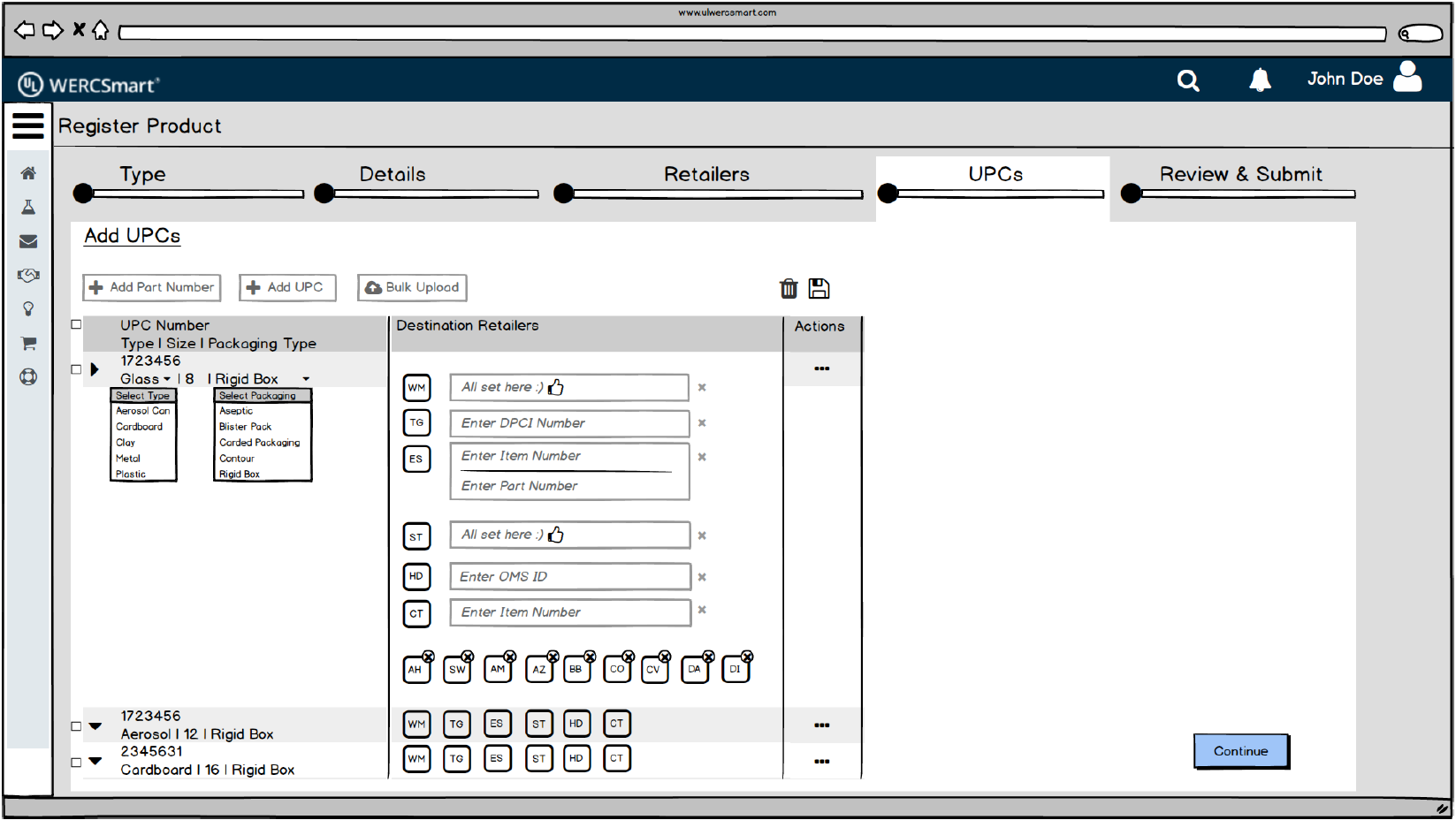
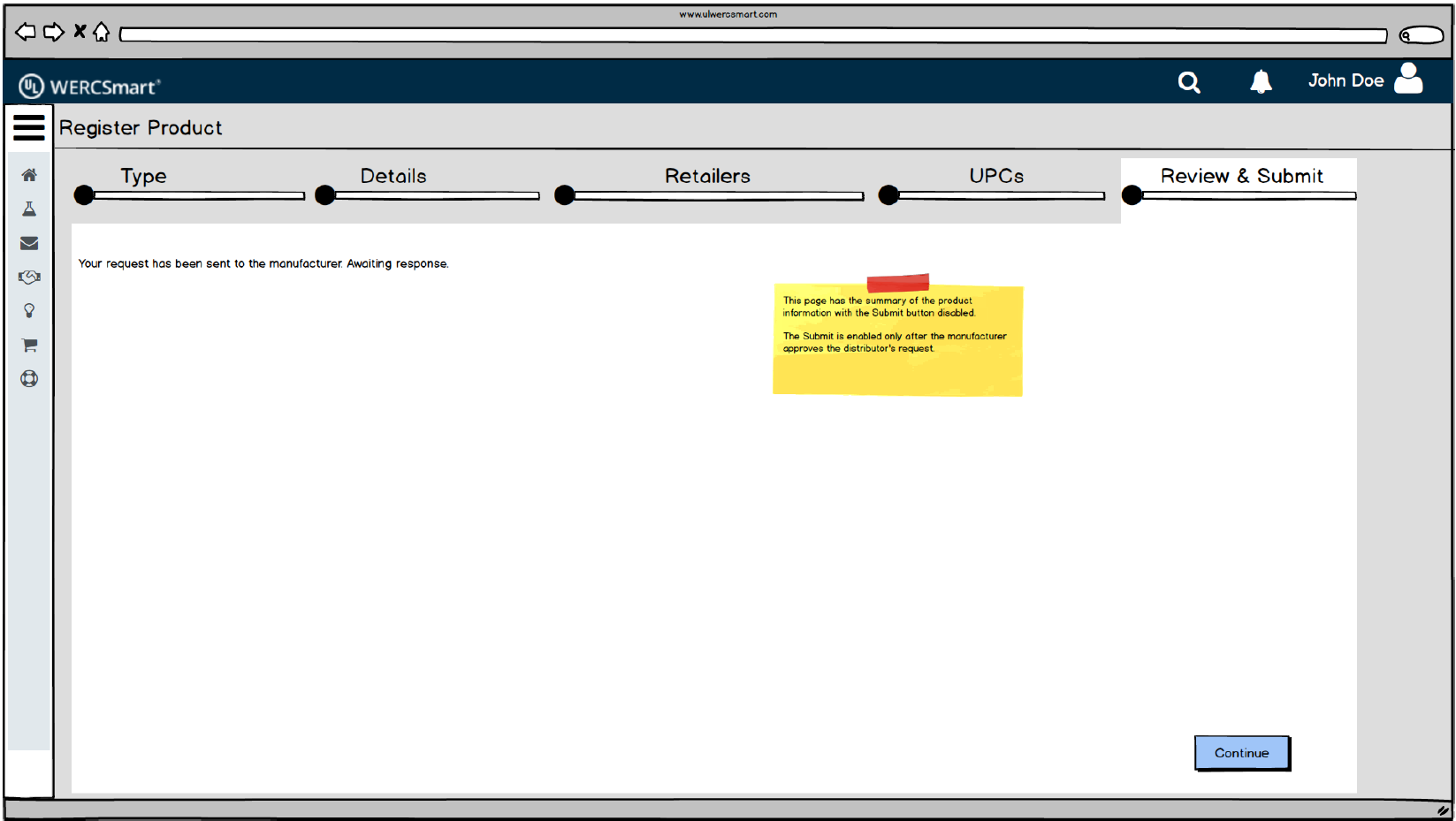
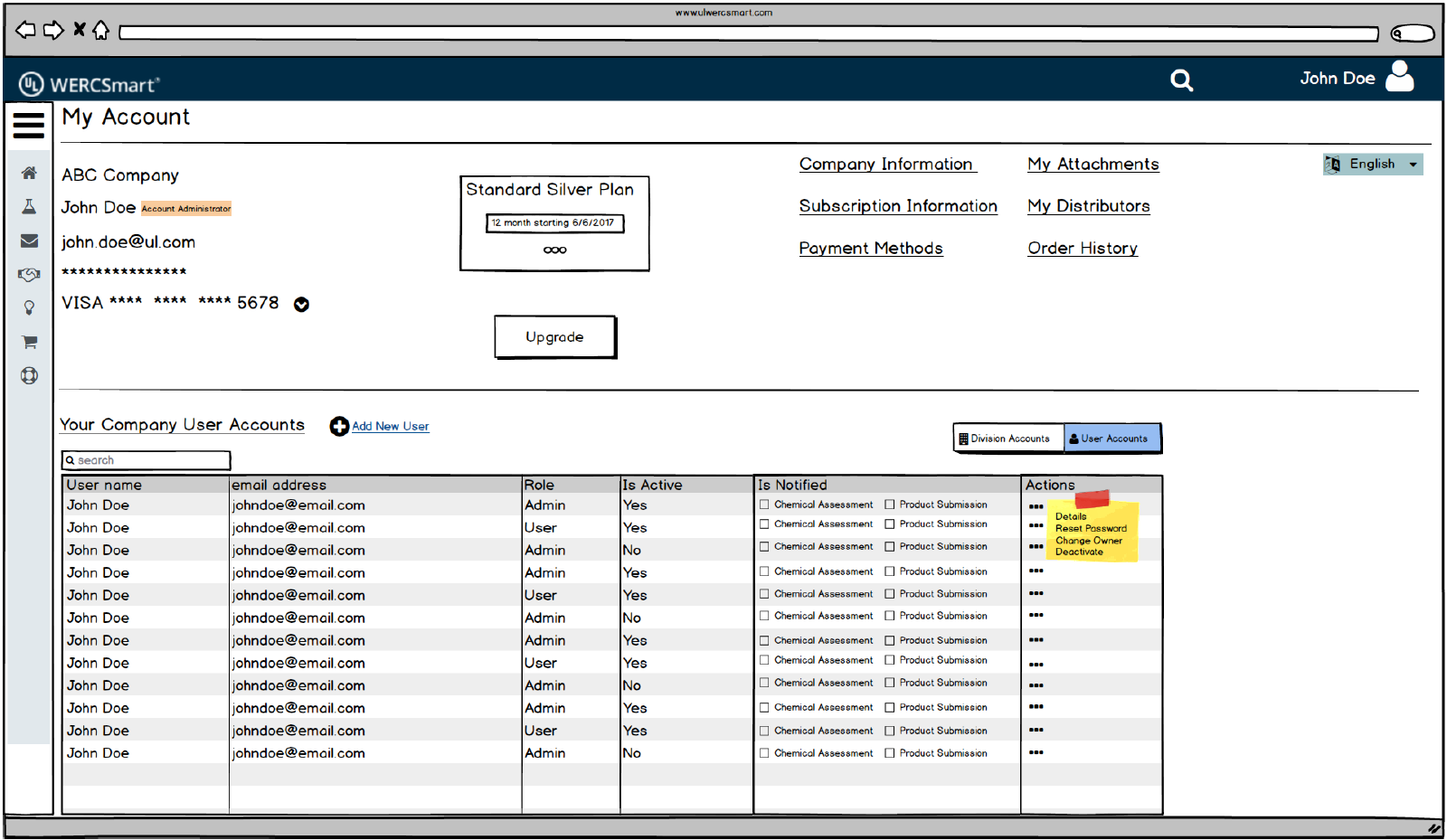
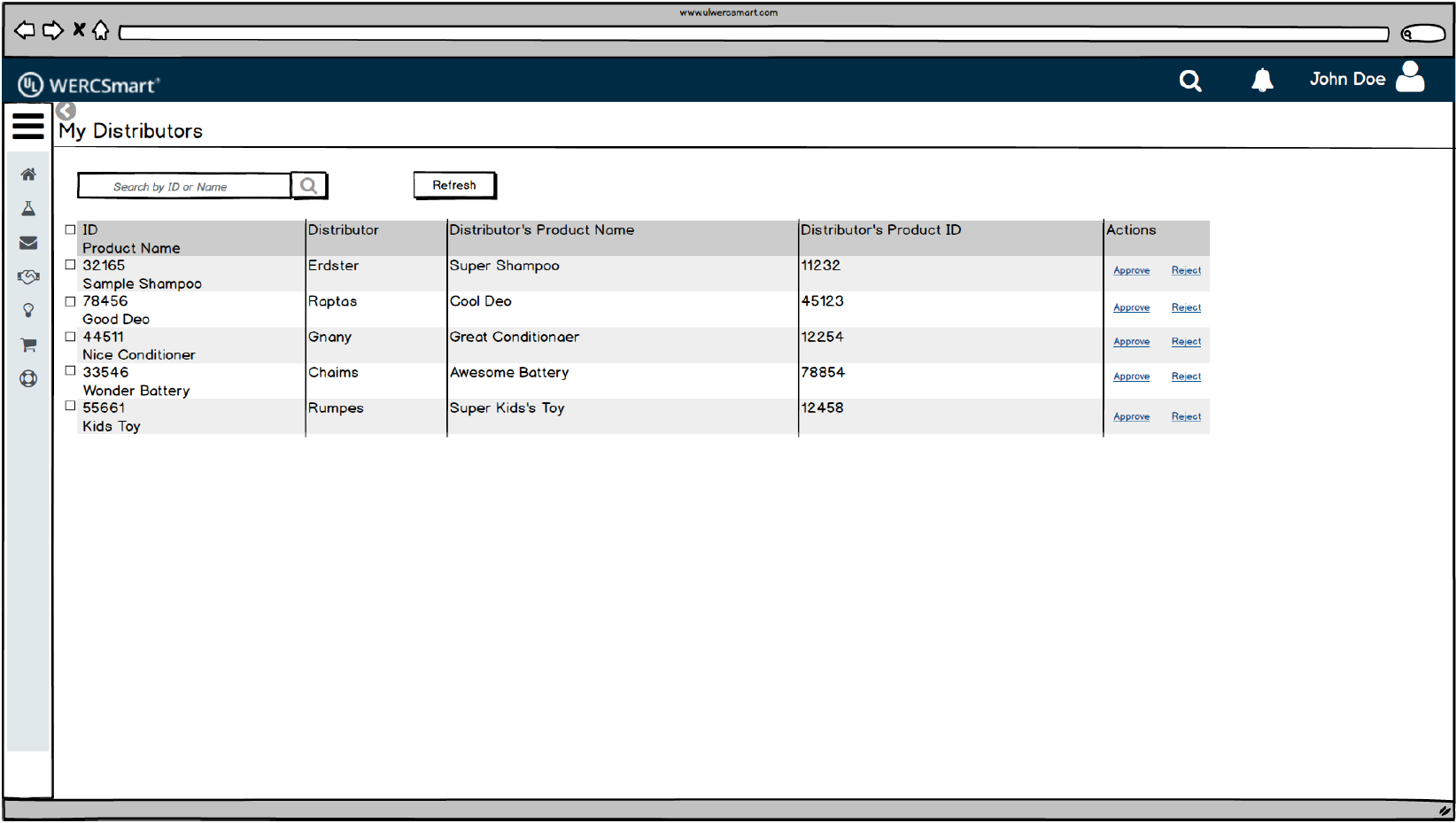
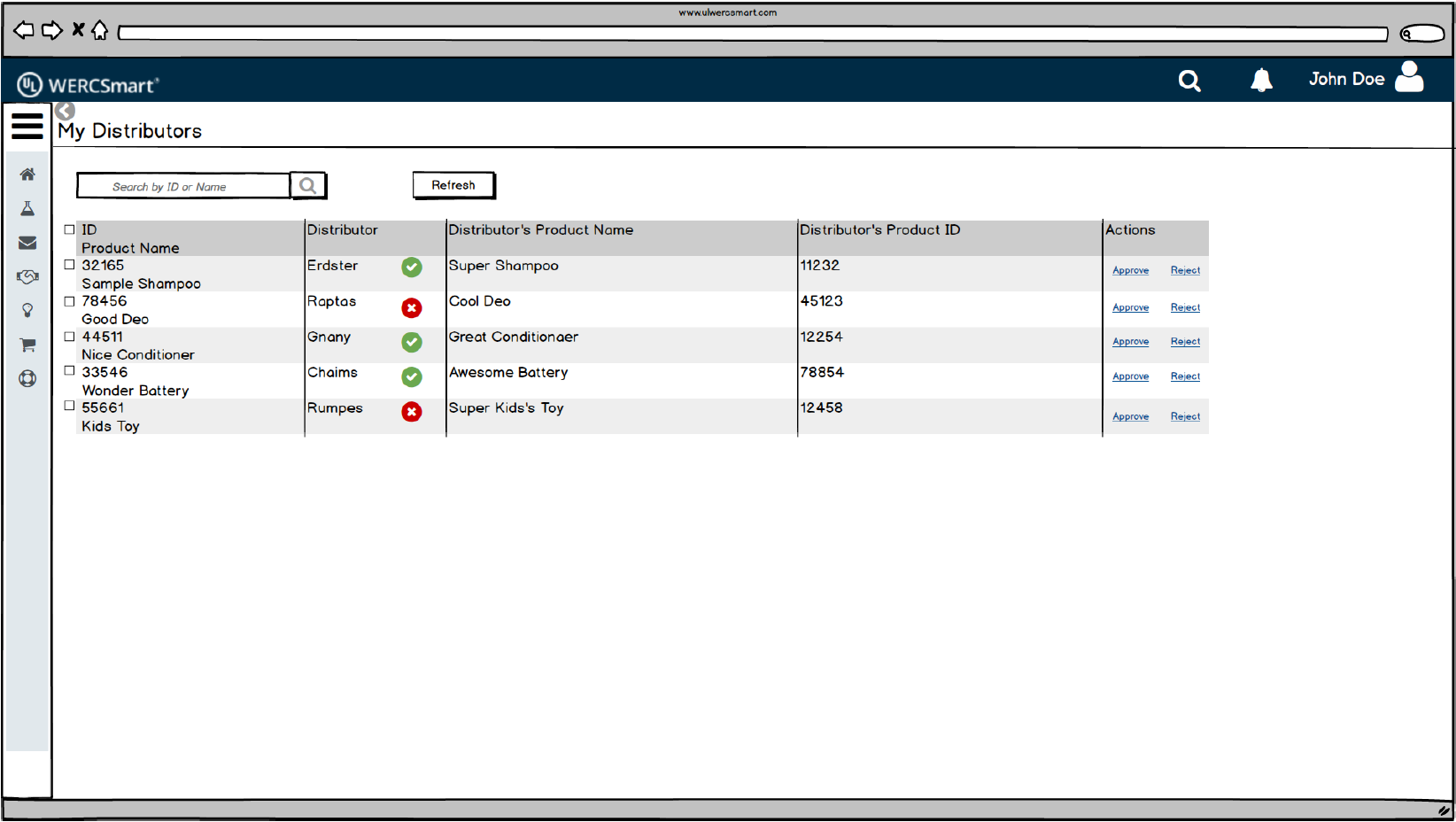
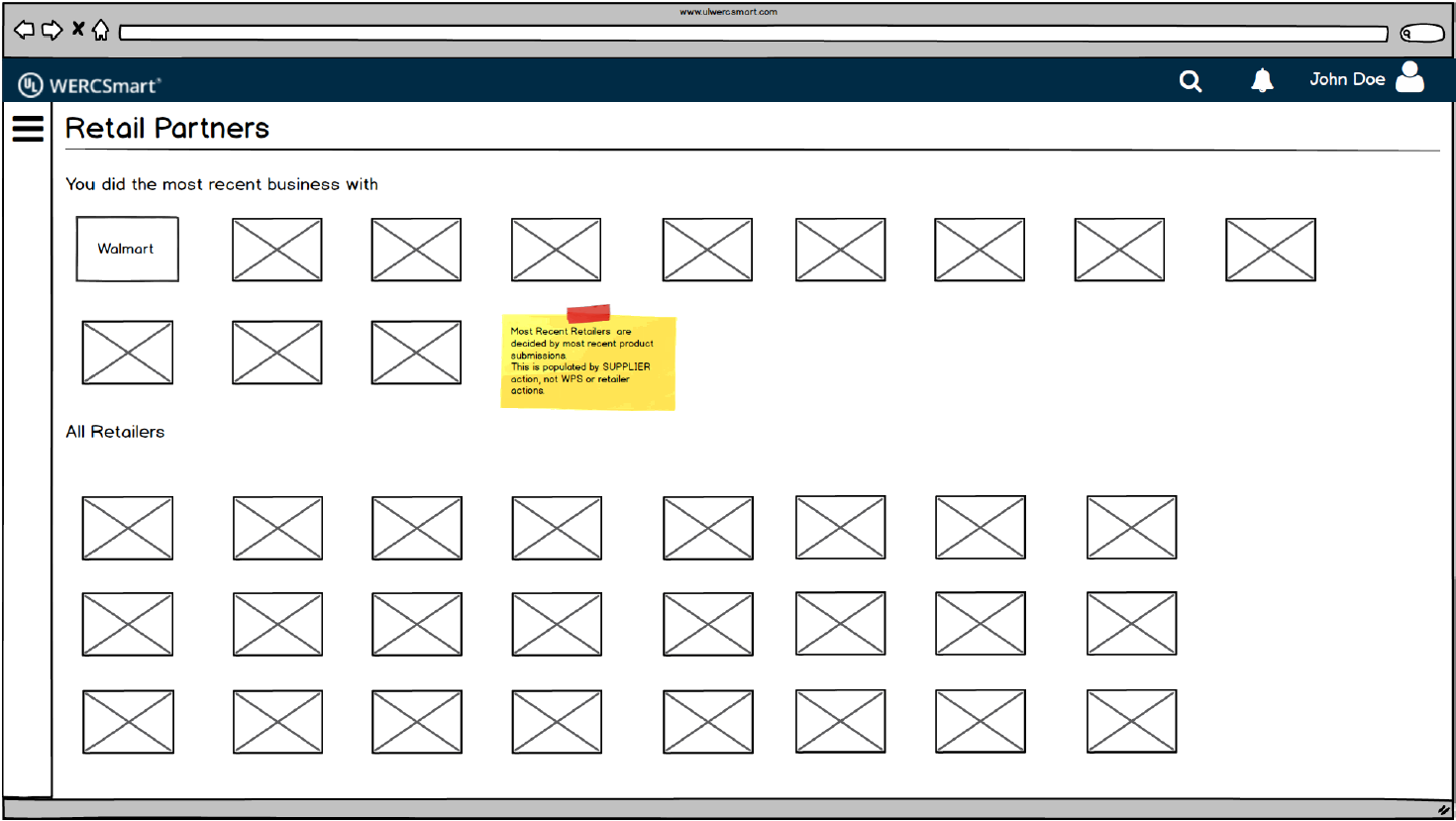
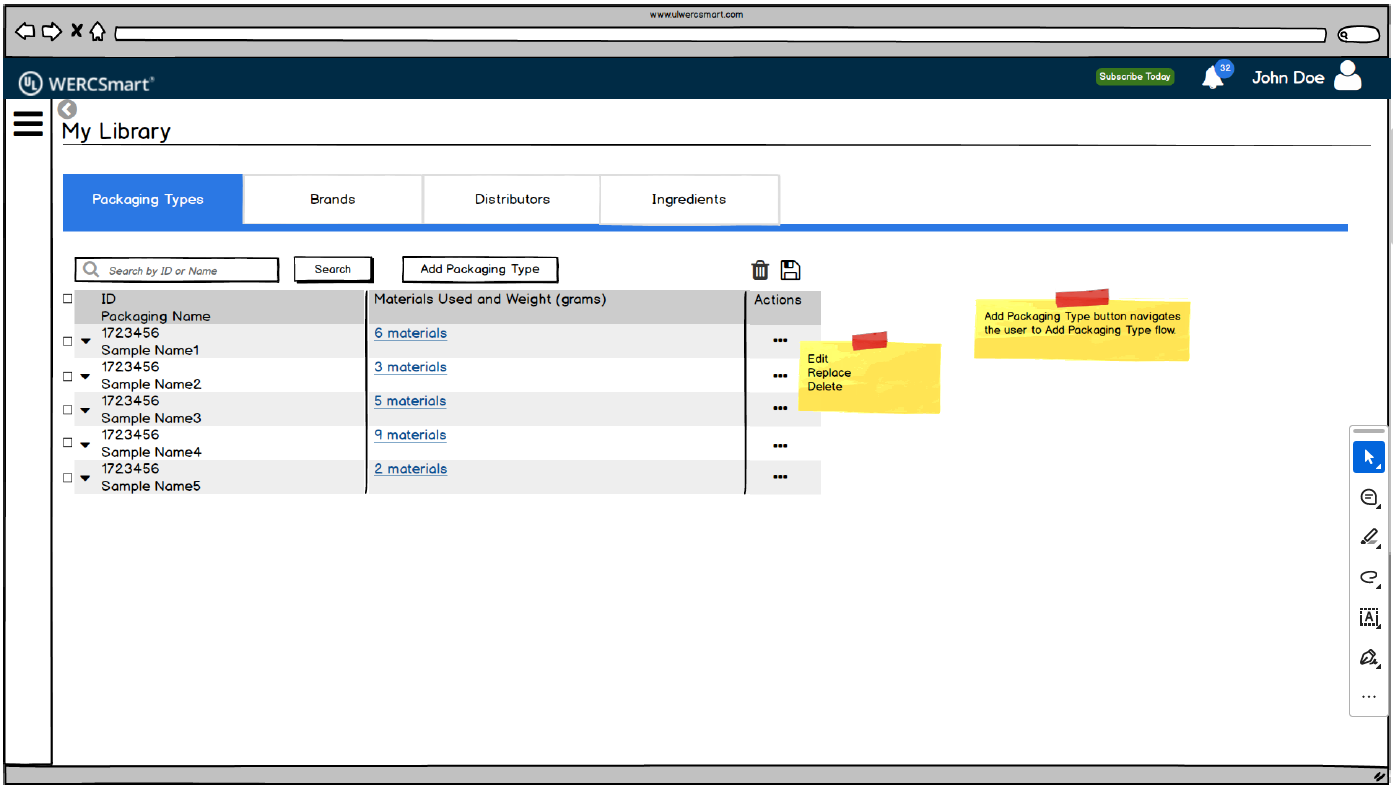
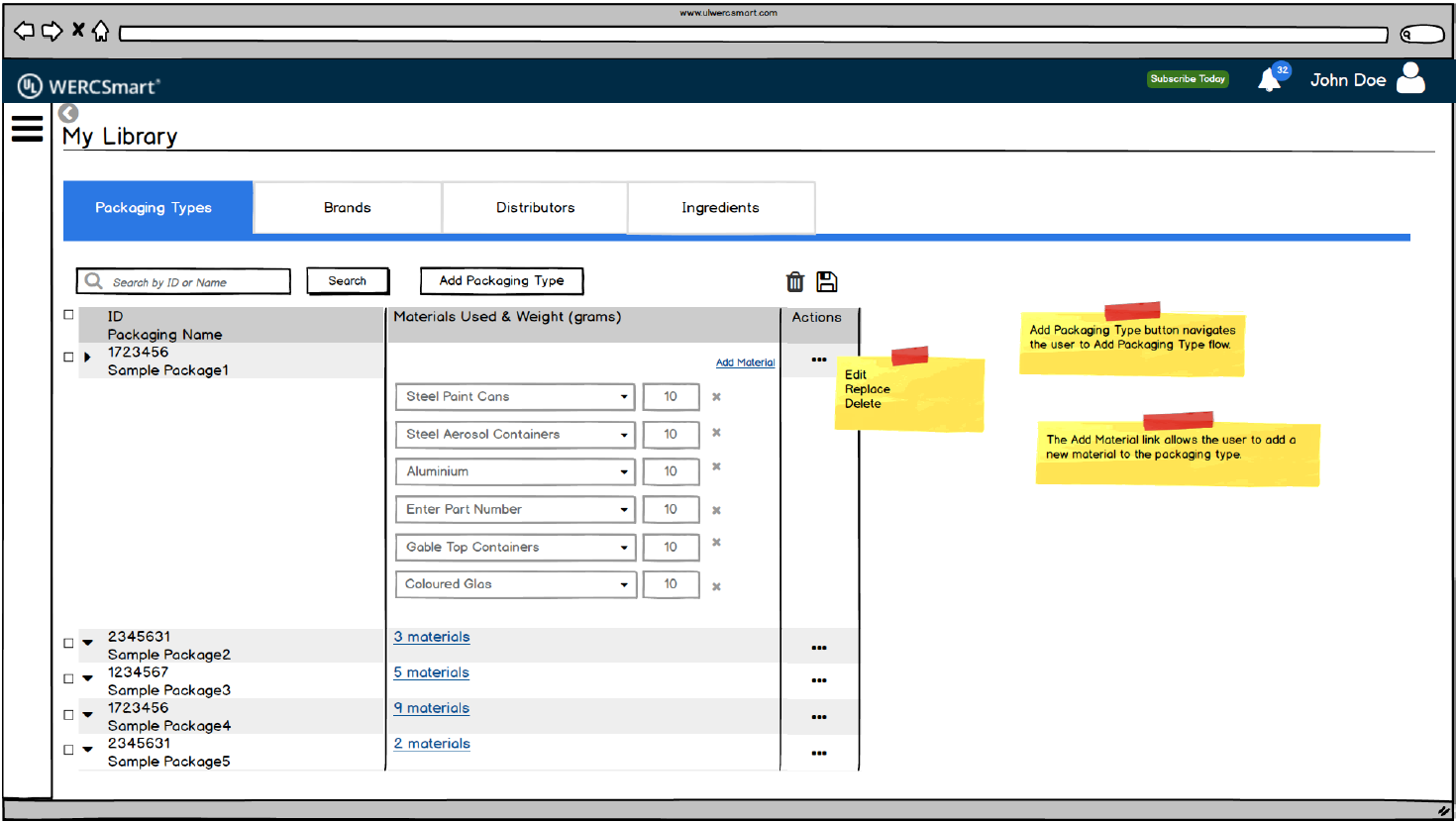
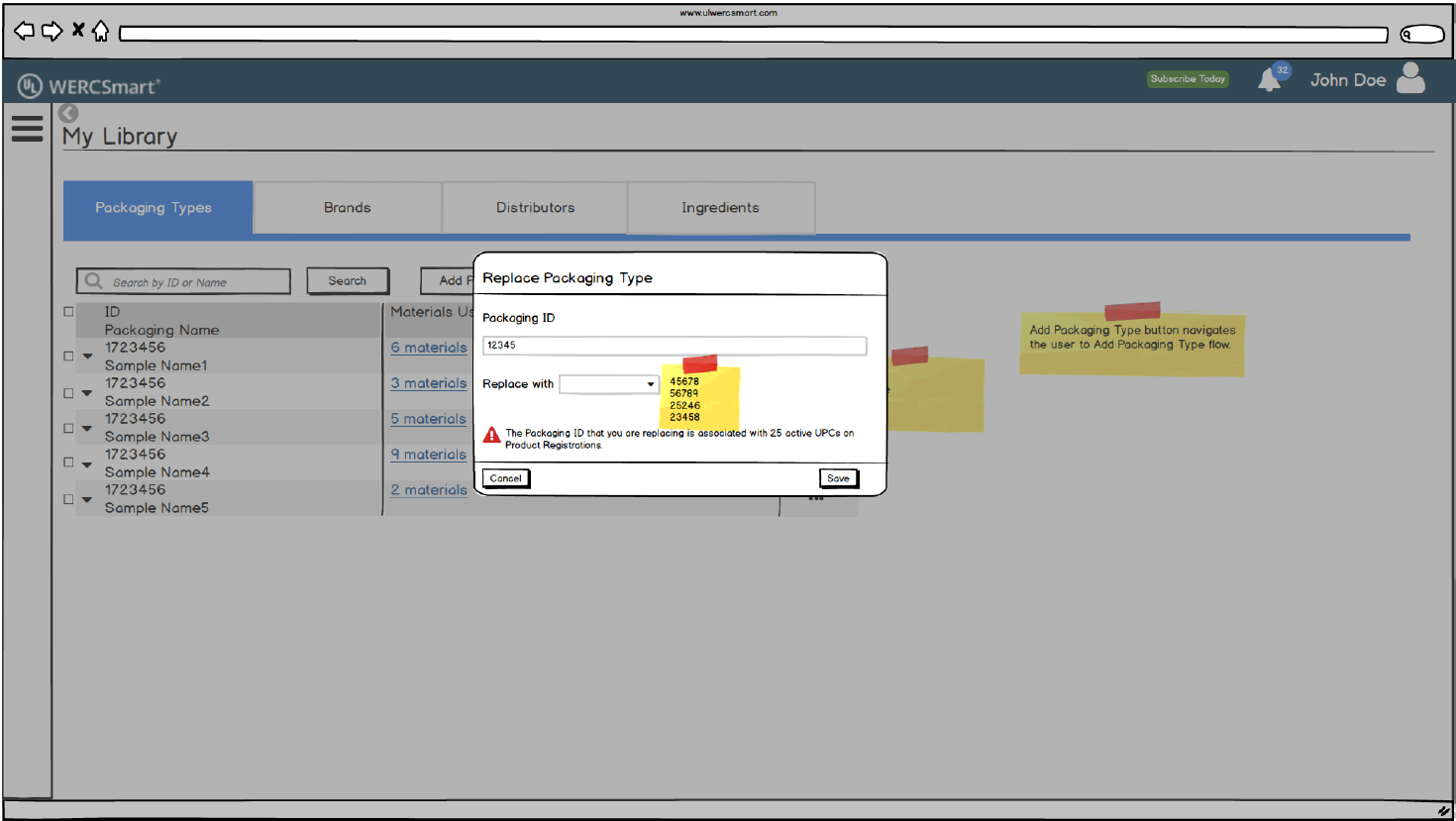
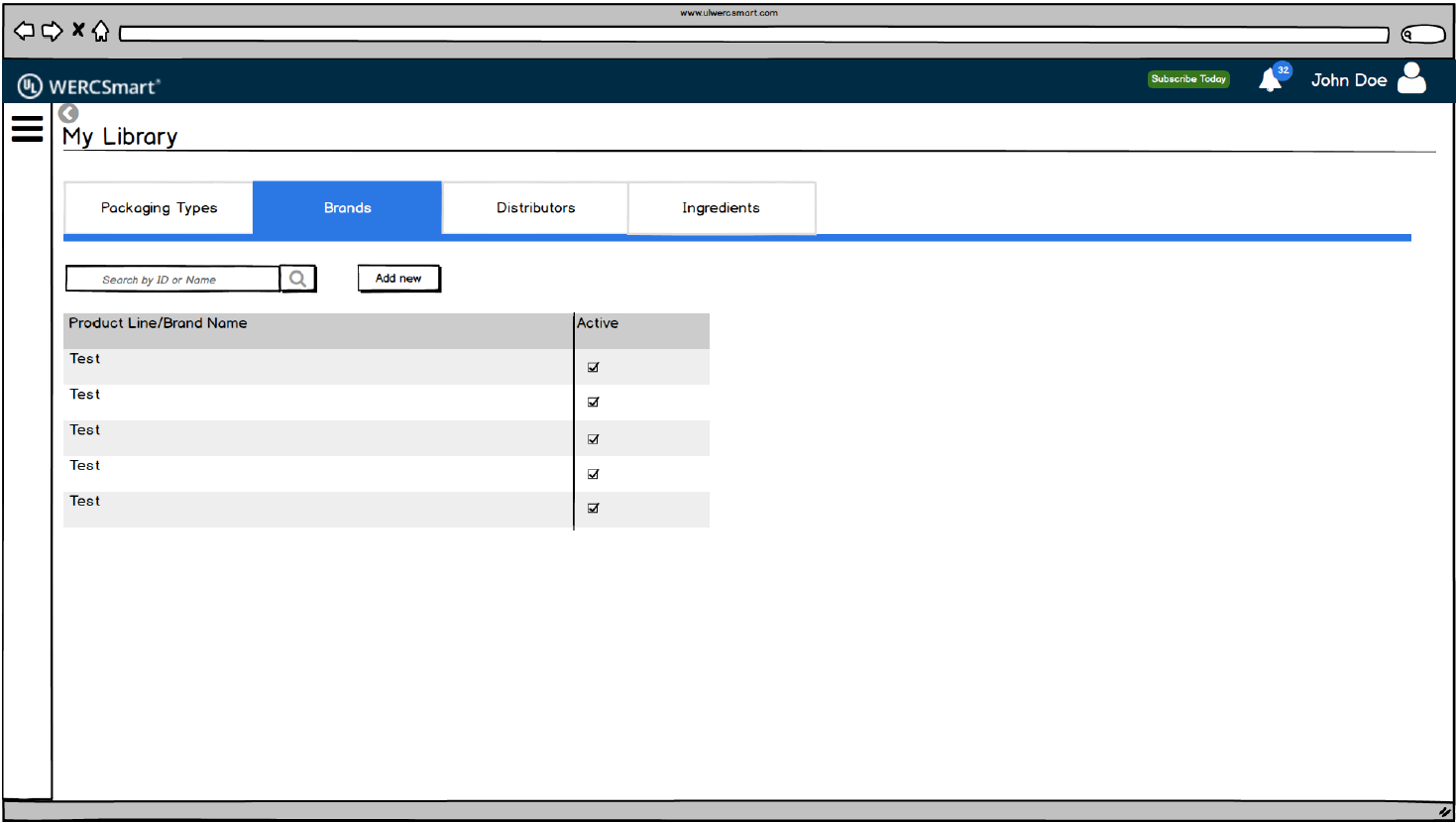
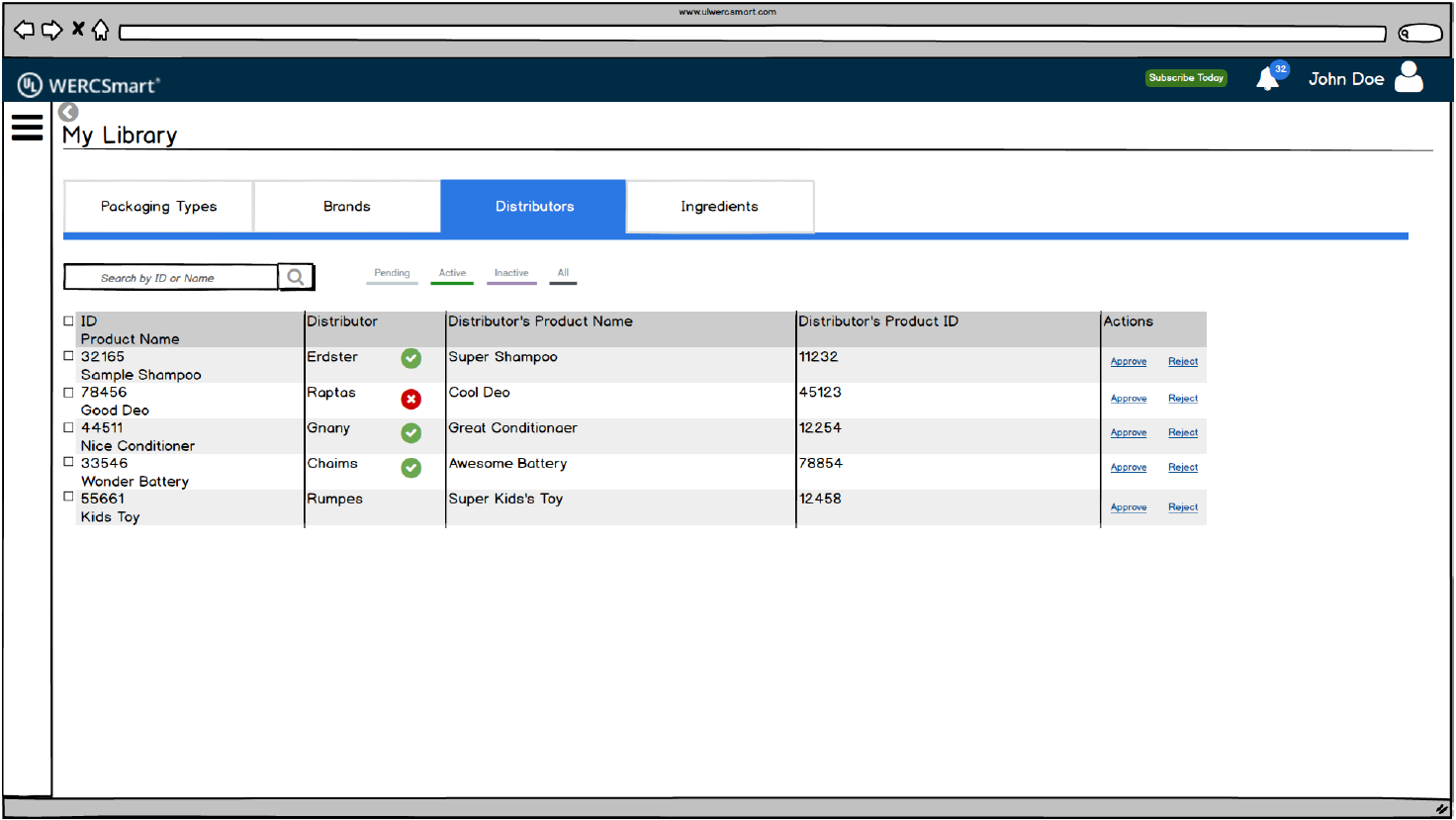
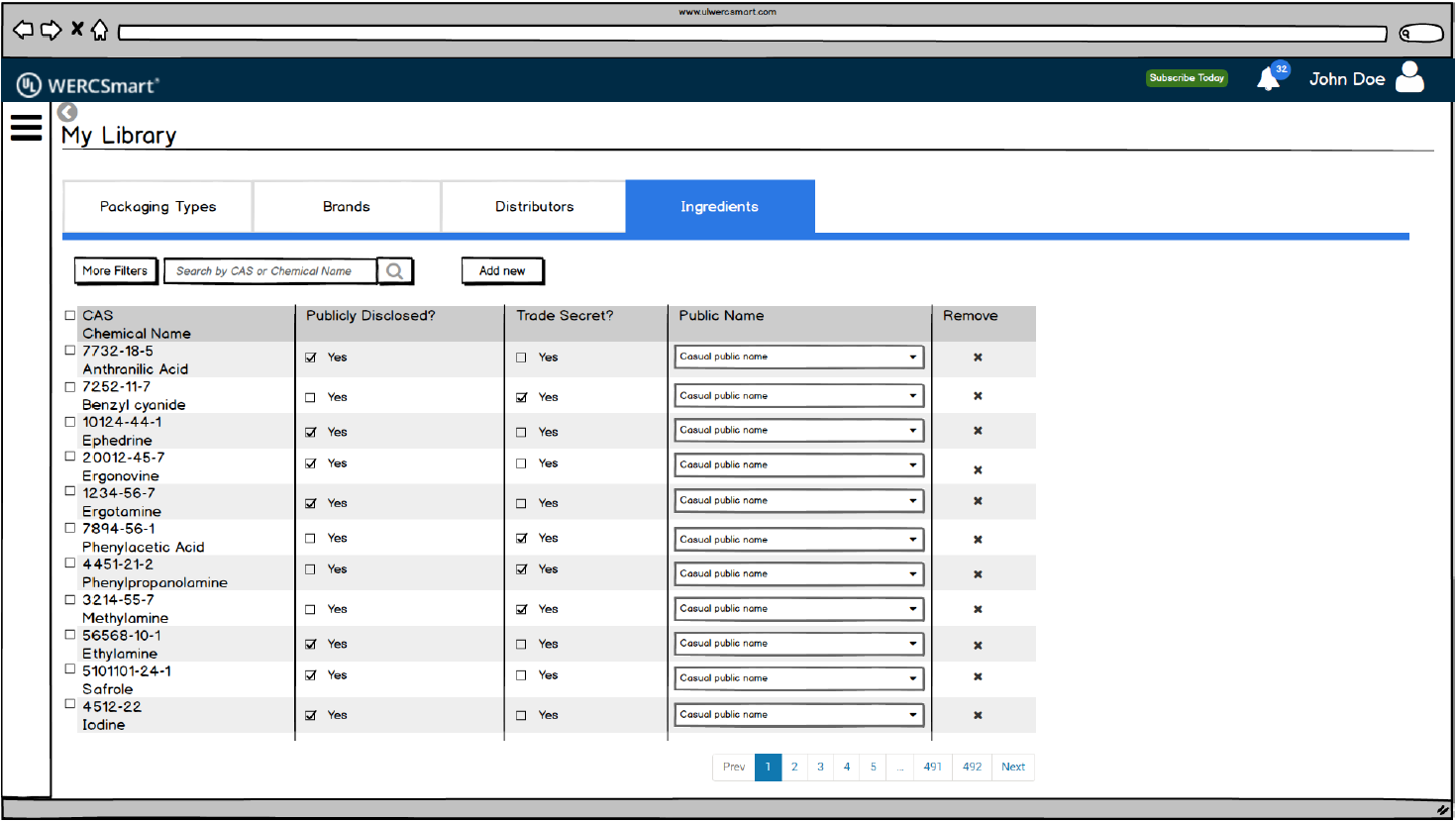
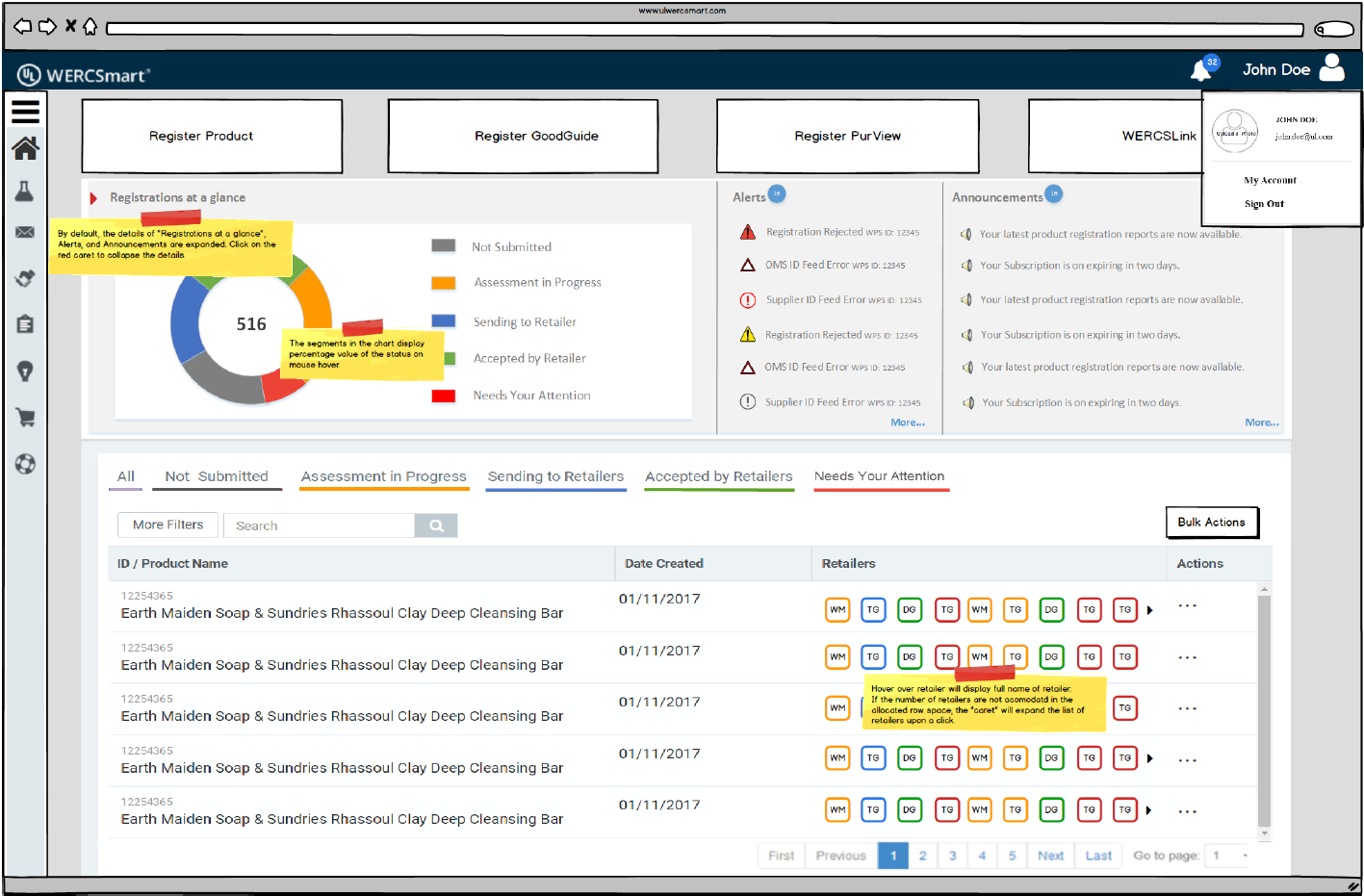
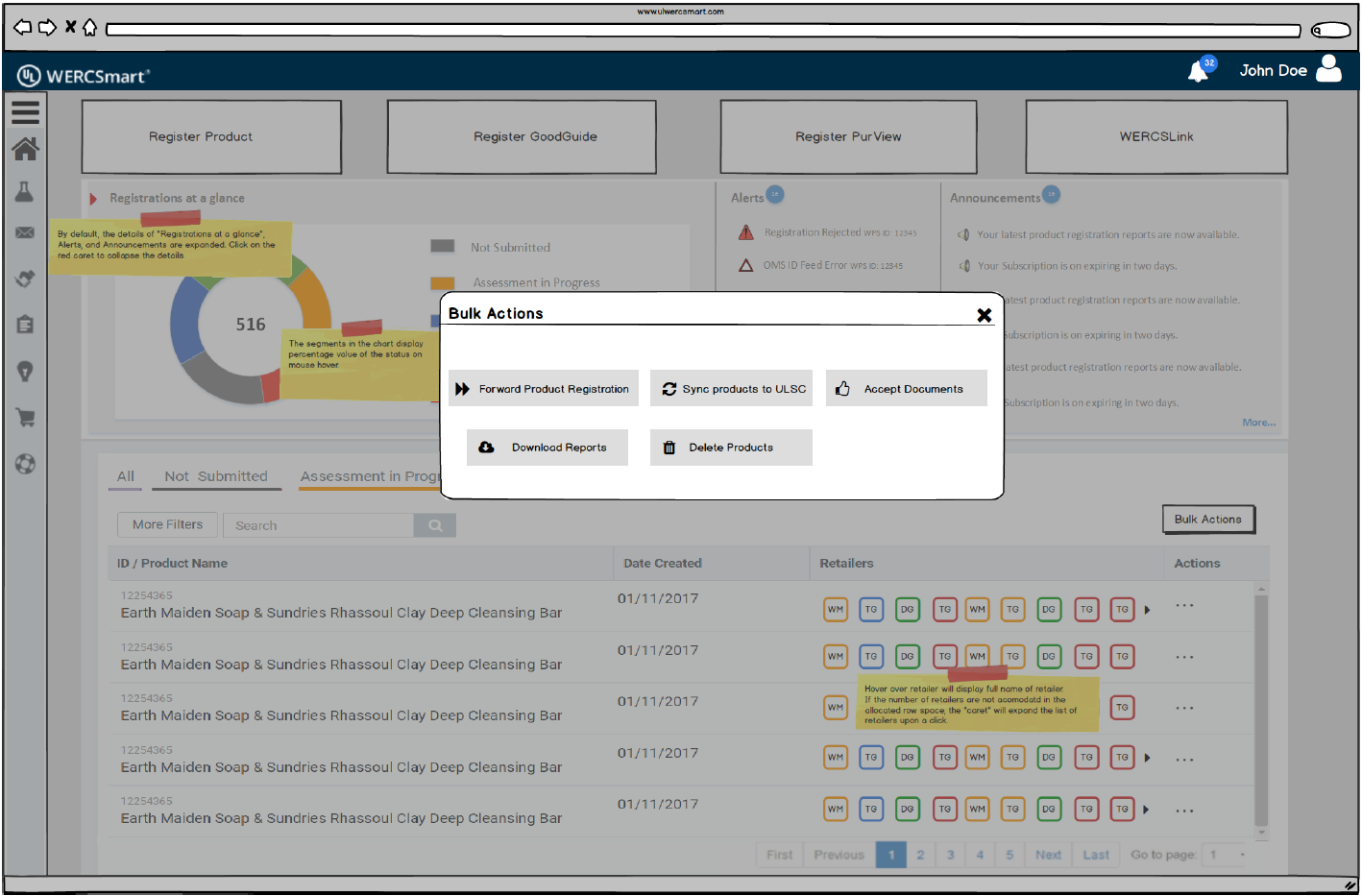
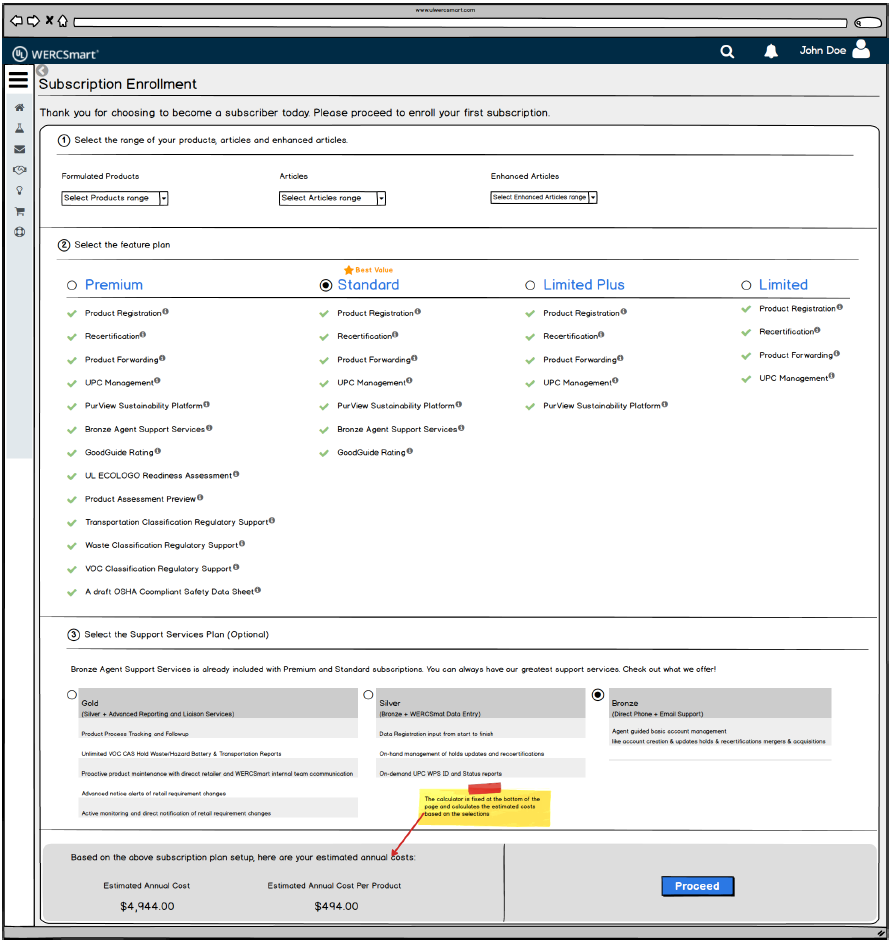
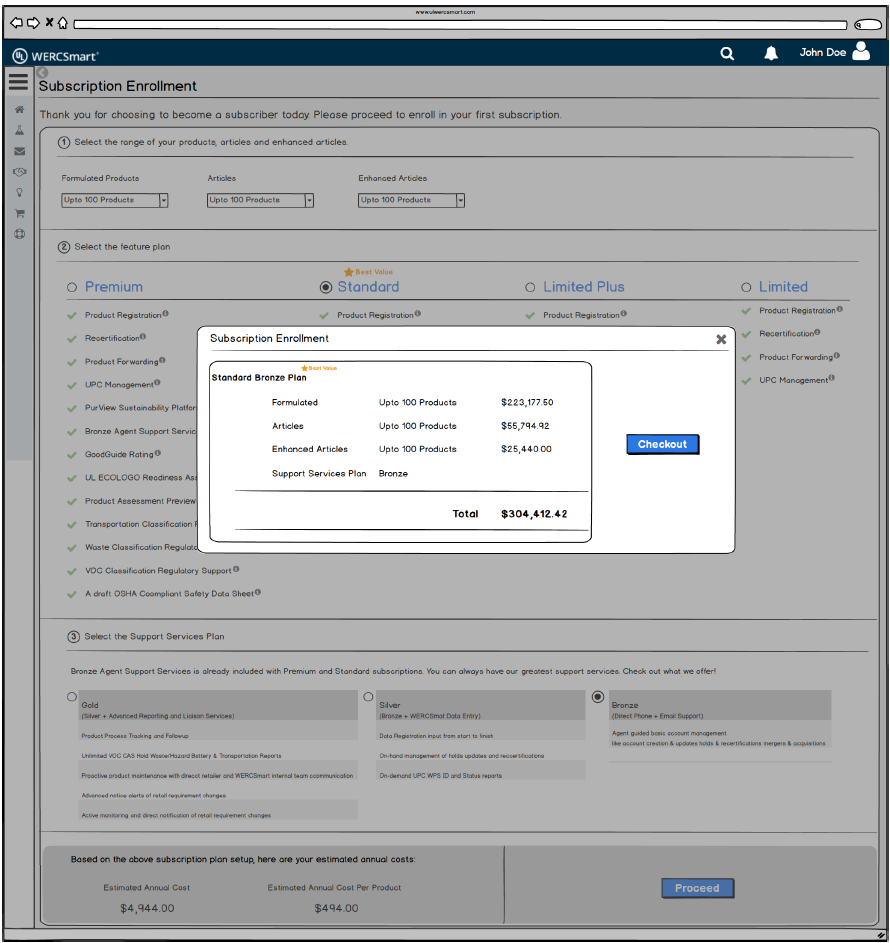
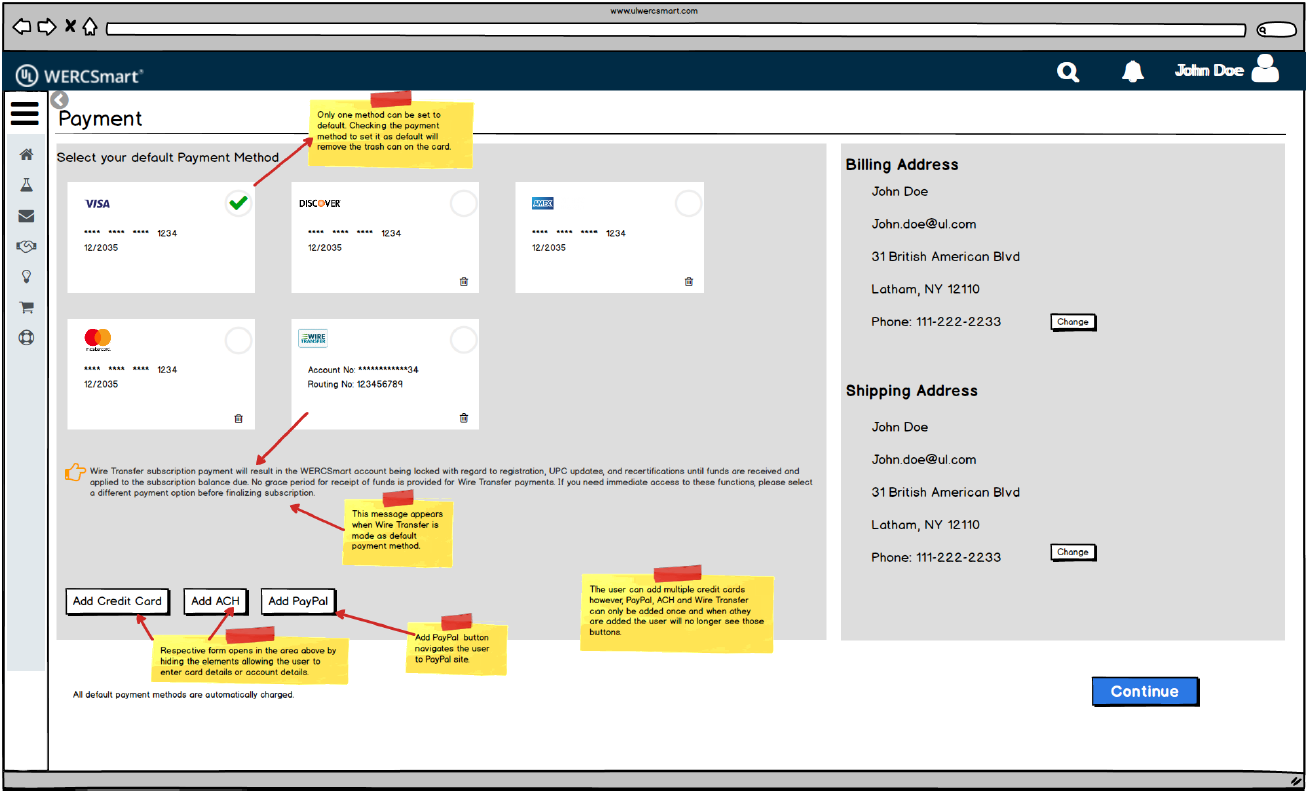
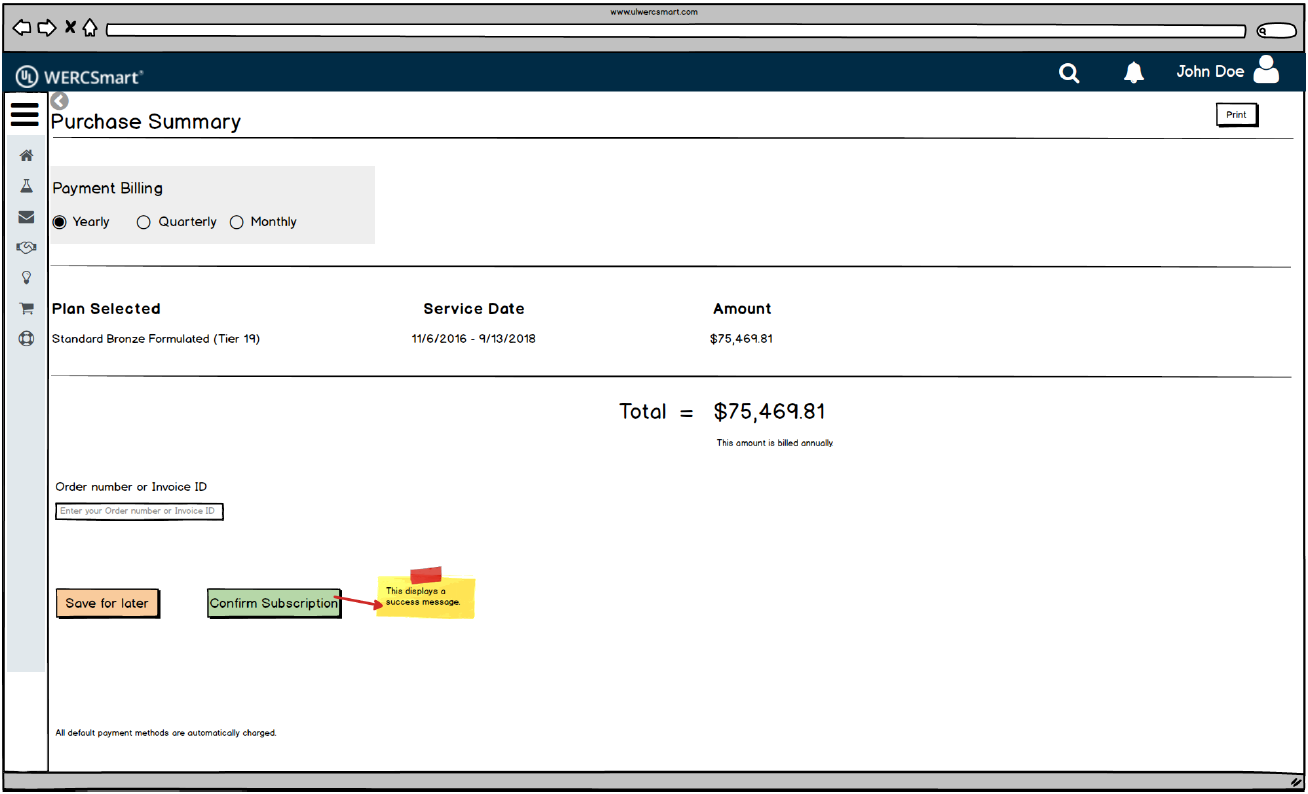
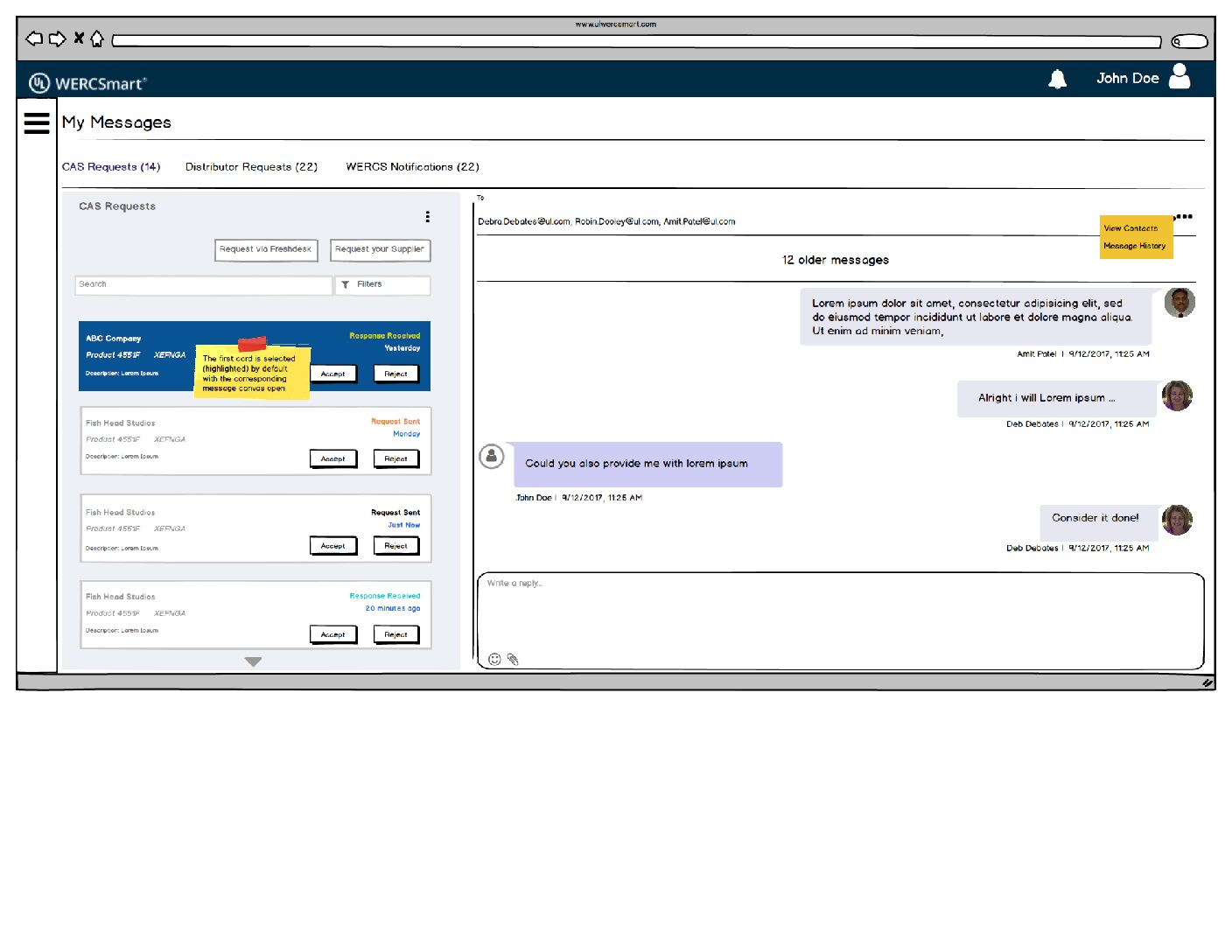
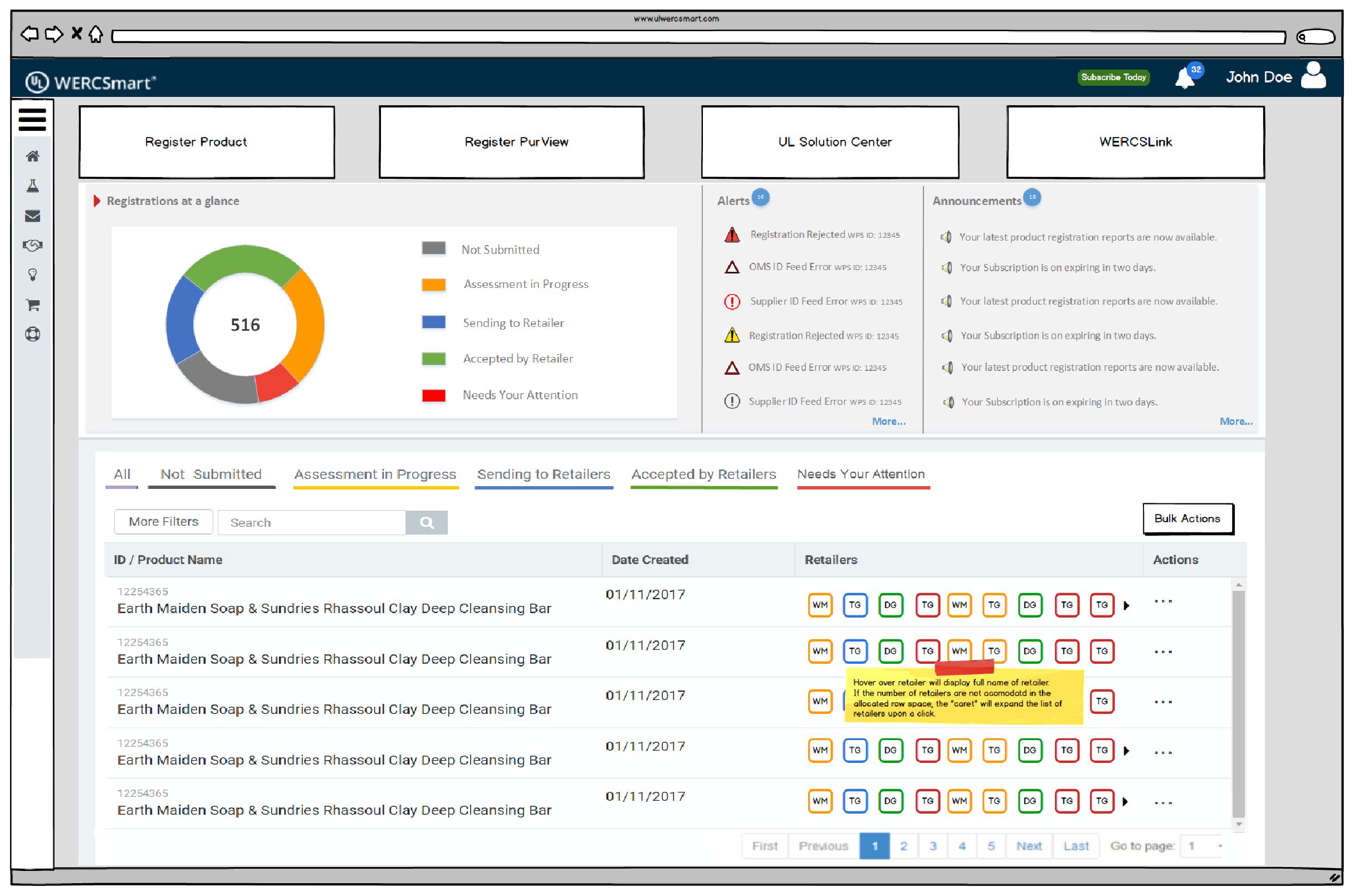
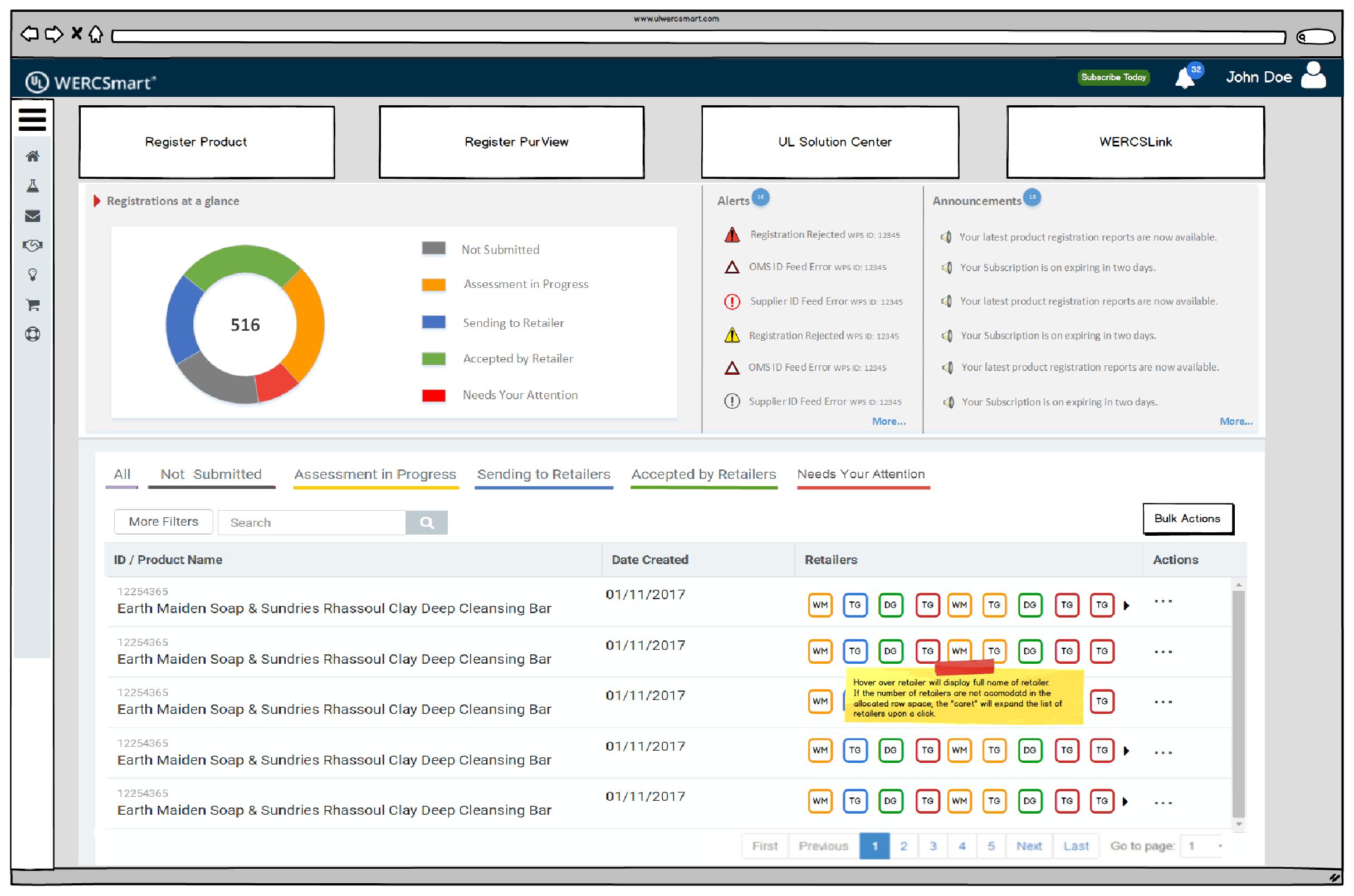
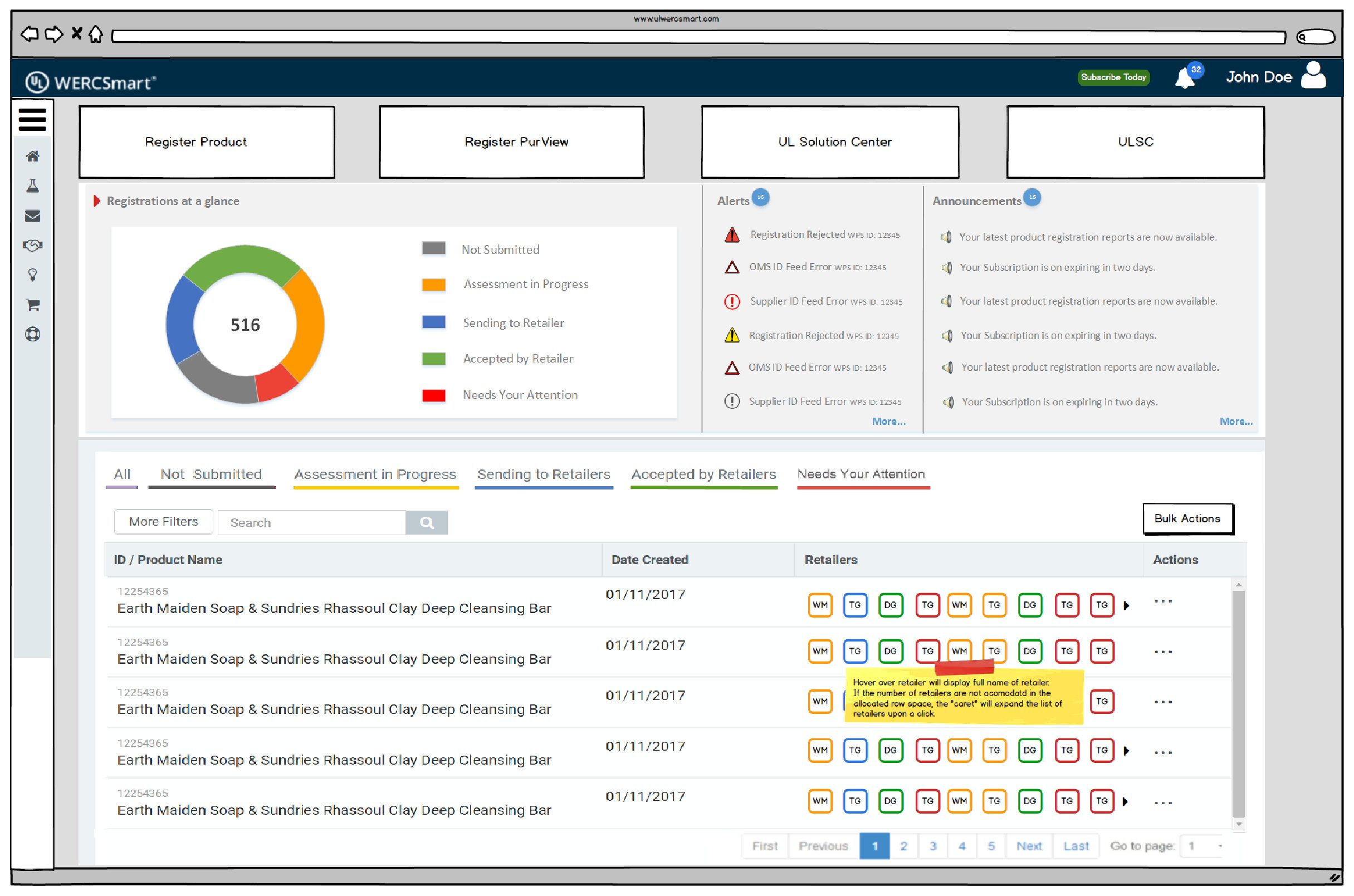
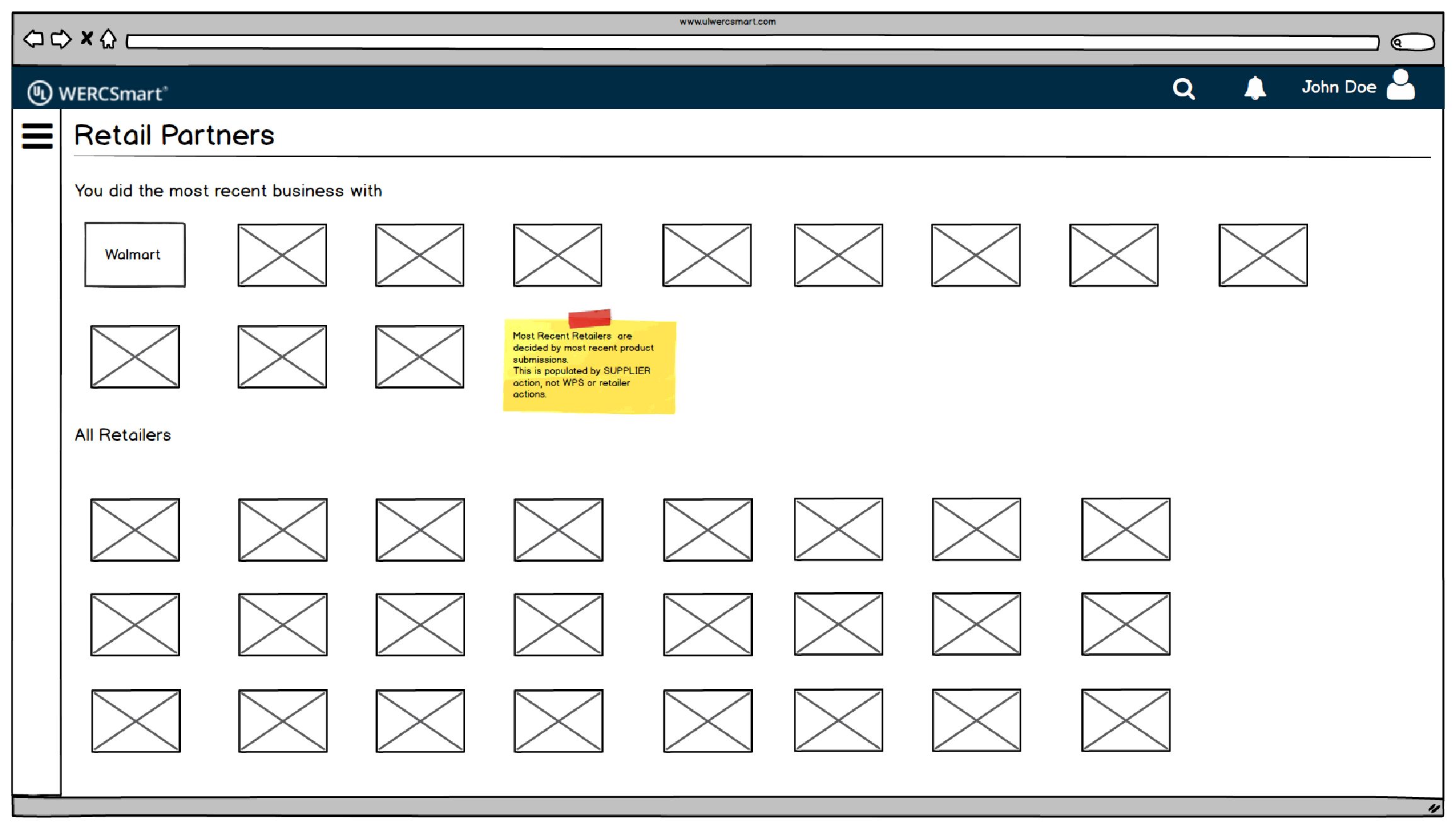
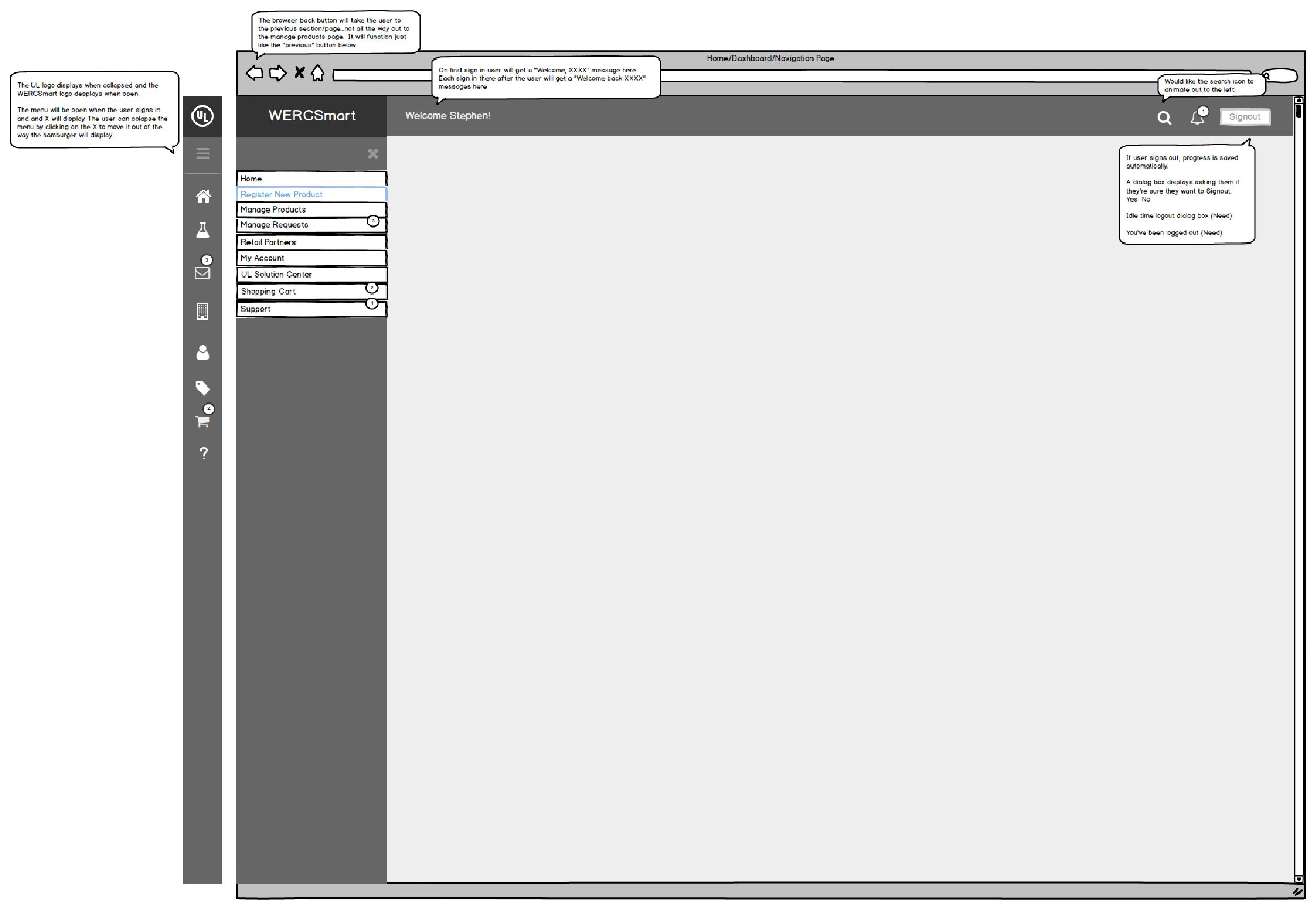
A web application for the US manufacturers to register their products and have the compliance assessment done before doing business with retailers.

Users:

Manufacturer, Distributor, Regulator

UX Activities:

User Interviews, Scenarios Presentation, Building Personas, Competitive Product Research, Low-Fidelity Prototypes, High-Fidelity Detailed Designs, Interaction Design.

The design solution allowed the chemical product suppliers smoothly navigate between the portal screens to register their products for OSHA compliance assessment alongside state and local regulation assessments before reaching the retailers and consumers. I have participated in the design sprint (which includes design thinking, innovation, creative problem solving and business strategy) and acted as a lead designer working alongside product owners, developers and other stake holders to solve and validate design problems.

Health Commerce System

  • Created by: Vivekananda Kondapalli
  • Skills: Balsamiq, End User Documentation

Project Brief

The Health Commerce System (HCS) is a comprehensive, web-based platform for the New York State Department of Health that centralizes, secures, and manages the electronic exchange of data across hospitals, laboratories, physicians, and public health stakeholders. The system supports complex user roles, permissions, and integrations, enabling regulated healthcare entities to securely interact with state health services at scale.

User Groups:

Hospitals & Health Institutions: Organizations integrating with HCS to exchange regulated health data with NYS DOH.

Laboratories & Testing Facilities: Users responsible for submitting, managing, and validating laboratory data.

Healthcare Providers (Doctors & Clinical Staff): Clinicians accessing and submitting health information through role-based permissions.

NYS Department of Health Staff & Administrators: Internal users managing oversight, approvals, compliance, and system administration.

UX Activities

User Interviews, Stakeholder workshops with healthcare institutions, Journey mapping and workflow modeling for application integrations, Rapid prototyping to support design discussions and validation.

The Children Place

PDF
PDF
PDF
PDF
PDF
PDF
  • Created by: Vivekananda Kondapalli
  • Skills: Sketch, Artifact creation, Workflows

Project Brief

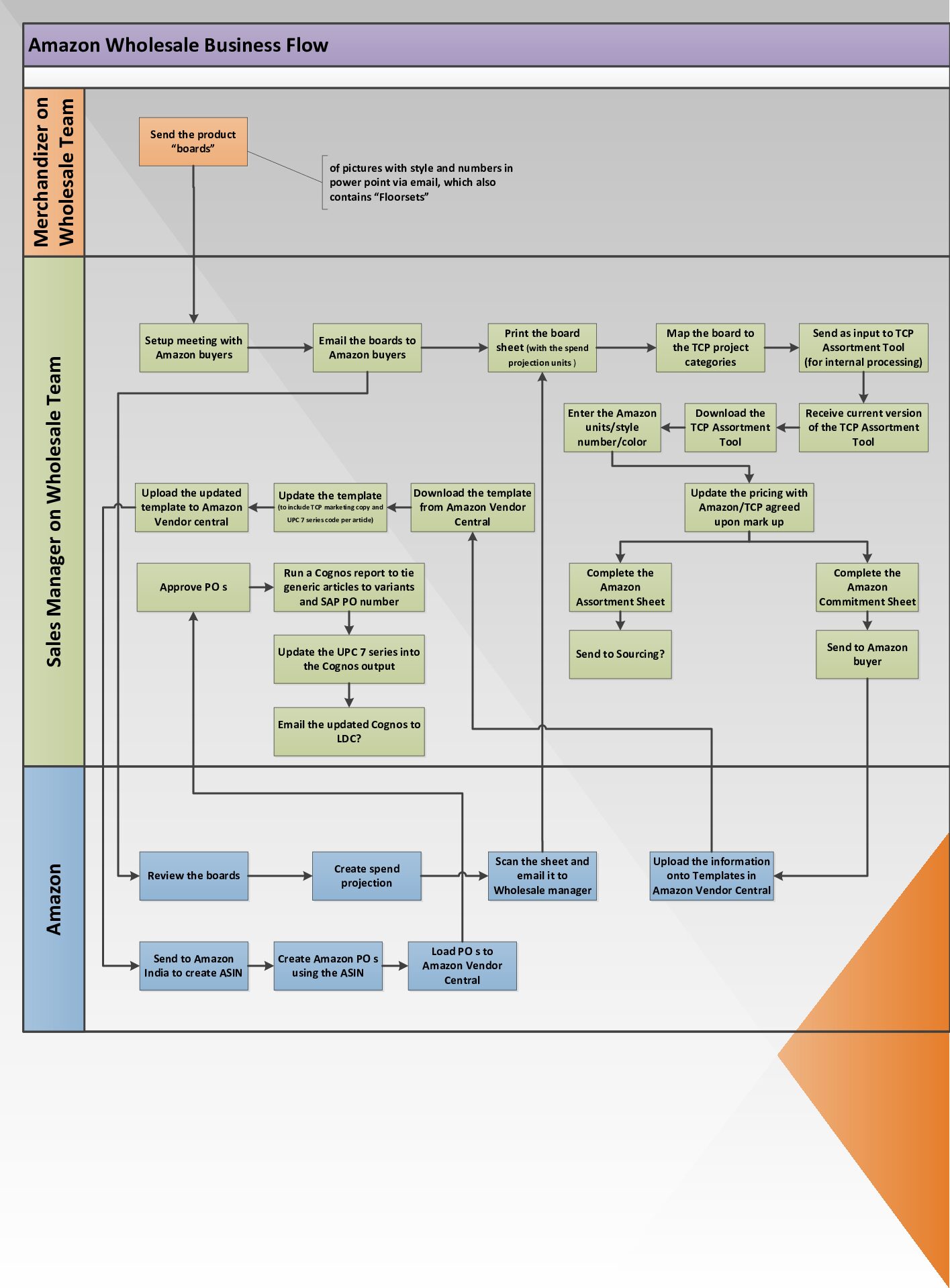
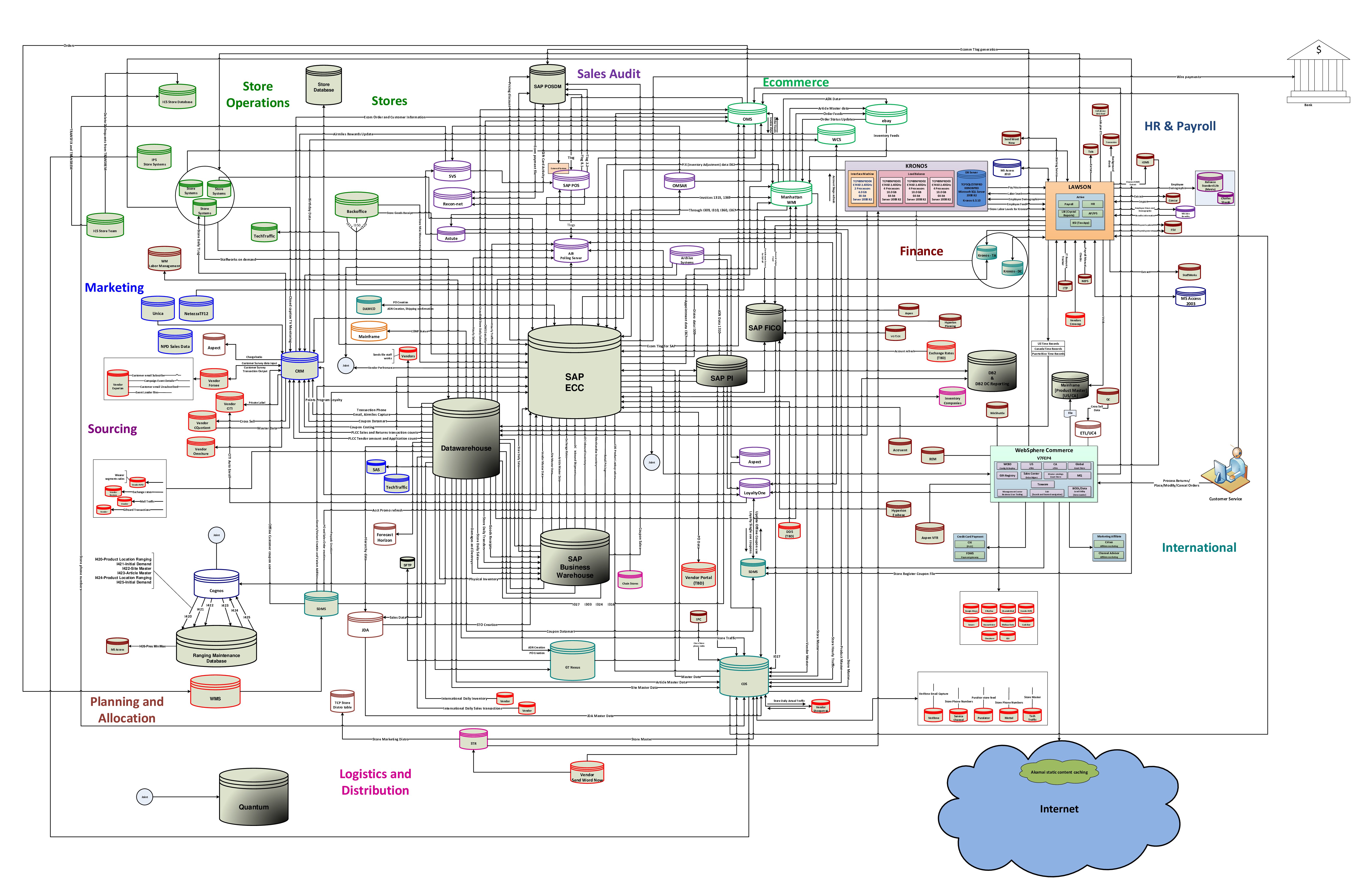
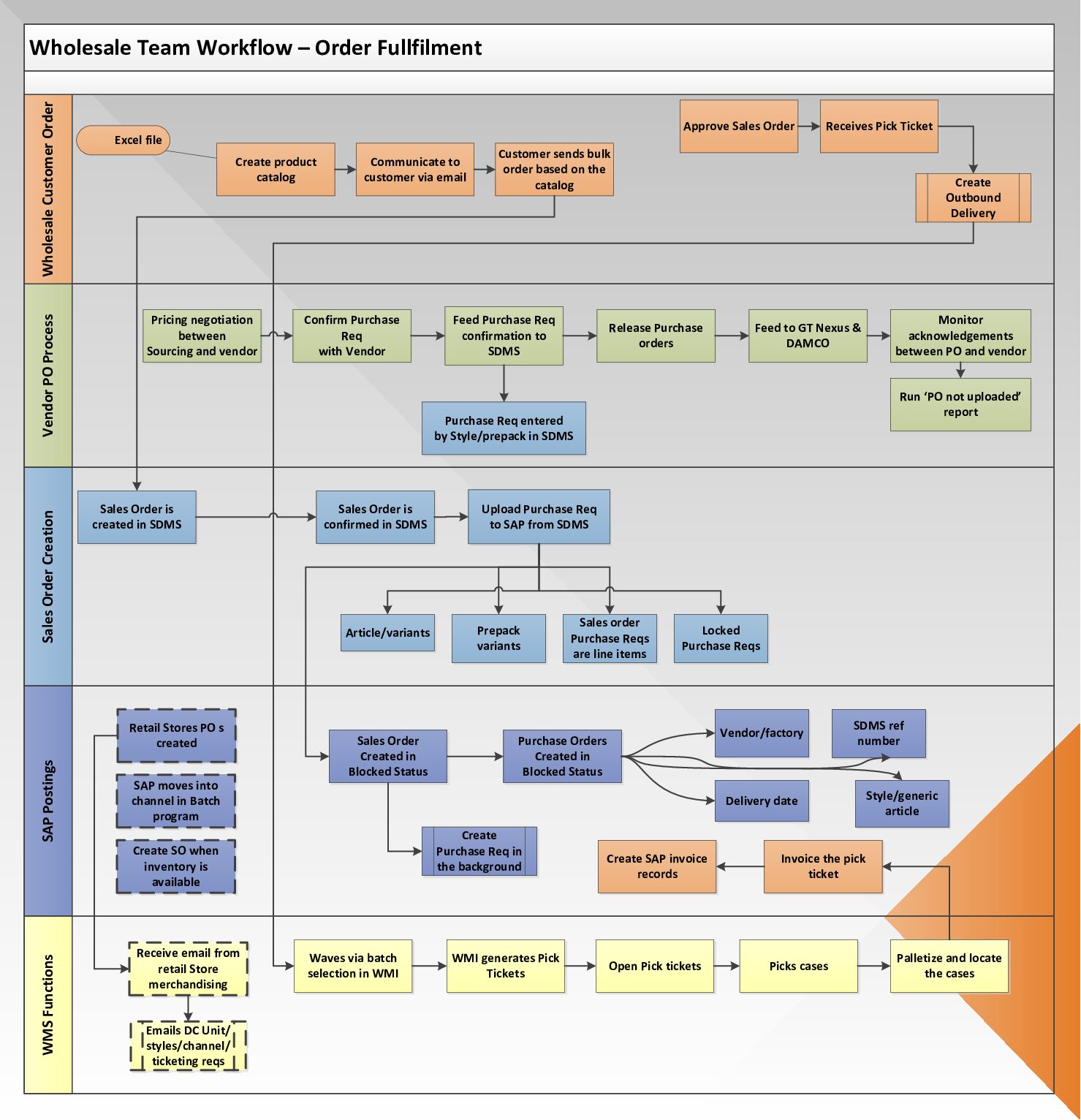
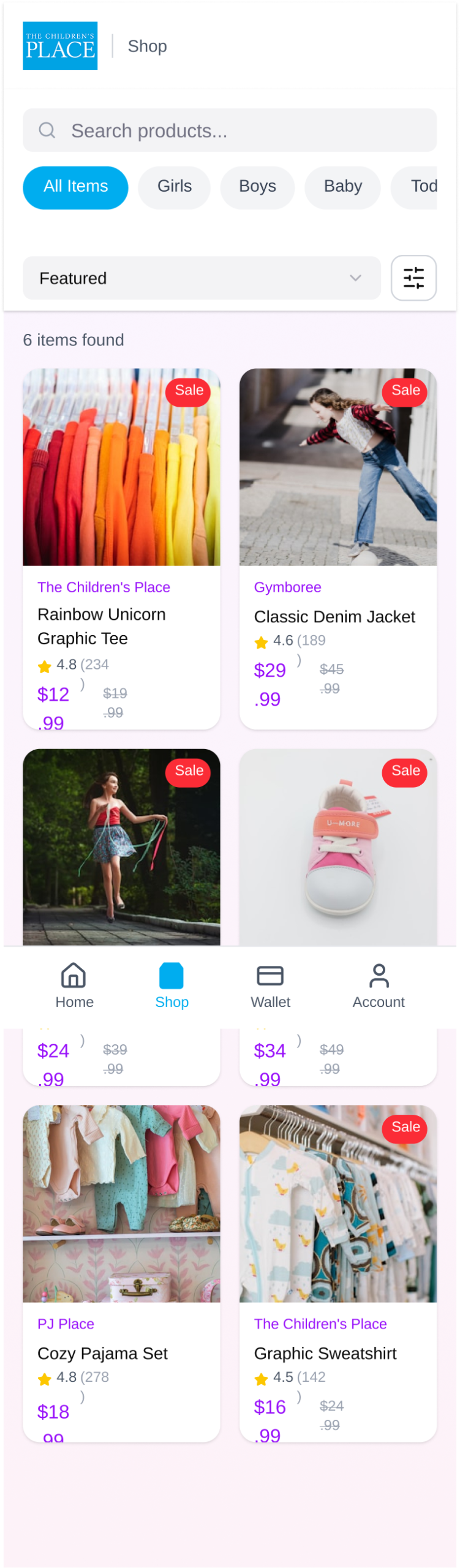
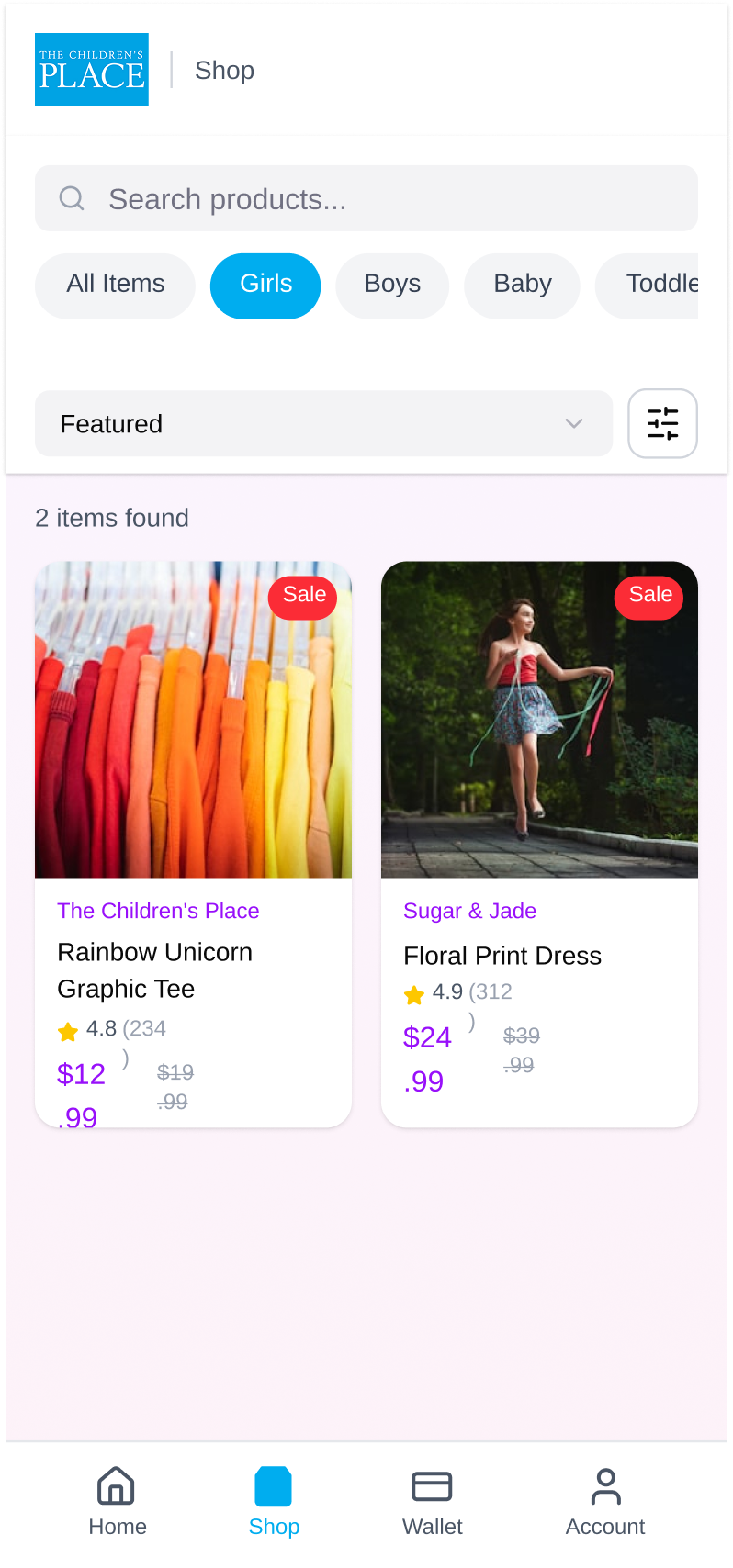
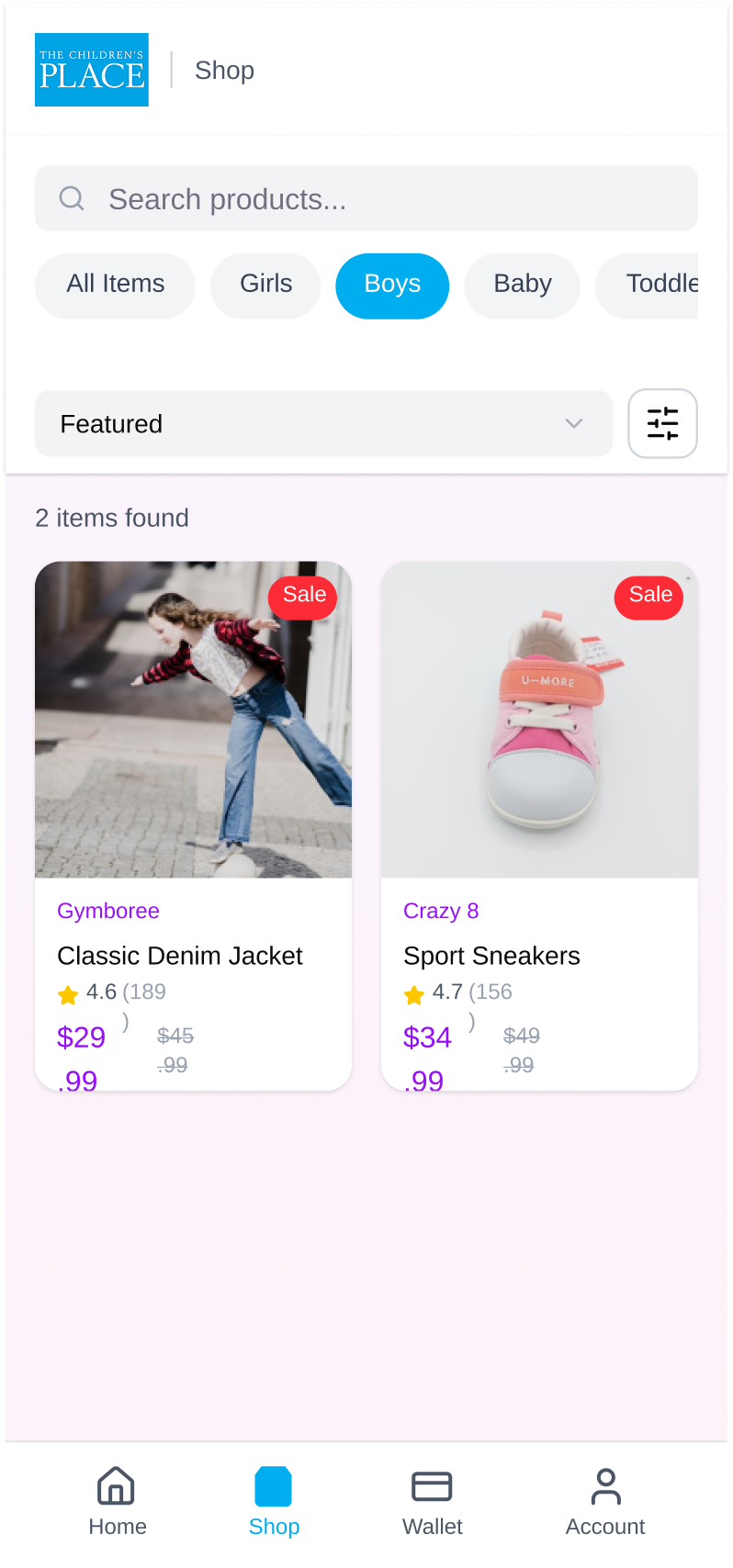
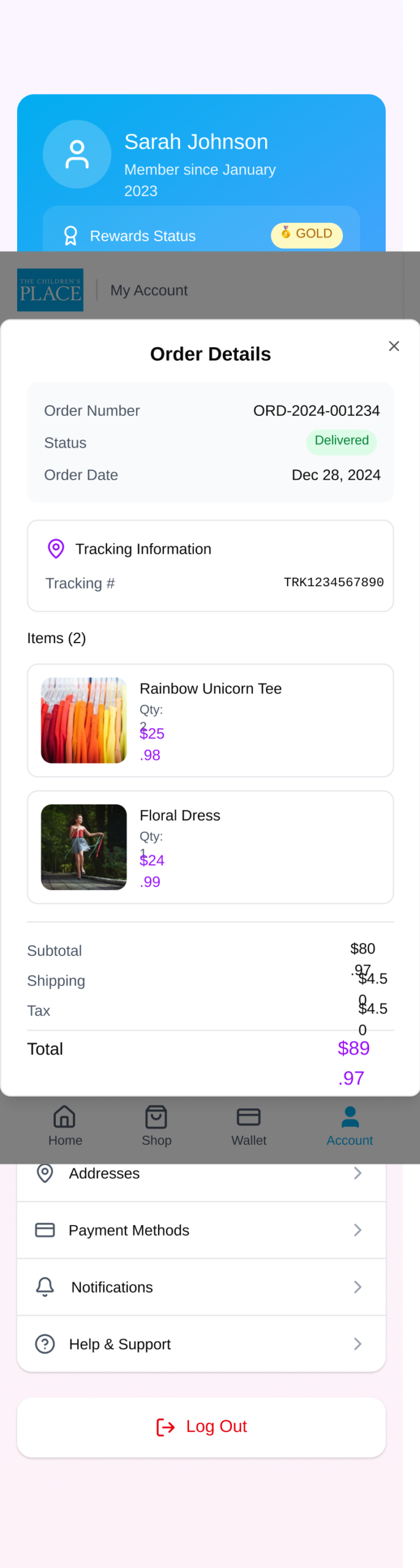
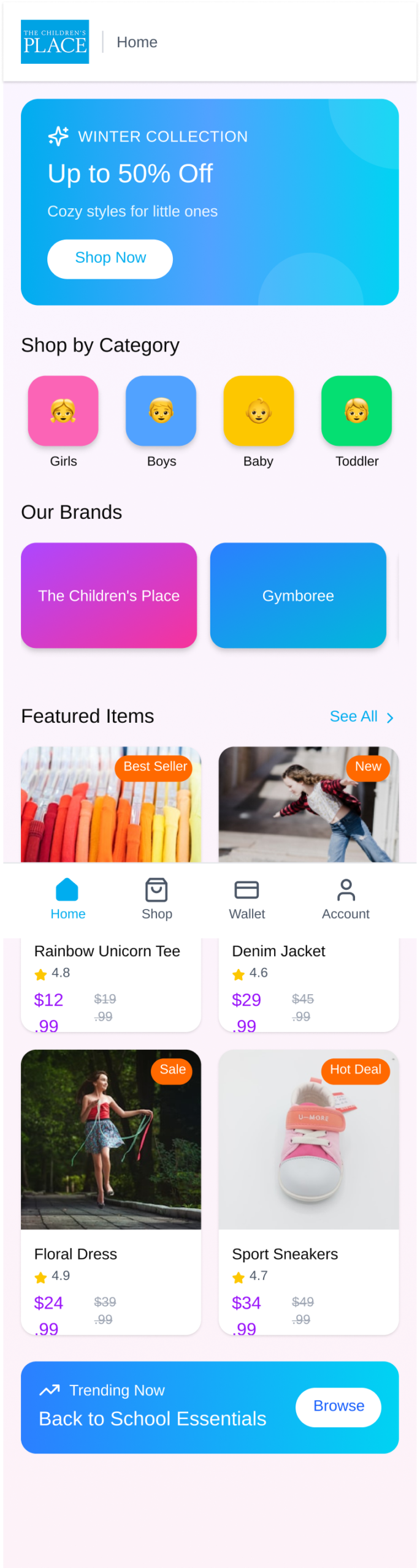
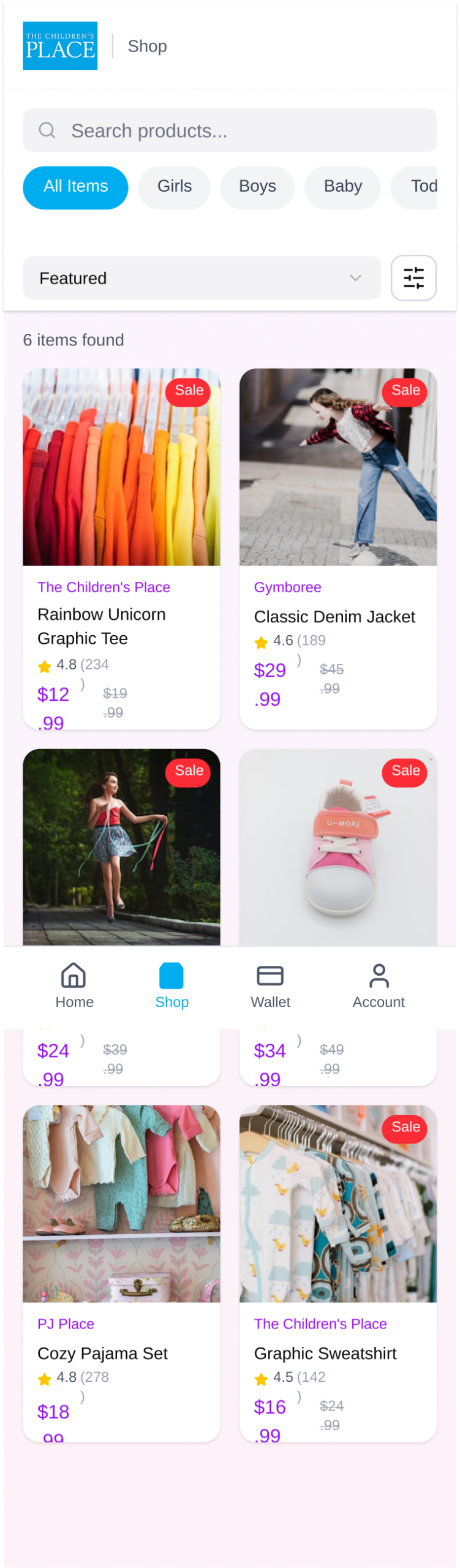
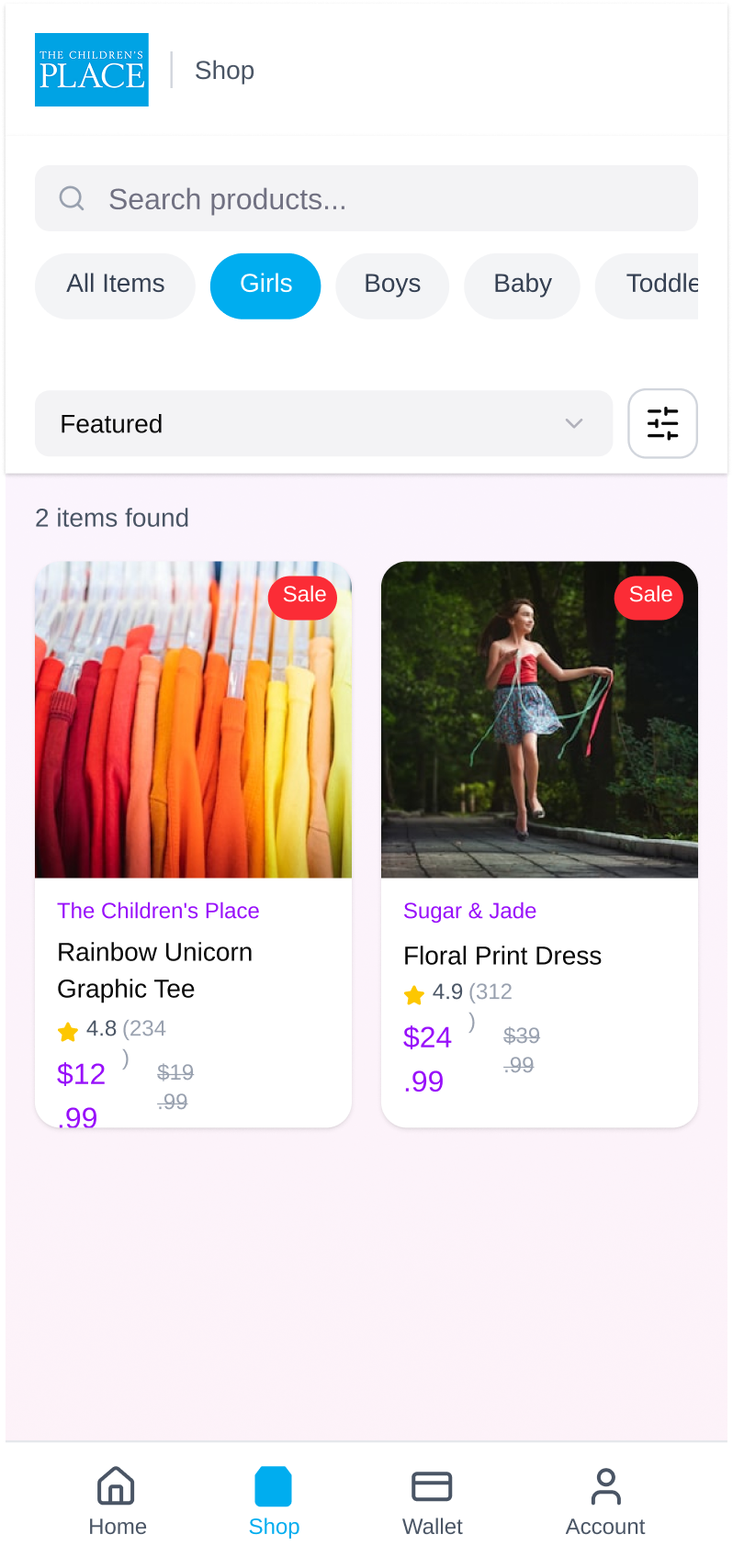
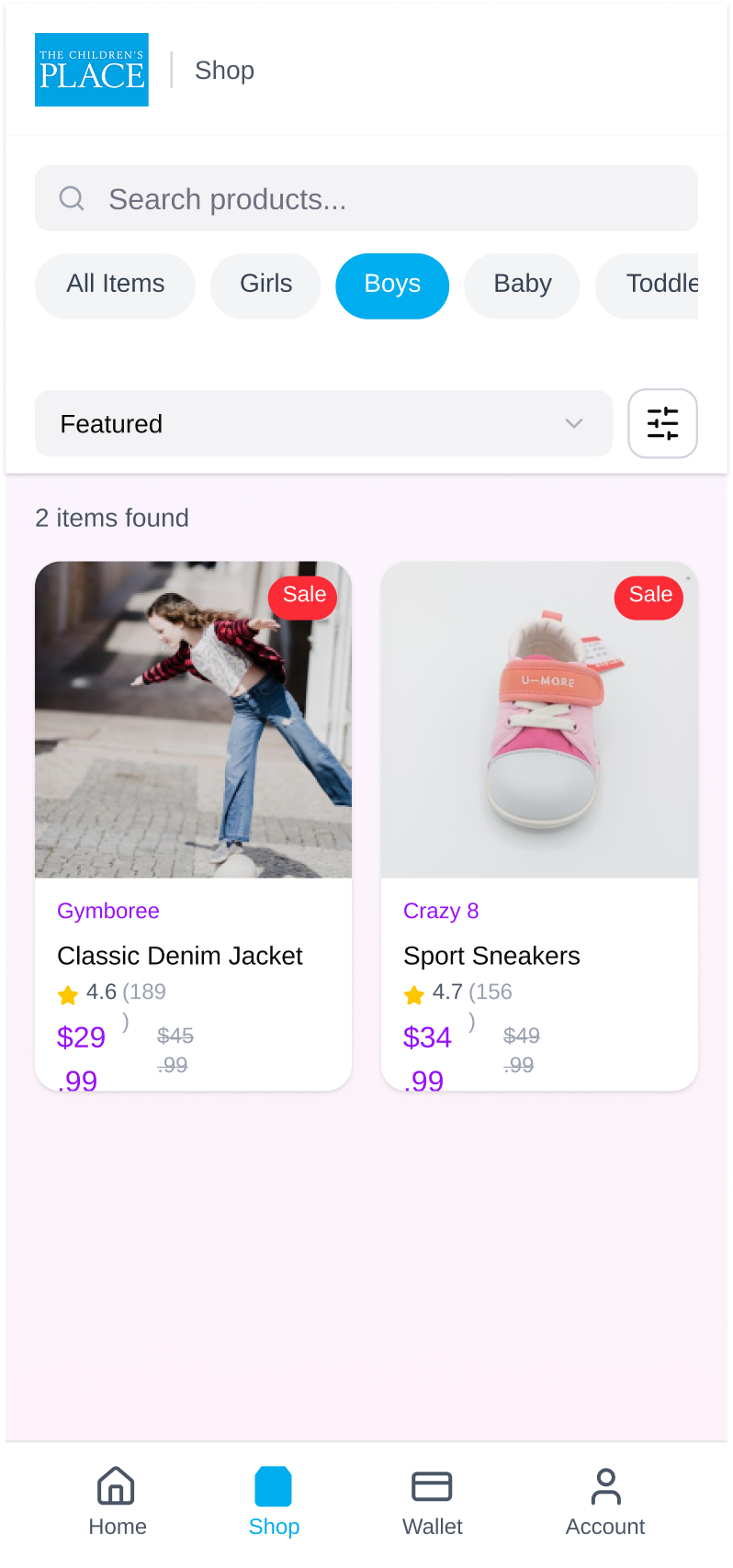
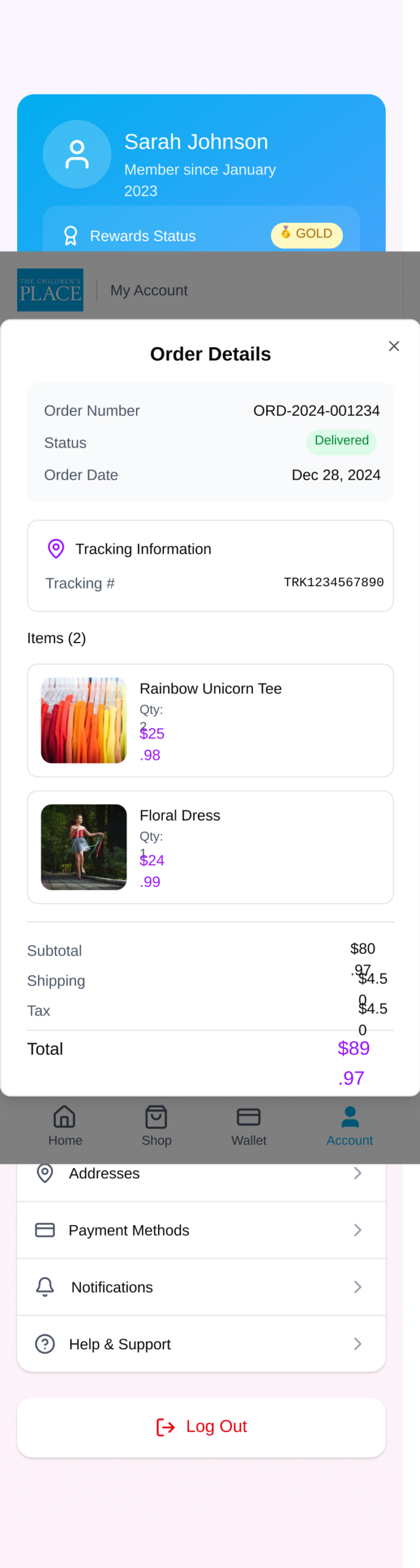
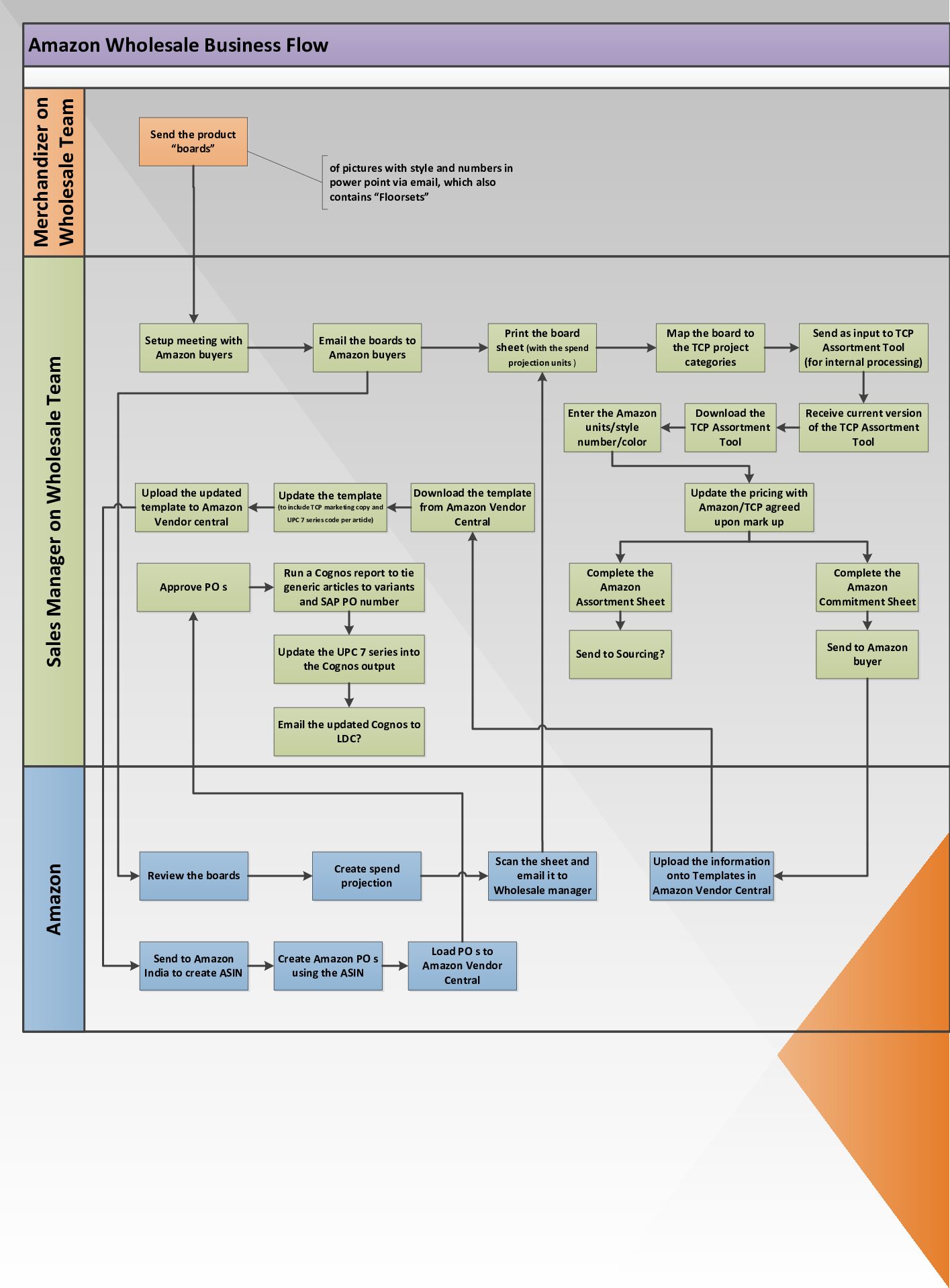
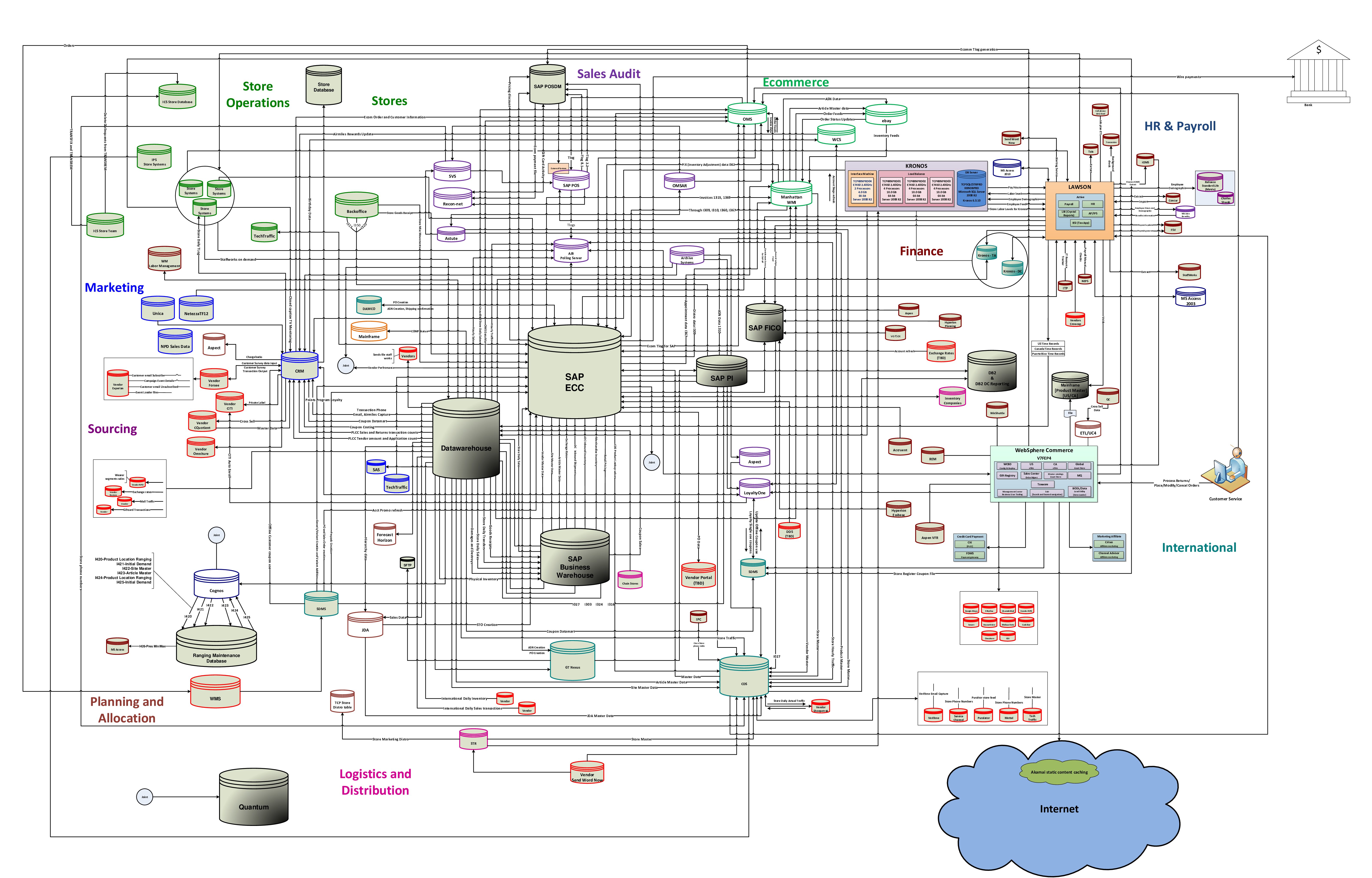
The Enterprise Retail Platform Modernization project for The Children’s Place (TCP) focused on redesigning and integrating customer-facing and internal systems to support secure transactions, scalable application integrations, and improved digital customer experiences across 1,000+ retail stores in the U.S. and Canada.

The initiative combined three major efforts into a unified UX strategy:

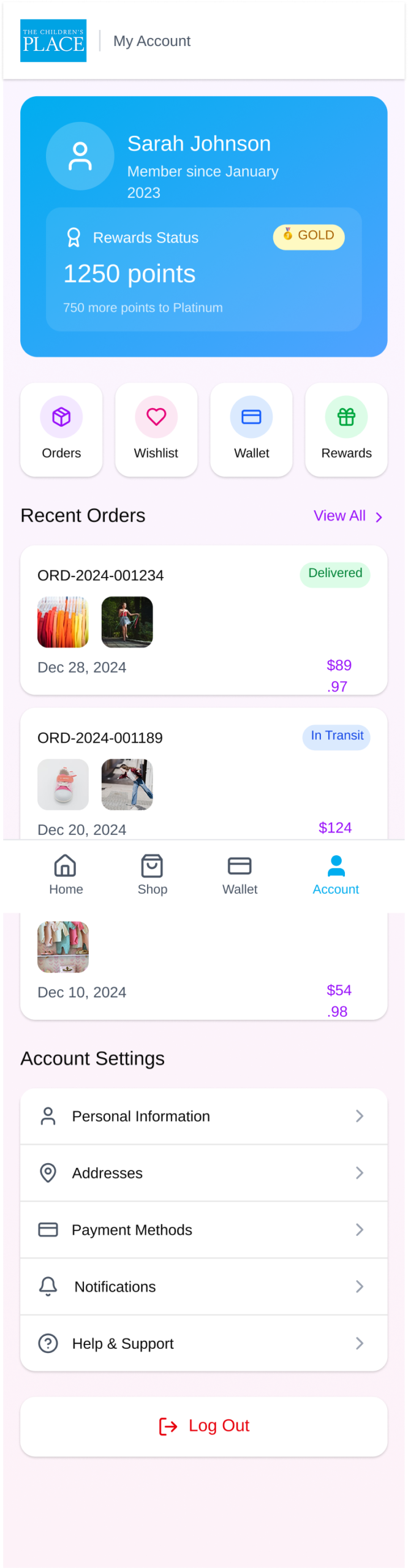
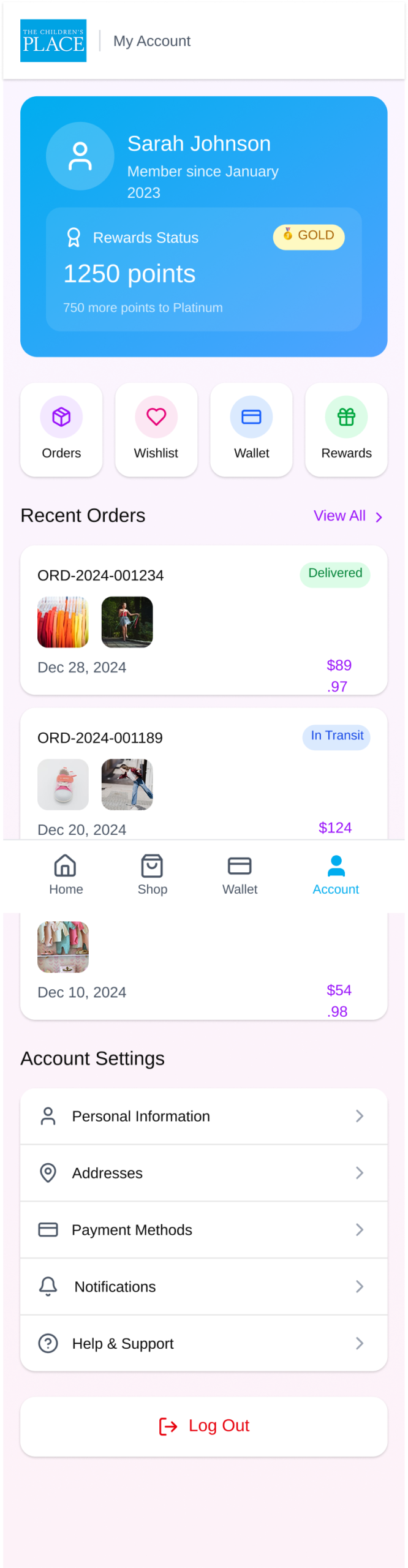
  • Mobile First external portal creation to support enterprise application integrations within a componentized IT architecture
  • E-Receipt design to modernize post-purchase communication with customers through mobile-optimized, visually enhanced electronic receipts
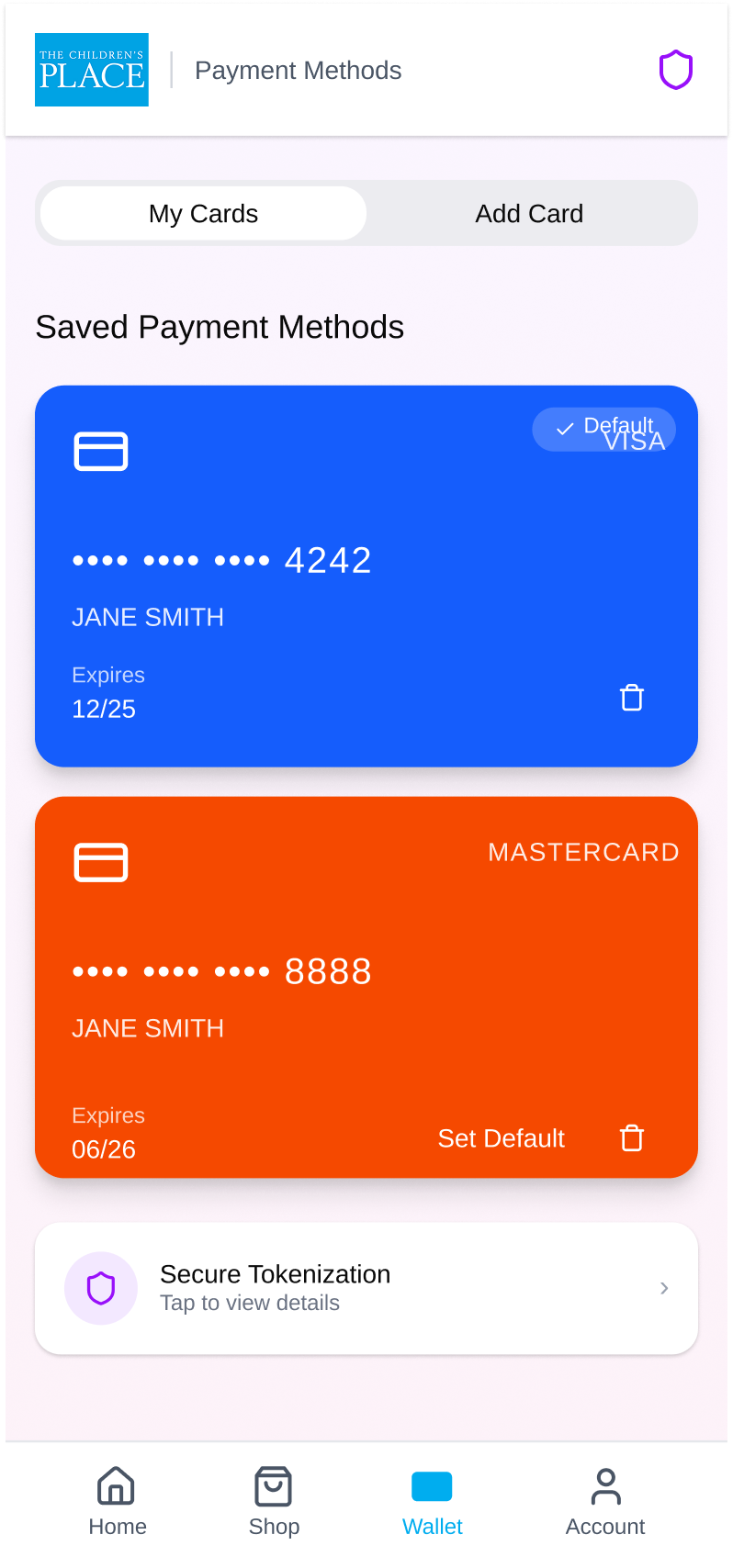
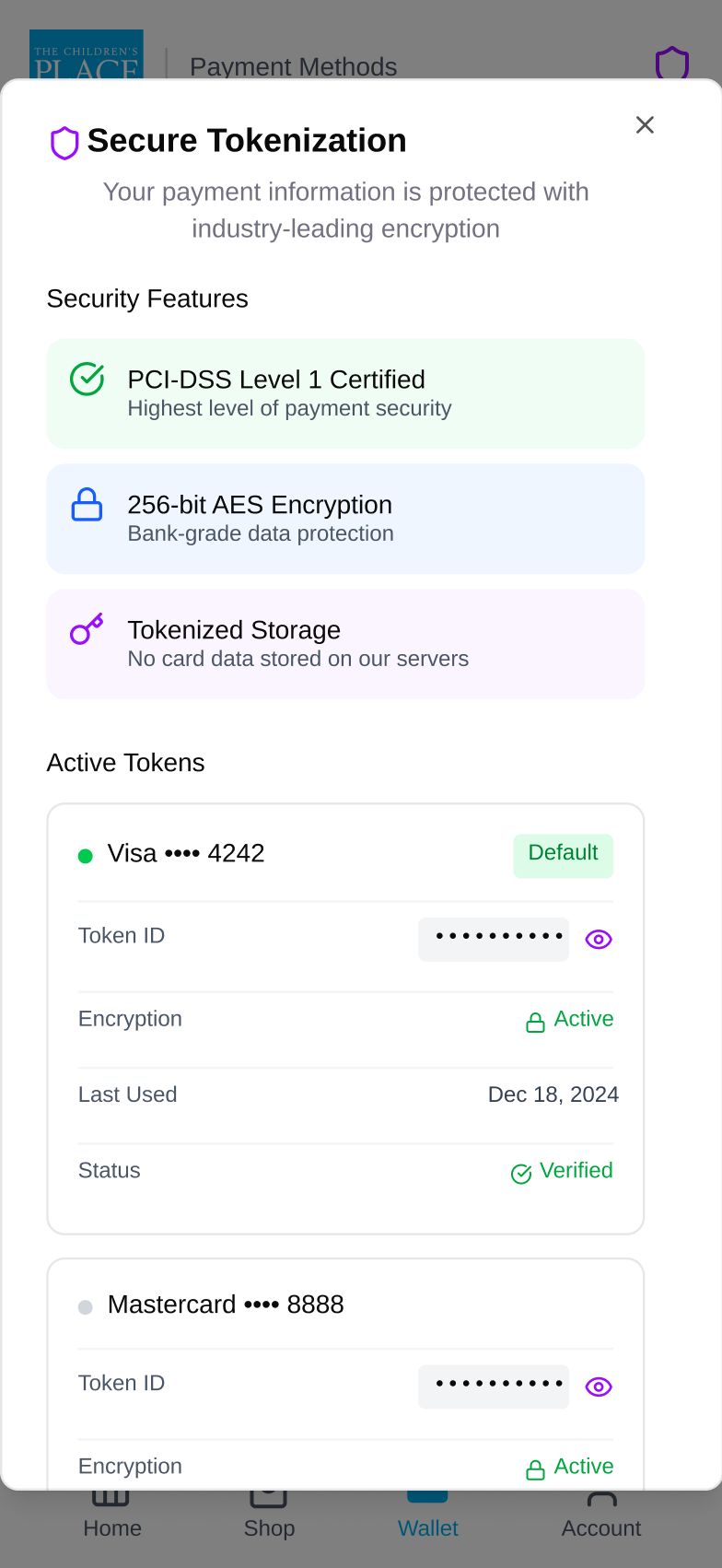
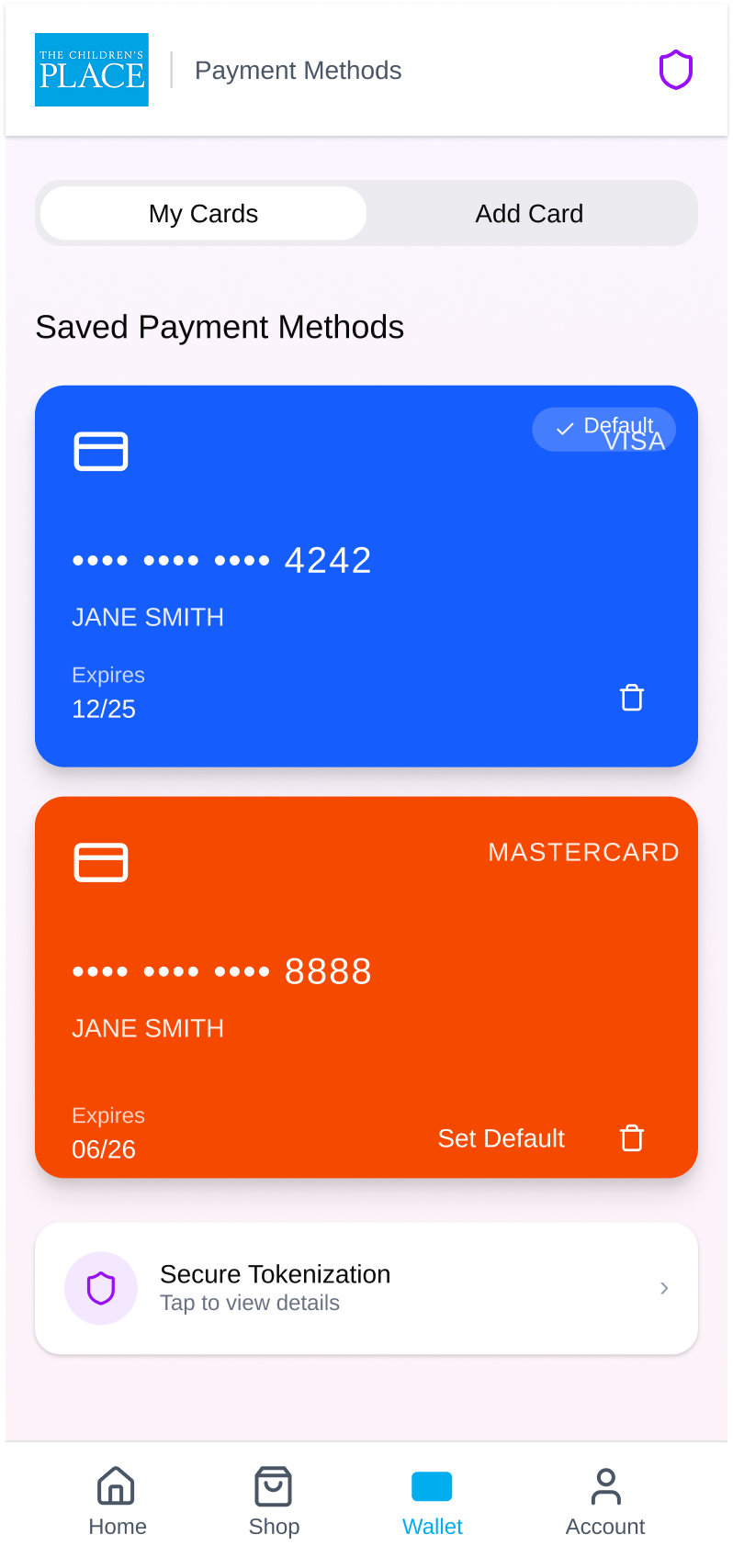
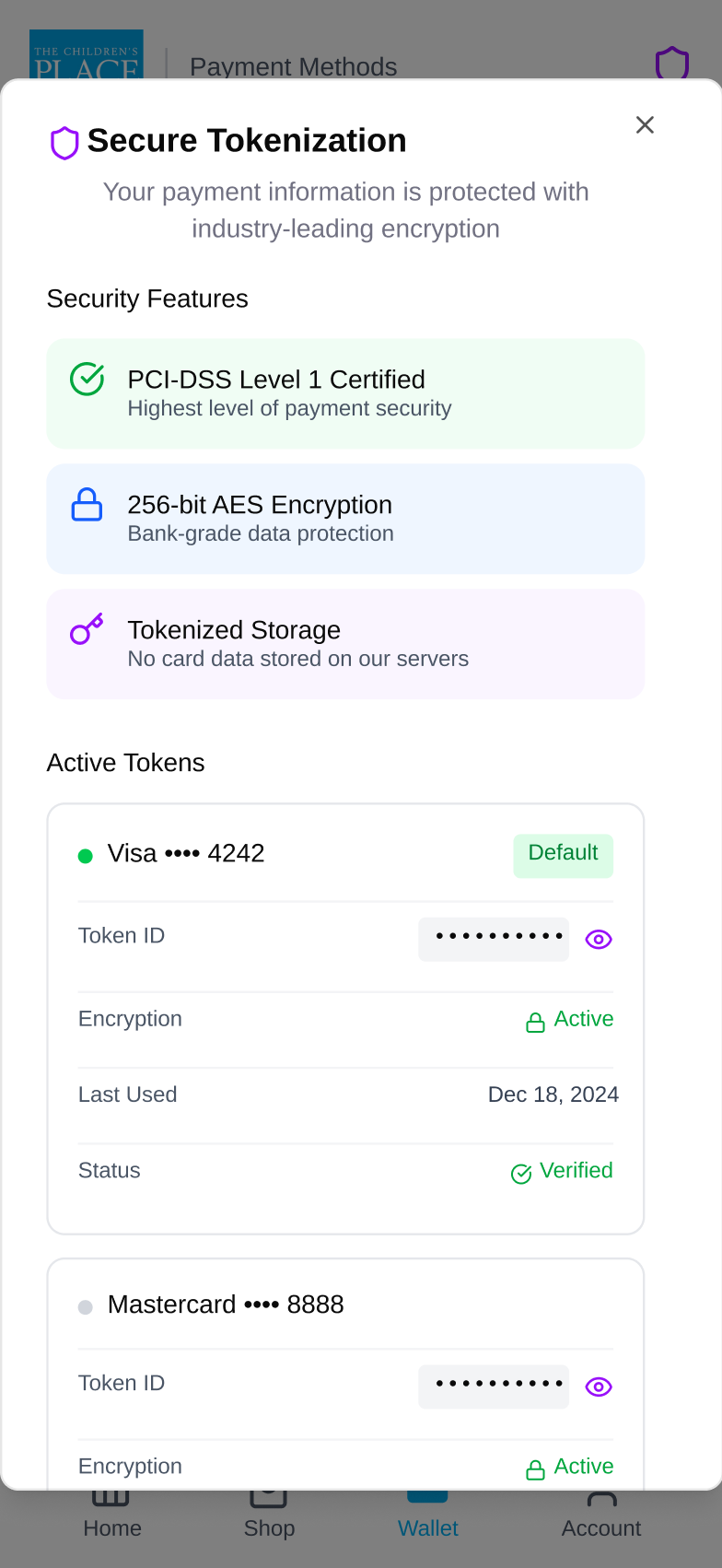
  • Store Tokenization to design secure interfaces that support tokenized payment flows and prevent credit card fraud across connected retail systems

Together, these efforts delivered a consistent, secure, and scalable experience across customer touchpoints and enterprise applications while supporting SAP-based system modernization.

User Groups:

Retail Customers: Shoppers receiving digital receipts and interacting with post-purchase communications across mobile and tablet devices.

Store Associates & Store Managers: In-store users supporting transactions, troubleshooting receipts, and ensuring smooth customer checkout experiences.

Internal Business & Operations Teams: Users managing retail workflows, customer data, and integrations across enterprise systems.

IT, Security & Platform Teams: Technical stakeholders responsible for application integration, tokenization, fraud prevention, and system reliability.

UX Activities

User Research & Use-Case Analysis, Workflow Modeling, Prototyping, Iterative refinement.

Photo Sharing and Printing Service

  • Created by: Vivekananda Kondapalli
  • Skills:

Project Brief

Smart Plant Enterprise

  • Created by: Vivekananda Kondapalli
  • Skills:

Project Brief

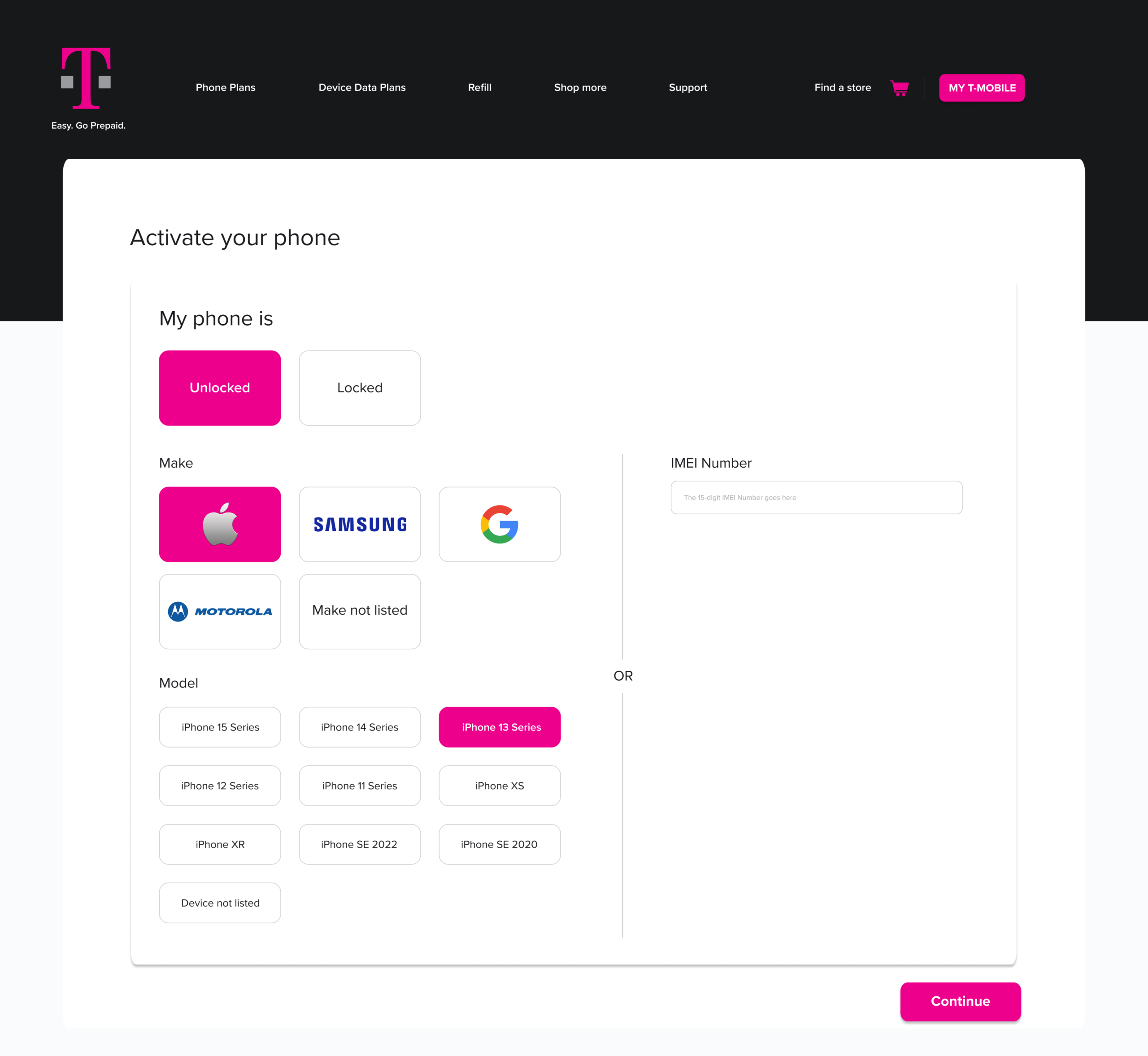
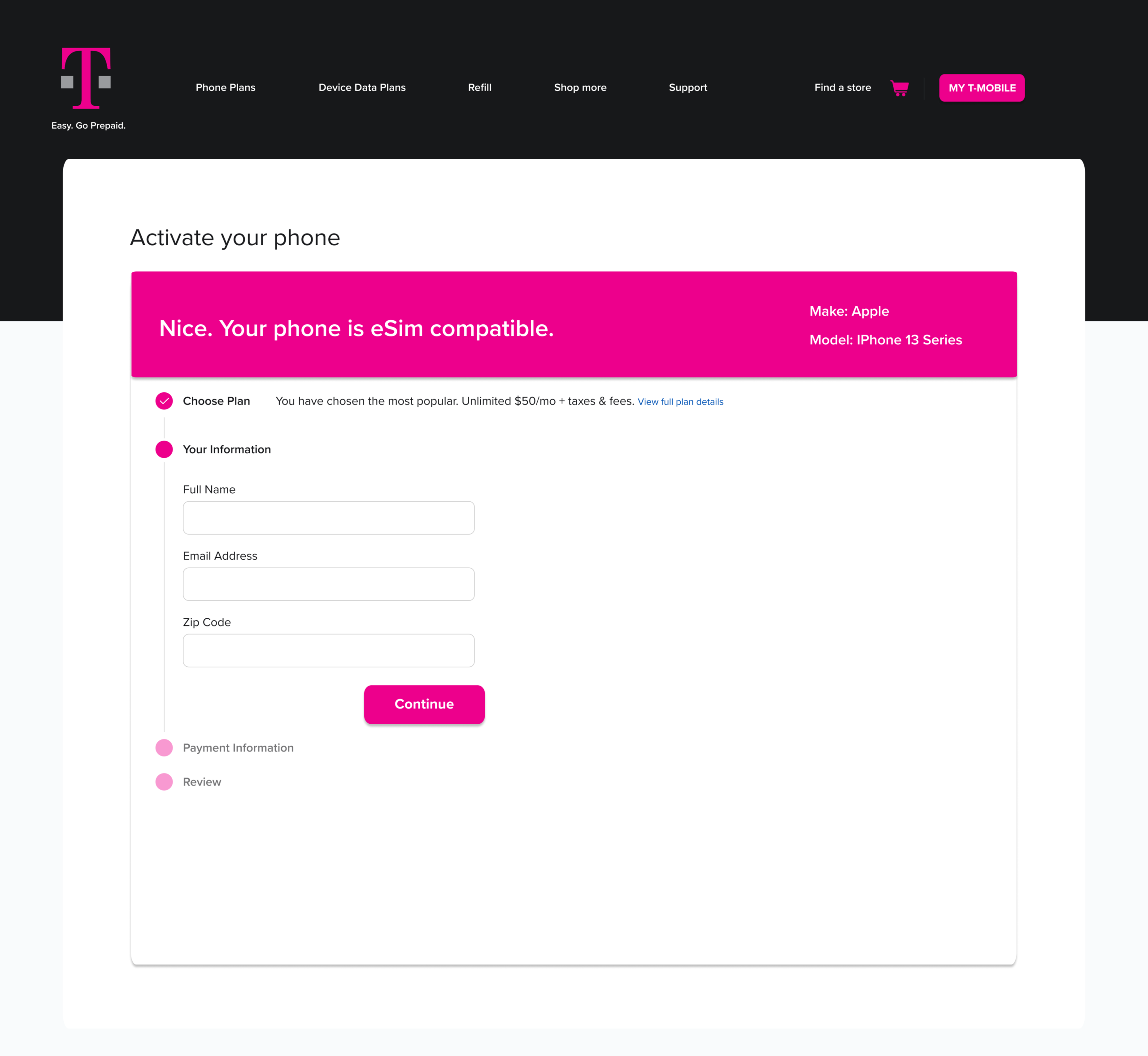
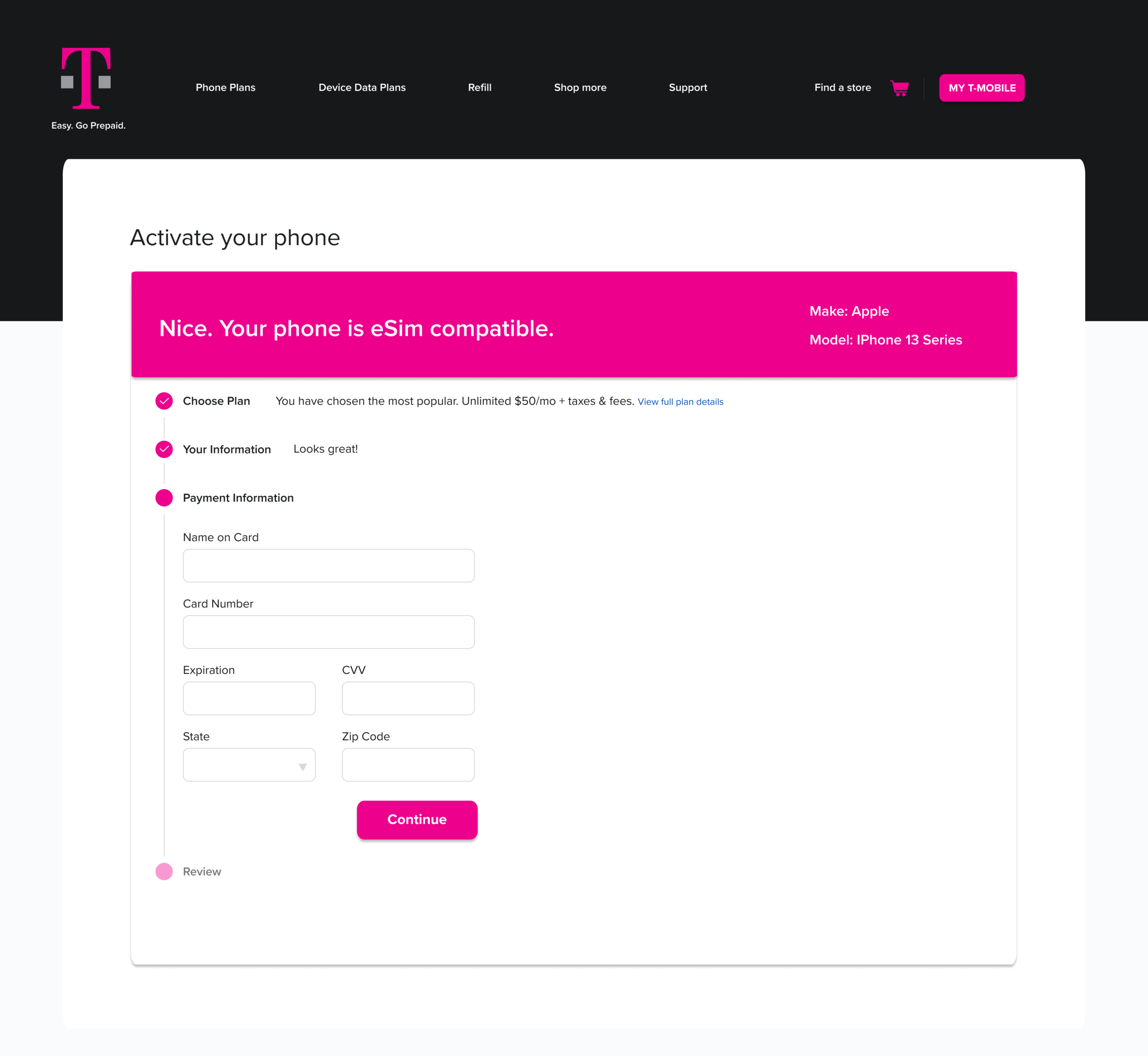
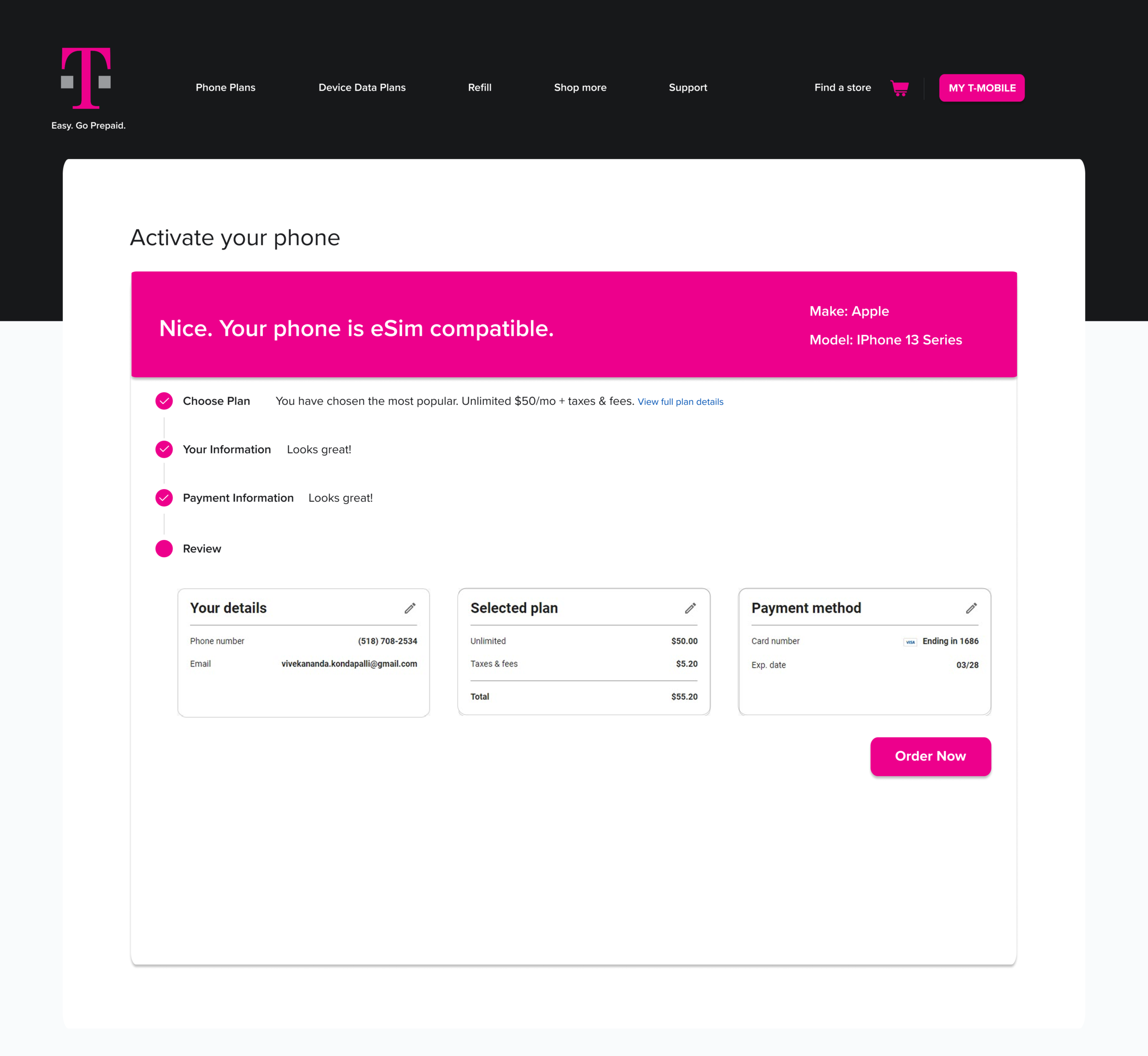
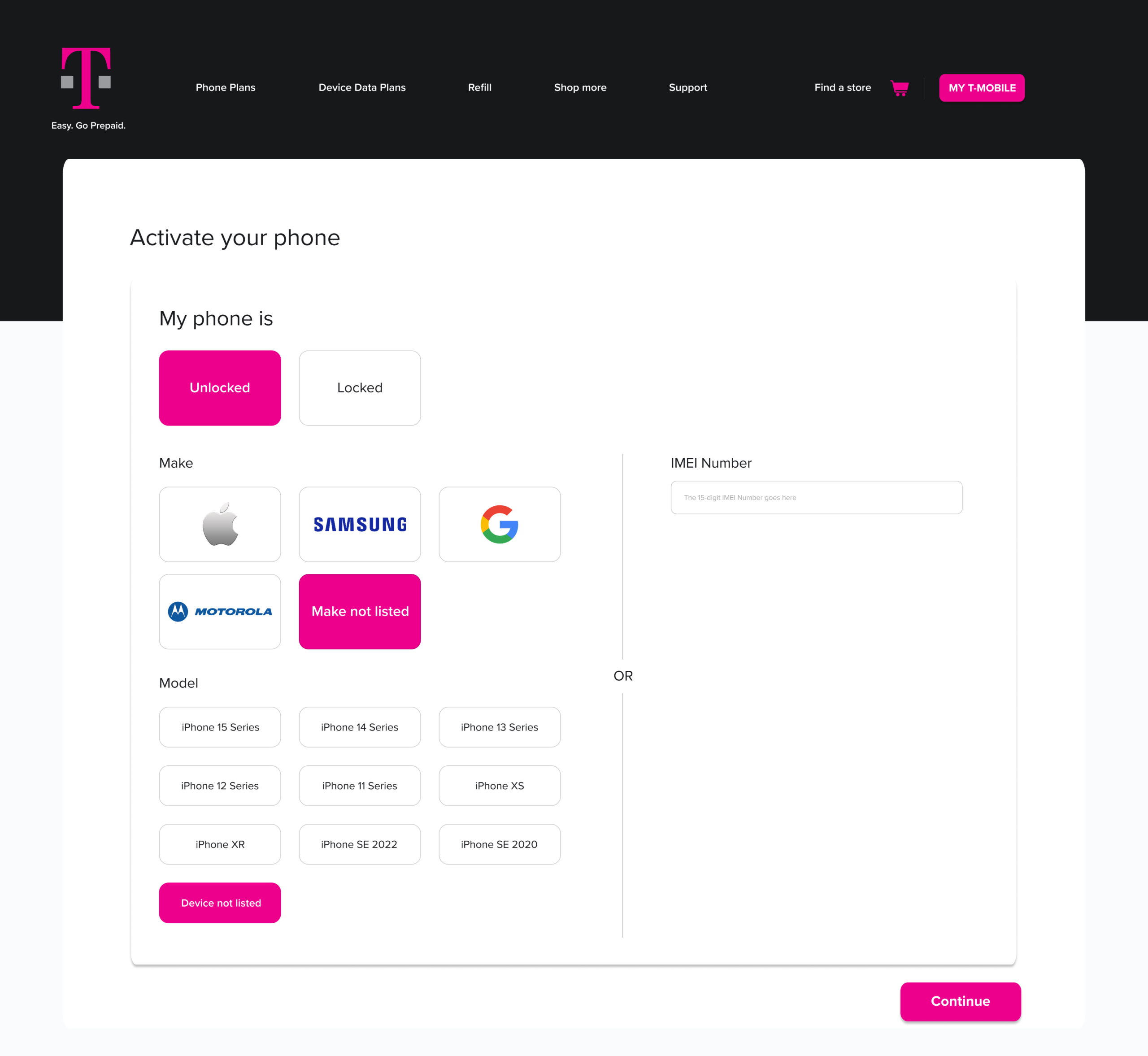
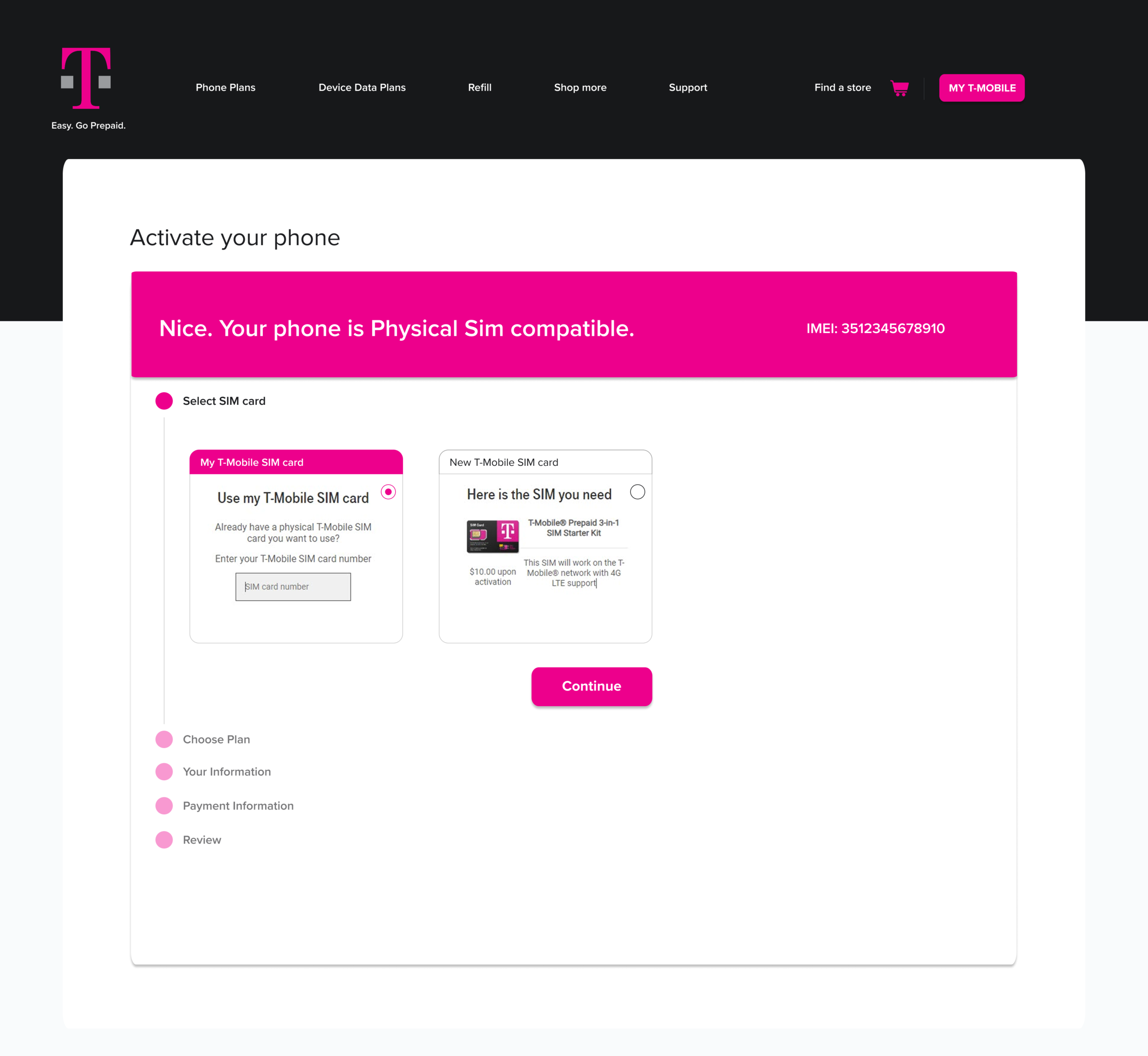
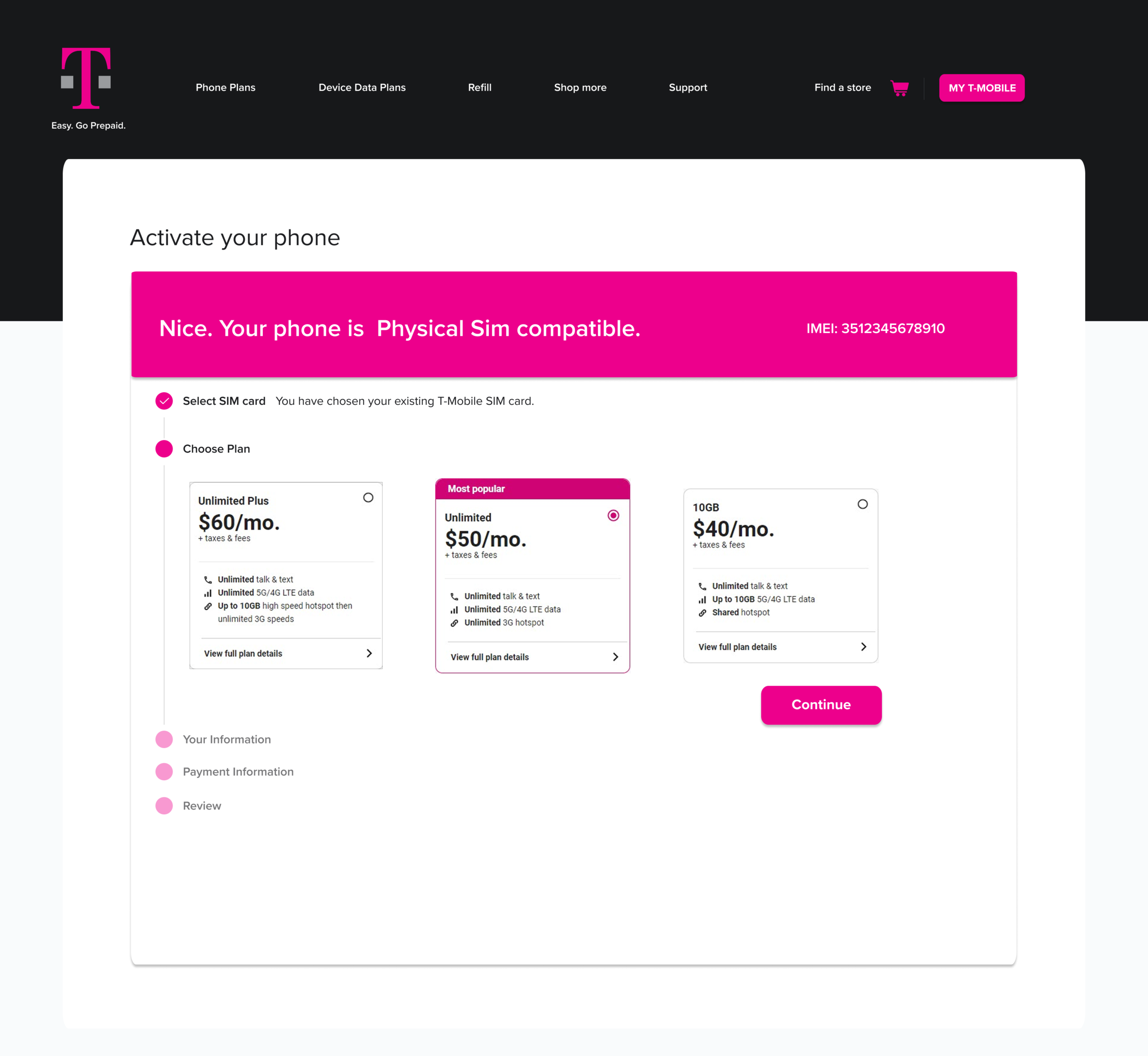
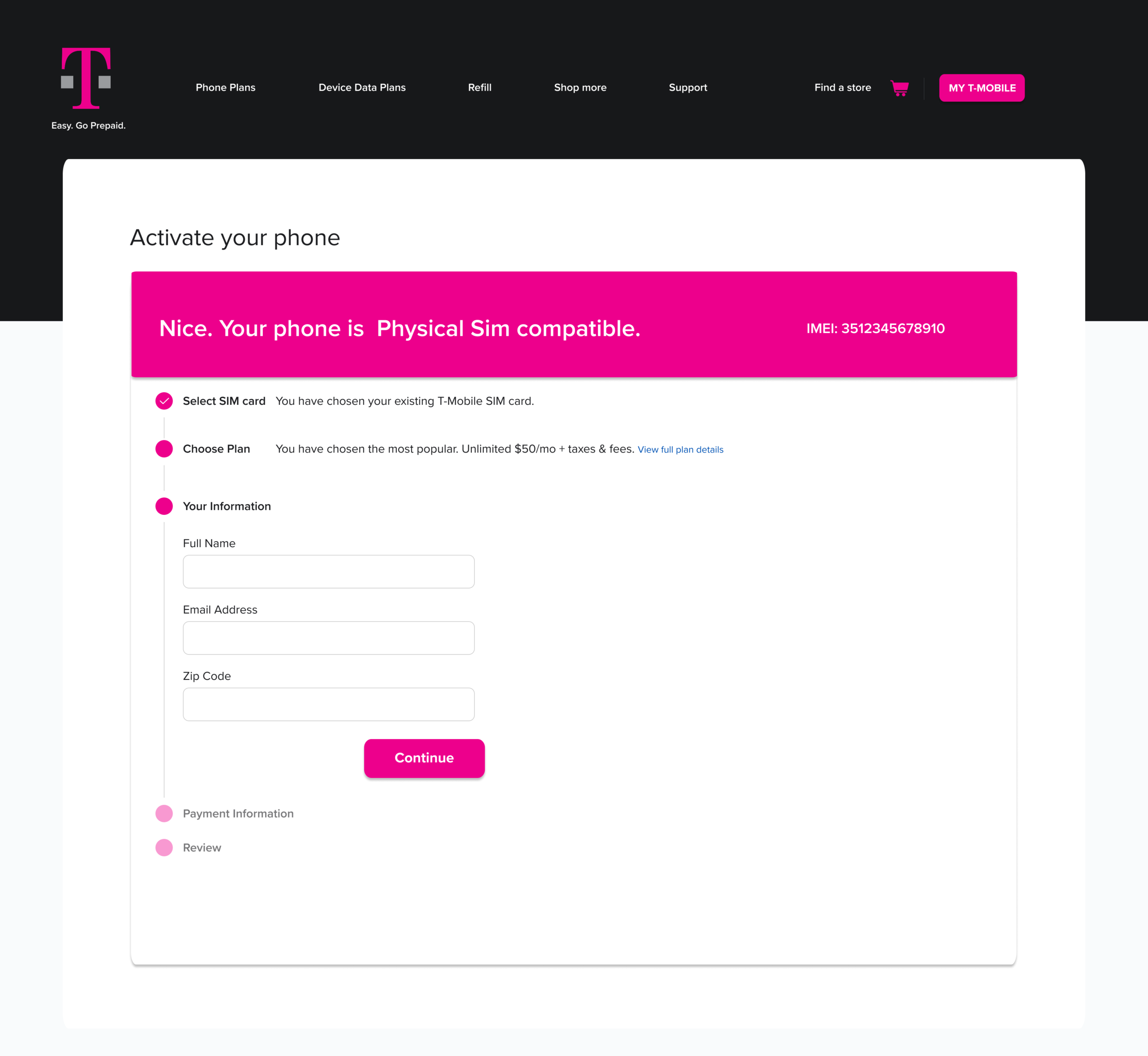
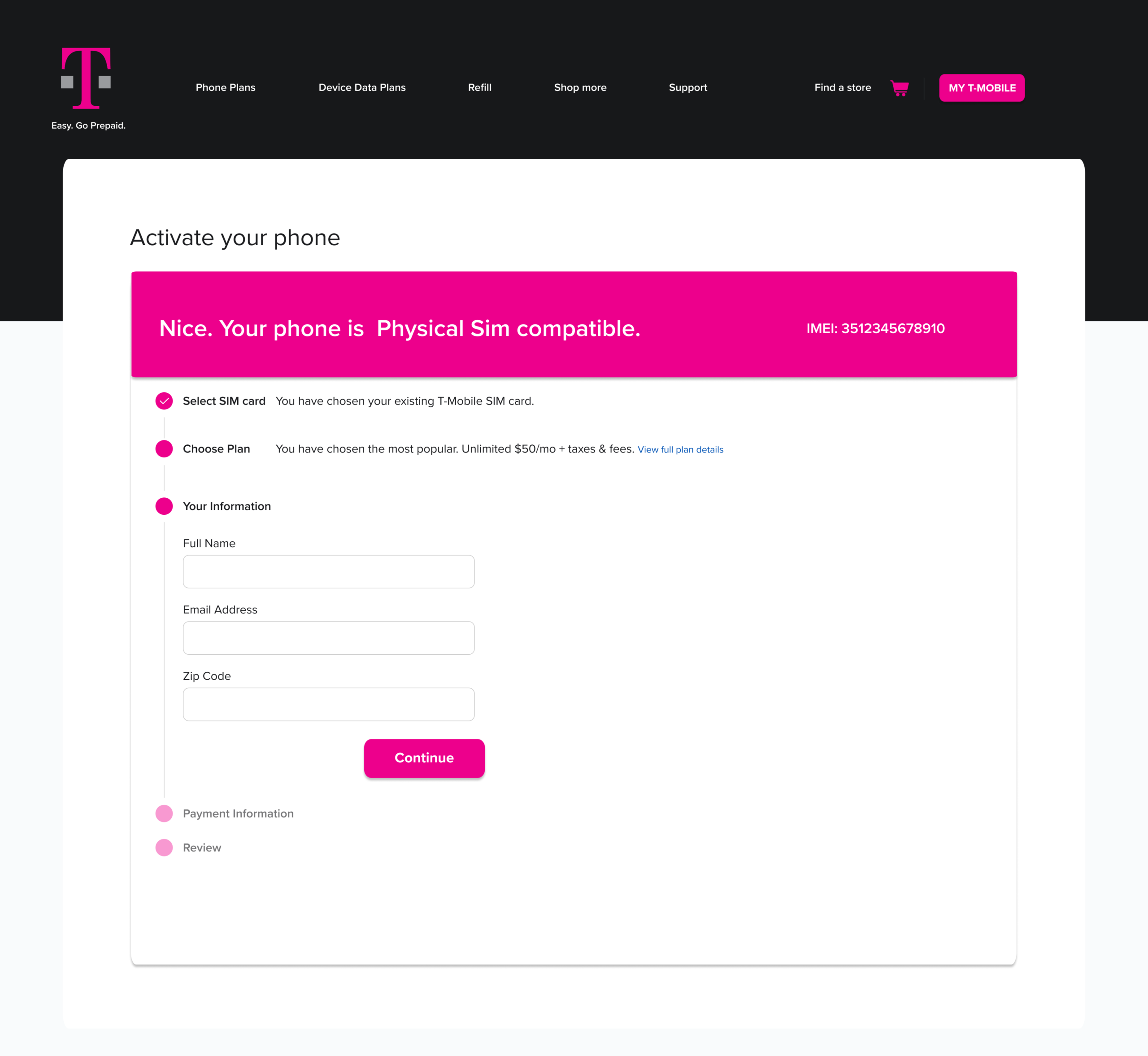
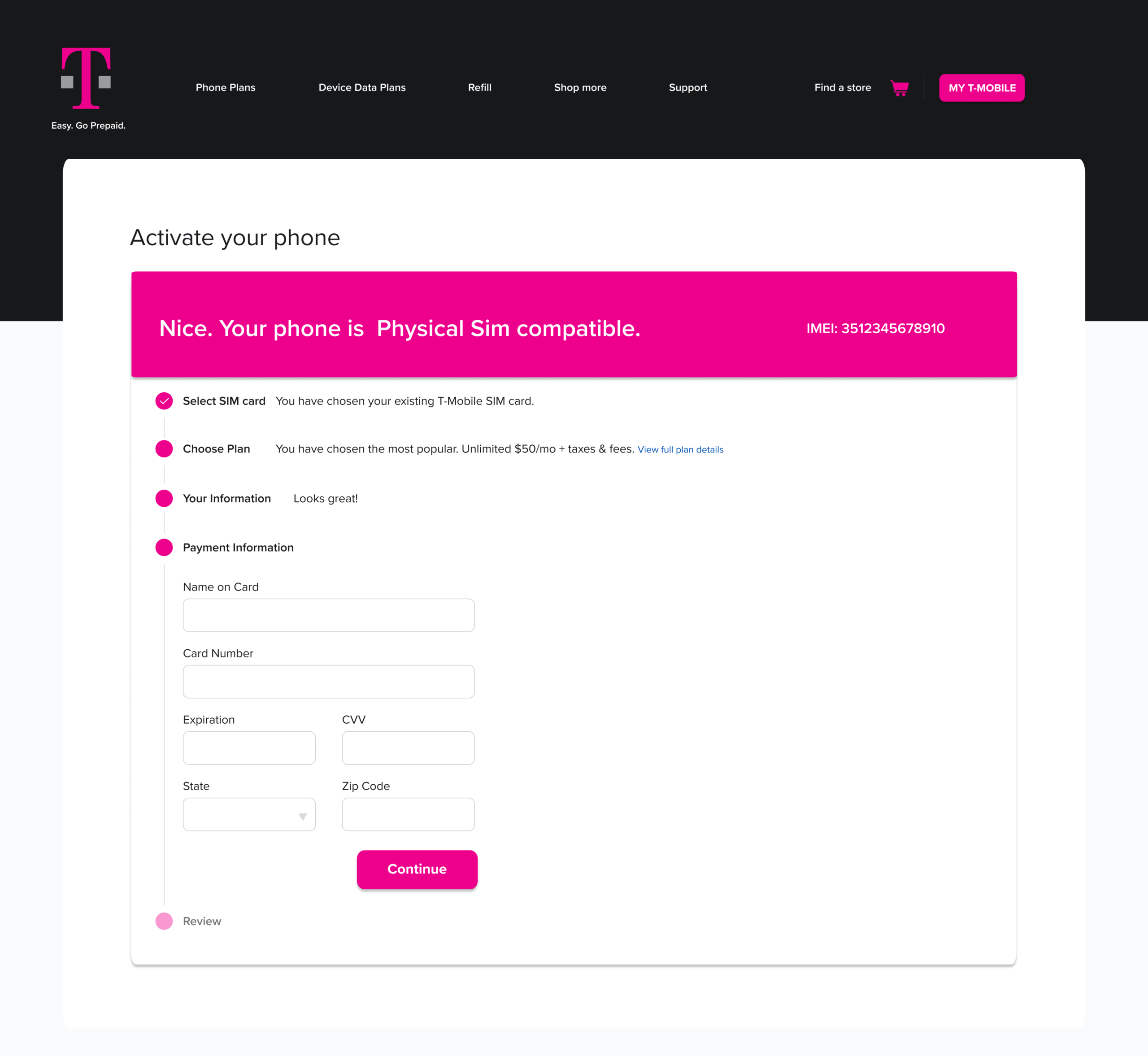
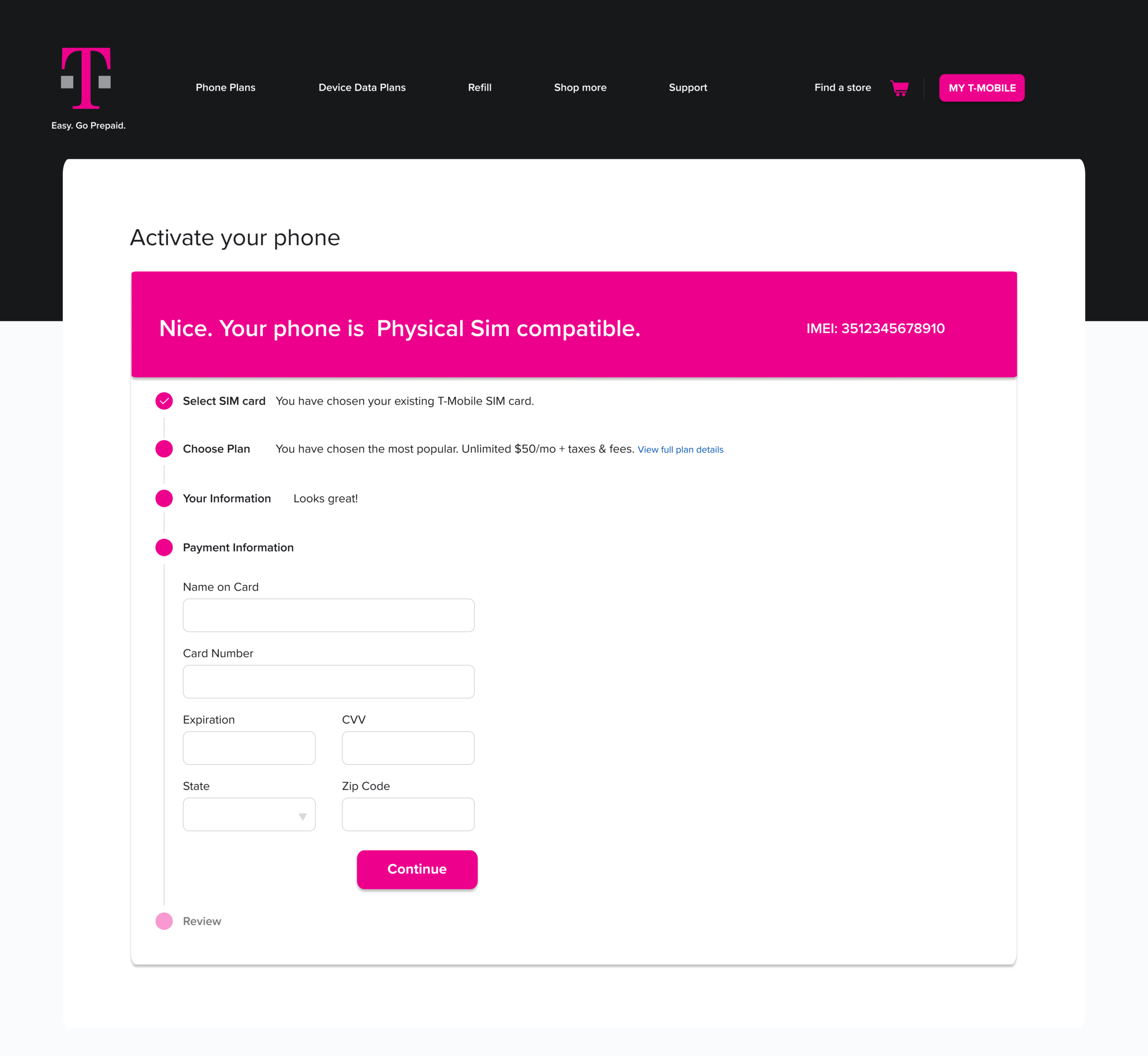
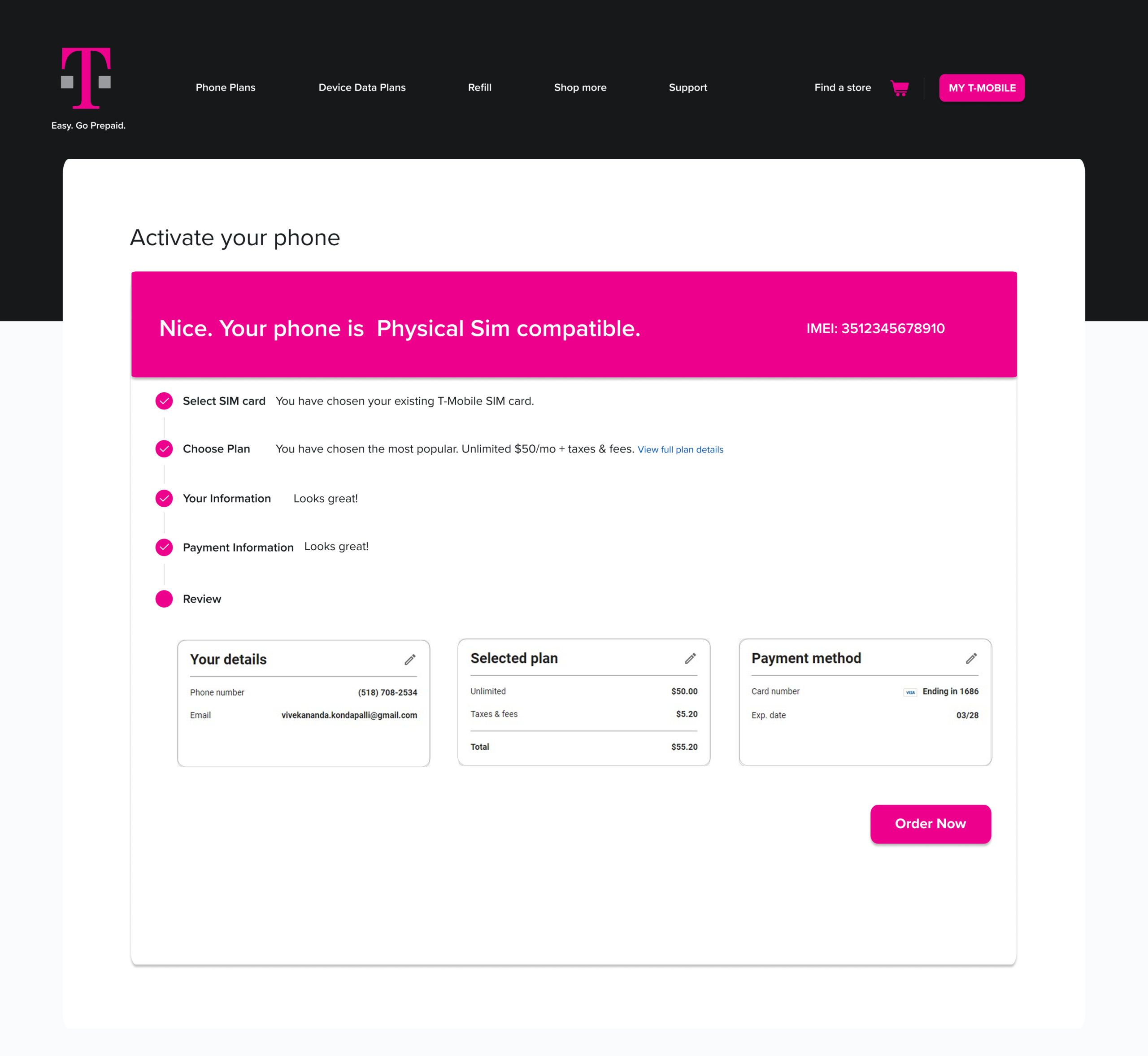
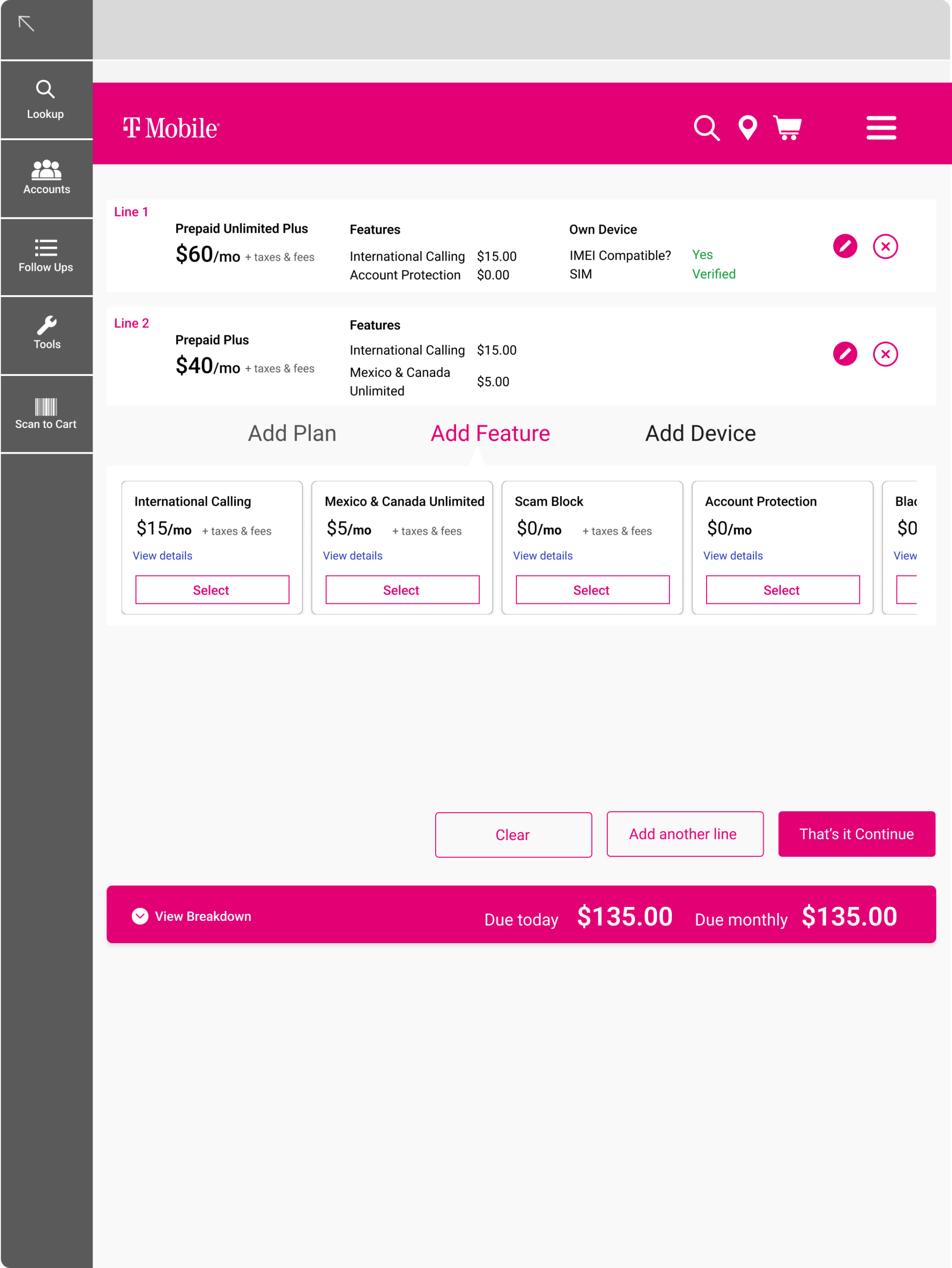
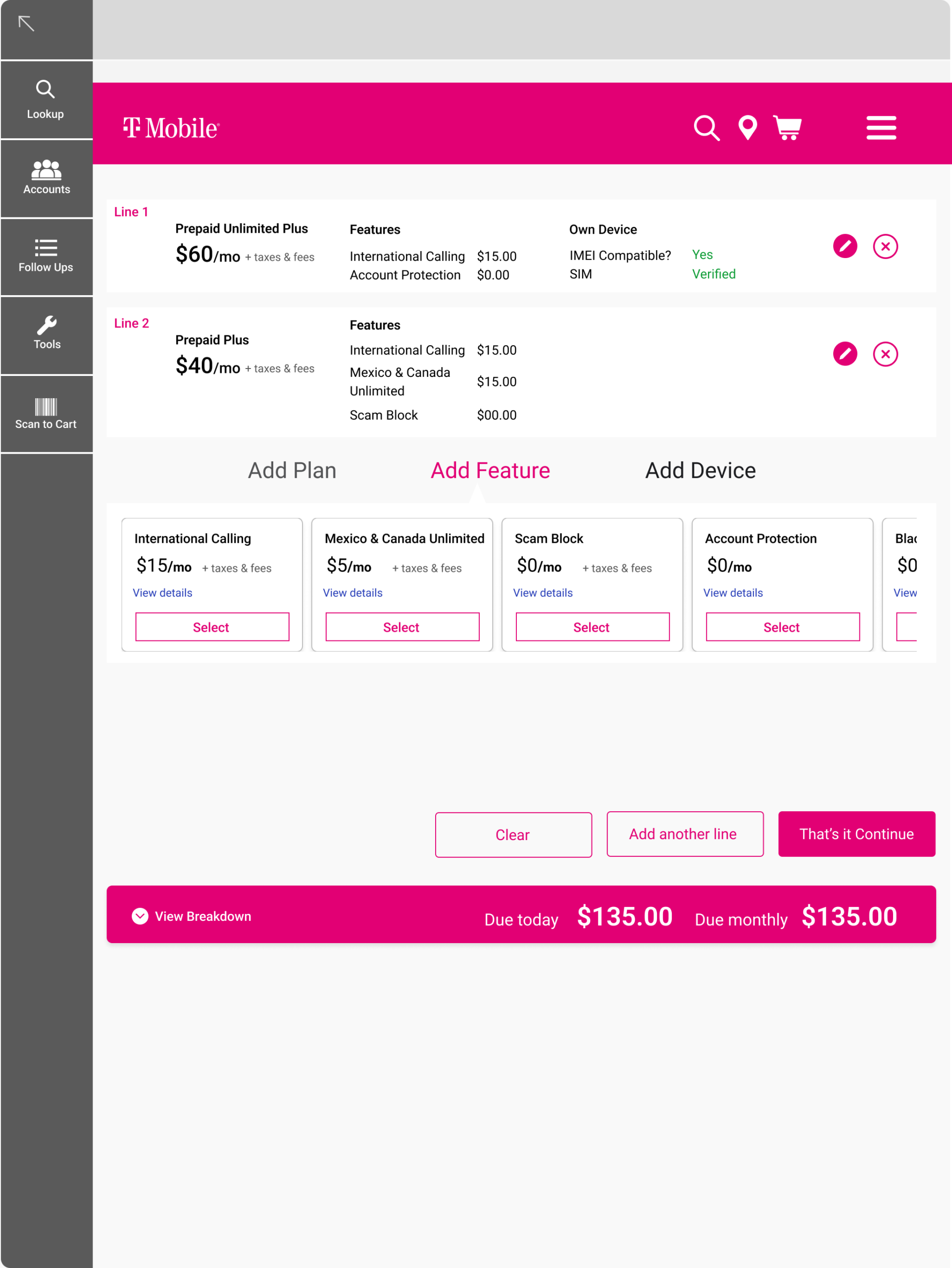
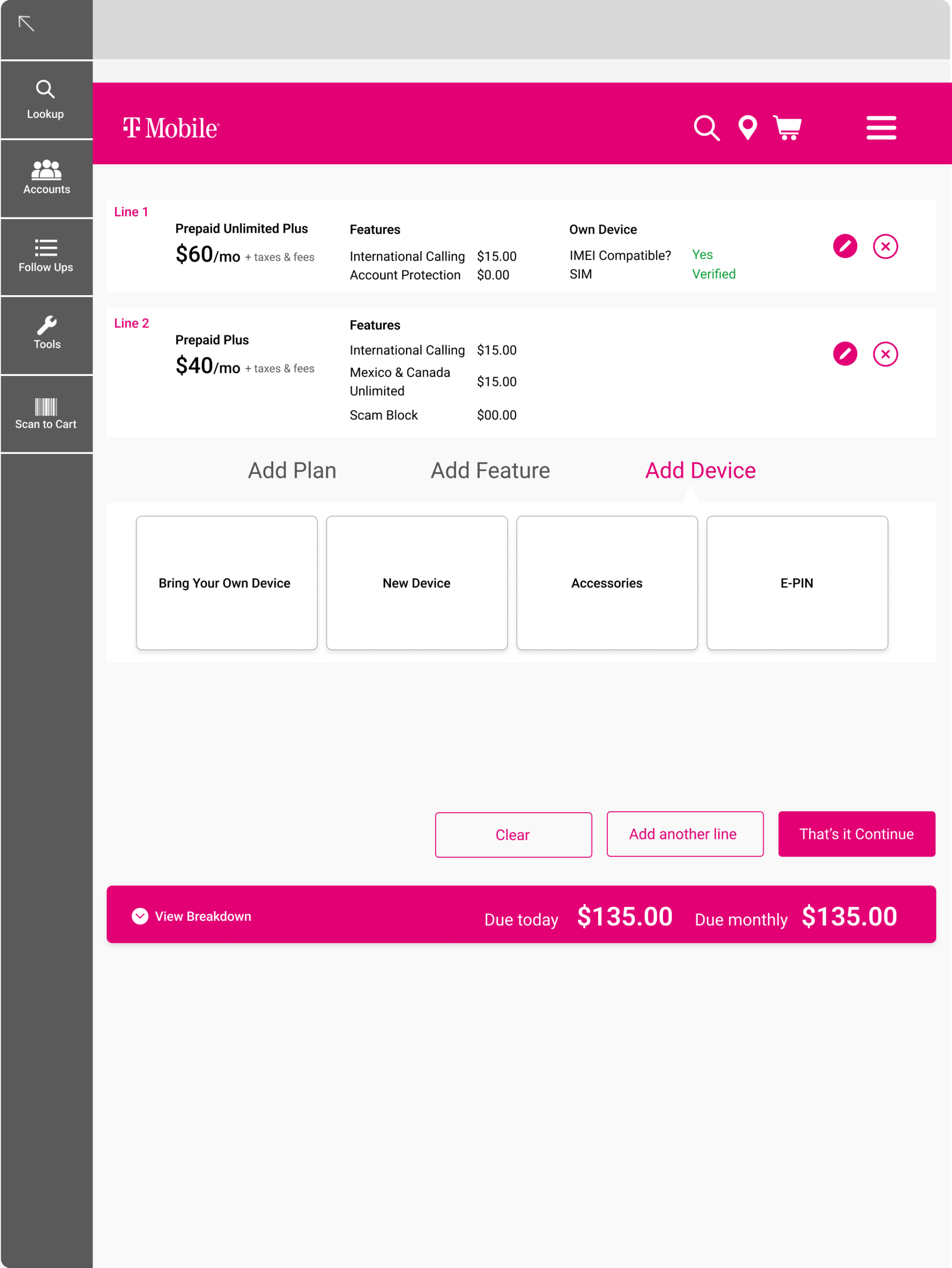
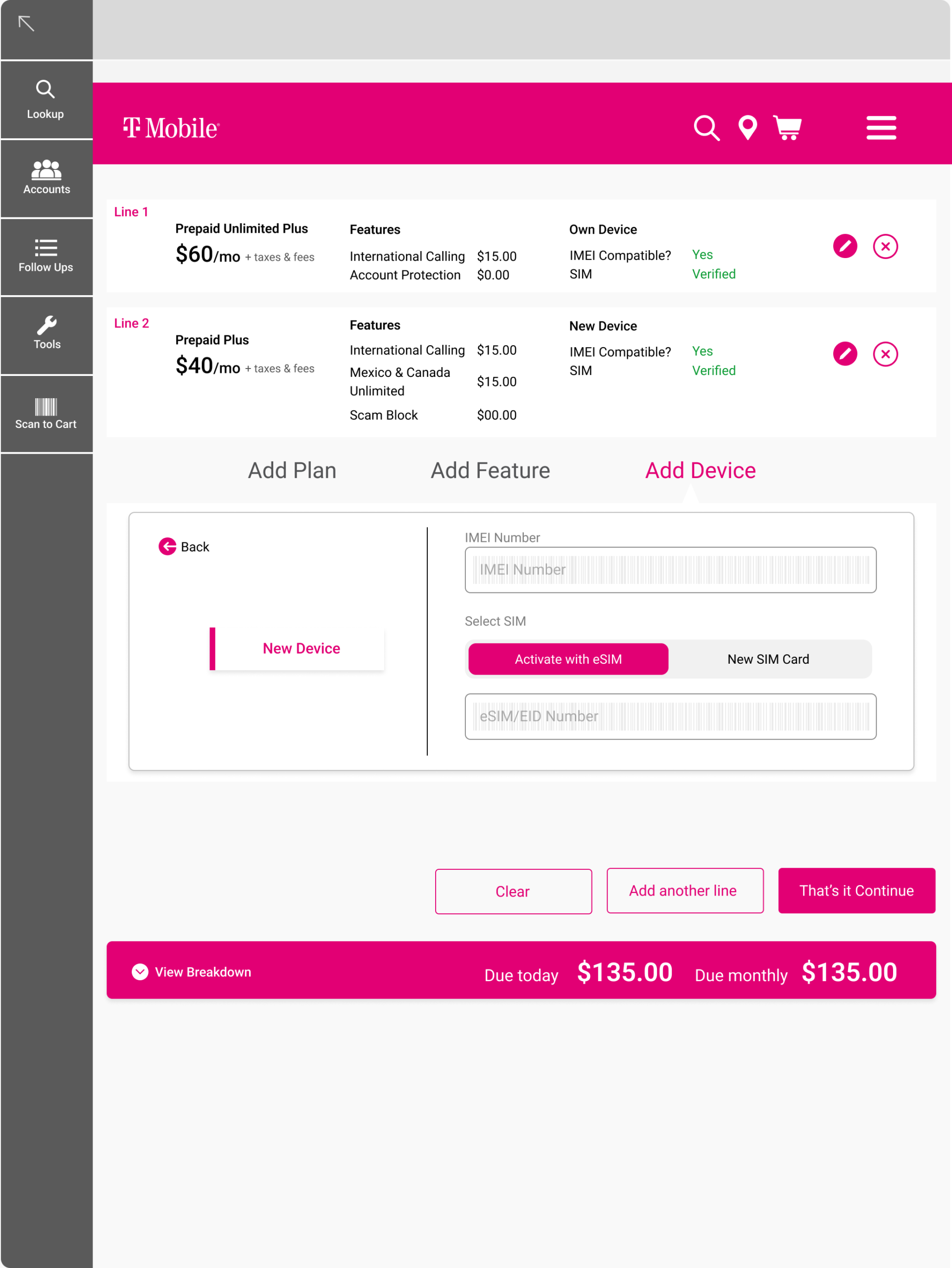
T-Mobile Salesforce

  • Created by: Vivekananda Kondapalli
  • Skills: Figma, Accessibility Testing

Project Brief

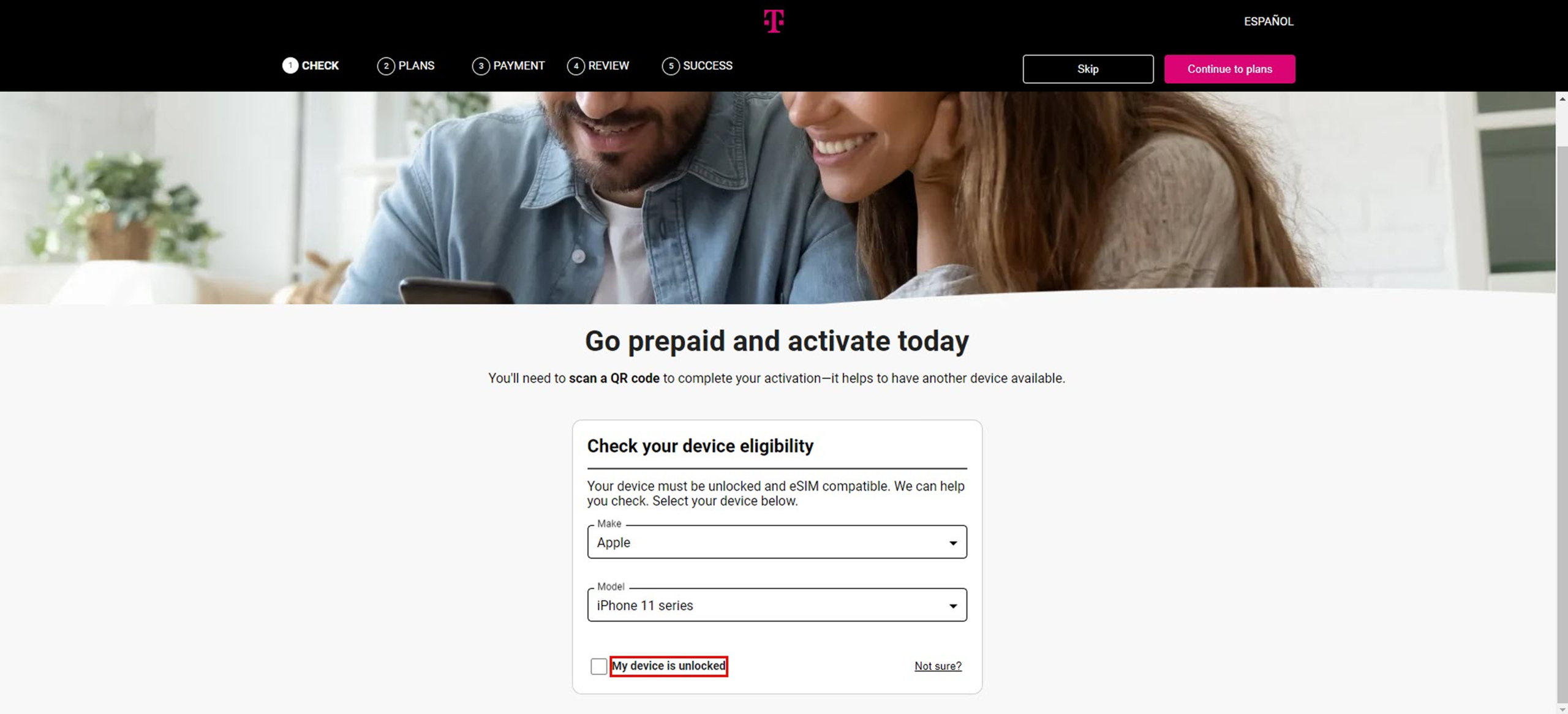
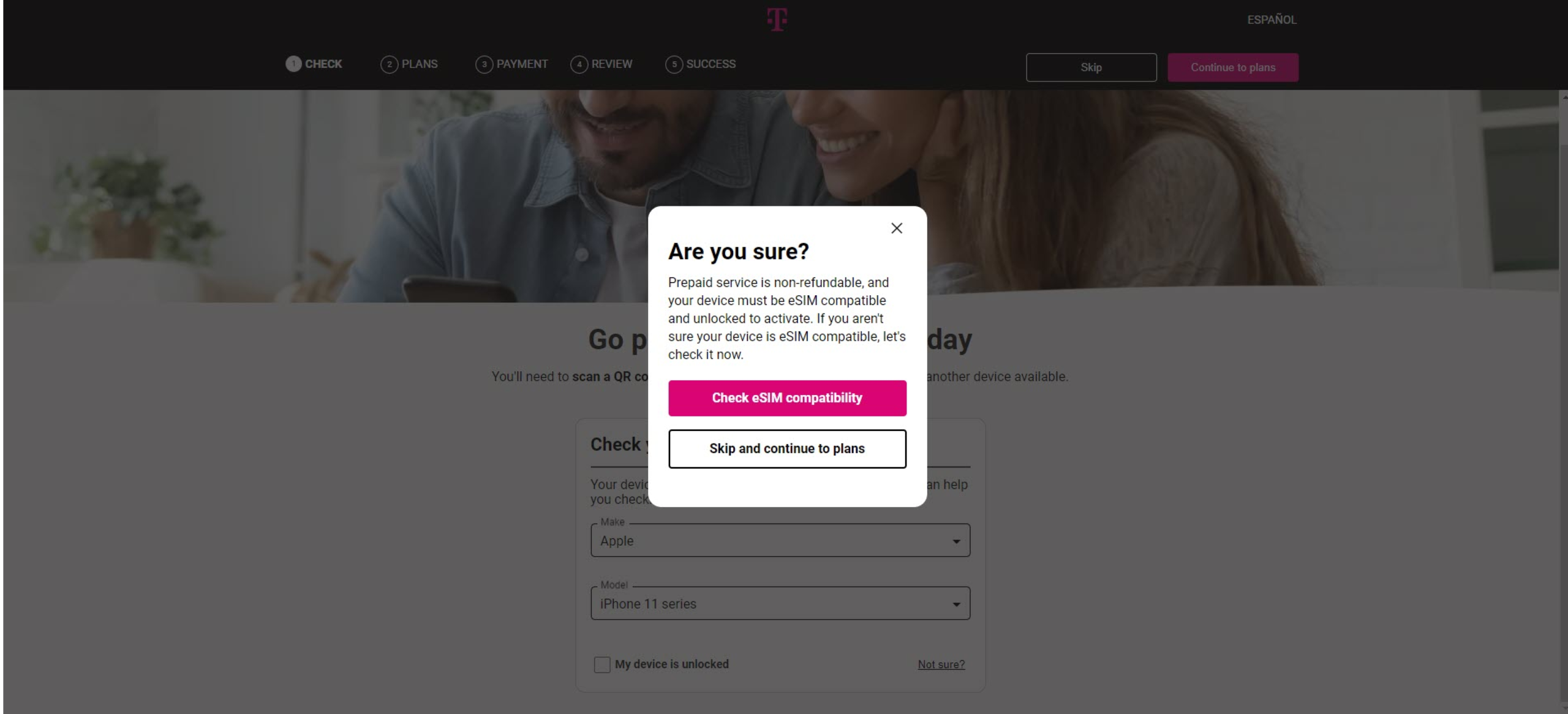
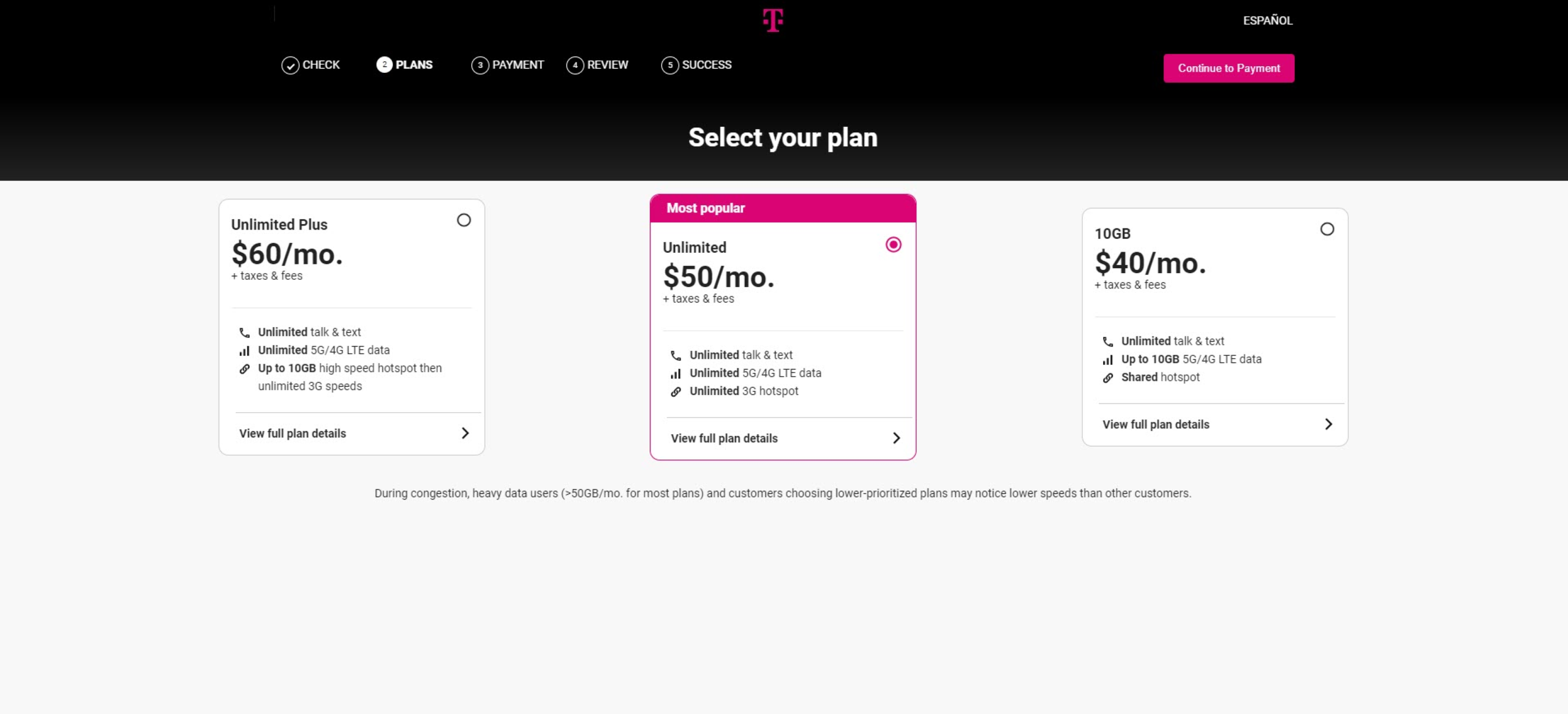
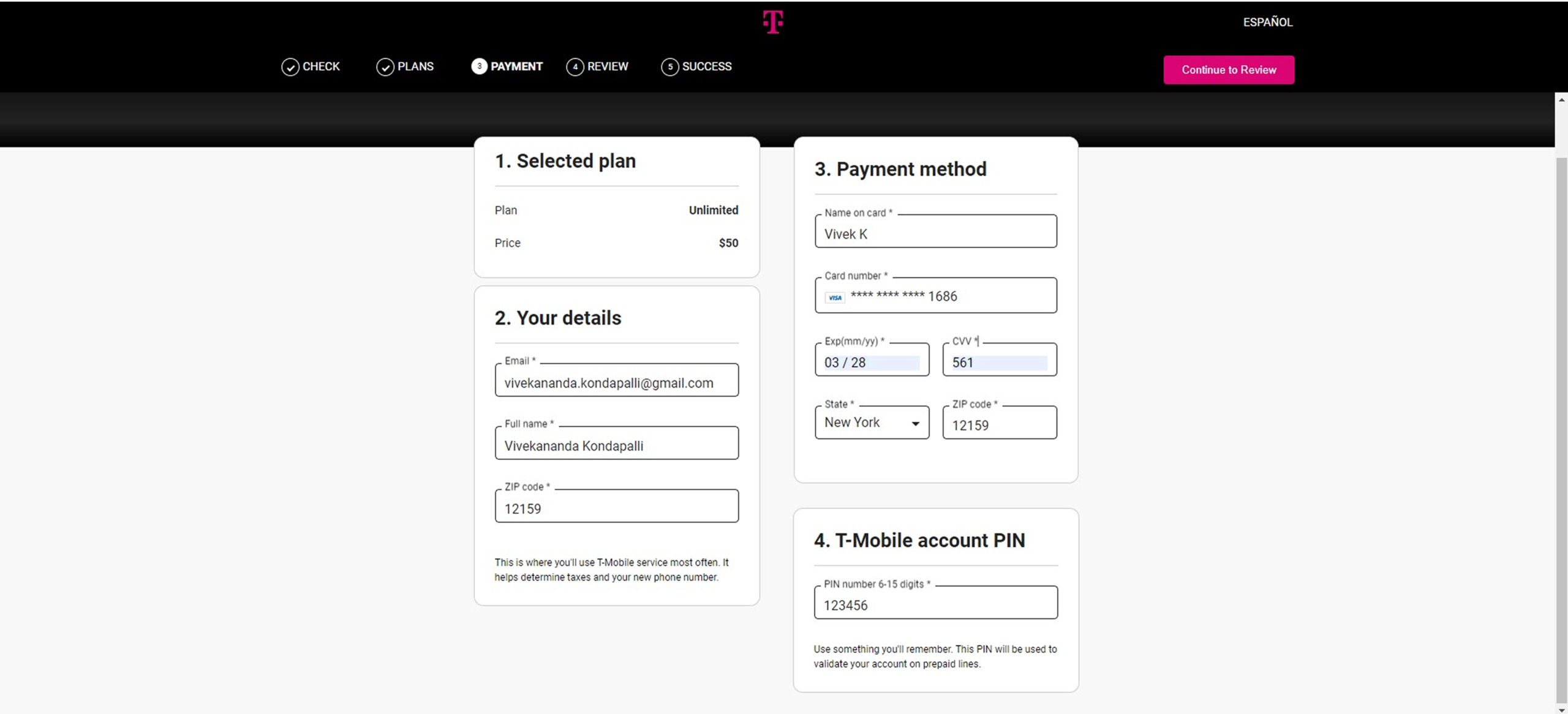
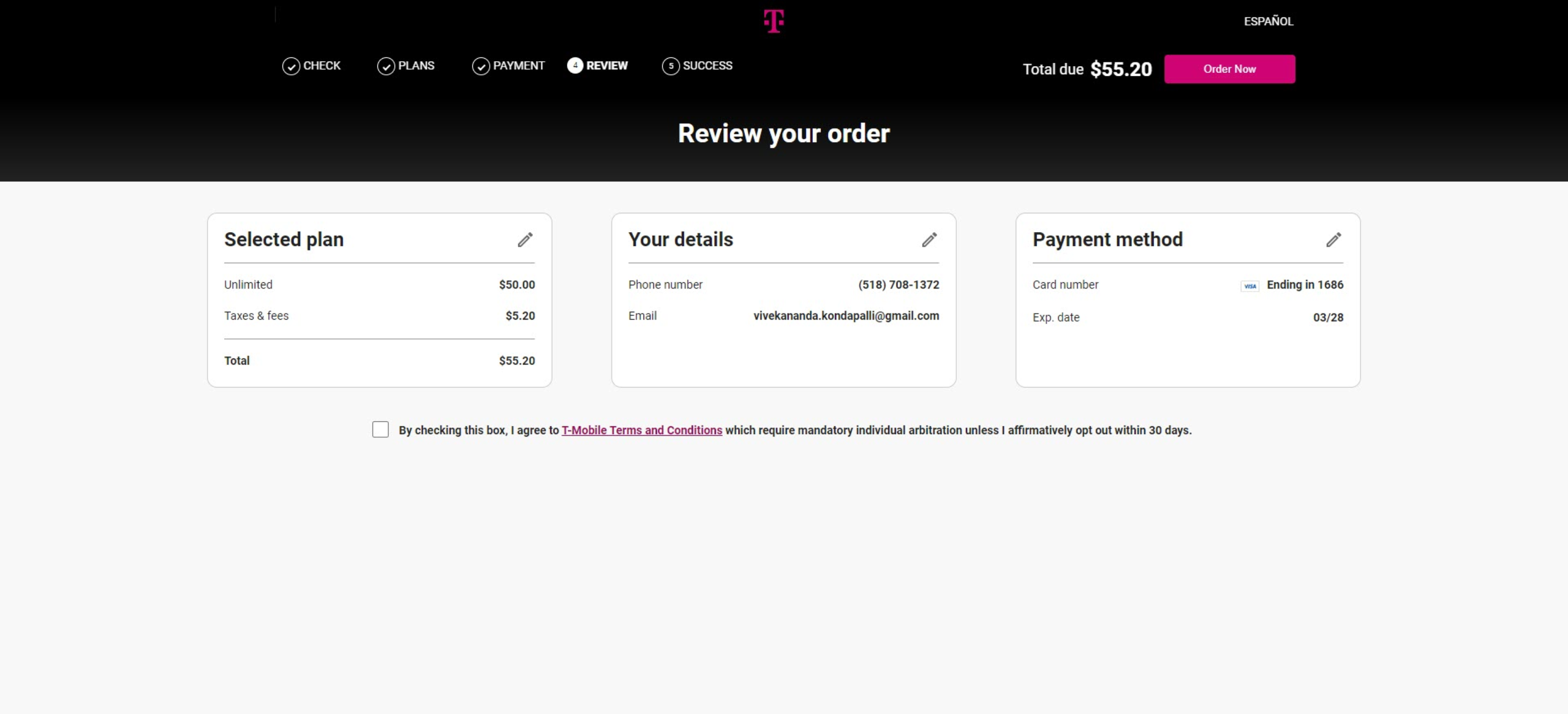
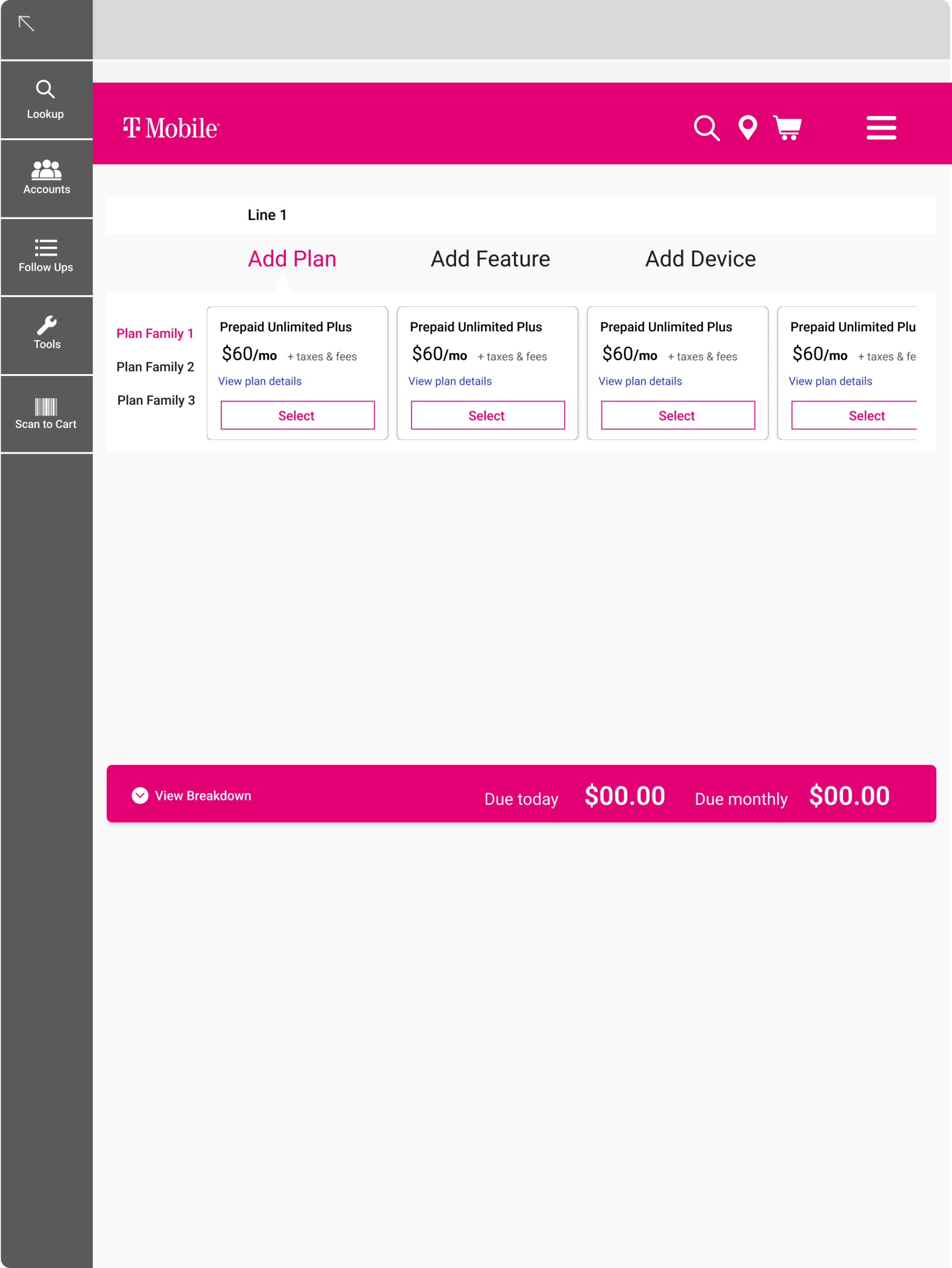
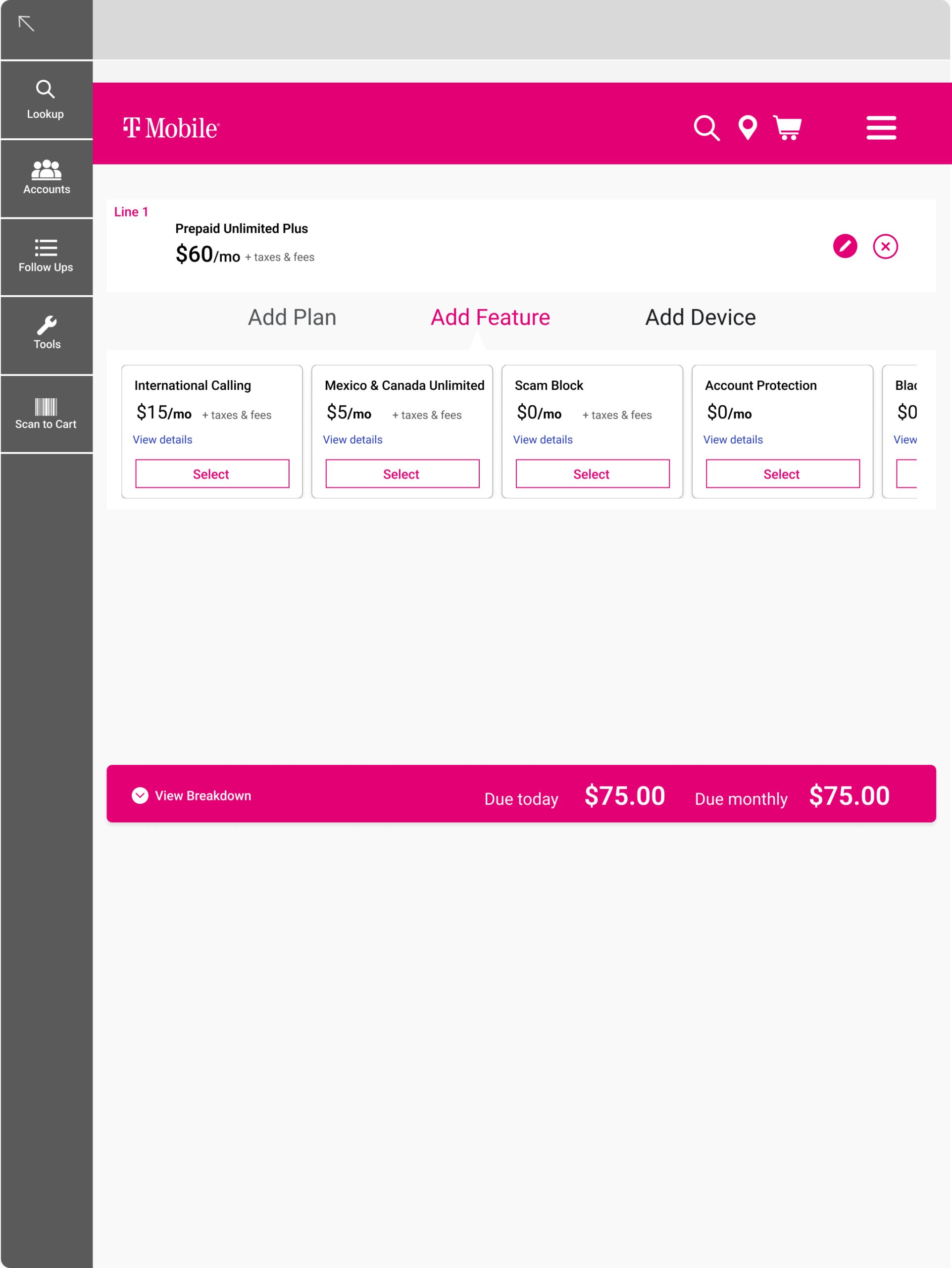
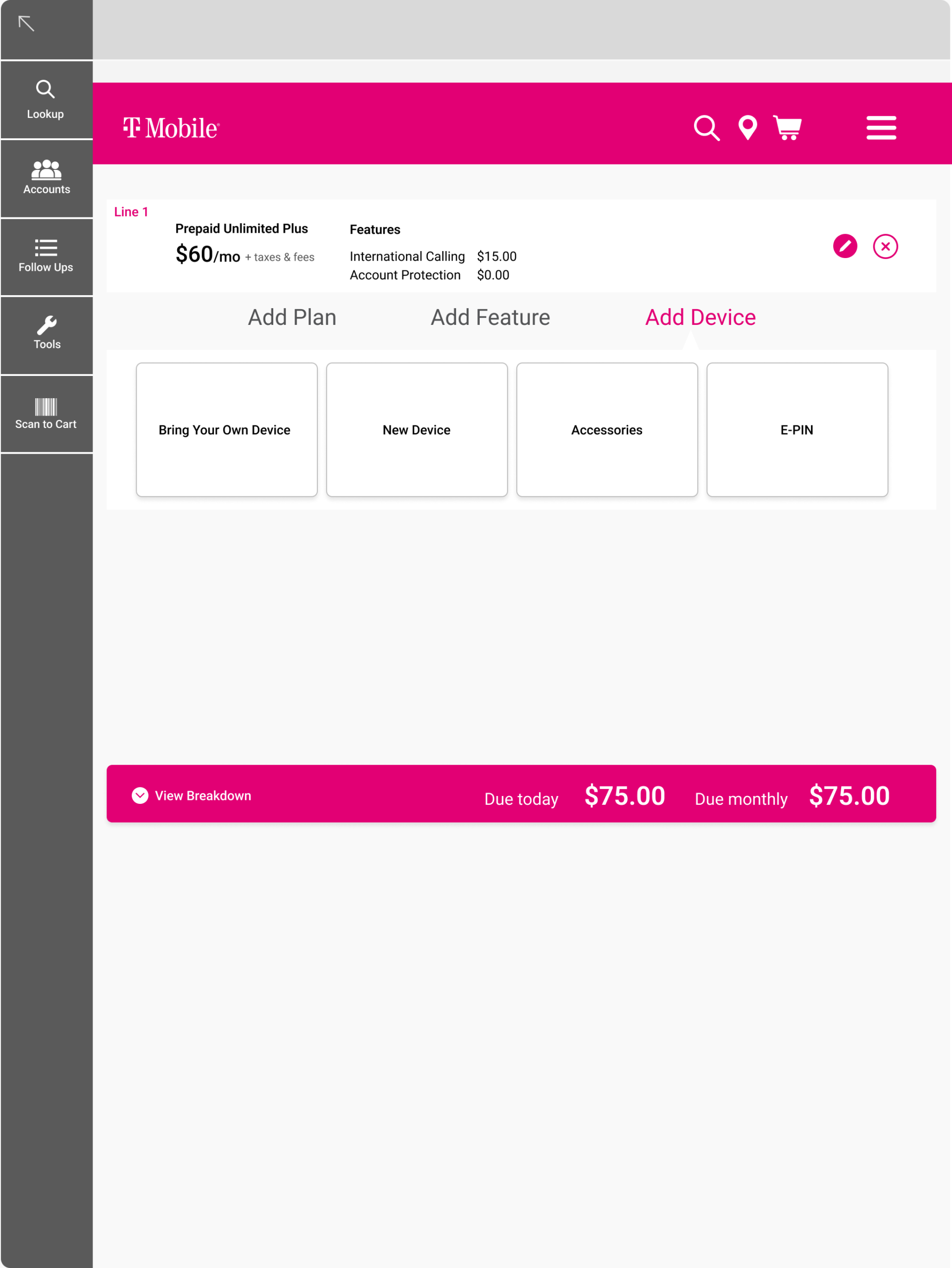
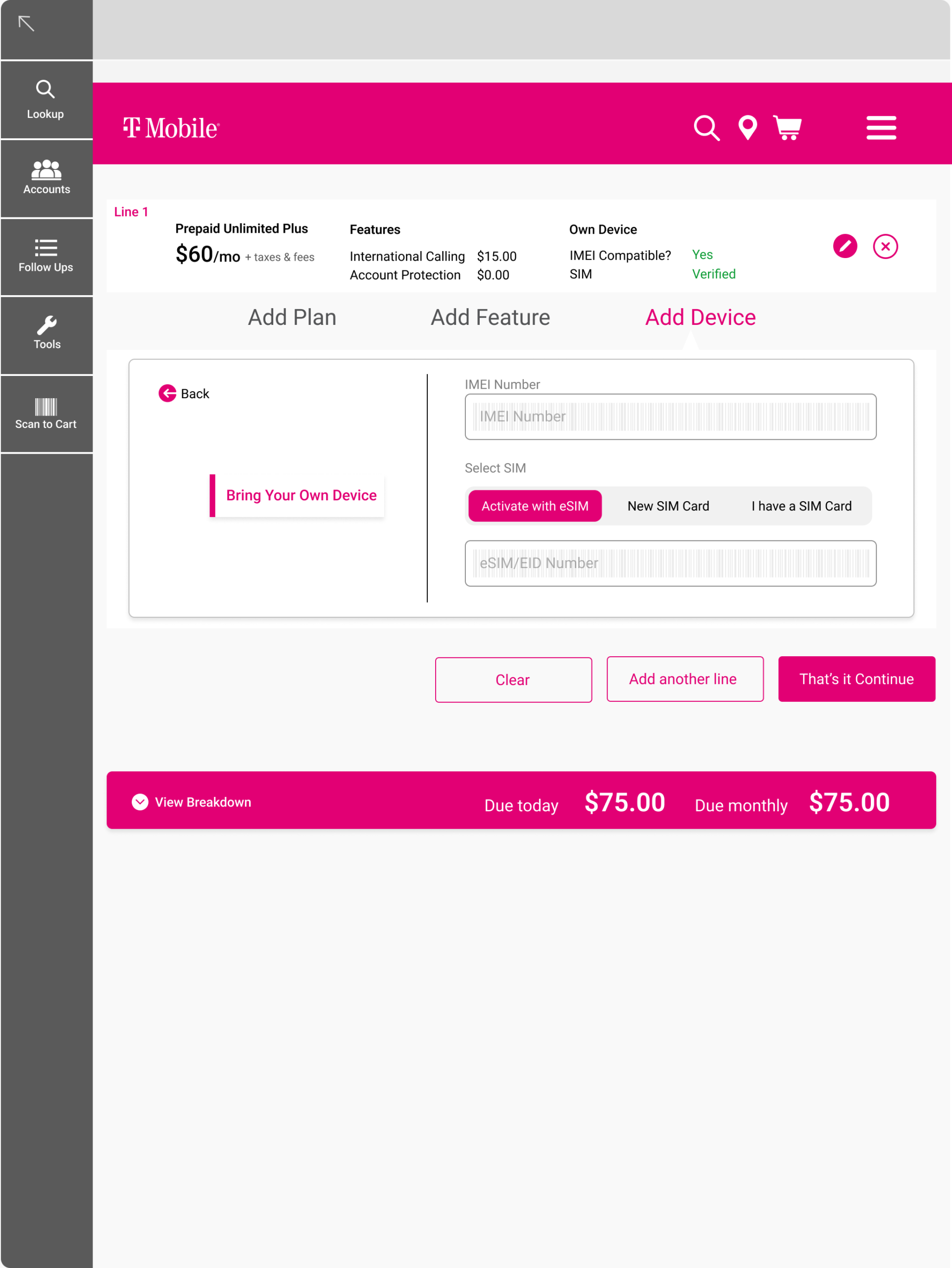
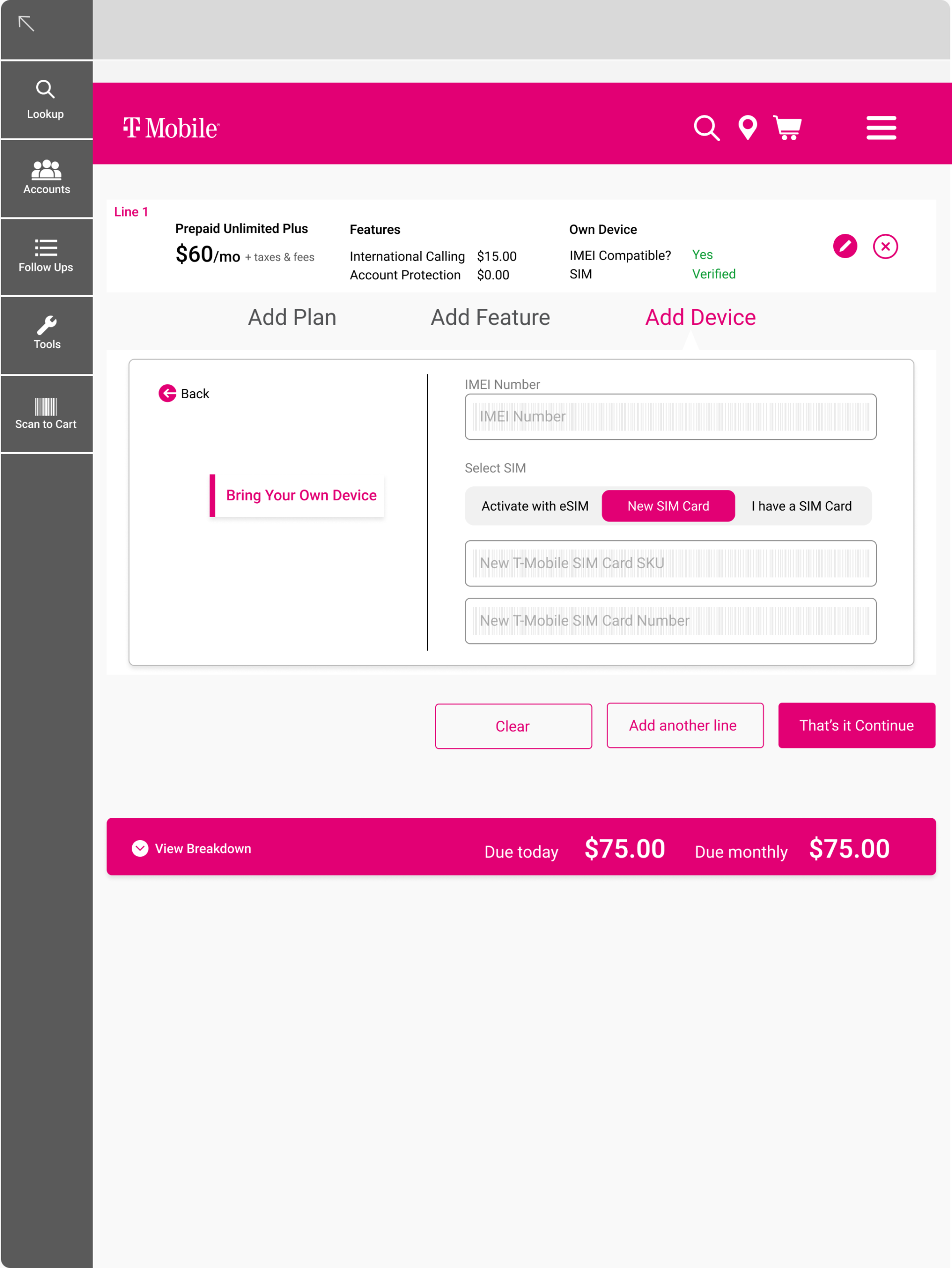
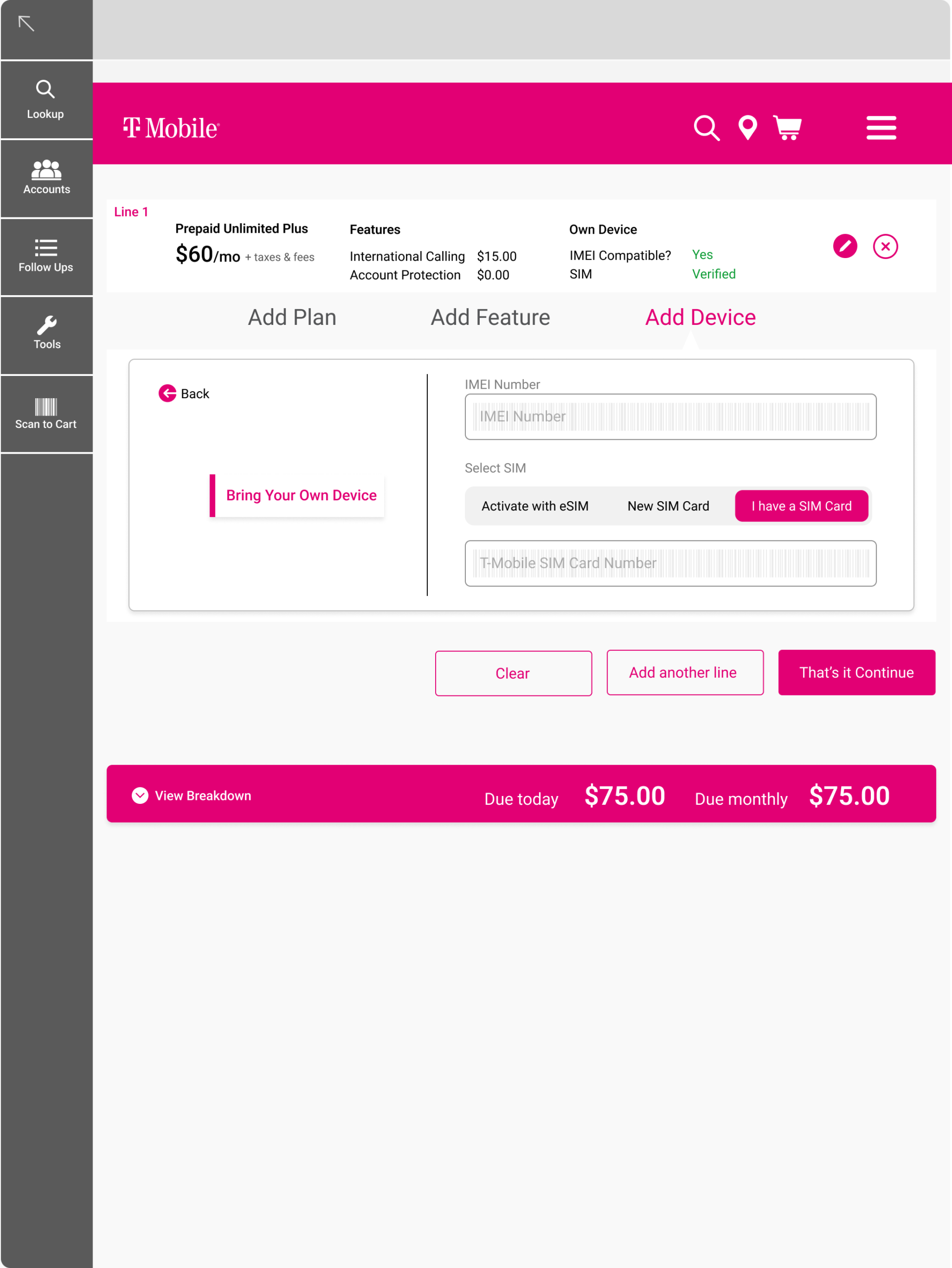
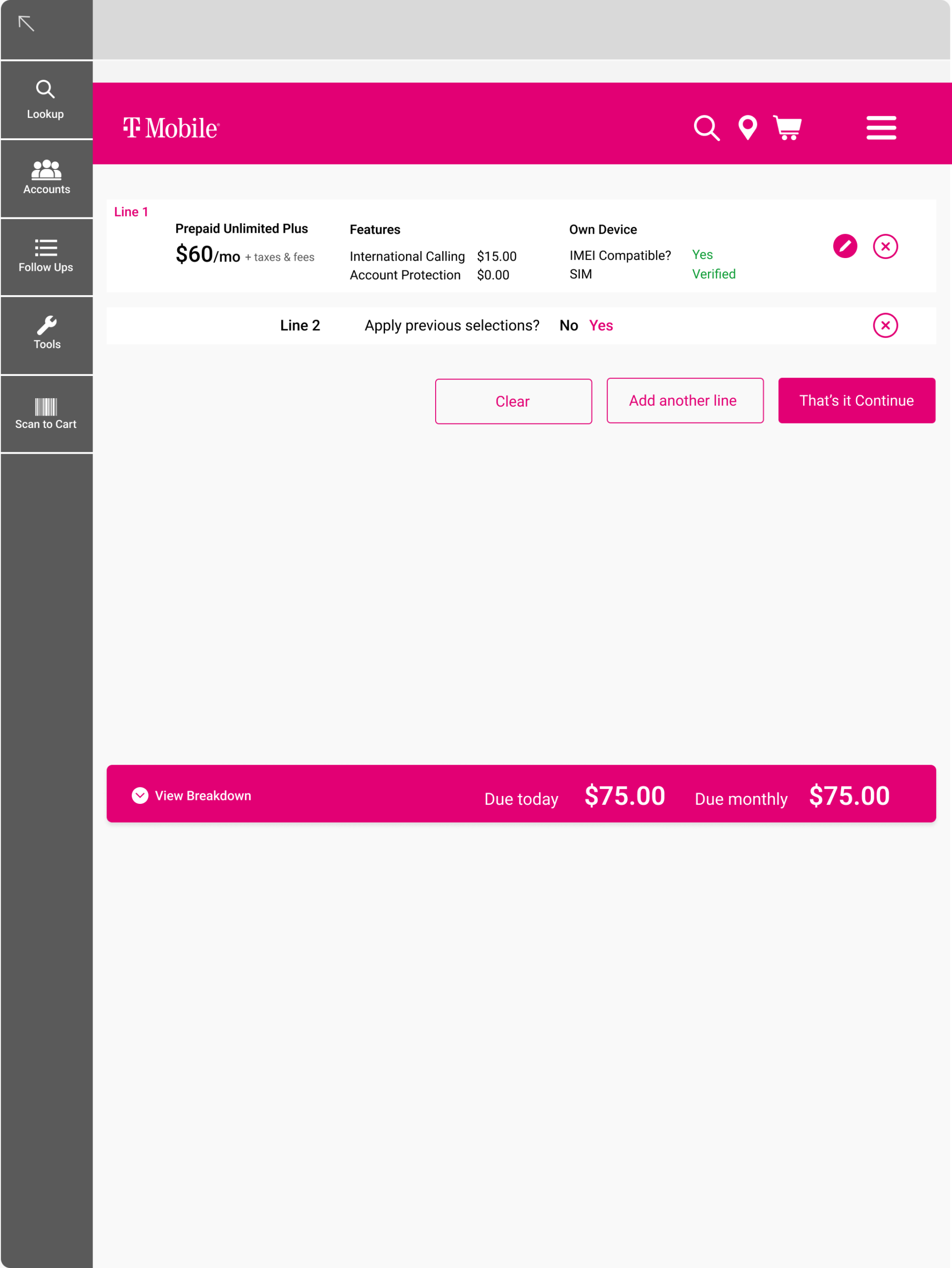
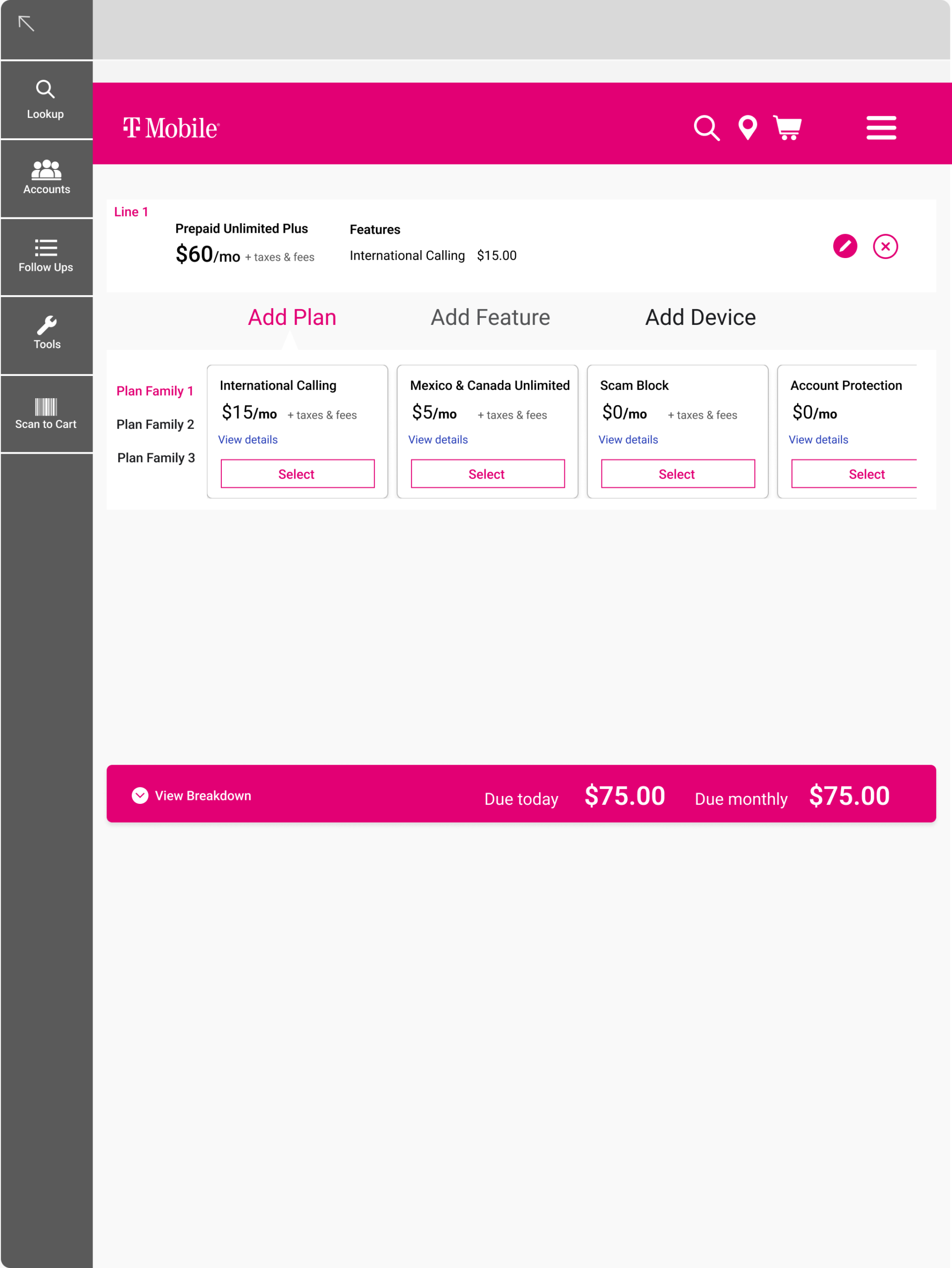
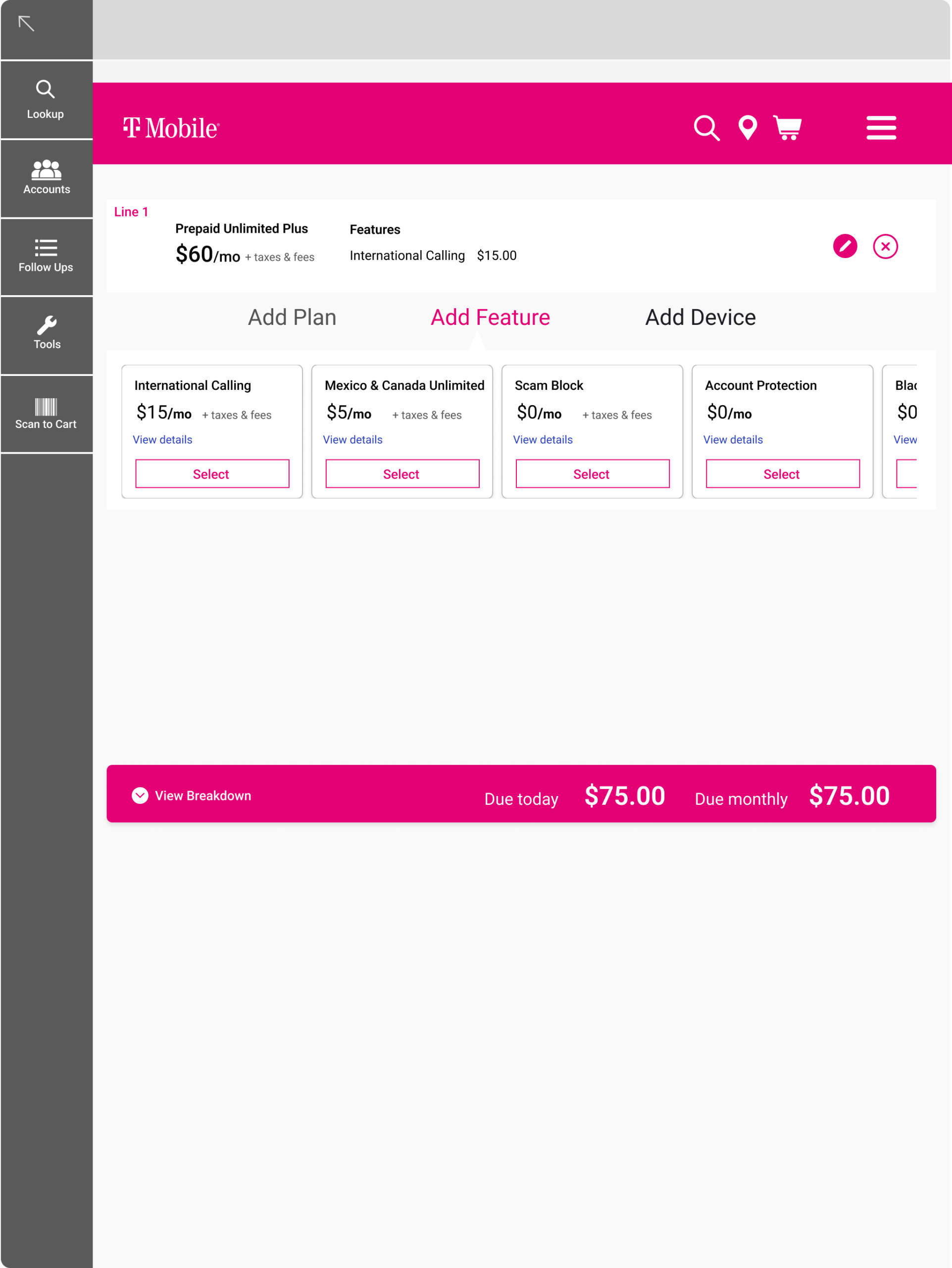
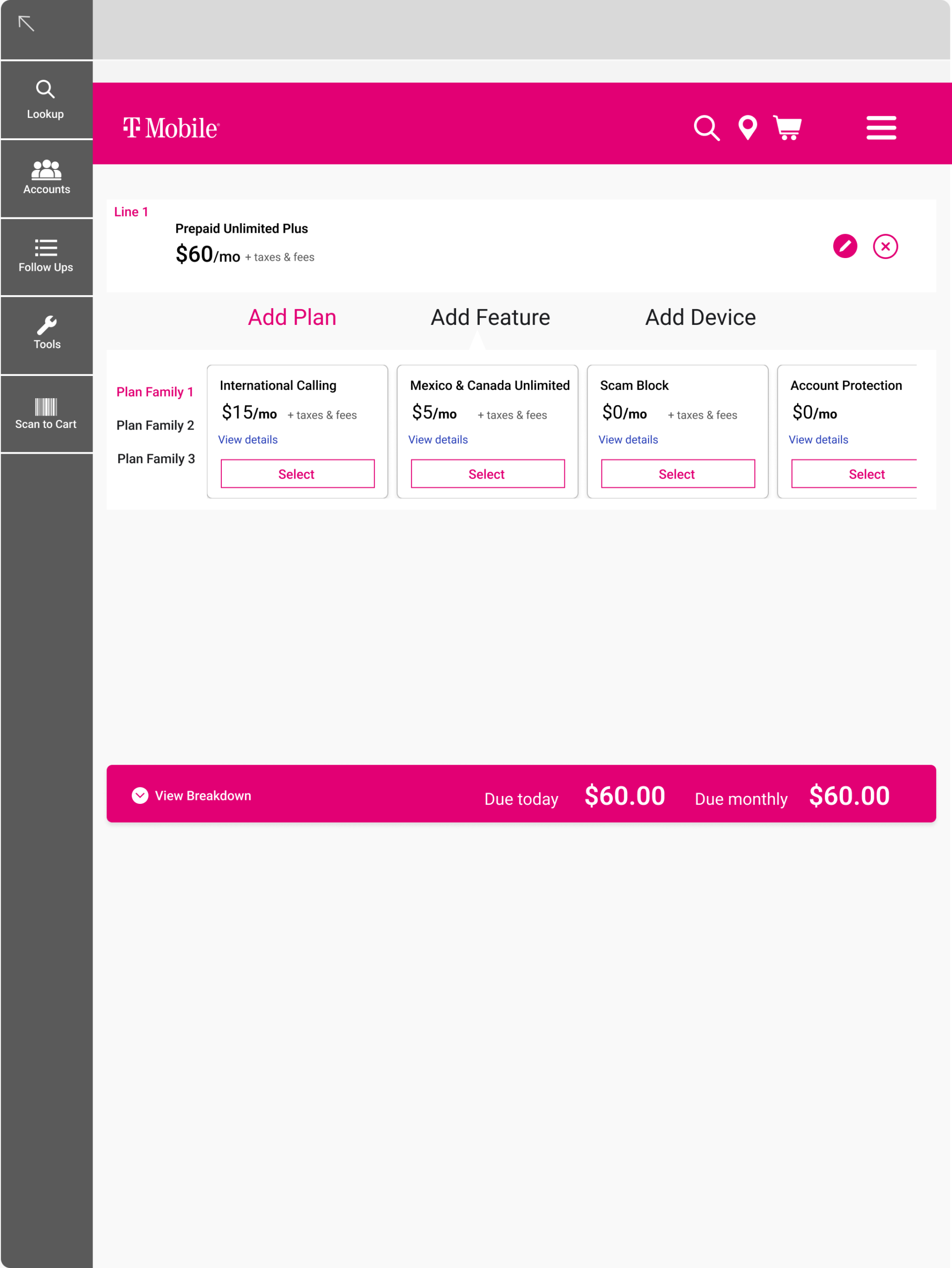
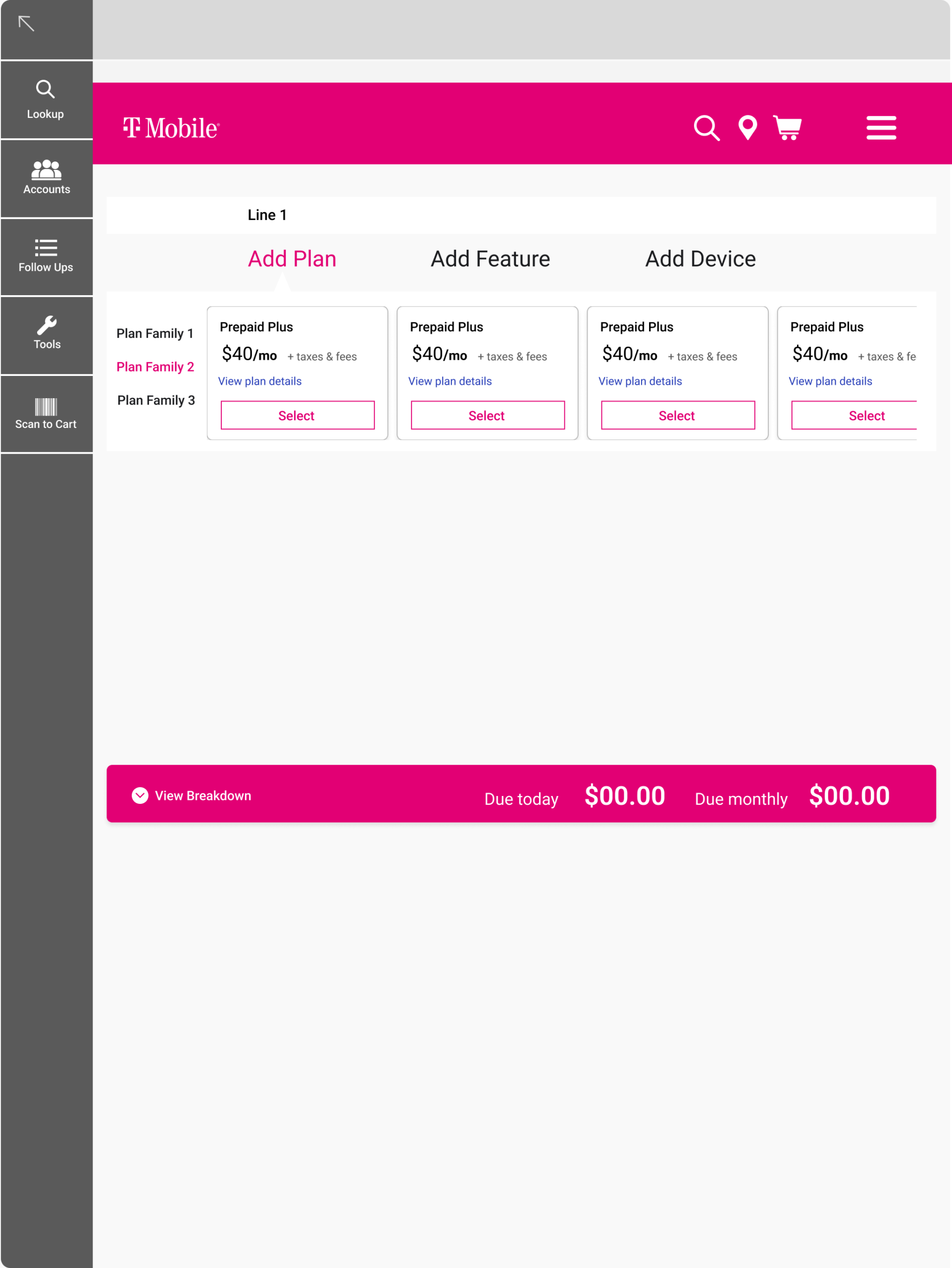
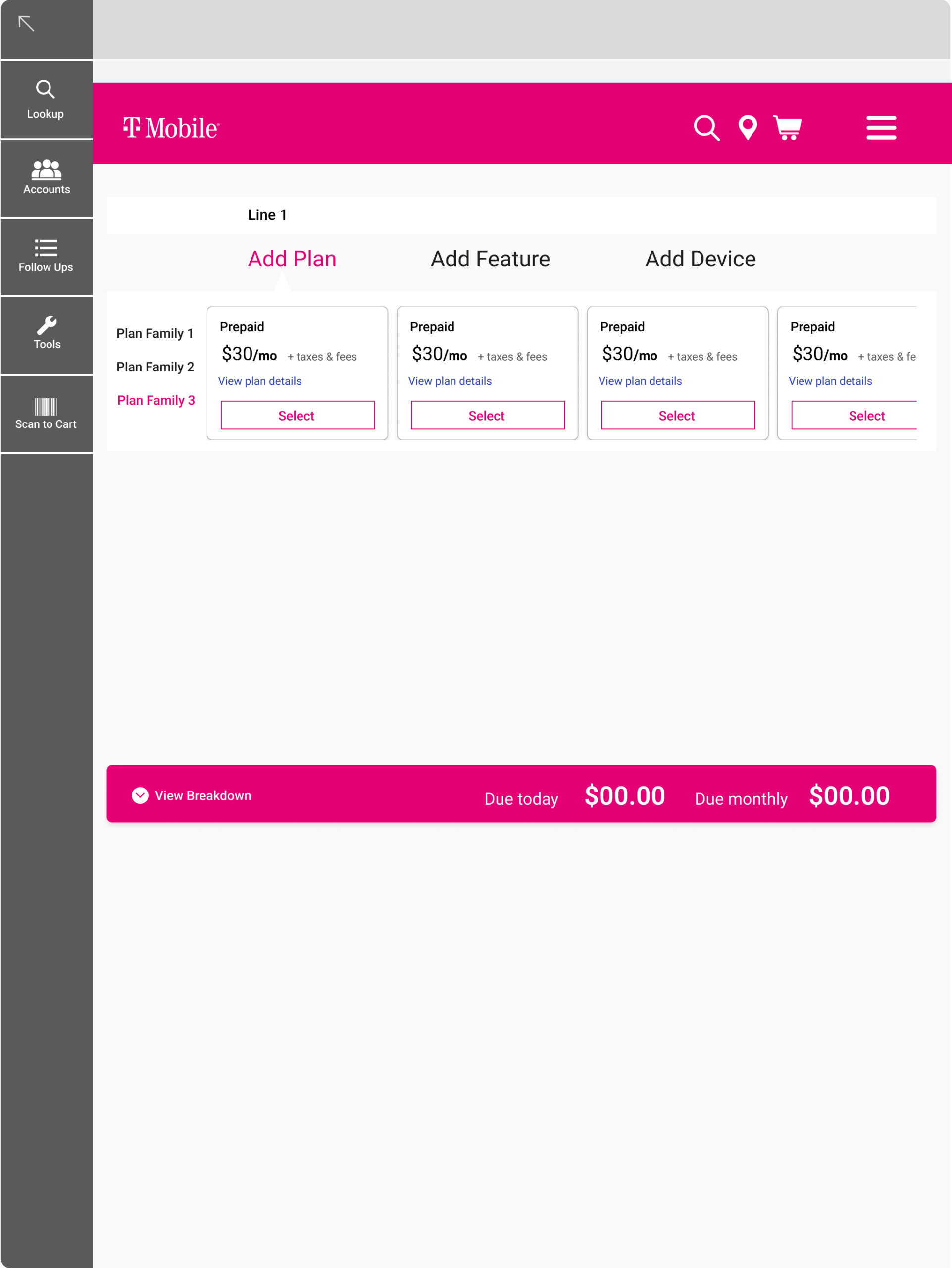
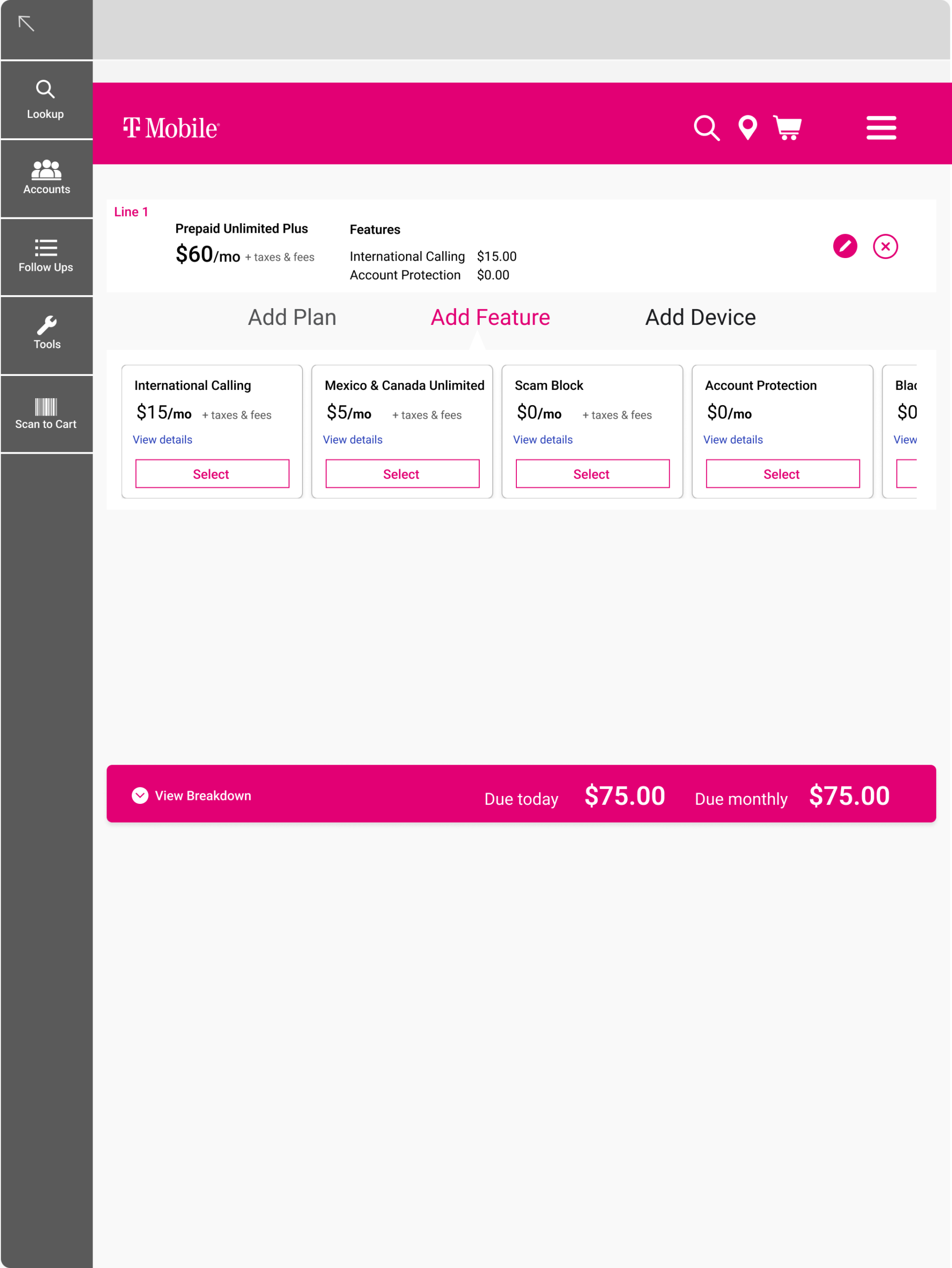
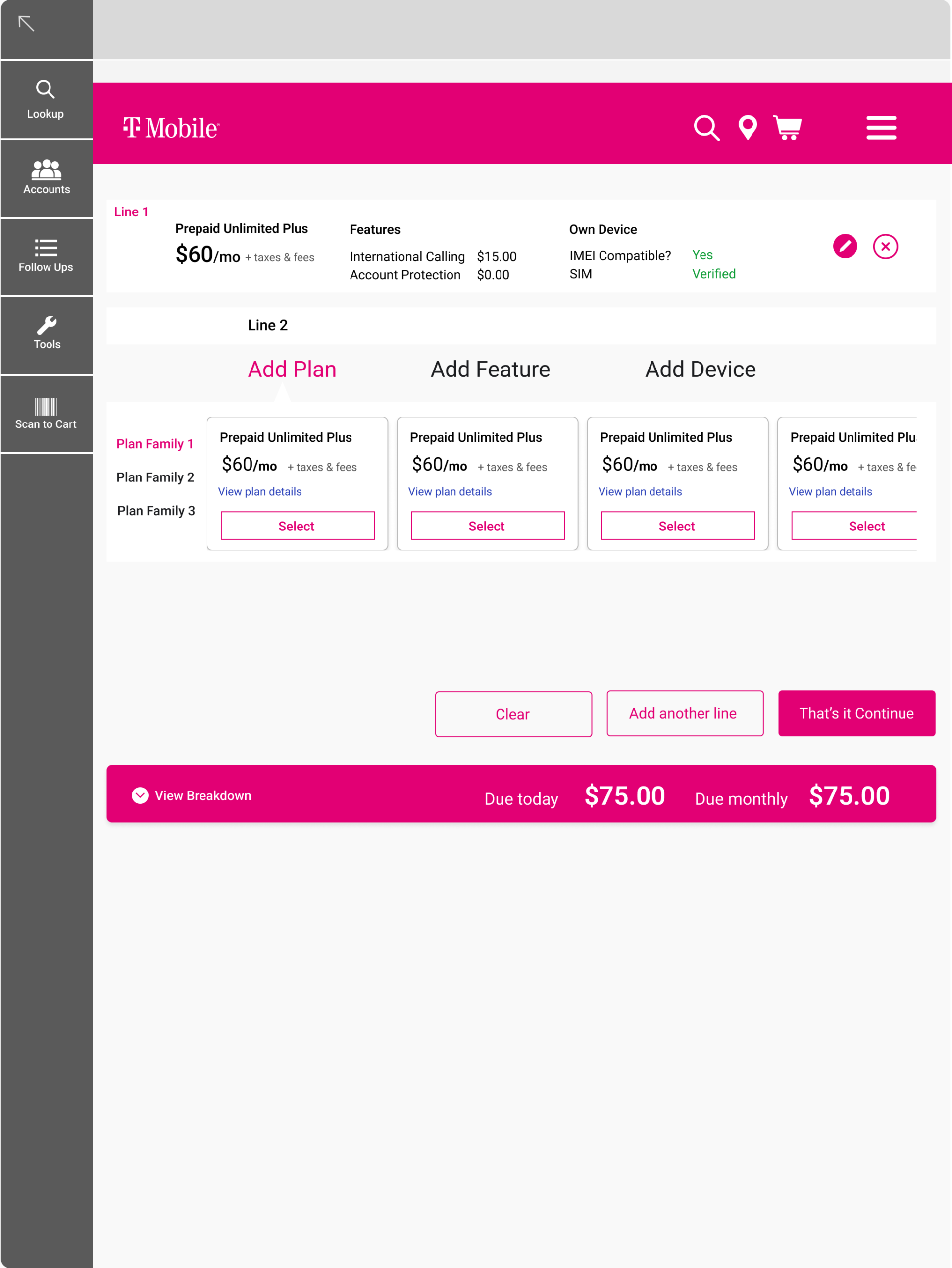
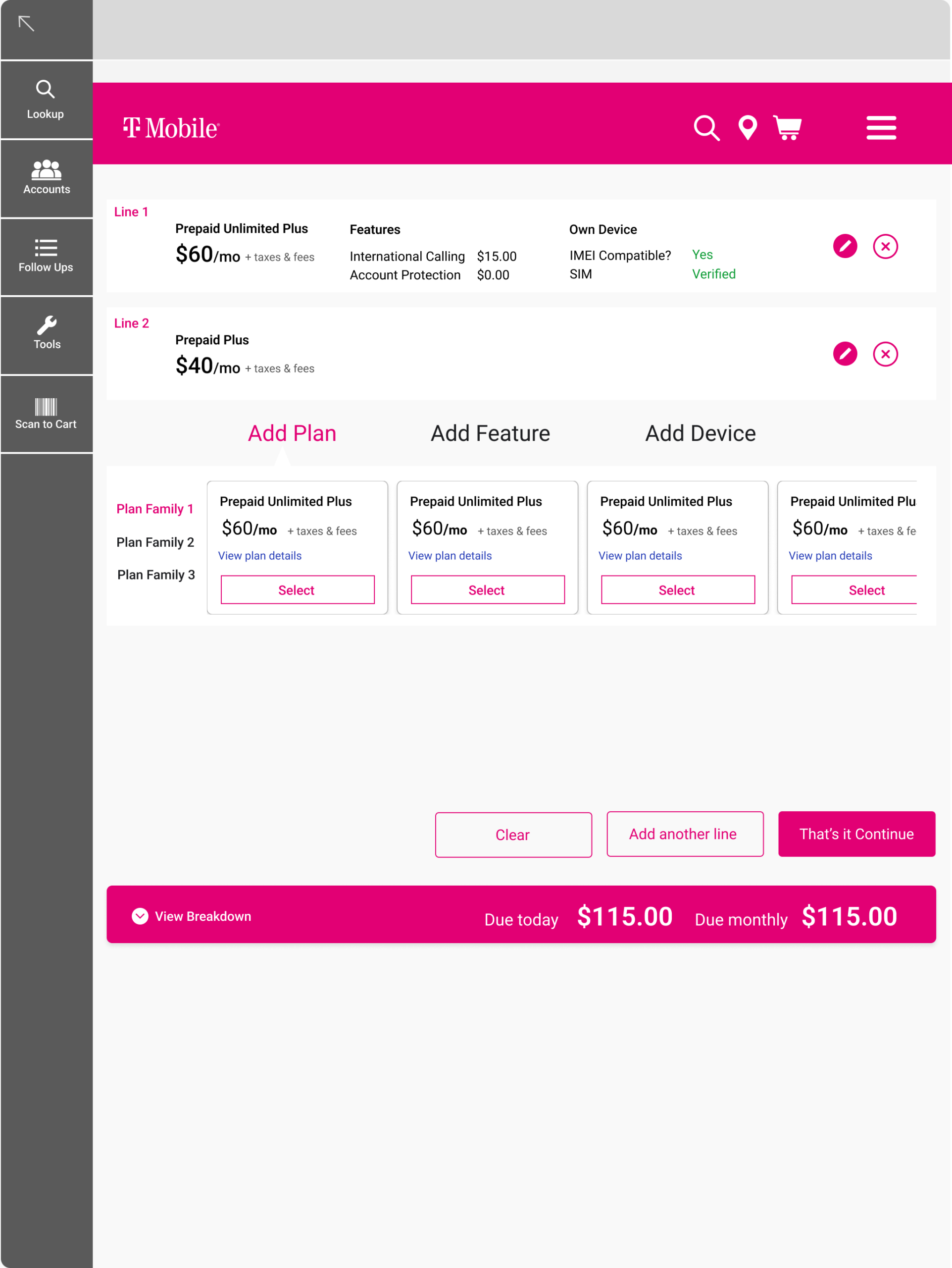
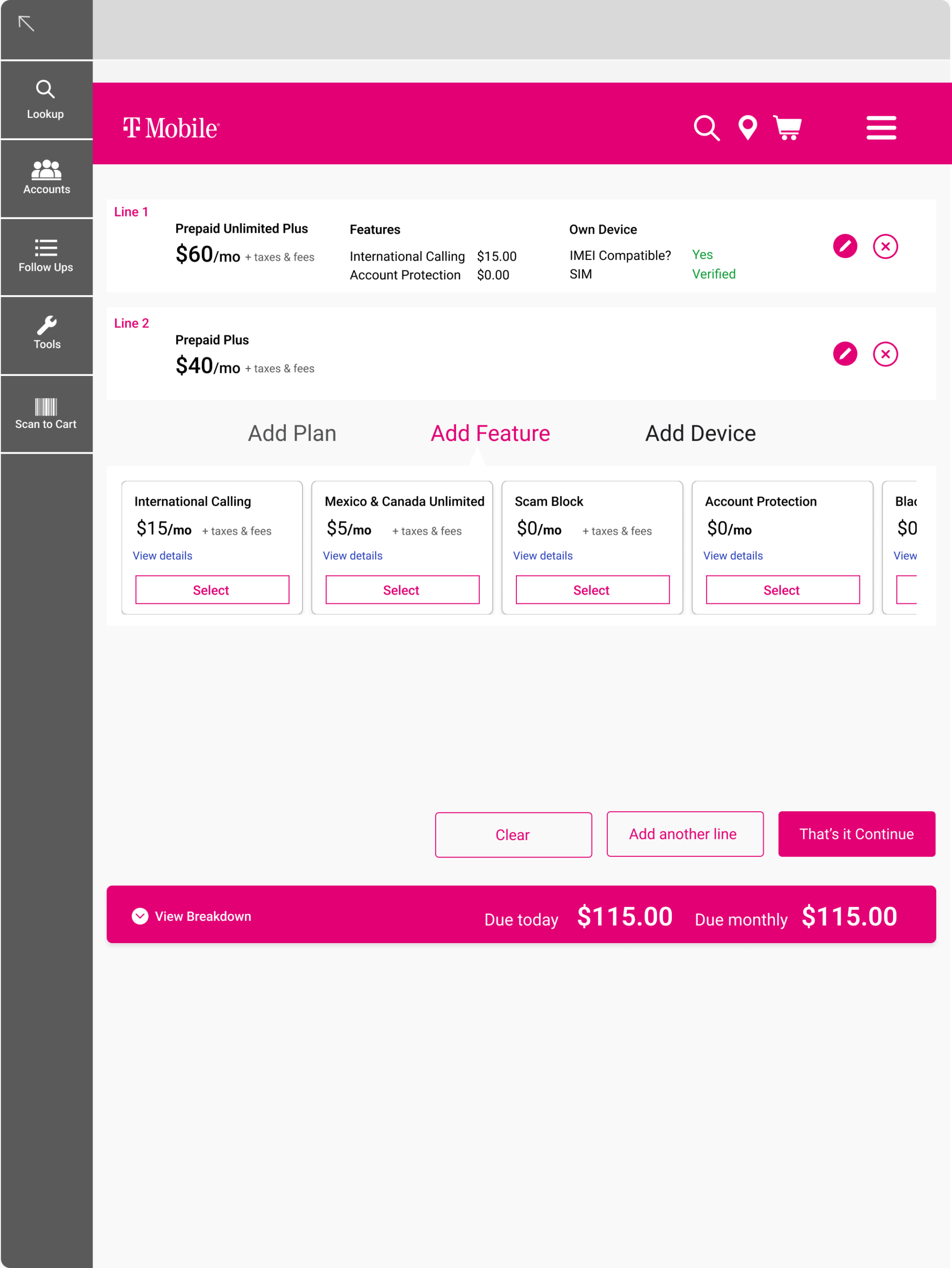
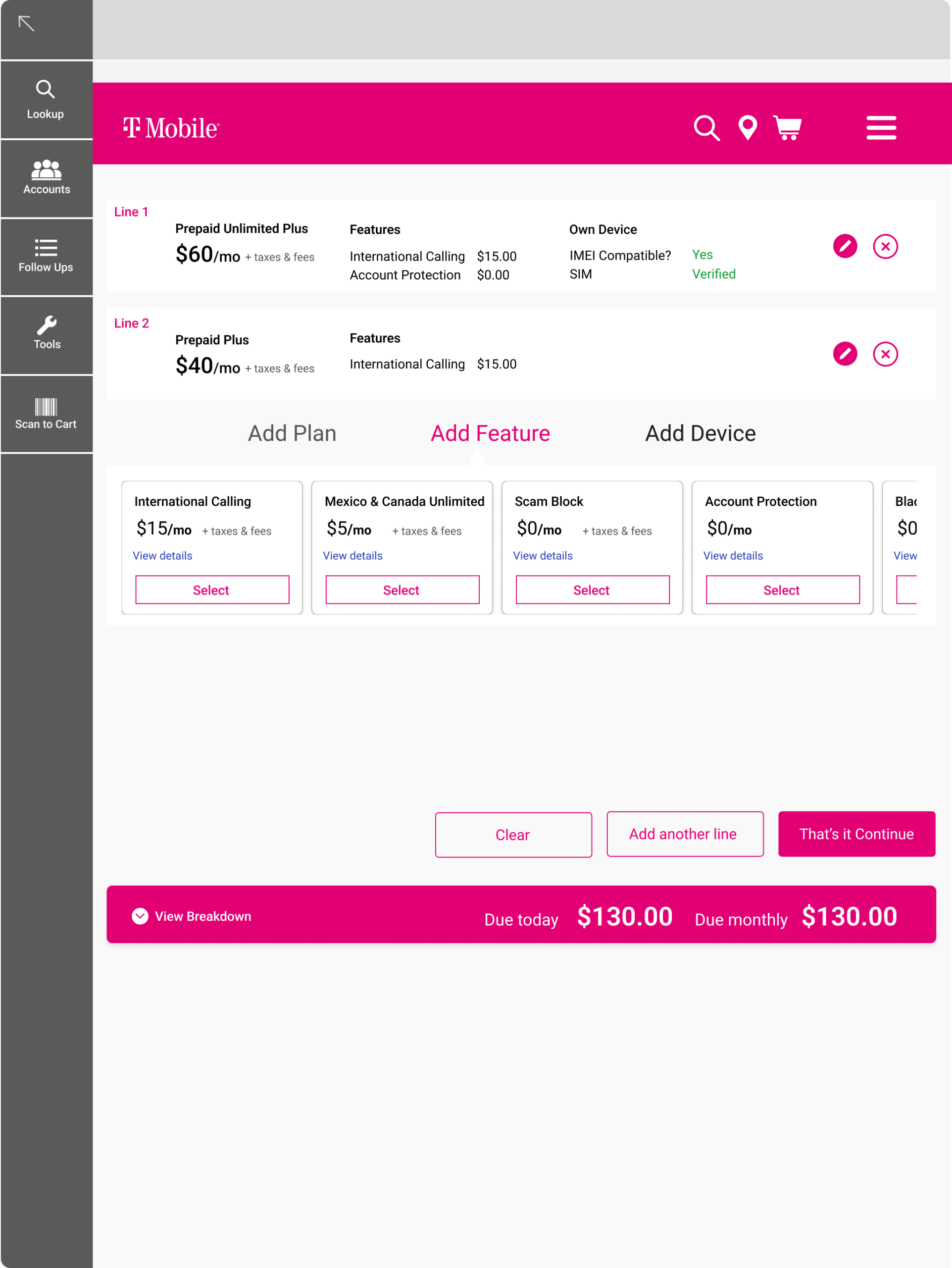
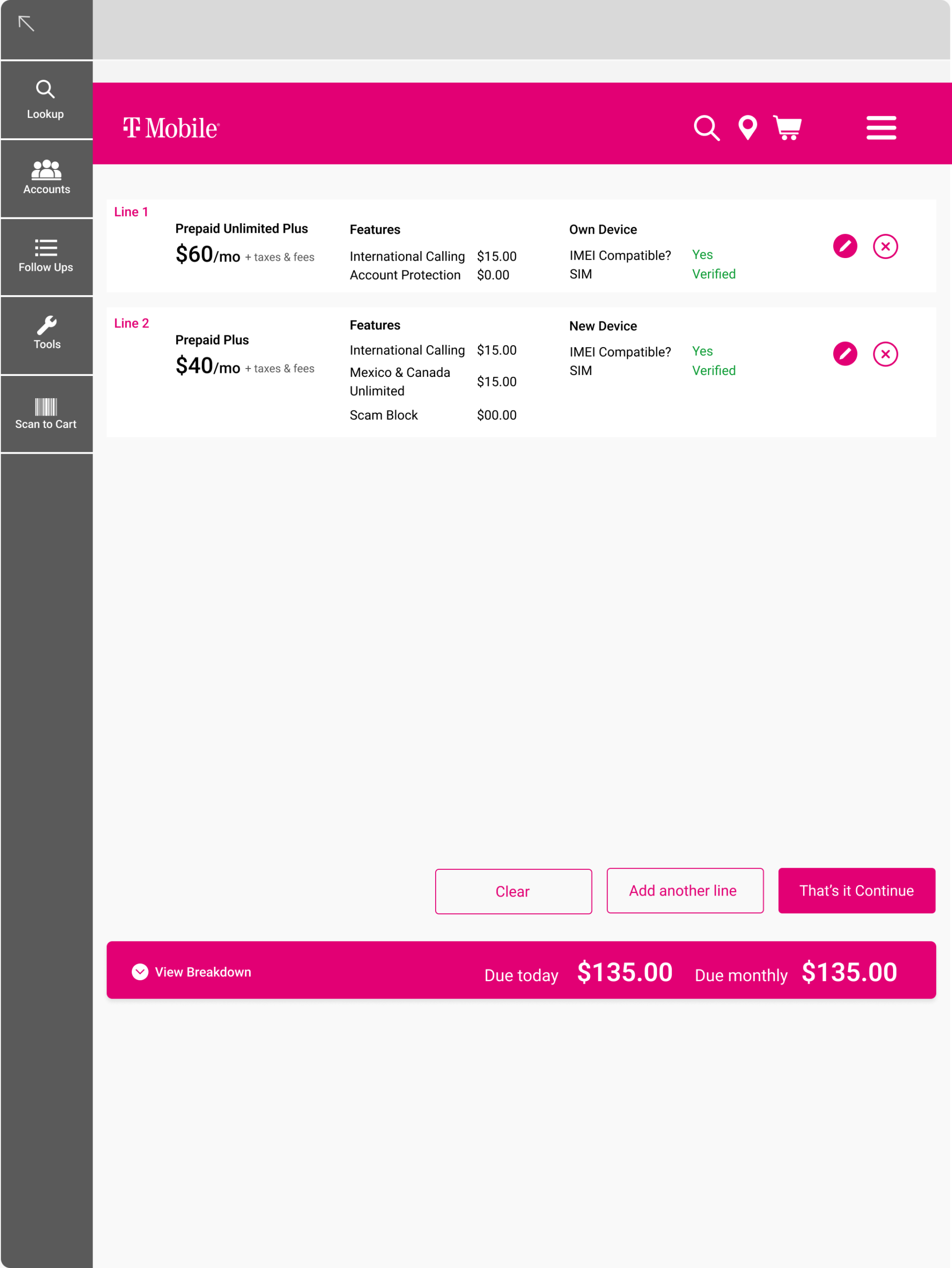
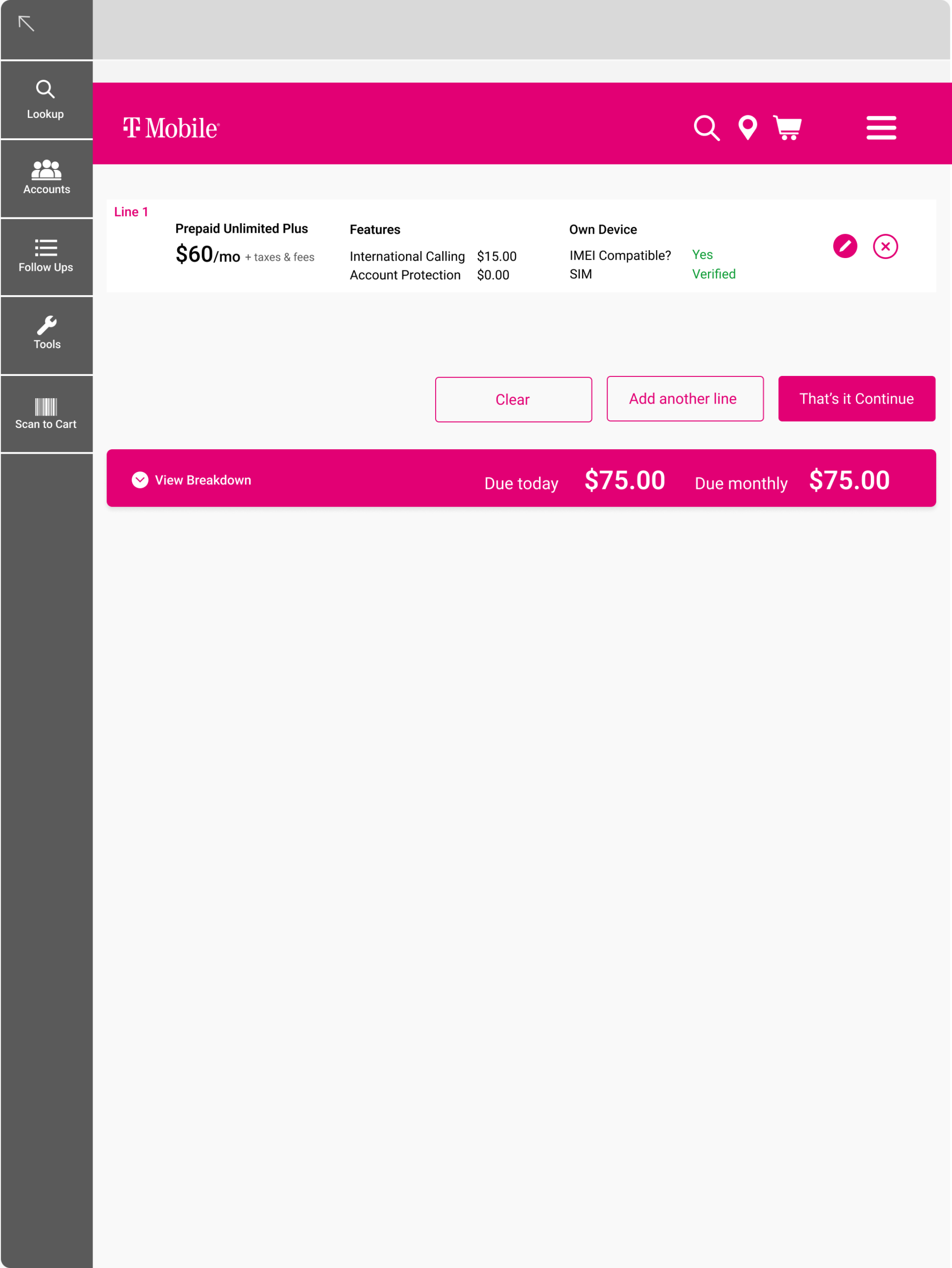
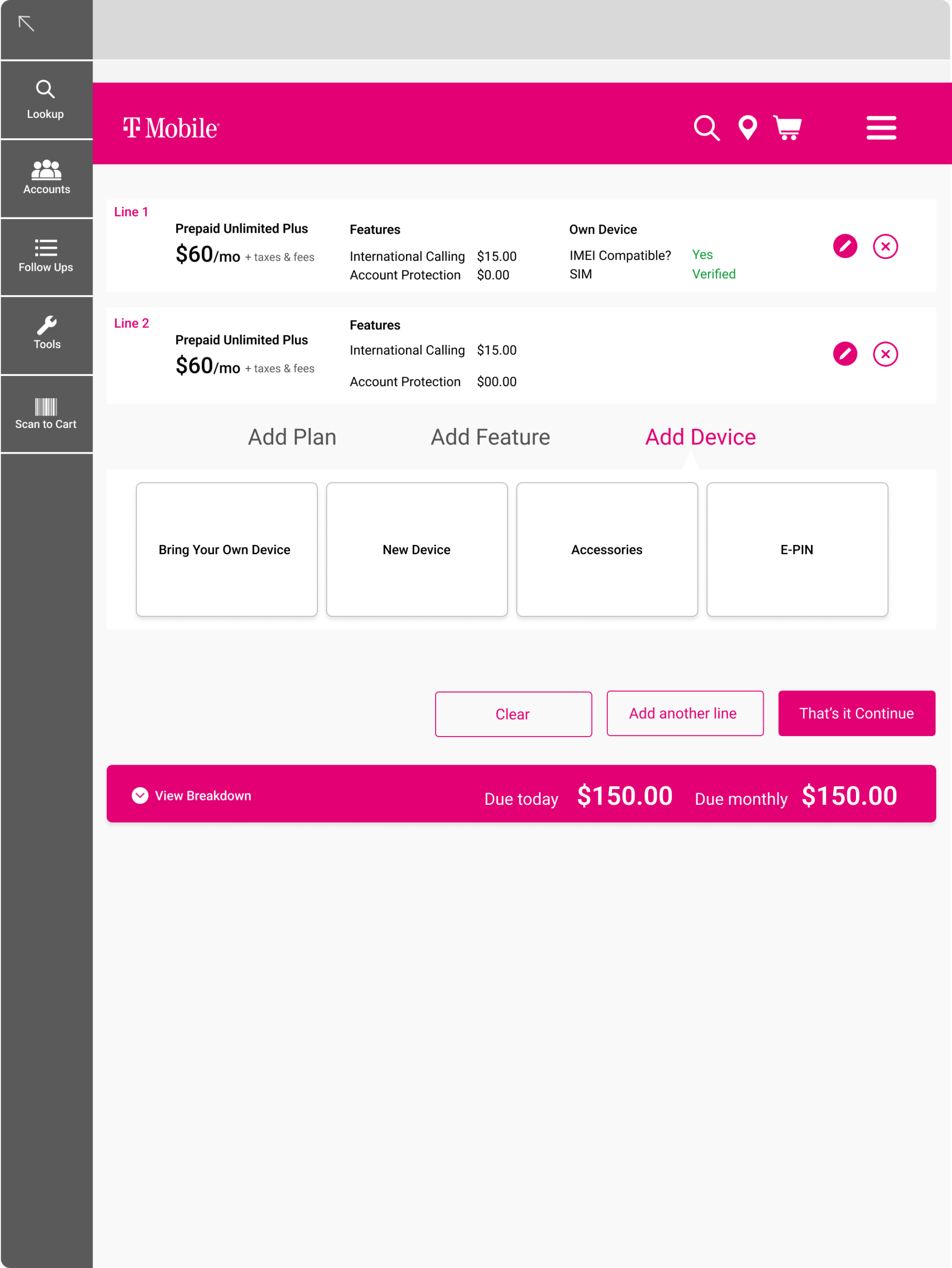
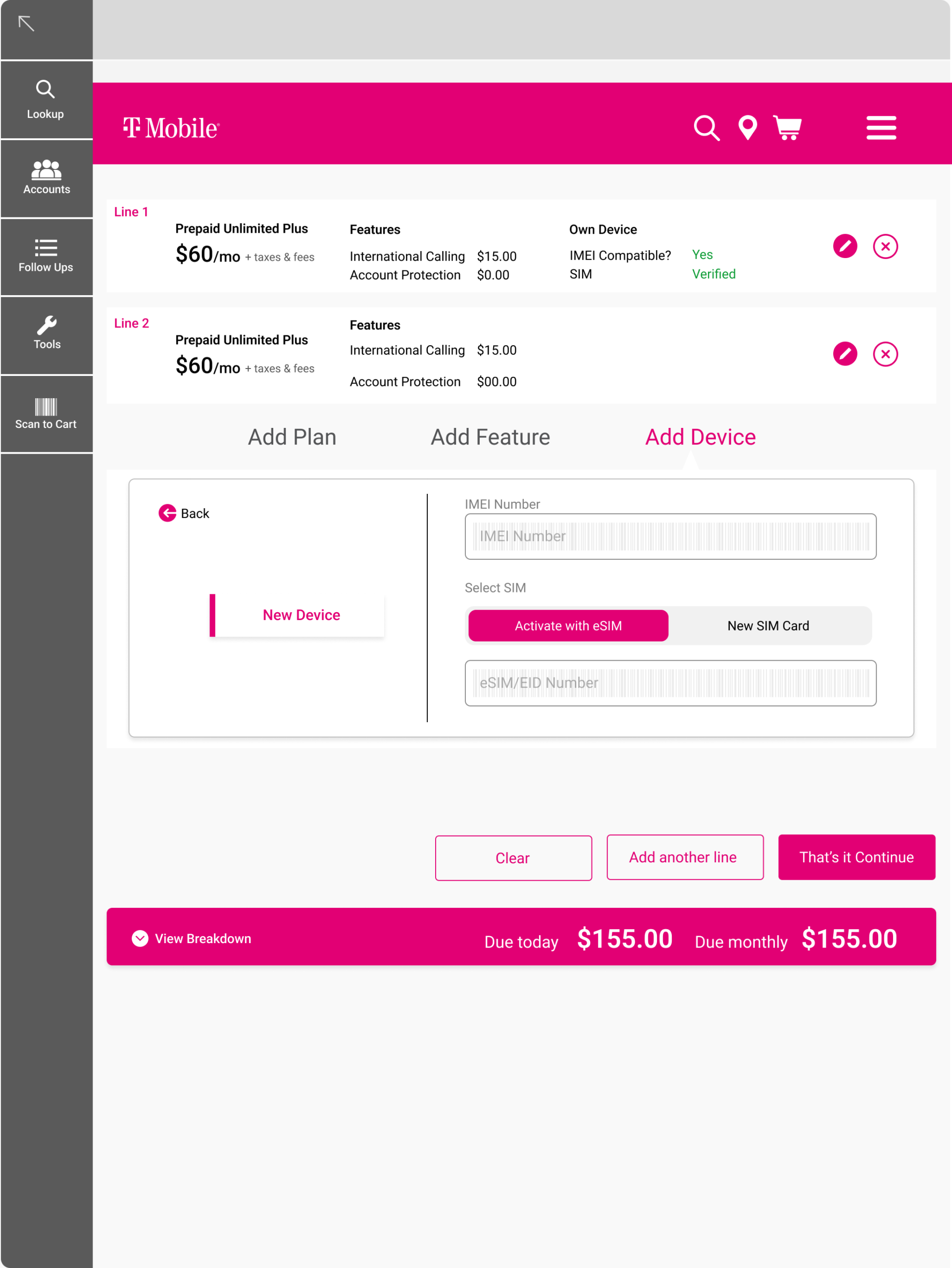
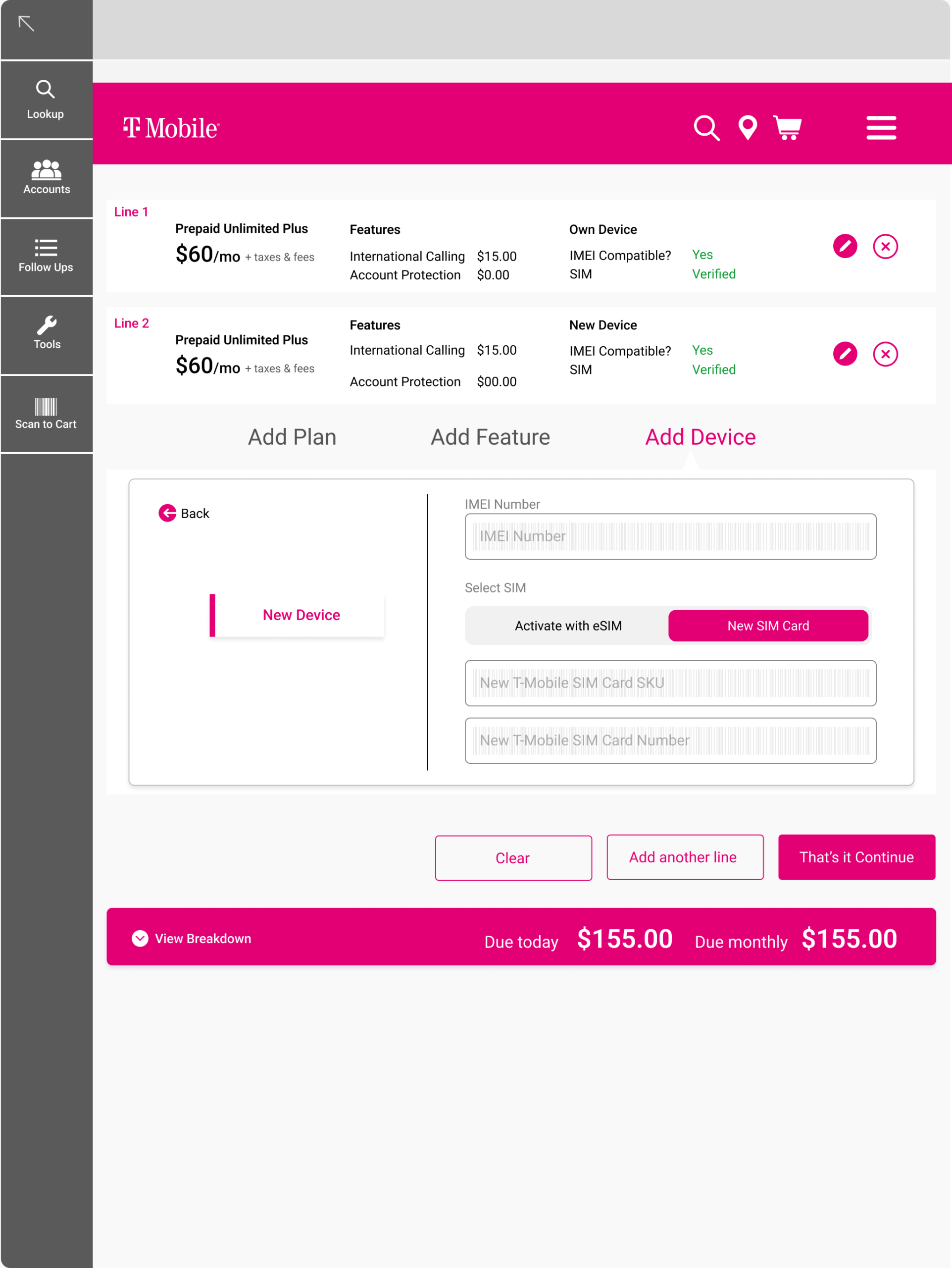
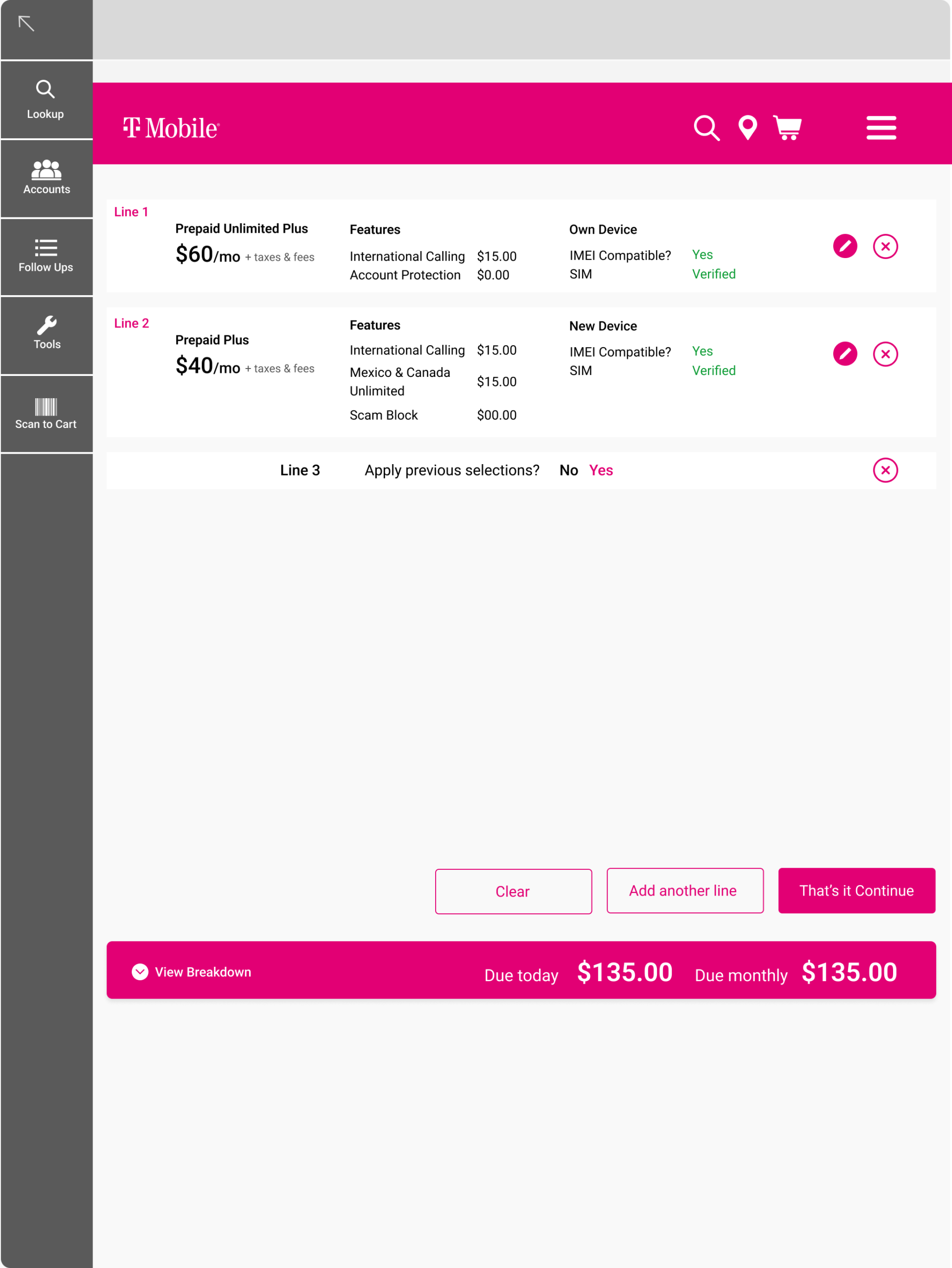
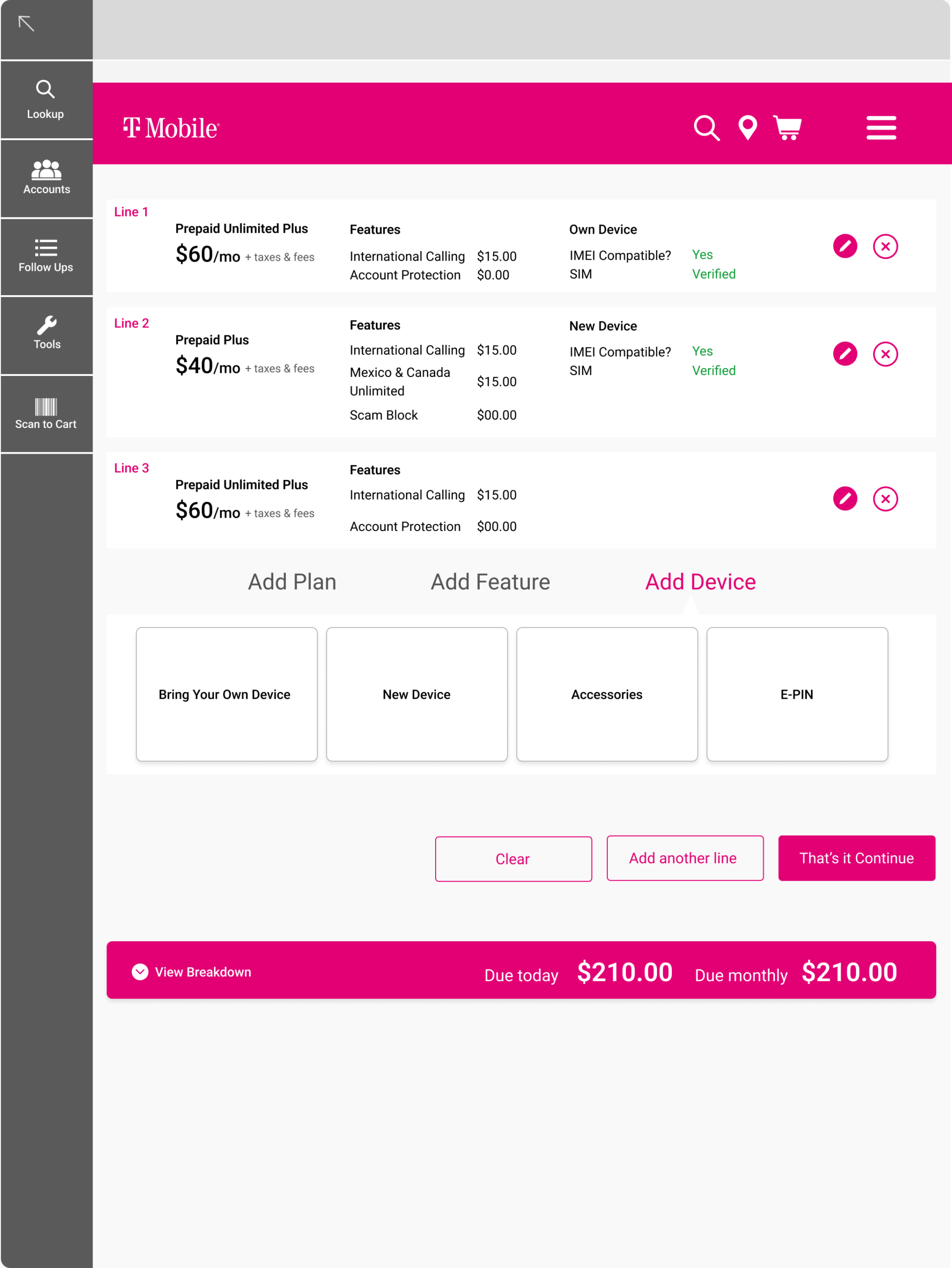
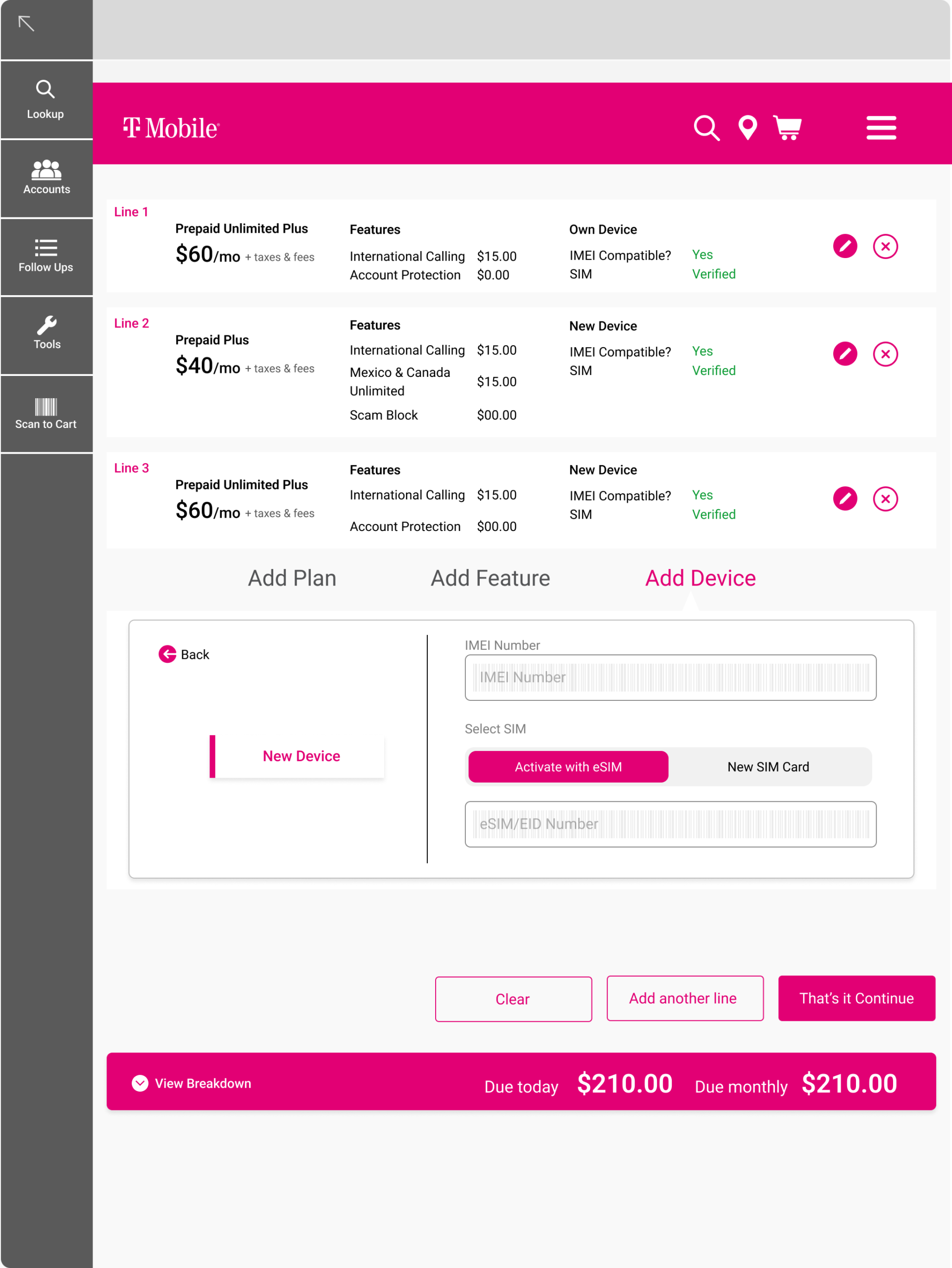
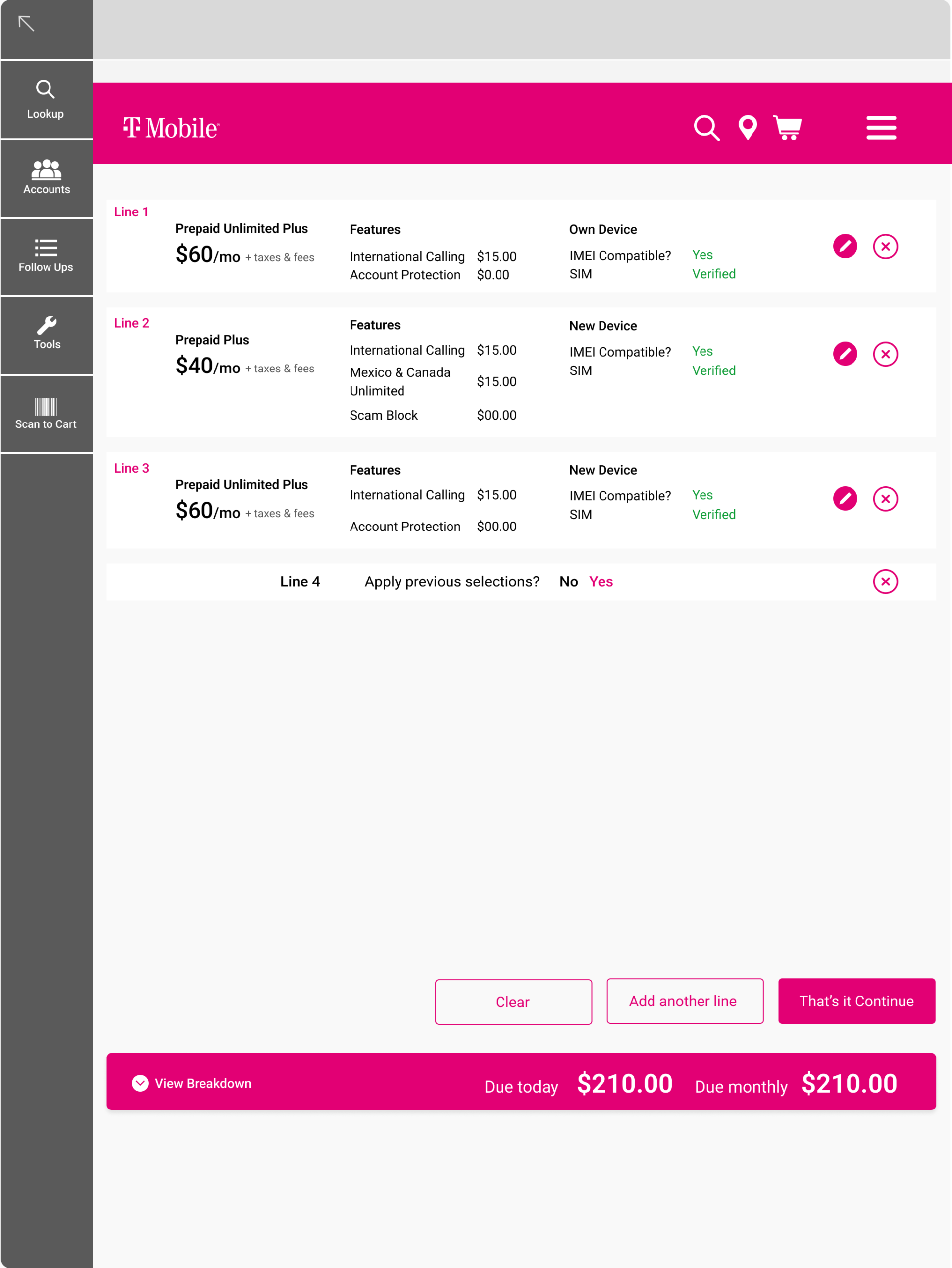
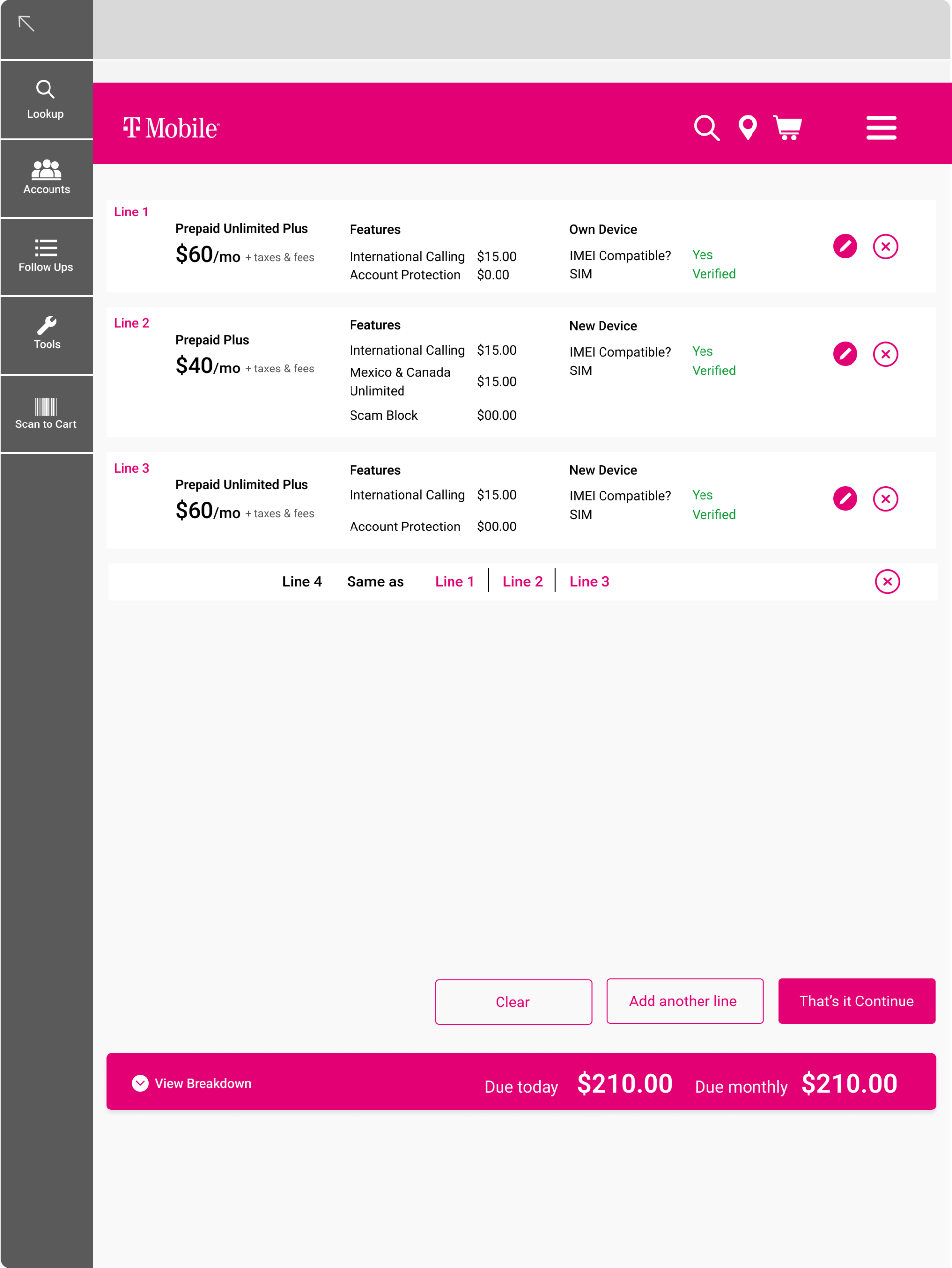
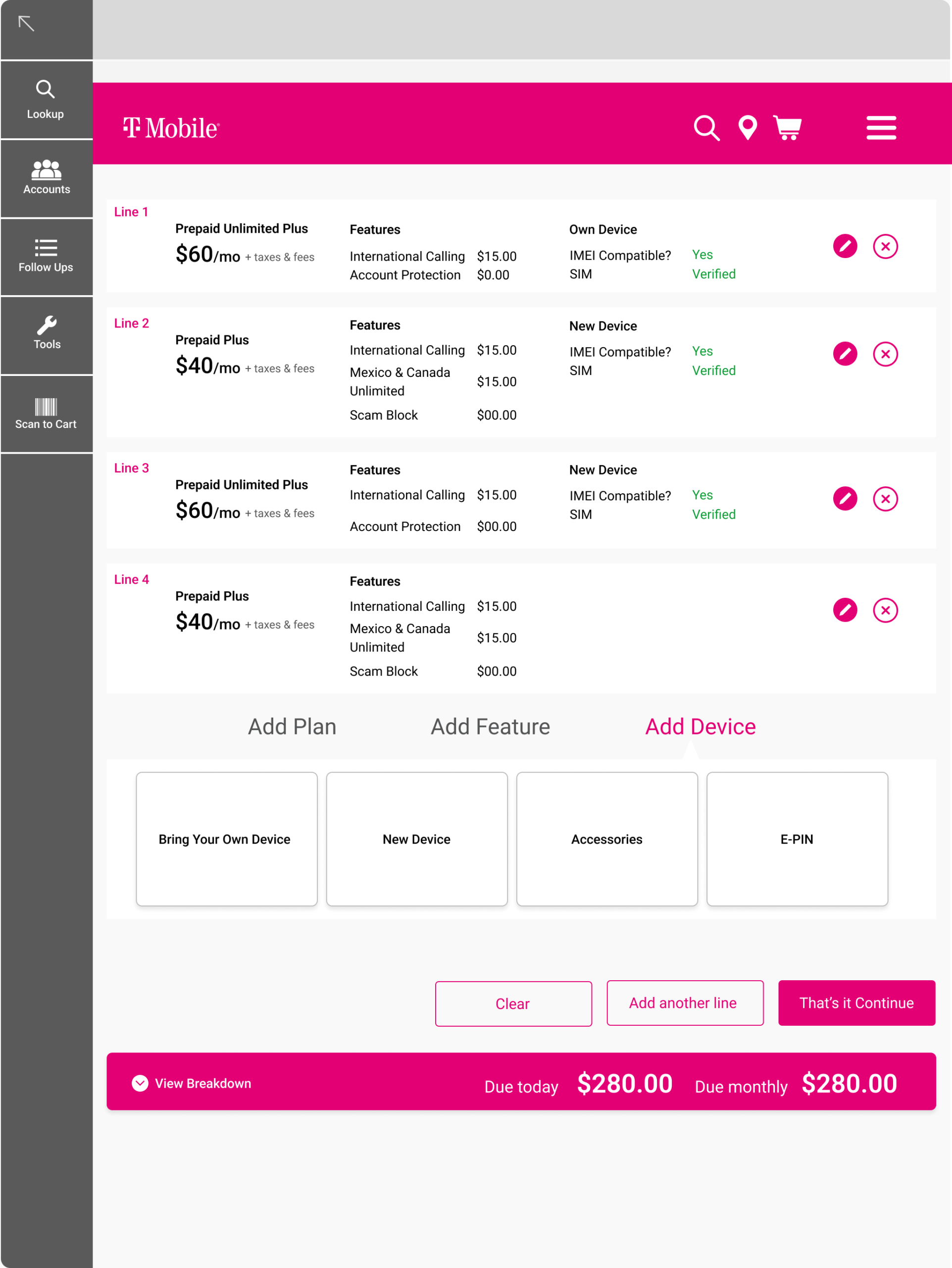
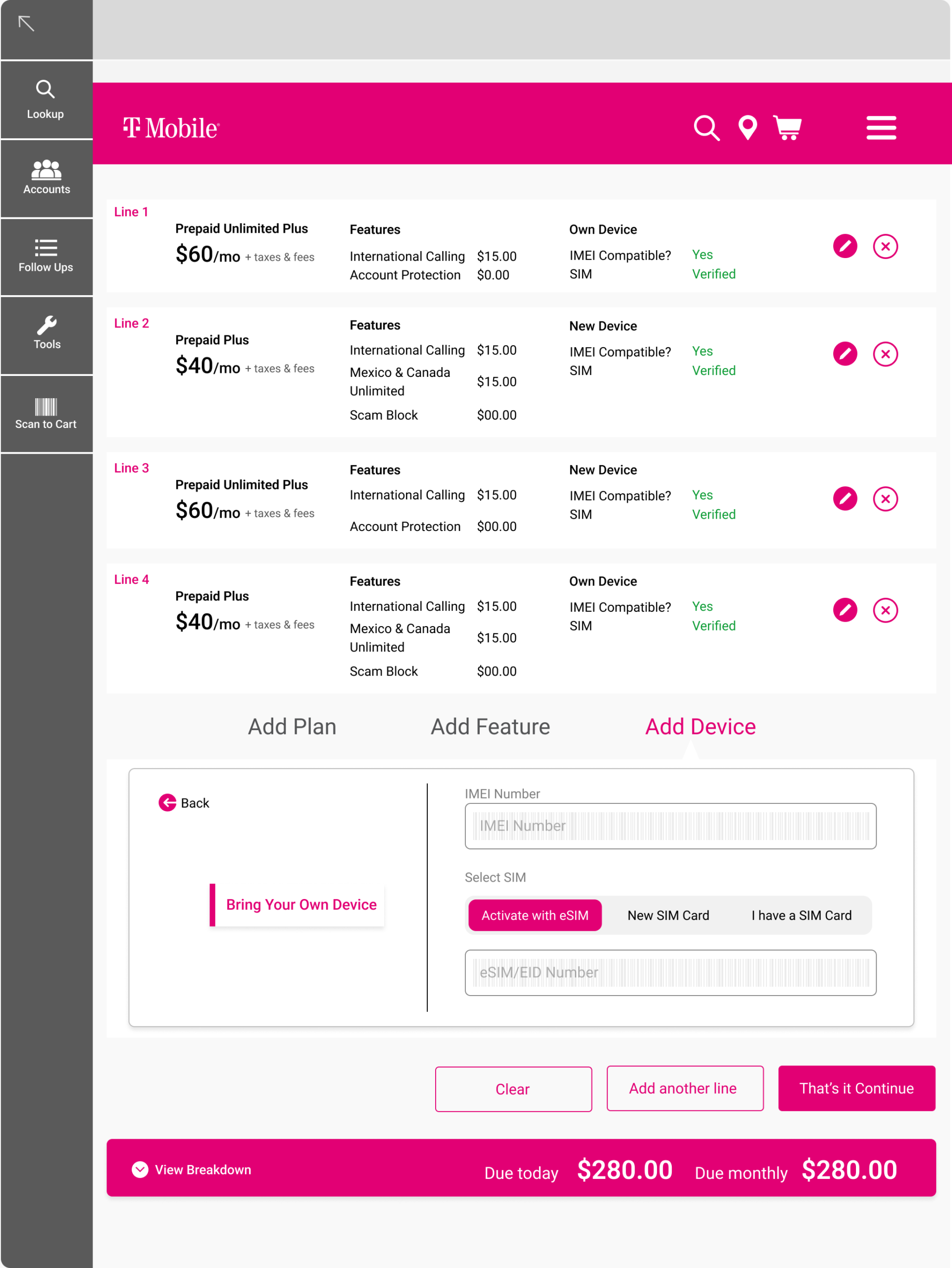
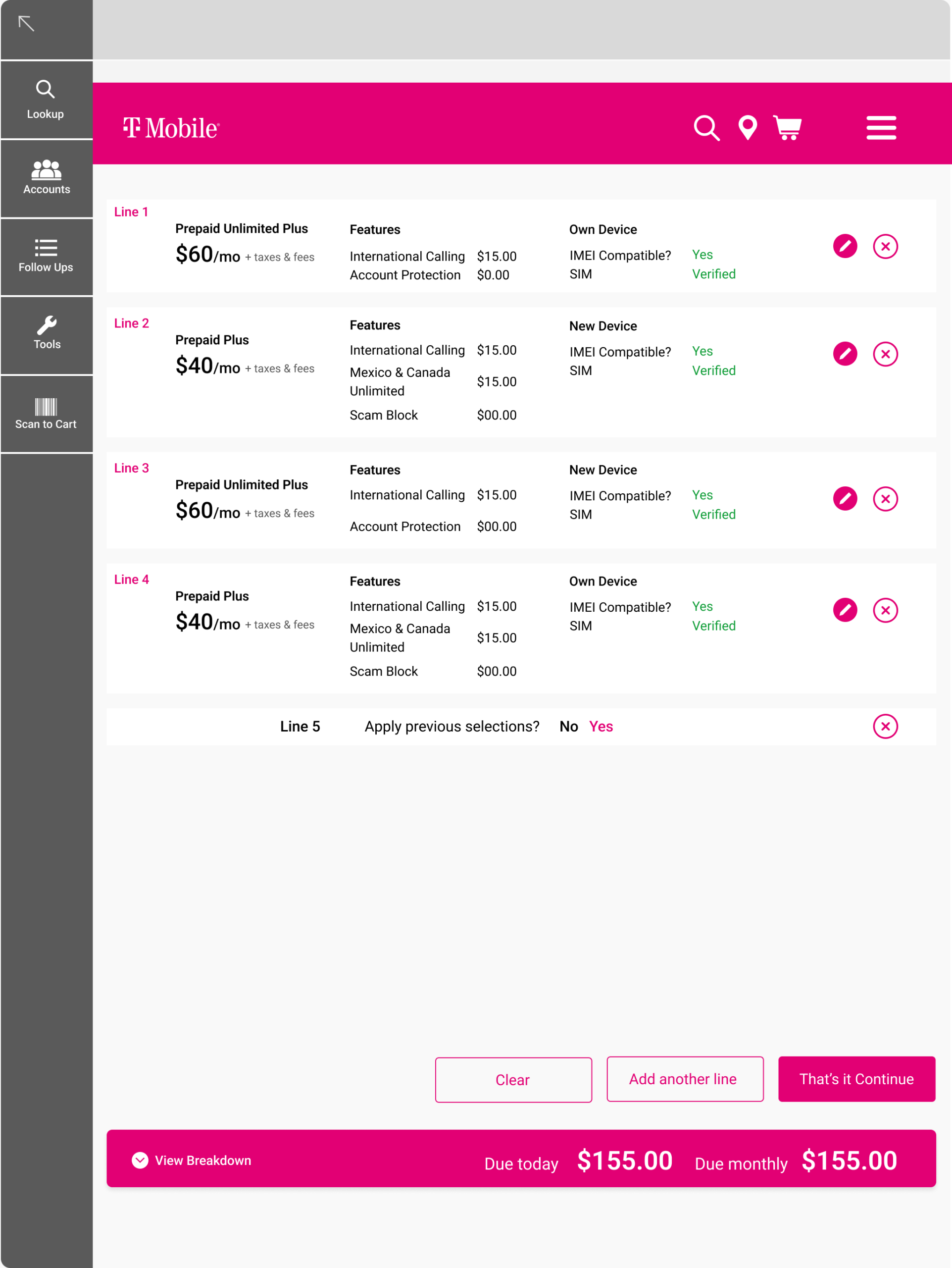
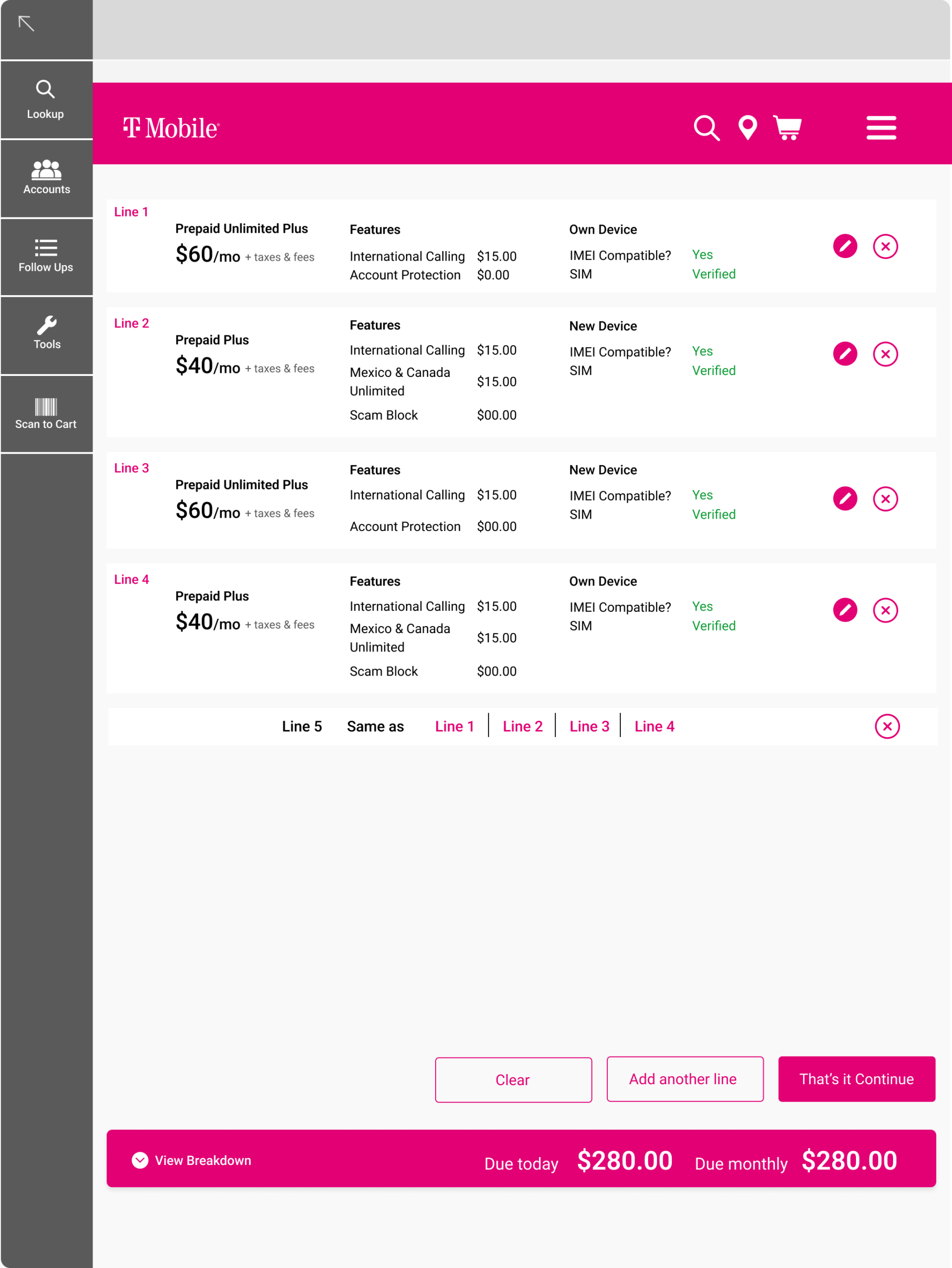
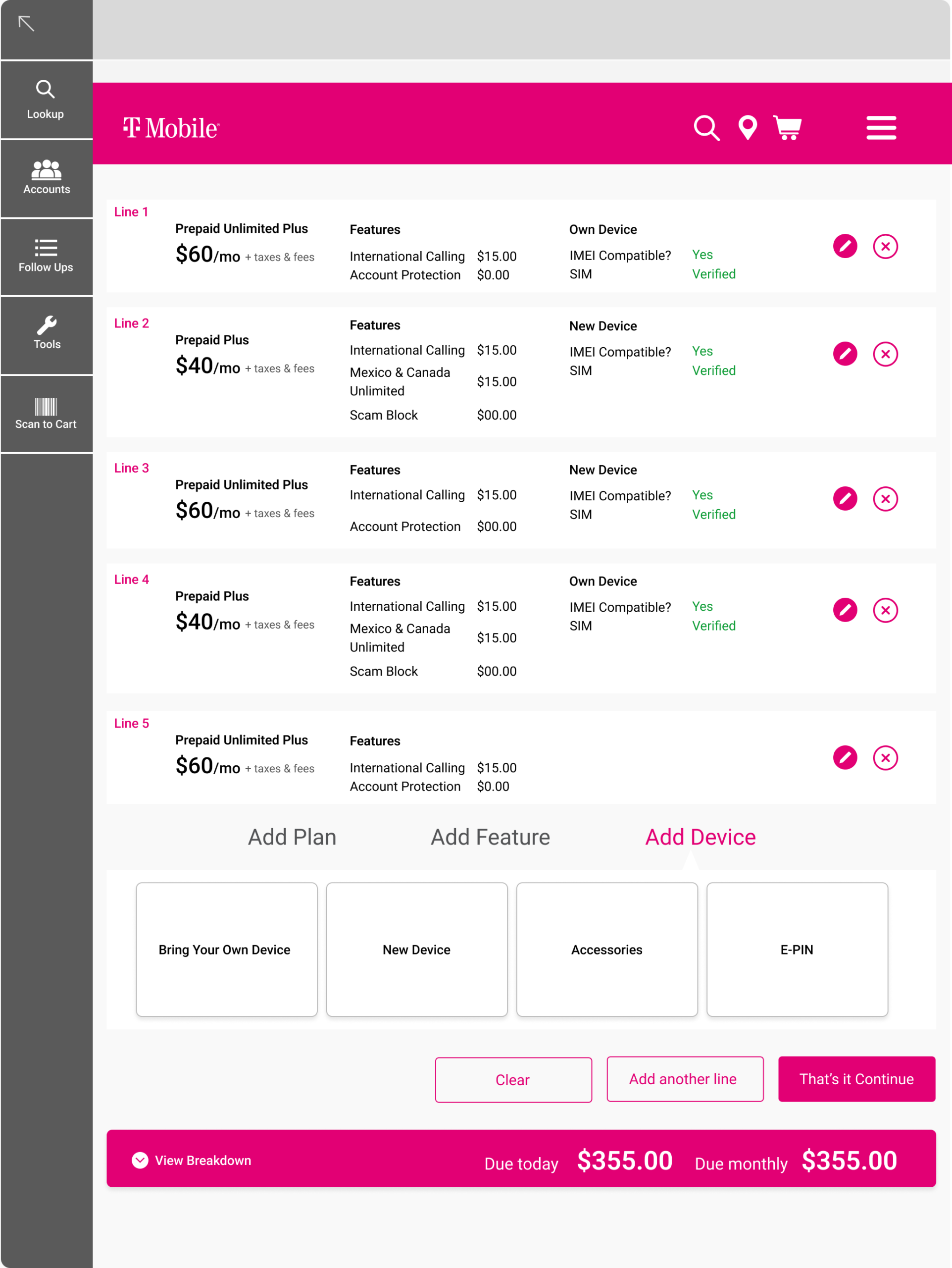
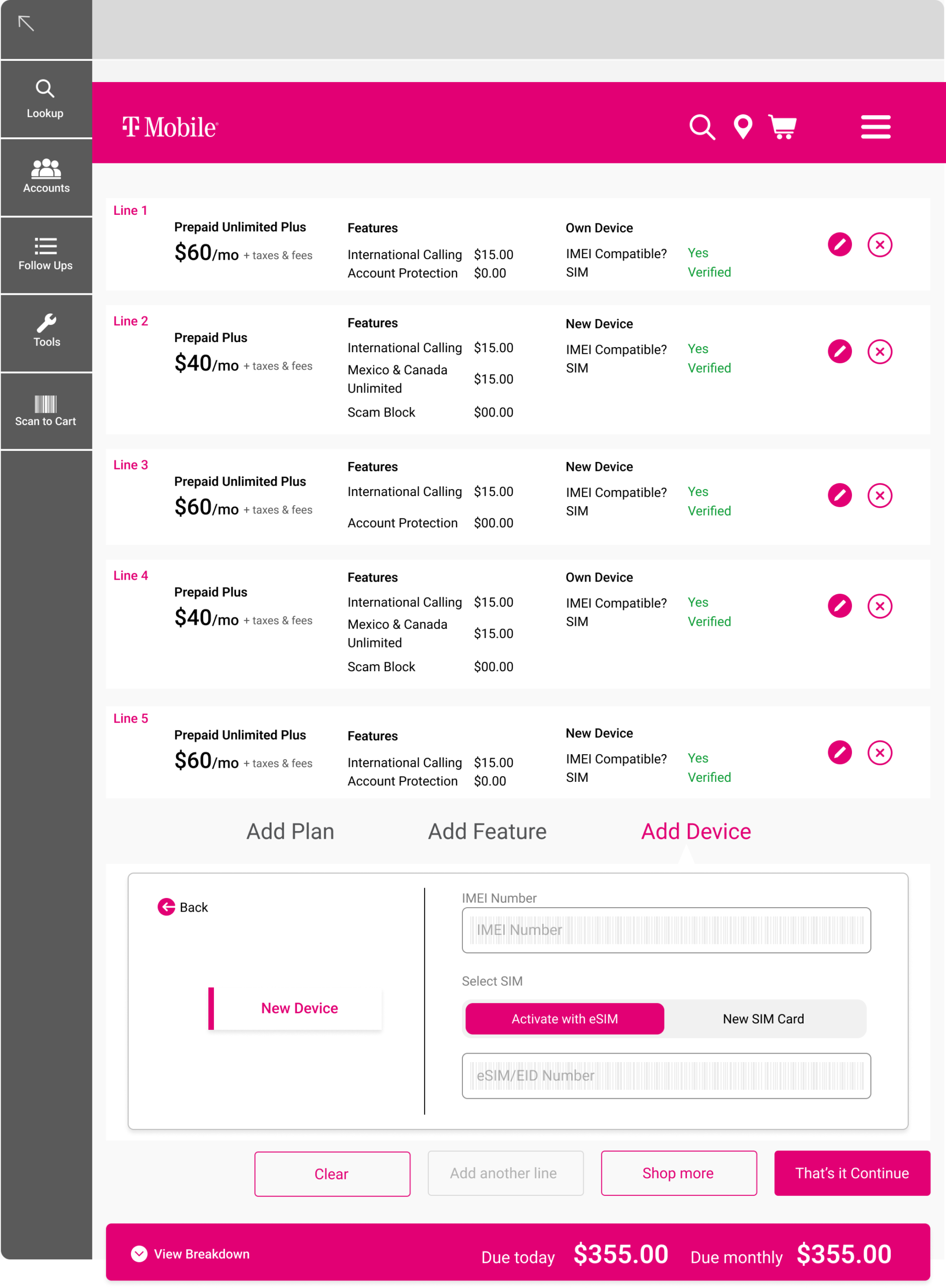
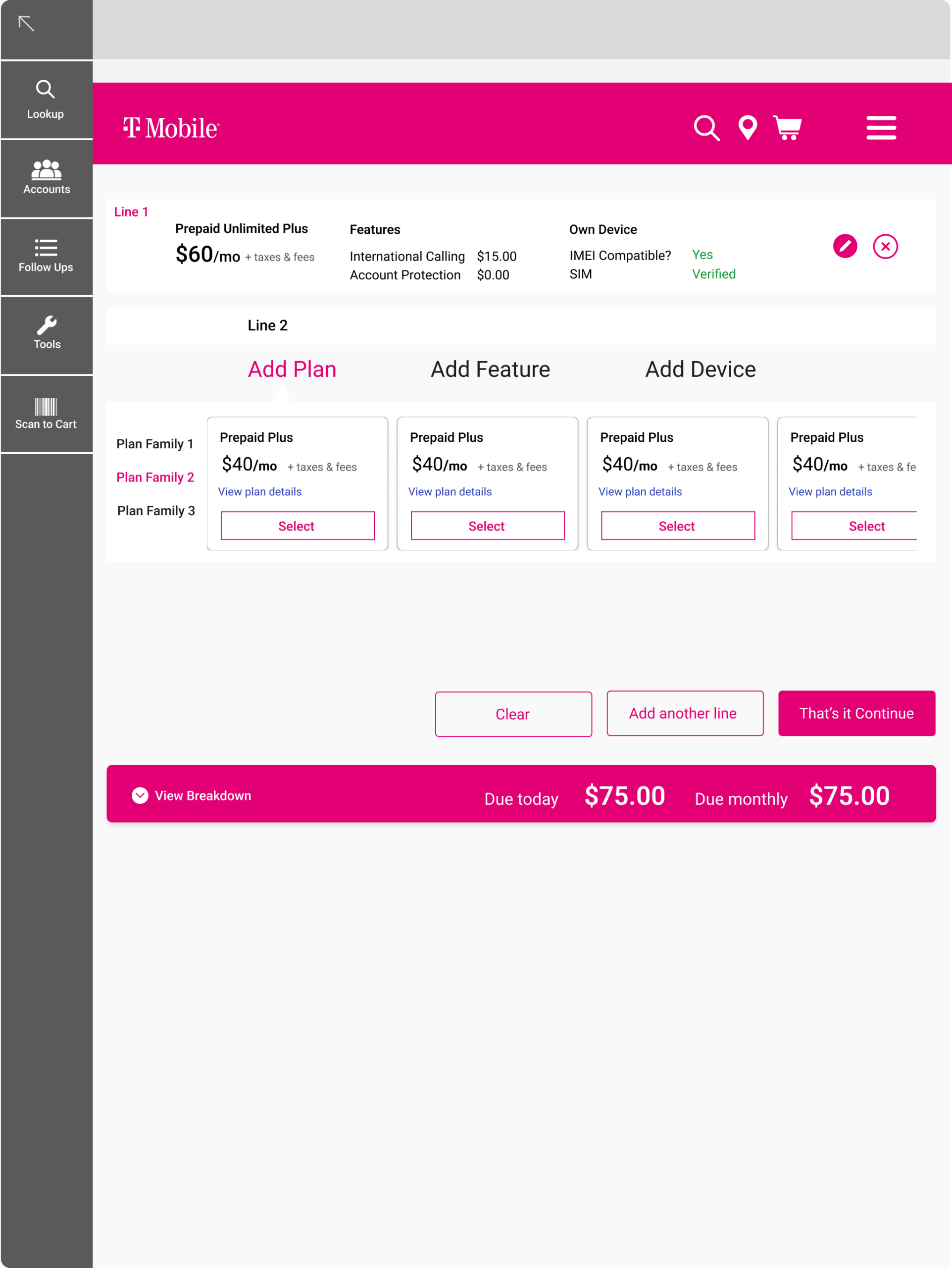
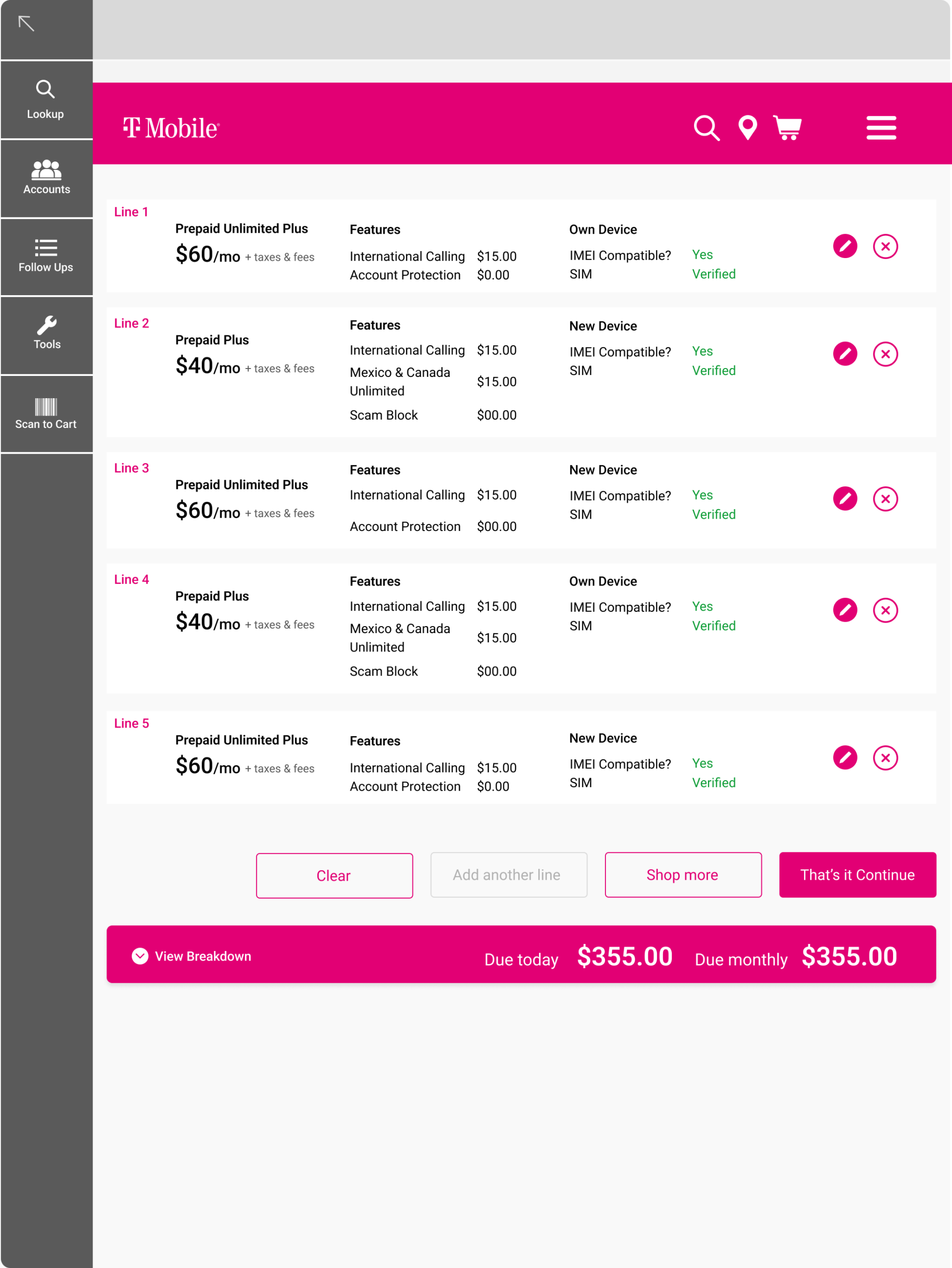
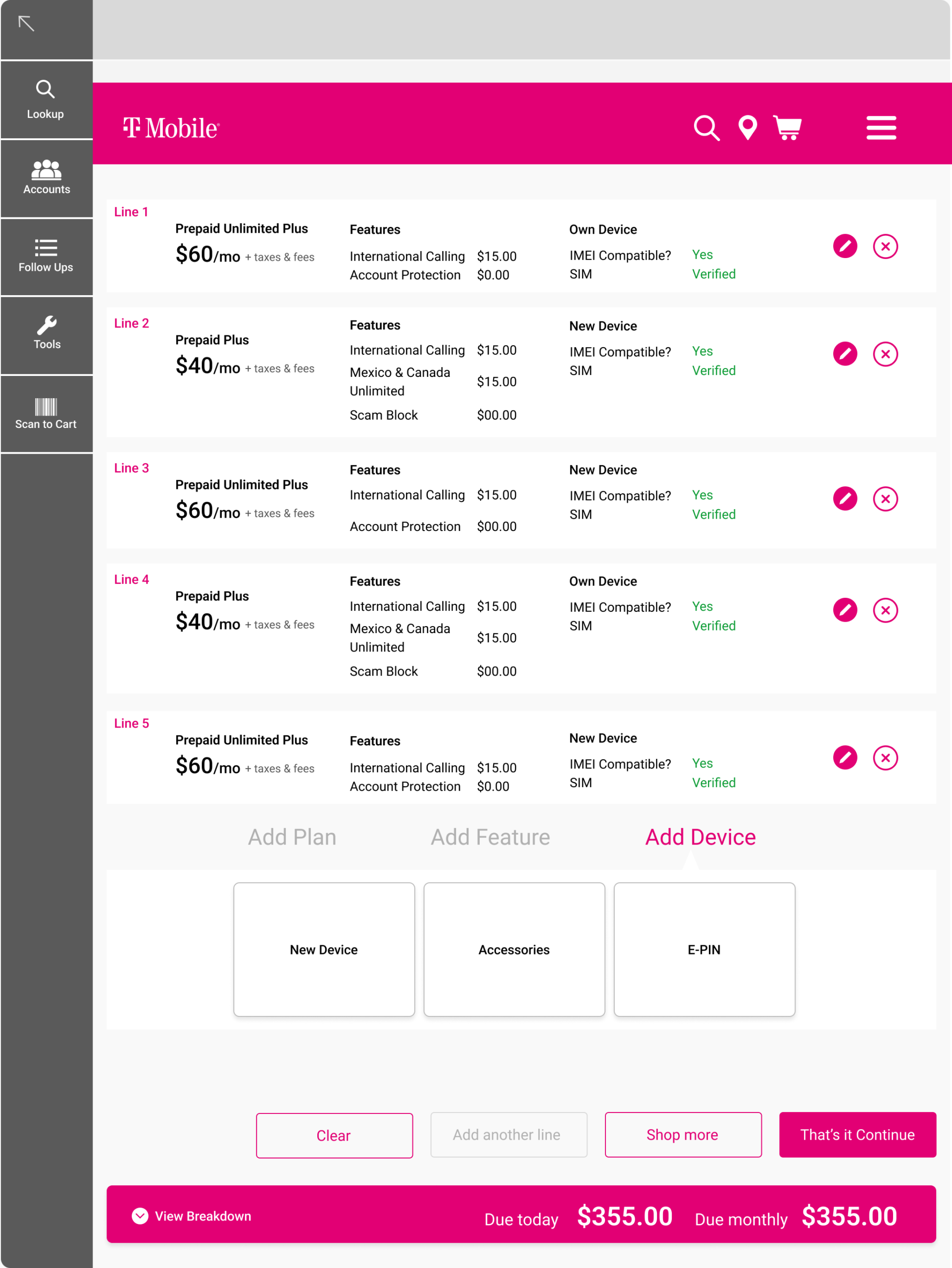
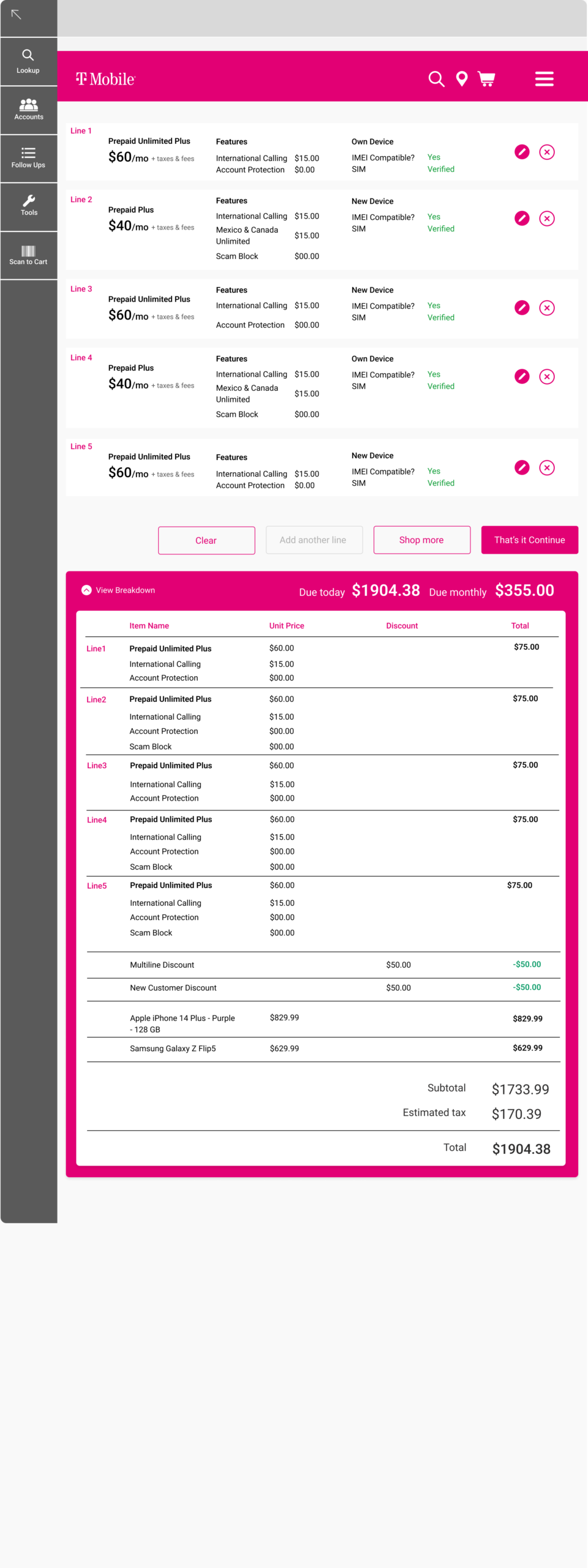
Collaborated closely with product owners, engineers, and fellow designers to make functional updates to TFB Salesforce application. Redesigned the experience of users owing to the changes made through projects like Happy Camel & CFAM Phase 2. Contributed to and maintained the design systems on Figma across the projects.

​CFAM Phase 2

​This project dealt with the integration of Line Limits and Spend Limits APIs that heavily influenced the experience & information consumption on account pages of private, government and Puerto Rican business accounts.

UX Activities:

Stakeholder Interviews, Scenario Development, Design Collaborations, Salesforce Lightning Design System in Figma, Low Fidelity- sketches, High Fidelity Interactive Designs

I brought teams like engineering, customer service, sales, and marketing together to articulate a desired future state of Business Account pages that works in terms of the CFAM Phase 2 integration of Line Limits and Spend Limits APIS.

​Several BAN pages of Individuals, Businesses, Government Accounts both from US and Puerto Rico were taken as samples in prototyping to demo the future state to the respective teams especially.

​I relied heavily on the Lightning App Builder to create future state BAN pages and customize other affected sections in provisioning systems on cloud.

GCOM Case Management System

  • Created by: Vivekananda Kondapalli
  • Skills:

Project Brief

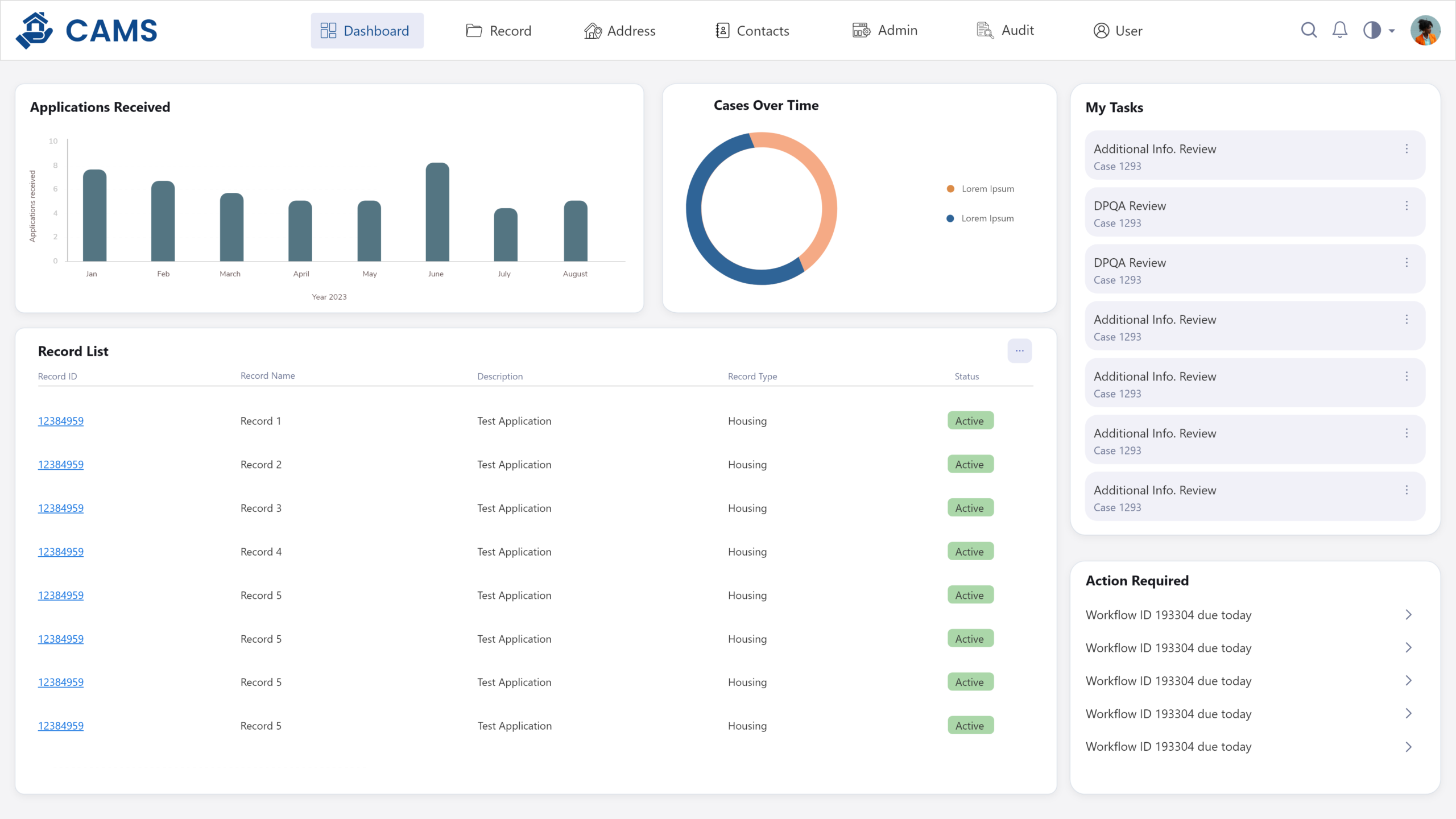
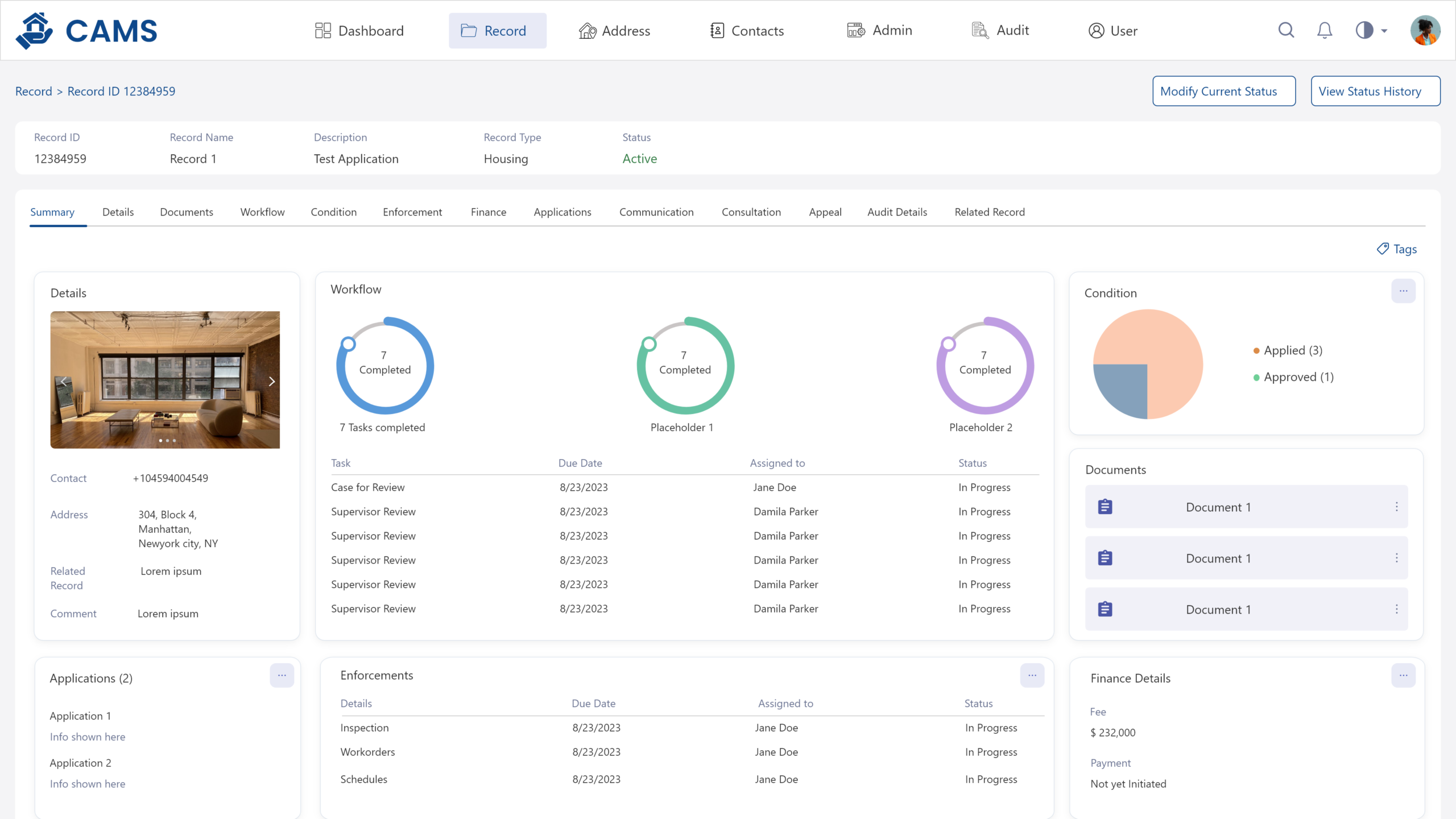
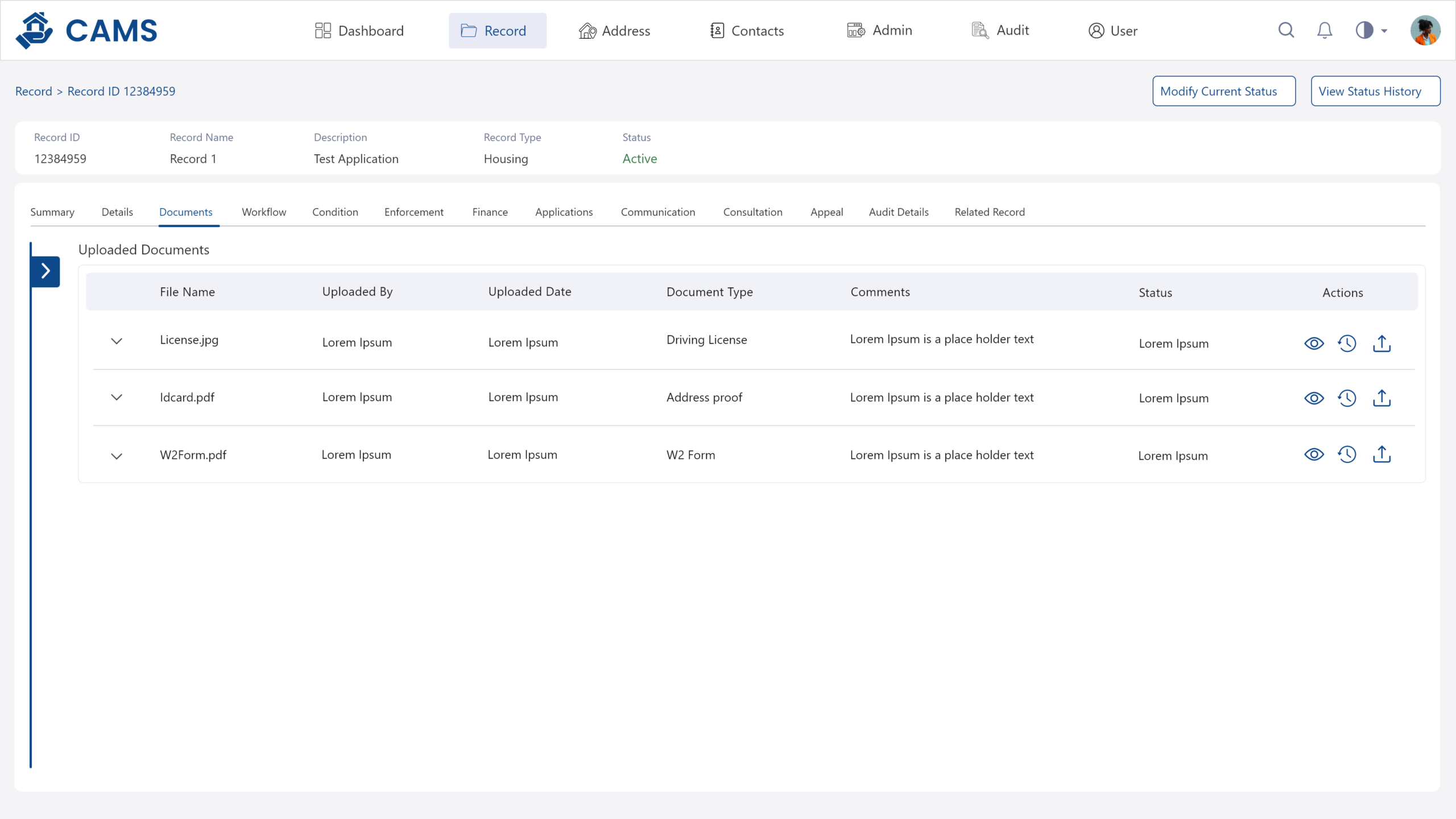
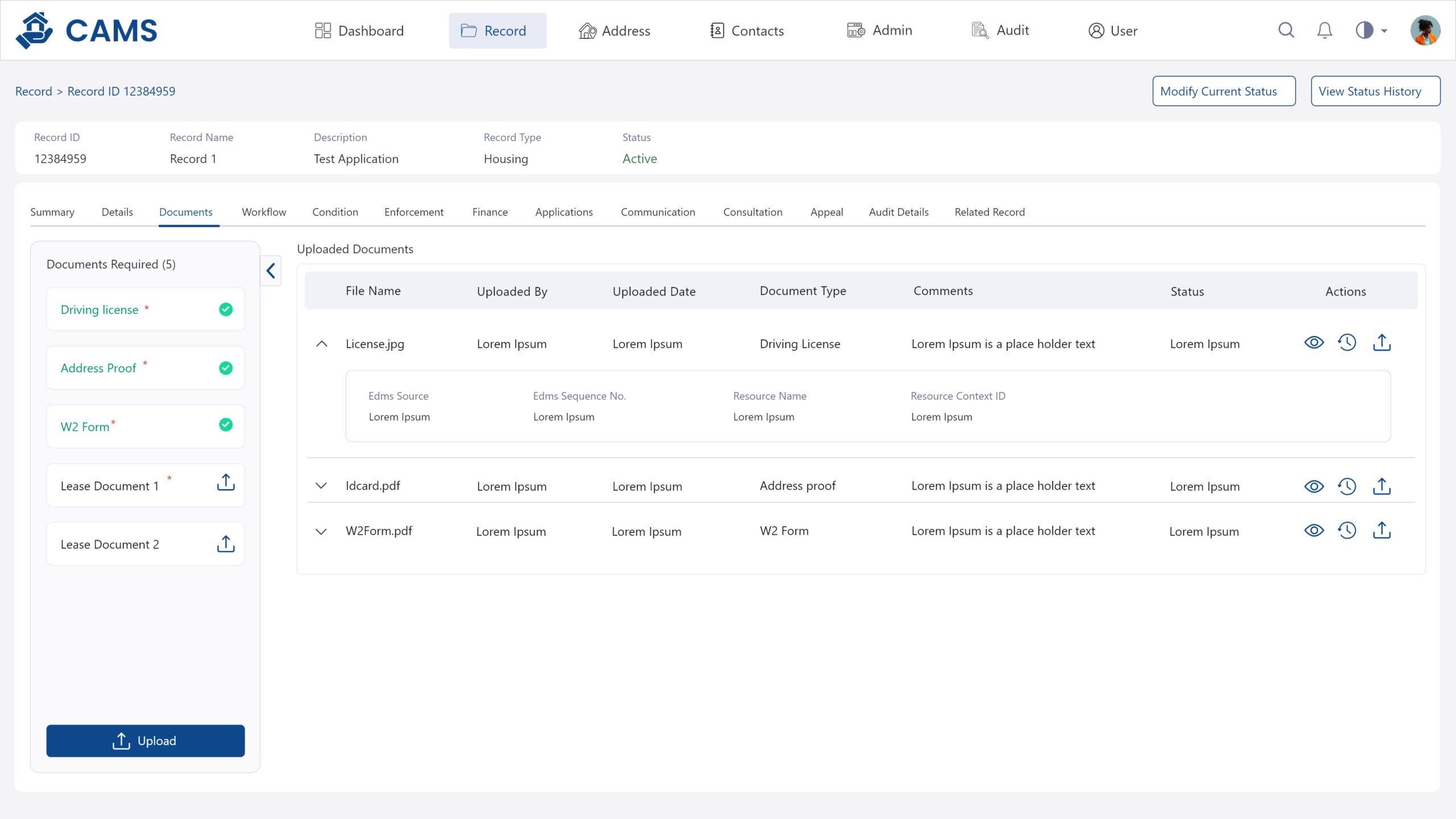
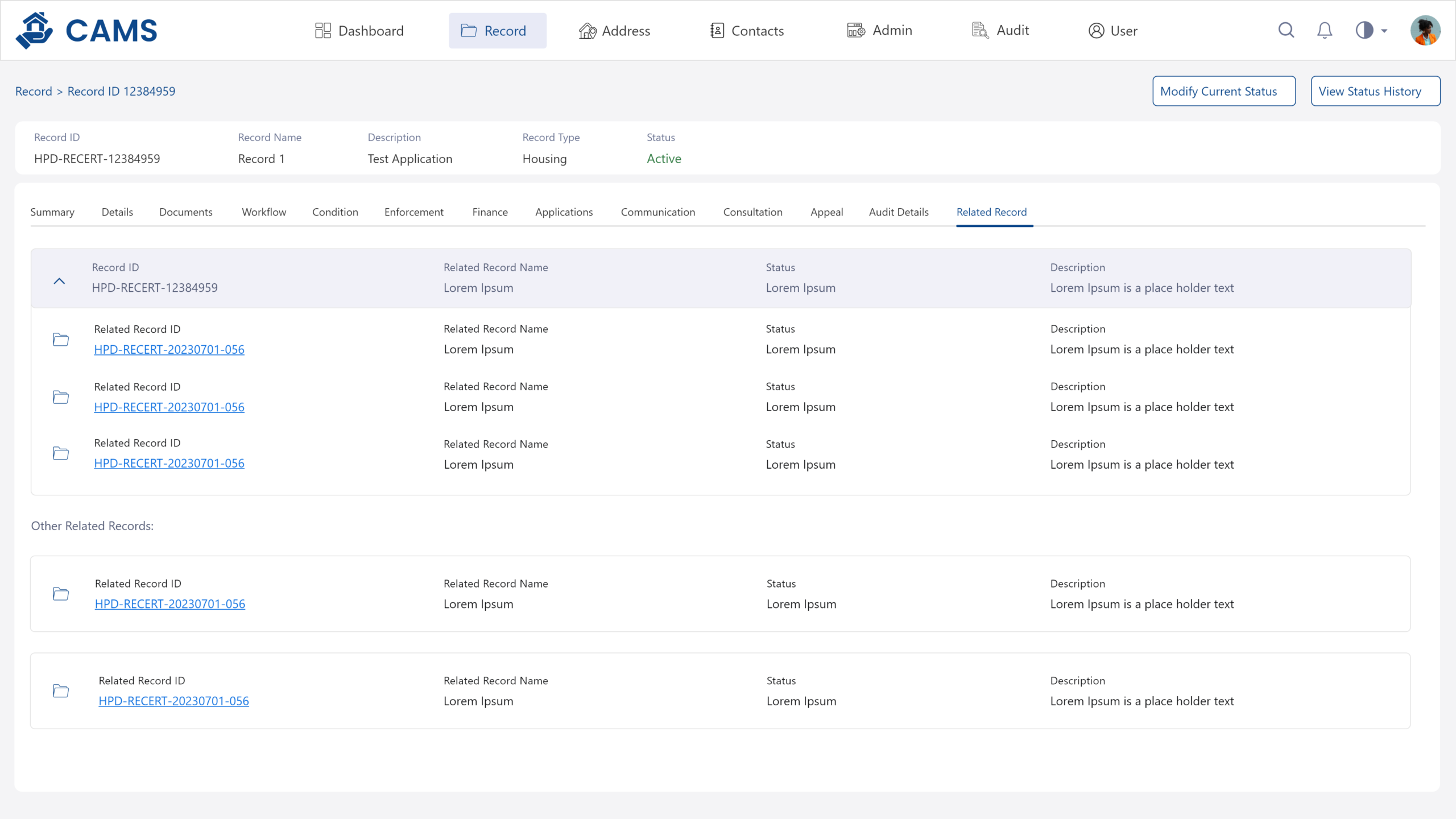
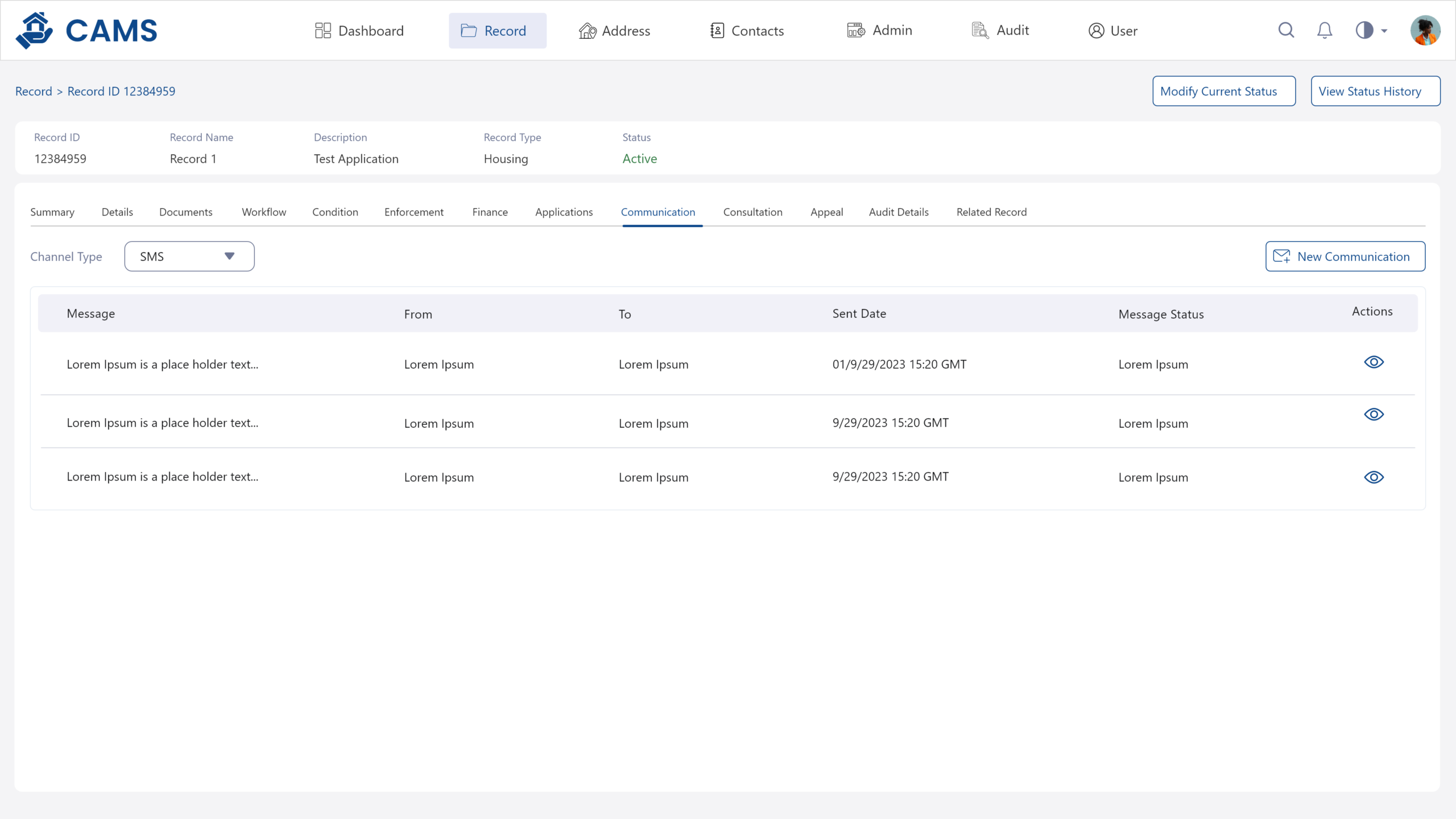
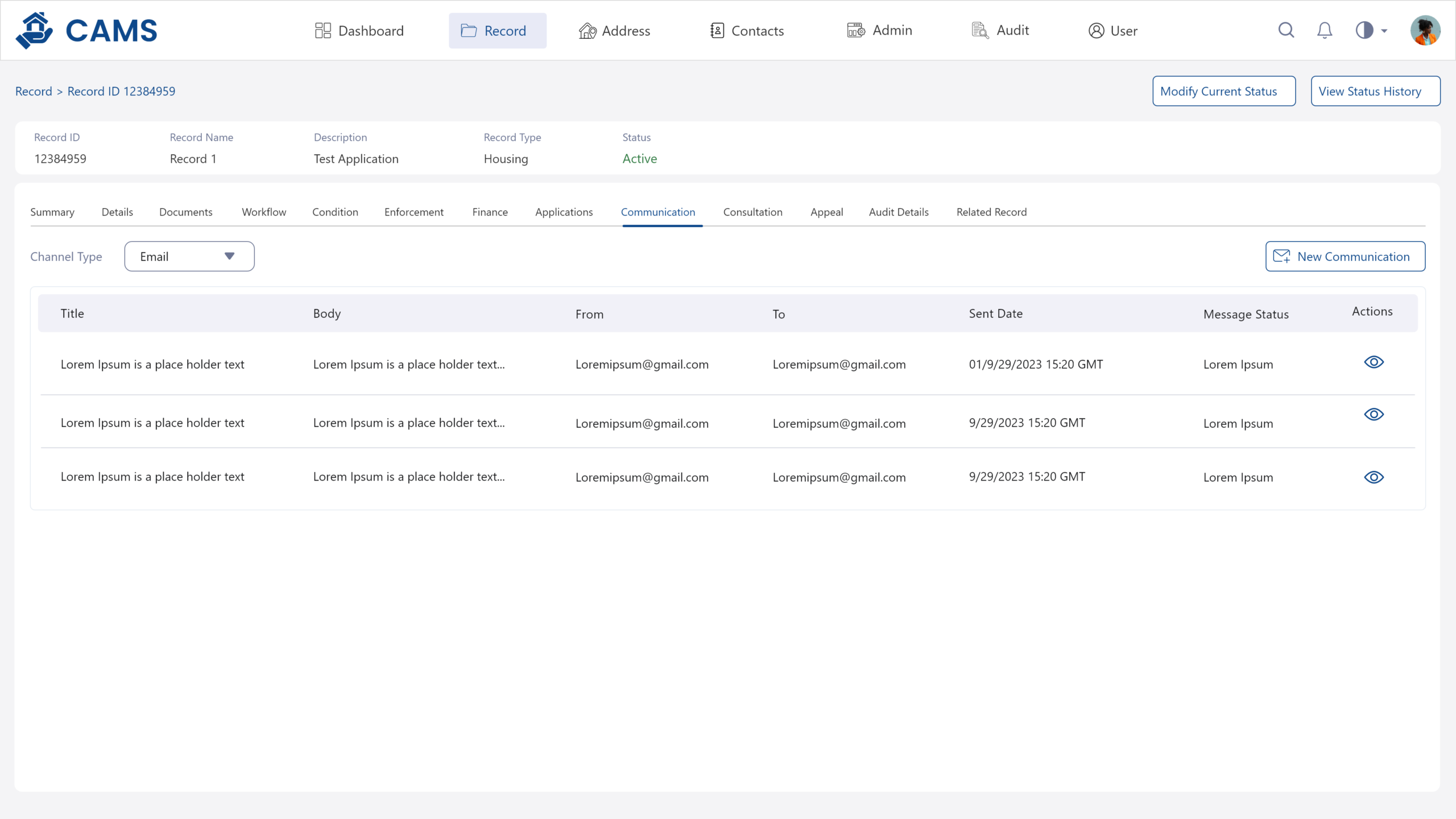
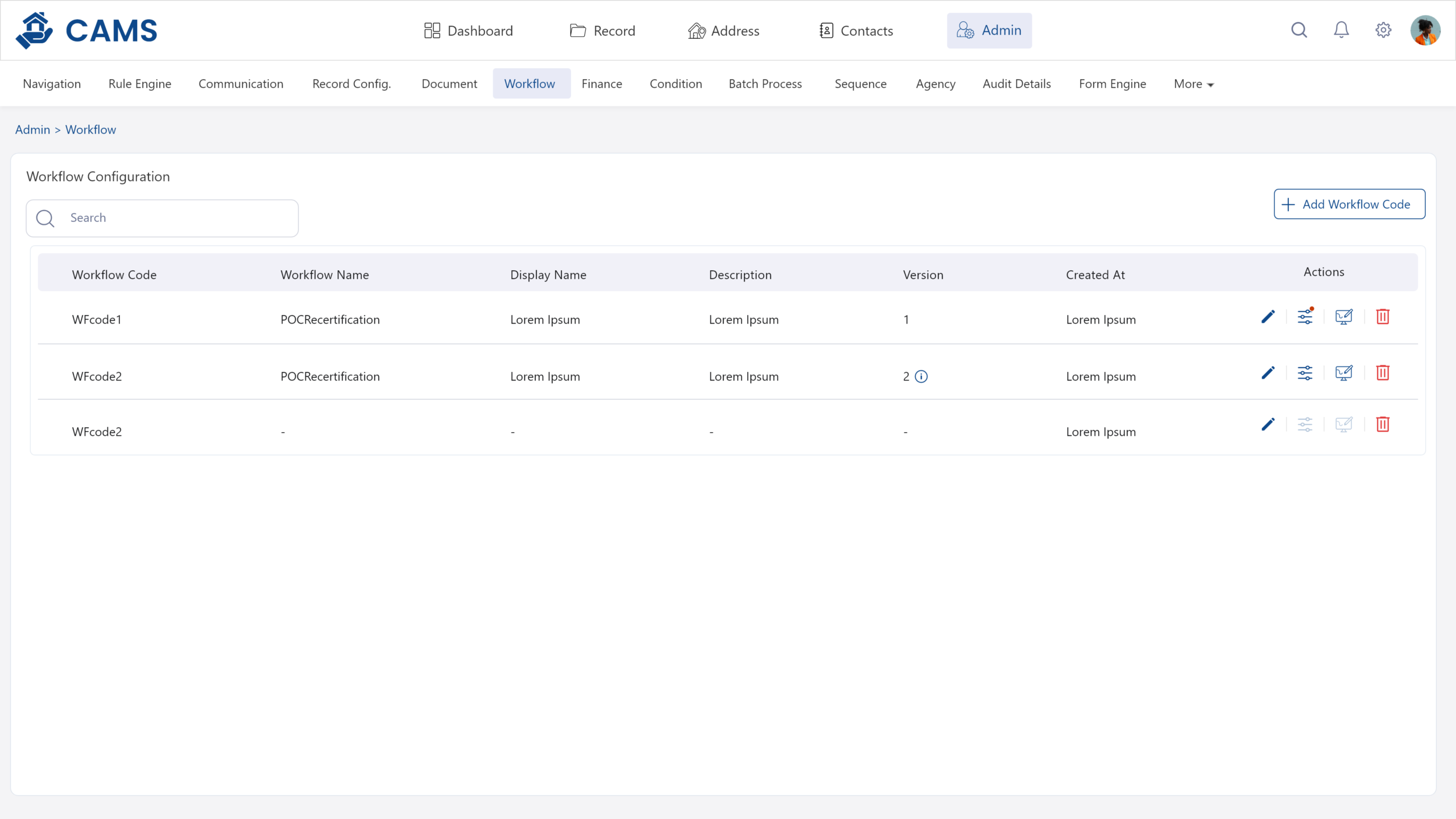
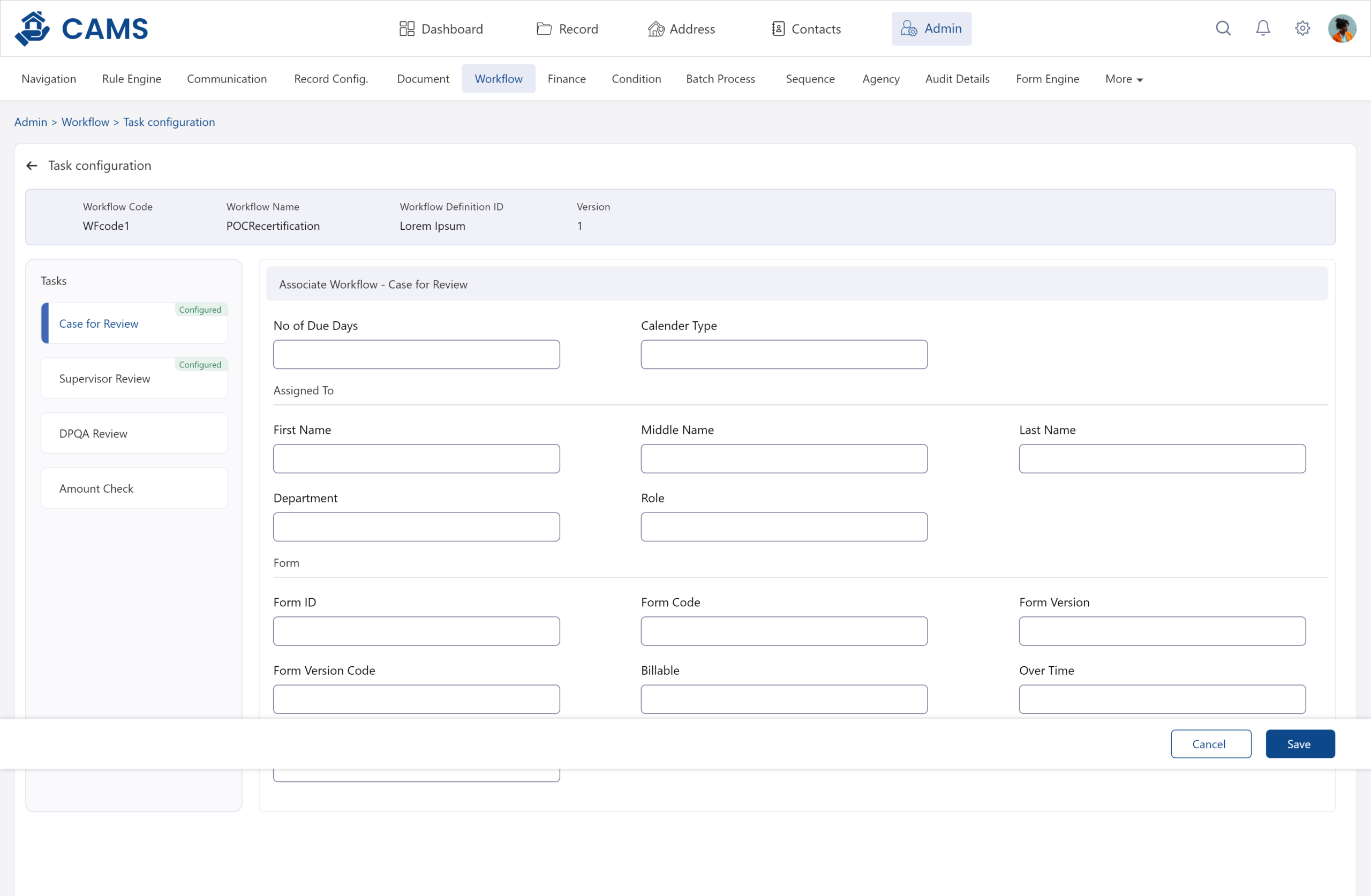
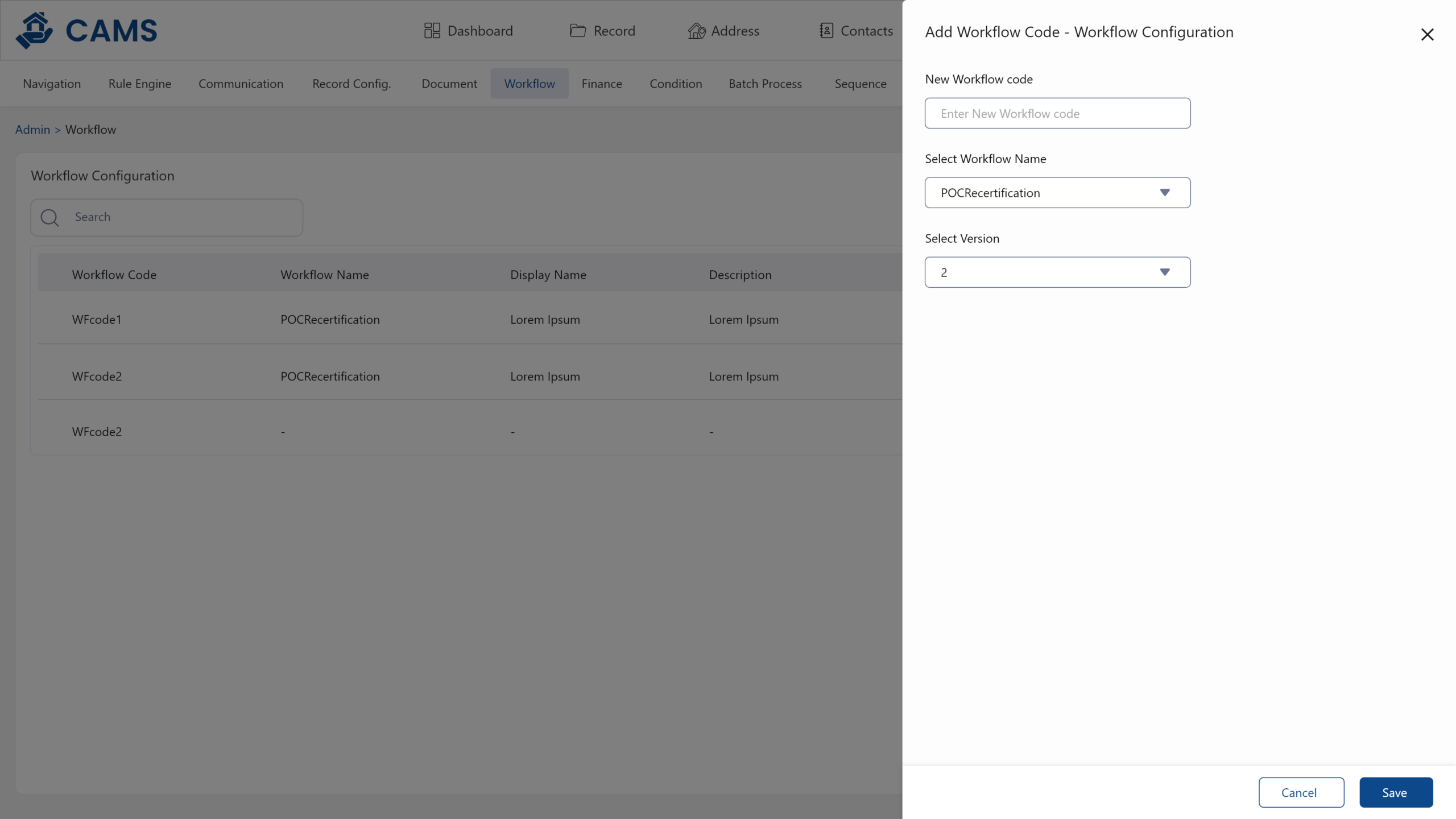
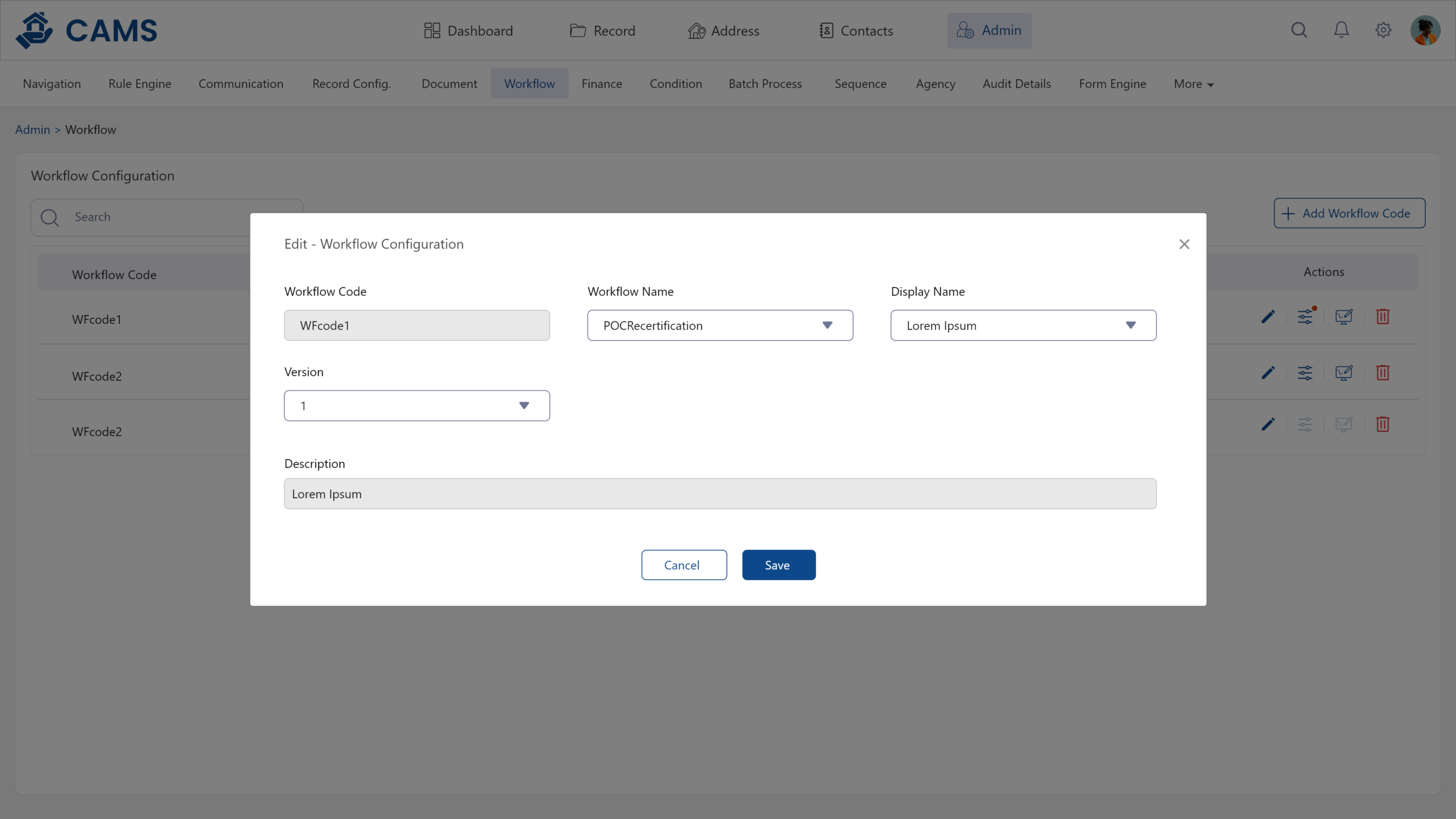
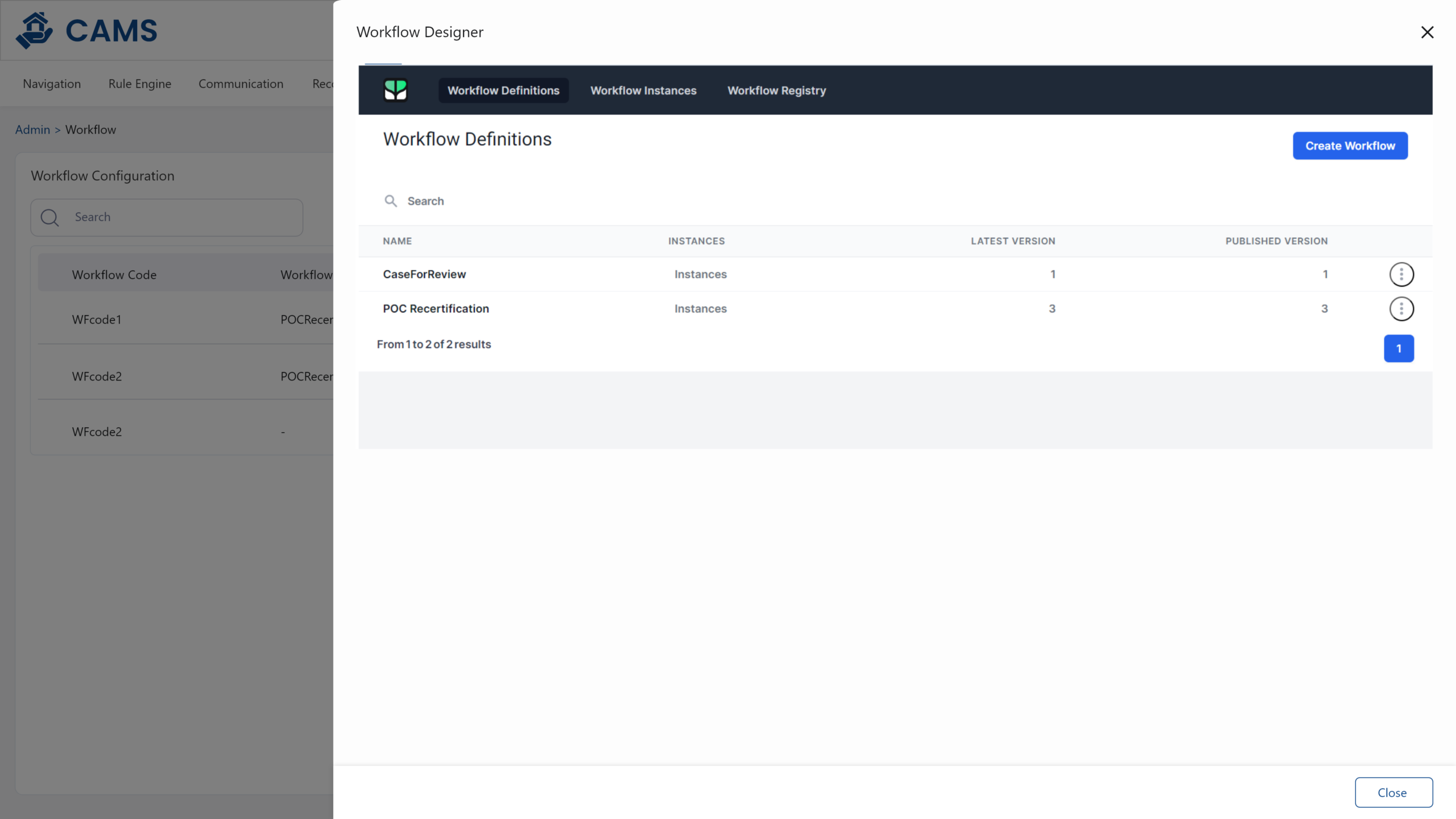
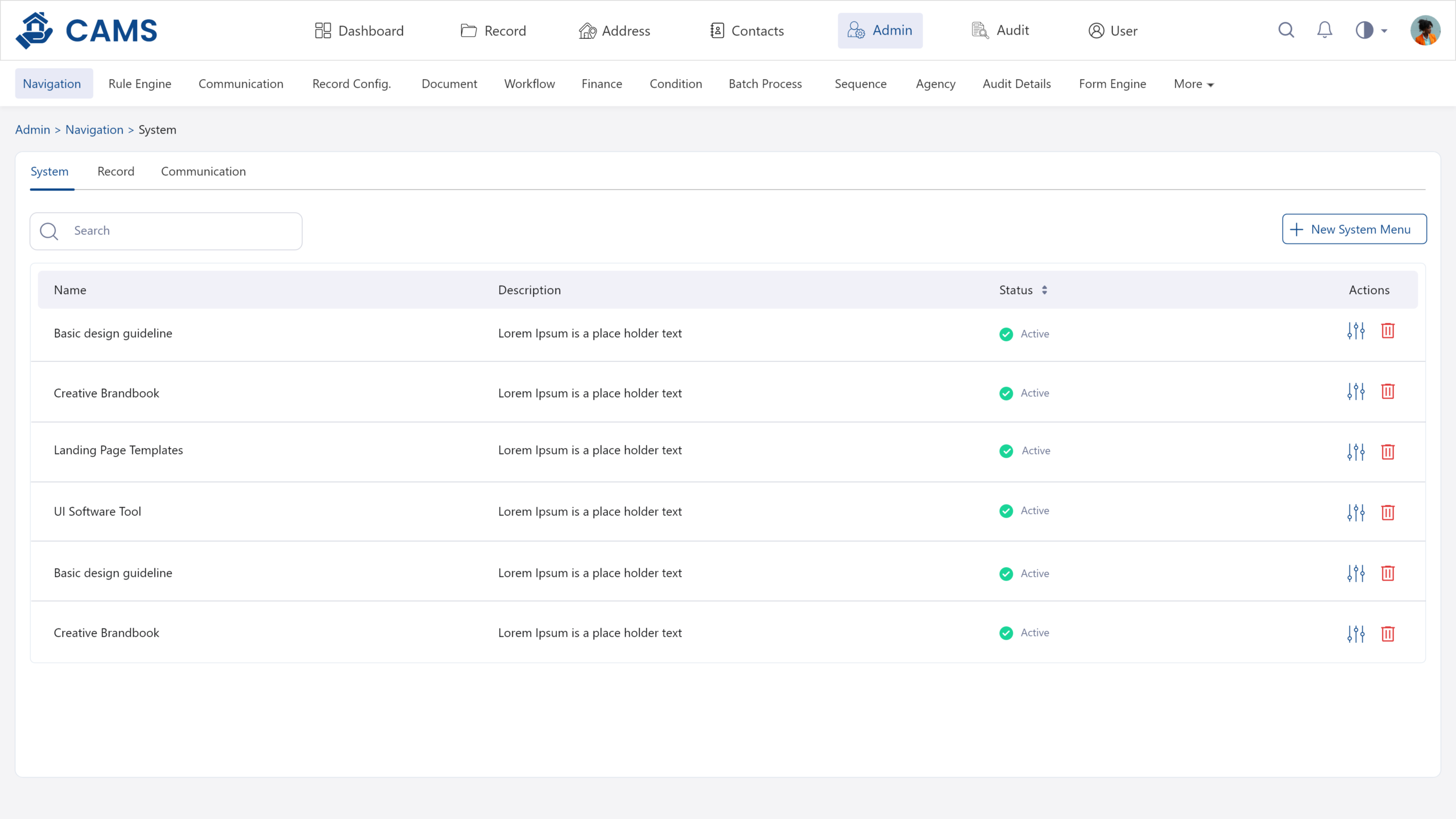
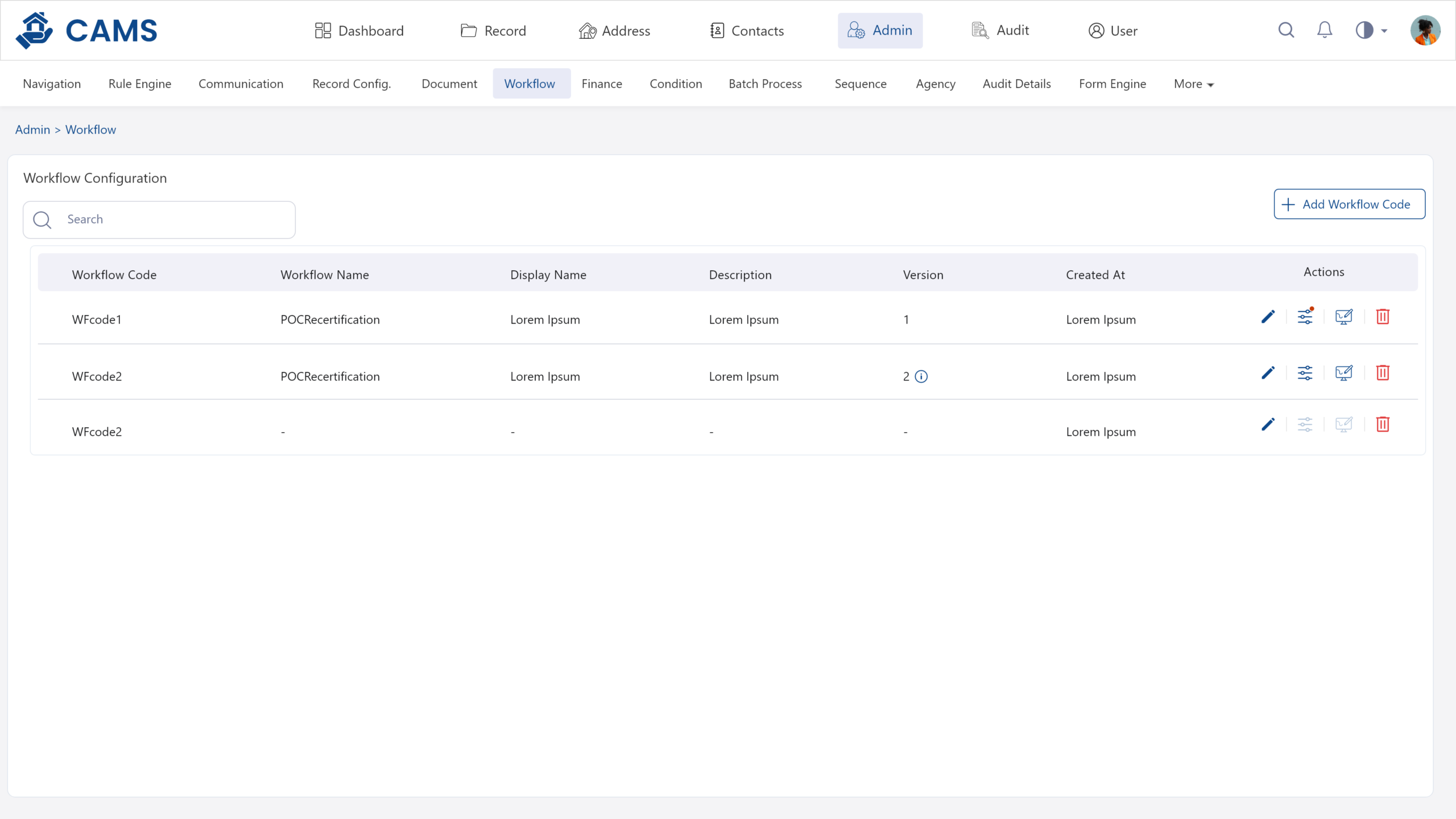
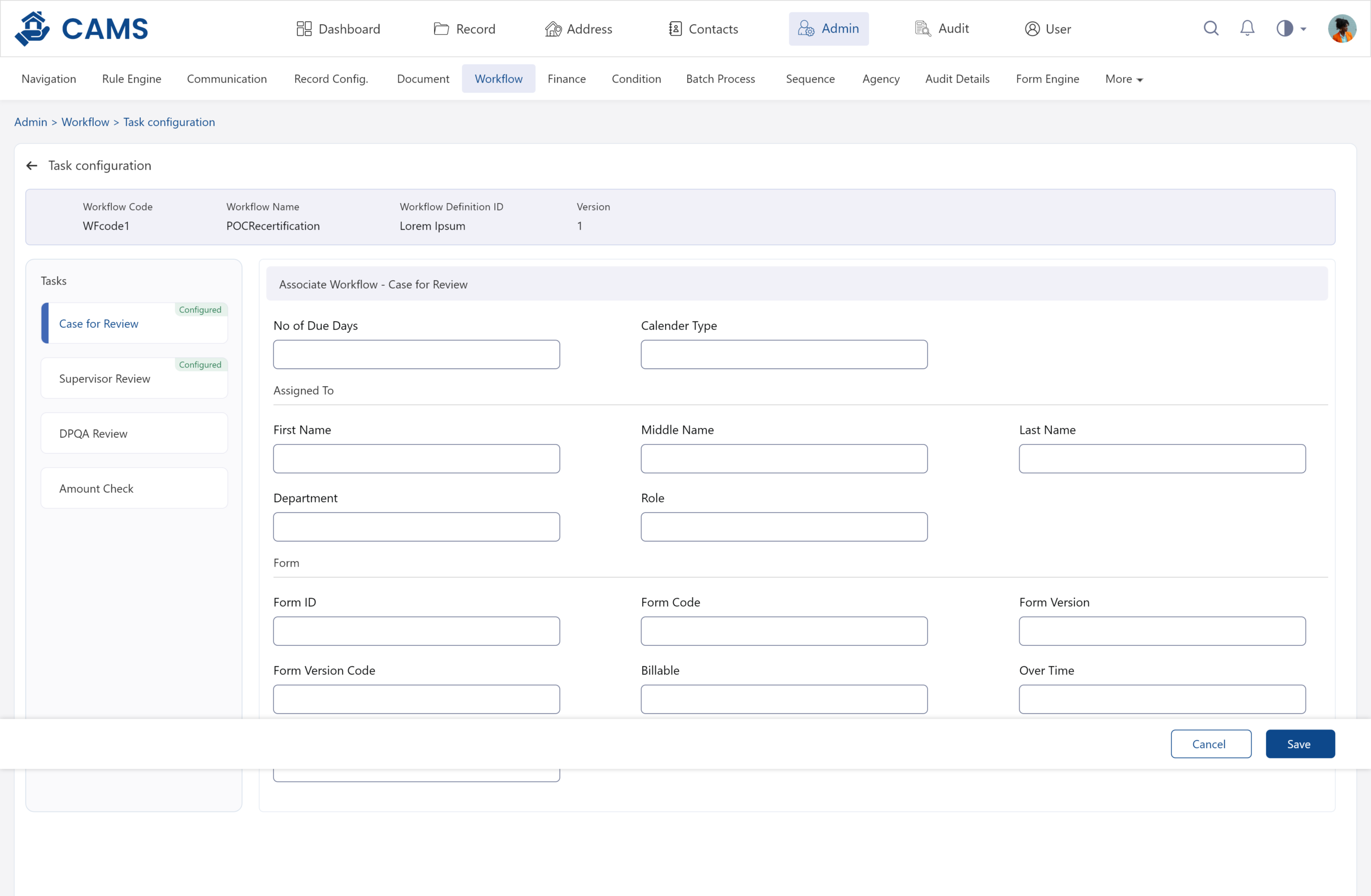
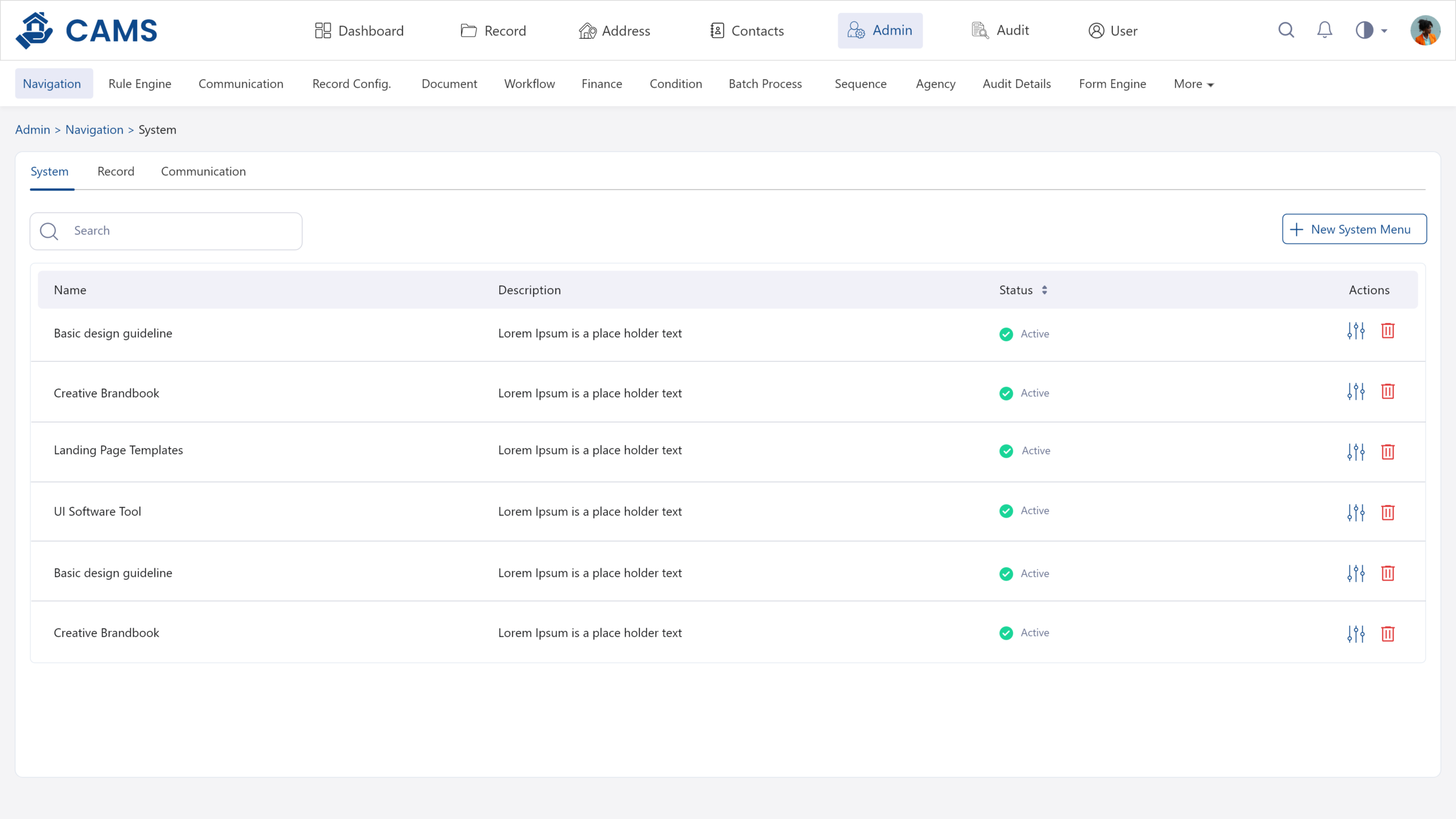
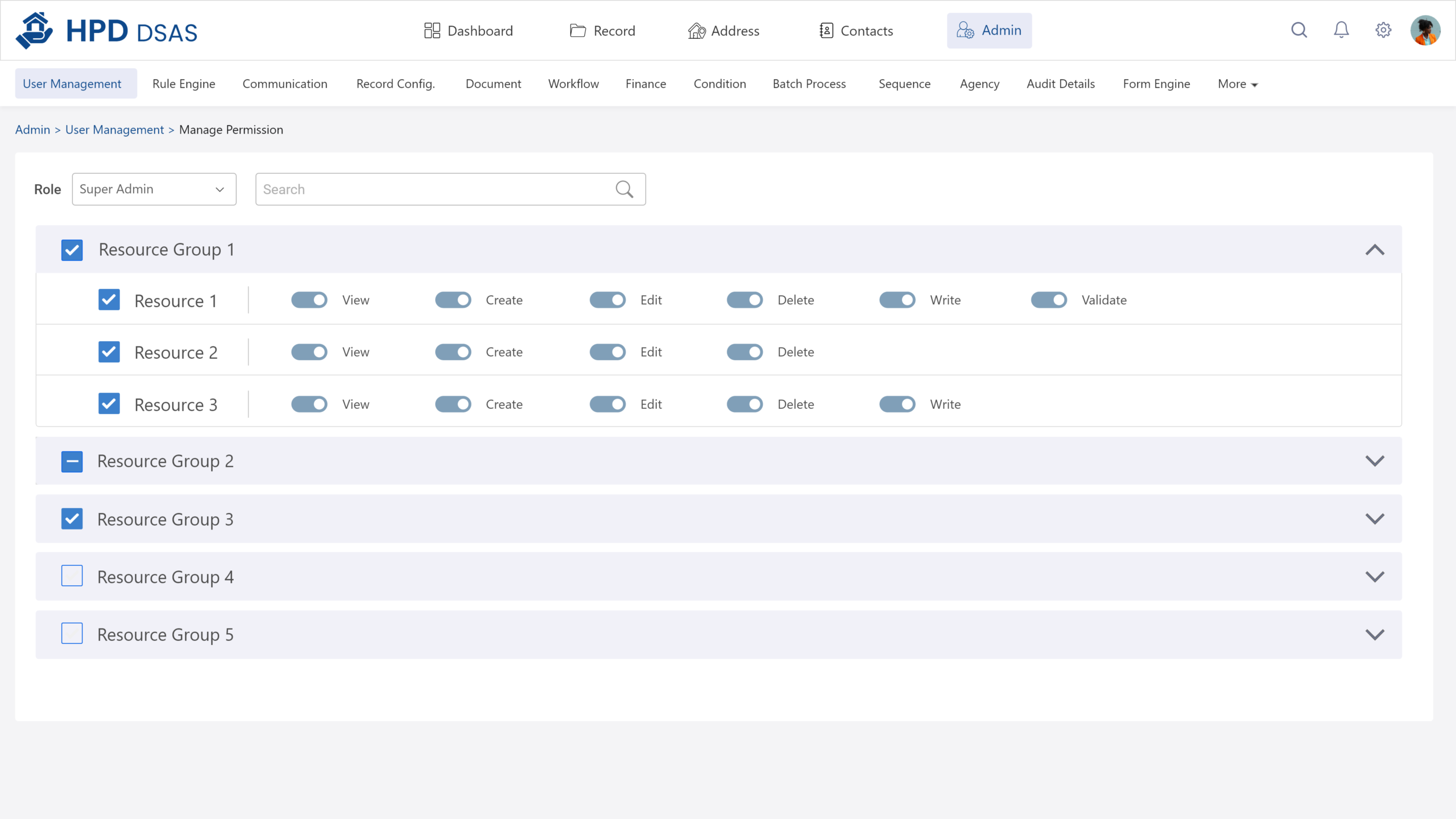
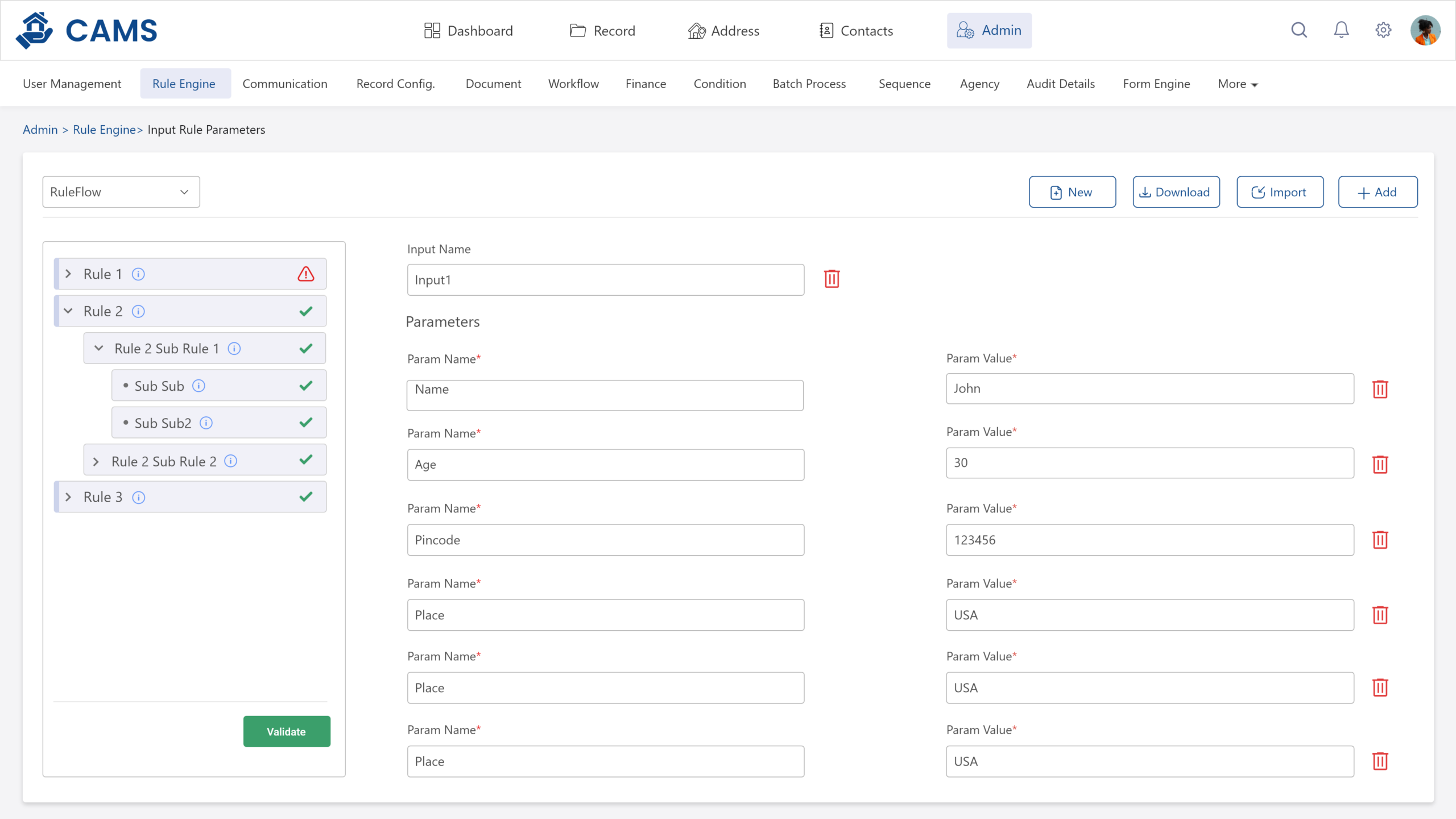
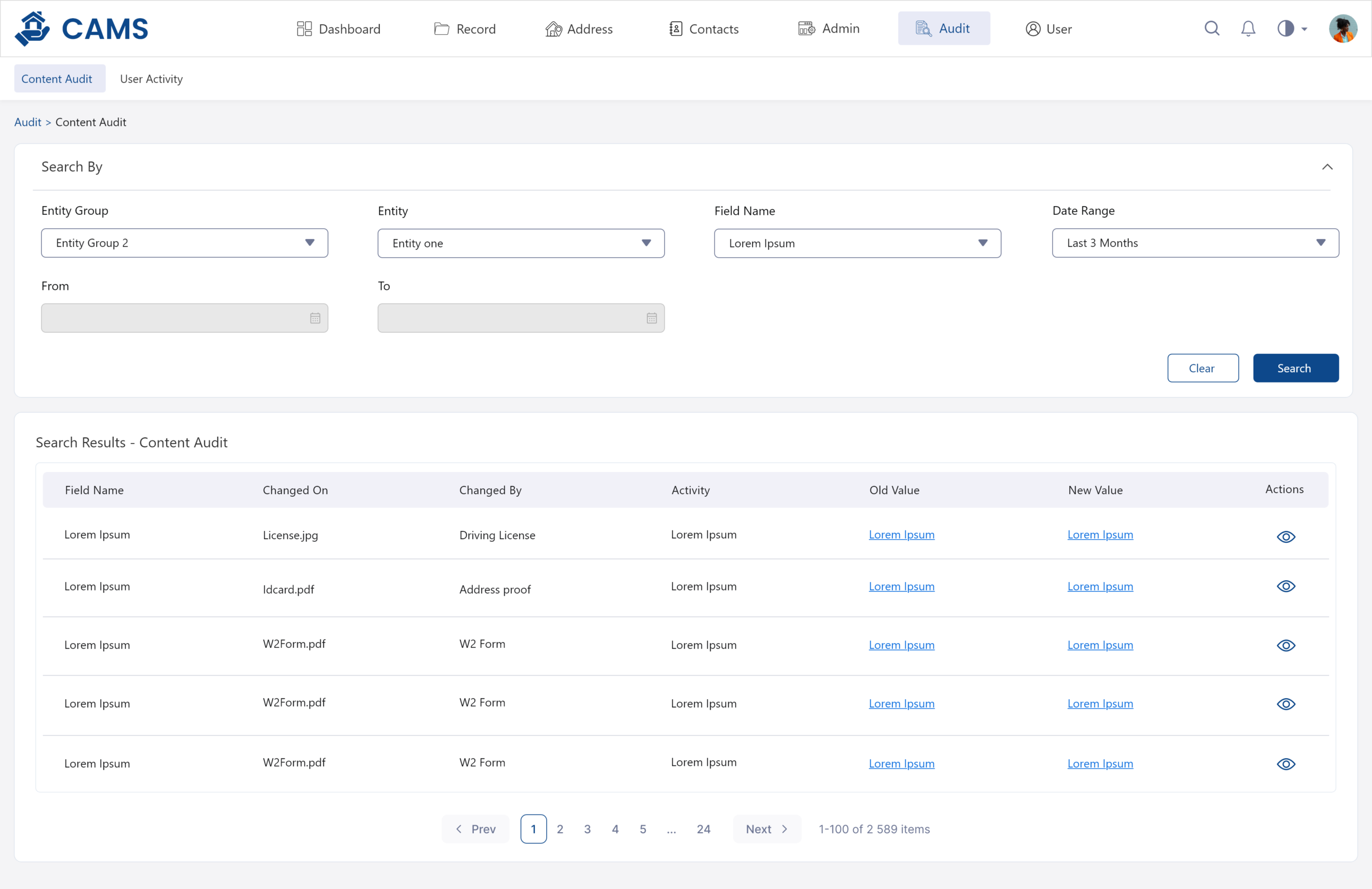
CAMS (Case Management System) is a web-based platform designed to streamline the collaborative processes that happen in an organization. Any process that includes data intake, data evaluation, service providing, and reporting etc. requires coordination of multiple teams working with different schedules and priorities. Functional modules of CAMS include Data Intake, Workflow management, processing of incoming work, scheduling, Dashboards to manage work queues and navigation to work items, correspondence management, inbuilt search engine and ability to integrate with a wide range of tools.

Users

CAMS is a B2B product desired to be used by a wide range of industries in a multitude of domains.

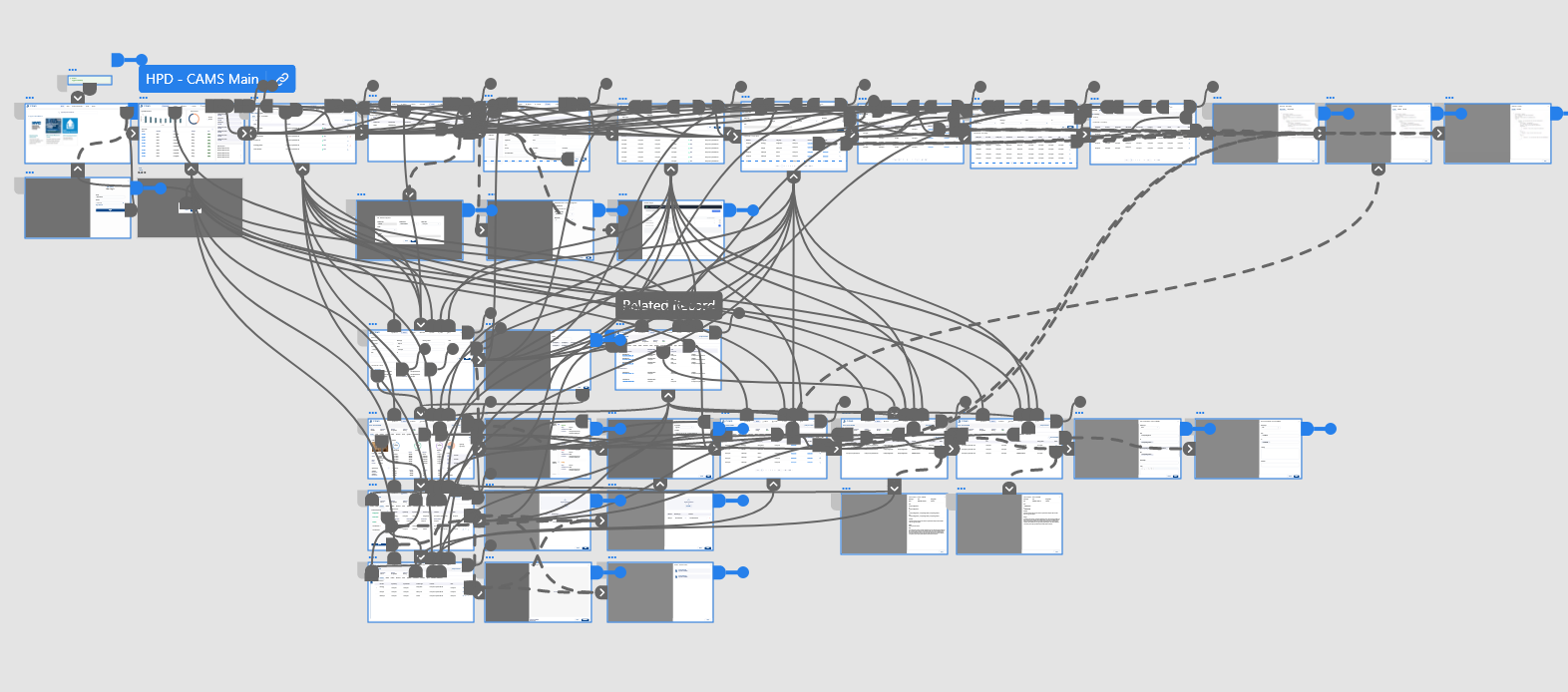
This is the design strategy I followed to execute the case management project

UX Activities in my Approach

Lean UX in Agile Environment, User research, Focus group sessions, Usability testing, Design iterations, Interaction Design.

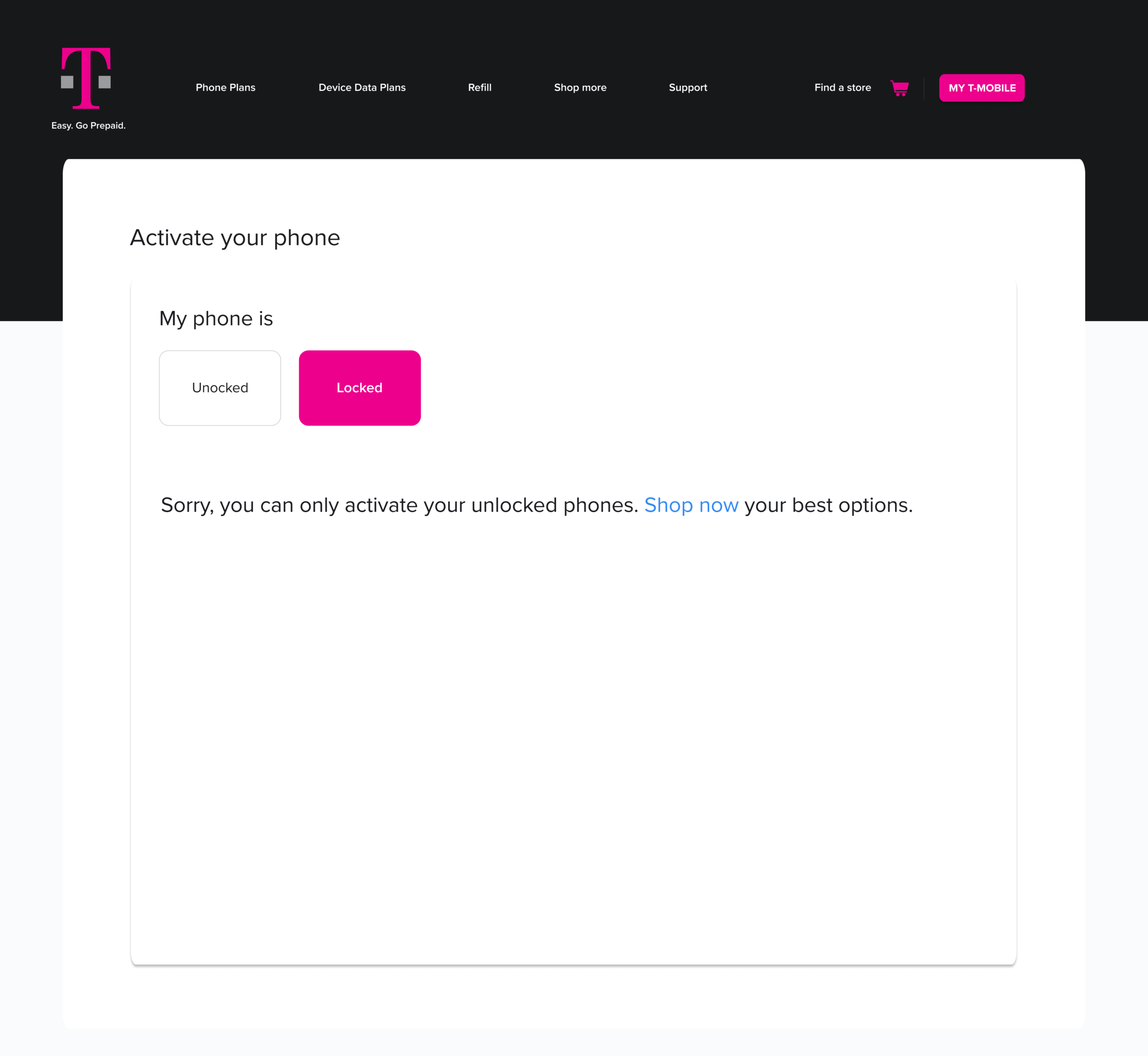
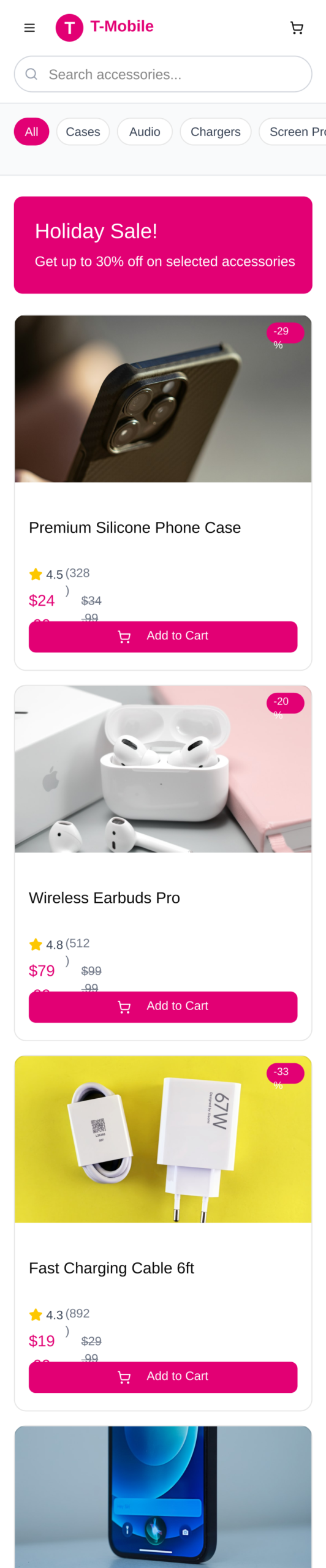
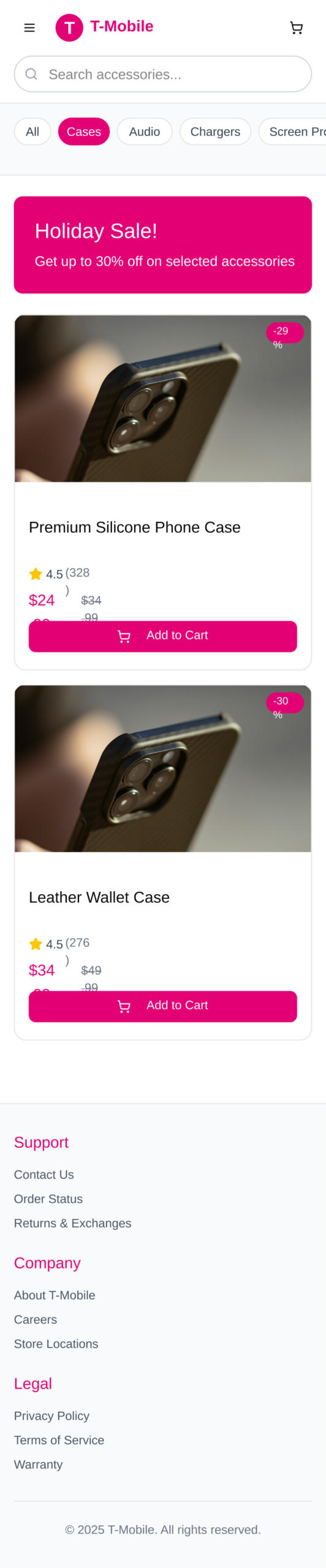
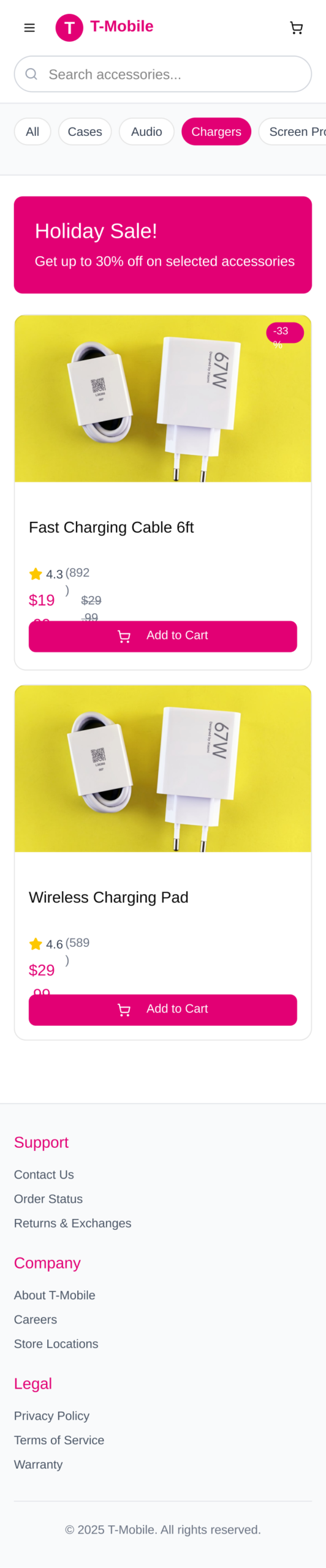
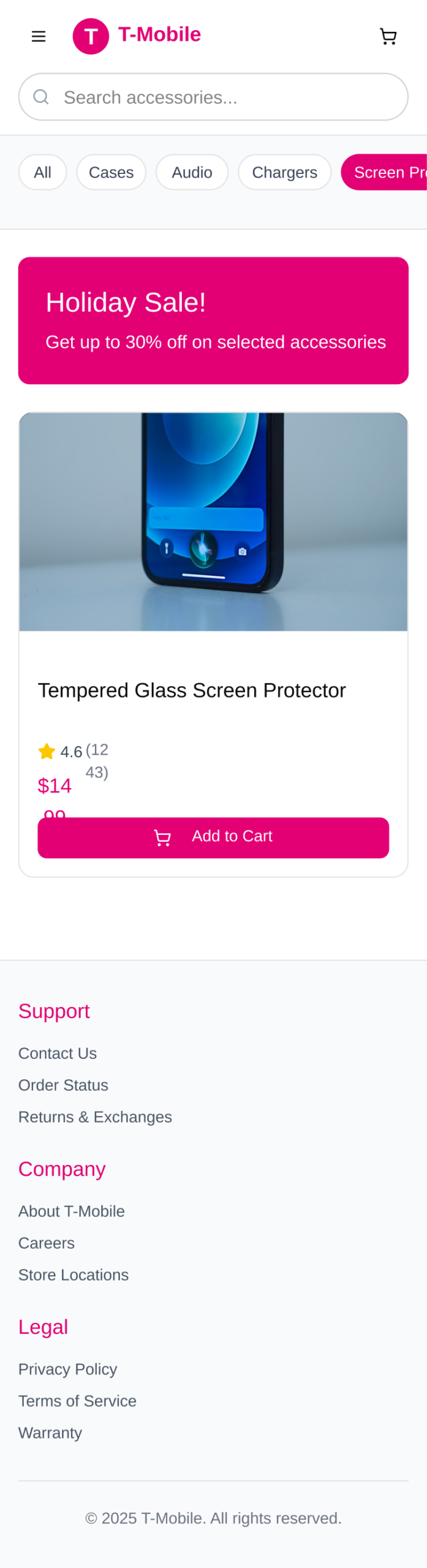
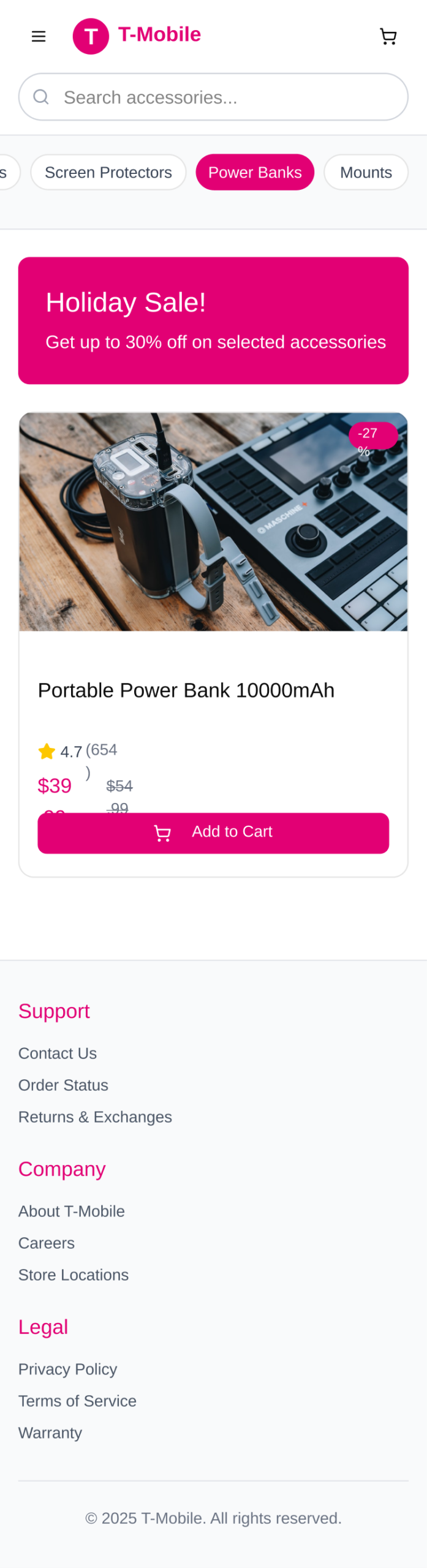
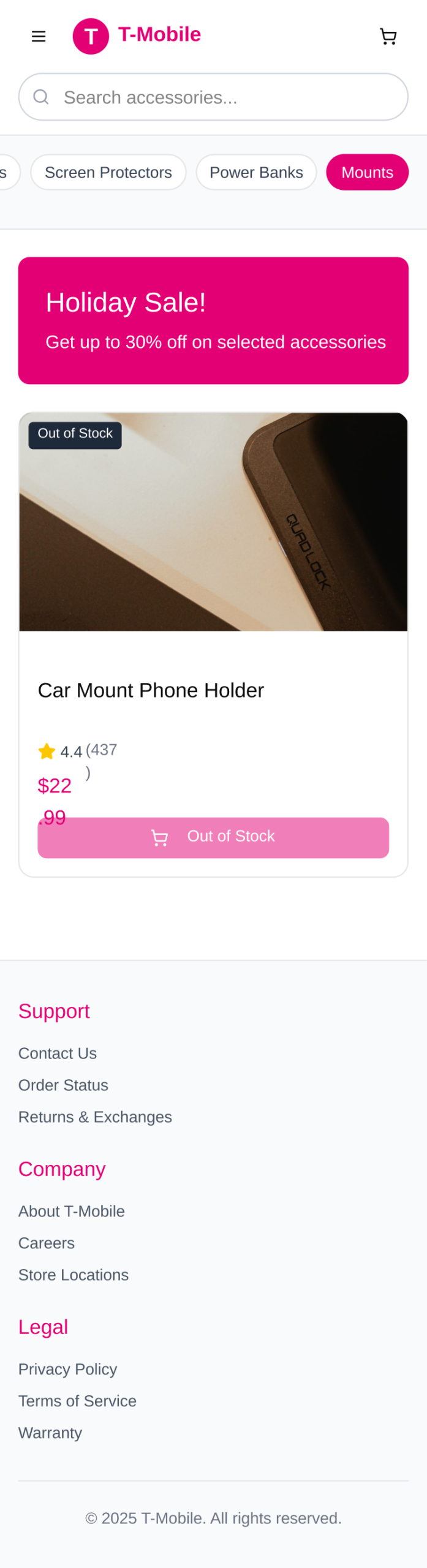
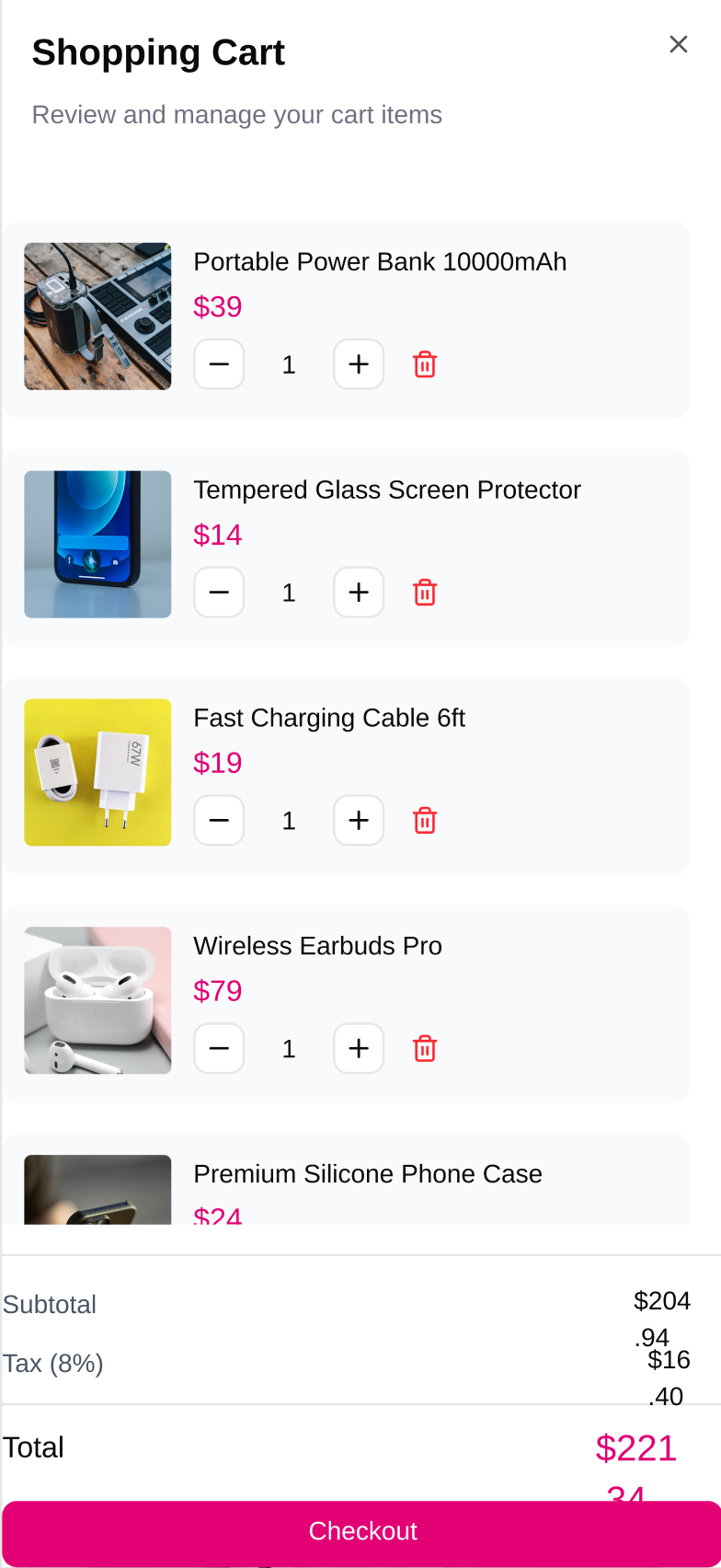
Cell Phone Accessories - Responsive Design

VIDEO
  • Created by: Vivekananda Kondapalli
  • Skills:

Project Brief

External Portal - Mobile Design v1

VIDEO
  • Created by: Vivekananda Kondapalli
  • Skills:

Project Brief

Montana Health Monitor

VIDEO
  • Created by: Vivekananda Kondapalli
  • Skills:

Project Brief

Rep's Journey v2

VIDEO
  • Created by: Vivekananda Kondapalli
  • Skills:

Project Brief

Rep's Journey

VIDEO
  • Created by: Vivekananda Kondapalli
  • Skills:

Project Brief